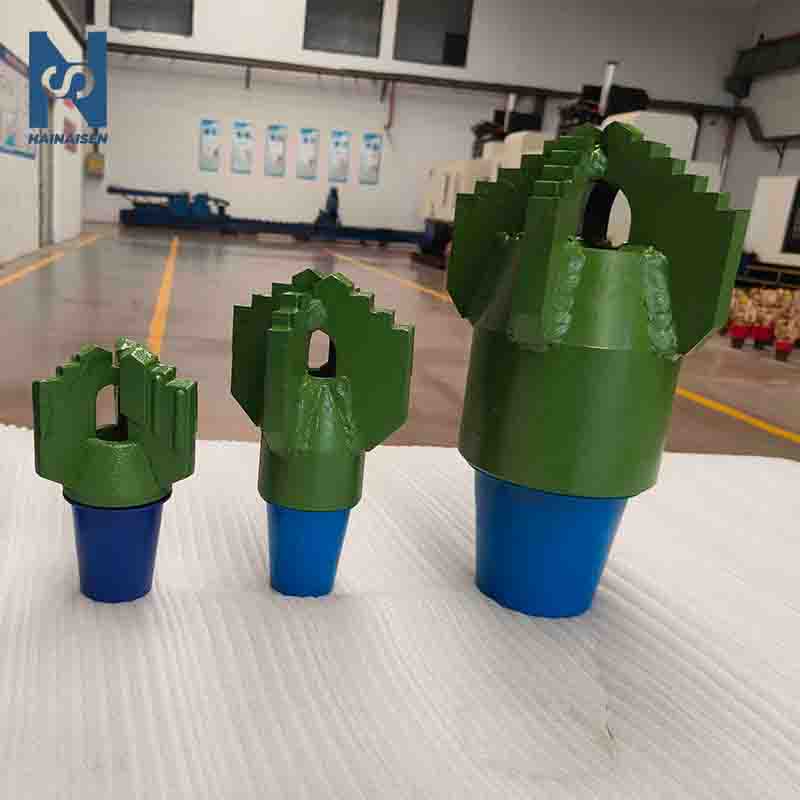
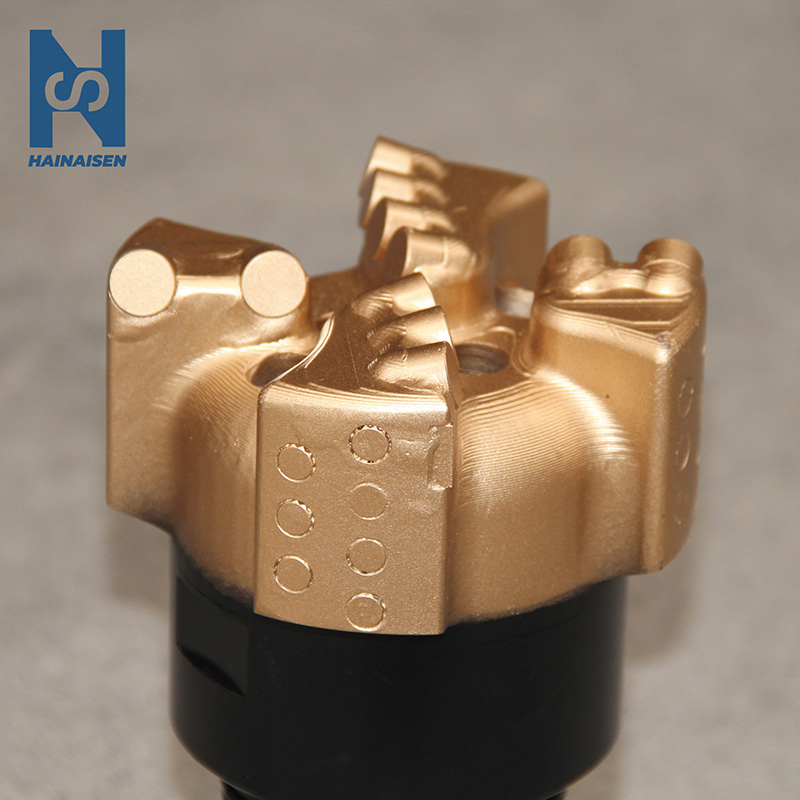
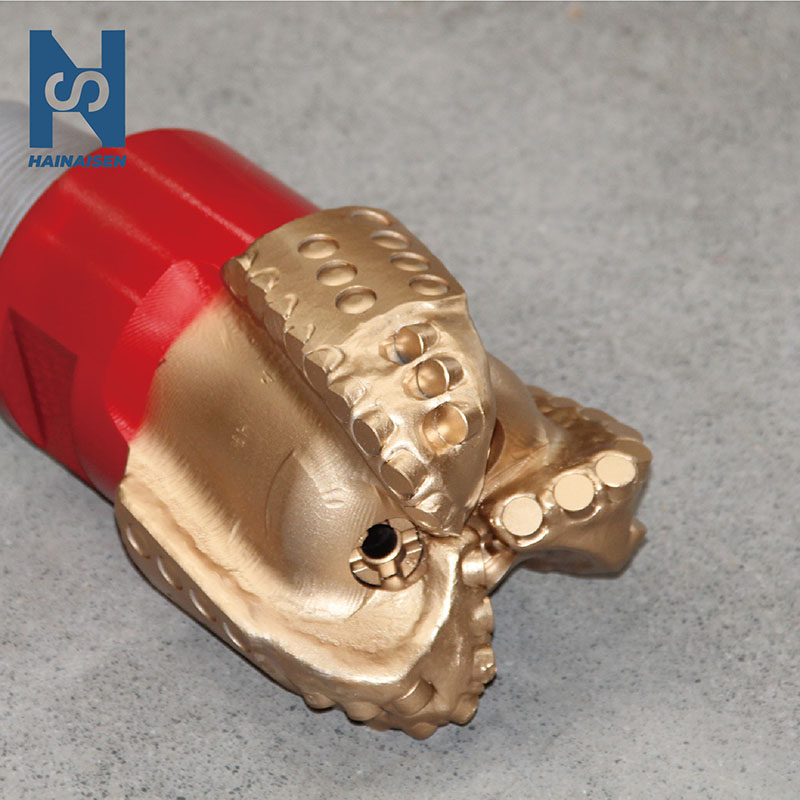
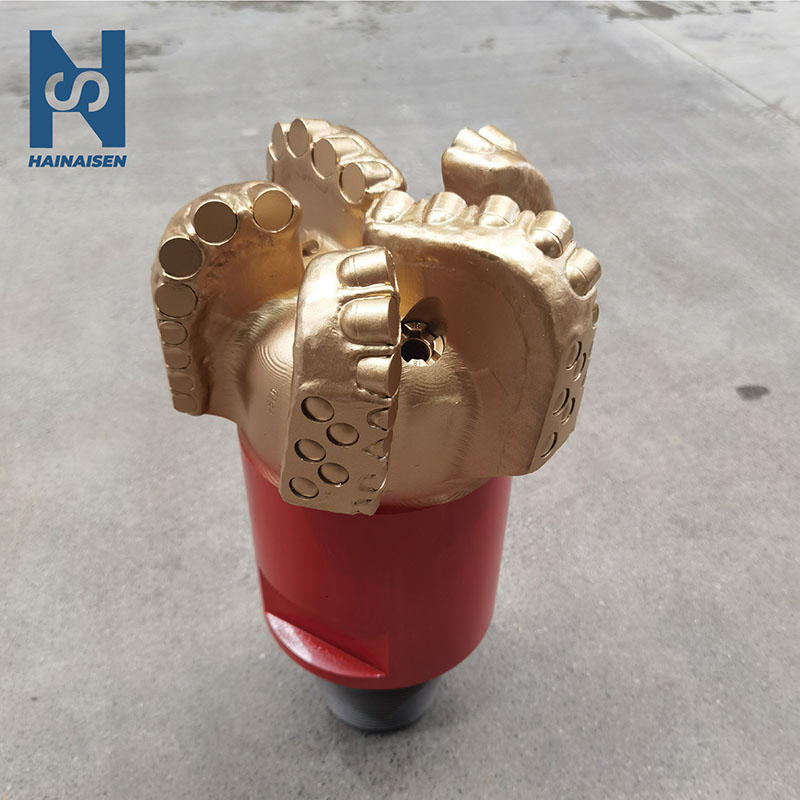
Best Diamond Oil Drill Bit for Deep Oil Wells
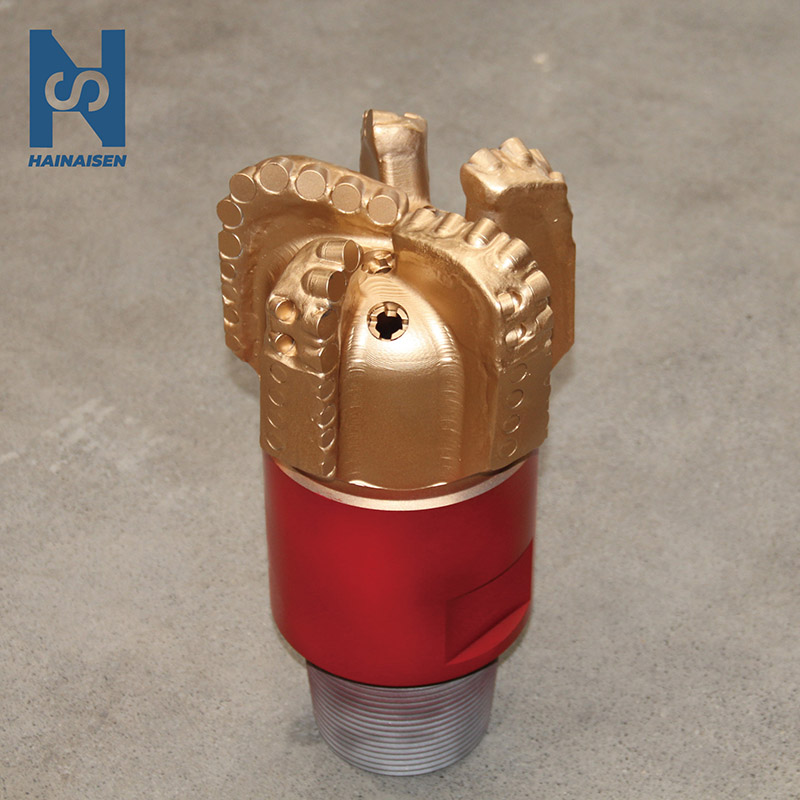
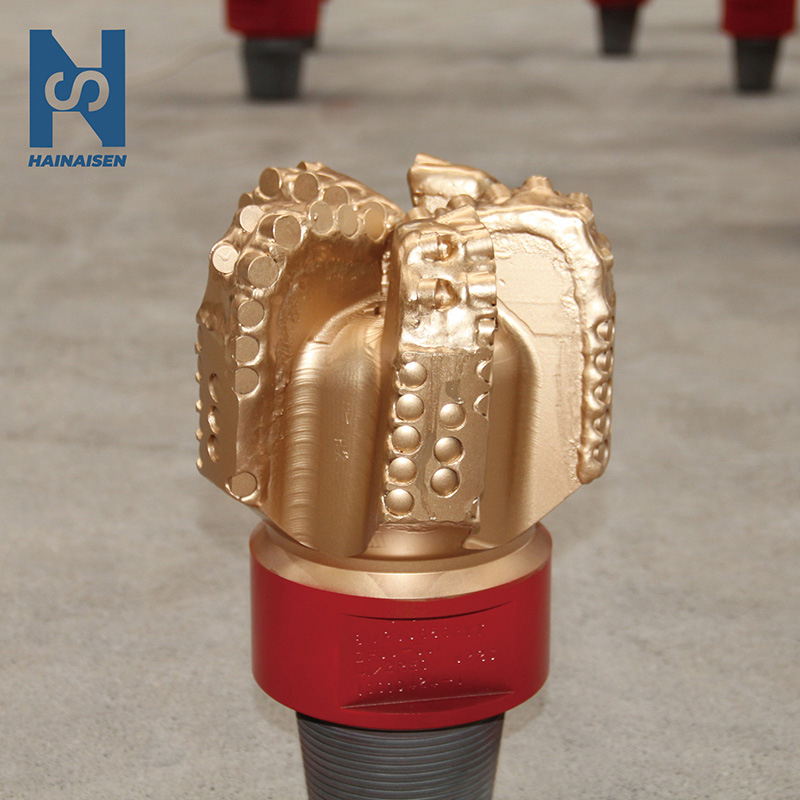
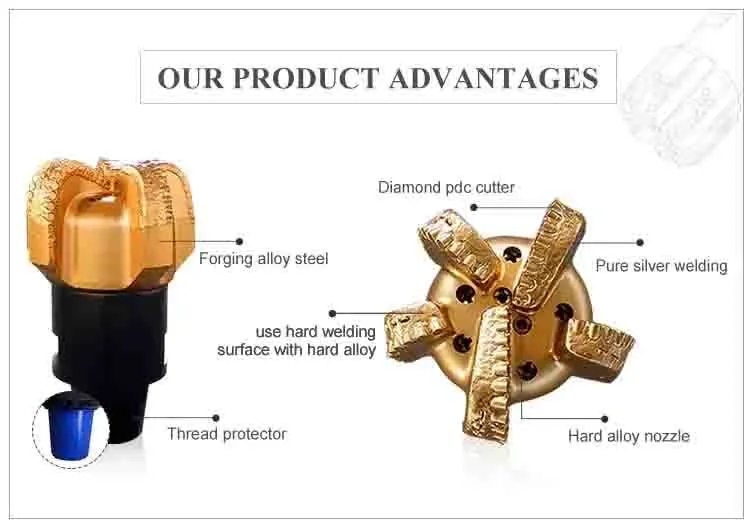
When searching for the Diamond Oil Drill Bit solution for deep well drilling operations, procurement managers and technical engineers face critical decisions that directly impact project success and operational efficiency. Modern diamond-impregnated drill bits represent the pinnacle of drilling technology, offering superior performance in challenging deep well environments where traditional bits fail to deliver consistent results. These advanced tools combine polycrystalline diamond compact (PDC) technology with optimized cutting structures to achieve faster penetration rates while maintaining exceptional durability in high-temperature, high-pressure conditions that characterize deep oil wells.
Understanding Diamond Oil Drill Bits for Deep Oil Wells
Construction and Operation Principles
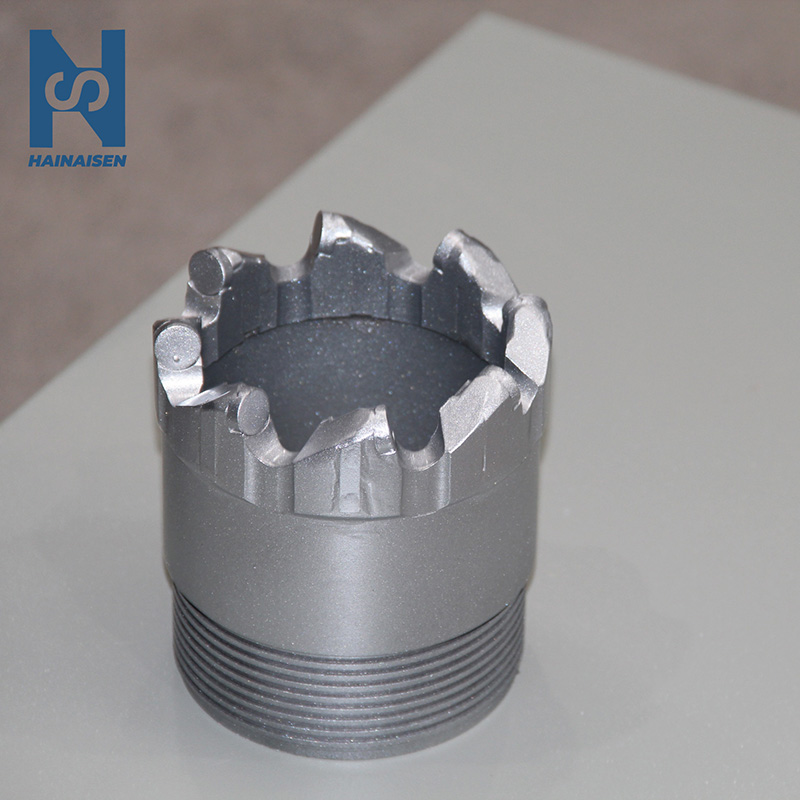
Diamond-impregnated drill bits are made using advanced techniques that insert fake diamonds into a matrix body. This makes cutting surfaces that can handle the harsh conditions downhole. Modern bit design is based on polycrystalline diamond compact technology. This technology uses multiple diamond layers to make cutting elements that stay sharp during long drilling operations. The makeup of the matrix body changes depending on what it will be used for. For example, tungsten carbide strengthening makes abrasive forms stronger.
To work, these bits depend on shearing action instead of breaking, which makes drilling much more efficient in medium to hard rock layers. The cutting device breaks up rock in a controlled way by contacting it precisely with a diamond. This makes smaller pieces that can move more easily through hydraulic pathways. This method cuts down on energy use while keeping entry rates the same in a variety of geological situations.
Key Benefits and Performance Characteristics
Cutting-edge diamond oil drill bit designs offer quantifiable benefits that translate into cost savings and business effectiveness. The natural toughness of diamond materials makes them last longer than tungsten carbide options because they don't wear down as quickly. The improved cutting structure spreads the load evenly across several cutting elements, keeping the bit's aggressive cutting action throughout its useful life and avoiding early failure.
Another important benefit is that it doesn't get damaged by heat, which is especially important for deep well uses where temperatures can reach over 300°F. Because polycrystalline diamond compacts are thermally stable, their cutting efficiency stays the same even when temperatures are very high downhole, which would damage other bit technologies. This heat resistance means longer run times and fewer trips, which has a direct effect on the cost of digging.
Types and Applications in the Oil and Gas Industry
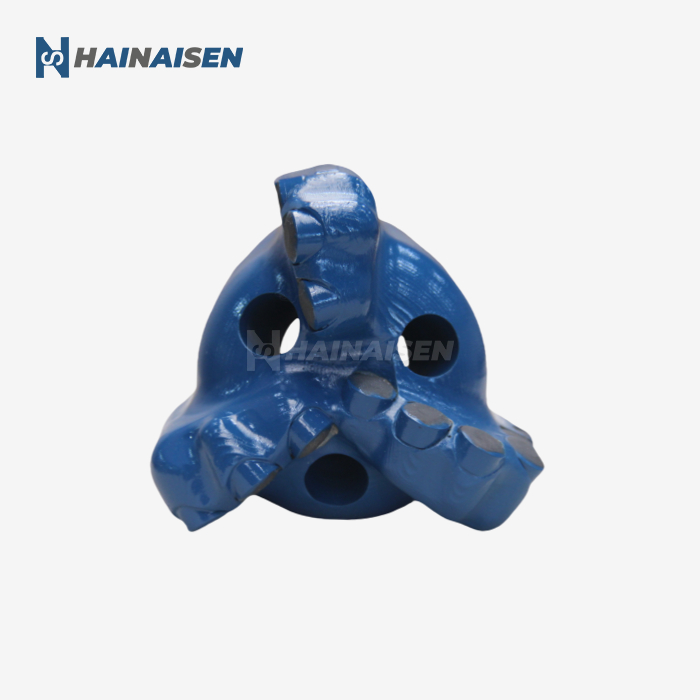
Our diamond drill bits are used in many different ways in the energy sector. They are specially made to handle difficult drilling situations. Bits that are made for different formation hardnesses are useful for oil and gas research, while bits that are made for higher thermal resistance are needed for geothermal uses. Coal bed methane extraction uses changed cutting structures that can work well with formations that don't behave normally.
These tools are very useful because they can be used on a variety of rock types and are great at working in medium-hard layers. Better weight transfer systems and vibration reduction features are part of the advanced design theory. These make drilling operations smoother and the whole thing more efficient. When it comes to water well drilling, the cost-effective performance traits that smaller drilling companies need are especially helpful.
Comparing Diamond Oil Drill Bits with Other Drill Bit Technologies
Performance Metrics Analysis
When comparing diamond bits to other options, thorough performance tests show that diamond bits have big benefits. Tungsten carbide bits are originally less expensive, but they don't last as long and are less effective at drilling through tough rocks. When trip time, replacement frequency, and general drilling effectiveness are taken into account, the total cost of ownership estimates always favor diamond technology.
PDC Bits are the current standard in the drilling business for most jobs because they work well in a wide range of geological situations. Specialized diamond oil drill bit designs, on the other hand, offer better performance in some situations where standard PDC technology falls short. While cone bits are still useful in some hard rock situations, their mechanical complexity makes them more difficult to keep and increases the chance that they will break.
Durability and Speed Comparisons
Field testing shows that bits coated with diamond have 25–40% higher penetration rates than similar tungsten carbide options, and they stay functional for longer amounts of time. Diamond bits have a cutting action that makes wellbores smoother with less force. This means that the equipment is less stressed and the drilling string lasts longer.
Hybrid technologies try to get the best of several different methods, but they often lose some of their specific performance qualities. Roller cone shapes are flexible, but they don't have the constant performance profile that modern drilling needs. Because diamond bits are mechanically simple, they don't have any failure points that come with moving parts. This gives them practical stability that procurement managers really value.
Procurement and Supply Chain Considerations for Diamond Oil Drill Bits
Pricing Dynamics and Cost Factors
Knowing how the economy affects the purchase of diamond bits helps you make better budgeting and buying choices. The main thing that changes the general cost of a bit is the price of the raw materials, especially the price of fake diamonds. Manufacturing complexity, such as the need for specialized welding methods and strict quality control standards, adds to the costs that set luxury sellers apart from commodity providers.
Large and medium-sized drilling companies can save a lot of money by signing volume purchasing deals. When you order in bulk, you save money on each unit and make sure that you always have a supply during long drilling efforts. Custom orders cost more, but they offer better performance, which often justifies the higher original investment by lowering the number of times they need to be replaced and increasing operational efficiency.
Supply Chain Reliability and Lead Times
Planning drilling operations that depend on the performance of specific bits requires a supply chain management that you can rely on. Standard layouts usually have lead times of two to four weeks, while customized designs can take up to eight weeks to finish. When making drilling timelines and inventory management plans, procurement managers should keep these dates in mind.
Warranty coverage and help after the sale vary a lot between sellers. This makes them important things to look at when choosing a dealer. OEM makers usually offer full support packages that include expert advice and services to improve performance. Authorized sellers offer local support benefits and keep access to maker tools and original replacement parts.
Maintenance, Durability, and Performance Optimization
Wear Factors and Maintenance Practices
To get the most out of your diamond oil drill bit, you need to know how it wears down and follow the right care steps. Micro-fracturing and heat stress buildup cause diamond cutting elements to slowly break down. When you choose the right drilling parameters, you can keep the best entry rates while avoiding too much stress concentration.
Regular inspections find wear patterns before they hurt the performance of the drills. By looking at the cutting elements visually, you can see how the damage is getting worse, and measurement procedures keep track of gauge wear and the integrity of the cutting structure. Handling and storing these specialized tools properly keeps them from getting damaged during shipping and setup work, protecting the large investment they represent.
Performance Challenges in Deep Well Operations
Deep well drilling settings have their own problems that need special bit designs and ways of doing things. Cutting element bonds and matrix materials are stressed by high downhole temperatures, so it's important to choose the parameters carefully to avoid thermal damage. High pressure changes the patterns of hydraulic flow and how well cuttings are removed, which in turn changes how well bits are cleaned and how well the machine works generally.
Corrosive conditions break down matrix materials and cut element bonds, while abrasive forms speed up the rate of wear. By knowing about the properties of the rock, you can choose the right bit and adjust the parameters in a way that maximizes drilling efficiency while keeping the bit's integrity. Because mud system compatibility affects how well cooling works and how long the cutting element lasts, choosing the right drilling fluid is an important part of improving bit performance.
Selecting the Right Brand and Supplier for Your Procurement Needs
Quality Assurance and Certification Standards
Manufacturers with a good reputation have strict quality control systems that make sure bits always work and are reliable. ISO 9001 approval shows a dedication to organized quality management, and API specifications set performance standards for the entire business. Before goods are used in the field, they are put through a series of tests in the lab to make sure that the cutting elements join strongly and that the matrix is hard.
Shaanxi Hainaisen Petroleum Technology Co., Ltd. has a modern 3,500 m² building with advanced processing equipment like 5-axis machining centers and CNC machine tools, which makes them a leader in the manufacturing business. Their focused research and development team focuses on making unique bits that meet the needs of customers in a wide range of industries. This all-around method makes sure that the bit works at its best in all kinds of geological and operating situations.
OEM Services and Customization Options
Custom bit design services let you get the best results when you're drilling in places where standard bits can't reach. Manufacturers with a lot of experience look at formation data, drilling factors, and operating needs to come up with custom solutions that make drilling more efficient. A lot of the time, these working partnerships go beyond just delivering the product. They also include ongoing professional help and tracking of performance.
Having access to full expert advice adds a lot of value to procurement choices that involve big investments in drilling. With the help of an expert, you can choose the best bits, such as the Diamond Oil Drill Bit, set the right drilling settings, and come up with the best operating strategies to get the best return on your investment while minimizing operational risks. In the competitive drilling tool market, this expert relationship method sets premium sellers apart from commodity providers.
Conclusion
The best diamond oil drill bit for deep well drilling is a very important purchase choice that has an effect on the project's cost and its ability to run smoothly. These specialized tools are necessary for tough drilling conditions because they have advanced PDC technology, better cutting structures, and better heat resistance. Drilling operations can get better results at lower costs by knowing the benefits of their technology compared to other options and using smart buying strategies and good upkeep methods. Working together with skilled makers who offer bespoke options and ongoing technical support guarantees the best drilling results in tough deep-well applications.
FAQ
1. What determines the optimal replacement interval for diamond drill bits in deep well operations?
When to replace a bit depends on a number of things, such as how rough the rock is, the drilling settings, and how the bit wears. The best way to tell how much bit life is left is to check the cutting parts and gauge wear on a regular basis. When cutting elements show a lot of damage or when penetration rates drop below what is considered acceptable, most bits need to be replaced.
2. How do diamond drill bits perform in different geological formations?
Diamond bits work best in medium- to hard materials because their slicing action makes cutting very efficient. Bit balling can happen in soft formations, and you have to be very careful when setting the parameters to avoid damaging the cutting elements in very hard formations. Bit shapes that are tailored to a certain formation improve performance in a wide range of geological circumstances.
3. What factors influence drilling speed in challenging rock formations?
The main things that can be changed to affect entry rates are the bit's weight, its rotating speed, and how well its hydraulics work. The best drilling factors are found by combining the features of the formation, the drilling fluid, and the bit design. The best way to get the most out of drilling is to choose parameters that combine bit protection with penetration rate.
Partner with HNS for Superior Diamond Oil Drill Bit Solutions
HNS makes diamond drill bits that are the best in the business and are specially designed for hard deep well drilling jobs. Our cutting-edge polycrystalline diamond compact designs last longer and cut more efficiently than other options on the market. Email our technical team at hainaisen@hnsdrillbit.com to talk about your unique drilling needs and learn more about our wide range of options that can be tailored to your needs. As a reputable Diamond Oil Drill Bit manufacturer, we offer low prices for bulk orders, a full guarantee, and quick expert help to make sure your project goes smoothly.
References
1. Smith, J.R. I. Johnson and M.K. "Advanced PDC Technology in Deep Well Drilling Applications." Journal of Petroleum Technology, no. 75, no. 8, 2023, pp. 45–62.
2. Williams, D.A. The 2023 International Drilling Conference Proceedings have a paper called "Comparative Analysis of Diamond Impregnated Drill Bits in High-Temperature Environments." It has pages 123–138.
3. Chen, L. Martinez, R.P. "Optimization Strategies for Diamond Drill Bit Performance in Challenging Formations." Drilling Engineering Quarterly, no. 41, no. 3, 2023, pp. 78–94.
4. Thompson, Kent S. An economic study of diamond drill bit technology used in deep well operations can be found in the Energy Industry Economics Review (vol. 28, no. 5, 2023, pp. 156–171.
5. Anderson and P.J. "Quality Assurance Standards for Modern Diamond Drill Bit Manufacturing." Industrial Quality Management, no. 19, no. 7, 2023, pp. 89–105.
6. Roberts, M.L. "Supply Chain Management for Specialized Drilling Equipment." Oil and Gas Procurement Today, no. 12, no. 4, 2023, pp. 34–49.