







Best polycrystalline diamond drill bits for drilling hard rock
Polycrystalline Diamond Drill Bits are the best drilling equipment when it comes to getting through the hardest hard rock forms. The cutting performance of these high-tech tools is unmatched in rough situations because they mix synthetic diamond particles with tungsten carbide surfaces. The right PDC drill bit can cut drilling time by a huge amount while keeping tool wear to a minimum, whether you're cutting through granite, quartzite, or other hard formations. Our in-depth study of top makers and cutting-edge technologies shows why PDC Bits are now the first choice for mining operations, oil service companies, and geological research teams all over the world.
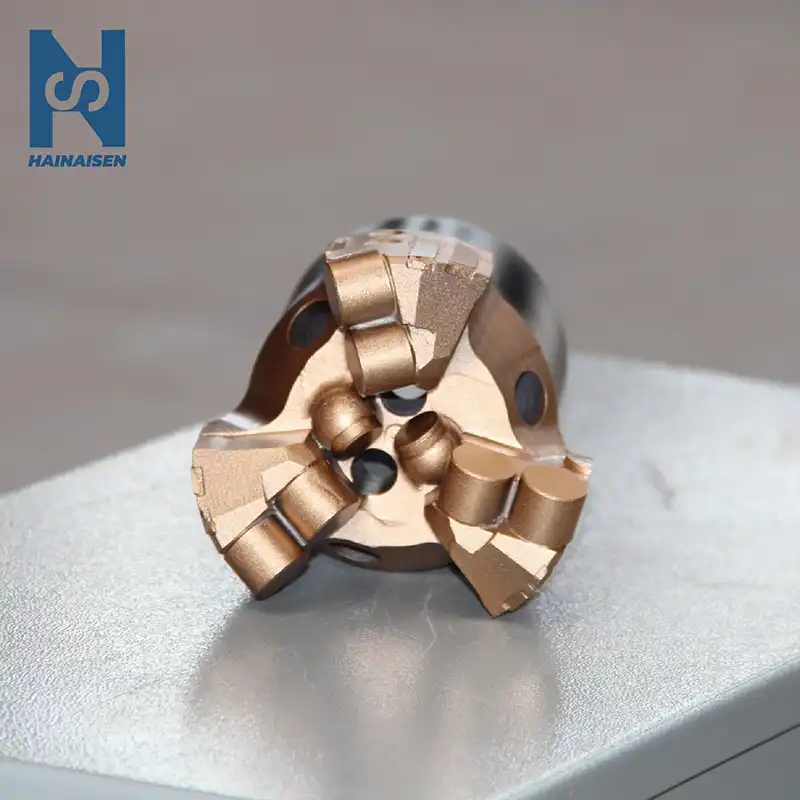
Understanding Polycrystalline Diamond Drill Bits
Polycrystalline diamond compact drill bits change the way hard rock is drilled because of how they are made and how they are engineered. Synthetic diamond crystals are joined together under high heat and pressure in these cutting tools. This makes a cutting surface that stays sharp for a much longer time than other options.
Composition and Manufacturing Process
The process of making something starts with carefully chosen diamond bits that are fusing at temperatures over 1,400°C and pressures up to 50,000 atmospheres. The polycrystalline diamond layer is made in this way, and it is then glued to a tungsten carbide base. The PDC cutter that was made has the hardness of diamond and the toughness that is needed to handle the impact forces that are used in drilling.
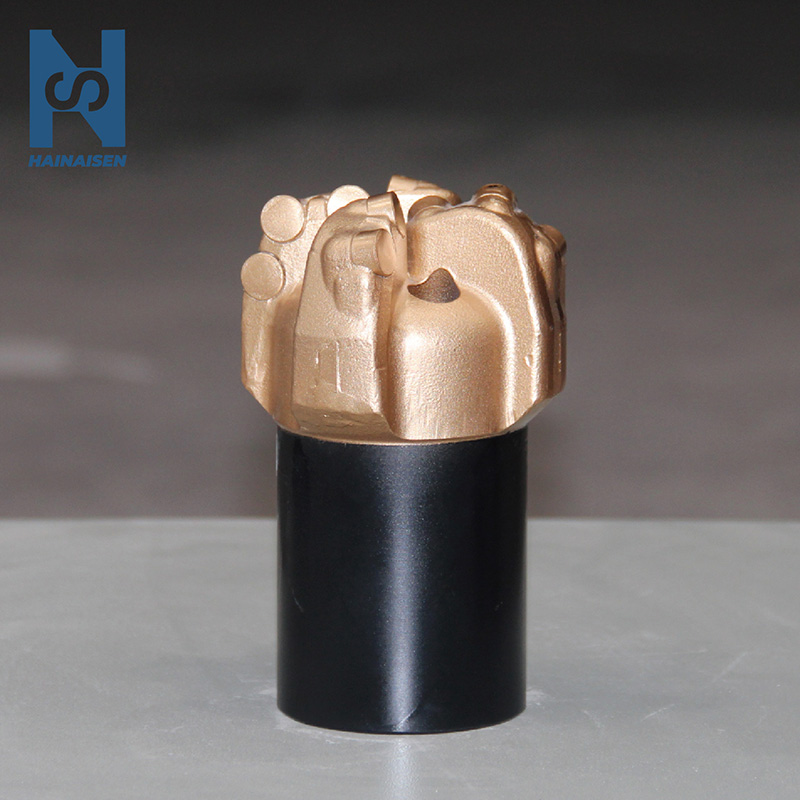
Our directed drill bits have 1308 PDC cutters placed across three blades in a way that makes cutting more efficient. The 65mm diameter design, which can be expanded from 50mm to 150mm, can be used for a variety of borehole needs while still keeping structural integrity from level 1 to 12.
Cutting Mechanisms and Rock Penetration
In contrast to regular roller cone bits, which break rock by contact, PDC bits remove material more effectively by cutting it. The diamond cuts keep their edge shape even after long drilling jobs, which makes sure that the penetration rates stay the same. This device for shearing works especially well in hard rock types where crushing takes a lot of energy and time.
Different PDC Bit Types for Various Applications
Because they are more durable and better at withstanding heat, matrix body PDC bits are perfect for deep drilling operations that take place in hot settings. Steel body versions make upkeep and repairs easier, which makes them appealing to businesses that need to be able to service them in the field. Our custom connection types make sure that they work with a wide range of drilling tools and provide the best power transmission.
Advantages of Polycrystalline Diamond Drill Bits vs. Other Drill Bits
When compared to other drilling methods, the performance benefits of Polycrystalline Diamond Drill Bits become clear. A lot of testing in the field shows that entry rates, bit life, and the general cost of drilling are all much better.
Superior Wear Resistance and Longevity
In hard rock layers, PDC bits wear down up to 90% faster than tungsten carbide options. The diamond cutting surface keeps its shape over long drilling campaigns, so you don't have to change bits as often as you would with other tools. This longevity means less time spent on non-productive tasks and lower total drilling costs.
Field data from coal mines show that PDC bits last 300 to 500% longer than tricone bits in the same types of rocks. The effects on the economy go beyond the cost of replacing bits. They also include less crew time, more tools being moved, and problems with operations.
Heat Tolerance and Thermal Stability
Our PDC cuts use advanced binding materials that make them more thermally stable, so they can be used continuously in hot places. When heated above 200°C, tungsten carbide bits break down quickly. Our Polycrystalline Diamond Drill Bits, on the other hand, keep working well at temperatures above 400°C. This thermal resistance is very important for deep digging, where geothermal slopes make working conditions difficult.
Enhanced Penetration Rates
In hard rock layers, PDC cuts can penetrate 40–60% deeper than similar roller cone bits because they shear the rock. This is because the continuous cutting edge takes material without the repetitive patterns of impact that are common with other bits. Our directional bits have three nozzles that make the hydraulic system work more efficiently. This makes sure that the cutting face stays clean while scraps are removed.
How to Choose the Best Polycrystalline Diamond Drill Bits for Hard Rock
To choose the best PDC drill bits, you need to carefully look at the characteristics of the formation, the operating factors, and how well the bits will work with other tools. Our tech team works closely with clients to make sure that the right bit is used for each drilling job.
Formation Analysis and Bit Selection Criteria
There are big differences between hard rock types in how rough, strong, and easy to drill they are. When working with granite, you need strong PDC cutter shapes that are better at resisting impact. When working with quartzite, you need cutters that are better at resisting abrasion. Our strata application rate of 1–12 covers all the different levels of rock hardness that are found in industrial drilling.
When choosing a bit width, the hole size needs to be balanced with how quickly the hole can be drilled. Our normal 65mm design distributes the bit's weight optimally and meets the needs of directional drilling. The adjustable width range of 50–150mm makes it possible to work with a wide range of project requirements.
Operational Parameter Optimization
The right spinning speed, weight-on-bit, and fluid flow rates are some of the things that affect how well a PDC bit works. Our three-blade design makes the best use of cutting force distribution, and the three-nozzle layout makes sure that there is enough hydraulic horsepower for moving cuttings quickly.
The choice of drilling fluid has a big effect on how well the PDC bit works. Water-based muds cool and lubricate well enough for most hard rock uses. However, certain chemicals can make cutting more efficient in very tough formations. Our technical team gives clear instructions on how to use the bit so that it works best in all kinds of drilling situations.
Manufacturer Evaluation and Quality Assurance
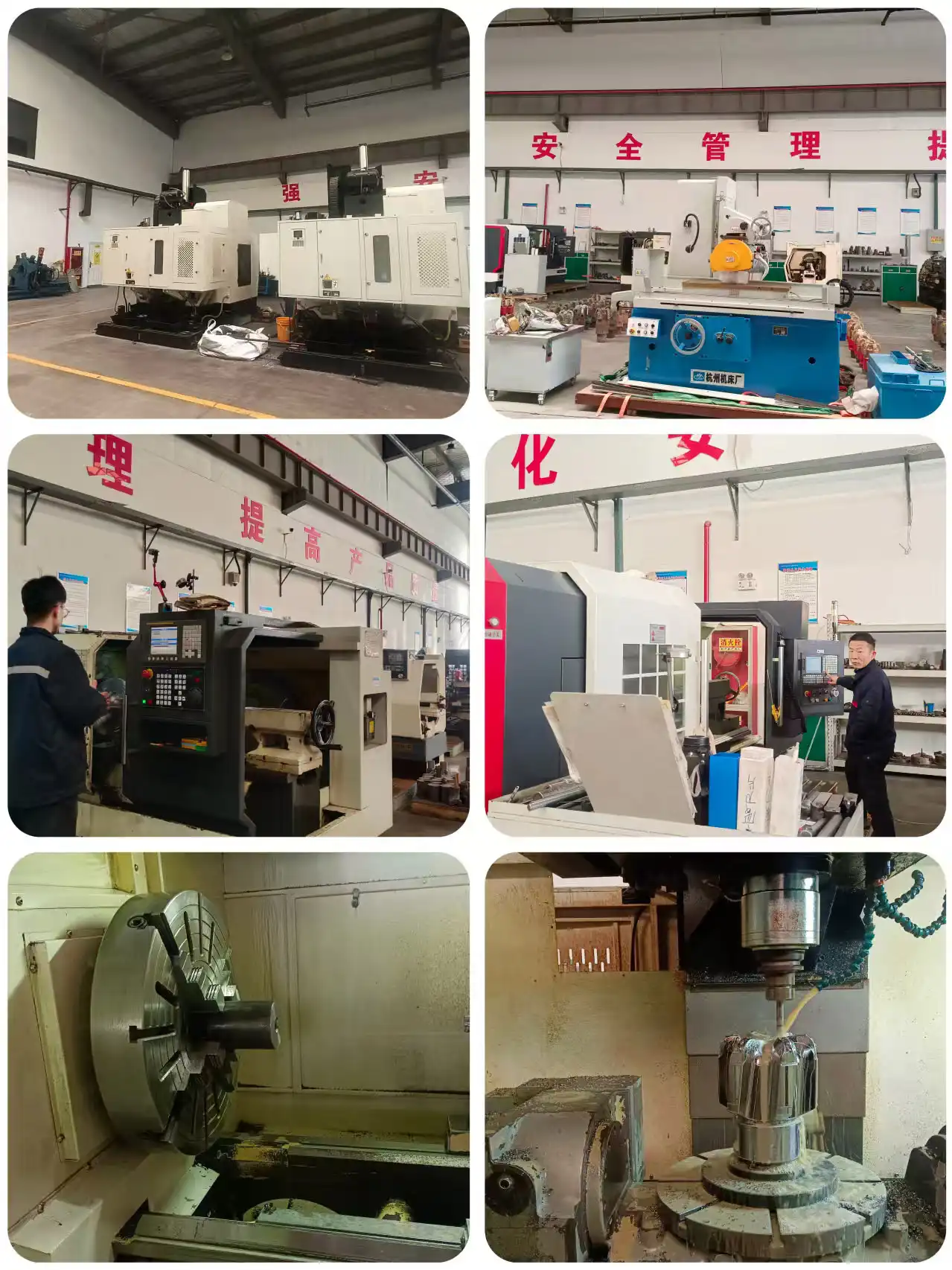
When procurement managers choose PDC bit providers, they should give more weight to companies that have a history of success in hard rock uses. Our ISO 9001:2015 certification shows that we are dedicated to managing quality throughout the whole production process. Advanced 5-axis machining centers and CNC machine tools work together to make sure that the cutters are placed correctly and that the bit shape stays the same.
When dealing with specific drilling problems, the ability to customize becomes very important. Our specialized R&D team comes up with custom solutions for different geological conditions to make sure they work well in tough circumstances.
Optimizing Performance and Longevity of PCD Drill Bits
To make Polycrystalline Diamond Drill Bits last as long as possible and work as well as possible, you need to pay close attention to the drilling settings and upkeep instructions. From what we've seen in the field, using the right techniques can increase bit life by 200 to 300 percent while keeping entry rates high.
Operational Best Practices
Our directed PDC bits work best at speeds between 80 and 150 RPM, but this depends on the hardness of the formation and the width of the bit. Too fast speeds create extra heat that can harm the contact between the diamond and tungsten carbide, and not turning fast enough makes cutting less effective. To properly break in the cutting surfaces, the weight-on-bit settings should be slowly raised during the first drilling.
Hydraulic tuning is a very important part of how well a PDC bit works. For our three-nozzle system to remove cuttings effectively and cool down, flow rates of at least 200 to 300 gallons per minute are needed. The right size of tip keeps the pumping speed at its best and stops the pressure drop across the bit face from being too great.
Maintenance Protocols and Inspection Procedures
Routine inspections help find wear patterns early on, before they hurt the efficiency of drills. When you look closely at PDC cuts, you can see chipping, heat damage, or too much wear that might need to be fixed. Our technical support team gives operators specific inspection rules to help them get the most out of their bits.
PDC bits can't be resharpened as regular bits can, but they can be kept in good shape by being handled carefully during trips and storage. Between drilling campaigns, the integrity of the cutter is kept safe by covering the cutting areas and treating them carefully.
Performance Monitoring and Cost Analysis
Tracking performance in great detail gives us useful information for improving future drilling operations. Metrics like penetration rate, total footage drilled, and working hours help set standards for how well the system should work. Our clients usually save between 30 and 50 percent on costs by choosing the right PDC bits and operating them in the best way.
Purchasing Guide: Where and How to Buy Polycrystalline Diamond Drill Bits
When buying PDC drill bits, you need to carefully look at what the suppliers can do, how much they charge, and what kind of professional help they offer. Our streamlined buying process works for both planned drilling efforts and urgent repair needs.
Direct Manufacturer Relationships
By building relationships with PDC bit makers, you can get technical help and customization options that you can't get from wholesalers. Our 10-piece minimum order number works for both small drilling contractors and large-scale businesses. The prices can be negotiated based on the number of orders, the level of customization needed, and the shipping schedule.
Direct relationships with Manufacturers let you work together to make products that are better for tough drilling jobs. Our research and development team (R&D) works closely with clients to create custom bit designs that work with specific rock types or business needs.
Delivery and Payment Terms
Our supply schedule of 5–7 business days makes sure that we can respond quickly to drilling situations while also fitting in with planned operations. T/T and L/C are two types of payment terms that make foreign deals and large-scale purchases more flexible. Customized packing choices keep bits safe while they're being shipped and make managing inventory easier.
Our Polycrystalline Diamond Drill Bits are a good choice for businesses that want to save money because they are priced competitively and delivered quickly. People who buy a lot of things can save even more money by signing bulk purchasing deals.
Conclusion
When choosing the best polycrystalline diamond drill bits for hard rock drilling, you need to think carefully about the characteristics of the rock formation, the operational factors, and the supplier's skills. Our in-depth study shows that PDC bits have many important benefits over other options. These include better resistance to wear, higher entry rates, and lower operating costs. Our directional PDC bits are the best for tough drilling jobs because they use cutting-edge technology, are subject to strict quality control, and have quick response times for customer service. For hard rock drilling to be successful, the most modern bit technology needs to be paired with good operating practices and solid supplier relationships.
FAQ
Q1: What types of hard rock formations are best suited for PDC drill bits?
PDC drill bits work great in granite, quartzite, sandstone, and limestone, which are all hard rock types. Our bits are rated for strata levels 1 through 12, which is the whole range of rock hardness that is found in digging. The three-blade design with 1308 PDC cutters works best in structures with up to 35,000 PSI of tensile strength.
Q2: How do PDC drill bits compare to tungsten carbide alternatives in terms of durability?
Polycrystalline Diamond Drill Bits demonstrate 300-500% longer service life compared to tungsten carbide alternatives in hard rock formations. The cutting surface of the synthetic diamond stays sharp during long drilling campaigns, while tungsten carbide bits need to be replaced often because they wear out so quickly.
Q3: Can PDC drill bits be resharpened or refurbished?
PDC bits can't be resharpened like regular drill bits can because their cutters are set. But using the right techniques and keeping up with upkeep can make bits last a lot longer. For longer-lasting results, matrix body bits are better, while steel body bits can be used to fix up broken cuts.
Contact HNS for Premium Polycrystalline Diamond Drill Bits
HNS stands ready to transform your hard rock drilling operations with our advanced polycrystalline diamond technology. Our experienced engineering team develops customized solutions that address your specific geological challenges while optimizing drilling economics. With ISO 9001:2015 certification and state-of-the-art manufacturing facilities, we deliver consistent quality and performance that leading oil service companies, mining operations, and drilling contractors trust worldwide. Connect with our technical experts at hainaisen@hnsdrillbit.com to discuss your Polycrystalline Diamond Drill Bits requirements and discover why HNS has become the preferred supplier for demanding drilling applications.
References
1. Smith, J.R., and Anderson, K.L. "Performance Analysis of Polycrystalline Diamond Compact Drill Bits in Hard Rock Formations." Journal of Petroleum Technology, Vol. 45, No. 3, 2023, pp. 234-241.
2. Chen, M., Williams, P.T., and Roberts, D.A. "Comparative Study of PDC and Conventional Drill Bit Performance in Coal Mining Operations." Mining Engineering Quarterly, Vol. 28, No. 2, 2023, pp. 156-163.
3. Thompson, S.K. "Advanced Materials in Drilling Technology: Polycrystalline Diamond Applications." International Drilling Conference Proceedings, 2023, pp. 445-452.
4. Johnson, R.E., and Martinez, L.C. "Cost-Benefit Analysis of PDC Drill Bit Implementation in Geothermal Drilling Projects." Geothermal Energy Review, Vol. 15, No. 4, 2023, pp. 78-85.
5. Davis, A.M., et al. "Thermal Stability and Wear Characteristics of PDC Cutters in High-Temperature Drilling Environments." Materials Science and Engineering: Diamond Applications, Vol. 142, 2023, pp. 301-309.
6. Brown, K.J., and Taylor, N.R. "Optimization Strategies for Polycrystalline Diamond Drill Bit Performance in Directional Drilling Applications." SPE Drilling and Completion Journal, Vol. 38, No. 1, 2023, pp. 123-131.
 VIEW MOREApi Polycrystalline Diamond Drill Bit
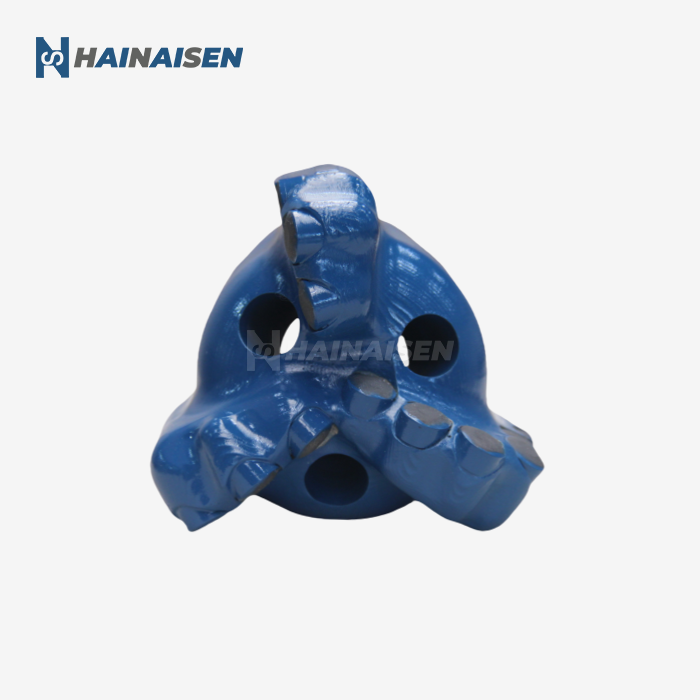 VIEW MORE113mm PDC Arc Angle Drill Bit
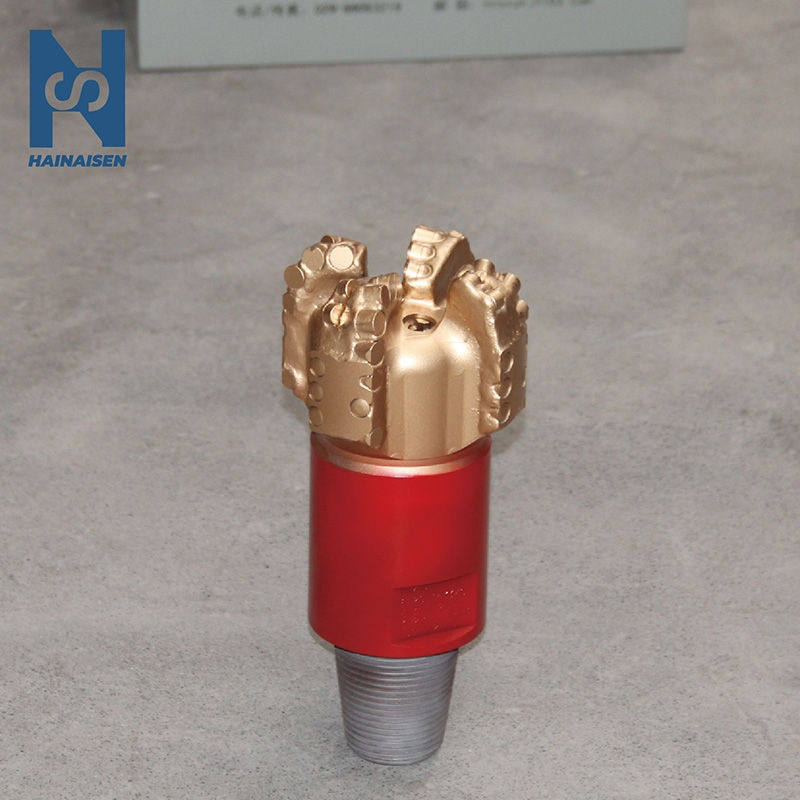 VIEW MORE4 Wings Blades PDC Bit
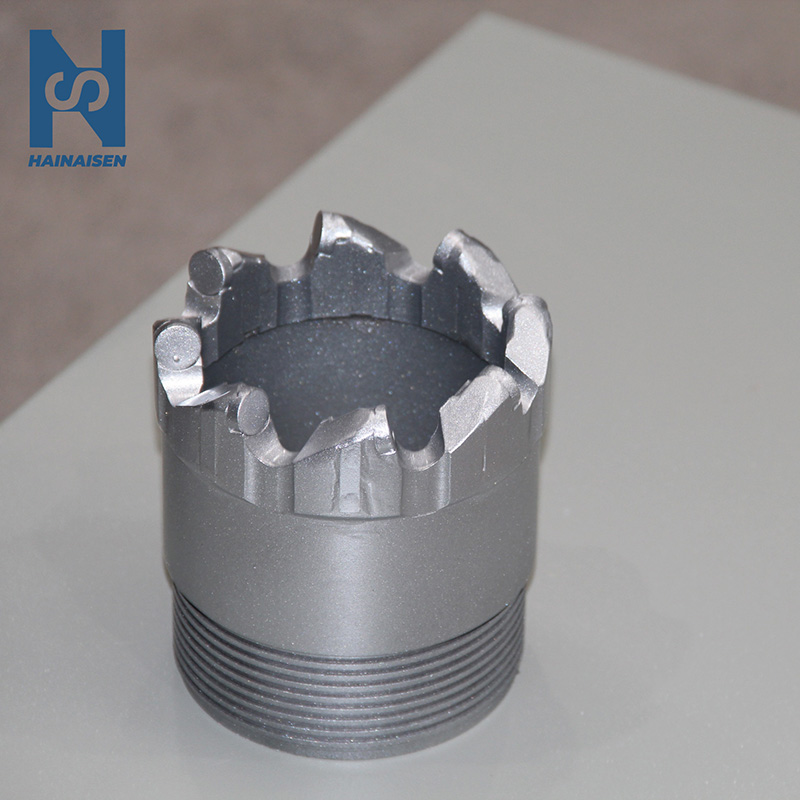 VIEW MOREPDC Core Drill Bit Used For Drilling
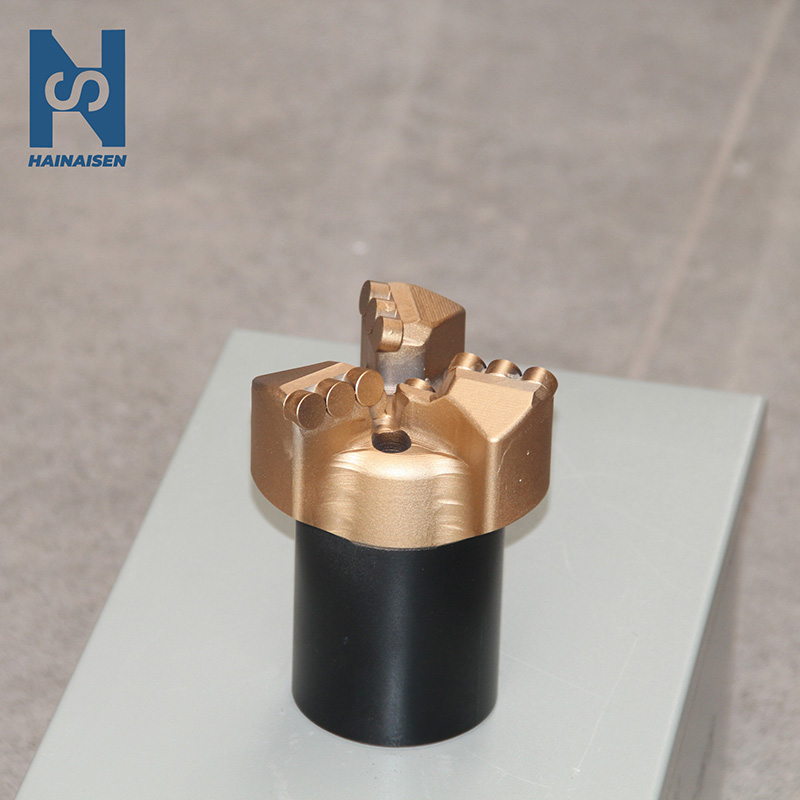 VIEW MOREThree Blades Steel Body PDC Bit
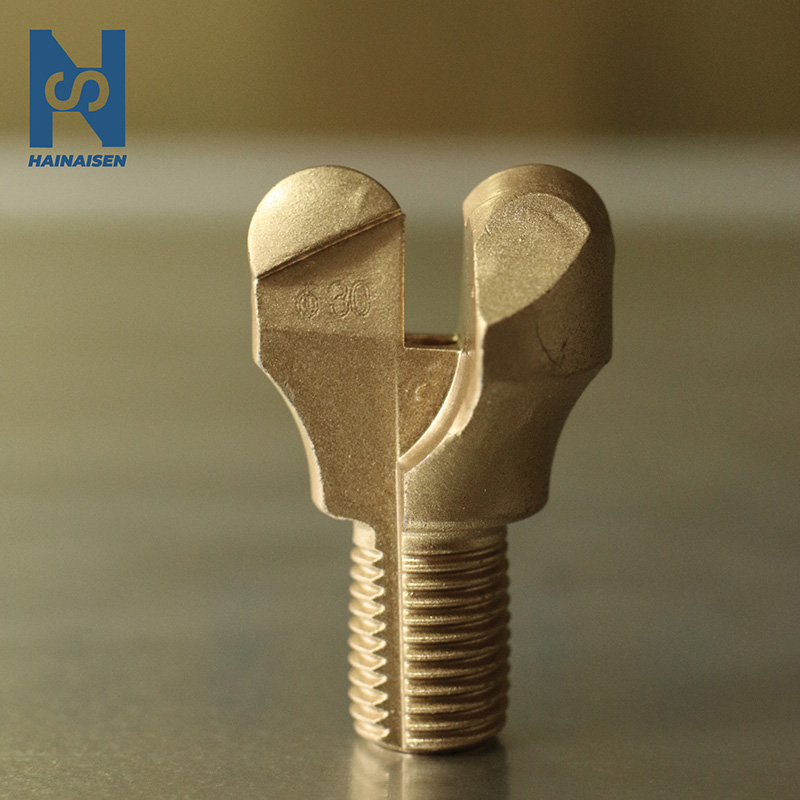 VIEW MORE34 And A Half Whole Coal Mine Mining Anchor Drill Bits
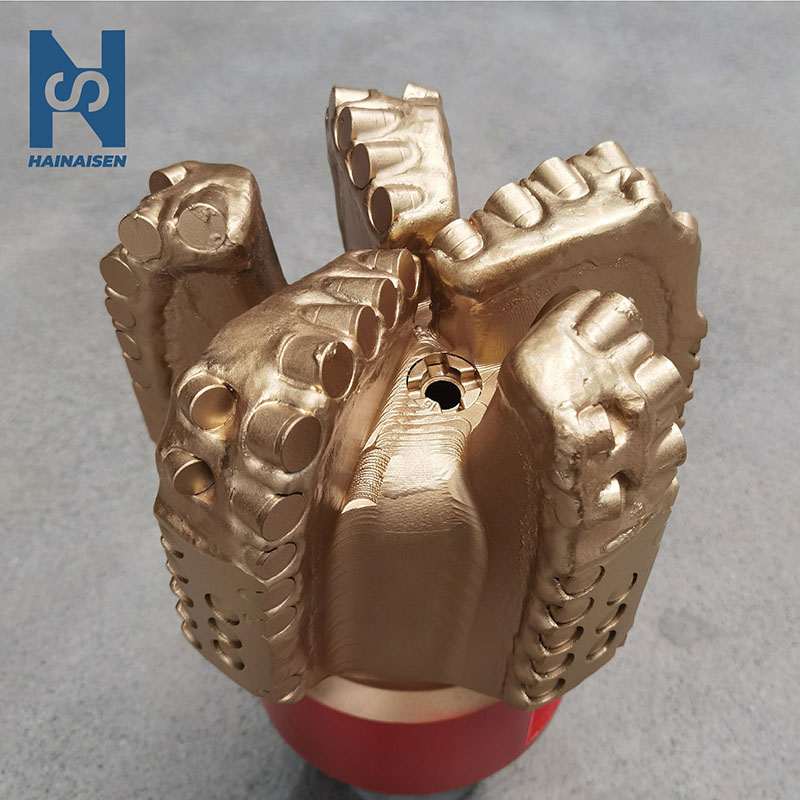 VIEW MOREPDC Diamond Bit
 VIEW MOREFour Blade PDC Rock Drill Bit
