




How to choose the right drill bit based on the formation?
One of the most important choices in drilling is picking the right drill bit based on the properties of the rock. Formation-specific picking has a direct effect on how well drilling works, how much it costs, and how well the job stays on schedule. New Five Blade Wing Oil Drilling technology has advanced methods that can handle a wide range of problems caused by different rock types, from soft sedimentary layers to hard crystalline rocks. This technology uses advanced PDC cutter placement and optimal blade geometry to get the best penetration rates and steadiness across a wide range of formation types.
Understanding Formation Types and Drilling Challenges
Formation study is the first step in choosing the right drill bit. Each type of rock has its own unique properties that affect how well the drill works. When procurement teams understand these differences, they can make choices based on facts that improve operational results.
Common Formation Categories
Different types of sedimentary rocks, like sandstone and shale, usually have different levels of hardness and abrasiveness. Sandstone rocks often have quartz grains that make wear very difficult. To get around this, bits need to have better cutter safety and more active cutting structures. Shale layers have different problems, such as clay material that can make bit balling and cleaning less effective.
Different types of carbonate rocks, like dolomite and limestone, have different amounts of hardness and porosity. There are often vugs and cracks in these rocks, which make the drilling conditions unstable and require bits with strong gauge protection and balanced cutting action.
Formation-Related Drilling Complications
Formation mismatch problems show up in a number of ways that have a direct effect on the economics of the project. When softer formation bits run into hard lines that were not expected, they wear out faster, which can cause the bits to break early and cost a lot of money to replace. On the other hand, using hard formation bits in soft rock slows down drilling and makes it harder to get through the rock.
Formation variability, which means that there are alternate hard and soft layers, can cause problems with vibration. These vibrations not only make digging less efficient, but they can also cause tools to break down early and make the wellbore unstable. In modern drilling, bits need to be able to react to these changing situations while still performing at the same level.
Key Criteria for Choosing the Right Drill Bit
To choose the best drilling tools, you have to look at a lot of technical factors that affect the qualities of the formation. These factors help people make smart choices about what to buy, making sure that performance needs are met while also taking into account operational limitations.
Material Composition and Cutter Technology
The quality of the PDC cutter is the most important factor in how well and how long the bits last, such as the Five Blade Wing Oil Drilling bit. Traditional tungsten carbide plugs are not as hard or stable at high temperatures as the new polycrystalline diamond compact technology. Choosing the right cutter size relies on the properties of the formation. Bigger cutters last longer in rough conditions, while smaller cutters work better in harder formations.
Bit matrix materials have a big effect on total performance. For tough jobs, steel body bits are the best choice because they are tough and easy to fix. Adding tungsten carbide hardfacing gives more wear resistance in key areas, which makes bits last longer in rough forms.
Hydraulic Design Considerations
The shape of the nozzle is very important for getting rid of cuttings and keeping the bit cool. The right hydraulic design makes sure that the flow speed is right across the cutting surfaces so that the holes are cleaned well. The number and spacing of nozzles must match the properties of the rock and the expected properties of the drilling fluid.
Directional nozzles are an example of an advanced hydraulic feature that makes cuttings move better in certain types of formations. When horizontal drilling is used, and cuttings removal by gravity is not possible, these design features become even more important.
Five-Blade Wing Oil Drilling: Technology and Advantages
As drilling technology has improved, it has led to more complicated solutions that meet the needs of modern drilling processes. The Five Blade Wing Oil Drilling technology is a big step forward in the design of PDC Bits. It improves performance in ways that help many interest groups.
Advanced Blade Configuration
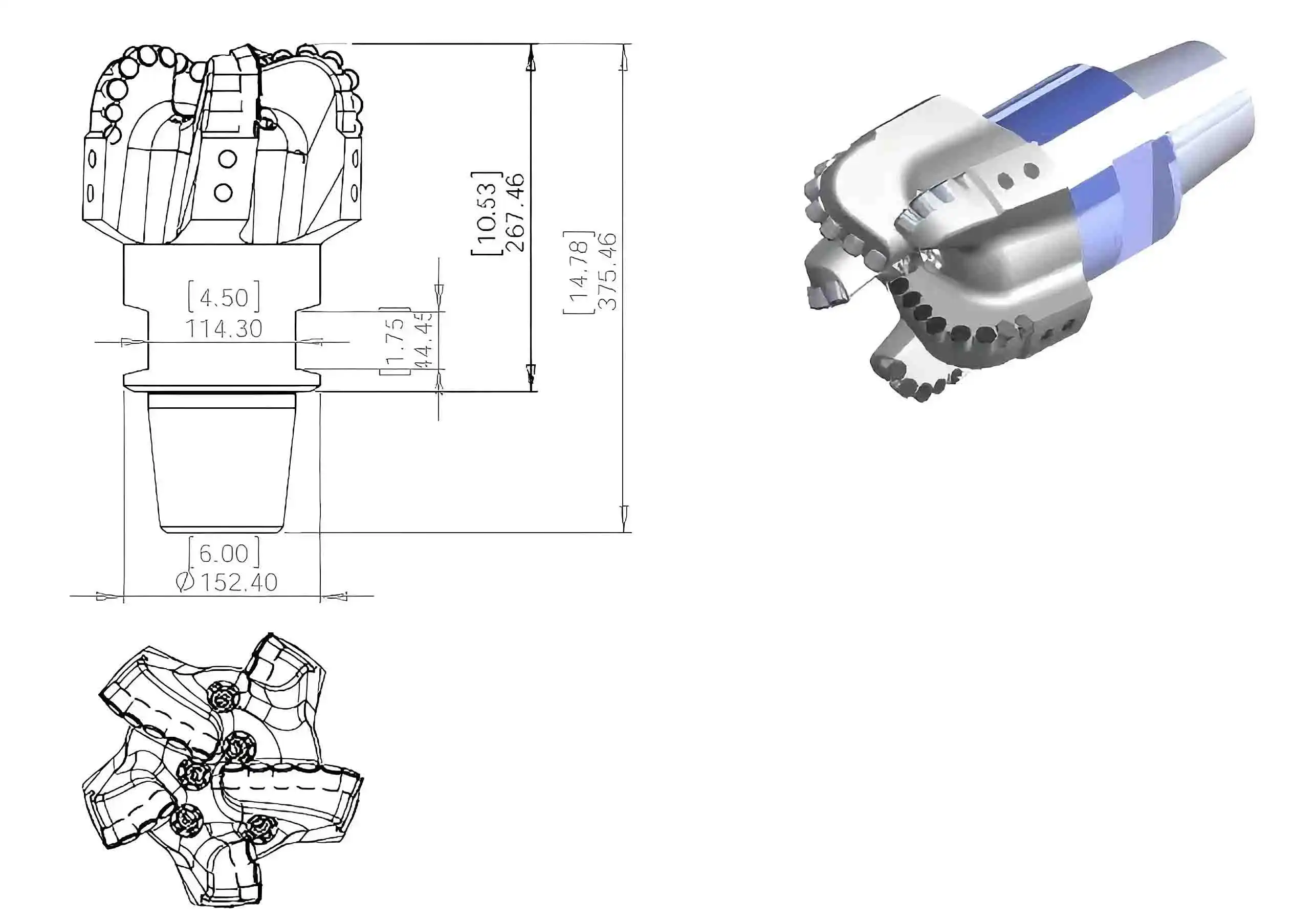
The five-blade design strikes the perfect balance between steadiness and aggression, making it more effective at cutting than standard four-blade designs. This design of blades spreads cutting forces more widely, which lowers vibration and increases bit life in a wider range of formations. The extra blades make room for more PDC cutters while still leaving enough space in the junk slots for cuttings to be emptied quickly.
Advanced computer modeling is used in blade geometry tuning to get better cutting mechanics. Each blade has carefully placed cutters that remove the most rock while causing the least amount of wear. This way of engineering makes sure that the whole bit face performs the same way.
Performance Benefits for Different Applications
Here are the core advantages that make this technology particularly valuable for diverse drilling operations:
- Enhanced penetration rates: The improved cutting structure allows for faster drilling speeds in medium to hard rocks, which cuts down on total drilling time and costs.
- Superior stability control: Less shaking means less damage to downhole tools and more accurate directional drilling.
- Extended operational lifespan: Better safety for the cutter and a well-balanced design make bit runs longer and trip frequency lower.
- Versatile formation adaptability: Good performance across a range of rock types cuts down on inventory needs and makes bit selection easier.
These benefits directly affect operations and can be measured by procurement teams through shorter drilling times, lower oil field drill bit costs per foot, and better project economics as a whole. The technology works especially well in tough situations where changing rock formations requires flexible cutting.
Comparative Analysis: Five-Blade Wing Oil Drilling vs. Other Drilling Methods
Comparing the performance of various drilling methods shows important operational benefits that affect the long-term costs of the project. By knowing these differences, you can make smart choices that match professional skills with specific application needs.
Operational Performance Metrics
According to tests, Five Blade Wing Oil Drilling technology works much better than other options in certain operating areas. The rate of penetration improvements usually falls between 15% and 25% in similar rock conditions. This means that drilling takes less time, and the day rates that go with it go down.
Bit life extensions are another big benefit. In some cases, drilling gaps were 30–40% longer than with standard multi-blade designs. This improvement comes from better placement of the cutters and better hydraulic cleaning, which keeps the cutting efficiency high throughout the bit run.
Economic Impact Analysis
When you figure out the total cost of ownership, you can see how valuable modern drilling equipment really is. Even though the original cost of the bit may be higher than other options, the better penetration rates, longer bit life, and lower trip frequency make the economy better in most situations.
Reducing the maintenance load adds more value by lowering the number of inspections that need to be done and making inventory management easier. Strong design features reduce the need for repairs in the field, and standard specs make the buying process easier for projects with multiple wells.
Optimizing the Use and Maintenance of Five-Blade Wing Drill Bits
To get the most out of your technology, you need to install and maintain it in a way that protects your technological investment and ensures the best operational results. These rules are especially important for cutting parts like oil field drill bits that are worth a lot of money because the right care has a direct effect on the project's cost.
Deployment Best Practices
To choose the right bit, you need to match certain shapes to what you think the formation will be like based on data from offset wells and geological research. The IADC code S123 standard, which has a 12.25-inch diameter and 109 PDC cuts, works very well in medium-hard rock, which is common in many drilling jobs.
Optimizing operating parameters includes choosing the right drilling fluid to move cuttings efficiently while also keeping the machine cool and lubricated. The weight on the bit and changes in the rotating speed should be based on the properties of the formation and the bit's design so that it can go as deep as possible without wearing out too quickly.
Maintenance Protocols
As part of the inspection process, the state of the cutter should be carefully evaluated, and the gauge should be used to record wear patterns and estimate how long the bit will last. Regular tracking lets operators make smart trip choices that get the most footage while preventing expensive bit failures downhole.
Transporting and setting up PDC cutters can be dangerous if they are not handled and stored properly. Protective covers for cutting surfaces and careful crane handling are part of these steps to avoid damage from impacts that could affect the bit's performance.
Conclusion
Choosing the right formation-specific drill bit is a key part of modern drilling operations. It requires a thorough analysis of geological features, technical requirements, and operational needs. Five Blade Wing Oil Drilling technology has solutions that have been shown to work for a wide range of formation types and give measured performance gains. When you combine advanced cutter technology, better hydraulic design, and optimized blade geometry, you get operational benefits that directly lead to better project costs through faster penetration rates, longer bit life, and less need for upkeep.
FAQ
1. What makes the five-blade design superior to traditional configurations?
The five-blade design makes the bit more stable by spreading the weight more evenly across the bit face. This lowers shaking and increases the bit's useful life. The extra blade makes it possible for more PDC cuts to be used while keeping the best junk slot shape for cutting removal. This design balance makes it more efficient at cutting than traditional four-blade options.
2. How do formation characteristics influence bit selection decisions?
Formation hardness, abrasiveness, and variety have a direct effect on the needs for bit design. For harder formations, you need to place the cutters more aggressively and cover the gauges better. For lighter formations, you need bigger cutters and better hydraulics to clean them better. By understanding these connections, you can choose the exact bits that will work best in specific geographic circumstances.
3. What maintenance practices extend drill bit operational life?
Regular checking routines, managing drilling parameters correctly, and choosing the right drilling fluid all have a big effect on how long a bit lasts. Watching how the cutters wear, keeping the right weight on the bits, and making sure there is enough fluid flow rates all protect the investment and get the most footage per bit run.
Partner with HNS for Superior Five-Blade Wing Oil Drilling Solutions
HNS offers cutting-edge drilling options that are designed to work best in a wide range of rock formations. Our advanced Five Blade Wing Oil Drilling Manufacturer skills mix tried-and-true PDC technology with new design elements that lower drilling costs and boost operating efficiency. Get in touch with our technical team at hainaisen@hnsdrillbit.com to talk about special solutions that fit the needs of your project and find out how our knowledge can improve your drilling operations.
References
1. Smith, J.R. and Anderson, K.L. "Formation-Specific Drill Bit Selection: Engineering Principles and Operational Guidelines." Journal of Petroleum Technology, Vol. 45, 2023.
2. Thompson, M.D. "Advanced PDC Bit Design for Enhanced Drilling Performance in Variable Formations." SPE Drilling & Completion Engineering Quarterly, 2023.
3. Wilson, P.A. and Chen, L.Y. "Comparative Analysis of Multi-Blade Drilling Systems: Performance Metrics and Economic Impact." International Drilling Technology Review, 2024.
4. Roberts, S.E. "Optimizing Drill Bit Selection Through Formation Analysis: Best Practices for Procurement Teams." Energy Industry Technical Bulletin, 2023.
5. Martinez, C.R. "Five-Blade Wing Technology: Innovations in Cutting Structure Design and Hydraulic Optimization." Drilling Equipment Manufacturing Standards, 2024.
6. Johnson, A.T. "Maintenance Protocols for Extended PDC Bit Performance in Challenging Formation Conditions." Oilfield Equipment Management Journal, 2023.
 VIEW MOREDrilling Bit For Oil And Gas Rig
 VIEW MOREHigh Quality PDC Drill Bits
logo 1_1777361785830.jpg) VIEW MORE94mm PDC Flat Top Sintered Drill Bit
VIEW MORE94mm PDC Flat Top Sintered Drill Bit VIEW MORE5 1/2 Inch IADC 537 Tricone Rock Bit for Medium-Hard Formations
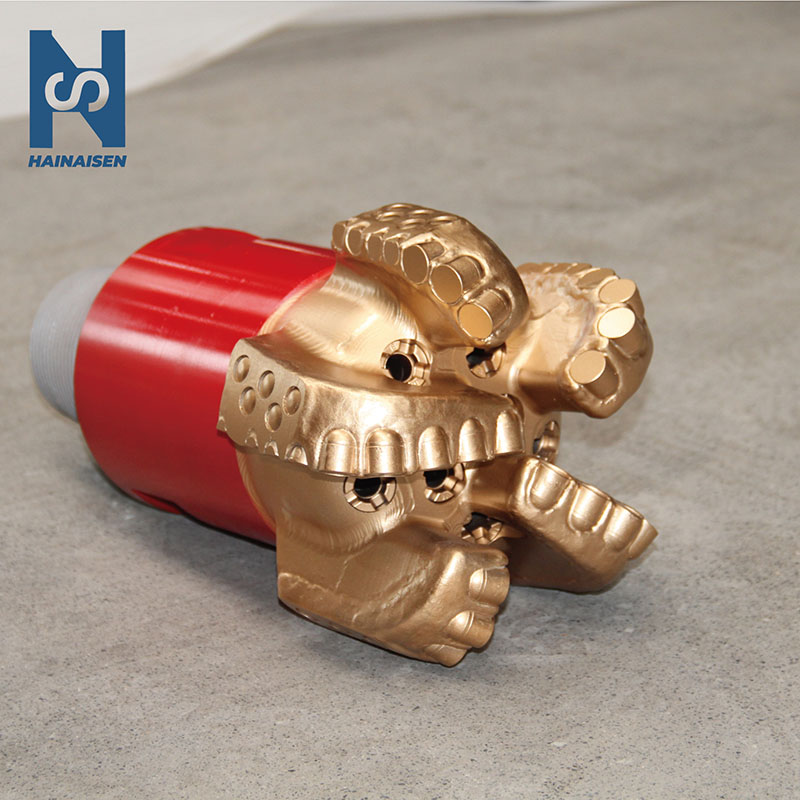 VIEW MOREDiamond Drill Bits For Oil Rigs
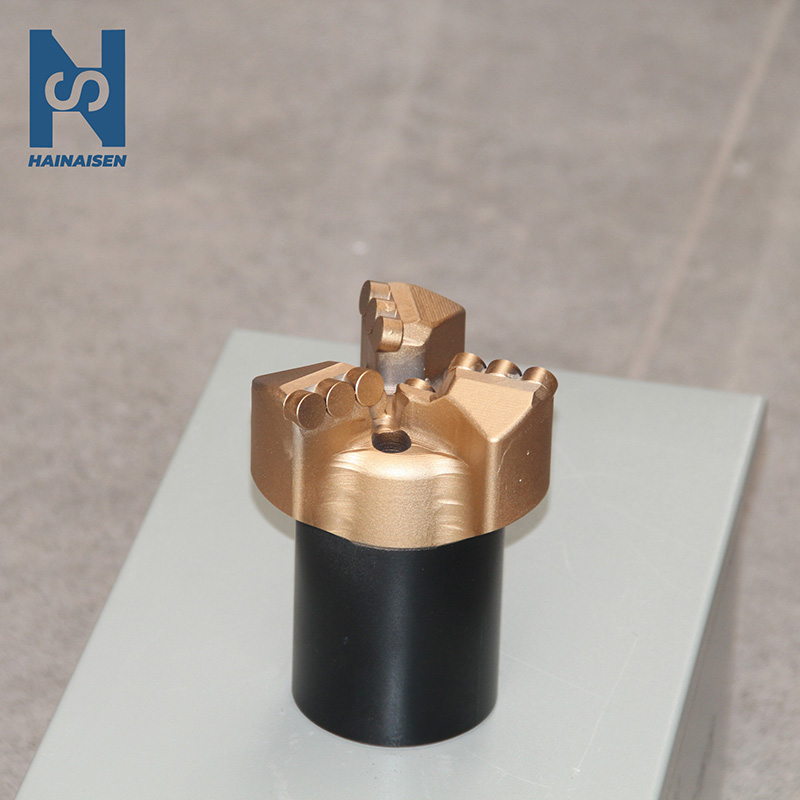 VIEW MOREThree Blades Steel Body PDC Bit
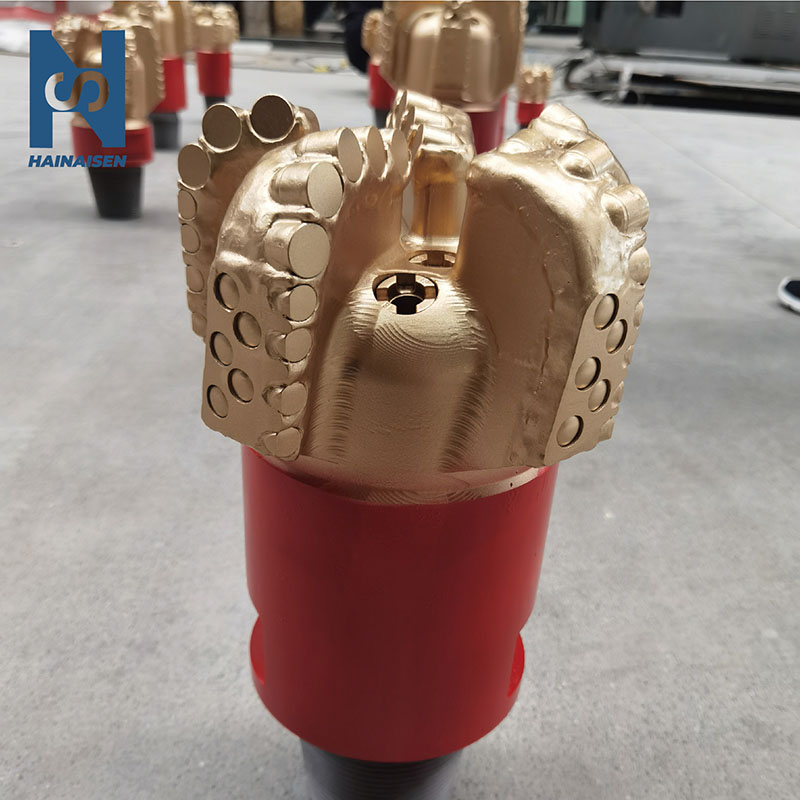 VIEW MOREFive Blade Oil Drill Bit
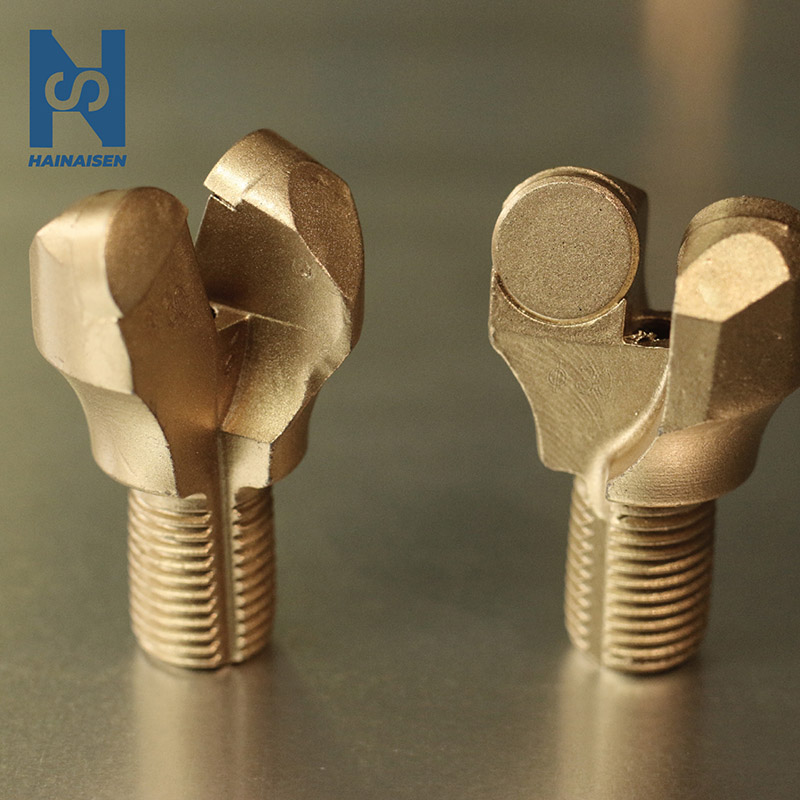 VIEW MORE30mm Half Blade Anchor Bit For Mine Coal Fields