







What Is Drilling and the Process in the Oil and Gas Industry?
In the oil and gas business, drilling is the managed process of going into the ground to get to hydrocarbon reserves that are trapped in rock layers. For this, you need high-tech tools, like special drill bits made of PDC (Polycrystalline Diamond Compact) materials, like the Five Blade Wing Oil Drilling bit, which has better blade arrangements for faster entry rates and better cutting efficiency. There are several steps in the drilling process, including geological studies, rig positioning, drilling activities, and well finishing. For procurement managers and technical experts who want to improve working efficiency while keeping costs low in a range of geological conditions, understanding these basics is important.
Understanding Drilling in the Oil and Gas Industry
Drilling is the most important part of petroleum extraction because it lets people get to oil and gas sources that are thousands of feet below the surface. Different methods are used by the industry to complete this important job.
Traditional Drilling Methods and Their Operational Framework
Rotary drilling is still the most common method used around the world. A spinning drill string with a cutting tool at the end of it is used in this method to cut through rock layers. The drill string links the tools on the surface to the assembly that is lowered into the ground. It transfers force and weight to the bit and moves drilling fluids around to cool the cutting surface, move rock chips upward, and keep the walls of the hole stable.
Vertical drilling goes straight down from the top to the depth you want to reach. This method works well in normal areas where the geology is easy to predict. Cable tool drilling is an older method that uses repeated impact instead of rotation. However, in business settings, it has mostly been replaced by more efficient rotating systems.
Step-by-Step Drilling Process Workflow
Geological studies that use seismic imaging to map subsurface features are the first step in getting a site ready. Scientists and engineers look at data to find the best places to drill and guess what the rock will be like. The drilling rig, which includes the derrick, drawworks, mud pumps, and other systems, is moved and put together once it is cleared.
The real drilling phase is done in stages. To keep the shallow rock from collapsing, operators dig a conductor hole and put in surface casing. At later stages, deeper parts are drilled, casing strings are run, and they are cemented in place to separate different geographic zones. This step-by-step method keeps the wellbore intact and stops fluid from moving between layers.
Drilling mud movement is an important part of all activities. This designed fluid cleans up the cuttings, controls the formation fluids with hydraulic pressure, and keeps the drill string smooth. To improve performance and find problems early, real-time tracking tools keep an eye on things like rate of penetration (ROP), bit weight, rotating speed, and mud properties.
Challenges Facing Conventional Drilling Techniques
There are some problems with traditional drilling processes that make them less cost-effective. Concerns about equipment wear continue, especially in abrasive rocks where standard bits wear out quickly, requiring frequent trips to replace worn parts. Each tripping process takes up important rig time and costs more in terms of time spent not working.
Timelines for projects are also affected by limits on efficiency. Standard tri-cone Roller Bits or basic PDC designs may have slower penetration rates in hard or interbedded rocks, which makes drilling take longer and costs more. Problems with vibration during drilling can damage downhole tools and shorten the life of bits, so it's important to keep an eye on these parameters.
In the past few years, environmental concerns have grown. Cuttings and used drilling fluids are examples of trash that come up during drilling activities. These materials need to be disposed of properly in order to meet regulatory standards. There is more and more pressure on the business to keep surface disruption to a minimum, cut down on emissions, and keep groundwater from becoming contaminated.
Introduction to Five-Blade Wing Oil Drilling Technology
New types of drill bits have been made to get around the problems with older ones. With its five blades, the Five Blade Wing Oil Drilling design is a big step forward in PDC bit technology.
Design Elements and Distinctive Features
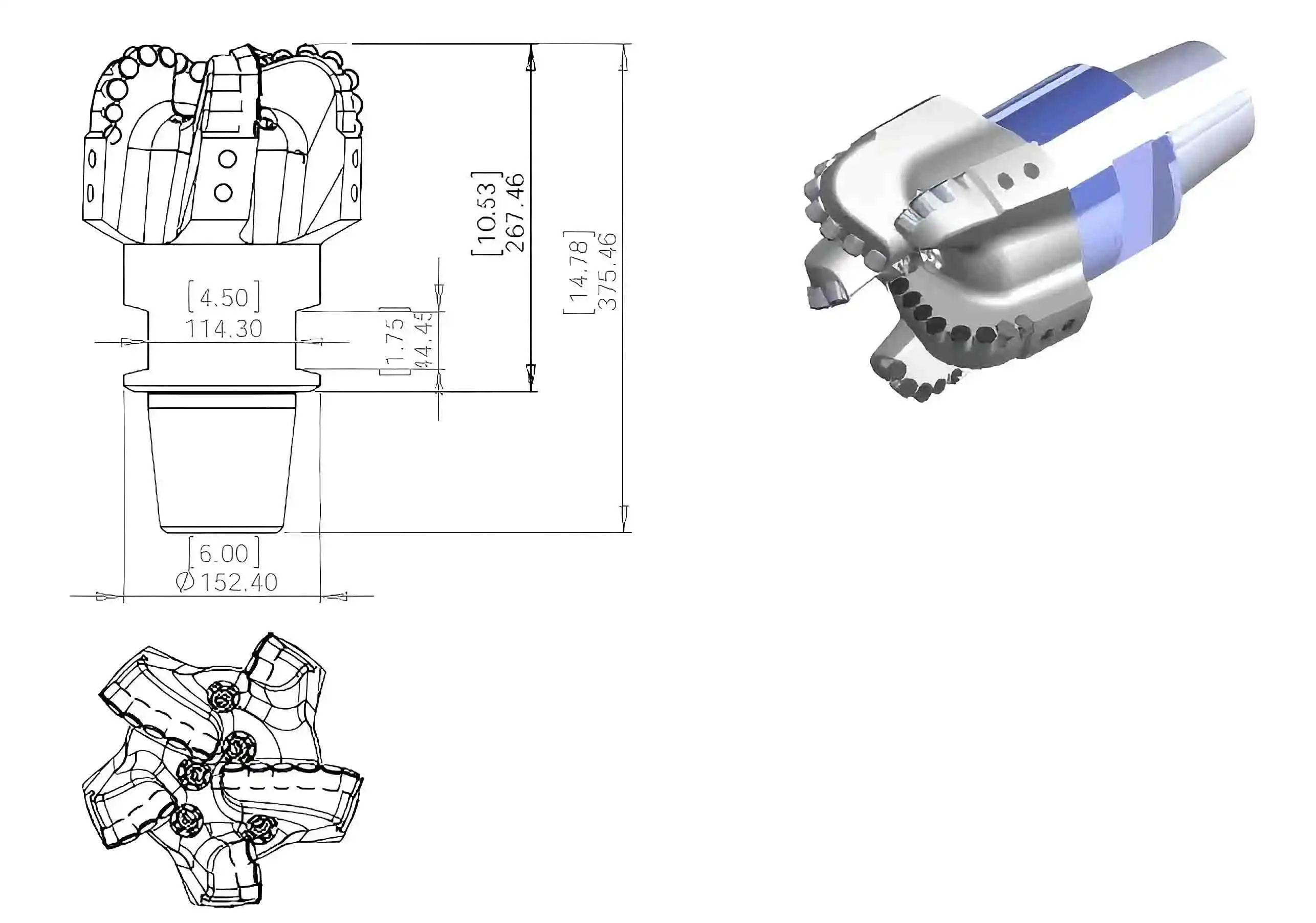
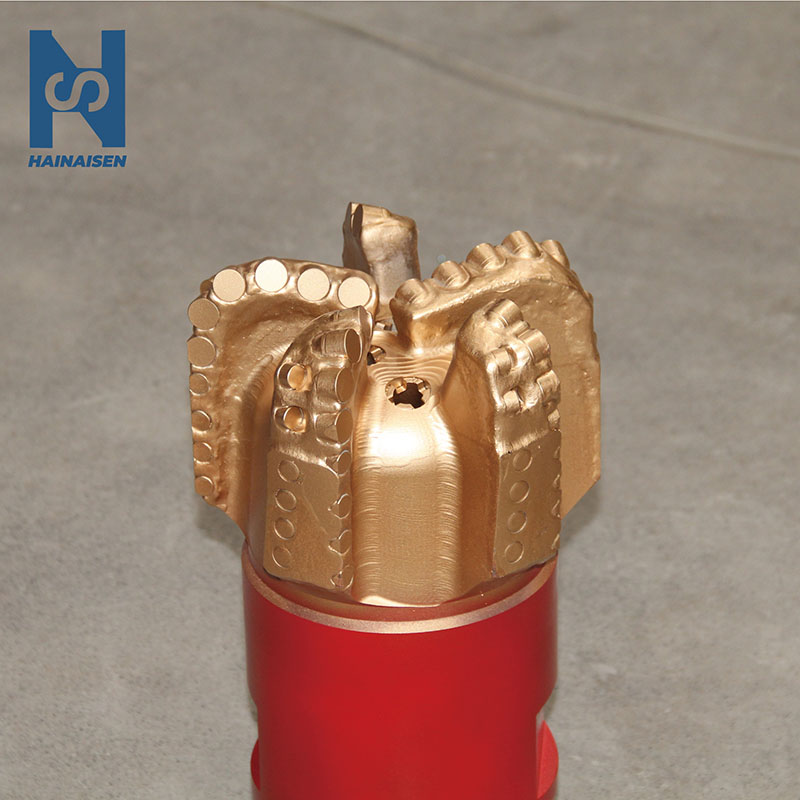
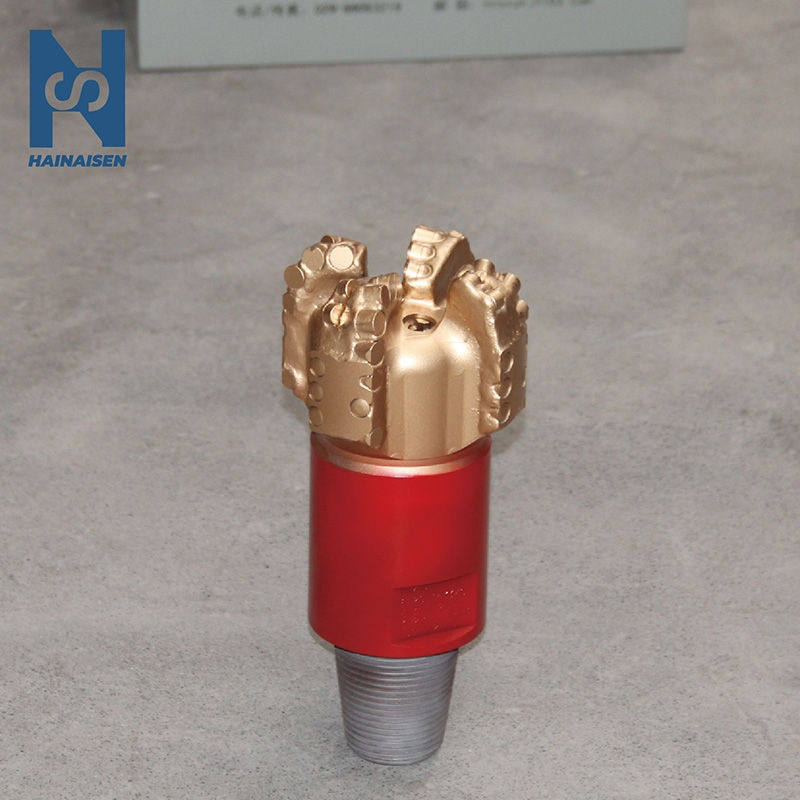
The five-blade design spreads the cutting forces over several areas, making a balanced cutting structure that makes the machine more stable while it's running. Each blade has PDC cutters, which are made of synthetic diamonds attached to tungsten carbide surfaces. These are placed at the best angles and exposures to remove rocks as efficiently as possible.
The distance between the blades makes the junk holes between neighbouring wings bigger, which makes it easier to get rid of the cuttings even when conditions are tough. This design stops cutter protection, which happens when pieces of rock that have been cut away build up in front of active cutters and make them less effective. The hydraulic system usually has several jets that move drilling fluid across the cutter faces. This makes the cooling and cleaning work better.
Take a look at our S123 model. This bit has a width of 12.25 inches (311 mm) and has 109 PDC cutters of two sizes (13 mm and 16 mm) carefully placed across five blades. The bit is 510 mm tall and has a gauge length of 90 mm. It is made for 6-5/8 REG.PIN connections and weighs 95 kg. Seven holes spread hydraulic pressure evenly across the cutting frame.
Evolution and Growing Industry Relevance
PDC technology has been around since the 1970s, but it took decades of improvements to get to the level of speed it has now. Early designs were harmed by damage from heat and impacts in hard or rough materials. Improvements in diamond synthesis, base metallurgy, and brazing methods have made cutters last a lot longer.
The change from three-blade to five-blade designs shows that attempts to improve performance are still going on. Four-blade designs were better than three-blade designs, but the five-blade setup is more stable without adding too much drag, which is especially helpful for directional drills where precise trajectory control is needed.
Core Mechanics and Operational Principles
The five-wing shape makes more touch points with the formation than designs with fewer blades, which makes the load more evenly distributed. This even spread of force reduces side-to-side shaking and stick-slip movements that can harm downhole tools. The result is better ROP and easier function.
Depth-of-cut control rules tell the machine where to put the cutters, which limits how deeply each cutter can go into the formation during each turn. This controlled cutting action lowers the impact load on individual elements while keeping the total penetration forceful. The shape of the blade profile is designed to break rocks efficiently, with the right back rake and side rake angles for the type of rock being broken.
Applications and Benefits of Five-Blade Wing Oil Drilling
Advanced Five-Blade Wing Oil Drilling technology is useful in many different types of industries and can meet a wide range of operating needs.
Real-World Applications Across Industry Segments
Due to the high daily costs of marine drilling platforms, high-performance PDC Bits are especially useful for activities that take place offshore. For every hour saved, there is a big cash benefit. Operators who drill in deep water have said that using optimised five-blade designs in the tertiary sands that are common in many offshore areas has made their work much more efficient.
Extended-reach horizontal wells are very important for developing unconventional resources on land, like shale gas and tight oil plays. For these uses, bits need to be able to keep working well through thousands of feet of lateral section boring. Five-blade designs work well for these difficult paths because they are stable and last a long time.
Customised five-blade bits with the right cutter grades for the expected lithology are helpful for geothermal projects that need to drill through volcanic and metamorphic rocks. Even though coal bed methane extraction and water well drilling are often cost-conscious, more and more of them are using PDC technology as bit prices drop and the benefits of better performance become clear.
Critical Benefits from Procurement Perspectives
Looking at the benefits from the buyer's point of view shows several value drivers. Here are the main perks that make people decide to buy:
- • Accelerated drilling speeds. By cutting down on the time to target, faster digging speeds have a direct effect on the project's costs. A bit that drills 20% faster cuts the plan in half right away, which lets the well be finished and the output start earlier. This benefit grows when more than one well is developed.
- • Enhanced equipment robustness. When technology is more durable, it means that operations are interrupted less often. Bits that are designed with the right gauge, safety, and stronger blade designs don't wear out too quickly in rough areas. This makes it less likely that the middle part will break, which could force unexpected trips or fishing operations.
- • Reduced operational downtime. Longer bit life and fewer trips mean less downtime for operations. Each trip that isn't made saves several hours that can't be used for work, which lets the rig record more images. When compared to roller cone types, which need to have their bearings inspected and seals replaced, PDC bits require less maintenance.
These benefits directly address the main practical problems that purchasing managers have when they look at drilling equipment sellers. Companies that offer full technical support, such as help with bit selection and analysis after the run, offer more value than just the actual product.
Adoption Trends and Digital Integration
Leading companies around the world have slowly increased the use of PDC bits in all of their drilling projects. Industry data shows that PDC bits now make up most of the footage dug around the world. This is a big change from the 1970s and 1980s, when roller cone bits were the norm.
Adding sensors to drill bits is a new trend that is starting to spread. Some more modern versions have sensors built in that measure temperature, vibration, and other factors downhole in real time. This information lets people on the surface change the drilling settings in real time to get the best results and extend the life of the bits.
Being able to work with current rig automation tools makes operations more consistent. Automated drilling systems can keep the right amount of weight on the bit and the speed of the rotor within narrower limits than human control, which lets PDC bits work at their best throughout the run.
Procuring Five Blade Wing Oil Drilling Equipment: What B2B Buyers Need to Know
To make the best tool choice during the buying process, you need to know how the market works and what the suppliers can do.
Purchasing Decision Frameworks and Market Options
People who want to buy something have to decide whether to buy new tools, buy used inventory, or hire programmers. For important wells or difficult formations where bit performance directly affects project success, new bits from reliable makers offer the best performance potential and full guarantee support.
Refurbished bits can save you money in apps that don't need as much power. Reliable maintenance programmes replace tools that are worn out, fix damaged blades, and recertify bits to meet certain performance standards. There is a wide range of quality among renovation companies, so their methods and quality control measures need to be carefully looked over.
Rental programmes are good for people who are only digging a few wells or who want to try out new bit designs before buying them all. Technical help and performance guarantees are usually part of rental deals, but in high-use situations, the cost per foot may be higher than for owned equipment.
Selecting Reliable Manufacturing Partners
When assessing a provider, check for many trustworthiness indicators. Manufacturing facility skills matter. CNC machining centres and automated welding systems produce more consistent products than humans. A 3,500-square-metre manufacturing building at Shaanxi Hainaisen Petroleum Technology houses 5-axis machining centres and CNC machine equipment. These tools provide exact production tolerances, which improve oil field drill bits.
Quality management licenses reassure you that the process is supervised. Business priorities include drilling-specific licensing and API compliance, even though ISO 9001 certification verifies quality processes. Request evidence of metallurgical testing, cutter quality checks, and final review.
Technical support distinguishes extraordinary vendors from commodity providers. Talking to application engineers who know the local geology and can recommend bit designs is beneficial. After-sales services that analyse wear trends and recommend next steps indicate that you care about your consumers.
Value Considerations and Total Cost Optimisation
Price schemes vary per vendor and product line. Premium brands charge extra due to their better materials, designs, and support. Budget options may not perform as well or last as long. If the project fails early or is inefficient, it may cost more.
Read warranty terms carefully. Standard warranties cover manufacturing defects but not wear & tear. Performance assurances may include minimum footage or ROP measurements. However, these normally demand certain operating conditions. Be aware of exclusions and how to register a claim before buying.
Long-term running expenses depend on maintenance and spare parts. Regional distributors can replace packages faster than overseas logistics providers. Custom bit design can modify blade forms, cutter setups, and hydraulic systems for unique operations. Performance increases under diverse geographical circumstances.
Conclusion
The digging process is still an important part of getting oil and gas out of the ground, and as technology keeps getting better, operations get better, too. Five-blade wing oil drilling bit designs are a big step forward from older ways because they offer higher penetration rates, better stability, and longer operating life. In the right situations, these improvements in performance lead to real economic gains in the form of less drilling time and lower cost per foot. Procurement experts can make the best equipment choices by comparing the pros and cons of different drilling technologies and carefully evaluating suppliers. As the industry moves towards greater environmental responsibility and efficiency, improved bit designs will become more and more important for meeting practical goals in a wide range of drilling conditions.
FAQ
Q1: How does the five-blade design improve drilling efficiency compared to traditional bits?
The five blades spread the cutting forces across many touch points, which lowers shaking and makes the machine more stable while it's working. Larger "junk" holes between the blades help the pieces escape, so material that has already been cut doesn't have to be ground again. Compared to three-blade or roller cone designs, this one has higher entry rates and runs more smoothly, especially in medium-hard sedimentary layers.
Q2: How do I know if a seller is reliable when I'm looking for PDC drill bits?
Check out the production skills, such as the fine machining tools and quality control systems that are available. Check out certificates like ISO 9001 and paperwork that shows you follow API standards. Check to see if there is expert support available, such as help with application building and services for analysis after the run. Ask for customer examples from similar projects and look over the insurance terms that cover both problems with the product itself and its performance.
Q3: What benefits does this technology have for the environment?
When digging goes faster, the rig spends less time at each site, which cuts down on surface impact and fuel use. Longer bit lives mean less equipment needs to be thrown away. Since there are no tight bearings, there are no worries about oil leaking. Better hole quality leads to better cement placement and zonal separation, which lowers the long-term risks to well integrity that could cause environmental problems.
Partner with HNS for Advanced Five-Blade Wing Oil Drilling Solutions
Choosing the right tools partner is the first step to making drilling more efficient. Shaanxi Hainaisen Petroleum Technology mixes high-quality manufacturing with technical know-how to make PDC drill bits that are specifically designed to meet your needs. Our Five Blade Wing Oil Drilling S123 design shows the performance benefits that can come from using optimised cutting structures and high-quality production.
As a well-known company that makes Five Blade Wing Oil Drilling tools, we have a wide range of production tools, such as 5-axis machine centres and research teams that focus on creating custom bits. Whether you run offshore platforms that need to be as reliable as possible or onshore drilling programmes that need to be as cost-effective as possible, our engineering staff can help you find setups that are best for your geological conditions and operating goals.
To talk about your future drilling projects, email our expert team at hainaisen@hnsdrillbit.com. We help you get the most out of your drilling by giving you full application analysis, product suggestions, and continued support.
References
1. Bellin, F., & Doyon, B. (2001). Drilling Engineering. Graham & Trotman Limited, London.
2. Bourgoyne, A.T., Millheim, K.K., Chenevert, M.E., & Young, F.S. (1991). Applied Drilling Engineering. Society of Petroleum Engineers, Richardson, Texas.
3. Lyons, W.C., & Plisga, G.J. (2011). Standard Handbook of Petroleum and Natural Gas Engineering. Gulf Professional Publishing, Burlington, Massachusetts.
4. Mitchell, R.F., & Miska, S.Z. (2011). Fundamentals of Drilling Engineering. Society of Petroleum Engineers, Richardson, Texas.
5. Rabia, H. (2002). Well Engineering and Construction. Entrac Consulting Limited, London.
6. Zhang, J., Mostofi, M., & Langlinais, J. (2015). PDC Bit Technology Development and Application in Oil and Gas Drilling. Journal of Petroleum Technology & Alternative Fuels, Vol. 6, pp. 43-52.
logo 1_1768274683075.jpg) VIEW MORECoal Mine Drilling Opening And Closing Drill Bit
VIEW MORECoal Mine Drilling Opening And Closing Drill Bit VIEW MOREBest Diamond Drill Bits
 VIEW MORE5 Blades Steel Body High Performance PDC Rock Drill Bits
logo 4_1777360540990.jpg) VIEW MOREDrilling Tool Coal Mining Bit
VIEW MOREDrilling Tool Coal Mining Bit VIEW MOREPDC Core Drill Bit Used For Drilling
 VIEW MORE4 Wings Blades PDC Bit
logo 1_1777361260784.jpg) VIEW MOREFour Wing Arc Angle PDC Drill Bit
VIEW MOREFour Wing Arc Angle PDC Drill Bit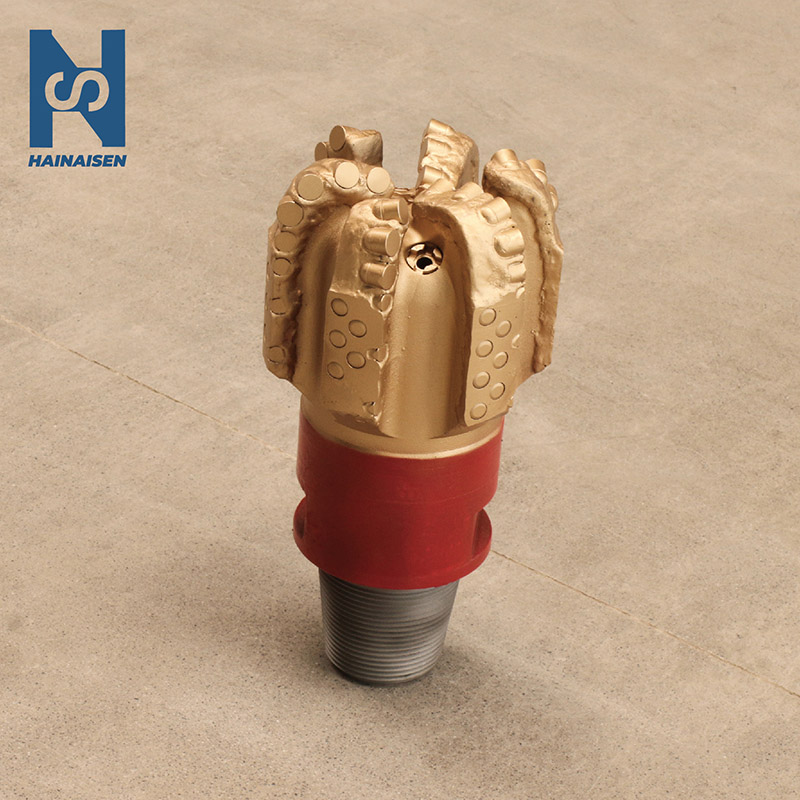 VIEW MORETool 6 Wings Drill Bit PDC
