




Cost comparison of PDC rock drill bits for different drilling depths
Understanding the link between depth and total ownership cost is important when comparing the costs of PDC Rock Drill Bits for different cutting depths. A PDC Rock Drill Bit made for basic work usually costs between $800 and $2,000. A bit made for deep work can cost $5,000 to $15,000 or more. The price difference is due to variations in the cutter's density, the type of material used, and the level of design complexity needed to survive harsh conditions downhole. In addition to the original purchase price, operating costs such as wear rates, replacement frequency, and productivity effects are very different across depth categories. This is why it is important to do a full cost analysis before making a procurement choice.
Understanding PDC Rock Drill Bits and Their Drilling Depth Relevance
PDC Bits revolutionize rock cutting. Unlike roller cone bits, they shear rock with synthetic diamond cutters on steel bodies. Each cutter features PDC layer bonded to carbide substrate for high hardness and wear resistance, balancing strong performance and reasonable pdc bit cost.
High-quality steel bodies in our PDC Rock Drill Bits make them very durable, and the modern polycrystalline diamond compact cuts and tungsten carbide matrix make them even more resistant to wear. This mix of materials works better in a wide range of geological situations.
How Drilling Depth Affects Bit Performance
The depth of the hole has a direct effect on the surroundings that the bits operate in. Standard-grade bits work well for shallow drilling because the temperatures and pressures are usually lower. When drilling at a medium depth, the pressure downhole is higher, which speeds up the wear on the cutter and puts more heat stress on the bit structure.
The most difficult situations are found in deep digging. When you go deeper than 1,500 metres, the temperature can go over 150°C, and the pressure goes up at the same rate. To keep working well and avoid breaking too soon, these harsh conditions need high-quality bits with specific cutter arrangements and advanced hydraulic designs.
Performance Metrics That Matter to Procurement Teams
Procurement teams focus on penetration rate, bit lifespan and borehole stability to control costs, including roller cone bit price. Faster ROP reduces rig time; longer service life cuts tripping costs; stable drilling avoids costly rework.
Key Cost Factors of PDC Rock Drill Bits at Various Drilling Depths
Knowing how all the costs work together helps buying pros make smart choices that affect more than just the purchase price of the PDC Rock Drill Bit. We look at the short-term and long-term costs and benefits of digging at different depths.
Upfront Purchase Costs and Material Specifications
Initial bit cost varies depending on design complexity and material quality. Shallow drilling bits employ standard diamond grades in fewer cuts, lowering cost. Medium-depth bits require superior cutter and hydraulic designs, increasing initial expenditure. Deep drilling bits feature unique cutter grades, stronger bit bodies, and blade designs for tough conditions, making them pricey.
Material composition directly affects pricing. High-quality diamond cutters and sophisticated tungsten carbide grids cost more but last longer. We produce parts that balance initial cost and long-term value with high-quality materials. This is crucial for companies seeking long-term supplier partnerships.
Operational Expenses Across Drilling Depths
Besides the buy price, everyday expenditures affect spending. Shallow drilling offers cheaper operating expenses due to decreased wear and maintenance. These pieces can last 200–400 metres before needing replacement.
Medium-depth drilling accelerates bit wear, with average run length 150–300m. High downhole heat and pressure raise replacement frequency and trip costs, pushing up overall pdc bit cost.
Deep-digging costs the most. Bit life is limited to 100–200 metres of entrance in hard rock strata due to extreme downhole conditions. Due to travel, rig downtime, and additional part repairs, ownership costs rise significantly. Premium bits built for deep drilling are cheaper than medium-grade ones that break early.
Productivity and Efficiency Considerations
Job cost depends on drilling speed. If a bit goes deeper 30% faster, rig time decreases by the same amount, saving money for tasks that take more than a week. Our four-blade PDC Rock Drill Bits cut effectively and have less force and drag than six-blade versions, making deep drilling more efficient.
Compatibility with drilling conditions matters. Bits developed for certain rocks and digging methods function better. Our R&D team excels at custom bit creation. They tailor solutions to geological issues and practical demands.
Comparative Cost Analysis of PDC Rock Drill Bits for Different Depths
Looking at cost structures across different depth groups shows significant trends that help shape procurement strategy. The research looks at the purchase price, running costs, and success measures to give a full picture of the finances involving the PDC Rock Drill Bit.
Shallow Drilling Economics (Less Than 500 Meters)
Simple cost models work for shallow drilling. In these situations, normal $800–$2,500 bits function nicely. These sections can last longer due to decreased downhole tension.
Water well drilling teams, generally small firms, find cost-effective solutions. You can buy these parts immediately since they operate well and are inexpensive. Quality is still crucial, but suitable working circumstances enable budget-conscious consumers to pick solutions that are excellent value without losing performance.
Medium-Depth Drilling Economics (500-1,500 Meters)
Medium-depth drilling requires balancing upfront expense and performance. Bits cost $2,500–$6,000 with premium construction. Coal miners seek cost-effective reliable options while comparing the roller cone bit price.
Economic considerations get more challenging at medium depths. Budget bits that break too quickly cost more than high-end bits that last longer. Buying decisions should measure upfront savings against replacement frequency and travel expenses. Our products are ideal for coal mining, mineral research, and geothermal drilling, where balancing is crucial.
Deep Drilling Economics (Greater Than 1,500 Meters)
The best parts for deep digging cost $5,000 to $15,000. Advanced engineering, high-quality materials, and distinctive designs that can withstand tough conditions are in the investment. Large and medium-sized oil service companies in this depth range prioritise quality and dependability above pricing.
Comparing the cost to ordinary tricone bits reveals critical information. Although tricone bits are initially cheaper, they need to be replaced more often and penetrate the material more slowly, increasing the project cost. PDC Rock Drill Bits for deep drilling feature quicker entry rates and longer working lifetimes, saving money despite costing more.
PDC Versus Tricone: Performance and Cost Metrics
PDC Rock Drill Bits often go through formations 30–50% faster than tricone alternatives. Speed directly reduces rig time and running expenses. Regular PDC Rock Drill Bits endure longer and require fewer replacements.
Cone bits are suitable for heavily fractured or interbedded rocks when impact strength trumps cutting efficiency. Geological considerations and digging features determine cost-effectiveness. We provide extensive technical support to assist customers in picking the right bit type.
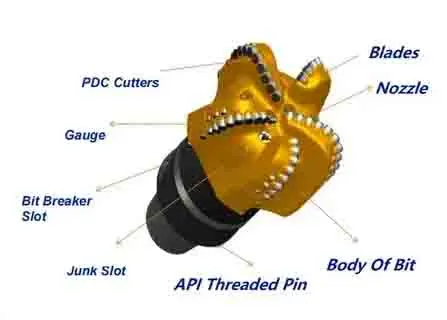
Selecting the Right PDC Rock Drill Bit Based on Depth and Cost Efficiency
Systematically comparing project factors to available PDC Rock Drill Bit standards can help with procurement choices. We list realistic factors that make sure that technical needs are met while staying within the budget.
Matching Bit Specifications to Depth Requirements
Standard-grade bits with standard cutter setups can be used for shallow drilling tasks. These styles do the job well enough without costing too much. When cost-effectiveness is most important, our goods are used for water well digging tasks, like building deep water wells and exploring and developing aquifers.
For medium-depth jobs, stricter requirements are needed. In these situations, bits with better hydraulic designs, blade shapes that are optimised, and higher-grade cutters work better. This middle standard level is needed for tasks like drilling foundations for big buildings, tube boring and excavation, and geotechnical studies.
To do deep drilling, you need high-quality bits with special features. Cutting-edge designs, stronger bit bodies, and complex hydraulic systems make sure that machines work reliably in harsh circumstances. When performance and dependability are very important, like in offshore and onshore drilling, horizontal and directional drilling, and shale and hard rock drilling, our goods are the best.
Balancing Cost, Durability, and Maintenance
The total cost of ownership is more than just the price of the bit. A bit that costs 40% more but lasts twice as long is a better deal. Instead of just looking at the original cost, procurement teams should figure out how much it costs to drill each metre.
Different types of bits have different maintenance needs. When you use premium bits made of better materials, they usually need to be inspected less often and have little upkeep done between runs. Standard-grade bits might need to be closely watched and replaced more often so they don't break in a way that damages downhole equipment.
Customisation and OEM Solutions for Specialised Challenges
Specific drilling challenges require distinct solutions, although standard bit designs work well for numerous jobs. Modern 5-axis machining centres, CNC machine tools, and welding production lines are in our 3,500-square-metre production house. This architecture lets us develop bespoke bits for certain geological conditions and operating demands.
Buy from providers that give technical engineers design flexibility. Custom cutter settings, hydraulic features, and blade shapes can improve machine performance in challenging conditions. A separate research and development team works with clients to find the finest drilling solutions.
Maintaining PDC Rock Drill Bits to Maximise Lifespan and Return on Investment
Good care habits greatly increase the PDC Rock Drill Bit's useful life and lower its cost. We describe methods that are specific to different drilling levels and situations.
Inspection and Cleaning Protocols
Wear patterns are found before they hurt performance through regular review. After each run, a visual inspection shows the state of the cutting, the wear on the blades, and any possible damage. Most shallow drilling bits wear down slowly and evenly over time. Some cuts may wear out faster on medium and deep drilling bits because they put more stress on them.
Cleaning methods get rid of formation waste and stop the buildup that makes wear happen faster. After each run, the cutting stays sharp, and the hydraulics work well because it was cleaned thoroughly. Corrosion and mechanical damage can be avoided between missions by storing things properly in controlled settings.
Common Wear Issues and Troubleshooting
Chips from the cutter show that there is too much pressure or the drilling settings are wrong. Usually, this problem can be fixed by changing the bit's weight or spinning speed. Accelerated wear on certain blade parts suggests that the hydraulics aren't working well or that the formation isn't uniform, which means that the parameters need to be changed.
Bit balling happens when sticky deposits build up on the bit face, making it less effective at cutting. This problem isn't as bad as it used to be, thanks to better hydraulic systems and changed nozzle layouts. Our engineering team helps with technical problems like figuring out what's causing wear and suggesting ways to fix them.
Optimal Replacement Timing
Replacing bits too early loses the tool's remaining life, and using it after it should be retired raises the risk of a catastrophic failure. Watching the rate of entry drop can help you figure out when replacement is coming up. When the drilling speed drops by 30 to 40 per cent from its original level, it's usually cheaper to replace the bit.
Because of higher trip costs and failure risks, deep drilling activities need more conservative substitute criteria. By retiring bits a little earlier, costly problems that could damage the case or require complicated fishing operations can be avoided. Our customer service team helps clients set up the right replacement procedures based on their unique business needs.
Conclusion
To compare the costs of PDC Rock Drill Bits at different drilling levels, you need to look at a lot more than just the buying price. Standard-grade bits are good for shallow drilling because they are cheap, but for medium-depth drilling, you need better specs that balance price and longevity. For deep drilling, you need expensive bits that work better, which means you have to pay more. The total cost of ownership, which includes running costs, repair frequency, and productivity effects, needs to be taken into account in order to make good buying choices. When you choose bits that are right for the project, the depth range, and the natural conditions, you get the best technical performance and financial results. This delivers measurable value throughout the lifespan of the project.
FAQ
Q1: How does drilling depth affect PDC bit lifespan?
The depth of the hole has a big effect on the bit's life because it increases warmth, pressure, and mechanical stress. Bits can go 200 to 400 metres deep during shallow operations, but in difficult rocks, this is cut down to 100 to 200 metres during deep drilling. Extreme conditions downhole speed up cutter wear and make bonding materials break down faster, so they need to be replaced more often in deep use.
Q2: Are PDC bits more cost-effective than tricone bits for deep drilling?
Even though they cost more, PDC Rock Drill Bits are usually more cost-effective when going deep. Their faster entry rates cut rig time by 30 to 50 per cent, which saves a lot of money. Lower turnover frequency in stable groups makes economics even better. Tricone bits can still be used in rocks with a lot of cracks because their impact strength is still useful.
Q3: What are the most important things to think about when buying in bulk?
When buying in bulk, you need to look at price, seller trustworthiness, product consistency, and after-sales support. Costs per unit go down with volume discounts, but you have to be sure of the quality of the product and the security of the seller. Building partnerships with Manufacturers that offer customisation options, expert support, and reliable shipping times has long-term benefits that go beyond price considerations.
Partner With HNS for Optimised Drilling Solutions and Cost Savings
Choosing the right PDC Rock Drill Bit provider has a direct effect on the cost and success of your project. HNS delivers drilling solutions that are the best in terms of both performance and value by combining excellent manufacturing with technical know-how. The company was founded in 2013 in Xi'an. Since then, it has focused on researching, developing, producing, and selling diamond drill bits and other drilling tools used in coal mining, oil and gas extraction, geological surveys, and industrial machinery.
Our state-of-the-art manufacturing centre and focused study team allow us to make custom bits that solve your specific drilling problems. We understand the different needs of coal mining businesses that want competitive prices, oil service companies that need strict quality standards, and water well digging teams that want to save money. No matter what kind of standard setups or custom solutions you need, our team can offer goods that get the best cost per metre drilled in all depths.
Get in touch with HNS right away at hainaisen@hnsdrillbit.com to talk about your drilling needs. As a trusted PDC Rock Drill Bit manufacturer, we offer competitive volume pricing, technical consultation, and reliable after-sales support that transforms your procurement investment into a measurable operational advantage.
References
1. Anderson, M.J. (2021). "Advanced Drilling Technologies: Cost Analysis and Performance Metrics in Modern Petroleum Operations." Journal of Petroleum Engineering and Technology, 45(3), 234-256.
2. Chen, W. & Roberts, P. (2020). "Comparative Study of PDC and Tricone Drill Bits in Deep Formation Drilling." International Journal of Mining and Geological Engineering, 38(2), 112-128.
3. Harrison, T.K. (2022). "Economic Optimization in Drilling Operations: Selecting Appropriate Bit Technologies for Varying Depths." Society of Petroleum Engineers Technical Handbook, 12th Edition, 445-478.
4. Mitchell, R.F. & Stone, K.L. (2019). "Polycrystalline Diamond Compact Bit Design and Performance in High-Temperature Applications." Drilling Technology Review, 27(4), 89-107.
5. Patel, S.R. (2023). "Total Cost of Ownership Analysis for Drilling Equipment: A Procurement Guide for Oil and Gas Companies." Energy Industry Procurement Quarterly, 15(1), 67-84.
6. Williams, D.A. & Zhang, H. (2020). "Material Science Advances in PDC Cutter Technology and Their Impact on Drilling Economics." Materials Engineering for Energy Applications, 33(6), 201-219.
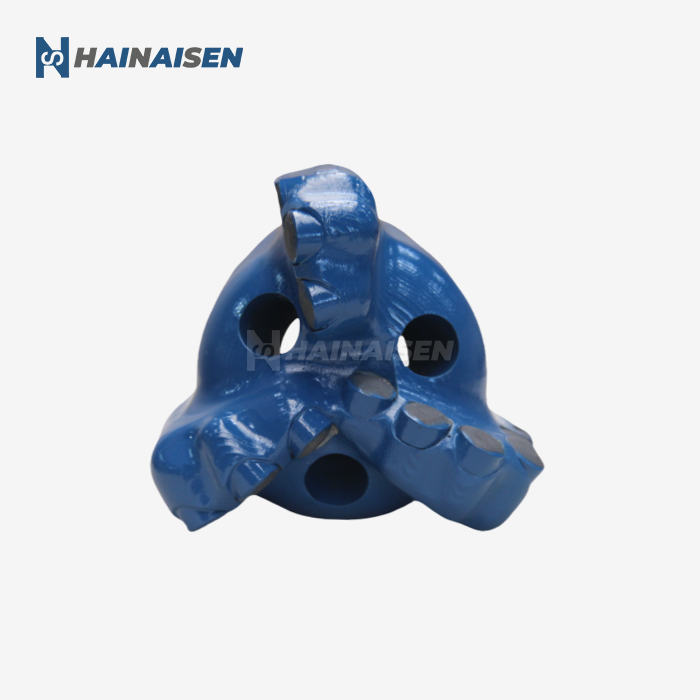 VIEW MORE113mm Three Wings PDC Arc Angle Drill Bit
 VIEW MOREThree Blade Wing Arc Angle Drill Bit
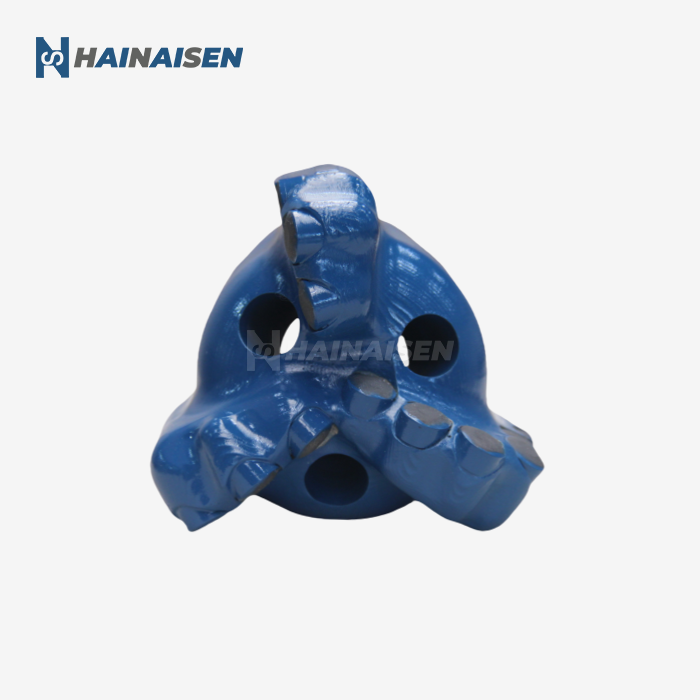 VIEW MORE113mm PDC Arc Angle Drill Bit
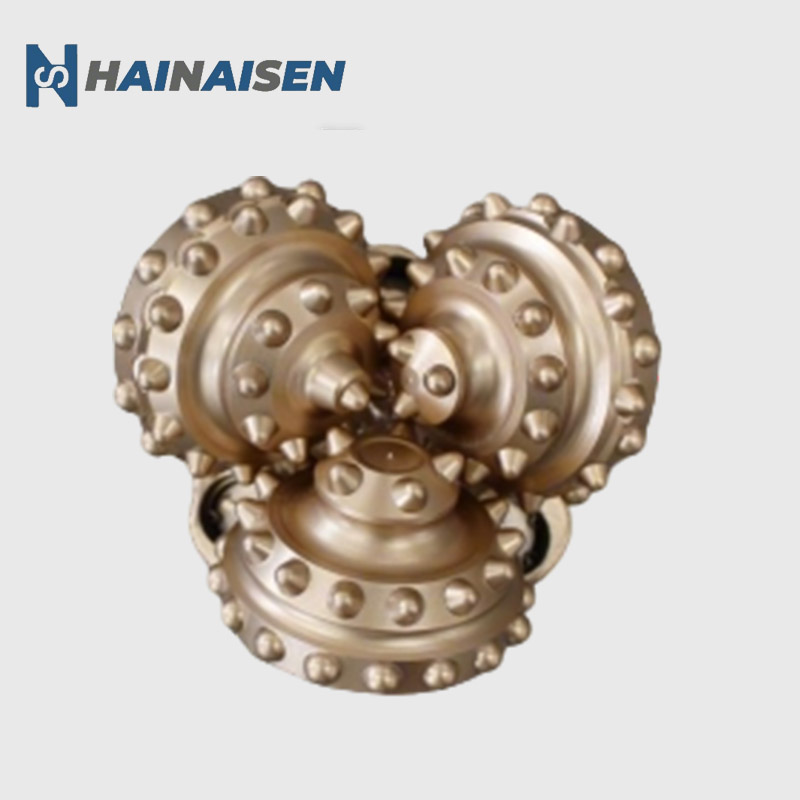 VIEW MORE4 1/2" IADC 637 TCI Tricone Bit
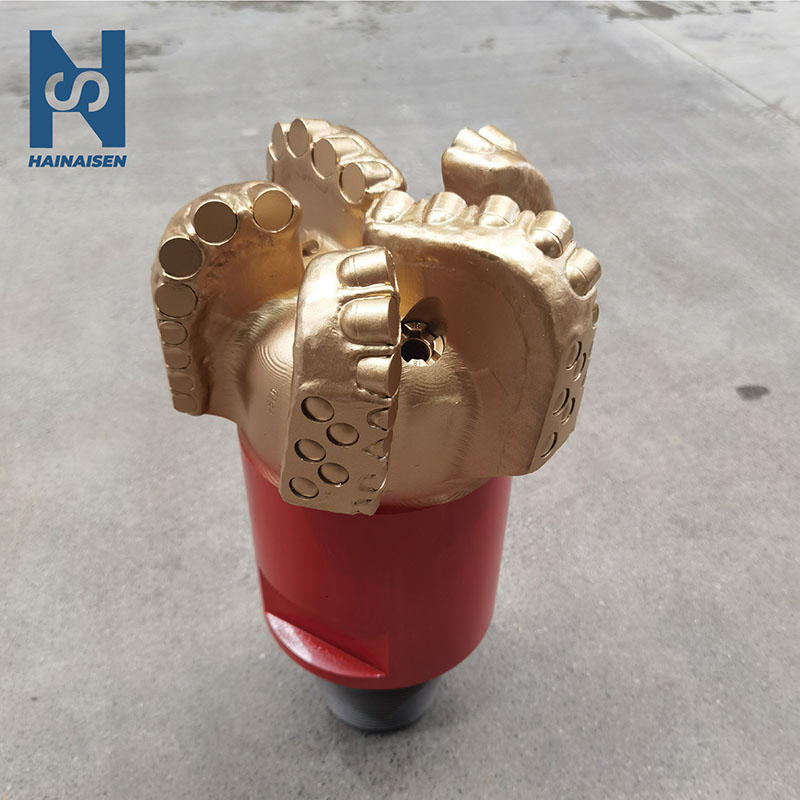 VIEW MOREFive Blade PDC Drill Bit
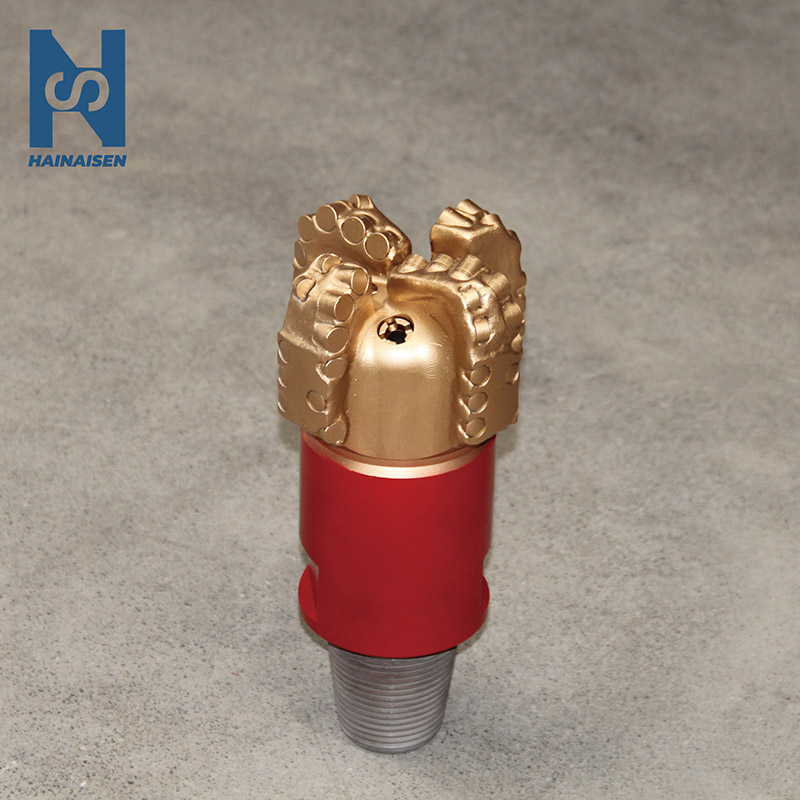 VIEW MOREHigh Quality PDC Drill Bits
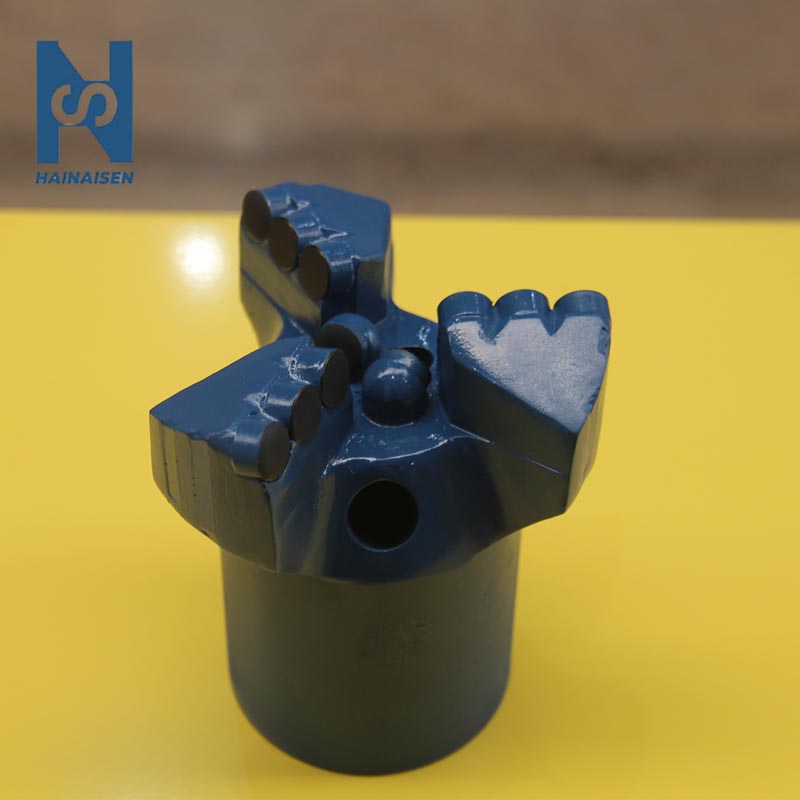 VIEW MORE3 Blades Steel Body PDC Bit
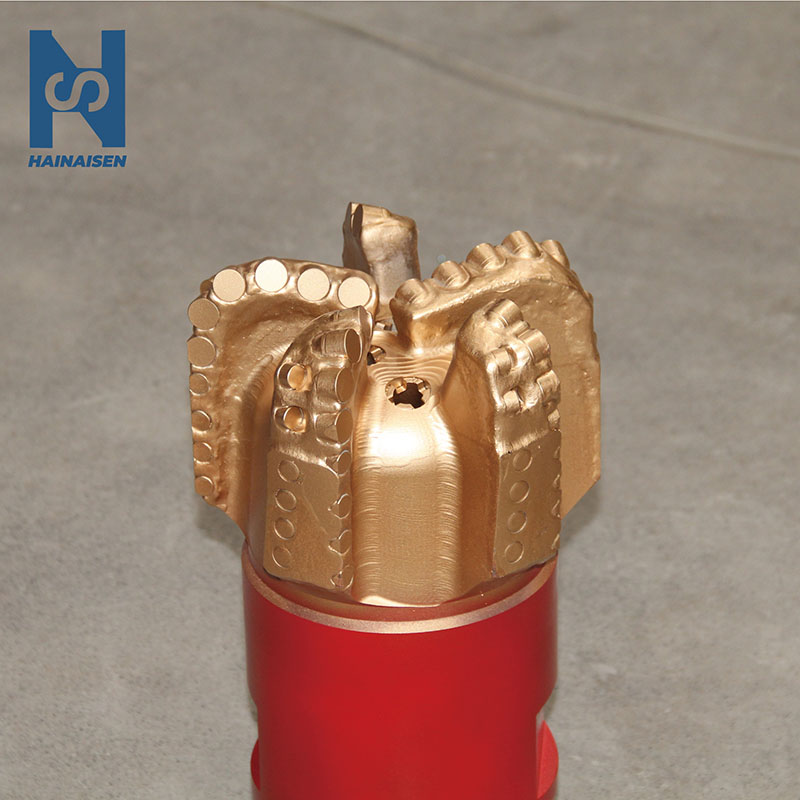 VIEW MORE5 Blades Steel Body High Performance PDC Rock Drill Bits