







How do manufacturers measure the performance of diamond oil drill bits?
Diamond Oil Drill Bits are tested in the lab, in the field, and with real-time data analytics as part of a thorough evaluation system used by Manufacturers to check how well their products work. The test focuses on important factors like rate of penetration (ROP), resistance to wear, thermal stability, and general longevity. In the lab, conditions downhole are simulated to figure out how well the cutting works and how much heat is lost. In the field, trials collect practical data across a range of rock formations. Advanced tracking systems keep an eye on vibration levels, torque response, and the wear and tear on the cutting structure. This lets makers back up claims of performance and make designs that work best for certain drilling tasks.
Understanding Diamond Oil Drill Bits and Their Performance Indicators
The Unique Structure Behind Diamond Drilling Technology
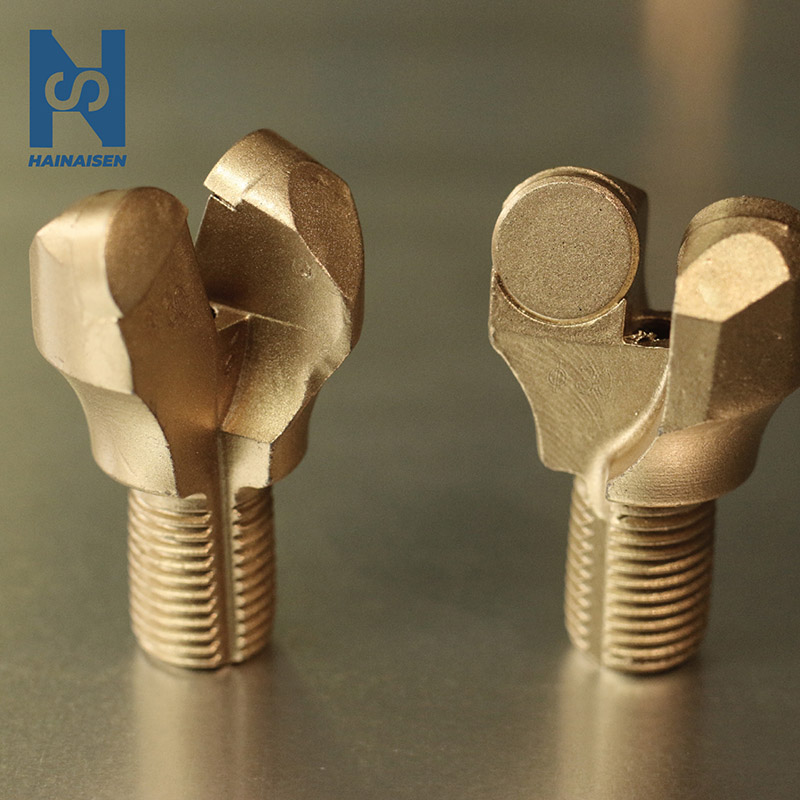
PDC Drill Bits advance drilling technology. These tools have polycrystalline diamond compact cutters on tungsten carbide substrates, unlike roller cone bits that shatter rock via contact. This design lets the bit cut patterns swiftly and effortlessly. The diamond layer is 8/10 on the Mohs scale, and the carbide backing can withstand cutting pressure. Combining these two factors creates a tool with longer-lasting cutting edges.
Critical Performance Metrics That Matter
When evaluating drill bits, procurement professionals and technical specialists consider several interrelated aspects. The penetration rate indicates how rapidly the bit goes through the formation, which affects task completion time and cost. Durability is a tool's capacity to cut well over lengthy drilling sessions, saving you money on bit replacement. Thermal control controls whether the bit can work in hot regions without breaking down. The cost per foot excavated best reflects all these considerations and indicates the true value. Knowing these signals lets you compare products and vendors wisely.
Applications Across Diverse Drilling Scenarios
Modern PDC Drill Bits are versatile and may be utilised in various sectors. In horizontal oil and gas wells, these instruments drill medium to hard rocks while maintaining well direction. Digging into geothermal projects is easier due to their high temperature tolerance. Getting gas from coal beds depends on their consistency in thick sedimentary rocks. Water well drilling crews favour penetration speed and operating longevity. The quality of geological core samples taken by mining companies depends on smooth, vibration-free drilling. Every Diamond Oil Drill Bit must meet performance standards for each application through thorough testing.
Core Methods Manufacturers Use to Measure Performance
Laboratory Testing Under Controlled Conditions
Testing facilities provide simulated downhole environments to test pieces before burying them. Vertical drilling simulators model confining pressure, temperature, and rock properties. Bit weight (WOB) and spin speed are controlled on test rigs while entry rates and power demands are monitored. Cutting movements are captured by high-speed cameras to illustrate how diamonds interact with rock. Temperature sensors in test systems monitor heat generation and loss. These controlled trials allow engineers to estimate Diamond Oil Drill Bit life in varied cutting circumstances by measuring wear.
Heat cycling and impact resistance tests assess diamond-carbide bonding in material testing facilities. Scanning electron microscopes examine cutters' small structures to prevent field failure. This short investigation indicates whether the production procedure produced the ideal diamond crystal orientation for wear resistance. CFD is utilised in hydraulic flow modelling to determine the tip position and cutting structure form. This keeps the drilling operation cool and removes debris.
Field Validation Through Real-World Operations
Lab data sets a benchmark, but drilling performance confirms the design works. Manufacturing, drilling contractors, and running firms collaborate to test prototype bits in the field. Detailed bit records document rock properties, drilling parameters, and work results. Operators record how much earth was excavated, how fast holes go through, and any run-related issues. Post-run bit analysis evaluates cutter wear and structural integrity.
case studies from completed wells demonstrate performance potential. A recent Permian Basin deployment exhibited 25% continuous ROP benefits over offset wells utilising conventional bits. The bit cut nicely through 3,200 feet of interbedded sandstone and shale strata without replacement. These success stories provide procurement officials with confidence when choosing sellers for their geological issues.
Advanced Sensor Technology and Real-Time Monitoring
Modern drilling operations increasingly employ downhole monitors to communicate performance data to surface tracking systems. Accelerometers near the bit detect shaking patterns that indicate excellent drilling conditions. Bit spin and stick-slip can result from excessive horizontal vibration and high-frequency axial oscillations. These conditions accelerate wear and reduce efficiency. Temperature probes assess high-temperature cooling systems' heat control.
IoT-connected monitoring solutions integrate sensor data with surface elements like weight-on-bit, rotation speed, and hydraulic flow rates. Machine learning systems detect trends in multiple wells and linkages between bit drilling and performance. This predictive analytics capability lets operators adjust parameters in real time for optimal input rates and bit life. Field data helps manufacturers develop designs and advise customers depending on their demands, resulting in the optimum drilling economy.
Comparative Performance Analysis: Diamond Oil Drill Bits vs. Other Drill Bits
Material Properties and Drilling Efficiency
Different types of drill bits work differently because they are made of different materials. In rough forms, tungsten carbide insert bits need to be replaced more often because their cutting elements aren't as strong. When standard carbide bits hit hard rock stringers in lighter formations, they quickly become dull. Because diamond is so hard and good at transferring heat, PDC technology keeps cutting efficiency constant across a wide range of lithologies. This means that there will be fewer bit trips and longer breaks between tool changes for a Diamond Oil Drill Bit.
Roller cone bits make entry through a crushing process that works well in some soft formations but gives less ROP in rocks that are more solid. Because they are so complicated mechanically, there are many places where they could go wrong, such as bearing seals and cone retention systems. Because they don't have any moving parts, PDC Drill Bits have simpler mechanical designs that make them more reliable. Because diamond cuts split rock, they make smaller pieces that are easier for drilling fluid to move out of the wellbore. This helps keep the hole cleaner.
Application-Specific Performance Considerations
Different drilling situations need different methods for choosing bits. When digging water wells in rocks that aren't fully solidified, bits that are designed for high flow rates and clearing debris are better than bits that are designed for maximum hardness. Because coal seams aren't very hard, bits used in coal mines need to be able to cut aggressively while also being affordable. For oil and gas drilling in deep, high-pressure rocks, bits need to be very strong and stable at high temperatures.
To meet these unique needs, manufacturers create cutter plans, diamond quality, and hydraulic features. A bit designed for drilling in soft shale has more extreme back rake angles and bigger, fewer cuts to increase ROP. For hard rock uses, you need a higher cutter density and smaller diamonds on each one to spread out wear and stop catastrophic failures. Knowing about these differences in design helps buying professionals find products that meet their needs.
Maintenance and Performance Optimisation Practices
Essential Care Procedures for Extended Service Life
The right way to take care of a bit starts as soon as it gets to the boring spot. Protocols for storage keep cutting structures safe from damage from impacts and contamination from the environment. Inspections done before and after each run find patterns of wear that help operators make changes. Cleaning procedures get rid of drilling fluid leftovers and formation pieces that could hide damage or make it harder to do the job again.
Maintaining the right fluid flow rates during drilling operations makes sure that the machine stays cool and that the cuttings are removed. Watching the weight on the bit and the speed of spinning stops too much loading, which speeds up cutting wear. Shock loads that can damage diamond-carbide surfaces are lessened when setting changes are not made quickly. These operating standards make the Diamond Oil Drill Bit last a lot longer and keep it working the same way throughout the drilling gap.
Manufacturer-Recommended Protocols and Genuine Parts
Manufacturers of equipment give thorough maintenance schedules based on a lot of experience in the field and scientific research. These rules spell out how often to check, how much wear is okay, and how to refurbish something. Following these rules makes sure that bits work within the limits set by the designer and last as long as expected. When you use true replacement parts, the original performance specs are kept, but aftermarket parts may bring material inconsistencies that make the system less reliable.
Reputable makers offer refurbishment services that can get worn-out bits back to working order for a lot less money than buying a new tool. Professional refurbishing changes out worn-out cuts, fixes broken gauges, and checks that the hydraulics work. This environmentally friendly method lowers the total cost of ownership while keeping quality levels high. Operators who care about quality value documentation from approved refurbishment processes because it allows for tracking and performance proof.
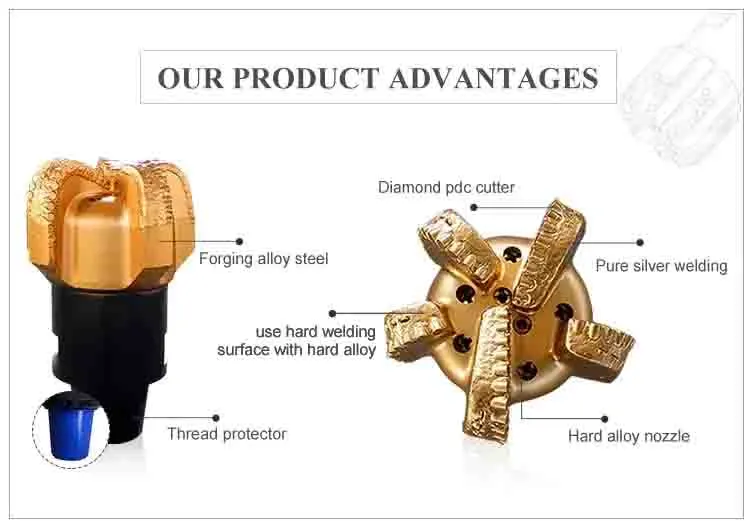
How to Assess and Choose the Best Diamond Oil Drill Bit for Your Procurement Needs?
Evaluating Supplier Credentials and Product Certifications
To find a good Diamond Oil Drill Bit provider, you need to do more than just compare prices. Documented quality control systems and industry Certifications are ways that well-known producers show what they can do. ISO 9001 approval shows that quality control is done in a planned way, and API specifications show that the product meets the standards for the oil and gas business. Precision manufacturing is possible at supplier sites that have modern machine centres and welding production lines.
The ability to provide technical help sets special sellers apart from commodity vendors. Having access to application experts who can look at your unique formations and suggest bit designs that work best for them is very helpful. Suppliers with their own research and development teams can make changes that help with specific drilling problems. Read customer reviews and case studies from businesses that are like yours to make sure that the claimed changes in performance are backed up by real-world results.
Balancing Cost and Performance for Different Company Sizes
Medium and large oil service companies usually put performance history and full help ahead of the original buy price. When they buy something, they look at the total cost per foot bored, taking into account the bit's life, how deep it drills, and how reliable it is. These companies want to build long-term ties with suppliers based on consistent quality and quick expert support. Because they need to pay a lot every year, longer payment terms and big deals become useful.
Coal mines have to match the need for quality with the need to stay within budget, looking for bits that work reliably and are priced competitively. Sample testing programmes let these buyers check that claims about performance are true before placing bigger orders. Because they work on a smaller scale and find less difficult formations, water well-digging teams often only think about the up-front cost. Knowing these different goals helps suppliers match what they offer with what customers want.
Practical Purchasing Tips for Confident Procurement Decisions
Ask for specific technical information, such as the quality of the diamonds, the number of cutters, and the hydraulic design factors. Check these specs against the properties of your rock and the drilling settings. Ask providers to give you performance predictions that are specific to your needs, such as expected ROP and video goals. Warranty terms show how confident the maker is in the product's reliability; longer warranties mean the product is of higher quality and has been through more tests.
Talk about good terms for the first trial sales that will keep your financial risk low while you check on performance. Before rollout, set clear success criteria that can be used as objective standards for evaluating suppliers. Keep thorough records of how well bits work so that you can compare sources based on data. Having relationships with several qualified suppliers causes competition, which improves the results of your buying efforts and ensures supply consistency.
Conclusion
To get a full picture of a Diamond Oil Drill Bit's performance, manufacturers use complex methods that combine lab precision, field validation, and cutting-edge tracking technologies. When procurement workers and technical engineers understand these evaluation models, they can make choices that are in line with their practical needs. PDC technology offers clear benefits in a wide range of drilling tasks thanks to its better material qualities, improved designs, and history of dependability. By choosing the right suppliers and doing regular repairs, you can get the best return on your investment and keep operations running smoothly. As drilling problems get more complicated, it's important to work with manufacturers who show technical know-how, a commitment to quality, and quick help in order to get good performance results.
FAQ
Q1: What performance metrics matter most when evaluating drill bits?
The rate of entry directly affects the economy of drilling by determining how long the project takes and how much the rig costs. How often you need to make expensive tool changes that stop work is affected by how durable the bits are. Thermal stability makes sure that the material will always work the same way in high-temperature forms without breaking down too soon. The most complete measure is total cost per foot dug, which takes into account penetration speed, operating lifespan, and purchase price to give a single number that shows how well the business is doing economically.
Q2: How can lab tests tell you what will happen in the real world?
Controlled lab settings are very good at recreating the pressure, temperature, and rock qualities that are found deep underground. Vertical drilling models use accurate bit weights and spinning speeds, and they keep an eye on wear patterns and penetration rates. Diamond-carbide bonding power and thermal stability are confirmed by testing the materials for the Diamond Oil Drill Bit. While data from the lab can be used to make good initial guesses, validation in the field across sample formations shows how well the system works in real-life situations, such as when the formation changes and the drilling fluid interacts with it.
Q3: Why do PDC bits outperform conventional alternatives?
The extreme toughness of diamonds makes them very resistant to wear, so their cutting edges stay sharp even after long digging sessions. The shearing action makes smaller cuts that make hole cleaning easier and allows for higher entry rates than the breaking action. When mechanical design is simplified, moving parts that could break are taken out. Better thermal conductivity gets rid of heat more efficiently, which stops temperature-related damage in tough forms.
Partner with HNS for Superior Diamond Oil Drill Bit Solutions
HNS can help you with your toughest drilling problems because they have more than ten years of experience making PDC Drill Bits. Our 3,500-square-meter building has high-tech 5-axis machine centres and precise welding production lines that make sure the quality of every tool we make is the same. The engineers at Shaanxi Hainaisen Petroleum Technology can make bit designs that are exactly what you need for your formation. These designs are backed by a lot of field testing in oil and gas, coal mines, and water wells. Our product line meets all of your specific buying needs, whether you run a big oil service company that needs to prove performance thoroughly or you are in charge of water well drilling projects that need to be as cost-effective as possible. Contact our technical experts at hainaisen@hnsdrillbit.com to talk about your drilling parameters and get suggestions based on your unique needs from a reputable Diamond Oil Drill Bit maker that cares about your operating success.
References
1. Smith, J.R., & Williams, M.K. (2021). Advanced Drilling Technologies: PDC Bit Design and Performance Optimization. Petroleum Engineering Press.
2. Chen, L., Roberts, T.D., & Anderson, P. (2020). "Field Performance Analysis of Polycrystalline Diamond Compact Drill Bits in Varied Geological Formations." Journal of Petroleum Technology, 72(8), 45-62.
3. International Association of Drilling Contractors (2022). Drill Bit Performance Measurement Standards and Best Practices. IADC Technical Report Series.
4. Thompson, R.E. (2019). Materials Science in Oil and Gas Drilling: Diamond Technology Applications. Cambridge Industrial Publications.
5. Martinez, C., & Zhang, H. (2023). "Real-Time Monitoring Systems for Downhole Tool Performance Optimization." SPE Drilling & Completion, 38(1), 112-128.
6. National Petroleum Council (2021). Drilling Efficiency and Cost Reduction Through Advanced Bit Technology. NPC Study on North American Resource Development.
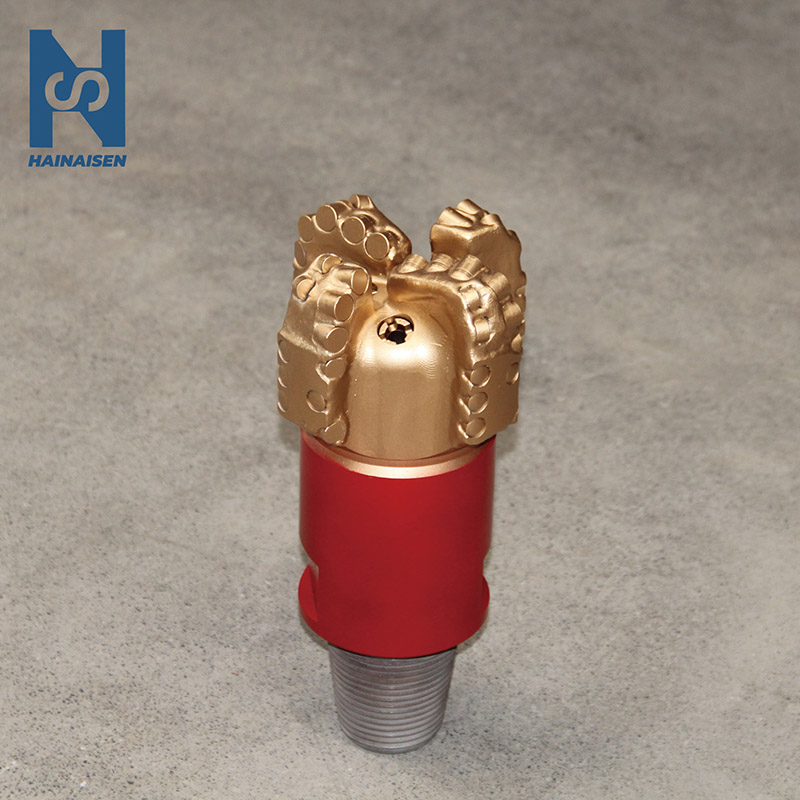 VIEW MOREFour Blade Wing Oil Drilling Tool
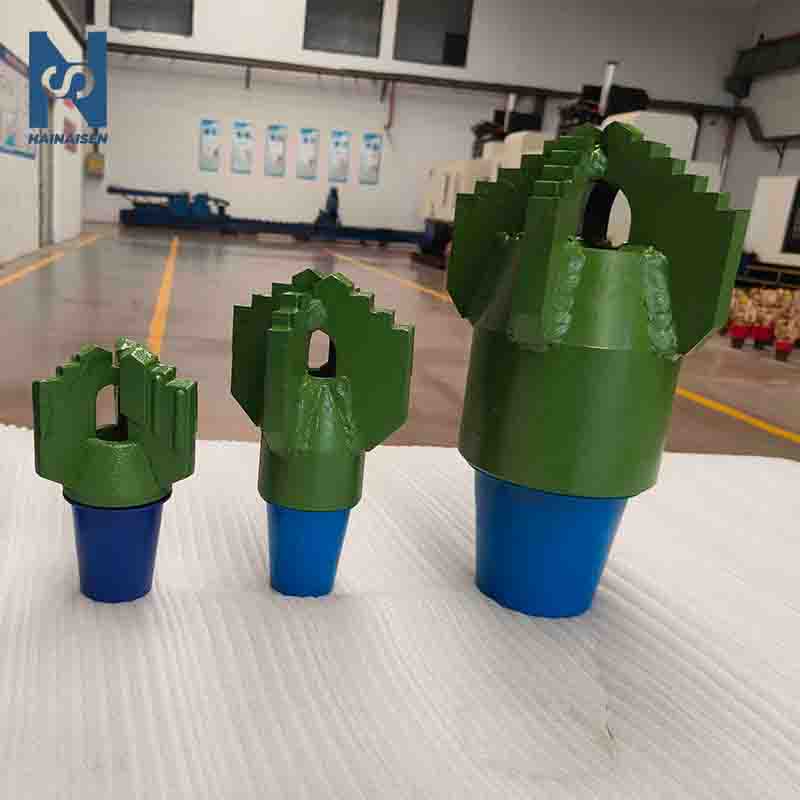 VIEW MORESteel Scraper Drill Bit
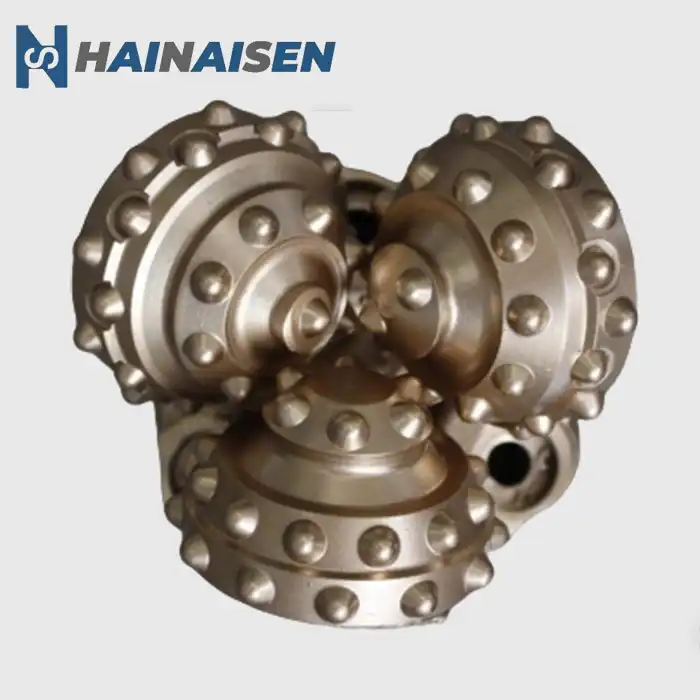 VIEW MORE4 1/2" IADC 537 Tricone Rock Bit
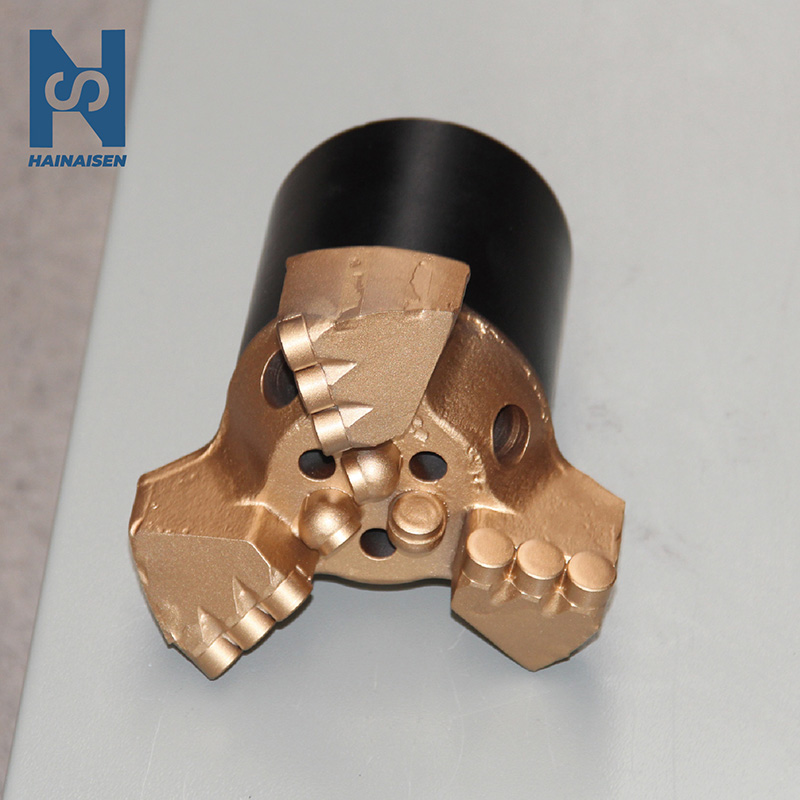 VIEW MOREThree Blade Concave Drill Bit Api For Manganese Coal Mines
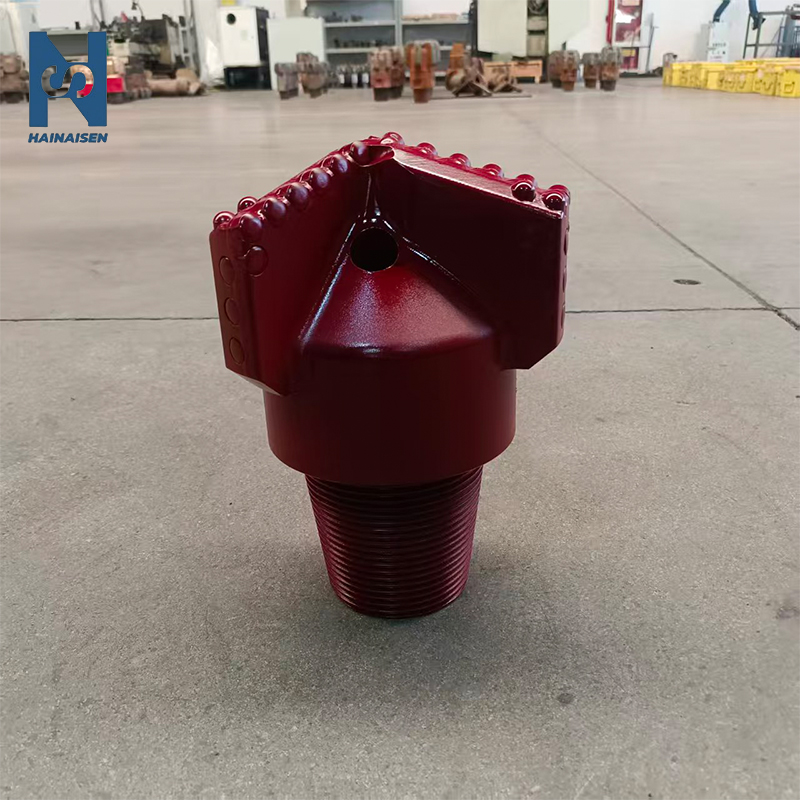 VIEW MOREPDC Bit For Well Drilling
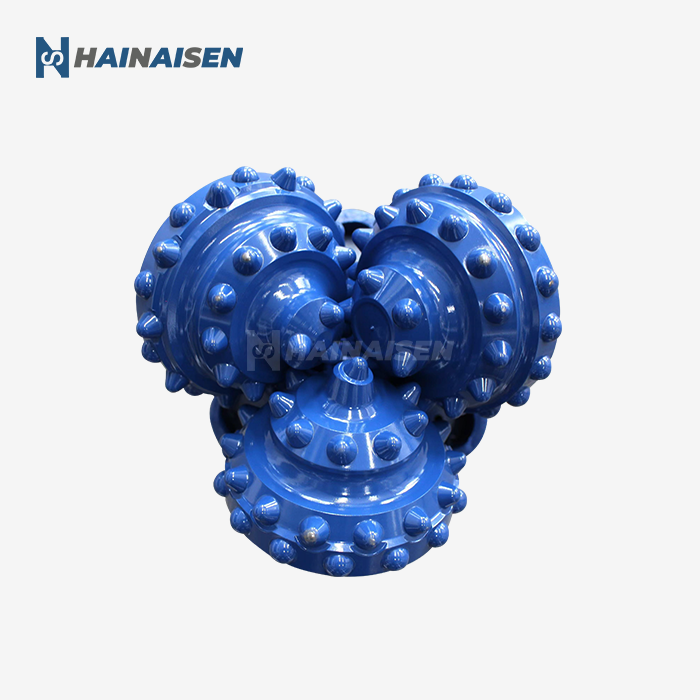 VIEW MORERock Roller Drill Bit
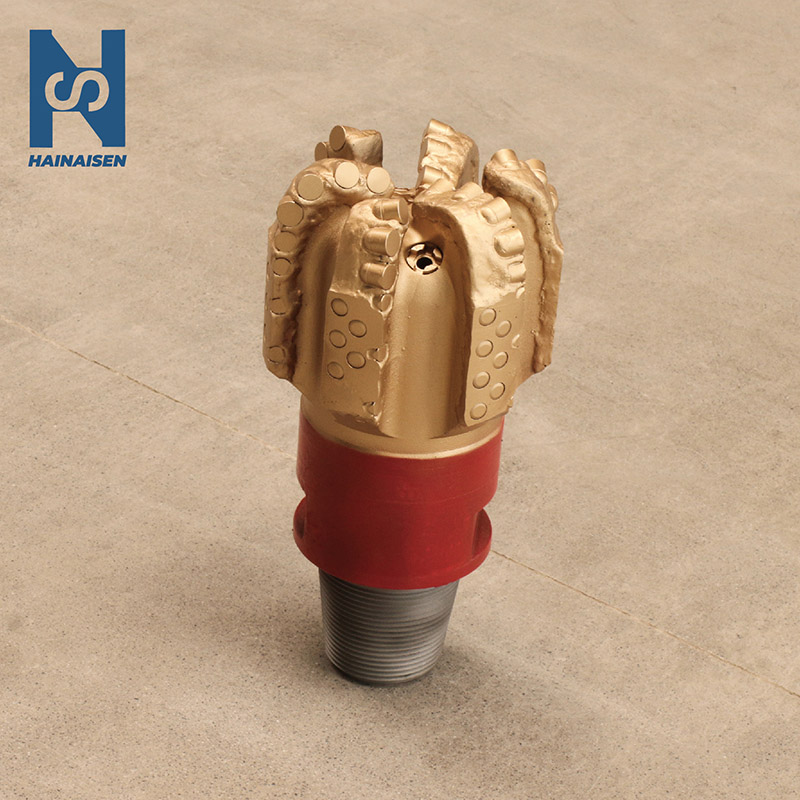 VIEW MORETool 6 Wings Drill Bit PDC
 VIEW MORE30mm Half Blade Anchor Bit For Mine Coal Fields
