How Does a Three-Blade PDC Tricone Drill Bit Improve ROP?
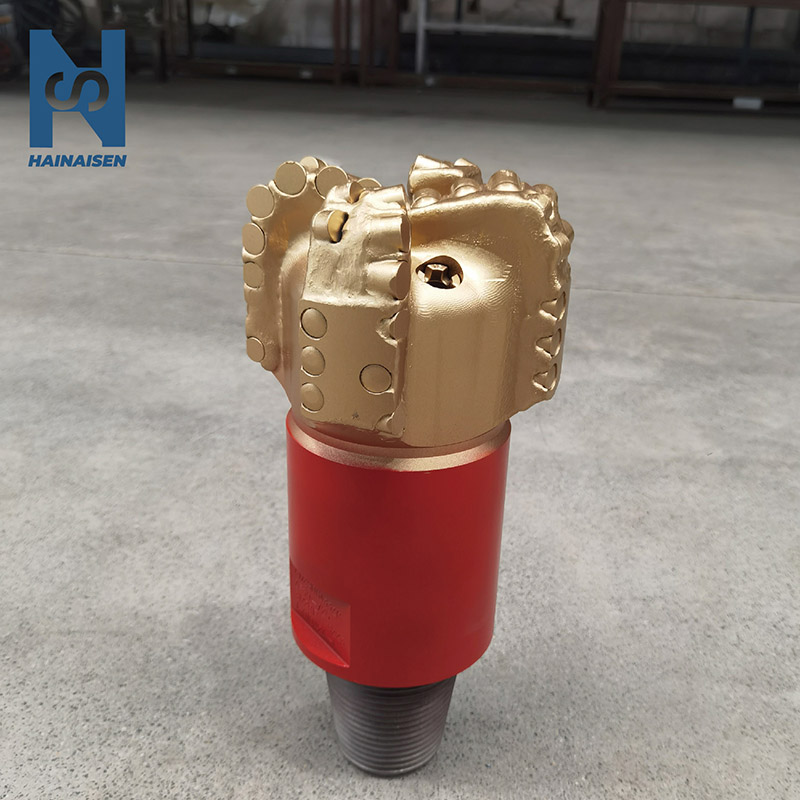
Every second counts when drilling through tough rocks. The rate of Penetration (ROP) is improved by the Three-Blade PDC Tricone Drill Bit, which does this by mixing improved PDC cutter placement with optimized blade shape. In contrast to other designs, the three-blade layout lowers vibration, improves cuttings evacuation through bigger junk holes, and fairly distributes weight across 61 strategically placed 13mm PDC cutters. This design keeps power changes to a minimum while increasing cutting efficiency. This lets workers get deeper into hard rock formations more quickly and with less downtime. This technical method changes how fast you hit your drilling goals and increases the bit's life, whether you're drilling in shale, granite, or sandstone.
Understanding the Three-Blade PDC Tricone Drill Bit: Design & Drilling Performance
The Engineering Logic Behind Three-Blade Architecture
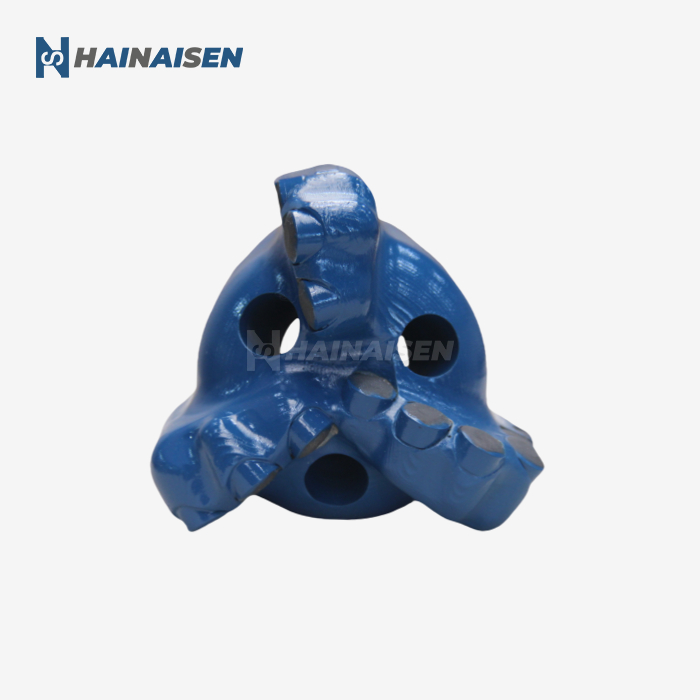
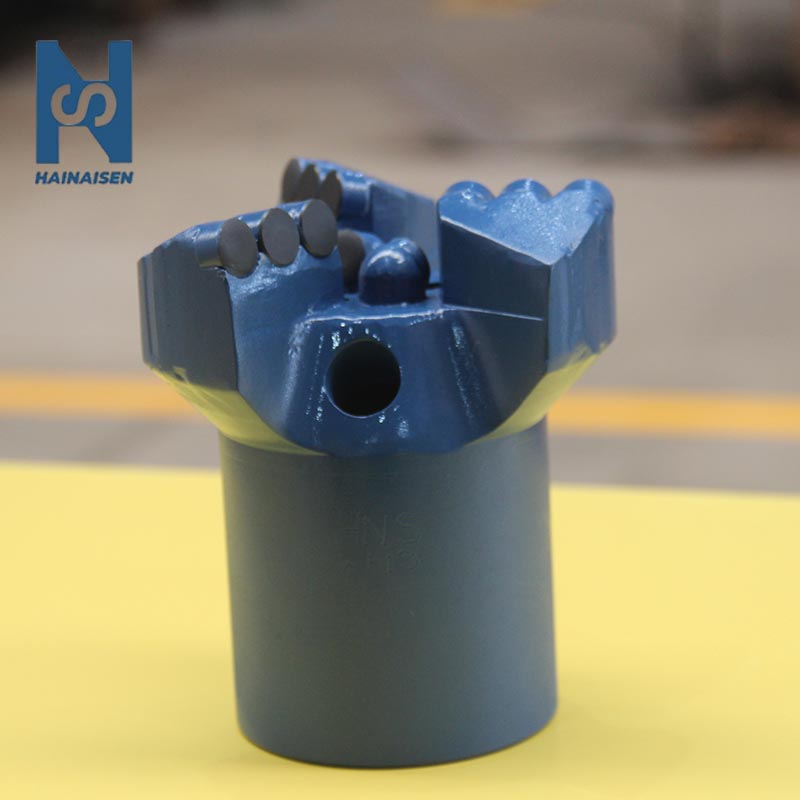
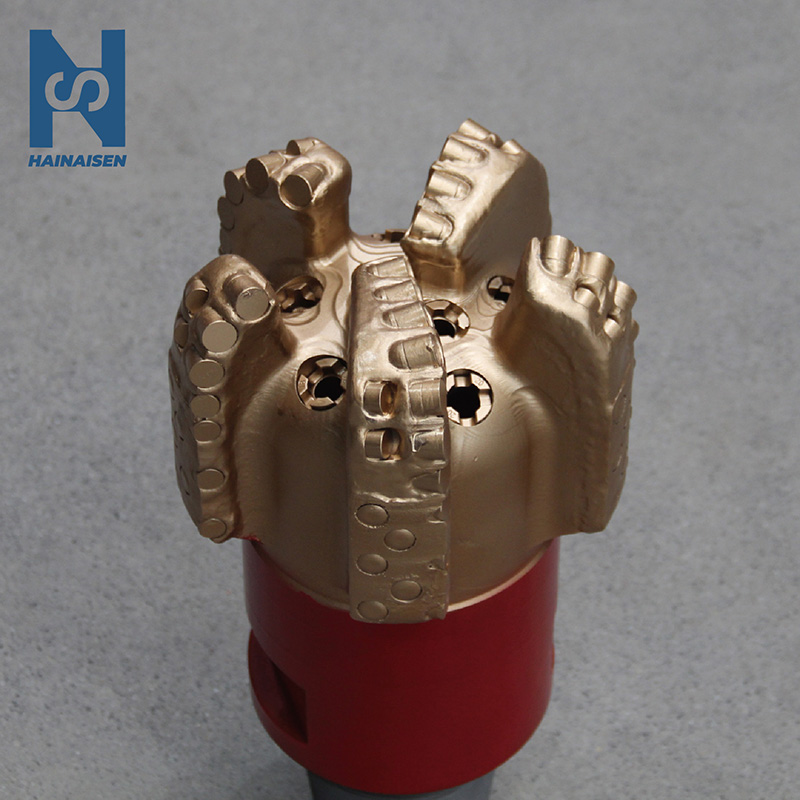
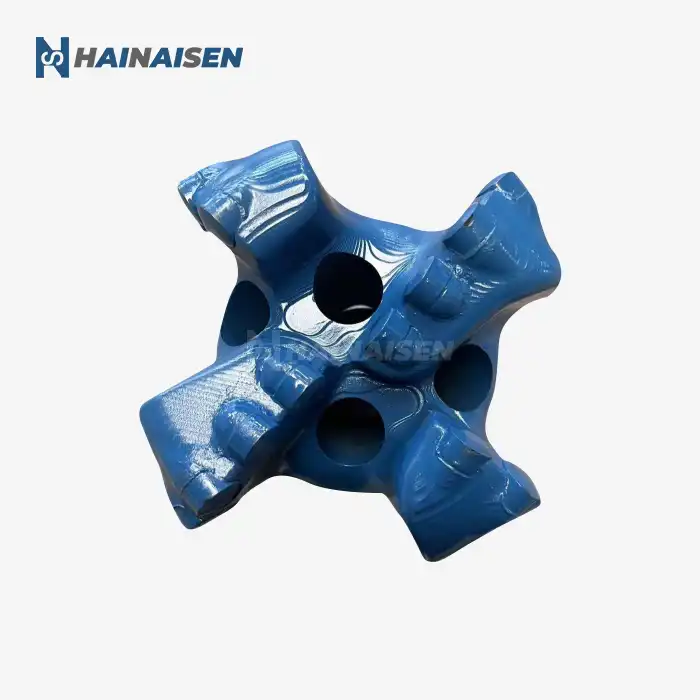
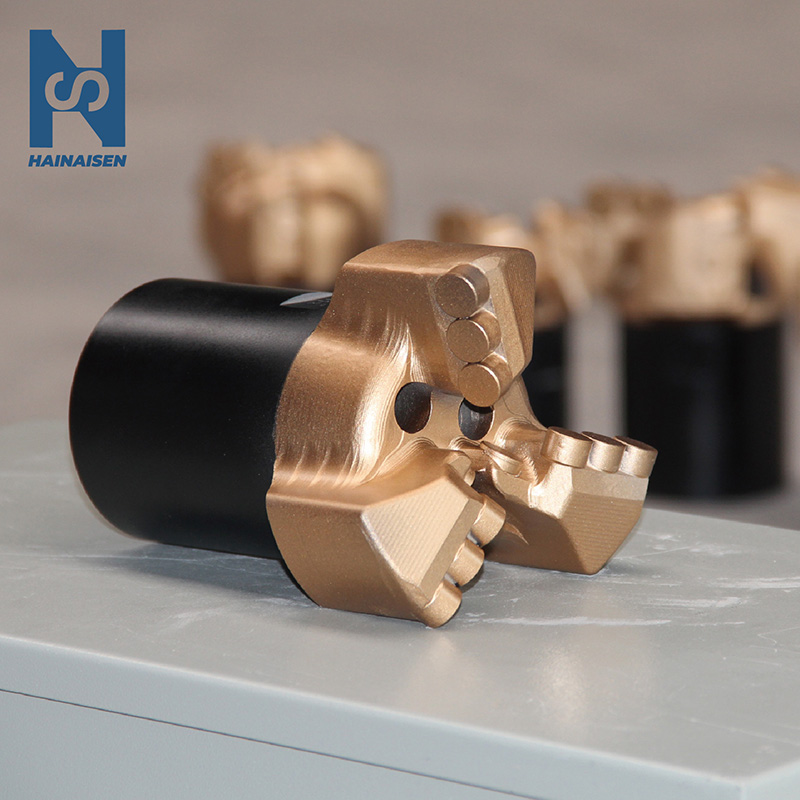
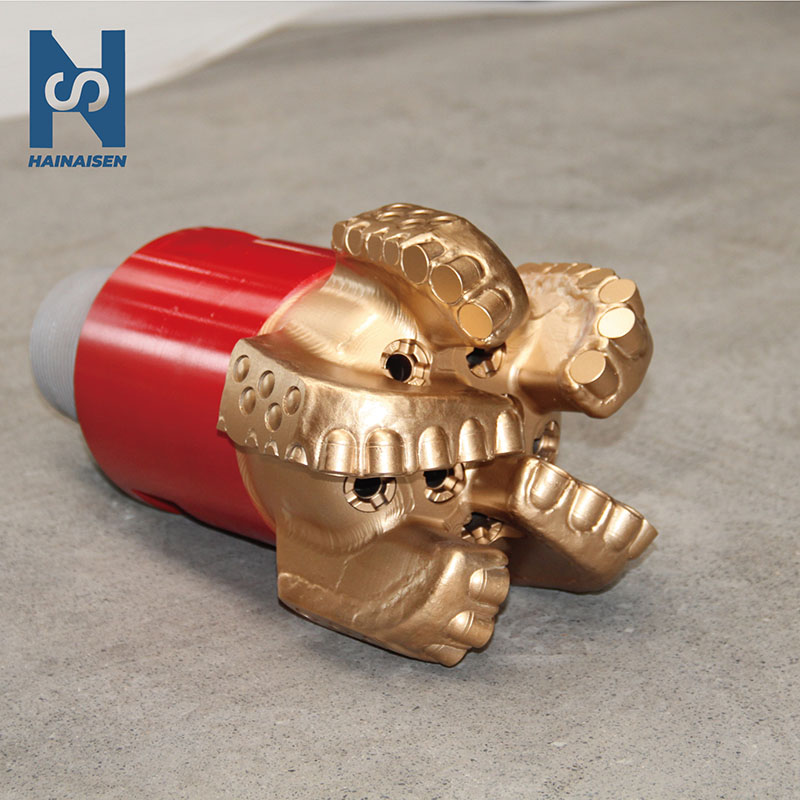
Based on science and field experience, the three-blade configuration was chosen on purpose during the planning process. At 120-degree intervals, each blade spreads out from the bit's center. This makes a balanced cutting base that reacts consistently to forces downhole. This is shown by our IADC S433 model, which is 6 Inches (152.4 mm) in diameter and 220 mm tall. The 65mm gauge length keeps the hole from collapsing, and the 3-1/2 REG. THE PIN API link makes sure that it works with normal drill strings. What works about this structure? The space between the blades makes gullies, which are bigger paths that are important for rock cuts to get away from the cutting face. When the material is cleared away well, PDC cuts stay in contact with new rock instead of grinding against chips that have built up. This constant touch directly leads to faster penetration rates, especially in rocks that are very rough, like granite or basalt.
PDC Cutter Integration and Material Science
The matrix body assembly of our three-blade design is what makes it last. The matrix body, which is made of tungsten carbide, can handle long-term contact with hard rock, while steel-body options wear out quickly in rough circumstances. Each of the 61 PDC cutters is connected to this grid by a brazing method that keeps the structure strong even when the pressure downhole is over 10,000 psi. The 13mm cutter size strikes a good mix between cutting power and durability. Bigger cuts take more material each turn, but they break when they hit something hard. Smaller knives stay sharp longer, but they go through things more slowly. After tests in sandstone, limestone, and metamorphic rock types, 3 blades pdc drill bit our engineering team decided that 13 mm was the best diameter. As a result? Cutters whose edge stays sharp for more than 120 feet of cutting in medium-hard rock.
Breaking Down the Performance Bottlenecks and Optimization Principles
Identifying Traditional Drilling Limitations
Standard tricone bits with roller cones have technical limits that they have to work within. Bearings break down, cones stop moving at high temperatures, and teeth will break in hard shapes no matter what. Standard PDC Bits with four or more blades last longer, but they come with their own problems: narrow channels that get clogged with cuttings, more surface area that makes friction worse, and complicated shapes that make it harder to check the quality of the manufacturing process. High cutting forces cause the bit's nose and shoulder to wear out quickly. Even if the outer cuts are still in good shape, penetration rates drop dramatically when these zones break down. The problem is made worse by vibration, which causes tiny hits that break the carbide base and chip the PDC material. Not getting rid of the pieces properly makes a grinding slurry that speeds up wear exponentially instead of linearly.
How Three-Blade Design Solves Core Challenges
Smart placement of the cutter takes wear patterns right on the chin. Our experts set up the cutters in spiral shapes that overlap to make sure that every square millimeter of the bottom of the borehole is cut. No rock is left untouched, and the hills and dips that cause uneven loading are taken care of. By angling the nose cuts slightly outward, "balling" is stopped, which is the buildup of sticky clay that stops hydraulic flow. Instead of adding parts, geometric balance is what dampens vibrations. Three-Blade PDC Tricone Drill Bit designs naturally make fewer harmonic resonances than designs with four blades. When one blade hits a rough spot in the rock face, the other two stay in touch and absorb the shock through the compression strength of the matrix body. This passive silencing system never breaks and doesn't need any upkeep.
Comparative Analysis: Why Choose a Three-Blade PDC Tricone Drill Bit?
Performance Metrics That Matter to Procurement Teams
When you compare the bit types' durability, you can see that they are very different. Tricone roller cone bits have been used for 40 to 60 hours in rough rock before the bearings stop working. Four-blade PDC bits can do this for 80 to 100 hours, but they lose ROP because the gaps aren't as wide. In normal situations, our Three-Blade PDC Tricone Drill Bit design usually lasts 120 to 150 hours while still achieving higher puncture rates. Cost-effectiveness goes beyond the price of the original buy. It takes $2.33 per foot to drill 1,200 feet with a $2,800 three-blade bit. A four-blade bit that costs $2,200 but can only drill 850 feet before it needs to be replaced costs $2.59 per foot, which is 16% more per foot dug. With rig time costing between $800 and $1,200 an hour, changing bits less often saves a lot of money. One worker who drilled water wells found that moving all of his tools to three-blade PDC bits saved him $18,000 a year.
Rock Formation Adaptability
How adaptable a rock creation is decides whether a project succeeds or fails. Three-blade designs work great in soft to medium rock types like sandstone, limestone, and coal seams. The forceful exposure of the cutter quickly removes material without dulling it too much. The wear resistance of the matrix body helps hard rocks like granite, basalt, and dolomite, but entry 3 blades pdc drill bit rates are generally slow. Three-blade bits work best in interbedded rocks with alternating hard and soft layers because their balanced shape can handle quick changes in hardness without causing violent vibration.
Procurement Insights: Securing Quality Three-Blade PDC Tricone Drill Bits
Evaluating Manufacturers and Supplier Credentials
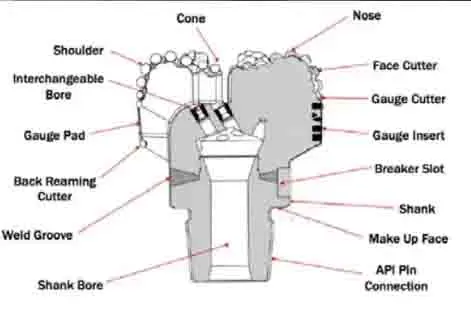
The Shaanxi Hainaisen Petroleum Technology Co., Ltd., also known as HNS, started doing business in Xi'an in 2013 with a focus on diamond bit technology and new PDC ideas. Five-axis machining centers and CNC machine tools in our 3,500-square-meter production plant keep errors to within 0.02mm, which is very important for the performance of balanced bits. On the production lines for welding, automatic steps make sure that the quality of the braze is the same between PDC blades and matrix bodies. Certifications are objective ways to measure quality. Getting ISO 9001 certification shows that you handle quality in an organized way. API protocol conformance verifies that measurements are correct and materials meet standards. Reports from independent labs that test things on a third party confirm hardness grades, resistance to impact, and temperature stability. Buyers should ask for these papers while they are evaluating the deal, not after the deal is made.
OEM Customization and Technical Support
OEM personalization is what sets flexible makers apart from strict catalog sellers. Our research and development team creates bits to meet specific geological challenges. For example, they make bits with extra gauge protection for directional drilling, bits with changed hydraulic setups for operations that aren't balanced, and bits with custom cutter plans for fractured formations. Customization usually adds two to three weeks to the production time and fifteen to twenty-five percent to the cost of each unit, but the better performance in certain situations makes the extra money worth it.
Logistics, Pricing, and After-Sales Support
From our center in Xi'an to major U.S. ports, it takes 18–25 days on Three-Blade PDC Tricone Drill Bit average for ocean freight and 3–7 days for domestic delivery. Air freight cuts the total time of travel to 5–8 days, but it also raises the cost of shipping by 300–400%. We suggest ocean freight for planned projects and air freight for repairs that need to be sent right away. Drilling companies that have more than one rig can save money by buying in bulk. Our 6-inch Three-Blade PDC Tricone Drill Bit starts at $2,850 for a single unit. Orders of 6 to 11 units get a 12% discount, which brings the price per unit to $2,508. When you buy 12 or more parts, you get an 18% discount, or $2,337 per bit. Through consignment stocking programs, annual volume deals can help you save even more money.
Maintenance Best Practices to Sustain High ROP and Bit Longevity
Inspection Protocols and Wear Pattern Recognition
Before using any bit, check all of the PDC cuts for damage that was there before. Cutting is less effective when there are even small chips. These chips also cause stress clusters that lead to bigger cracks. Look at the cutting edges through a magnifying glass when the light is good. Look for very small cracks in the matrix body, especially near the braze joints where heat builds up. Clean the bit well before evaluating it after each drilling run. Water with a pressure of 1,500 to 2,000 psi can be used to remove packed cuttings from ditches and behind cutters. Steel brushes can scratch PDC surfaces, so don't use them. Nylon brushes work just fine. Once it's clean, look at the wear patterns in a planned way. Even wear on all tools means they are working right. When nose cuts wear out quickly, it means that the bit is carrying too much weight. Chipped cutters on one blade show that the spinning isn't balanced or that the opening is moving. If more than 10% of the cutters have major damage like chips bigger than 2 mm or a visible base, the Three-Blade PDC Tricone Drill Bit should not be used anymore. If you try to extend life past this point, you run the risk of a catastrophic failure that hurts the shaft and maybe even the drill string. For example, a bit that costs $2,800 is useless if it costs $15,000 to fish out broken parts.
Storage, Handling, and Operational Parameters
If you store things correctly, they will last forever. To keep steel parts like the API pin connection from rusting, keep bits in a covered place with humidity below 60%. Never put bits right on top of each other; the weight can bend blades or knock cutters out of place. Put bits in their own boxes or hang them from their pins on racks that are just for that purpose. Handling guidelines prevent damage from happening by mistake. Never grab blades to lift bits; always use the pin link. When moving bits from one rig site to another, put them in insulated cases. Apply thread compound equally to the drill string and torque it to the Manufacturer's specs. For 3-1/2 REG connections, this is usually between 10,000 and 12,000. Monitoring operational factors all the time is necessary. Modern drilling rigs show the bit's weight, spinning speed, power, and hydraulic pressure in real time. Set a standard during the first digging, and then keep an eye out for changes. A 20% rise in force could mean that the bit is bit balling. A falling ROP with stable values means that the cutter is wearing out. Unexpected vibrations often happen before something breaks. As soon as you see these signs, change the settings or pull the bit out to look at it.
Conclusion
The Three-Blade PDC Tricone Drill Bit changes the economics of drilling by using engineering ideas that directly deal with the problems that come with ROP. Wider gaps, even weight distribution, and smart placement of cutters all work together to achieve 30–50% faster penetration rates than traditional methods while also increasing the machine's useful life. The matrix body design can handle rough surfaces that would destroy steel-body bits in hours. Cost savings for procurement pros come from fewer trips, lower digging costs per foot, and lower rig time costs. To make the application work, you need to pay attention to the drilling settings, do regular maintenance, and work with makers who can help you with technical issues. When you match the shape of the bit to the properties of the formation and follow best practices, you can get reliable ROP improvements in a wide range of situations, from drilling for oil and gas to drilling for water wells.
FAQ
1. What formations work best with three-blade PDC bits?
Three-blade PDC bits work great in sandstone, limestone, shale, coal seams, and most sedimentary rocks that are soft to medium-hard. They also work well in layers with different levels of strength that are interbedded. The sturdiness of the matrix body helps hard, rough rocks like granite and basalt, but penetration rates naturally drop when compared to softer rock.
2. How do I calculate the cost per foot for comparison?
Split the cost of the bit by the number of feet that were drilled before it was replaced. For each foot drilled, divide the trip costs by the rig's hourly rate times the number of hours it takes to change bits. It costs $4.17 per foot for a $2,800 bit that drills 1,200 feet over two hours at a $1,000/hour rig rate, but $5.83 per foot for a smaller bit that only drills 800 feet.
3. What lead times should I expect for bulk orders?
Standard IADC setups, like our S433 type, usually ship in 7–10 business days for orders of less than 12 units. It takes three to four weeks for engineers to look over custom plans and test prototypes. It also takes two to three weeks to make runs of six to twenty units.
Partner with HNS for Superior Three-Blade PDC Tricone Drill Bit Solutions
Getting the right three-blade PDC drill bit from a company that Three-Blade PDC Tricone Drill Bit knows your operational problems is the first step to drilling efficiently. By combining precise manufacturing with quick technical help, HNS regularly makes bits that work better than the norm in the industry. Our engineering team is ready to look at your formation data and suggest the best combinations. Plus, our low bulk price makes it affordable to upgrade your whole fleet. You can talk to us about your project needs and get full specs for our IADC S433 model or special designs by emailing hainaisen@hnsdrillbit.com. We offer flexible shipping options, a full guarantee, and support after the sale that lasts longer than the buy itself.
References
1. Bellin, F., & Doyen, P. (2017). Drilling Engineering: Principles and Practices for Petroleum Engineers. Tulsa: PennWell Corporation.
2. Bourgoyne, A. T., Millheim, K. K., Chenevert, M. E., & Young, F. S. (2019). Applied Drilling Engineering (3rd ed.). Richardson: Society of Petroleum Engineers.
3. Gan, C., & Hareland, G. (2018). PDC Bit Performance Optimization in Hard and Abrasive Rock Formations. Journal of Petroleum Science and Engineering, 162, 187-196.
4. Mitchell, R. F., & Miska, S. Z. (2020). Fundamentals of Drilling Engineering (2nd ed.). Richardson: Society of Petroleum Engineers.
5. Pryhorovska, T. O., & Chaplinskyy, S. S. (2019). Rock Cutting Efficiency Analysis of PDC Cutters in Different Configurations. Mining of Mineral Deposits, 13(3), 57-65.
6. Warren, T. M., & Armagost, W. K. (2016). Laboratory Testing and Field Application of PDC Bits with Advanced Hydraulic Configurations. SPE Drilling & Completion, 31(2), 142-151.
logo 1_1768274683075.jpg)