What is the size range of oilfield drill bits?
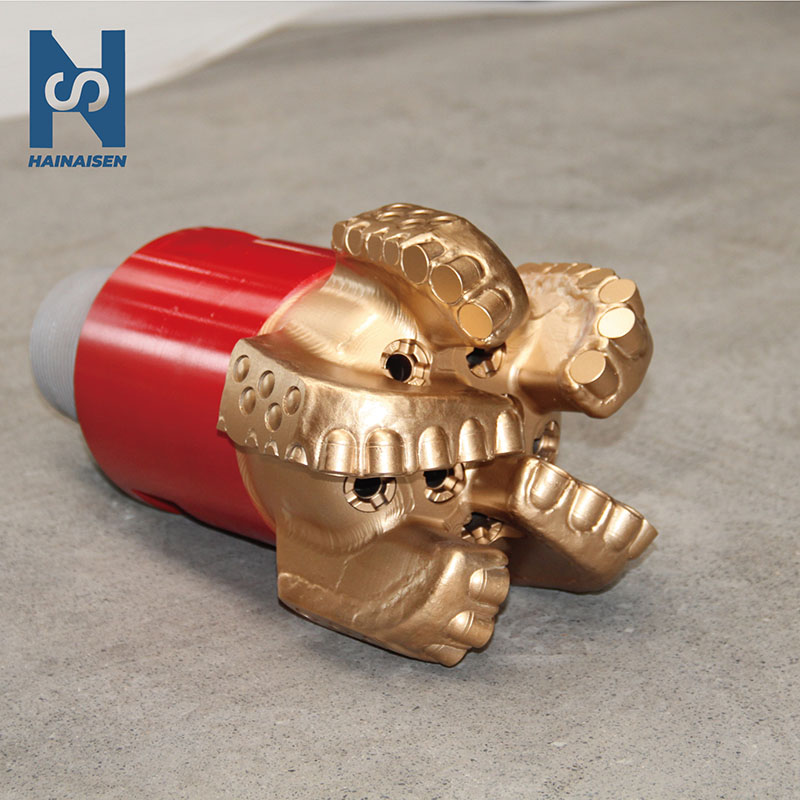
Oilfield drill bits come in a wide range of sizes, with most being between 3-7/8 inches and 26 Inches in diameter. However, some bits are made to be larger or smaller for specific uses. The Five Blade Wing Oil Drilling technology has changed the way we choose sizes by making them more stable and cutting more efficiently across a range of diameters. These high-tech PDC Bits have five different blades with polycrystalline diamond compact cutters arranged on them. They work better in both common and difficult rock formations and can meet the needs of oil service companies, coal mining operations, and water well drilling teams.
Understanding the Size Range of Oilfield Drill Bits
In the oil and gas business, the exact bit size is needed to meet geological conditions, well depth goals, and working limits. Choosing the right width has a direct effect on the cost of drilling and the success of the job.
Common Size Categories in Oil and Gas Operations
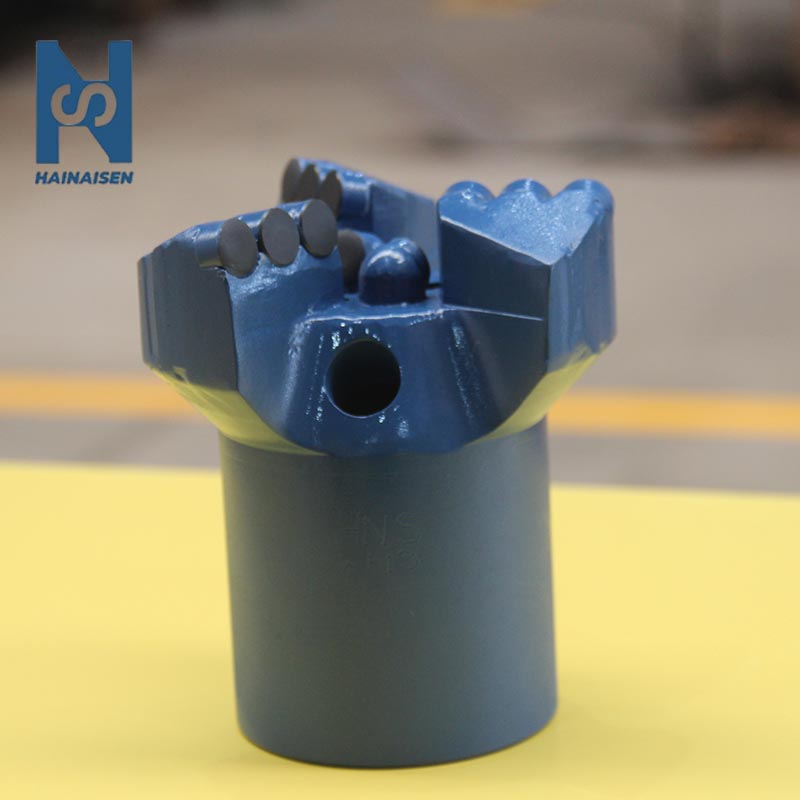
Industrial drilling bits range from small for experimental drilling to large for hole-making. Geotechnical inspections and test holes use 3-7/8-inch to 6-inch slim-hole bits. Most drilling programs employ 8-1/2- to 12-1/4-inch bits. Large bits with sizes between 14-3/4 inches and 17-1/2 inches assist in inserting production casings, while ultra-large bits above 20 inches help position offshore conductor pipes. For penetration and operational versatility across several forms, the 12.25-inch group is a "sweet spot."
Factors Influencing Bit Size Selection
Formation hardness has a big impact on width choices. For softer sedimentary layers, larger pieces can carry the hole along, but for hard or shattered rock, smaller bits focus cutting forces and maintain direction. Well depth affects rig ability. Staged drilling with smaller bits is typically needed for torque and hydraulic constraints on deeper targets. Kelly bushing size, pump capacity, and lifting ability restrict rigs. Modern five-blade wing oil drilling designs increase blade geometry and cutter positioning to allow aggressive drilling in narrow spaces.
Five Blade Wing Drill Bit Size Specifications
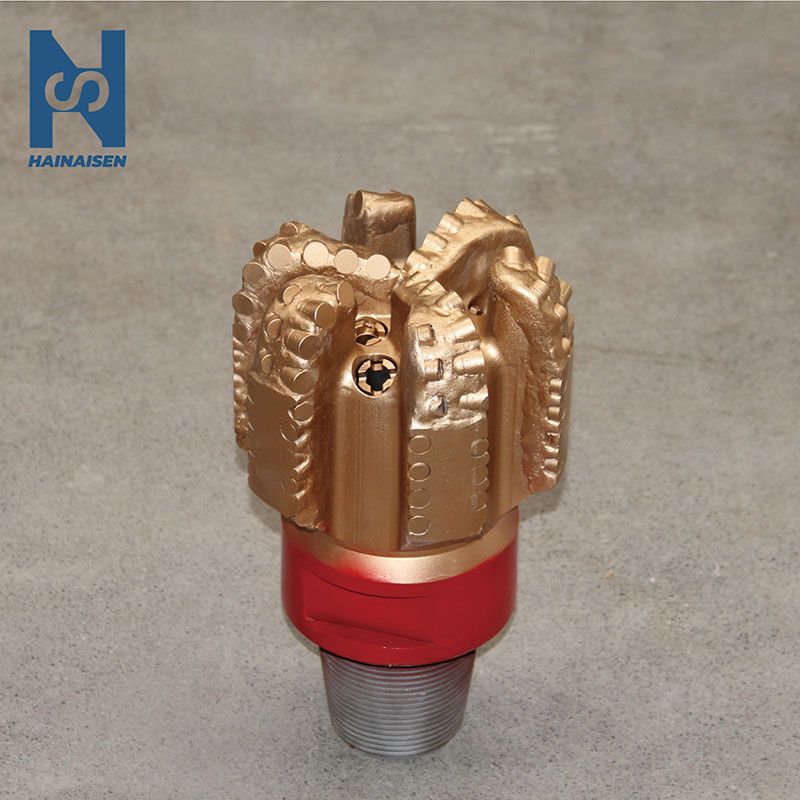
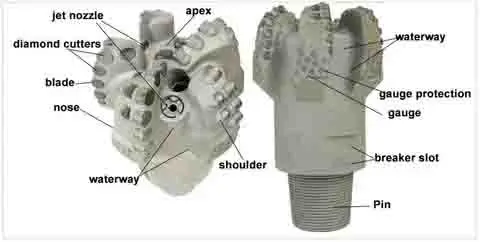
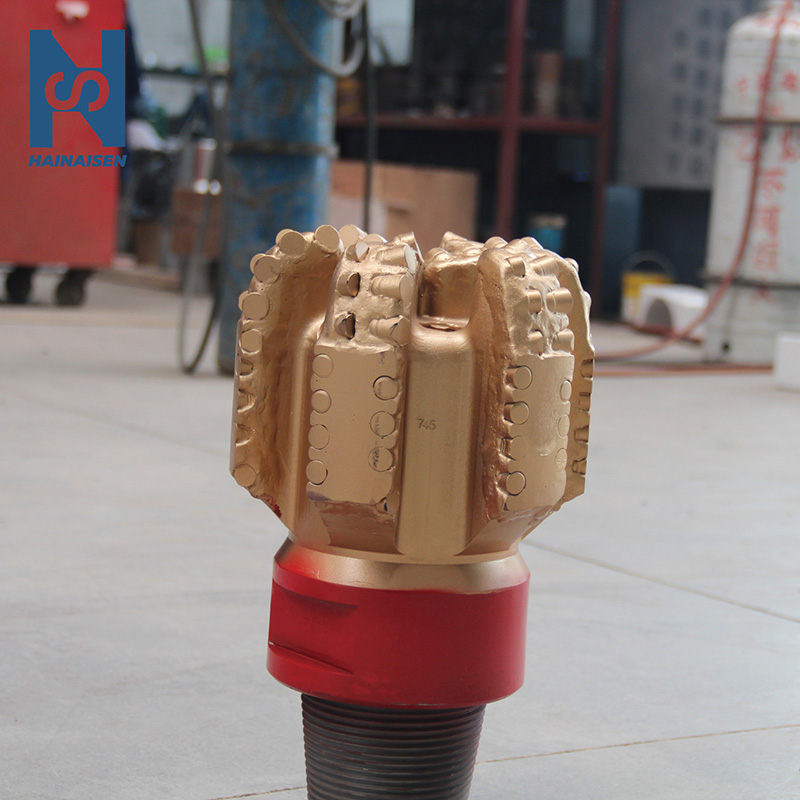
Advanced five-blade PDC bit designs offer great versatility across sizes. HNS makes bits like the S123, which has a 12.25-inch circle with 109 PDC cutters on five blades. Seven ports increase hydraulics, 13mm and 16mm cutters operate with diverse rocks, and a sturdy 510mm height can support a 90mm gauge length. The 6-5/8 REG. PIN API connection works with standard drill strings, and the 95kg net weight balances durability and use. Small 6-inch devices for directional drilling to huge 16-inch units for fast hole opening are available. Five-blade architectural performance is maintained at all sizes.
Five Blade Wing Oil Drilling Technology: Design Features and Size Compatibility
The Five Blade Wing Oil Drilling design is a big step up from the three-blade and roller cone options that were used in the past. It offers better stability, penetration rates, and operating longevity.
Blade Geometry and Cutting Structure Innovation
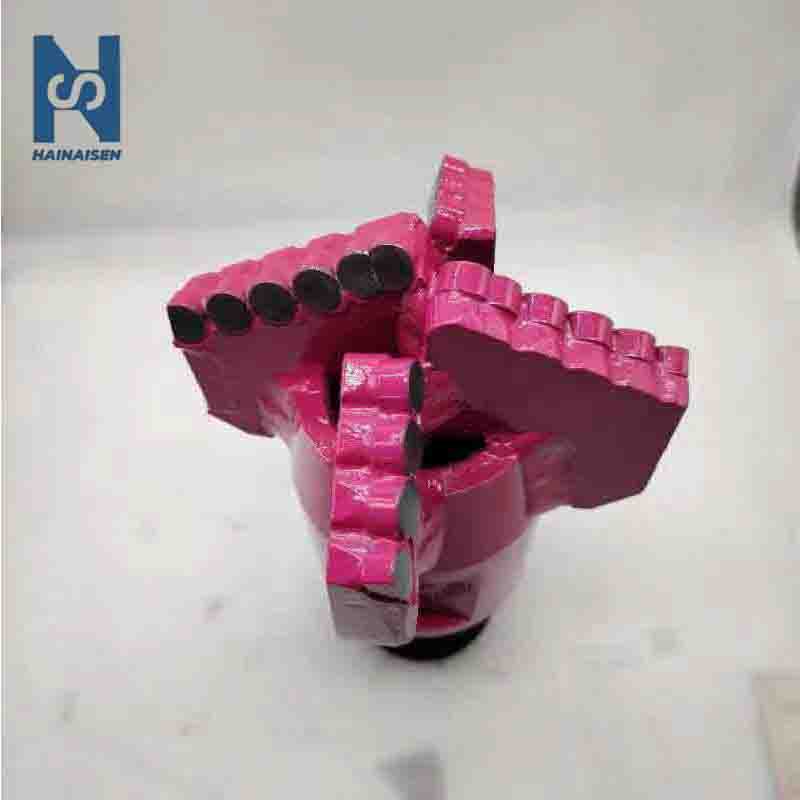
Five-blade wing PDC bits have strategically arranged cutters on each blade to disperse cutting forces more evenly than others. The blade angles improve shearing and formation contact, while the gap between the blades creates garbage holes that let cuttings depart the machine. The additional blade makes the machine more stable in any direction without reducing hydraulic efficiency, making it ideal for diameters between 10 and 14 inches. The materials combine high-strength steel bodies with thermally stable diamond cutters for deep well operations above 150°C. The gauge protection system's durable pieces maintain hole width over lengthy drilling sessions.
Comparison with Traditional Bit Types
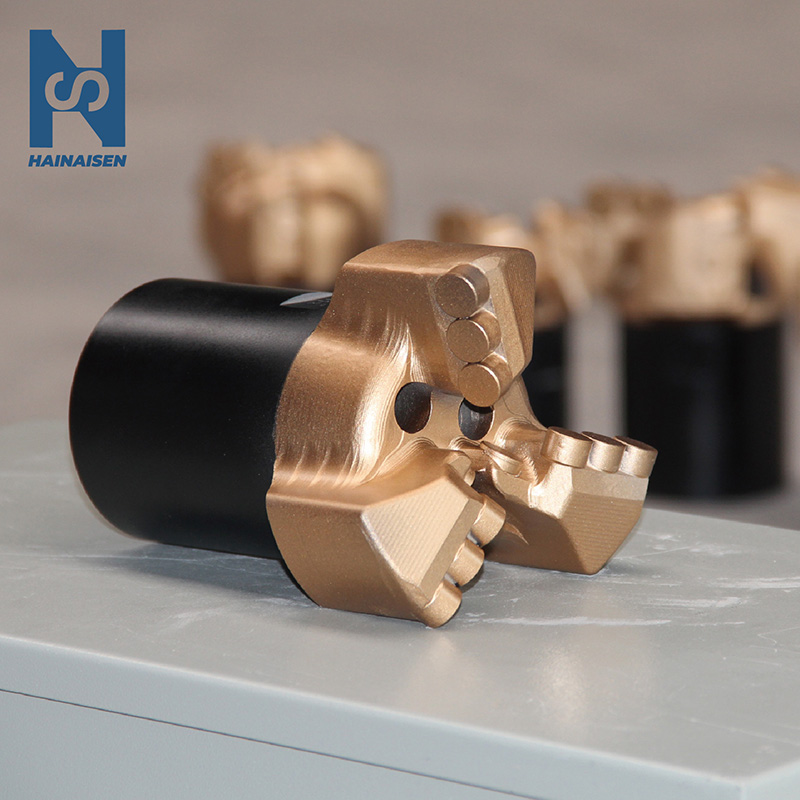
Although three-blade PDC bits are quicker to assemble, vibrations and uneven wear are more likely to destroy them. Roller cone bits function well in heterogeneous rocks but are harder to utilise and penetrate less than PDC bits. The five-blade wing design solves these issues by combining PDC technology's cutting capability with roller cone bits' stability. Shale formation field testing reveals that five-blade configurations penetrate 15–30% quicker than three-blade ones. Lowering vibration amplitude by 20–40% extends bit and bottom-hole assembly life. Each technology has distinct sizes. Five-blade wings are most stable and effective at 8–16 inches. For purposes outside these ranges, conventional designs may be preferable.
Operational Efficiency Across Diameter Ranges
The intricate link between bit width and cutting efficiency involves hydraulic horsepower, bit weight, and spinning speed. This connection works best with five-blade designs that disperse weight and maximise cutting contact. In the 12.25-inch size class, the S123 can drill 18 to 25 meters per hour into medium-hard rock, whereas three-blade bits can only travel 12 to 18 meters. The seven-nozzle hydraulic system successfully cleans the hole bottom at 800–1200 l/min. This prevents cutter balling and sharpens cutting edges during drilling. Balanced cutting forces are ideal for directional drills, and right-rotating steerable systems can keep deflection rates to 0.5 degrees every 30 metres.
Optimising Drilling Efficiency Through Appropriate Drill Bit Sizes and Five-Blade Wing Technology
By maximising penetration rates, extending the life of equipment, and maintaining hole quality, matching bit size to formation traits and operating goals has a direct effect on the project's economics. The Five Blade Wing Oil Drilling architecture maximises the performance window.
Rate of Penetration and Hole Quality Metrics
You must compare the entrance rate to the hole quality variables to evaluate a drill. Undersized bits produce excessive force and wear, whereas big ones reduce weight-on-bit and make bit direction control difficult. The performance window expands with five-blade wings because cutting stresses are dispersed over more contact points. In North America, 12.25-inch five-blade bits drill through interbedded shale and limestone strata at 20 meters per hour, whereas typical designs travel at 15 to 18 meters per hour. Calliper logs reveal less than 0.5-inch washout in lengthy areas when three-blade bits average 1.2 inches larger holes. This quality benefit reduces cement use and simplifies casing downstream.
Vibration Reduction and Tool Lifespan Extension
Stick-slip, spin, and bit bounce increase part breakage and drilling inefficiency. The five-blade designs' balanced loading arrangement slows these oscillations. When Permian Basin operations converted from three-blade to five-blade PDC bits of the same diameter, horizontal vibration amplitudes reduced 35%, and torsional changes dropped 42%. These cuts immediately extend bit runs, mud motor bearing lifespan, and drill pipe wear. Five-blade technology offers 40–60% longer drilling intervals between bit replacement, which is especially advantageous in difficult sandstone locations where cutter wear influences run length, making the extra 15–25% cost worth it, according to an economic analysis.
Case Studies Across Formation Types
Shale drilling with 12.25-inch five-blade bits completed 2,800-meter lateral sections in one run in the Marcellus formation, an improvement over the three-bit average. The travel time was reduced, saving four operating days per well and $180,000 per completion. Permian Delaware Basin wells using sandstone yielded similar advantages. Hole quality remained acceptable for openhole completions as penetration rates increased from 14 to 22 meters per hour. Unique 8.75-inch five-blade rigs were utilised to drill through hard limestone sequences at depths above 5,500 meters in the Anadarko Basin, with bit replacements every 1,200 meters instead of 600–800 meters with conventional roller cone technology.
Procurement Considerations for Five-Blade Wing Oilfield Drill Bits by Size
To make sure the best project outcomes, strategic buying choices combine technical needs with business needs, quality Certifications, and the supplier's abilities. Five-Blade Wing Oil Drilling procurement requires careful evaluation of technical specifications.
Aligning Bit Specifications with Project Requirements
Procurement experts must consider geological data, rig expertise, and operations goals while selecting bit settings. Examining the rock's hardness, abrasiveness, and drilling hazards helps determine cutter size and form. The rig's hydraulic capacity restricts flow rates, standpipe pressures, tip size, and blade design. Standard catalogue items or bespoke engineering will work depending on project duration. Major oil service firms supply 8.5-inch to 14.75-inch diameters and blade styles. They can swiftly deploy equipment with somewhat suboptimal specs. Coal mining businesses like the 9.875-inch and 12.25-inch diameters because they are cost-effective and function well. Contractors who drill water wells choose 6–8.5 inches because they suit the rig capacity and cost the least.
Supplier Evaluation and Certification Standards
Quality assurance begins with Manufacturer approval. Leading vendors maintain ISO 9001 and API Q1 certifications, demonstrating manufacturing process management. HNS has a 3,500-square-metre facility with five-axis machining centres and CNC machines with 0.05mm tolerances. This ensures consistent machine operation throughout manufacturing runs. Custom bits can address formation issues or fulfil non-standard rig demands thanks to the expert research and development staff. Verification should include steel body material certificates, diamond cutter quality documentation, and hydraulic performance test data. Established dealers provide expert assistance with bit selection, drilling parameter optimisation, and failure analysis when performance falls short. Medium- to large-sized oil service firms and bit manufacturers become important partners when quality and engineering assistance outweigh pricing concerns.
Cost-Effectiveness Analysis and Market Trends
Five-blade PDC bit prices vary based on cutter size, quality, and customisation. Standard 12.25-inch pieces cost $8,500 to $15,000, depending on cutters and material. While 20–30% more expensive than three-blade variants, they operate better in most cases and are worth it. Bulk procurement drives down unit costs by 10–15% while ensuring supplies for multiple-well operations. Custom-engineered bits for distinct rock conditions cost 30 to 50% more yet prevent costly drilling issues and stop operations. As more Asian factories open, market competition increases. Buyers must choose suppliers carefully since quality varies. Value analysis should consider the whole cost of ownership, including entry rates, bit life, and advantages like less shaking damage to neighbouring components, in addition to the initial purchase price.
Maintenance and Challenges Related to Oilfield Drill Bit Sizes and Five-Blade Wing Technology
Following the right repair procedures and being proactive about managing challenges can help tools last longer and keep operations from being interrupted, which can hurt the project's bottom line. Five-Blade Wing Oil Drilling technology requires specific inspection protocols.
Bit Inspection and Reconditioning Practices
An inspection after the run indicates wear patterns to help pick bits and modify working settings. The cutter is systematically inspected for chipping, heat damage, and abrasion wear. Gauge pad wear indicates a rocky formation or too much weight in one location, whereas blade erosion indicates poor hydraulics or low flow rates. Even with the same average cutter wear, five-blade designs spread wear out more than three-blade designs and have lower maximum wear levels. Pressure washing removes drilling fluid and rock debris that may disguise damage. Detailed photographic recordings allow multiple run trend analysis. PDC bits are hard to replace, thus redoing it is typically not worth doing. Finding out what causes early bit failures helps modify subsequent bit requirements. Storage requires clean, dry, well-supported areas to prevent deformation. Heavy pieces with larger diameters can concentrate tension; thus, this is crucial.
Troubleshooting Size-Related Operational Issues
Field activities provide diameter-specific issues that require imaginative solutions. In hard formations, large chunks generate too much power, pushing the rig's limitations. To minimise equipment damage, operators limit bit rotation and weight and enable slower penetration rates. In soft shale, little bits may drill faster than cuttings conveyance can handle, causing pack-off problems. Increasing flow rates and adding wiper trips every 200–300m cleans holes. Natural stability and superior hydraulics make five-blade models more robust. Drilling into interbedded rocks with abrupt hardness changes can cause 10- to 12-inch stick-slip vibrations. The oscillations frequently stop when the speed is reduced from 120-140 RPM to 80-100 RPM. Gauge wear accelerates more quickly than predicted if the formation is rougher or directional changes cause too much side loading. This can be solved by using diamond-enhanced gauge protection or reducing the construction rate.
Maximising Equipment Reliability Through Parameter Optimisation
To acquire the optimum drilling outcomes, match operational parameters to bit powers and formation reaction. Weight-on-bit recommendations for 12.25-inch five-blade PDC bits are normally between 8,000 and 18,000 pounds, depending on formation strength and bit activity. Rotating rates between 100 and 140 RPM balance the entrance rate with heat generation that wears diamond cuts. Effective cleaning requires flow rates over 3.5 horsepower per square inch of bit face area and tip speeds above 75 m/s. Real-time monitoring of weight, torque, shaking, and entrance rate allows immediate modifications to prevent damage. When drilling through different-property rocks, be careful. When drilling tougher stringers, reducing bit weight by 20–30% reduces stress loading that destroys cutters. In ideal conditions, these flexible approaches and five-blade wing technology, including for oil field drill bits, may provide single-run intervals of over 2,000 metres.
Conclusion
Oilfield drill bits come in a wide range of sizes, from small diameters for experimental work to big configurations for production holes. Each size serves a different purpose in the field. Five-Blade Wing Oil Drilling PDC technology has changed how well this line of drills works by making them more stable, increasing their penetration rates, and making them last longer. The HNS S123 model's 12.25-inch diameter strikes the perfect mix between speed and flexibility, making it suitable for most oil and gas, coal mining, and water well uses. When operators make strategic choices about what to buy based on technical needs, provider skills, and a total cost analysis, they can get the best value for their money while still keeping operations reliable in a wide range of geological settings.
FAQ
Q1: What diameter range covers most oilfield drilling operations?
Bits with a diameter of between 8.5 inches and 17.5 inches are used in most traditional oil and gas drilling. The 12.25-inch size works for middle-sized hole sections in multistage well plans, making sure there is enough annular room for cuttings movement while also allowing for fast entry rates. For certain uses, this range goes from 3-7/8 inches for thin-hole exploring to 26 inches for installing conductors offshore.
Q2: How does bit size affect drilling performance and costs?
Larger bits take more rock per turn, but they need more hydraulic horsepower and torque, which could slow down entry rates if the rig's capabilities aren't enough. Smaller bits focus cutting forces, which speeds up progress in hard rocks but requires more casing strings in deep wells, which raises the cost of finishing. The best size takes these things into account, along with certain well-defined goals.
Q3: Can five-blade wing bits be customised for unique specifications?
Manufacturers like HNS offer a wide range of customisation options to meet unique needs. Engineers change the shapes of the blades, the sizes and locations of the cutters, the designs of the nozzles, and the types of connections to fit the needs of the rig and the formation. Custom design usually adds three to five weeks to the shipping time, but it can solve operating problems that standard products can't.
Partner with HNS for Advanced Five-Blade Wing Oil Drilling Solutions
HNS creates engineered drilling systems that improve the success of operations in mining, oil and gas, and water wells. Our S123 model is the best in terms of technology. It has 109 precisely placed PDC cuts spread across five optimised blades, a hydraulic system with seven nozzles, and a strong build that lets you drill for longer periods of time. Our 3,500-square-meter building has modern five-axis machining tools that we use to make bits that meet the strict requirements of big oil service companies. We also offer cost-effective solutions for coal mining operations and water well contractors. Our focused engineering team works with procurement managers and technical engineers to come up with the best options for your specific geological problems and rig capabilities. HNS is ready to be your reliable Five Blade Wing Oil Drilling provider, whether you need normal catalogue items or solutions that are specially engineered for your needs. You can email our technical experts at hainaisen@hnsdrillbit.com to talk about how our drilling technology can help you cut costs while also increasing entry rates and equipment life.
References
1. Bourgoyne, A.T., Millheim, K.K., Chenevert, M.E., and Young, F.S. "Applied Drilling Engineering." Society of Petroleum Engineers Textbook Series, Volume 2, Richardson, Texas, 1991.
2. Bellin, F., Dourfaye, A., King, W., and Thigpen, M. "The Current State of PDC Bit Technology." World Oil Magazine, Volume 231, Number 11, November 2010, pages 67-71.
3. Mitchell, R.F. and Miska, S.Z. "Fundamentals of Drilling Engineering." Society of Petroleum Engineers Textbook Series, Volume 12, Richardson, Texas, 2011.
4. Pessier, R.C. and Fear, M.J. "Quantifying Common Drilling Problems with Mechanical Specific Energy and Bit-Specific Coefficient of Sliding Friction." SPE Annual Technical Conference Paper 24584, Washington, D.C., October 1992.
5. Detournay, E. and Defourny, P. "A Phenomenological Model for the Drilling Action of Drag Bits." International Journal of Rock Mechanics and Mining Sciences, Volume 29, Number 1, January 1992, pages 13-23.
6. Warren, T.M. and Smith, M.B. "Bottomhole Stress Factors Affecting Drilling Rate at Depth." Journal of Petroleum Technology, Volume 37, Number 8, August 1985, pages 1523-1533.
logo 1_1777361260784.jpg)