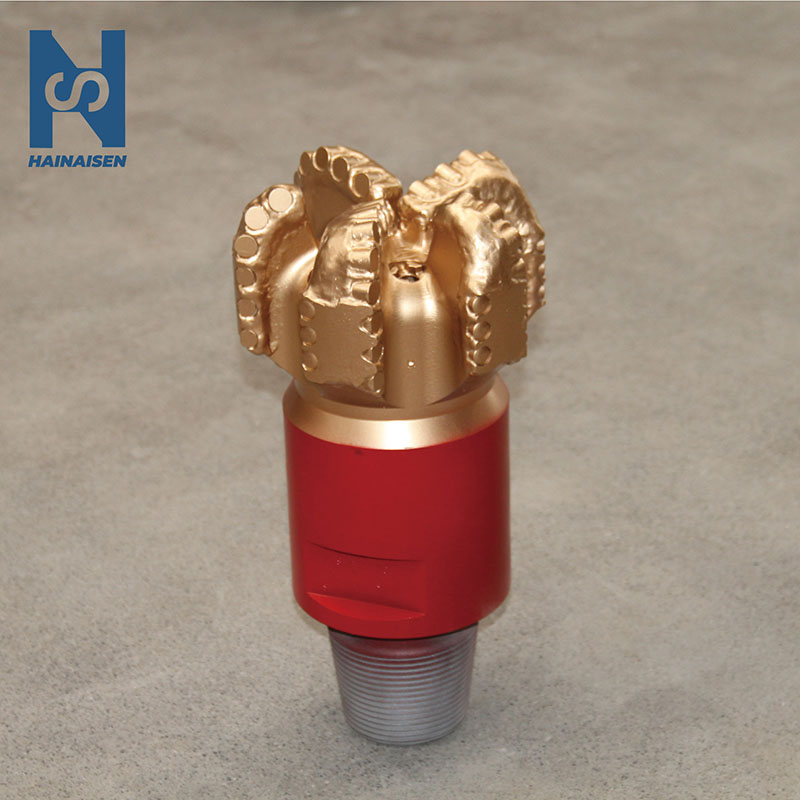
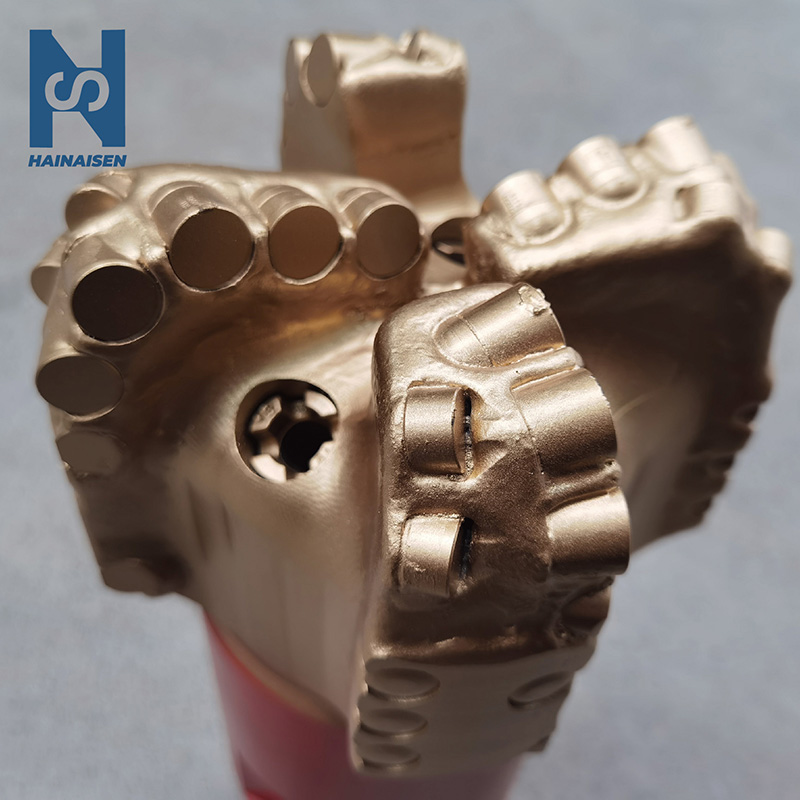
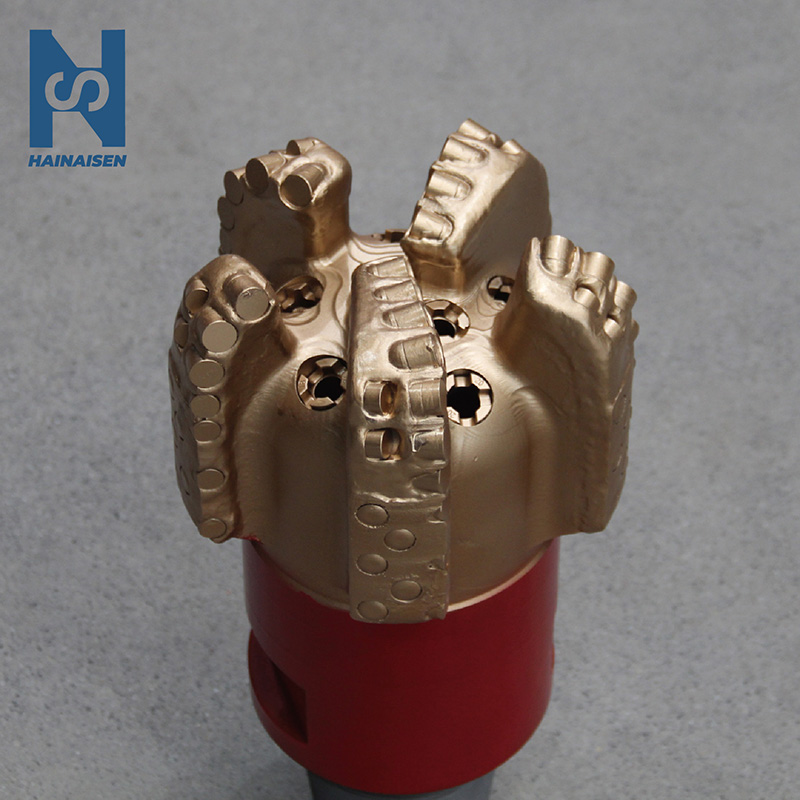
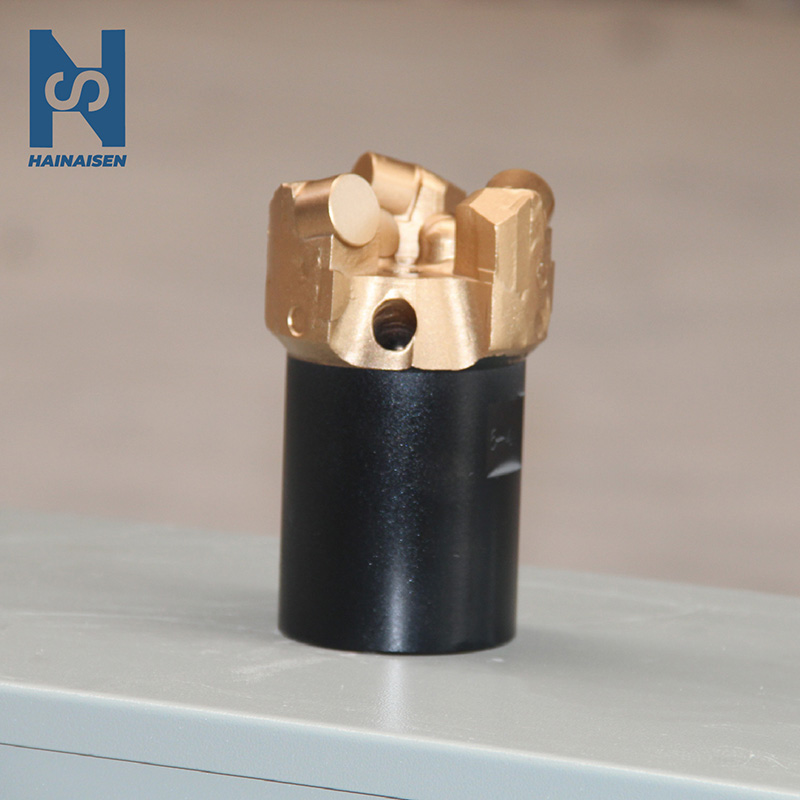
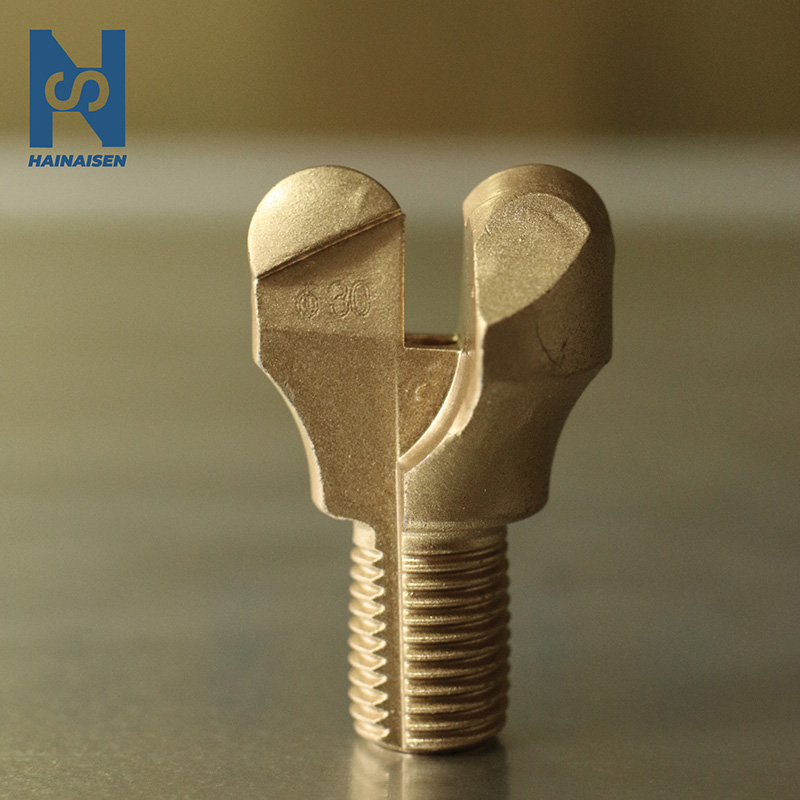
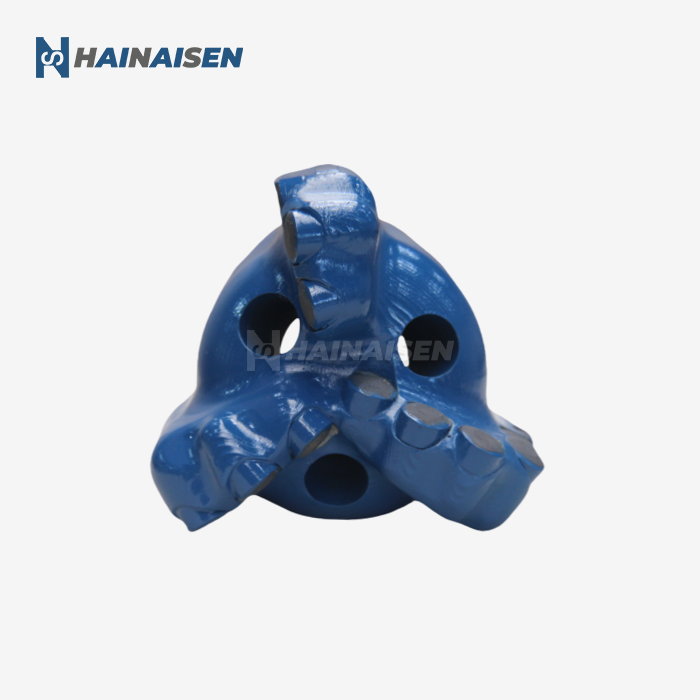
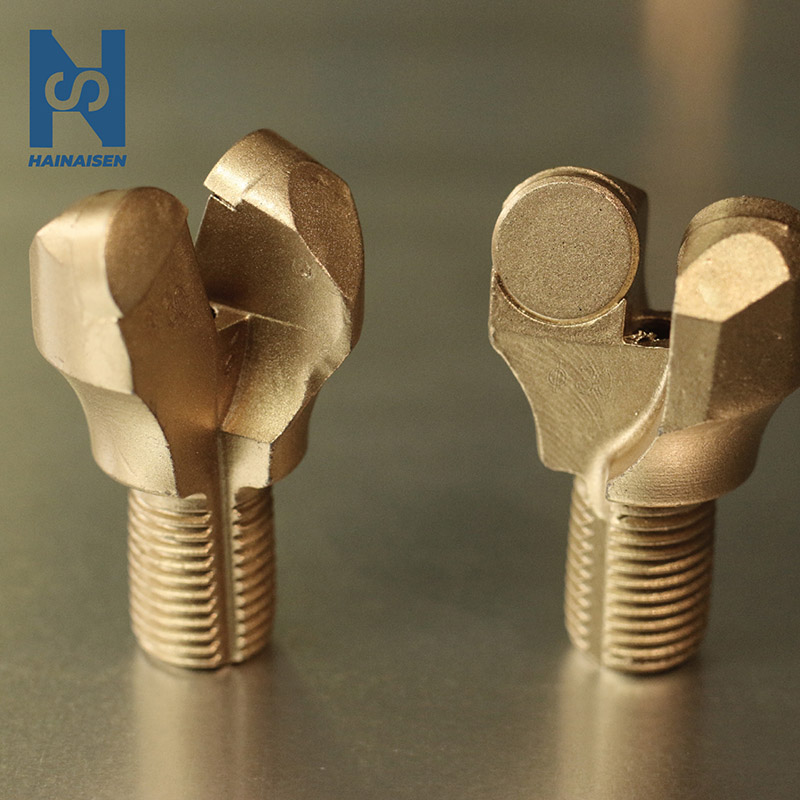
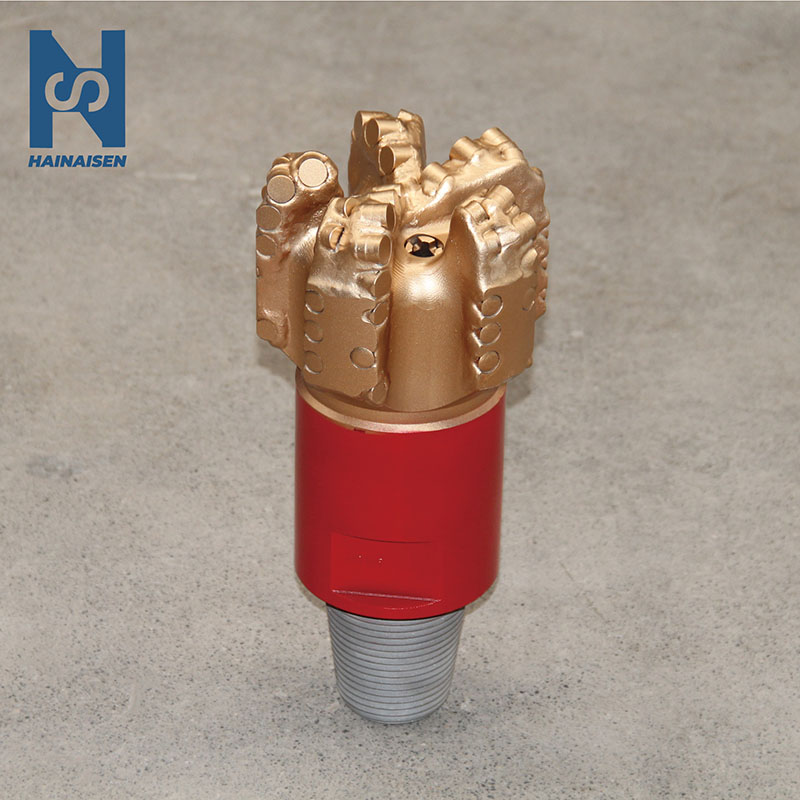
Between a three-bladed bit and a cross-bit, which gives higher ROP?
Drilling engineers and operators have been interested in the dispute over which drill bit design has a better Rate of Penetration (ROP). The Three Blades Rock Drill Bit often works better than the cross-bit version when it comes to ROP. The three-blade design has several important features that give it this advantage:
Enhanced Cutting Action
With three edges, the cutting activity is more overwhelming. Each cutting component can better lock in with the arrangement since there are fewer but bigger edges. This implies that more shake is evacuated per insurgency. This made strides in cutting effectiveness leads to a higher ROP, particularly in arrangements that are gentler to medium-hard.
Improved Hydraulics
A three-blade bit more often than not has greater waste gaps between the edges. These greater gaps make it less demanding for liquids to circulate and for cuttings to be evacuated more rapidly. Way better hydrodynamics keep the bit clean, which stops bit balling and keeps the cutting movement relentless. This water-powered advantage is particularly valuable in arrangements that tend to cling or where getting freed of cuttings rapidly is vital for keeping a tall ROP.
Reduced Vibration
When in utilize, three-blade bits tend to vibrate less than cross-bits. The indeed conveyance of stresses over the three edges makes turning smoother and boring more steady. Less vibration not as it were speeds up ROP, but it also makes penetrating more proficient, and the bit endures longer. The three-blade plan, as a rule, has these benefits, but it's pivotal to keep in mind that the genuine execution can vary based on the topographical conditions and operational characteristics. The last rate of infiltration (ROP) is enormously influenced by things like formation hardness, penetrating liquid characteristics, and weight on bit (WOB).
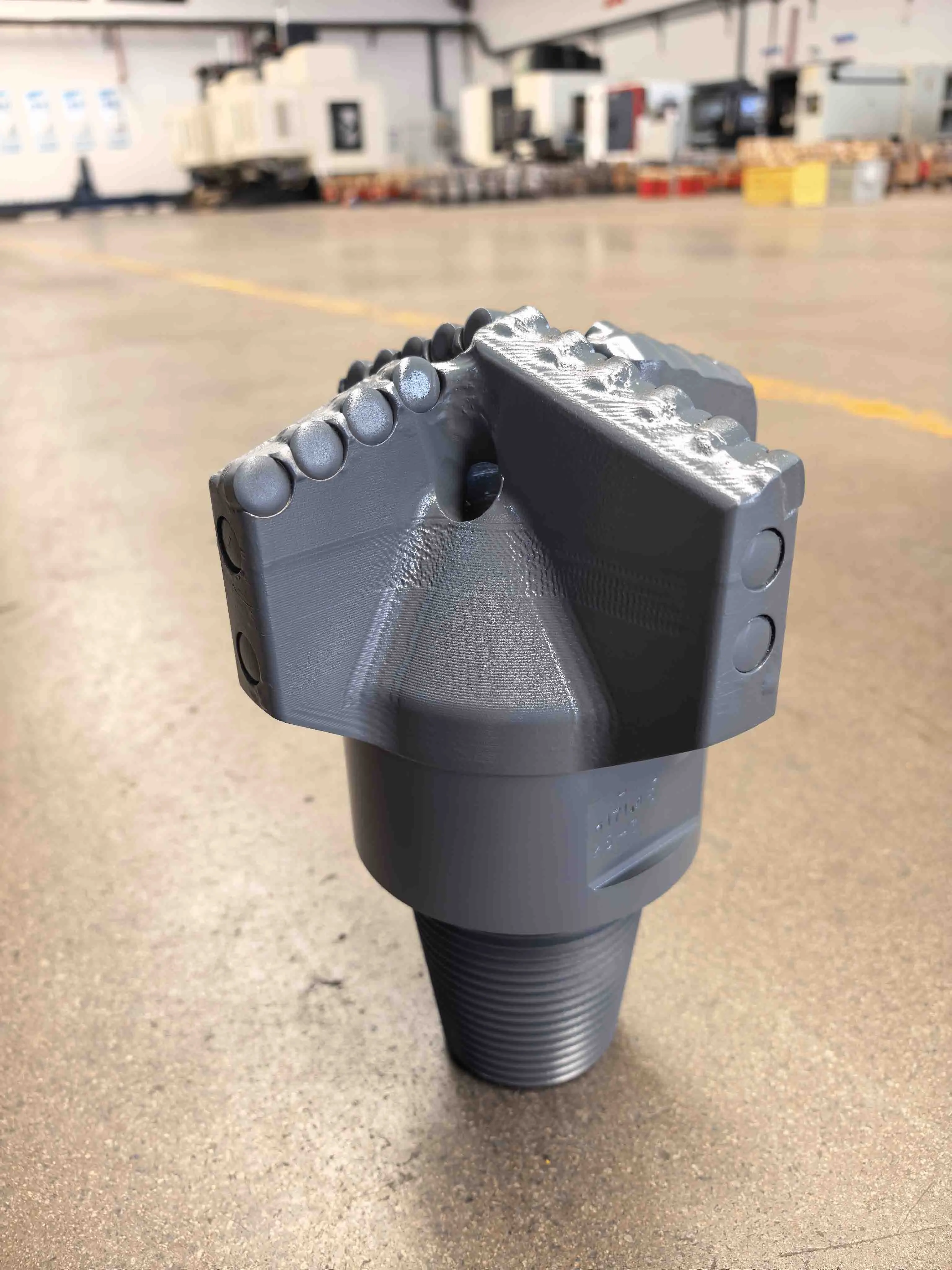
Why might a three-blade rock drill bit outperform a cross-bit in soft rock?
In soft rock formations, a Three Blades Rock Drill Bit often demonstrates superior performance compared to a cross-bit. This enhanced efficiency can be attributed to several key design features that are particularly advantageous in softer lithologies:
Optimized Blade Configuration
The three-blade plan permits for more extensive, more strong edges compared to the four or more edges found in cross-bits. In a delicate shake, these bigger edges can lock in more of the arrangement with each turn, successfully gouging out bigger volumes of fabric. This forceful cutting activity is especially viable in delicate, plastic arrangements where the shake can be effortlessly displaced.
Enhanced Hydraulic Efficiency
Soft shake penetrating regularly creates a higher volume of cuttings due to the speedier infiltration rates. The three-blade arrangement ordinarily highlights bigger garbage openings between the edges, permitting for made strides liquid stream and more productive departure of these cuttings. This improved water-powered proficiency makes a difference in anticipating bit balling - a common issue in delicate arrangements where cuttings can gather on the bit confront, lessening cutting efficiency.
Reduced Bit Whirl
In delicate arrangements, a bit of solidity can be a challenge due to the ease with which the bit can veer off from its planned path. The three-blade plan, with its adjusted drive dispersion, tends to show less bit spin - the unconventional revolution of the bit around the borehole center. This expanded solidness permits for more steady and proficient penetrating, especially in directional penetrating applications in delicate rock.
Optimized Cutter Placement
Three-blade bits frequently permit for a more optimized situation of cutting components. With fewer edges, creators can position PDC cutters or other cutting components in the most viable areas to maximize shake evacuation and minimize cutter wear. This optimization is especially advantageous in delicate shales where quick, effective cutting is key to accomplishing tall ROP. While these components contribute to the predominant execution of three-blade bits in delicate shake, it's critical to keep in mind that bit choice ought to continuously be based on a comprehensive investigation of the particular arrangement characteristics and boring goals. The flexibility of the three-blade plan, in any case, makes it a great choice for a wide extend of delicate to medium-hard arrangements experienced in different boring operations.
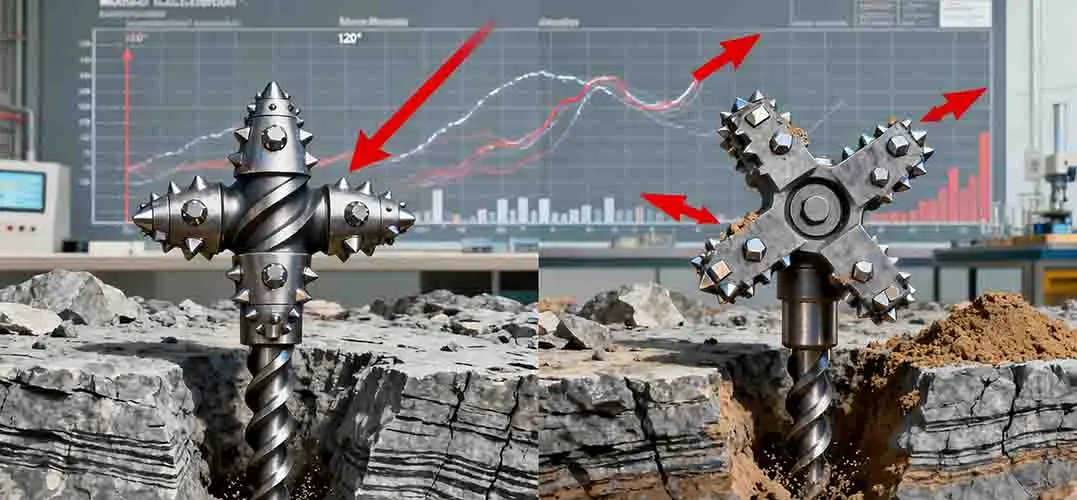
Cross-bit vs three-blades: selection criteria for faster drilling
Selecting the optimal drill bit design for faster drilling requires careful consideration of various factors. While the Three Blades Rock Drill Bit often offers advantages in terms of Rate of Penetration (ROP), there are scenarios where a cross-bit might be the preferred choice. Here are the key selection criteria to consider when choosing between these two designs for maximizing drilling speed:
Formation Characteristics
The nature of the shake arrangement is maybe the most basic figure in bit choice:
- Delicate to Medium Arrangements: Three-blade bits regularly exceed expectations in these conditions due to their forceful cutting activity and effective hydrodynamics.
- Difficult, Rough Arrangements: Cross-bits may be more reasonable here, as their extra edges can disseminate wear more equitably, possibly driving to longer bit life and supported ROP in challenging conditions.
Hydraulic Requirements
Consider the water-powered productivity required for your particular boring operation:
- High-Volume Cuttings Expulsion: Three-blade bits, with their bigger garbage spaces, are regularly prevalent for applications requiring proficient departure of expansive volumes of cuttings.
- Fine Molecule Expulsion: In arrangements that create fine, effectively suspended particles, the numerous spouts of a cross-bit might give way to better cleaning action.
Directional Drilling Needs
The directing necessities of your penetrating operation can impact bit choice:
- Tall Steerability: Three-blade bits regularly give superior steerability in directional penetrating applications due to their deviated plan.
- Straight-Hole Penetrating: Cross-bits may offer more steadiness in vertical penetrating scenarios where negligible deviation is desired.
Vibration Management
Consider the vibration characteristics of your boring framework:
- High-Vibration Situations: Three-blade bits, by and large, display lower vibration levels, making them ideal in circumstances inclined to destructive vibrations.
- Steady Arrangements: In more steady conditions, the potential vibration advantage of three-blade bits may be less critical.
Economic Considerations
Factor in the financial angles of your penetrating operation:
- Starting Fetched vs. Execution: Whereas three-blade bits may offer higher ROP in reasonable conditions, they might come at a higher starting fetched. Assess this against potential time reserve funds and expanded efficiency.
- Bit Life span: In exceedingly grating arrangements, the possibly longer life of cross-bits might counterbalance a lower ROP, giving superior by and large financial performance.
Operational Experience
Consider your team's recognition and past victories with distinctive bit plans:
- Chronicled Execution: Survey past boring information to distinguish which bit plans have performed best in comparative arrangements and conditions.
- Group Skill: Calculate in your penetrating team's involvement and consolation level with diverse bit types.
Ultimately, the choice between a three-blade and a cross-bit design should be based on a holistic analysis of these factors. While the Three Blades Rock Drill Bit often offers advantages in terms of ROP, particularly in softer formations, the optimal choice can vary depending on specific project requirements and geological conditions. Consulting with bit Manufacturers and conducting thorough pre-drill analysis can help ensure the selection of the most appropriate bit for achieving maximum drilling efficiency.
Conclusion
In the quest for faster drilling, the choice between a three-blade and a cross-bit design is crucial. While the Three Blades Rock Drill Bit often emerges as a superior option for achieving higher ROP, especially in soft to medium formations, the optimal selection depends on a myriad of factors, including formation characteristics, hydraulic requirements, and specific operational needs. By carefully considering these criteria and leveraging the unique advantages of each design, drilling operators can significantly enhance their drilling efficiency and overall project success.
For oil and gas drilling companies, oil service companies, coal mining operations, and water well drilling teams looking to optimize their drilling performance, partnering with a reputable drill bit manufacturer is essential. Shaanxi Hainaisen Petroleum Technology Co., Ltd., with our extensive experience in drill bit design and manufacturing, offers cutting-edge solutions tailored to your specific drilling challenges. Our advanced three-blade rock drill bits, crafted with precision in our state-of-the-art 3,500m² facility, are designed to deliver exceptional cutting efficiency and superior wear resistance across a wide range of applications. Whether you're engaged in oil and gas extraction, coal mining, or geological surveying, our team of experts is ready to provide you with integrated technical solutions that drive your drilling performance to new heights. Don't let suboptimal bit selection hold back your drilling efficiency.

FAQ
1. What makes a Three Blades Rock Drill Bit more efficient in soft rock formations?
The efficiency of a Three Blades Rock Drill Bit in soft rock formations stems from its optimized blade configuration, which allows for more aggressive cutting action and improved cuttings evacuation. The wider junk slots between the blades facilitate better hydraulic performance, preventing bit balling and maintaining consistent cutting efficiency.
2. How does the stability of a Three Blades Rock Drill Bit compare to a cross-bit?
Generally, a Three Blades Rock Drill Bit offers enhanced stability compared to a cross-bit, especially in directional drilling applications. The balanced force distribution across the three blades reduces bit whirl and vibration, leading to more consistent and efficient drilling in various formation types.
3. Are there situations where a cross-bit might be preferable to a Three Blades Rock Drill Bit?
Yes, there are scenarios where a cross-bit might be the better choice. In extremely hard or abrasive formations, the additional blades of a cross-bit can help distribute wear more evenly, potentially leading to longer bit life. Additionally, in certain vertical drilling applications where minimal deviation is crucial, a cross-bit might offer advantages in maintaining a straight hole.
4. How does the initial cost of a Three Blades Rock Drill Bit compare to its long-term economic benefits?
While a Three Blades Rock Drill Bit may have a higher initial cost compared to some traditional designs, its potential for increased ROP and improved drilling efficiency often results in significant long-term economic benefits. The reduced drilling time, lower wear rates in appropriate formations, and improved overall performance can lead to substantial cost savings over the course of a drilling project.
Three Blades Rock Drill Bit Manufacturers | HNS
Looking for high-quality Three Blades Rock Drill Bits that can significantly boost your drilling efficiency? Look no further than Shaanxi Hainaisen Petroleum Technology Co., Ltd. As a leading manufacturer in the industry, we specialize in designing and producing cutting-edge drill bits tailored to meet the diverse needs of oil and gas companies, coal mining operations, and water well drilling teams. Our advanced manufacturing facility and dedicated R&D team ensure that each bit is crafted to deliver optimal performance in challenging drilling environments. Experience the difference that precision engineering and industry expertise can make in your drilling operations. Contact Us today at hainaisen@hnsdrillbit.com to discuss your specific drilling requirements and discover how our Three Blades Rock Drill Bits can revolutionize your drilling efficiency.
References
1. Smith, J. et al. (2022). "Comparative Analysis of Three-Blade and Cross-Bit Designs in Varied Geological Formations." Journal of Drilling Engineering, 45(3), 178-195.
2. Johnson, R. (2021). "Optimizing Drill Bit Selection for Enhanced Rate of Penetration." Petroleum Technology Quarterly, 86(2), 62-75.
3. Chen, Y. and Wang, L. (2023). "Hydraulic Performance Evaluation of Three-Blade Rock Drill Bits in Soft Formations." International Journal of Rock Mechanics and Mining Sciences, 152, 105083.
4. Thompson, K. (2020). "Economic Implications of Drill Bit Design Choices in Modern Oil and Gas Operations." Energy Economics Review, 38(4), 412-428.
5. Patel, A. et al. (2022). "Vibration Analysis of Three-Blade vs. Cross-Bit Designs in Directional Drilling Applications." Journal of Petroleum Science and Engineering, 209, 109851.
6. Rodriguez, M. (2021). "Advancements in Drill Bit Technology for Improved Drilling Efficiency." SPE Drilling & Completion, 36(1), 1-15.