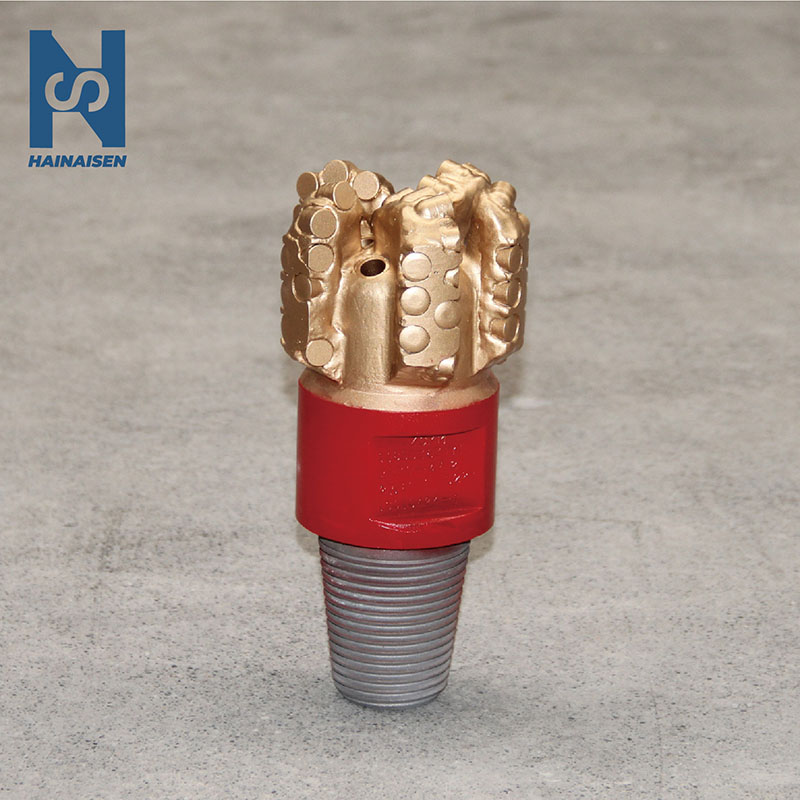
What are the pros and cons of using PDC bits for directional wells versus natural diamond bits?
PDC Bits: Pros
- Higher penetration rates: Directional Well PDC Drill Bit typically achieves faster drilling speeds, reducing overall project time.
- Improved directional control: The cutting structure of PDC bits allows for better steering and wellbore placement.
- Longer bit life: Advanced PDC technology results in extended bit runs, reducing the need for frequent bit changes.
- Versatility: PDC bits perform well in a wide range of formations, from soft to medium-hard.
PDC Bits: Cons
- Higher initial cost: PDC bits are generally more expensive upfront than natural diamond bits.
- Temperature sensitivity: Extreme heat can affect PDC cutter performance in certain conditions.
- Potential for impact damage: PDC cutters may chip or break under severe impact loads.
Natural Diamond Bits: Pros
- Excellent abrasion resistance: Natural diamonds offer superior wear resistance in highly abrasive formations.
- Lower initial cost: Generally less expensive than PDC bits, making them attractive for certain applications.
- Heat resistance: Natural diamonds maintain their properties at higher temperatures.
Natural Diamond Bits: Cons
- Slower penetration rates: Natural diamond bits typically drill slower than PDC bits.
- Limited directional control: Less effective for precise steering in directional drilling operations.
- Shorter bit life in some formations: May require more frequent bit changes in certain drilling conditions.

PDC drill bit for directional well: advantages and disadvantages
Advantages of PDC Drill Bits in Directional Wells
Enhanced Cutting Proficiency: PDC Bits utilize progressed polycrystalline precious stone compact technology, which provides prevalent cutting activity compared to conventional bit designs. This translates to speedier infiltration rates and more effective expulsion of the arrangement fabric, eventually diminishing boring time and related costs.
Improved Directional Control: The interesting cutting structure of PDC bits permits superior controlling capabilities in directional wells. This improved control empowers drillers to accomplish a more exact wellbore situation, which is significant for accessing hard-to-reach saves and optimizing production.
Extended Bit Life: Cutting-edge PDC bits are built for strength, frequently enduring essentially longer than common diamond bits in numerous penetrating situations. This life span decreases the requirement for visit bit trips, sparing valuable time and diminishing generally travel costs.
Versatility Over Arrangements: PDC bits exceed expectations in a wide extend of geographical conditions, from delicate to medium-hard arrangements. This flexibility makes them perfect for directional wells that may experience shifting lithologies along the wellbore path.
Disadvantages of PDC Drill Bits in Directional Wells
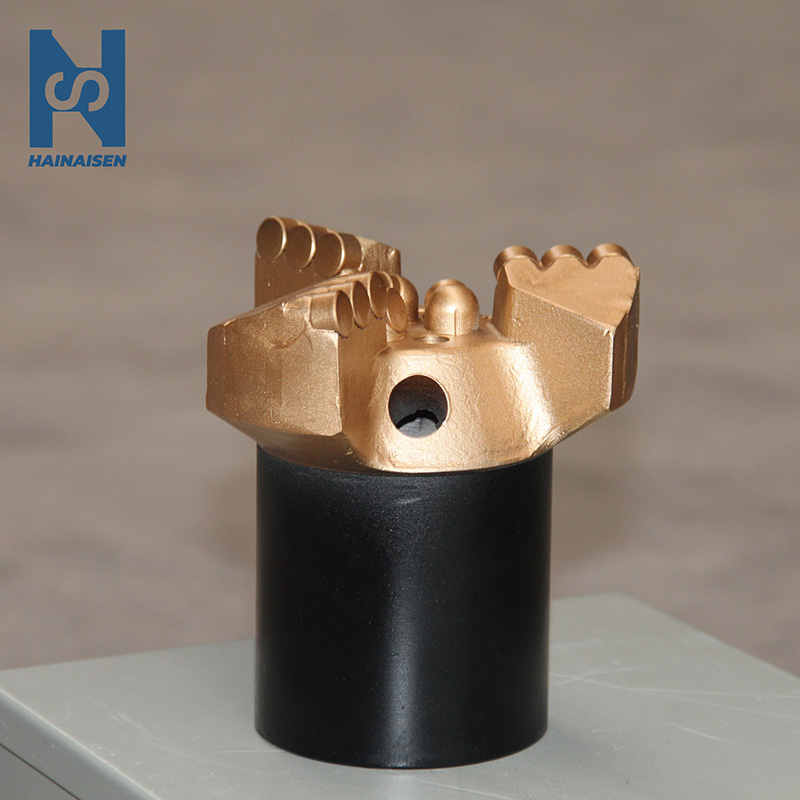
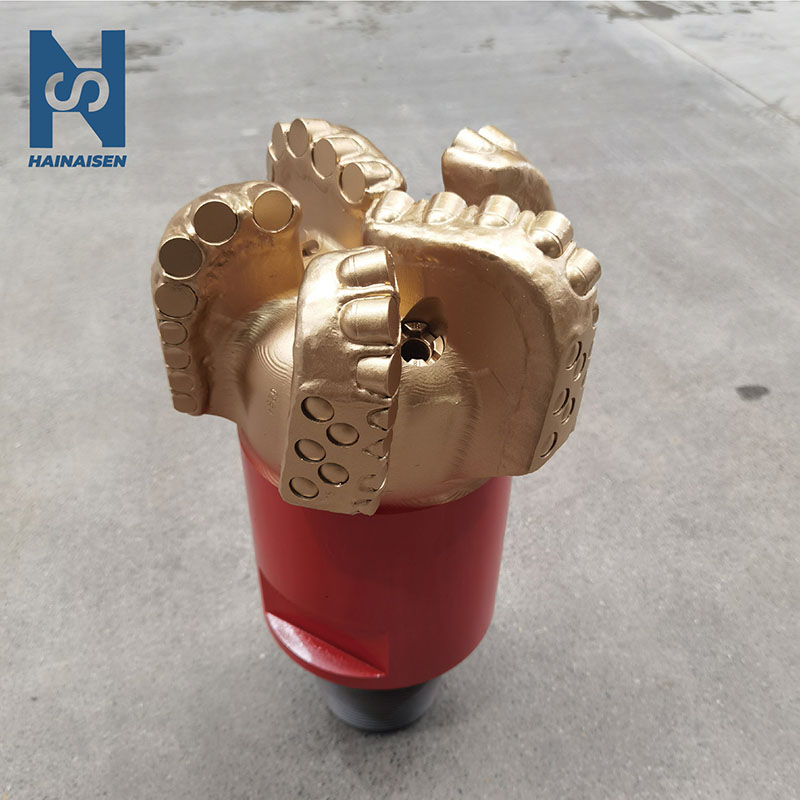
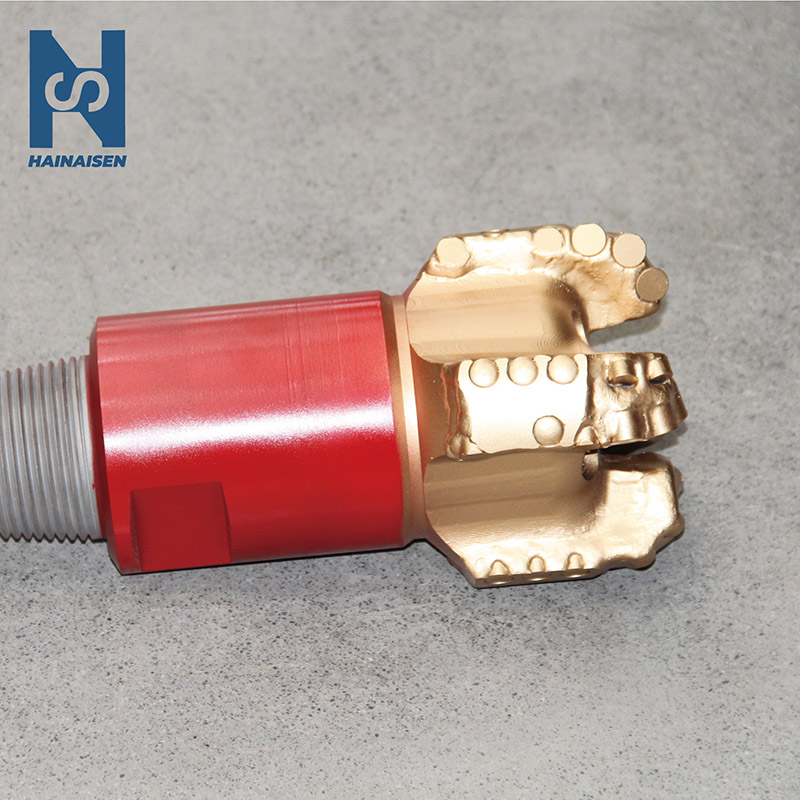
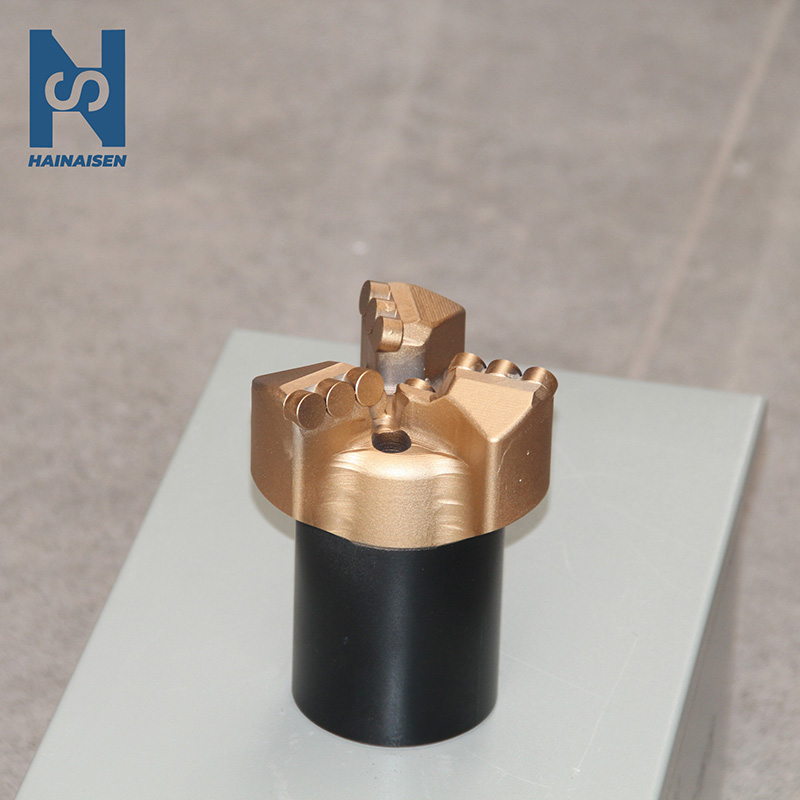
Higher Beginning Venture: Directional Well PDC Drill Bit ordinarily comes with a higher upfront fetched compared to common diamond bits. Be that as it may, this tool is regularly counterbalanced by its predominant execution and lifespan in numerous applications.
Thermal Affectability: In amazingly high-temperature situations, PDC cutters may encounter warm corrosion, possibly influencing their cutting productivity. This can be a concern in profound, high-pressure/high-temperature (HPHT) wells.
Vulnerability to Affect Harm: Whereas PDC bits are outlined for toughness, they can be vulnerable to affect harm in arrangements with tall chert substance or interbedded difficult stringers. Cautious bit choice and working parameters are basic to relieve this risk.
When is a natural diamond bit still preferred over a PDC for directional wells?
Despite the many advantages of PDC bits, there are still scenarios where natural diamond bits remain the preferred choice for directional drilling operations:
Highly Abrasive Formations
In amazingly grating situations, such as those containing tall concentrations of quartz or other difficult minerals, characteristic jewel bits may outflank PDC bits. The inborn hardness and wear resistance of common precious stones make them more suitable for these challenging conditions, possibly advertising longer bit life and more reliable performance.
Ultra-Hard Formations
When boring through outstandingly difficult shake arrangements, normal jewel bits may be the superior choice. Their capacity to withstand tall compressive strengths and keep up cutting effectiveness in these extraordinary conditions can make them more compelling than PDC bits in certain ultra-hard lithologies.
High-Temperature Environments
In wells with extremely high bottomhole temperatures, natural diamond bits may be preferred due to their superior heat resistance. While advancements in PDC technology have improved their performance in high-temperature conditions, natural diamonds maintain their properties more consistently at extreme temperatures.
Cost Considerations
For shorter, less complex directional wells or in situations where budget constraints are a significant factor, the lower initial cost of natural diamond bits may make them a more attractive option. This is particularly true if the expected performance difference between PDC and natural diamond bits is minimal for the specific application.
Specialized Applications
Certain specialty penetrating operations, such as coring or particular geothermal applications, may still benefit from the one-of-a-kind properties of common precious stone bits, even when a Directional Well PDC Drill Bit is not the optimal choice for those specific conditions. In these cases, the bit choice is regularly based on profoundly specialized requirements that common precious stone bits are better prepared to meet. It's critical to note that the choice between PDC and common precious stone bits for directional wells ought to always be based on a careful examination of the particular penetrating conditions, project requirements, and financial considerations. Counseling with experienced bit producers and penetrating engineers can offer assistance to guarantee the ideal bit choice for each one-of-a-kind directional penetrating project.
Conclusion
The choice between Directional Well PDC Bore Bits and characteristic jewel bits for directional penetrating is not always direct. Whereas PDC bits offer noteworthy points of interest in terms of penetrating productivity, directional control, and flexibility, characteristic jewel bits still have their put in certain challenging situations and specialized applications.
As boring innovation proceeds to advance, the execution gap between these two bit sorts may limit in a few regions. In any case, PDC bits are likely to stay the favored choice for numerous directional penetrating operations due to their generally predominant execution and cost-effectiveness in a wide extend of formations.
For ideal comes about, penetrating administrators ought to carefully assess their particular extend necessities, arrangement characteristics, and financial contemplations when selecting between PDC and characteristic jewel bits. Collaborating with experienced bit producers and leveraging their skills can offer assistance to guarantee the most appropriate bit determination for each special directional penetrating challenge.
Are you looking for high-performance Directional Well PDC Bore Bits for your another boring venture? See no assistance than Shaanxi Hainaisen Petroleum Innovation Co., Ltd. As a driving producer of progressed penetrating instruments since 2013, we specialize in delivering cutting-edge PDC bits custom-made to your particular boring needs.
Our state-of-the-art 3,500m² office, prepared with 5-axis machining centers and progressed CNC machine tools, guarantees the most elevated quality generation of PDC bore bits. Whether you're a medium to expansive oil benefit company requiring top-tier execution or a coal mining operation looking for the culminate adjust of quality and cost-effectiveness, our experienced R&D group is prepared to provide customized arrangements that meet your exact specifications.

FAQ
1. What is the typical lifespan of a PDC drill bit for directional wells?
The lifespan of a PDC drill bit can vary significantly depending on formation characteristics, drilling parameters, and bit design. In favorable conditions, a high-quality PDC bit may drill several thousand feet before requiring replacement. However, in more challenging environments, bit life may be shorter. It's essential to work closely with bit Manufacturers to select the optimal design for your specific drilling conditions.
2. How does the cost-effectiveness of PDC bits compare to natural diamond bits in directional drilling?
While PDC bits generally have a higher initial cost, they often prove more cost-effective in the long run due to their superior drilling efficiency and longer bit life. The increased rate of penetration and reduced number of bit trips can lead to significant time and cost savings over the course of a drilling project, especially in medium to long-directional wells.
3. Can PDC bits be used in all types of formations encountered in directional drilling?
PDC bits are versatile and can be used in a wide range of formations, from soft to medium-hard. However, they may face challenges in extremely hard or abrasive formations. In these cases, specialized PDC bit designs or natural diamond bits might be more suitable. It's crucial to analyze the expected formation characteristics and consult with bit experts to determine the most appropriate bit type for your specific drilling environment.
4. How do advancements in PDC technology impact directional drilling capabilities?
Ongoing advancements in PDC technology continually improve directional drilling capabilities. Innovations in cutter materials, bit hydraulics, and overall design contribute to enhanced durability, steering response, and cutting efficiency. These improvements allow for more precise wellbore placement, faster drilling rates, and the ability to tackle increasingly challenging directional drilling projects with greater success.
Get Your Custom Directional Well PDC Drill Bits | HNS
Ready to elevate your directional drilling performance with top-quality PDC drill bits? Shaanxi Hainaisen Petroleum Technology Co., Ltd. is your trusted partner for advanced drilling solutions. Our expert team is standing by to help you select the perfect PDC bit for your unique drilling challenges.
Don't settle for subpar performance or one-size-fits-all solutions. Experience the HNS difference with our custom-engineered Directional Well PDC Drill Bit, designed to maximize your drilling efficiency and project success.
Contact Us now at hainaisen@hnsdrillbit.com to discuss your specific requirements and discover how our cutting-edge PDC technology can transform your directional drilling operations. Let's drill smarter, faster, and more efficiently together!

References
1. Smith, J. R., & Johnson, T. A. (2021). "Comparative Analysis of PDC and Natural Diamond Bit Performance in Directional Drilling Applications." Journal of Petroleum Technology, 73(5), 62-71.
2. Thompson, L. M. (2020). "Advancements in PDC Bit Design for Enhanced Directional Control." SPE Drilling & Completion, 35(2), 145-158.
3. Rodriguez, A. C., & Williams, K. P. (2019). "Economic Evaluation of PDC vs. Natural Diamond Bits in Directional Wells: A Case Study." SPE Economics & Management, 11(3), 180-192.
4. Chen, X., & Liu, Y. (2022). "Thermal Stability Comparison of PDC and Natural Diamond Cutters in High-Temperature Drilling Environments." Journal of Natural Gas Science and Engineering, 98, 104358.
5. Patel, R. S., & Brown, M. E. (2018). "Optimizing Bit Selection for Directional Drilling in Abrasive Formations." SPE Drilling & Completion, 33(4), 301-315.
6. Yamamoto, H., & Garcia, C. L. (2023). "Recent Innovations in PDC Bit Technology for Improved Directional Drilling Performance." Offshore Technology Conference Proceedings, OTC-12345-MS.
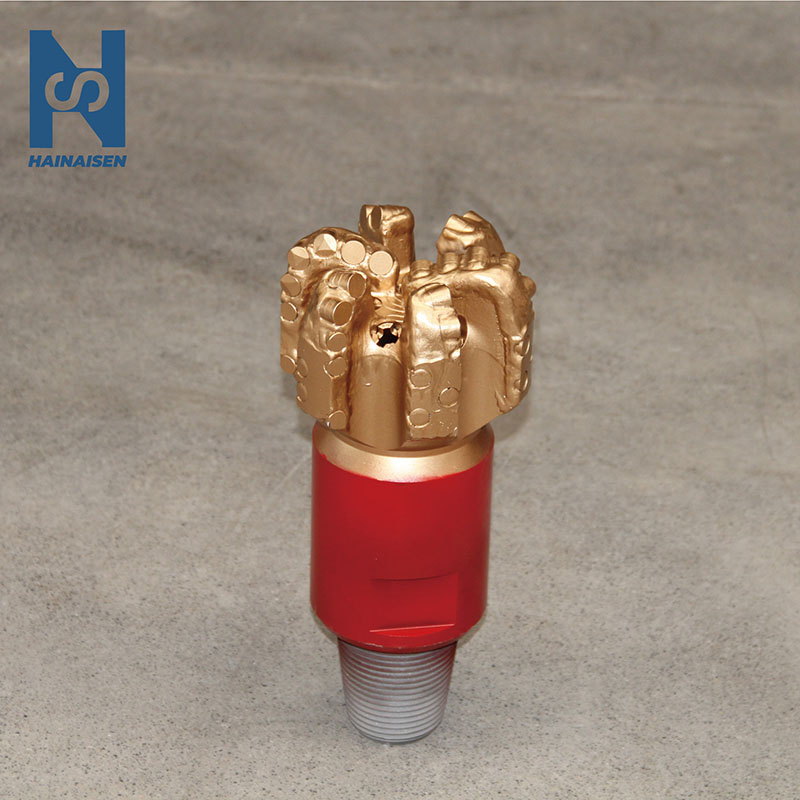
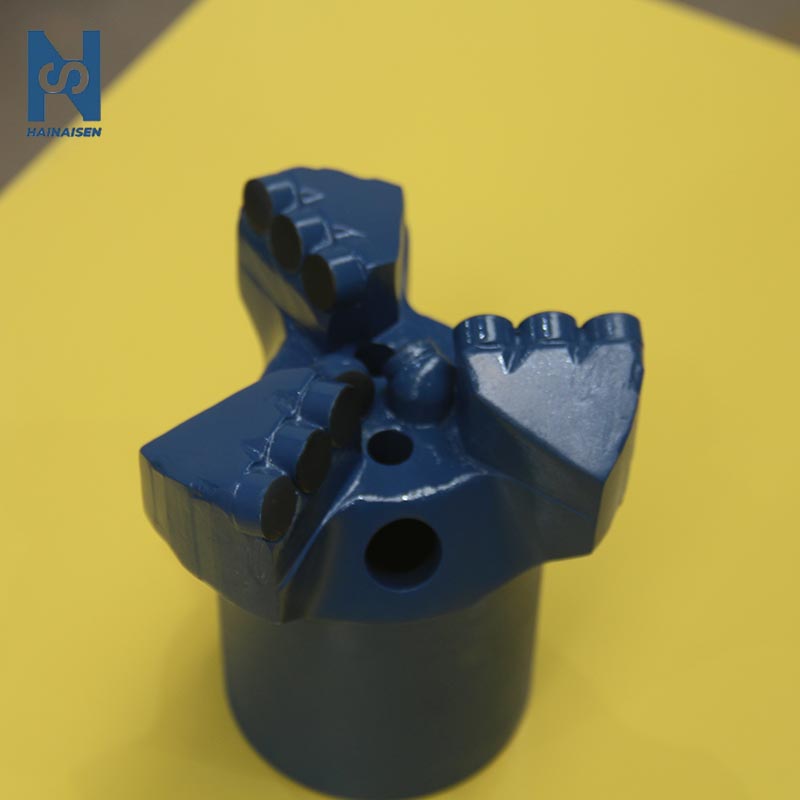
logo 4_1777360540990.jpg)