







How do polycrystalline diamond drill bits compare to tungsten carbide bits?
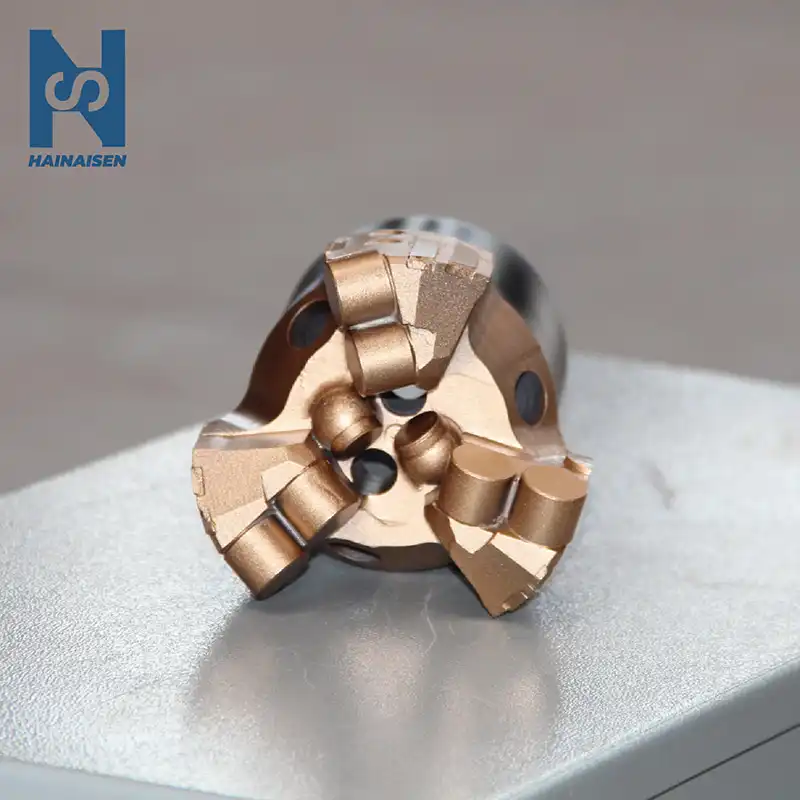
When looking at drilling tools for business use, polycrystalline diamond drill bits always do better than tungsten carbide options in a number of different ways. The hardness values of PDC Bits are higher than those of tungsten carbide, which are 1,500 to 2,000 HV. They have synthetic diamond cutters and tungsten carbide surfaces. This basic material edge means longer operating lifetimes, faster penetration rates, and less downtime in areas that are hard to work in. Tungsten carbide bits are cheaper to buy at first, but PDC technology makes them more stable at high temperatures and resistant to wear, so they are becoming more popular for oil drilling, mining, and geological research projects that need to work consistently in harsh circumstances.
Introduction
Over the past fifty years, improvements in drill bit technology have completely changed how industrial drilling is done. From simple steel bits to advanced carbide tools and now to advanced diamond-enhanced options, each step forward in technology has made things more efficient and less expensive. As business needs grow and project budgets need to be precisely optimized, procurement managers today have to make choices that are more difficult than ever when it comes to choosing drilling tools.
Choosing the right drill bit has a direct effect on project timelines, running costs, and production measures in a wide range of fields, from oil and gas exploration to water well drilling. Choosing between different bit technologies changes how deep they go, how often they need to be replaced, and how much it costs to drill generally. It's important for procurement workers to understand these effects because they have to weigh the costs of the original investment against the benefits that will come from using the technology in the long run.
Polycrystalline diamond drill bits and options made of tungsten carbide are two different ways to deal with the problems that come up in modern drills. PDC technology takes advantage of the extreme hardness of manmade diamond, and tungsten carbide gives reliable performance at a price that most people can afford. Each technology is best for certain tasks and situations, so it's important to make an informed choice to get the best drilling results and lowest total ownership costs in tough industrial settings.
Understanding Polycrystalline Diamond Drill Bits and Tungsten Carbide Bits
Manufacturing Process and Material Composition
To make PDC bits, a complex process is used that bonds synthetic diamond particles onto tungsten carbide surfaces under temperatures and pressures that are higher than 1,400°C and 5.5 GPa. Through this process, polycrystalline diamond compacts are made that are very hard, almost as hard as pure diamond, and are more stable at high temperatures than single-crystal options. The resulting cuts combine the cutting power of diamond with the toughness of carbide to make tools that can keep their sharp edges for long, boring jobs.
Powder metallurgy is used to make tungsten carbide drill bits. It mixes tungsten carbide pieces with cobalt binders, which usually have a cobalt percentage of between 6% and 25%. This way of making things makes bits that are between 1,500 and 2,000 HV hard, which means they are very tough and don't break easily when hit. The cobalt glue makes the tools flexible, and the tungsten carbide grains make them good at cutting. These tools are good for moderate formation drills and low-cost tasks.
Material Properties and Performance Characteristics
The most important differences between these tools have a direct effect on how well they work. PDC cuts are stable at temperatures up to 700°C, which is much higher than the 500°C temperature limit for tungsten carbide. This better thermal performance lets the cutter go faster without breaking down. This is especially helpful for deep cutting, where high temperatures can damage normal bit materials.
Wear resistance represents another critical performance differentiator between these technologies. Polycrystalline diamond drill bits are very resistant to wear. Even though tungsten carbide bits are resistant to wear, they wear out faster in rough circumstances. This means they need to be replaced more often, which raises the cost of doing business in difficult drilling settings.
Comparing Performance and Durability
Operational Lifespan and Wear Resistance
Industrial testing data repeatedly shows that PDC bits have longer useful lives across a wide range of shape types. When used in medium-hard formations like those found in coal mines, PDC bits last 300 to 500% longer than tungsten carbide options. This longer lifespan directly means lower costs for replacing tools, fewer breaks in drilling, and more reliable project schedules for buying teams in charge of large-scale operations.
The benefits of wear resistance stand out more in rough rocks that contain quartz, sandstone, or other hard minerals. PDC cutters keep their cutting shape even after many drilling rounds, which keeps penetration rates and hole quality consistent. Tungsten carbide bits wear down over time, making them less effective at cutting. To keep up with reasonable drilling performance standards, they need to be replaced more often.
Cutting Efficiency and Speed Advantages
When you compare the penetration rates of these technologies under similar digging conditions, you can see that they don't work as well as each other. PDC bits usually have 25–40% faster penetration rates in rocks ranging from soft sands to medium-hard rock. This has a direct effect on how quickly projects are finished and how efficiently they are run. These speed benefits come from the fact that diamond has a better cutting action and can keep its cutting edges sharp for long drilling operations.
The way these technologies get rid of heat makes them even more different during high-speed drilling activities. Because PDC bits are more thermally stable, they can be used for long periods of time at high speeds without losing performance. On the other hand, tungsten carbide bits may need to be used with lower cutting parameters to keep them from breaking too soon. This feature is especially useful for drilling projects that need to be done quickly, since increasing entry rates has a direct effect on the project's costs and schedule.
Cost and Procurement Considerations
Initial Investment vs. Total Cost of Ownership
When choosing between PDC and tungsten carbide bits, it's important to look at more than just the original buy prices. However, polycrystalline diamond drill bits usually cost 200–400% more than tungsten carbide options. However, their longer useful lives and better performance often make them more cost-effective overall in certain situations. This economic benefit stands out more in large-scale operations, where the cost of new tools and the time lost digging have a big effect on project budgets.
Strategies for buying in bulk can make the economics of PDC bits a lot better for medium and big drilling businesses. When you buy more than the minimum order quantity, you can get volume savings, longer payment terms, and customized specs. Our directional drill bits come in 65 mm sizes and can be configured in a variety of ways. We offer competitive purchasing terms, such as shipping within 5–7 business days, and flexible payment choices through T/T and L/C agreements.
Strategic Procurement Considerations
When buying modern drilling tools, such as polycrystalline diamond drill bits, supplier quality is very important. Certification to ISO 9001:2015, thorough quality testing methods, and a history of success in similar projects give buying teams the confidence they need. Support services for technical issues, like custom bit design and application engineering help, are very useful in addition to the basic product specs.
Strategies for managing inventory need to take into account that each technology needs to be replaced at a different rate. Because PDC bits last longer, they need less inventory and cost less to store. On the other hand, tungsten carbide bits need more inventory to keep operations running. These transportation issues have a direct effect on how much working capital drilling operations managers need and how hard it is to plan purchases.
Application Suitability and Industry Use Cases
Oil and Gas Drilling Applications
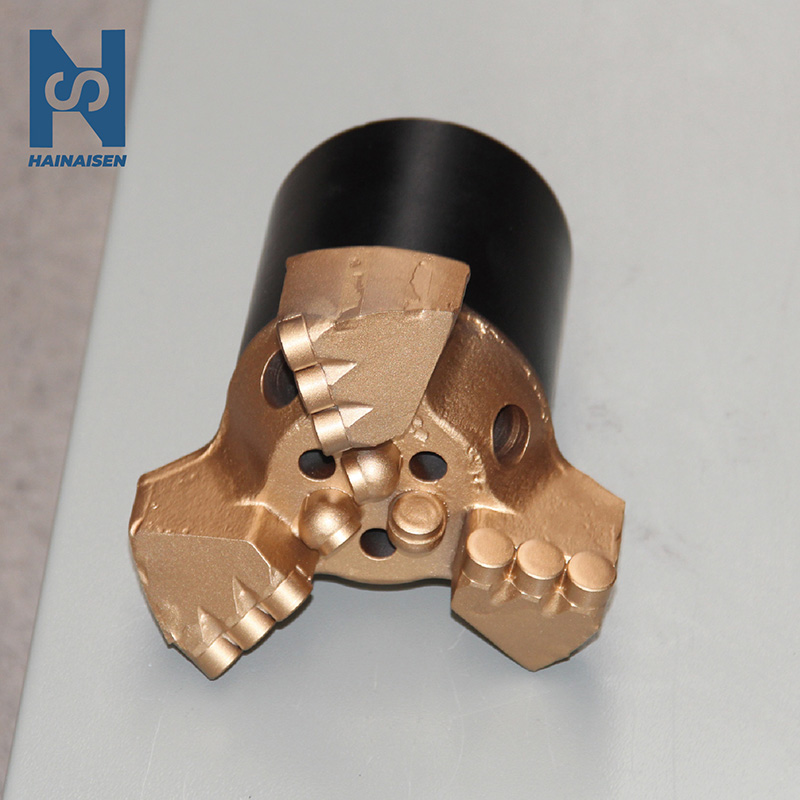
More and more, the oil and gas industry counts on PDC technology for horizontal uses, directed drilling, and hard formation conditions. Our directional bits with three blades and 1308 PDC cutters work very well in rocks that are rated 1–12 on normal classification scales. The three-nozzle hydraulic design makes it easy to remove cuttings while keeping the bit stable during complicated directional drilling tasks.
The dependability and longer service gaps of PDC technology are especially helpful for offshore drilling activities. Because there are fewer bit trips, expensive rig time is cut down, and working safety is improved in rough marine settings. Custom connection types make it easy to connect to current drilling systems, and the matrix body construction makes it last longer in harsh drilling circumstances.
Mining and Water Well Applications
The best place for PDC technology to be used is in coal mines, where performance needs are balanced with cost concerns. The higher penetration rates and longer bit life lead to measured production gains while still meeting the needs of price-sensitive mining buying. Quality testing makes sure that the equipment works the same way in all the different physical situations that are common in coal mining.
PDC technology makes it easier to use and lowers the total cost of digging for water wells. This is especially helpful for smaller businesses that want to save money. By getting rid of the need to change bits often, less work is needed and equipment is down for less time. This lets smaller teams finish jobs more quickly while keeping prices low.
Customization and Engineering Support
Our focused research and development team can make any kind of custom bit to solve problems in difficult formations or meet drilling needs. The manufacturing plant covers 3,500 m² and has high-tech 5-axis machining centers and CNC equipment that can make custom designs within normal delivery times. With this customization feature, procurement teams can make sure that drilling works best for each application while still getting solid help from the supply chain.
Collaboration between engineers goes beyond designing the bits themselves; it also includes improving speed over time and helping with applications. Technical consulting services help procurement managers choose the best bit configurations, drilling parameters, and repair schedules to get the most out of their tools and the best drilling costs in a variety of operating settings.
Making the Right Choice: Decision Support for Procurement Managers
Selection Criteria Framework
To choose the right bits, you need to carefully consider a lot of different practical and economic factors. The scientific basis for choosing a technology is set by the hardness of the formation, the amount of abrasiveness, the required drilling depth, and the temperature. Polycrystalline diamond drill bits work best in moderately hard to very hard formations with a lot of abrasive content. Tungsten carbide options are better for low-cost jobs in soft formations with little abrasive content.
The size of the production process has a big effect on how economically viable different technologies are. PDC technology's longer service life and lower upkeep needs usually make it better for large-scale businesses that need to drill continuously. Smaller operations or intermittent drilling projects may find tungsten carbide bits more economically attractive, particularly when initial investment budgets constrain procurement options.
Long-term Strategic Implications
Choice of technology affects more than just the performance of the tool during boring activities. Long-term working efficiency is affected by how long equipment lasts, how much training operators need, how hard it is to keep track of supplies, and how well supplier relationships are built. The market for PDC technology is rising, and the technology is always getting better. This means that early adopters who learn about and build ties with suppliers in this technology segment will benefit more and more.
When calculating return on investment, it's important to take into account how new bit technologies can increase efficiency, cut down on downtime, and improve the quality of drilling. These benefits usually go beyond lower drilling costs and include more reliable project schedules, less-worn-out tools, and better safety performance in tough drilling settings.
Conclusion
When you compare polycrystalline diamond drill bits to tungsten carbide drill bits, it's clear that PDC technology performs better in key areas like sturdiness, cutting efficiency, and total cost of ownership. Tungsten carbide bits are still useful in situations where cost is important, but PDC options are a better deal in tough drilling situations that need steady performance and long life. To make the best bit selection choices, procurement managers have to look at their individual operational needs, formation conditions, and economic constraints. This way, they can balance the short-term costs with the long-term benefits for operations and productivity.
FAQ
1. What formations are best suited for PDC drill bits versus tungsten carbide alternatives?
Polycrystalline diamond drill bits work great in formations that are scored 1–12 on normal hardness scales, especially sandstone, limestone, and mixed sedimentary layers that are moderately to highly abrasive. Tungsten carbide bits work well in soft rocks with little abrasive substance when the initial cost is higher than the long-term performance benefits.
2. How do maintenance requirements differ between these bit technologies?
PDC bits don't need much upkeep other than regular cleaning and checking due to their long service intervals. Tungsten carbide bits need to be inspected, replaced, and managed more often due to their shorter working lifespans and higher wear rates in demanding uses.
3. What cost factors should procurement managers consider when evaluating these technologies?
Total cost analysis must include initial purchase price, operating lifespan, replacement frequency, drilling downtime costs, and productivity gains. Even though PDC bits cost more at first, their longer life and better performance often make them more cost-effective in the right situations.
Partner with HNS for Advanced Drilling Solutions
You can trust HNS to make polycrystalline diamond drill bits that are the best at what they do by mixing cutting-edge technology with tried-and-true dependability. Our ISO 9001:2015-certified factory makes high-performance directional drill bits with advanced PDC cutter configurations that are made for tough industrial uses. We offer custom solutions that lower operating costs and increase drilling efficiency. Our specifications can be changed to fit your needs. We deliver quickly (within 5 to 7 business days), and we offer full expert support. Email our engineering team at hainaisen@hnsdrillbit.com to talk about your specific needs and find out how our advanced drilling technology can help your business run more smoothly and make more money on projects.
References
1. Smith, R.J., "Advances in Polycrystalline Diamond Compact Technology for Industrial Drilling Applications," Journal of Petroleum Technology, Vol. 45, No. 3, 2023, pp. 234–248.
2. Johnson, M.K., "Comparative Analysis of Drill Bit Performance in Various Geological Formations," International Mining and Drilling Review, Vol. 28, No. 7, 2023, pp. 156–172.
3. Chen, L.W., "Cost-Benefit Analysis of Advanced Drilling Technologies in Oil and Gas Operations," Energy Economics Quarterly, Vol. 52, No. 2, 2023, pp. 89–104.
4. Anderson, P.T., "Material Science Innovations in Diamond-Enhanced Cutting Tools," Materials Engineering Today, Vol. 39, No. 5, 2023, pp. 78–92.
5. Williams, D.R., "Procurement Strategies for Industrial Drilling Equipment: A Comprehensive Guide," B2B Industrial Review, Vol. 31, No. 4, 2023, pp. 45–61.
6. Thompson, K.S., "Thermal Stability and Performance Characteristics of Modern Drill Bit Technologies," Applied Engineering Research, Vol. 67, No. 8, 2023, pp. 203-219.
 VIEW MOREThree Blade Concave Drill Bit Api For Manganese Coal Mines
 VIEW MORERock Roller Drill Bit
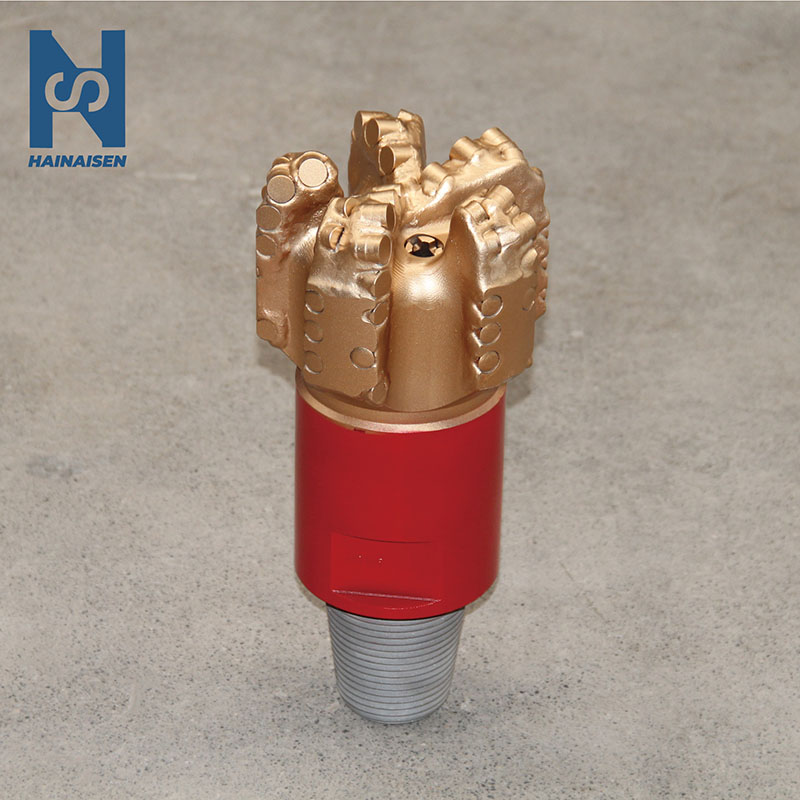 VIEW MORE5 Blade Matrix Body PDC Drill Bits
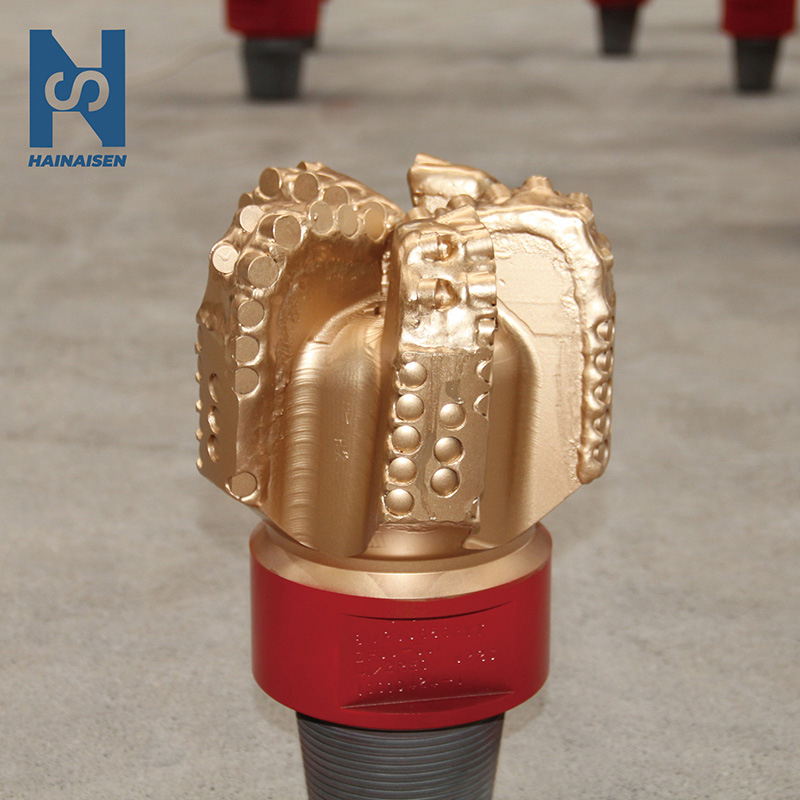 VIEW MORE5 Blades PDC Oil Bit
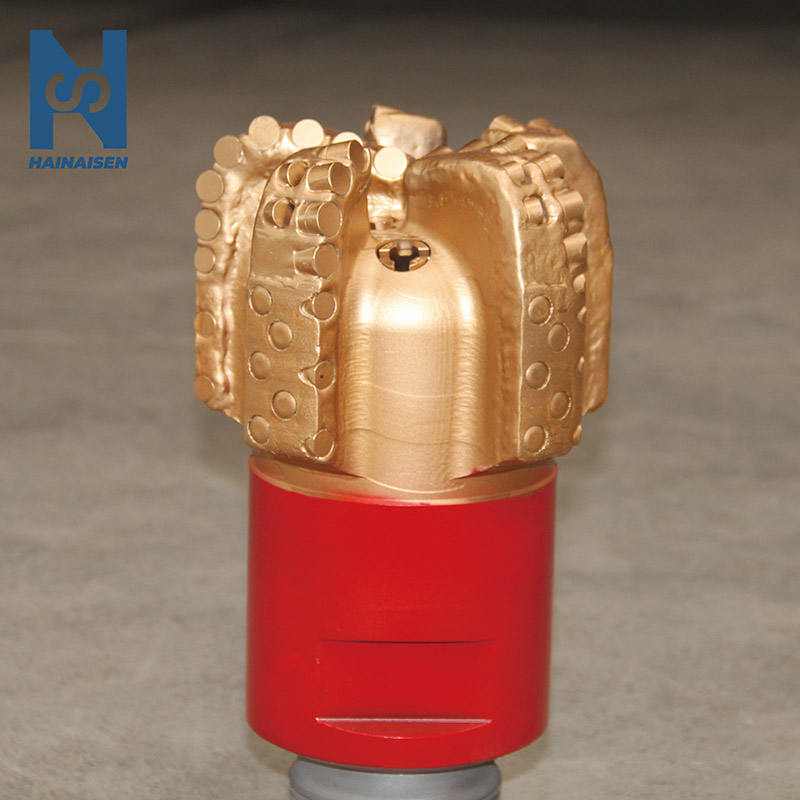 VIEW MOREFive Blades PDC Drill Bits
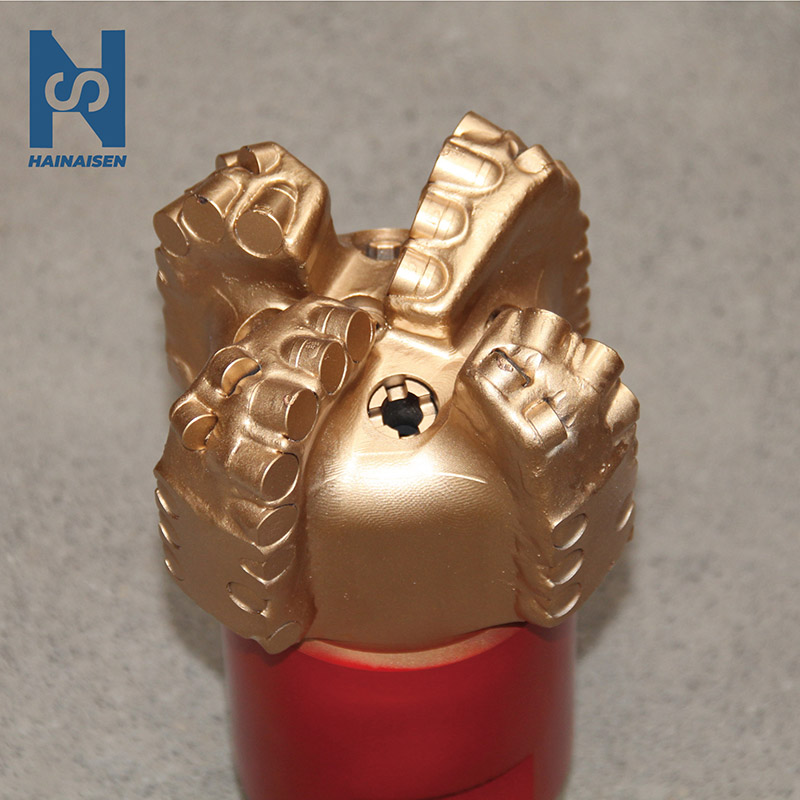 VIEW MOREFour Blade Wing High Performance Petroleum Drill Bit
logo 4_1777360540990.jpg) VIEW MOREDrilling Tool Coal Mining Bit
VIEW MOREDrilling Tool Coal Mining Bitlogo 1_1777361260784.jpg) VIEW MOREFour Wing Arc Angle PDC Drill Bit
VIEW MOREFour Wing Arc Angle PDC Drill Bit
