







What is a major advantage of using PDC bits in drilling?
Utilizing PDC (Polycrystalline Diamond Compact) bits in drilling is primarily beneficial because they are very good at cutting and last a long time. PDC Bits are different from other ways of drilling because they use synthetic diamond cuts that keep their sharp cutting edges for longer. This means that they can drill deeper holes with less downtime. The Five Blade PDC Drill Bit stands out because it has the best balance of cutting surface area and structural stability. This makes it especially useful in difficult geological formations and gives it great performance in oil and gas, mining, and water well drilling applications.
Understanding Five-Blade PDC Drill Bits: Design and Functionality
The physics behind polycrystalline diamond compact technology is a big step forward in the way cutting equipment is made. These bits have the sharpness of fake diamonds and the toughness of tungsten carbide backing. This makes cutting elements that are faster and last longer than regular ones.
Advanced Material Science in PDC Construction
The complex material makeup is what makes PDC bits work so well. Each tool is made up of a layer of polycrystalline diamonds attached to a layer of tungsten carbide under very high temperatures and pressures. With this method of production, a cutting element is made that keeps its sharp edges for a lot longer than steel or carbide alternatives.
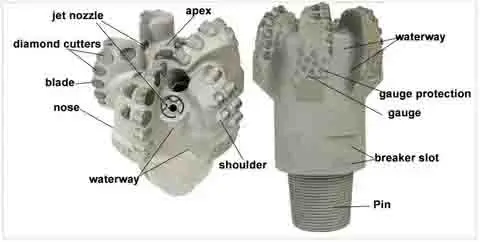
The five-blade design makes the best use of cutting forces by spreading them out evenly across the bit face. This lowers the stress on each cutter while increasing touch with the formation. This design concept directly leads to more efficient drilling and longer bit life, which is especially important in situations where downtime costs can reach thousands of dollars per hour.
Hydraulic Design and Debris Management
The ability to remove waste effectively is a key part of drilling performance, and Five Blade PDC Drill Bit designs include hydraulic lines that are placed in strategic places. These tubes guide the flow of drilling fluid to keep the cutter cool and get rid of formation debris as efficiently as possible. The distance between the blades makes natural flow routes that keep the cutting action steady, even in sticky shapes, and stop the bit from balling.
The hydraulic design also affects how well the hole is cleaned, which in turn affects how fast the drill goes and how long the bit lasts. Cuttings don't have to grind against the bit face again when the fluid is flowing properly. This keeps the best penetration rates throughout the drilling process and reduces wear.
Major Advantages of Using Five-Blade PDC Bits in Drilling
In today's drilling activities, the equipment needs to work consistently in a wide range of geological situations while keeping costs as low as possible. For these needs, PDC technology meets a few important performance traits that set it apart from traditional drilling methods.
Enhanced Rate of Penetration Capabilities
Depending on the type of creation, PDC bits usually improve the rate of penetration by 30% to 200% compared to roller cone options. This improvement in efficiency comes from the fact that fixed cutters cut continuously, while standard bits break and chip.
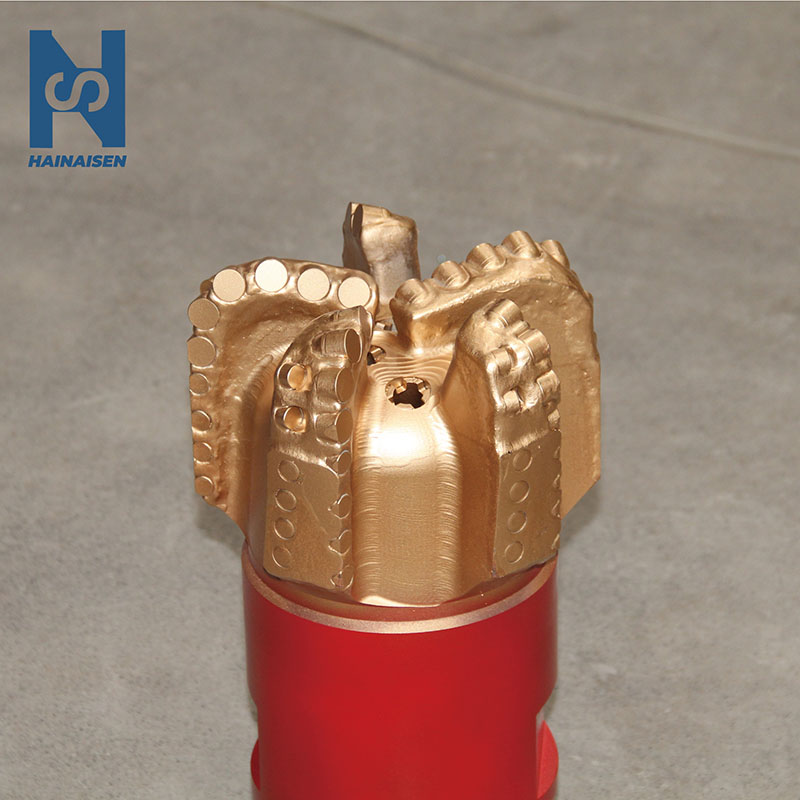
The five-blade PDC drill bit design has the right number of cutting points to keep boring aggressively while keeping the bit stable. Each blade has several cutters that are set up in a way that makes power transfer smooth and ensures constant contact with the formation. This way of designing cuts down on noises from drilling that can damage tools downhole while also making drilling more efficient.
Extended Operational Lifespan
Another big benefit of PDC technology is that it lasts a long time. When used in the same way, synthetic diamond cutting elements often last three to five times longer than steel or tungsten carbide options because they are much less likely to wear down. This longer lifespan means that bits don't have to be changed as often, which lowers the cost of the equipment and the time it takes to run.
Good production methods make sure that the cutter connection is always the same and that the blade geometry is just right. Modern brazing methods form strong metal links between the cutters and the steel bit body that can handle the high pressures that come up during drilling. This careful attention to manufacturing detail means that the product will work reliably over long digging gaps.
Versatility Across Formation Types
PDC bits are very flexible and can work in a wide range of physical situations. These bits keep cutting well even when the drilling conditions change, from soft sedimentary layers to fairly hard rock. The five-blade design gives it enough cutting surface area for soft rock while still keeping the structure strong enough for digging stronger rock.
Formation compatibility is more than just thinking about how hard something is. PDC bits handle abrasive formations, sticky shales, and interbedded patterns well when properly designed and operated. This flexibility means that drilling companies don't have to keep as much inventory on hand, and the equipment works perfectly in a wide range of drilling situations.
Comparative Analysis: Five-Blade PDC Bits vs. Other Drill Bits
By knowing how the different types of bits work differently, you can make smart choices about what to buy that combine initial costs with operational efficiency. Depending on the application needs and the natural conditions, each bit form has its own benefits.
Performance Metrics Against Traditional Alternatives
Before PDC technology became more developed, most drilling was done with tri-cone bits, which worked well in hard rock situations. But because tricone bits are more complicated mechanically, they need more upkeep and can fail in ways that PDC designs don't. Moving parts need cleaning systems that can break down, which could cause the bit to lose its grip early and cause problems downhole.
Five-blade PDC drill bit designs get rid of these technical problems and offer faster drilling speeds in most cases. The set cutter design keeps the bit width from changing, which can make the wellbore shape more difficult. This is especially important for directional drilling, where controlling the hole size precisely is necessary.
Blade Count Optimization Considerations
The choice of five blades is an engineering balance between how well they cut and how strong they are. Three- and four-blade versions have higher cutter loads for aggressively engaging formations, but they may not be as stable in tough drilling circumstances. When there are seven or more blades, they are very stable, but they may not cut as well in thinner materials.
Five-blade configurations balance these different needs effectively. The number of blades gives enough cutting surface area while keeping the structure strong in a variety of drilling situations. Because of this balance, five-blade designs are especially good for operations that need to be flexible across a range of unit types.
Economic Considerations in Bit Selection
When operating time and effectiveness are taken into account, the cost of the bit itself is only a small part of the total cost of drilling. PDC bits usually cost more at first than tri-cone options, but they are more cost-effective in the long run because they dig faster and last longer.
When digging time has a direct effect on project prices, the economic benefit stands out even more. Offshore drilling, where rig costs can be more than $500,000 per day, benefits a lot from PDC technology's ability to make drilling more efficient. Less digging time and fewer bit changes save a lot of money for businesses that are on land as well.
Procurement Considerations for Five-Blade PDC Bits
Procurement strategies that work well match the need for quality with the need to stay within budget, all while making sure that the supply chain is supported reliably. Because making PDC bits is so complicated, there aren't many suitable suppliers. This makes choosing a source even more important.
Supplier Evaluation and Quality Assurance
Trustworthy companies put a lot of money into research and development to make sure that their bit designs work best for each application. Most of the time, these companies offer full professional support, such as help choosing the right bits and analyzing the performance of the drill after it's done. Good makers also give thorough specs and performance guarantees that help you make accurate cost estimates.
The quality of the manufacturing has a direct effect on how well and how reliably bits work. Computer-controlled processes are used in advanced manufacturing sites to make sure that cutters are always in the right place and that the hydraulics are set up correctly. Quality control methods check the bit's specifications before it is shipped. This lowers the chance that it will break down early, which can stop drilling activities.
Customization and Application-Specific Design
Many drilling applications benefit from customized bit designs optimized for specific formation traits or drilling factors. Leading makers offer design adjustment services that change the way standard five-blade PDC drill bit configurations fit specific needs.
You can choose the cutting size and grade, change the shape of the blades, and make changes to the hydraulic design. With these changes, performance in difficult situations can be greatly improved while the major benefits of five-blade PDC technology are still present.
Supply Chain Management and Logistics
Good supply chain management makes sure that bits are available when they're needed and keeps the costs of keeping them in stock to a minimum. Having ties with several qualified sellers gives you options and lowers the risk of not getting what you need. A lot of sellers have contract inventory programs that help you balance the need for inventory with the cost of buying it.
Lead times for normal PDC bits are usually between a few weeks and a few months, but this depends on how busy the seller is and how complicated the bit is. Planning purchases ahead of time keeps operations from being held up and gives sellers enough time to make the goods to meet quality standards.
Maximizing Value: Maintenance and Optimal Use of Five-Blade PDC Bits
Good operational and repair methods have a big effect on how well and how long a PDC bit works. By knowing these things, workers can get the most out of their investment and get the best digging results.
Operational Best Practices
PDC bits work best within certain sets of practical parameters. To keep cutting efficiently while avoiding too much damage or wear, the bit's weight, its rotation speed, and the flow rates of its hydraulic fluid must all be adjusted. As drilling moves through different geological layers, the operating factors need to be changed because they depend on the properties of the rock.
The qualities of the drilling fluid also have a big effect on how well the bit works. The right fluid density and rheological qualities make sure that the cutting elements stay cool while the cuttings are removed. Drilling fluids that are dirty or not well taken care of can speed up bit wear and make drilling less efficient.
Inspection and Condition Monitoring
During drilling, checking the bit often helps find wear patterns and possible problems before they affect performance. During contacts, visual checks can show cutting damage, bit balling, or hydraulic flow problems that need to be fixed right away.
Advanced monitoring tools keep an eye on drilling factors all the time, looking for trends that show how the bit state is changing. These systems can pick up on small changes in performance that happen before the bit wears out. This lets operators make strategic decisions about bit changes that improve drilling efficiency.
Performance Optimization Strategies
In order to optimize drilling parameters, you need to know how working factors affect bit performance. The cutting depth per turn is affected by the bit's weight, and the cutting effectiveness and heat production are affected by the rotary speed. The amount of hydraulic flow affects how well cuttings are removed and cooled.
The five-blade PDC drill bit design lets you change the parameters to get the best results in a wide range of formation conditions. The balanced blade design keeps things stable over a wide range of parameters while still providing consistent performance. This operating flexibility lets drilling teams respond quickly to changing situations while still getting the best results from their work.
Conclusion
PDC bit technology is a major step forward in drilling efficiency that leads to noticeable changes in bit life, penetration rates, and dependability. The five-blade PDC drill bit design strikes the perfect balance between cutting speed and structural strength, which makes it especially useful for a wide range of drilling tasks.
As drilling activities get more complicated and need to be done quickly, the economic benefits of PDC technology become more important. Faster entry rates and longer bit life directly lead to lower drilling costs and better project economics. These benefits are especially clear in tough situations where traditional drilling methods have trouble staying effective.
To successfully use PDC technology, you need to know the operational factors that affect performance and build relationships with skilled suppliers who can offer expert help and high-quality products.
FAQ
1. What makes five-blade PDC bits superior to other configurations?
The five blades are the best combination of cutting surface area and structural safety. This arrangement provides enough cutting action for quick drilling while keeping the structural strength needed for tough rocks. Five-blade bits are more stable and less likely to vibrate than three- or four-blade types.
2. How do PDC bits compare economically to traditional tricone bits?
Even though PDC bits usually cost more at first, they are more cost-effective in the long run because they dig faster and last longer. Total drilling costs are often 20–40% lower because of less time spent digging and fewer bit changes. This is especially true in situations where time is of the essence.
3. What formation types are suitable for five-blade PDC bits?
Five-blade PDC drill bit designs work well in sandstones, shales, limestones, and interbedded patterns that are soft to medium-hard. They are particularly effective in formations where drilling efficiency is prioritized and formation characteristics allow for PDC technology application.
4. How important is supplier selection for PDC bit procurement?
Supplier selection is critical due to the complex manufacturing requirements of PDC bits. Quality Manufacturers provide consistent product performance, technical support, and reliable delivery schedules. Poor quality bits can result in premature failures that significantly impact drilling operations and project costs.
Partner with HNS for Superior Five Blade PDC Drill Bit Solutions
HNS (Shaanxi Hainaisen Petroleum Technology Co., Ltd.) stands as a trusted Five Blade PDC Drill Bit manufacturer, offering cutting-edge drilling solutions engineered for maximum performance and reliability. Our state-of-the-art manufacturing facility combines advanced technology with rigorous quality control to deliver bits that exceed industry standards. With over a decade of experience serving oil and gas companies, mining operations, and water well drilling teams, we understand the demanding requirements of modern drilling operations. Contact our technical team at hainaisen@hnsdrillbit.com to discuss your specific drilling challenges and discover how our customized solutions can optimize your operations while reducing total project costs.
References
1. Smith, J.R., "Advances in Polycrystalline Diamond Compact Technology for Enhanced Drilling Performance," Journal of Petroleum Technology, Vol. 65, No. 8, 2023.
2. Johnson, M.K., "Economic Analysis of PDC Bit Performance in Unconventional Drilling Applications," SPE Drilling & Completion Engineering, Vol. 38, No. 3, 2023.
3. Williams, R.T., "Design Optimization of Multi-Blade PDC Bits for Improved Rate of Penetration," International Association of Drilling Contractors Technical Manual, 2023.
4. Chen, L.H., "Comparative Study of Blade Configuration Effects on PDC Bit Durability and Performance," Drilling Engineering Quarterly, Vol. 45, No. 2, 2023.
5. Thompson, A.S., "Procurement Strategies for Drilling Equipment in Modern Operations," Oil and Gas Supply Chain Management Review, Vol. 29, No. 4, 2023.
6. Davis, K.M., "Maintenance Best Practices for PDC Drilling Equipment in Challenging Environments," Industrial Drilling Technology Handbook, 3rd Edition, 2023.
 VIEW MOREPDC Flat Top Sintered Drill Bit
 VIEW MOREThree Blades Rock Drill Bit
 VIEW MORE5 Blades Steel Body High Performance PDC Rock Drill Bits
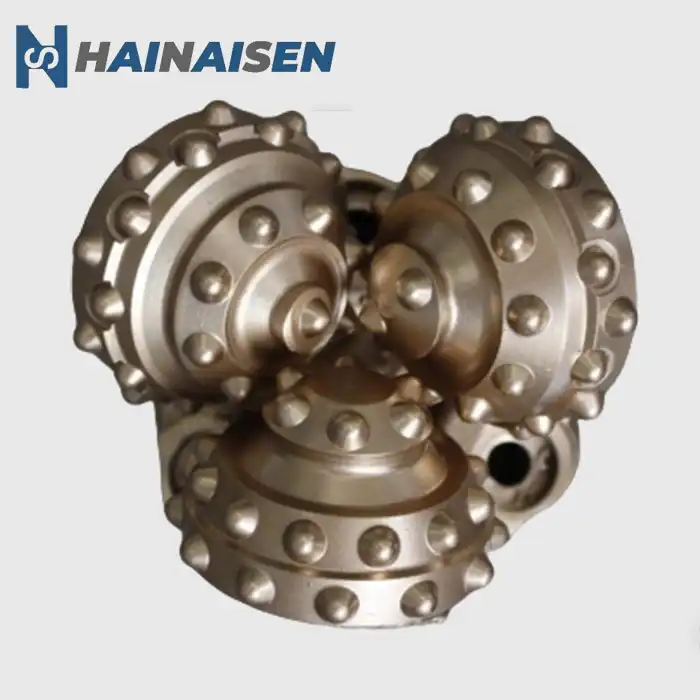 VIEW MORE4 1/2" IADC 537 Tricone Rock Bit
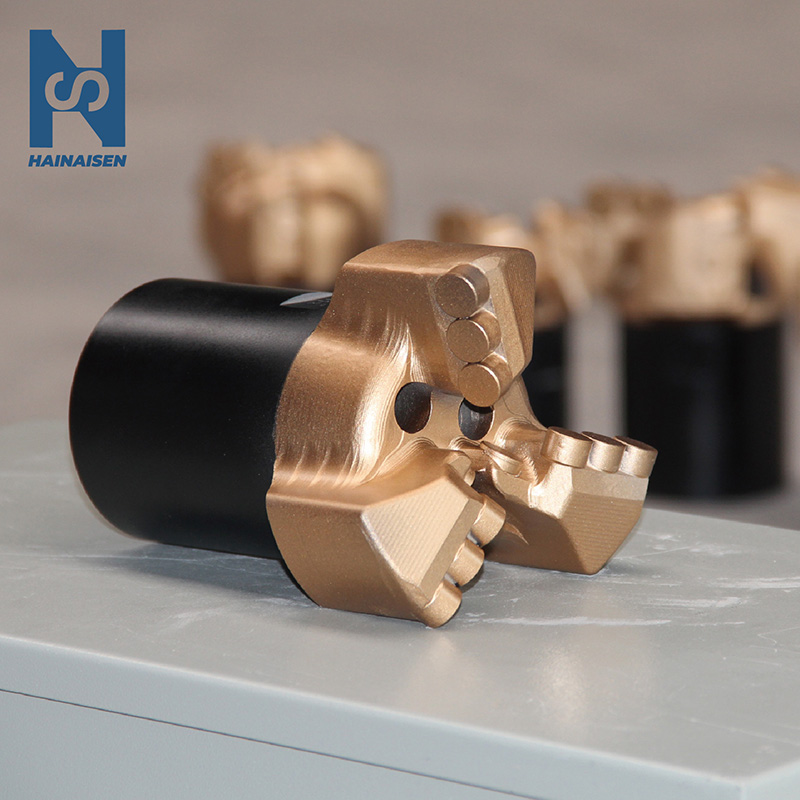 VIEW MORESteel Body PDC Drill Bit
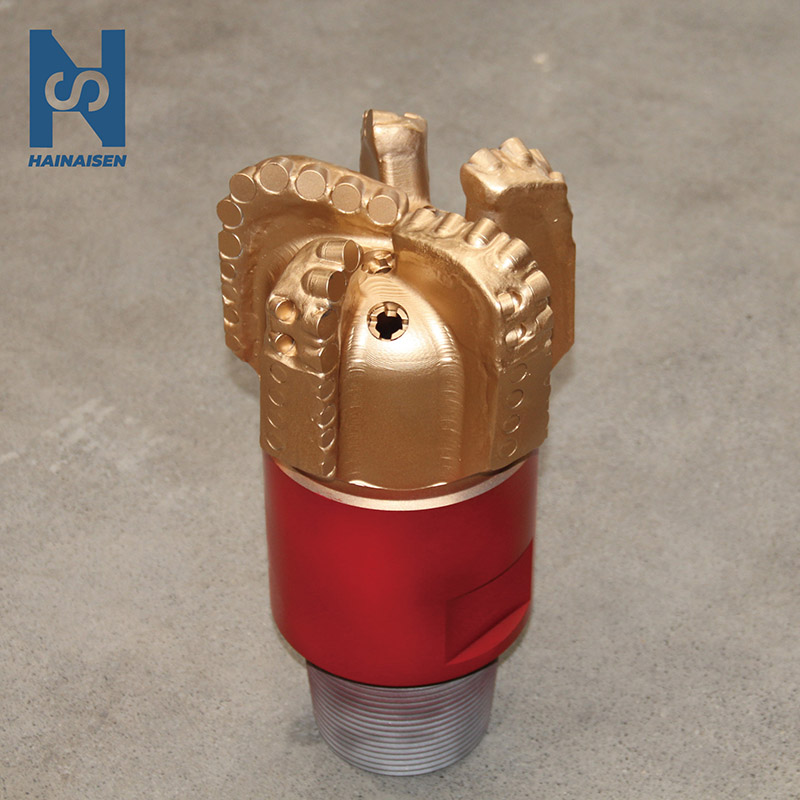 VIEW MOREFive Blades Oil Well Drill Head
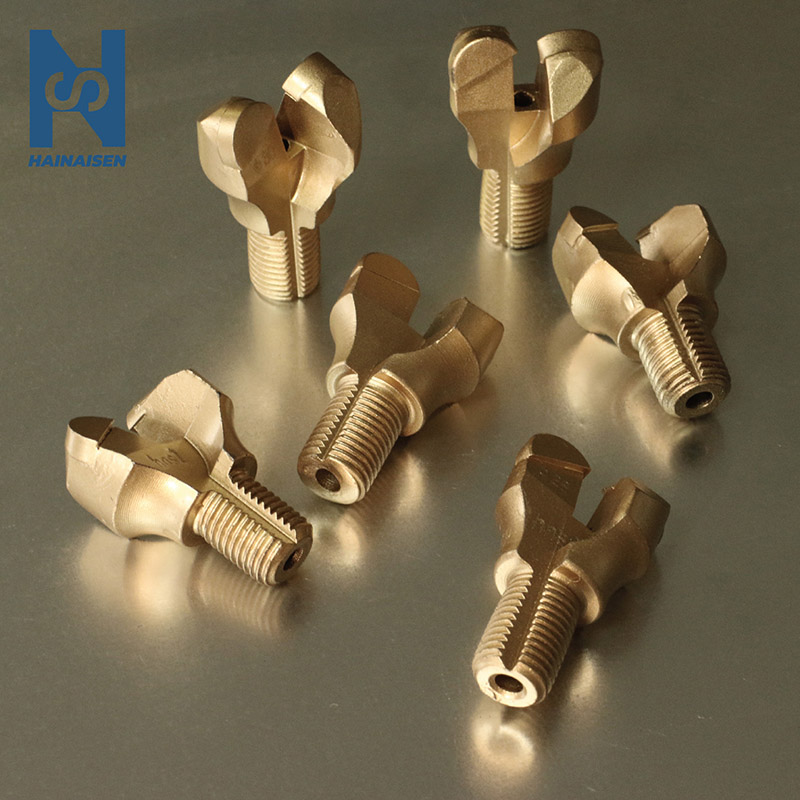 VIEW MORECoal Mining Tools PDC Anchor Drill Bit 28mm
 VIEW MOREThree Blades Steel Body PDC Bit
