







High Performance 5 Cutter PDC Bit Cutter Layout
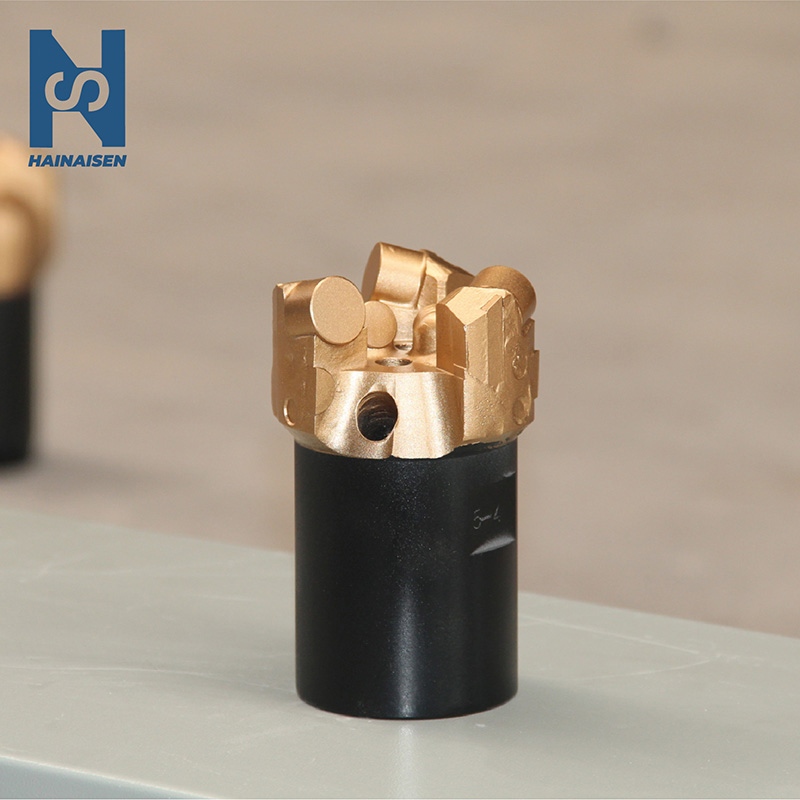
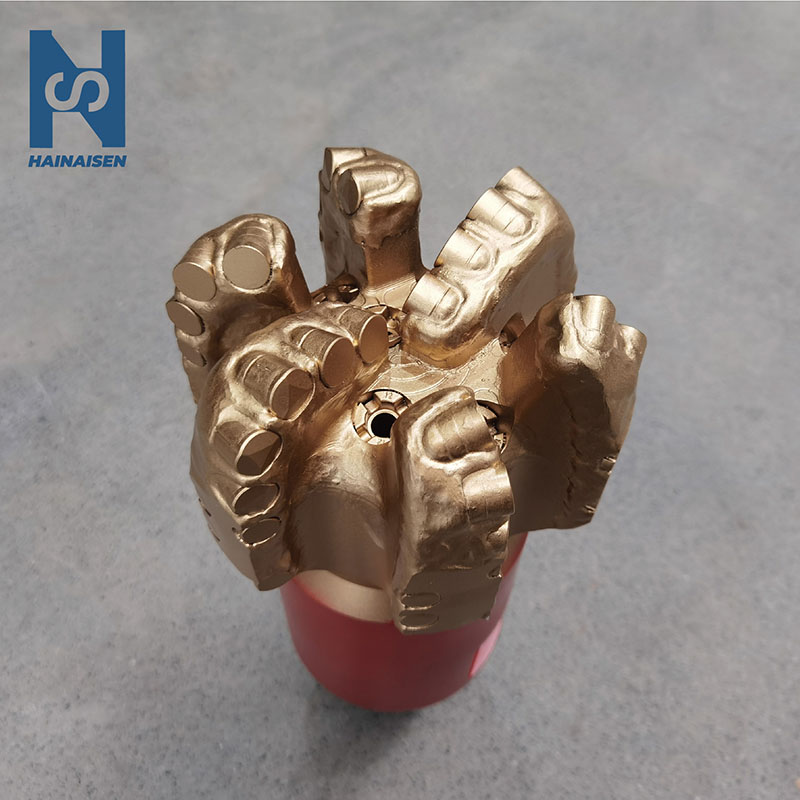
The High Performance 5 Cutter PDC Bit is a huge step forward in drilling technology. It has an improved cutter structure that increases penetration rates while keeping sturdiness at a high level. The five carefully placed polycrystalline diamond compact cuts in this new design are set up in a measured way that makes drilling more efficient in a variety of rock types. The complex structure of the cutters ensures even weight distribution, less power change, and better hole cleaning. This makes it the best choice for hard drilling tasks in mining, oil and gas research, and geological surveys.
Understanding the High Performance 5 Cutter PDC Bit Cutter Layout
For advanced drilling jobs, you need tools that are precisely designed and work consistently in harsh conditions. The five-cutter PDC bit design is a big step up from the standard three-cutter designs. It offers better steadiness and cutting efficiency, which directly leads to better working results.
Revolutionary Design Architecture
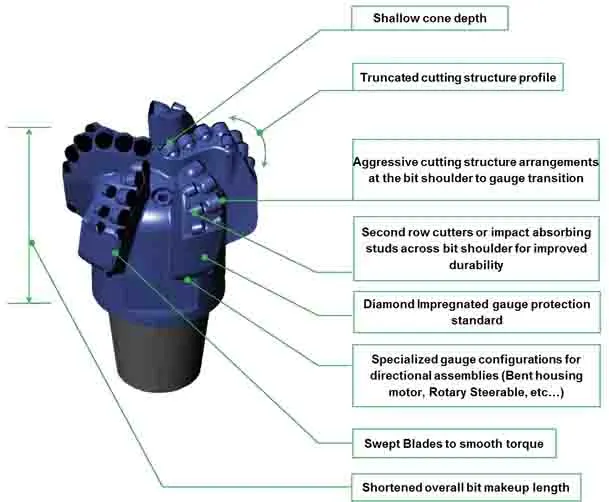
Five-blade PDC Bits have a cutting pattern that is based on complex engineering concepts that make drilling work better. Each setting of a cutter takes into account how to distribute load, control temperature, and remove trash to make a cutting action that works better together. The setup usually has a main cutting structure and minor cutters placed to keep the bit balanced and get rid of rocks as efficiently as possible.
The steel body design is more resistant to impact than matrix body options, which lets the cutting structures be more aggressive, and the evacuation pathways be bigger. This way of thinking about design lets drilling engineers push the limits of what is possible while still keeping the bit's integrity during long drilling campaigns.
Material Science Excellence
These high-tech cutting tools are built around premium polycrystalline diamond compact cuts. When a diamond is attached to tungsten carbide supports, it makes a cutting surface that is very hard and stays sharp even in tough situations. Through controlled hardening and exact physical limits, manufacturing processes make sure that the quality of the cutters is always the same.
The high-grade materials used to make the steel body were chosen especially for drilling purposes. These materials don't crack easily from wear and tear and are tough enough for places where drilling is done with a lot of force. Modern metalworking techniques make sure that tools work well at all temperatures that are common in deep rock digging.
Cutter Positioning Optimization
Strategic placement of the knife has a direct effect on how well the cutting works. With five cutters, engineers can find the best blade angles, back-rake settings, and side-rake changes for each type of design. This adaptability lets you make changes for soft rock forms that need strong cutting action or hard rock uses that need better toughness.
The distance between cuts affects how many chips are made and how well they are pushed away. The right space keeps cutters from interfering and makes sure that the whole shape is covered. Computer simulations and tests in the field show that the right placement of the cutter is necessary to get the best penetration rates and force responses.
Advantages of High-Performance 5 Cutter PDC Bits Over Conventional Bits
More and more modern drilling companies are realizing that improved PDC bit technology, such as the High Performance 5 Cutter PDC Bit, has big benefits. Compared to other designs, this five-cutter design makes drilling more efficient, less expensive, and more reliable.
Enhanced Drilling Performance Metrics
Field data reliably shows that five-cutter PDC bits have a higher rate of entry. The balanced cutting structure makes it less likely for tricone bits to stick and slip, which makes the drilling process smoother and lowers the noise in the ground. This steadiness means that you can control the direction of the drill better and spend less time digging.
In soft to medium formations, penetration rates are often 40–60% higher than with regular bits. In harder formations, they perform about the same. The steady cutting action gets rid of the repetitive loading patterns that come with roller cone bits. This lets the drilling go on for longer with less stress on the equipment.
Cost-Effectiveness Analysis
The longer useful life of High Performance 5 Cutter PDC Bit technology makes drilling much cheaper per foot. Because tricone shapes don't have any working parts, they need less upkeep and last longer. Single PDC bits can often drill whole areas that used to need more than one conventional bit.
Less frequent trips have a direct effect on the economics of digging because they mean less rig time and lower running costs. Because PDC technology is so reliable, unexpected trips caused by broken bits happen much less often. This makes drilling schedules and budget management easier to plan for.
Versatility Across Formation Types
Five-cutter versions are flexible enough to work well in a wide range of natural situations. Cutting tool patterns that can be changed to fit different types of rock, like rough sandstones, soft shales, and hard carbonate rocks, work better. This makes it easier to choose the right bit for each drilling task while reducing the need for extra supplies.
When compared to traditional options, PDC bits that use advanced hydraulic systems clean holes more efficiently. Better patterns of fluid flow lessen damage to the formation while keeping the hole stable in troublesome formations that tend to grow or become unstable.
Comparing 5 Cutter PDC Bits with Alternative Solutions
All of the available choices must be carefully thought through in order to pick the best drilling technology. If you know how something works, how much it costs, and what it's best for, you can make smart purchases that will help your drilling go more smoothly and give you a better return on your investment.
Performance Analysis: Five vs. Three Cutter Configurations
Five-blade designs are more stable and evenly distribute load than three-cutter designs because they have more cuts. This setup lowers the loads on each cutter, which increases bit life while keeping the cutting action strong. The balanced structure reduces the side forces that cause holes to move and drills to not work properly.
When comparing how well different drilling designs work, five-cutter designs often get deeper into rock forms where bit steadiness is very important. The extra cutting areas provide backup that keeps the machine working even if one or more cuts get worn out or damaged.
PDC Technology Versus Tricone Alternatives
Traditional tricone bits use spinning cones with steel teeth or tungsten carbide cores to crush things mechanically. Tricone technology works well in some hard rock situations, but it has some problems built in, like moving parts that can break and repetitive loading patterns that make drilling less efficient.
PDC technology gets rid of mechanical complexity by using set cutting designs that split the formation material instead of breaking it. Because of this basic difference, the cutting action can go on for a long time without stopping, as roller cone systems do. The end result is drilling that goes more smoothly, with less sound, and tools that last longer.
Supplier Evaluation Criteria
To successfully buy PDC bits, you need to carefully examine providers by checking how well they make things, how well they keep an eye on quality, and how well they offer customer service. Companies with a good reputation spend a lot of money on research and development to constantly improve the designs of bits and the ways they are made.
Quality standards like ISO 9001:2015 show that a business plans how it makes things and is always looking for ways to improve. A lot of new testing centers make it possible for Manufacturers to try bits like the High Performance 5 Cutter PDC Bit in controlled settings before putting them to use in the field. When drilling, technical help is needed to make sure that the right bits are used and that everything goes smoothly.
Best Drilling Practices with 5-Cutter PDC Bits
Maximizing the performance potential of advanced PDC technology requires adherence to proven operational protocols. Proper parameter selection, maintenance procedures, and procurement strategies directly impact drilling success and cost-effectiveness.
Optimized Drilling Parameters
Rotational speed selection significantly influences PDC bit performance and longevity. Optimal RPM ranges vary with formation characteristics, bit design, and hole size, but generally fall between 80 and 180 RPM for most applications. Higher speeds improve cutting efficiency in soft formations, while reduced speeds enhance bit life in abrasive conditions.
Weight on bit parameters must balance penetration rate optimization with bit preservation. Excessive weight accelerates cutter wear, while insufficient weight reduces drilling efficiency. Recommended weight ranges typically fall between 3,000 and 8,000 pounds per inch of bit diameter, adjusted for formation characteristics and drilling objectives.
Flow rate optimization ensures adequate hole cleaning while maintaining formation stability. Proper hydraulics prevent cuttings accumulation that can cause bit balling and reduced performance. Recommended flow rates generally exceed 50 gallons per minute per inch of bit diameter, with adjustments for mud properties and hole conditions.
Preventive Maintenance Protocols
Regular bit inspection procedures identify wear patterns and potential issues before they impact drilling operations. Visual examination of cutter condition, body wear, and hydraulic components provides early warning of developing problems. Detailed inspection reports track bit performance trends and inform future procurement decisions.
Proper handling and storage procedures protect PDC bits from damage during transportation and rig operations. Impact protection prevents cutter chipping, while clean storage environments reduce contamination risks. Training programs ensure drilling crews understand proper bit handling techniques and storage requirements.
Strategic Procurement Considerations
Bulk ordering strategies often provide cost advantages while ensuring inventory availability for extended drilling programs. Volume discounts and favorable payment terms improve project economics, while strategic supplier relationships ensure priority treatment during supply constraints.
Customization options enable bit optimization for specific drilling challenges. Manufacturers can modify cutter layouts, hydraulic designs, and body configurations to address unique operational requirements. Custom bit development requires close collaboration between drilling engineers and bit manufacturers to achieve optimal results.
How to Choose the Best High-Performance 5-Cutter PDC Bit for Your Operations?
Successful bit selection requires systematic evaluation of drilling objectives, formation characteristics, and operational constraints. The High Performance 5 Cutter PDC Bit offers numerous configuration options that must align with specific application requirements to achieve optimal performance.
Formation Compatibility Assessment
Rock type analysis forms the foundation of proper bit selection. Soft formations benefit from aggressive cutter layouts with enhanced debris evacuation, while hard formations require conservative designs emphasizing durability over penetration rate. Abrasive formations demand specialized cutter materials and protective features to maintain performance.
Formation variability within drilling intervals requires versatile bit designs capable of adapting to changing conditions. The five-cutter configuration provides flexibility to handle transitions between soft and hard formations without compromising overall drilling efficiency.
Technical Specification Evaluation
Bit diameter selection must consider hole size requirements, casing programs, and downhole tool limitations. Standard sizes range from 4.75 inches to 26 Inches, with intermediate sizes available for specific applications. Custom diameters accommodate unique project requirements when standard sizes prove inadequate.
Connection specifications ensure compatibility with drilling assemblies and downhole motors. API connections provide standardization, while proprietary connections may offer enhanced performance characteristics. Thread condition and makeup procedures significantly impact connection reliability and bit performance.
Performance Optimization Strategies
Matching bit characteristics with operational objectives ensures optimal drilling outcomes. High penetration rate priorities favor aggressive cutter layouts, while extended bit life requirements emphasize conservative designs with enhanced durability features. Balanced approaches optimize both parameters for cost-effective drilling operations.
Manufacturer support services provide valuable resources throughout drilling operations. Technical expertise assists with bit selection, parameter optimization, and troubleshooting. Field service capabilities enable real-time support during critical drilling phases. Training programs enhance drilling crew capabilities and improve operational outcomes.
Conclusion
The High Performance 5 Cutter PDC Bit represents the pinnacle of drilling technology advancement, offering superior performance characteristics that directly translate to operational success. The optimized cutter layout design delivers enhanced penetration rates, extended bit life, and improved drilling stability across diverse geological formations. Through careful evaluation of formation requirements, operational objectives, and technical specifications, drilling professionals can leverage this advanced technology to achieve significant improvements in drilling efficiency and cost-effectiveness. The investment in premium PDC bit technology generates substantial returns through reduced drilling time, minimized equipment wear, and enhanced operational reliability that drives long-term project success.
FAQ
1. What makes the 5-cutter design superior to traditional 3-cutter PDC bits?
The five-cutter configuration provides enhanced stability through improved load distribution across cutting surfaces. This design reduces individual cutter stress while maintaining aggressive cutting action, resulting in extended bit life and higher penetration rates. The additional cutters create redundancy that maintains performance even when individual cutters experience wear.
2. How do drilling parameters need to be adjusted for optimal 5-cutter PDC bit performance?
Optimal performance requires RPM ranges between 80 and 180, depending on formation characteristics, weight on bit between 3,000 and 8,000 pounds per inch of diameter, and flow rates exceeding 50 gallons per minute per inch of diameter. Parameter adjustments should consider formation hardness, abrasiveness, and drilling objectives to achieve the best balance between penetration rate and bit life.
3. What formations are best suited for 5-cutter PDC bit applications?
Five-cutter PDC bits excel in soft to medium formations, including sandstones, shales, and limestone. The design adapts well to formation transitions and provides excellent performance in interbedded sequences. While effective in harder formations, penetration rates may be optimized through parameter adjustments and specialized cutter layouts.
Partner with HNS for Superior Drilling Solutions
Transform your drilling operations with cutting-edge High Performance 5 Cutter PDC Bit technology from HNS. Our advanced manufacturing capabilities, ISO 9001:2015 certified quality systems, and extensive application experience ensure optimal bit performance across diverse drilling challenges. As a leading High Performance 5 Cutter PDC Bit manufacturer, we provide comprehensive technical support, customization options, and competitive pricing that maximizes your drilling investment returns. Contact our engineering team at hainaisen@hnsdrillbit.com to discuss your specific requirements and discover how our proven PDC technology can enhance your drilling efficiency.
References
1. Society of Petroleum Engineers. "Advanced PDC Bit Design and Application Guidelines for Enhanced Drilling Performance." SPE Drilling Engineering Journal, 2023.
2. International Association of Drilling Contractors. "Polycrystalline Diamond Compact Technology: Performance Analysis and Field Applications." IADC Technical Report, 2022.
3. American Petroleum Institute. "Recommended Practices for PDC Bit Selection and Optimization in Oil and Gas Operations." API Standard 7G-2, 2023.
4. World Oil Magazine. "Comparative Analysis of Five-Cutter vs. Three-Cutter PDC Bit Performance in Unconventional Formations." Technical Publications, 2022.
5. Journal of Petroleum Science and Engineering. "Cutter Layout Optimization in Multi-Blade PDC Bits: Engineering Principles and Field Validation." Academic Research Publication, 2023.
6. Drilling Contractor Magazine. "Evolution of PDC Bit Technology: From Concept to Modern High-Performance Applications." Industry Technical Review, 2022.
 VIEW MORE3 Blades PDC Mining Bits
 VIEW MOREPetroleum Drilling Equipment PDC
 VIEW MORE113mm 3 Blades Steel Body PDC Bit
logo 1_1768204983068.jpg) VIEW MOREPDC Core Drill Bit With 8 Blades For Hole Drilling Used In Mining
VIEW MOREPDC Core Drill Bit With 8 Blades For Hole Drilling Used In Mininglogo 1_1768274683075.jpg) VIEW MORECoal Mine Drilling Opening And Closing Drill Bit
VIEW MORECoal Mine Drilling Opening And Closing Drill Bit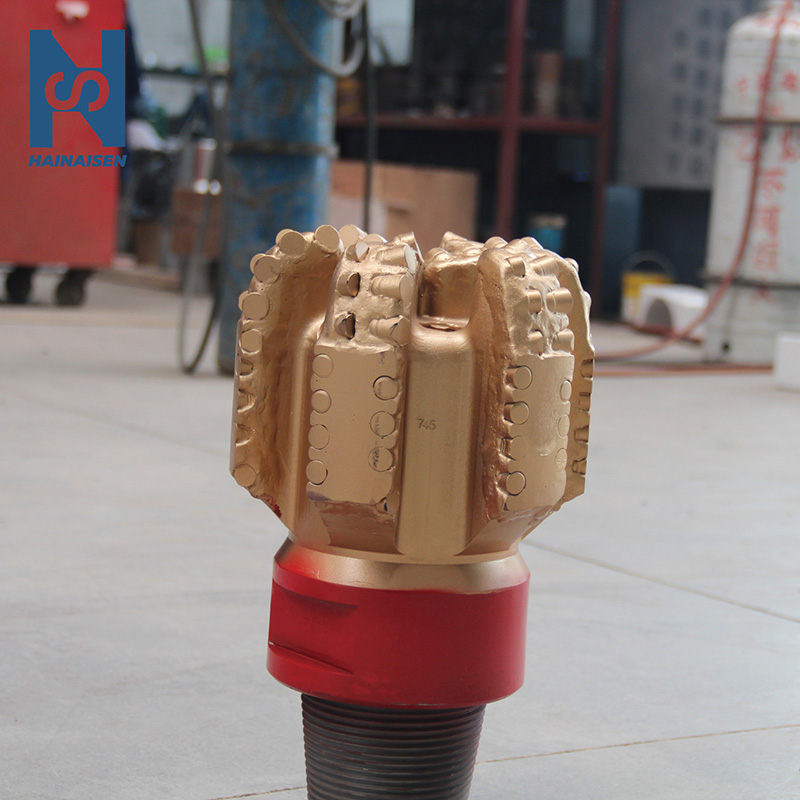 VIEW MOREDiamond Drill Bit Oil Rig
 VIEW MORECoal Mining PDC Drill Bits
 VIEW MORE6 Wings PDC Drill Bit
