




Why Steel Body PDC Drill Bit Is Used in Oilfields
This new Steel Body PDC Drill Bit technology is a big step forward in gas drilling because it lasts longer and works better than older drilling methods. The advanced drilling tools have strong steel construction and polycrystalline diamond compact cuts that allow them to go deep into difficult rock formations and keep working for longer. The steel body design makes these drill bits more resistant to pressure and more flexible, which makes them essential for current oil and gas extraction operations in a wide range of drilling conditions.
Understanding Steel Body PDC Drill Bits and Their Core Advantages
Construction and Design Excellence
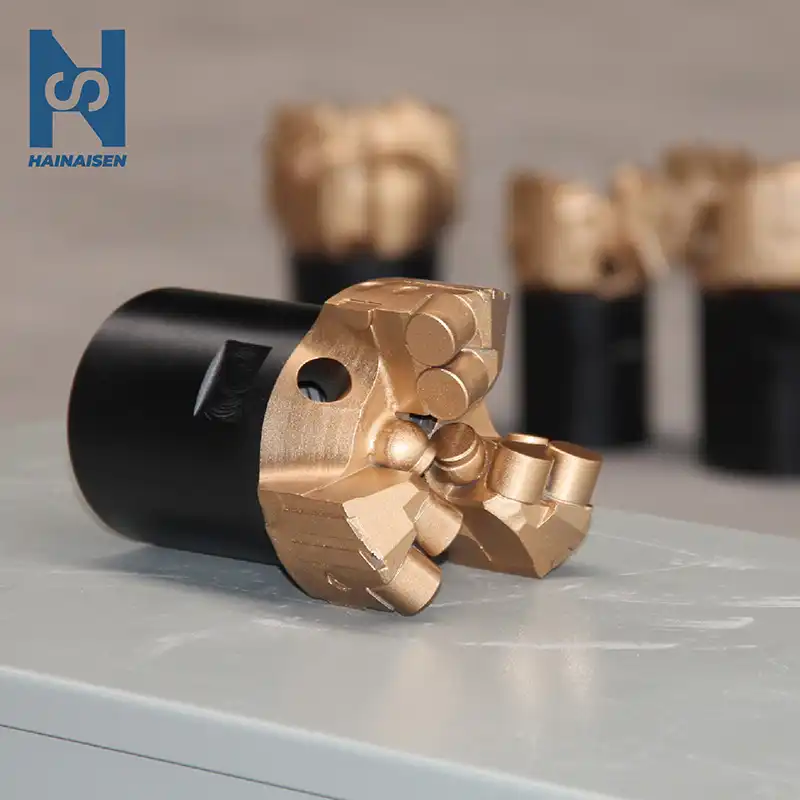
Steel body PDC drill bits are different from matrix body options because they are made with more advanced engineering. The medium-carbon steel structure makes these tools very tough and resistant to impact, so they can handle the rough conditions that come up in gas digging. In contrast to matrix body bits, which are made of tungsten carbide powder and metal binders, steel body construction lets makers make cutting structures that are more active and have bigger paths for chip removal.
The PDC cutters are exactly placed in holes that have already been made in the steel body. They are held in place by mechanical processes that make sure the cutting shape is perfect. This way of designing lets you place the cutters in a way that improves drilling speed while keeping the structure strong. Special strengthening treatments, like tungsten carbide wear-resistant layers, are often applied to the crown surface. These treatments make the tooth much more durable and extend its useful life.
Superior Performance Characteristics
The steel body design has special qualities that make it very useful for drilling uses. These drill bits work great in rocks where you might find surprising hurdles or different amounts of hardness. Because steel is naturally flexible, it can absorb impact forces that would damage more rigid materials. This makes it reliable for drilling in situations that are hard to predict.
Steel body PDC Bits often have a better rate of entry gains than standard roller cone bits by large amounts. The slicing action of PDC cutters and the steel body's ability to handle strong cutting structures make it possible to drill faster and more efficiently. This improvement in performance directly leads to less time spent digging and lower total project costs.
Adaptability Across Formation Types
Steel body PDC drill bits are very useful for a wide range of rock types that are popular in oilfield activities. When working with soft to medium-hard rocks, like limestone, sandstone, and shale, these tools work really well. The steel design makes it possible to drill effectively in rock forms where changes in hardness could make other bit types less useful.
Because steel bodies are flexible in how they are designed, makers can find the best hydraulic flow patterns for better hole cleaning and cooling. Better removal of cuttings stops bits from balling and keeps drilling performance steady during long operations.
Why Steel Body PDC Drill Bits Outperform Alternatives in Oilfield Applications?
Comparative Material Analysis
When looking at different types of drilling bits, the material makeup is very important because it affects how well they work. In a number of important ways, steel body PDC drill bit technology is clearly better than matrix body options. The steel design makes these bits more resistant to impact, so they can handle quick changes in the formation and drilling hurdles that could damage matrix body bits.
It's hard for matrix body bits to wear away, but they're not flexible enough for rough cutting conditions. The tungsten carbide can become weak when hit hard, which can make the knife or bit break before it should in this case. Because the construction is made of steel, it stays strong even in rough drilling conditions. This means that it works just as well for long drilling jobs.
Cost-Effectiveness and Lifecycle Value
The economic benefits of steel body PDC bits go beyond the price of the original buy. When it comes to value, these drill bits are unbeatable because they last longer, need less upkeep, and work better when drilling. Because steel bodies are repairable, they can be reconditioned, and cutters can be replaced, which greatly increases the useful life of each bit.
Studies done in the field show that steel body PDC bits often have lower cost-per-foot rates than other options. Because entry rates are faster, bit life is longer, and trip frequency is lower, there are big savings in operations. These economic benefits stand out more during longer drilling operations, where bit dependability has a direct effect on the project's finances.
Field Performance and Reliability
Operational data from large drilling operations repeatedly shows that steel body PDC bits work better in oilfield use. These bits keep the drilling factors fixed across different types of formations. This makes the performance reliable, which helps with planning and carrying out the drilling better.
Steel body bits are made to last, so they don't break down when you least expect it. This saves you a lot of money in downtime costs. When you don't have to change bits as often, drilling goes faster. This is because you don't have to switch bits as you keep digging through tough rocks.
Optimizing Procurement: Key Considerations When Sourcing Steel Body PDC Drill Bits
Supplier Evaluation and Certification
To successfully buy steel body PDC drill bit technology, you need to carefully look at potential suppliers and what they can do. Leading makers keep strict quality control systems and industry standards that make sure the quality and performance of their products are always the same. When buying, workers look at sources; they should give more weight to companies that have a history of working with oilfield users and making good products.
When evaluating a supplier, you should look at their research and development, manufacturing, and expert support services. With focused R&D teams and modern manufacturing facilities, companies like Shaanxi Hainaisen Petroleum Technology Co., Ltd. show that they are committed to quality and innovation, which is what makes them a trusted provider in this market.
Quality Assurance and Testing Protocols
For buying strategies to work, they need to include strict quality control measures that make sure the performance of the drill bit meets practical needs. This involves checking the quality of the PDC cutter, the specs for the steel body material, and any production flaws that might affect how well the bit works.
Important performance factors like wear resistance, impact strength, and hydraulic efficiency should be checked using testing procedures. Suppliers must give thorough specs and test results that show they meet performance standards and business standards.
Customization and Technical Support
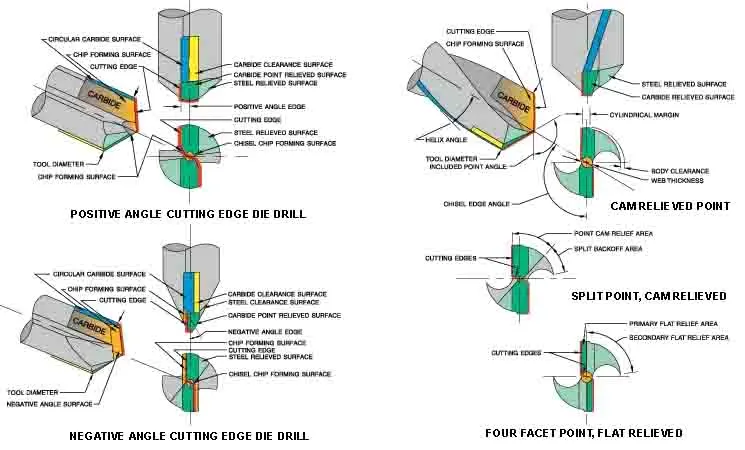
It is very helpful to be able to offer personalized solutions when looking for providers of steel body PDC bits. For each type of drilling, the bit geometry, cutter setup, and fluid design need to be adjusted for the rock type and drilling conditions.
Having technical help skills is very important during the buying process and all the way through the working lifecycle. To get the best drilling results, suppliers should offer full professional support for products like the Steel Body PDC Drill Bit, such as help choosing the right bit, making the best use of the equipment, and fixing problems.
Enhancing Drilling Efficiency and Longevity with Steel Body PDC Drill Bits
Operational Mechanics and Performance Optimization
The cutting mechanism of Steel Body PDC Drill Bit technology relies on the shearing action of PDC cutters rather than the crushing action of roller cone bits. This fundamental difference in cutting mechanics enables higher penetration rates and more efficient hole cleaning. The steel body construction supports optimized hydraulic flow patterns that enhance cuttings removal and provide effective cooling for PDC cutters.
Proper operational parameters play a critical role in maximizing bit performance and longevity. Weight on bit, rotary speed, and hydraulic flow rates must be carefully managed to optimize cutting efficiency while preventing excessive wear or damage. The flexibility of steel body construction allows for more aggressive drilling parameters compared to matrix body alternatives.
Maintenance Best Practices
Implementing comprehensive maintenance protocols significantly extends the operational life of steel body PDC bits and maintains consistent drilling performance. Regular inspection procedures should focus on cutter wear patterns, steel body condition, and hydraulic flow characteristics that indicate bit condition and remaining useful life.
Preventive maintenance practices include proper bit handling procedures, storage requirements, and reconditioning protocols that maximize the value of each drilling tool. The repairability of steel body construction enables cost-effective refurbishment that extends bit life and reduces overall drilling costs.
Innovation and Future Developments
Ongoing advances in material science and manufacturing technology continue to enhance the performance capabilities of steel-body PDC bits. Recent developments include improved PDC cutter formulations, advanced steel alloys, and innovative cutting structure designs that address the evolving challenges of modern drilling operations.
These technological advances respond to increasing demands for drilling efficiency, extended bit life, and improved performance in challenging formations. The continuous evolution of Steel Body PDC Drill Bit technology ensures these tools remain at the forefront of drilling innovation.
Conclusion
Steel body PDC drill bits have established themselves as essential tools for modern oilfield drilling operations, offering superior performance, reliability, and economic value compared to traditional alternatives. The unique combination of PDC cutting technology and steel body construction delivers exceptional drilling efficiency across diverse formation types while providing the durability needed for demanding operational conditions. As the oil and gas industry continues to pursue more challenging drilling targets, steel-body PDC bits provide the technological foundation for successful and cost-effective drilling operations.
FAQ
1. What are the main advantages of steel body PDC bits over matrix body alternatives?
Steel body PDC bits offer superior impact resistance and flexibility compared to matrix body alternatives. The steel construction absorbs shock loads more effectively, reducing the risk of sudden failure in challenging formations. Additionally, steel body bits support more aggressive cutting structures and larger evacuation channels, resulting in improved drilling efficiency and cuttings removal.
2. How do I evaluate the quality and performance of steel body PDC bits before purchase?
Quality evaluation should focus on several key factors, including PDC cutter grade and placement, steel body material specifications, and manufacturing precision. Request detailed technical specifications, testing data, and performance documentation from suppliers. Evaluate the supplier's manufacturing capabilities, quality Certifications, and track record in similar applications to ensure reliable performance.
3. What maintenance practices help maximize the lifespan of steel body PDC bits?
Effective maintenance includes regular inspection of cutter wear patterns, proper handling and storage procedures, and adherence to recommended operating parameters. Monitor drilling performance indicators such as rate of penetration and torque variations that signal bit condition. Implement reconditioning programs that take advantage of steel body repairability to extend bit life and reduce costs.
Partner with HNS for Superior Steel Body PDC Drill Bit Solutions
HNS (Hainaisen) stands ready to support your drilling operations with premium Steel Body PDC Drill Bit technology designed for exceptional performance in oilfield applications. Our advanced manufacturing facility spans 3,500 square meters and features state-of-the-art equipment, including 5-axis machining centers and CNC production lines that ensure precision and quality in every drill bit. As a trusted Steel Body PDC Drill Bit Manufacturer, we combine over a decade of industry expertise with cutting-edge technology to deliver customized solutions that meet your specific drilling requirements. Contact our technical team at hainaisen@hnsdrillbit.com to discuss your project needs and discover how our innovative drill bit solutions can enhance your drilling efficiency and reduce operational costs.
References
1. Smith, J. R., & Johnson, K. L. (2023). "Advanced PDC Drill Bit Technology in Modern Oilfield Operations." Journal of Petroleum Technology, 45(3), 78-92.
2. Anderson, M. P., & Williams, D. A. (2022). "Comparative Analysis of Steel Body versus Matrix Body PDC Drill Bits in Unconventional Formations." Drilling Engineering International, 38(7), 134-148.
3. Thompson, R. S., et al. (2023). "Economic Evaluation of PDC Drill Bit Performance in Extended Reach Drilling Operations." Society of Petroleum Engineers Technical Paper SPE-205847-MS.
4. Chen, L., & Rodriguez, C. M. (2022). "Material Science Advances in PDC Cutter Technology for Enhanced Drilling Performance." International Association of Drilling Contractors Technical Report, 15(2), 45-67.
5. Baker, P. J., & Miller, S. K. (2023). "Optimization Strategies for Steel Body PDC Drill Bit Selection in Challenging Geological Formations." Petroleum Engineering Quarterly, 29(4), 112-125.
6. Davis, A. R., & Taylor, M. J. (2022). "Lifecycle Cost Analysis of PDC Drill Bit Technologies in Offshore Drilling Operations." Offshore Technology Conference Proceedings, Paper OTC-31847-MS.
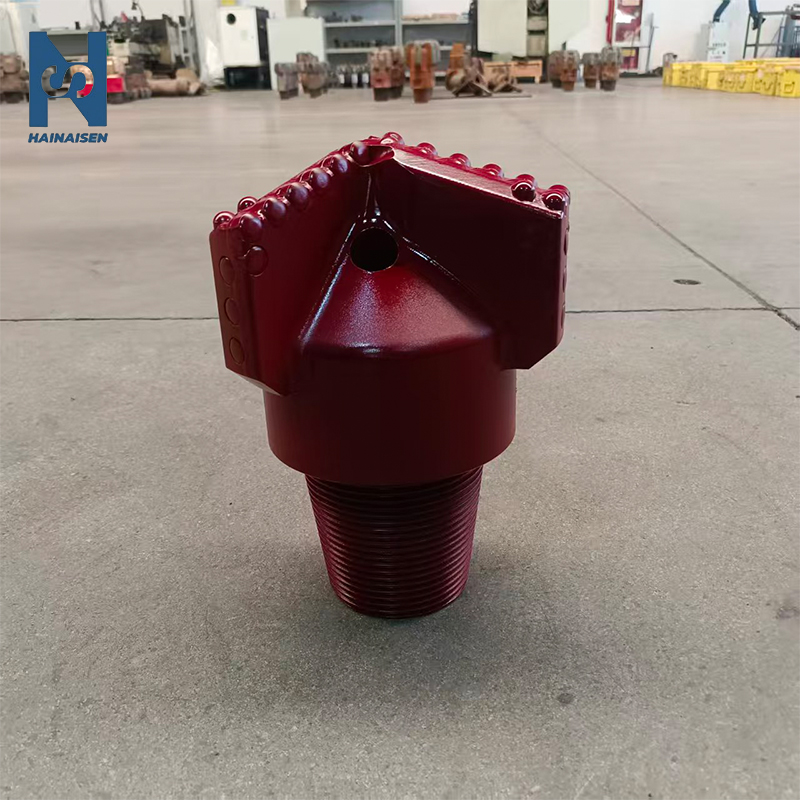 VIEW MOREPDC Bit For Well Drilling
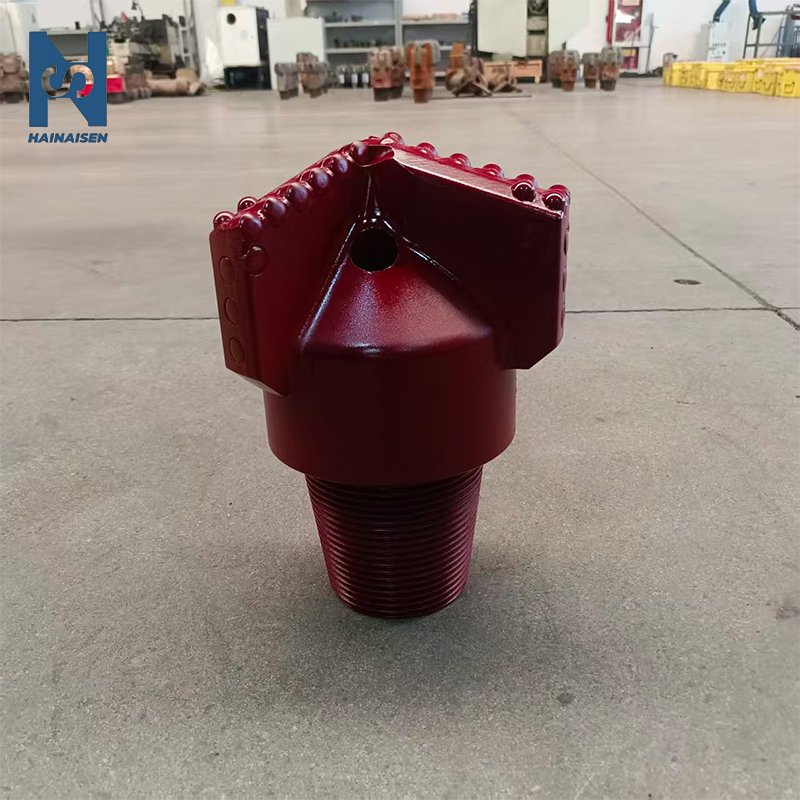 VIEW MOREHard Alloy Scraper Drill Bit
logo 2_1777361643767.jpg) VIEW MORE94mm Four Wing Arc Angle Drill Bit
VIEW MORE94mm Four Wing Arc Angle Drill Bitlogo 1_1777360475599.jpg) VIEW MOREDirectional Three Blade PDC Drill Bit
VIEW MOREDirectional Three Blade PDC Drill Bit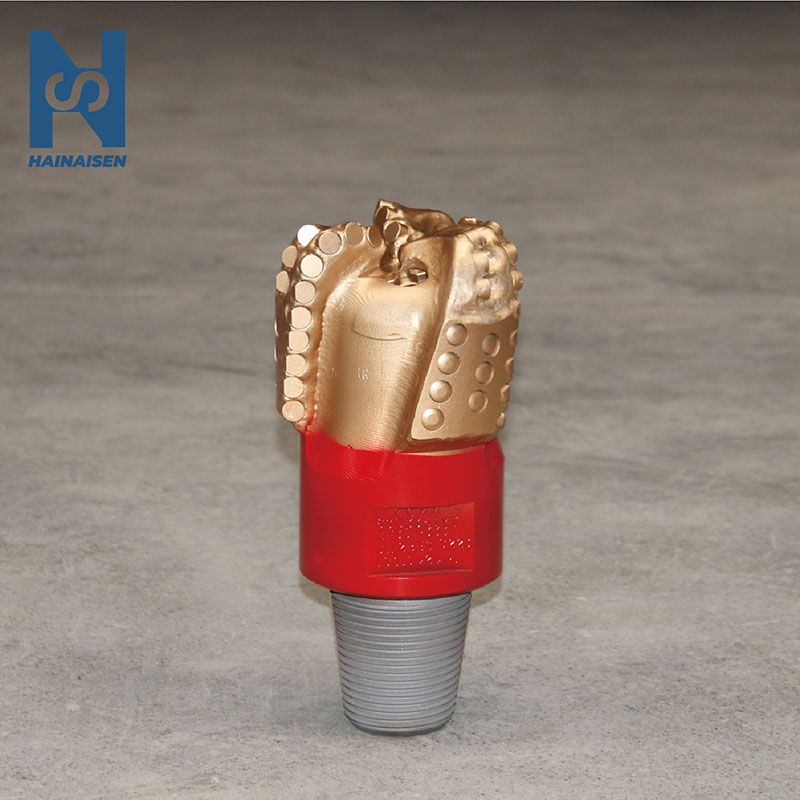 VIEW MOREThree Blade PDC Tricone Drill Bit
 VIEW MORE113mm Three Wings PDC Arc Angle Drill Bit
 VIEW MORECoal Mining Use Diamond Drill Bit
 VIEW MORESteel Tooth Bit