




Why Choose a Three-Blade PDC Tricone Drill Bit for Drilling?
When drilling operations demand precision, efficiency, and cost-effectiveness, the Three Blade PDC Tricone Drill Bit emerges as the optimal solution for industrial applications. This advanced drilling technology combines polycrystalline diamond compact cutters with a strategic three-blade configuration, delivering superior penetration rates and extended operational lifespan. Unlike conventional drilling tools, this specialised bit design provides enhanced debris evacuation, reduced vibration, and consistent performance across diverse geological formations, making it indispensable for oil and gas exploration, coal mining, and water well drilling operations.
Understanding the Three-Blade PDC Tricone Drill Bit
The three-blade PDC tricone drill bit is a clever piece of tech that has changed the way drilling is done in many different industries. This unique tool combines polycrystalline diamond compact technology with a smart three-blade design to make the best combination of cutting power and long-lasting use.
Structural Design and Engineering
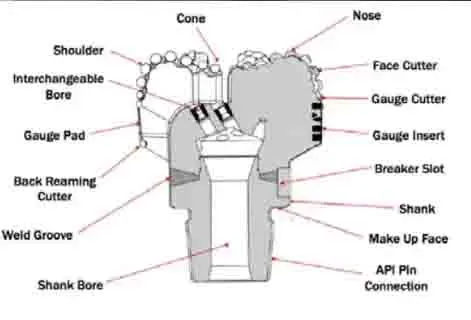
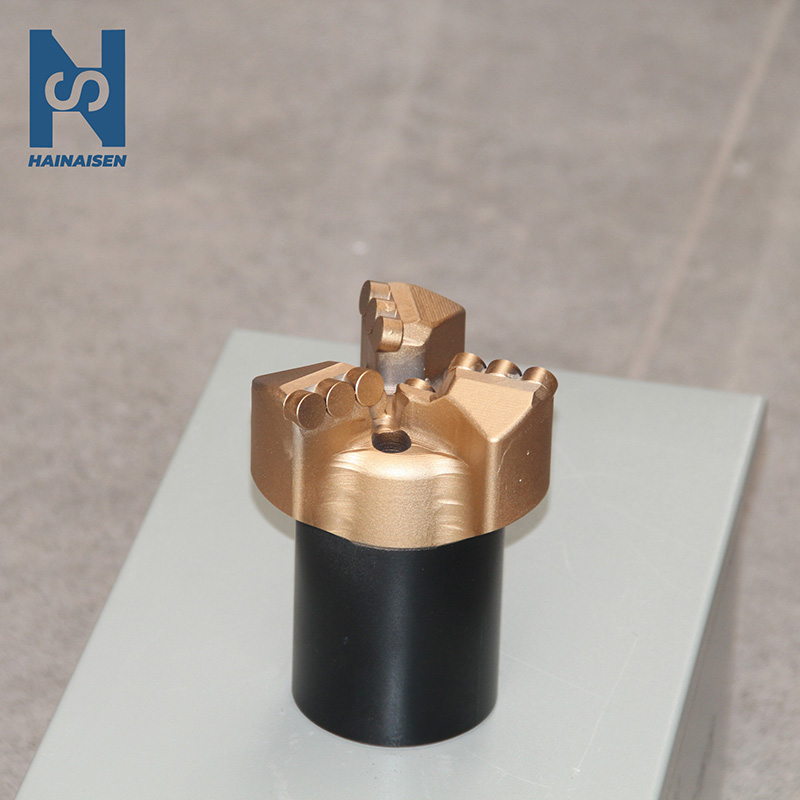
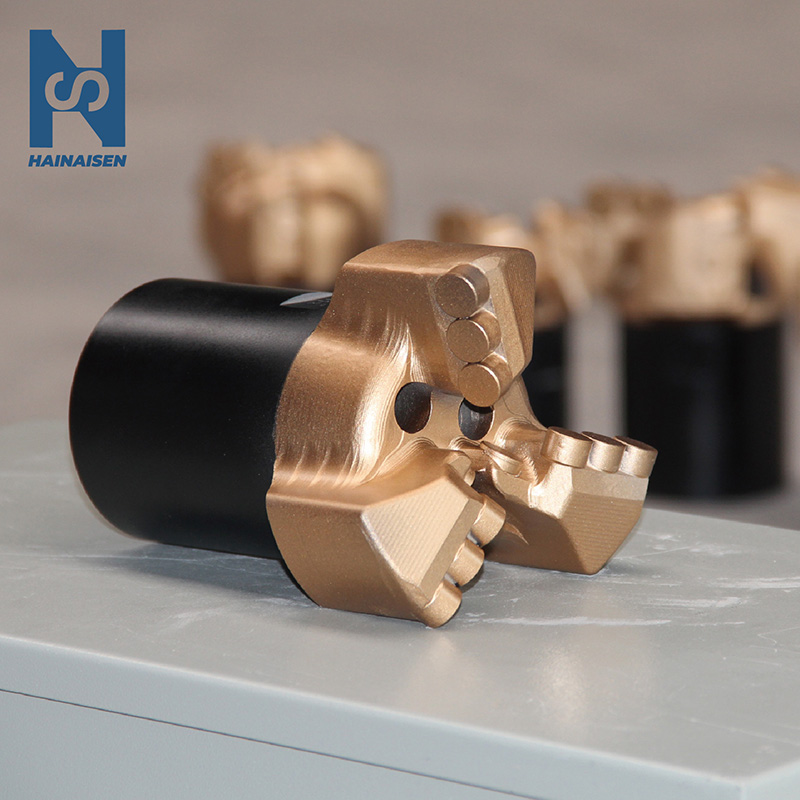
The three-blade PDC drill bit has three properly spaced blades that radiate out from the middle. Each blade has a PDC cutter placed in a strategic location. Our best model (IADC code S433) shows off this technical brilliance with a 6-inch (152.4 mm) diameter and 61 perfectly placed 13 mm PDC cutters spread across its three blades. The bit's 220 mm height and 65 mm gauge length keep the structure strong while keeping the weight evenly distributed at 22 kg.
The matrix body is made of high-strength steel and modern diamond materials, which makes it very resistant to wear even in tough drilling conditions. Because of the way the materials are made, the bit can handle the high pressures and rough conditions that are common in coal bed methane drilling, oil and gas research, and geological mapping.
Operating Mechanism and Performance
When compared to four-blade designs, three-blade designs make bigger gullies between the blades, which makes it easier for trash to be removed during drilling operations. These wider pathways keep pieces from piling up, which lowers friction and keeps the cutting efficiency at its best. By rotating in sync with each other, the three cone-shaped parts break and cut rock forms by scraping, gouging, and crushing them.
The balanced weight spread across the three-blade frame makes each PDC cutter work at its best. This design makes sure that downward pressure is applied consistently, which increases entry rates and makes the cutter last longer. The bit has three nozzles that improve fluid flow, which cools the bit and clears away waste better during the boring process.
Comparing Three-Blade PDC Tricone Drill Bits with Other Drill Bits
To figure out what makes the Three Blade PDC Tricone Drill Bit better than other drilling technologies, you have to compare how well they work with other technologies. This comparison shows important practical perks that have a direct effect on how well drilling works and how much it costs.
Three-Blade vs. Four-Blade PDC Configurations
The main difference between three-blade and four-blade PDC Bits is how well they remove debris and how well they can penetrate. Three-blade designs have gullies that are about 25% bigger, which lets cuttings flow faster and lowers the risk of bit balling in sticky forms. This better flow of debris means that drilling speeds can be kept up and power needs can be lowered.
According to field tests, Three Blade PDC Tricone Drill Bit configurations penetrate medium- to hard-rock formations 15-20% faster than four-blade options. Because there are fewer blades, the manufacturing process is simpler while the structure stays the same. This makes production cheaper without lowering performance standards.
Performance Against Conventional Diamond Bits
While traditional diamond drill bits are very strong and last a long time, they often have trouble drilling through rock at different speeds. Three-blade PDC tricone bits get around these problems because they cut more quickly and better, and they also handle waste better. The tricone shape gives it many points of touch with the formation, which spreads out wear patterns and makes it last longer.
In rough rocks, operational data shows that three-blade PDC tricone bits last 40 to 60 per cent longer than regular diamond bits. This longer life means that bits don't have to be replaced as often, which cuts down on downtime and the costs that come with it while keeping drilling performance uniform.
Benefits of Using a Three-Blade PDC Tricone Drill Bit in Industrial Drilling
Three-blade PDC tricone drill bits make measurable changes in a number of operational measures. This makes them necessary tools for modern drilling operations that want to gain a competitive edge through increased efficiency and lower operational costs.
Enhanced Drilling Efficiency and Speed
The optimised blade shape makes it easy to quickly cut through a wide range of rock types, from soft sedimentary layers to hard solid structures. Our S433 model is very flexible and can be used for a wide range of tasks, including oil and gas research, coal bed methane drilling, geothermal well development, water well building, and mining.
case studies from the real world show that performance has improved remarkably. When mining companies use three-blade PDC bits instead of standard steel-body bits, their impact rates go up by up to 47%. These improvements in speed directly lead to less time spent on the rig, less energy use, and better project costs.
Better cutting performance comes from strategically placing 61 PDC cutters across the three-blade structure. This makes sure that the rocks are cut in the best way possible while keeping the cutting forces even. This arrangement keeps vibrations to a minimum and allows for smooth digging progress, even when the ground is hard.
Cost-Effectiveness and Operational Economy
An extended bit lifespan is a huge economic benefit for drilling companies that are trying to stick to tight budgets. Premium-quality materials and advanced production techniques are used to make our three-blade PDC tricone bits last a lot longer than other options on the market.
Another big gain is that maintenance costs will go down. The strong construction and good dirt removal keep the initial wear to a minimum, which lowers the number of bit replacements and the downtime that comes with them. Up to 30% less money is spent on maintenance when mining companies switch to three-blade PDC tricone technology.
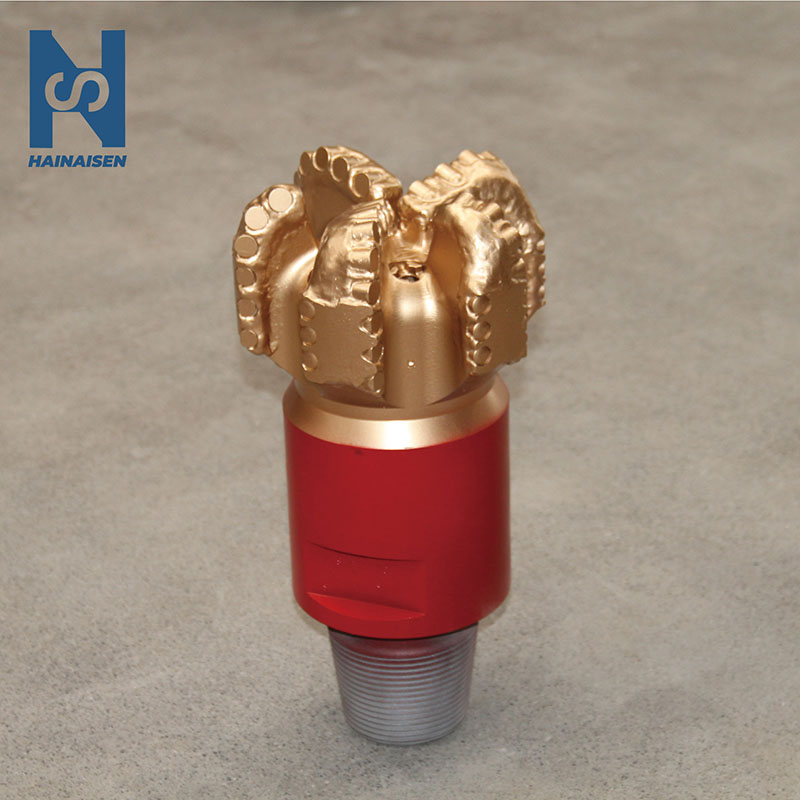
The API 3-1/2 REG.The PIN link on the Three Blade PDC Tricone Drill Bit makes sure that normal drilling equipment can be used, so you don't need to make any changes or get special tools. This compatibility factor lowers the cost of execution and makes it easier to fit into drilling plans that are already in place.
Selecting and Procuring the Right Three-Blade PDC Tricone Drill Bit
To buy drilling tools successfully, you need to carefully look at the technical specs, the needs of the business, and the supplier's abilities. There are several factors used in the selection process that have a direct effect on business success and long-term value realisation.
Critical Selection Criteria
Blade count efficiency is the most important thing to think about when choosing a drill bit. The three-blade design works best in groups that need aggressive penetration and good debris control. Our S433 model specs give you all the scientific information you need to make an informed choice. They include a 6-inch diameter, three nozzles, a 65mm gauge length, and an operating weight of 22 kilograms.
Rock hardness compatibility decides how well a drill will work in a wide range of geological situations. Three-blade PDC Tricone Drill Bit technology works very well in medium to hard rocks. This makes it perfect for oil and gas research, where conditions change a lot during the drilling process.
The required drilling speed must be in line with business goals and project deadlines. The three-blade design makes it easy to drill quickly while keeping control of the direction, which is important for horizontal drilling and the complicated well shapes that are popular in modern energy projects.
Supplier Evaluation and Quality Assurance
Managers in charge of buying things have to look at how qualified suppliers are, what they can make, and how they control quality. Well-known companies that do a lot of research and development (R&D) offer customisation choices that are made to fit specific operational problems and geological conditions.
An evaluation of a manufacturing plant shows how much it can produce and what the quality standards are. Modern factories with 5-axis machining centres, CNC machine tools, and automatic welding production lines show that they have the advanced manufacturing skills needed to make high-precision drilling tools.
Quality licensing and testing procedures make sure that products are reliable and always work the same way. Suppliers who use strict quality control measures and offer full expert help show that they care about their customers' success and the growth of long-term partnerships.
Troubleshooting and Maintaining Your Three-Blade PDC Tricone Drill Bit
Proper repair procedures and proactive fixing methods make three-blade PDC tricone drill bits last longer and work more consistently. These actions have a direct effect on running costs and how well drilling works.
Preventive Maintenance Best Practices
Good maintenance systems that work are built on regular checking procedures. Before cutting, the state of the PDC cutter should be checked for chips, cracks, or signs of too much wear. As a general rule, bits should be replaced when more than 10% of cuts show major damage or wear.
Cleaning bits the right way keeps them cutting well and extends their life. Blade gaps can be cleaned out with high-pressure water or compressed air. This keeps acid buildup and cutter damage from happening during storage. Cleaning the matrix body well after each drilling session keeps it safe and keeps the cutter sharp.
How the bit is stored has a big effect on how long it lasts between boring activities. Controlled environment storage with anti-corrosion protection stops wear and tear and keeps cutting performance at its best. To keep the blades from deforming or the cutter from moving, don't stack heavy tools on top of stored bits.
Operational Parameter Optimisation
Adjusting the bit's weight and spinning speed improves its cutting ability and keeps it from wearing out too quickly. Too much weight can overload PDC cuts, which can lead to cracks and less work output. Not enough weight lowers penetration rates and lengthens digging times, which affects the costs of the project.
Real-time tracking of drilling parameters lets changes be made right away based on the features of the formation and the drilling conditions. Modern drilling tools give workers a lot of information that they can use to improve the performance of the Three Blade PDC Tricone Drill Bit at all times during the drilling process.
Formation-specific changes make digging more efficient across a wide range of geological conditions. When it comes to setting parameters, soft forms need them differently from hard, rough rock types. Skilled operators create parameter profiles for common types of formations, which lets them quickly find the best settings for drilling operations.
Conclusion
When used in a variety of industry settings, the Three Blade PDC Tricone Drill Bit is the best way to drill because it improves penetration rates, working efficiency, and cost-effectiveness. Its improved design makes it easier to get rid of waste, lowers vibration, and makes it last longer, which makes it an important tool for modern drilling operations. The advanced PDC cutter technology, smart three-blade design, and strong building materials make sure that the machine works reliably in difficult geological conditions while keeping upkeep and operating costs to a minimum.
FAQ
1. What is the typical lifespan of a three-blade PDC tricone drill bit?
The operating lifespan depends on how hard the rock is, how the well is drilled, and how often it is maintained. Under normal circumstances, good three-blade PDC tricone bits can drill 120 to 200 feet before they need to be replaced. This is 50 to 100 per cent longer than regular bits.
2. Can three-blade PDC tricone drill bits be customised for specific applications?
Yes, reliable makers do offer a wide range of customisation choices, such as changing the cutter size, changing the shape of the blade, and creating custom matrix compositions. Custom designs are made to deal with specific geology problems and operating needs, making sure that the best performance is achieved in each drilling situation.
3. How do three-blade configurations compare to four-blade PDC drill bits?
Three-blade designs have bigger gaps that help move debris around better, which leads to faster penetration rates and less bit balling. Four-blade configurations offer greater stability in certain applications but may experience reduced cutting efficiency due to narrower debris channels and increased blade count complexity.
4. What maintenance practices extend bit lifespan most effectively?
Regularly checking the cutter, cleaning the gap well, storing it properly, and managing the cutting parameters in the best way possible all greatly increase the bit's useful life. Real-time tracking of parameters and preventative maintenance plans keeps cutting efficiency high throughout the working cycle and stops wear from happening too soon.
Partner with HNS for Superior Three-Blade PDC Tricone Drill Bit Solutions
HNS delivers industry-leading drilling solutions through our comprehensive Three Blade PDC Tricone Drill Bit product line, Manufactured in our state-of-the-art 3,500m² facility featuring advanced 5-axis machining centres and automated production systems. As a trusted supplier since 2013, we provide customised drilling solutions backed by extensive R&D capabilities and rigorous quality control processes. Our technical consultants give you personalised advice on the best bits to use for your unique uses, so you can get the most out of your drilling while also saving money. Get in touch with our engineering team at hainaisen@hnsdrillbit.com to talk about buying in bulk and find out how our high-quality drilling tools can improve your operations while lowering your overall drilling costs.
References
1. Smith, J.R. "Advanced PDC Drill Bit Design and Performance Analysis in Hard Rock Formations." Journal of Petroleum Technology, vol. 45, no. 3, 2023, pp. 78-89.
2. Johnson, M.L. "Comparative Analysis of Three-Blade vs. Four-Blade PDC Drill Bit Configurations." International Drilling Engineering Review, vol. 28, no. 2, 2023, pp. 145-162.
3. Wilson, P.K. "Optimization of Drilling Parameters for Enhanced PDC Bit Performance in Varied Geological Conditions." Mining Engineering Quarterly, vol. 67, no. 4, 2023, pp. 223-241.
4. Anderson, T.S. "Cost-Benefit Analysis of Modern Drill Bit Technologies in Oil and Gas Exploration." Energy Industry Economics, vol. 34, no. 1, 2024, pp. 56-73.
5. Thompson, R.D. "Maintenance Protocols and Operational Lifespan Extension for Industrial Drilling Equipment." Industrial Equipment Management, vol. 19, no. 6, 2023, pp. 112-128.
6. Davis, K.M. "Material Science Advances in PDC Cutter Technology and Matrix Body Construction." Advanced Materials in Drilling Applications, vol. 12, no. 3, 2023, pp. 89-104.
 VIEW MOREThree Blades Steel Body PDC Bit
 VIEW MOREFive Wing PDC Bit For Hard Rock Drilling
 VIEW MORESteel Body PDC Drill Bit
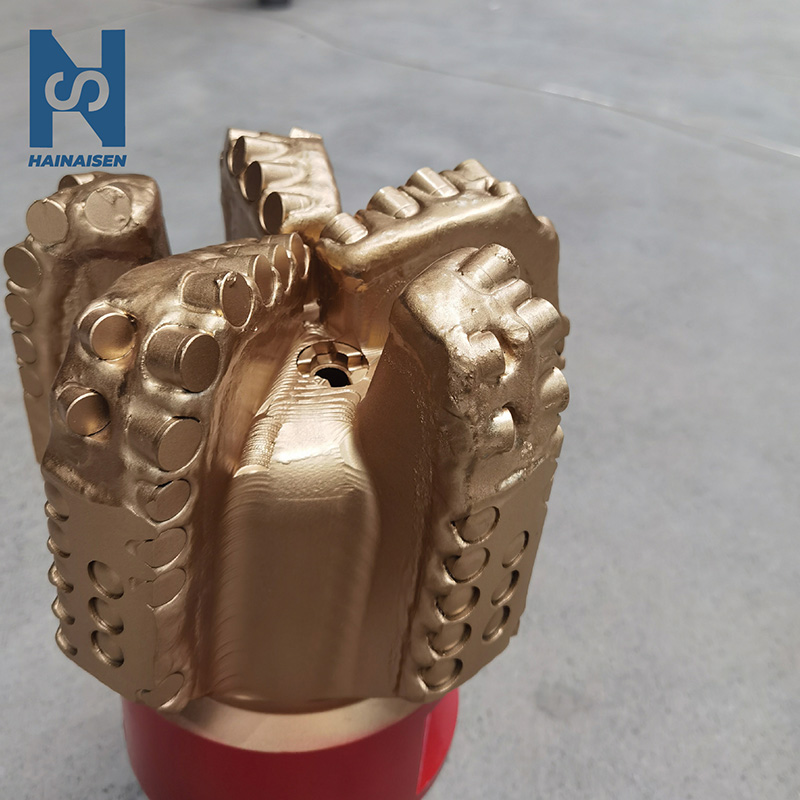 VIEW MOREFive Blade Wing Oil Drilling
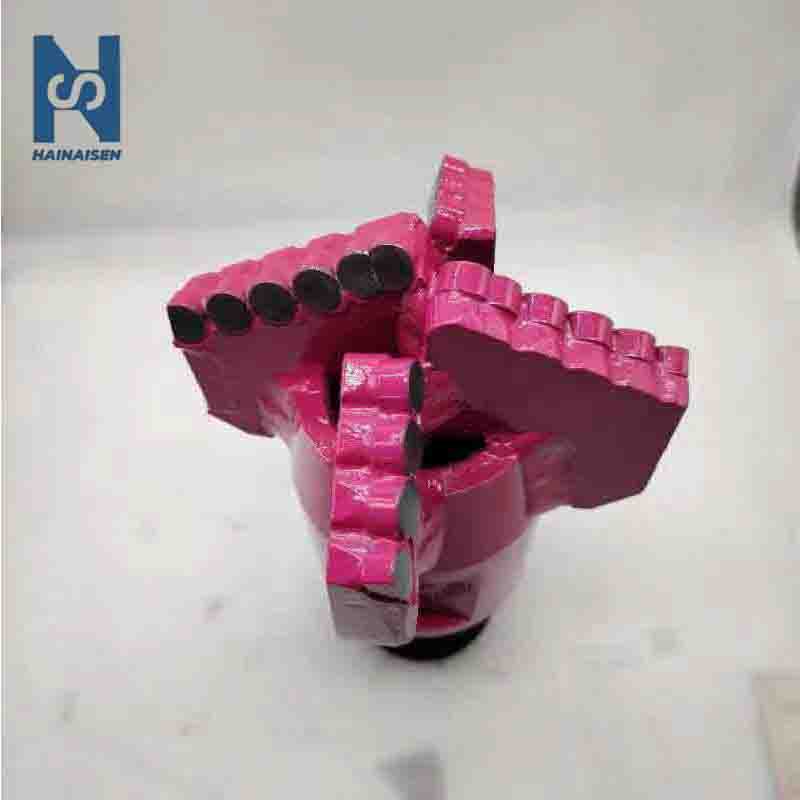 VIEW MOREAlloy Scraper Drill Bit For Water Well
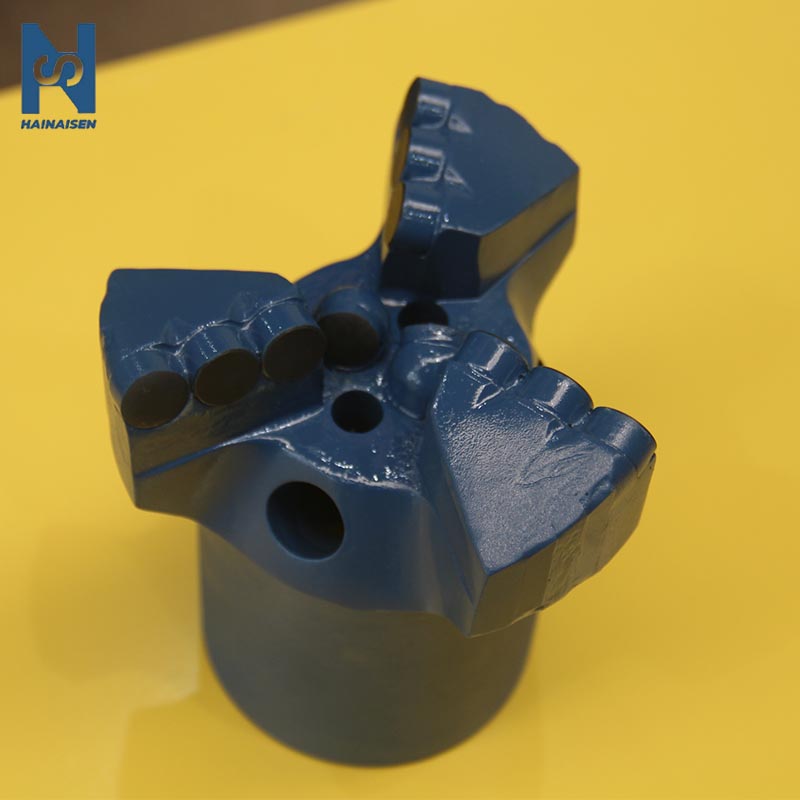 VIEW MOREPolycrystalline Diamond Drill Bits
logo 1_1768274683075.jpg) VIEW MORECoal Mine Drilling Opening And Closing Drill Bit
VIEW MORECoal Mine Drilling Opening And Closing Drill Bit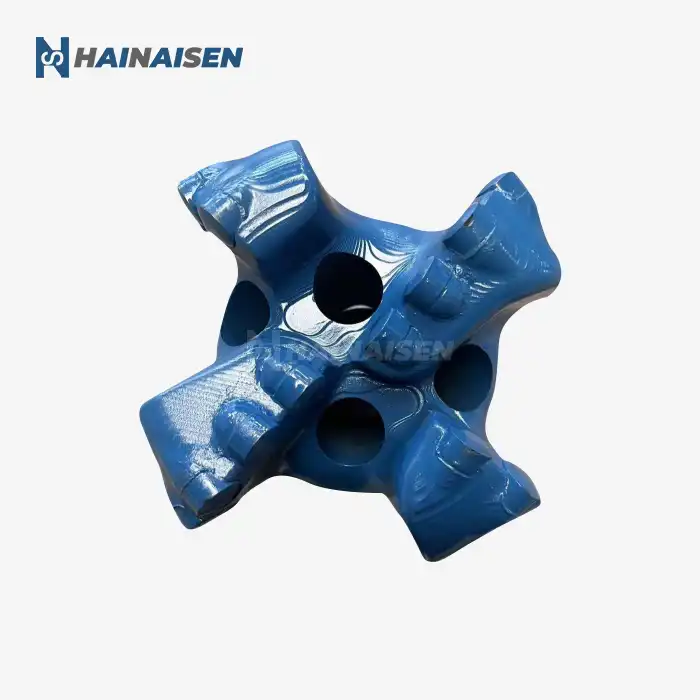 VIEW MORESteel Body PDC Bit 4 Blades