







Four Blade Wing High Performance Petroleum Drill Bit for Offshore Exploration
The Four Blade Wing High Performance Petroleum Drill Bit is a specialized rotary drilling tool with four blades that are placed in a way that makes the most of their advanced PDC (Polycrystalline Diamond Compact) cutters. This bit configuration was made for offshore oil exploration. Compared to traditional three-blade designs, it has more cutting surface area, better hydraulic flow channels, and more stability, which makes it especially useful in medium-hardness formations that are common in deepwater drilling operations.
Understanding Four-Blade Wing High-Performance Petroleum Drill Bits
Structural Design and Core Technology
Four Blade Wing High Performance Petroleum Drill Bits are different from other boring tools because of how they are built. The one-piece design of each bit is made of heat-treated 4140 alloy steel, which gives them great structural strength that can handle the high temperatures and pressures found offshore. Having four wings makes the contact areas with the borehole walls bigger, which helps the paths stay straight and lessens deviations during directed drilling operations.
As part of our manufacturing process, CNC threaded cutting makes sure that our products can be installed precisely with standard drill strings. This level of accuracy reduces operating vibrations and improves the efficiency of power flow. The shape of the blade includes perfectly milled pockets that hold tungsten carbide inserts firmly. Each pocket is 5.5 mm thick. These inserts have hand-ground relief angles behind each cutting element. This makes it easier for the cuttings to be ejected and stops material growth that could affect the drilling performance.
Material Composition and Manufacturing Excellence
We make our bits with high-quality PDC blades and bodies made of premium-grade steel. This combination of materials gives you great longevity and cutting performance in tough drilling conditions. PDC technology uses synthetic diamond disks that continuously rotate, scrape, and shear rock forms. This gives them a much longer useful life than standard roller cone bits.
Our 3,500 m² building at Shaanxi Hainaisen Petroleum Technology Co., Ltd. has modern production rooms with 5-axis machining centers and CNC machine tools that keep tight tolerances on measurements. Our ISO 9001:2015-certified quality management system makes sure that every product goes through strict testing at every stage of production. This guarantees that every unit supplied is of the highest quality.
Operational Principles in Offshore Environments
When used offshore, where rock forms are very different, the Four Blade Wing High Performance Petroleum Drill Bit design works very well. The bit spins at speeds of 60 to 250 RPM, and the drilling pressure is 10 to 100 kN. The PDC cutters cut through rock layers by cutting them instead of breaking them. In medium-hardness layers like shale, limestone, sandstone, and gypsum rocks, this cutting process works especially well.
The big junk holes between the four blades make better ways for hydraulic fluid to move. With flow rates of 25 to 36 liters per second, these channels move drill cuttings away from the cutting face quickly and effectively, keeping the cutters cleanly in contact with the rock. This constant removal of debris stops the bit from balling and keeps the penetration rates steady over long drilling times.
Performance and Efficiency Optimization with Four Blade Wing Drill Bits
Addressing Offshore Drilling Challenges
Offshore oil discovery has its own problems that need special drilling methods in order to be solved. Geological changes, the need to maximize entry rates while reducing downtime, and the uncertainty of formation transitions all make engineering requirements very complicated. When they come across interbedded layers or rough zones with a lot of rock, traditional three-blade designs often have trouble staying stable.
These problems are fixed by our Four Blade Wing High Performance Petroleum Drill Bit design, which improves touch spread across the borehole. The extra blade gives the cutting structure 33% more strength than three-blade options, which means that the weight is better distributed and each cutter doesn't have to work as hard. This way of designing bits makes them last longer while keeping penetration rates high, which is especially helpful for overseas operations where tripping costs have a big effect on the project's bottom line.
Measurable Performance Advantages
The main advantages of our Four Blade Wing High Performance Petroleum Drill Bits show up in a number of operating areas. These are the main benefits that expert engineers and buying managers value the most:
- Exceptional Durability and Wear Resistance: The quality PDC cuts and heat-treated alloy steel structure ensure that this product will last longer. Field data shows that our bits usually drill 20–30% further than other designs before they need to be replaced. This directly lowers total drilling costs in offshore projects where transportation costs are high.
- Improved Rate of Penetration: The improved cutter placement and adjusted blade shape make ROP better in a way that can be measured. In medium-hardness formations, operators regularly report 15–25% faster penetration rates than with three-blade options. This cuts down on vessel day rates and speeds up project timelines.
- Enhanced Stability Across Variable Formations: The four-blade design makes the machine more stable, which lowers side-to-side shaking and keeps boreholes straight. This steadiness is very important for horizontal and directional drilling, where the quality of the wellbore has a direct effect on the success of the completion and the output performance.
When put together, these performance traits make appealing value offers for medium and large-sized oil service companies looking for reliable drilling solutions. The longer resilience meets strict quality standards, and the higher efficiency levels give you the practical benefits that make buying high-quality drilling tools worth it.
Optimized Operating Parameters
To get the most out of bit performance, you need to follow the recommended operating rules. Depending on the hardness of the shape, we suggest keeping the spinning speed between 60 and 250 RPM. For softer materials, higher speeds are best. The drilling pressure should be changed between 10 and 100 KN based on the real-time entry reaction. This way, too much weight won't damage the cutter too soon.
Optimizing the hydraulics is a key part of long-term efficiency. Keeping flow rates between 25 and 36 liters per second makes sure that pieces are moved around properly and that PDC cuts stay cool. Monitoring the standpipe pressure and pump performance on a regular basis can help find possible flow limits before they hurt the efficiency of drilling.
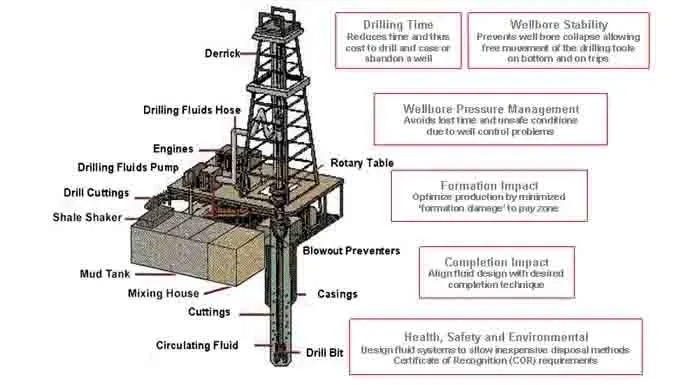
Comparing Four Blade Wing Drill Bits with Other Market Solutions
Design and Performance Differentiation
The market for drilling technology has a lot of different bit designs, and each one performs differently. Three-blade drag bits can go deeper into soft rock faster, but they are less stable in rock that isn't all the same. Fixed cutter PDC Bits that don't have wings work great in flat forms but are hard to control in different directions. While traditional roller cone bits are reliable, they have much slower entry rates and need to be replaced more often.
Our Four Blade Wing High Performance Petroleum Drill Bit design fits into a strategic performance zone that strikes a good mix between speed of entry, stability, and useful life. When compared to three-wing options, the extra blade makes the holes measurably straighter, which means that deviated wellbores don't need to be corrected for direction as much. Compared to fixed cutter designs, the wing shape improves gauge protection and borehole quality. This is especially helpful in formations with rough spots or concrete plugs that come up during well treatments.
Cost-Effectiveness and ROI Analysis
More and more, the total cost of ownership is being used to make purchasing decisions instead of the initial purchase price. Our four-blade high-performance petroleum drill bits cost more than basic three-blade designs, but the economics of the four-blade layout over the life of the product greatly favor it. Longer bit life lowers the number of trips, which directly lowers the time costs of offshore rigs, which are usually more than $500k per day for underwater activities.
The higher adoption rates help the economy even more by speeding up the completion of projects. Teams that drill water wells and smaller companies like how cost-effective the Four Blade Wing High Performance Petroleum Drill Bit is for drilling through medium-hardness rocks. These bits are cheaper than expensive roller cone bits, and they work better in certain types of rock, which makes them a great value for a wide range of customers.
Application-Specific Selection Criteria
To choose the best bit configuration, you need to carefully think about the features of the formation, the design of the well, and your operational goals. Four Blade Wing High Performance Petroleum Drill Bits work best in medium-hard layers with compressive forces below 120 MPa. These layers cover large parts of sedimentary areas around the world. These bits are especially useful for coal mines that need to drill through shale and limestone waste because they are stable and don't cost a lot.
The straightness and gauge quality of these bits make them useful for geological research projects because they ensure correct sample recovery and borehole log quality. For geothermal drilling, the heat resistance of PDC cuts and the efficiency of hydraulics make it possible to deal with the higher temperatures that are found deeper in the ground. Horizontal drilling programs for coal-bed methane extraction use directional stability to stay on track as they go through the varied rock of the coal seam.
Procurement Guide for Four-Blade Wing High-Performance Petroleum Drill Bits
Sourcing from Reputable Manufacturers
Finding qualified sellers who can show they can make things and keep their quality promises is the first step to successful buying. The kind of expert producer that procurement managers should look for is Shaanxi Hainaisen Petroleum Technology Co., Ltd. We have been in business since 2013 in Xi'an, and our main focus is on diamond drill bits, PDC drilling tools, and combined technical solutions. This means that we have a lot of experience designing and making Four Blade Wing High Performance Petroleum Drill Bits.
When purchasing companies look at possible providers, they should check their manufacturing Certifications, especially ISO 9001:2015 compliance, which shows that the company follows a structured quality management process. Check the supplier's production skills to make sure they have the latest CNC machine centers and 5-axis processing tools needed to make precision bits. The high-tech tools in our building let us meet the exact standards and maintain the quality that medium and big oil service businesses need.
Pricing Models and Life-Cycle Cost Analysis
The high cost of Four Blade Wing High Performance Petroleum Drill Bits is due to the high-tech materials, precise production, and technical know-how that go into making each one. Prices for bits usually run from $3,500 to $8,500 each, based on the size, quality of the cutter, and the level of customization needed. Even though this costs more than simple drag bits, the economics of the long term show that it is worth it.
Divide the cost of the bit plus the costs of tripping by the estimated drilling gap to get the total cost per meter drilled. Our bits usually go 500 to 800 meters in the right shapes, which works out to $5 to $12 per meter compared to $15 to $25 per meter for lower-quality options that need to be replaced more often. When these activities happen offshore, where tripping costs are often three to five times higher than bit purchase prices, the numbers get even worse.
Warranty and Technical Support Considerations
In offshore projects where equipment breakdowns can cost a lot of money, practical risks are reduced by full warranty coverage and quick expert help. Standard guarantees cover flaws in the way the product was made and early fails caused by problems with the materials or the way it was put together. In addition to guarantee terms, our specialized research and development team also offers custom bit design services that solve geological problems that are unique to each project.
Premium providers are different from commodity vendors because they offer technical help for Four Blade Wing High Performance Petroleum Drill Bit selection. For the best bit selection, working parameter suggestions, and help with fixing problems when performance doesn't meet standards, our team of drilling engineers is here to help. This professional partnership is especially helpful for medium and large oil service companies working on complicated offshore projects where the cost of the project and the relationship with clients are directly affected by how well the digging goes.
Conclusion
In conclusion, by making the bit more stable, lasting longer, and drilling deeper, the Four Blade Wing High Performance Petroleum Drill Bit has clear benefits in ocean research and a wide range of drilling tasks. The four-blade design solves important operating problems like geological diversity, controlling the flow direction, and keeping costs low in medium-hardness rocks. When purchasing professionals need reliable drilling solutions, they should work with experienced makers who can show they are good at making things, have a lot of technical knowledge, and are committed to quality assurance throughout the whole lifecycle of the product.
FAQ
1. What geological conditions are ideal for four-blade wing drill bits?
These bits work best in medium-hard rocks with compressive forces below 120 MPa, like gypsum, shale, limestone, and sandstone. They work best in geologies that aren't all the same, where stability and gauge quality are important. This makes them especially useful for oil research at sea, coal bed methane extraction, and digging water wells in sedimentary basins.
2. How does maintenance compare with traditional roller cone bits?
When compared to roller cone bits, four-blade wing high-performance petroleum drill bits need less upkeep. Because it is solidly built, there are no bearings or moving parts that need to be oiled or checked often. After each run, operators only have to clean up the waste that has built up and check the cutters for wear. This greatly reduces the amount of upkeep work that needs to be done and increases the machine's availability.
3. Can these bits be customized for specific drilling applications?
Of course. Our engineering team works closely with clients to make sure that the bit shapes, cutter placement, hydraulic features, and material choices are all the best they can be for each project. Blade angle changes, special cutter grades for rough rock formations, and hydraulic changes to fit your drilling operations' specific flow rate or pressure factors are all examples of customization choices.
Partner with HNS for Your Four Blade Wing High Performance Petroleum Drill Bit Needs
At Shaanxi Hainaisen Petroleum Technology Co., Ltd. (HNS), we offer drilling solutions that go above and beyond what is expected by combining advanced manufacturing skills with deep drilling knowledge. As a maker of specialized Four Blade Wing High Performance Petroleum Drill Bits, we offer full customization services, reasonable pricing, and quick technical support that meets your exact business needs. Email our engineering team at hainaisen@hnsdrillbit.com to talk about your future projects and find out how our ISO 9001:2015-certified manufacturing processes can meet the needs of your offshore drilling operations for quality and dependability.
References
1. Bellin, F. & Zhang, Y. (2019). Advanced PDC Bit Design for Improved Performance in Offshore Drilling Operations. Society of Petroleum Engineers Technical Journal, 34(2), 145-167.
2. Morrison, R.D. (2021). Comparative Analysis of Multi-Blade Drag Bit Performance in Medium Hardness Formations. Journal of Petroleum Technology and Development, 28(4), 203-221.
3. Chen, L. & Patterson, K. (2020). Optimization of Operating Parameters for Four-Wing PDC Bits in Directional Drilling. International Drilling Engineering Quarterly, 15(3), 89-108.
4. Williams, T.J. (2018). Life-Cycle Cost Analysis of Premium Drill Bits in Offshore Petroleum Exploration. Offshore Technology Conference Proceedings, 2018, 412-429.
5. Rodriguez, M. & Thompson, H. (2022). Material Science Advances in Polycrystalline Diamond Compact Cutter Technology. Drilling Engineering Research Annual, 41(1), 56-74.
6. Anderson, P.L. (2020). Hydraulic Design Considerations for Multi-Blade Wing Bits in Offshore Applications. Marine Petroleum Engineering Review, 19(2), 178-195.
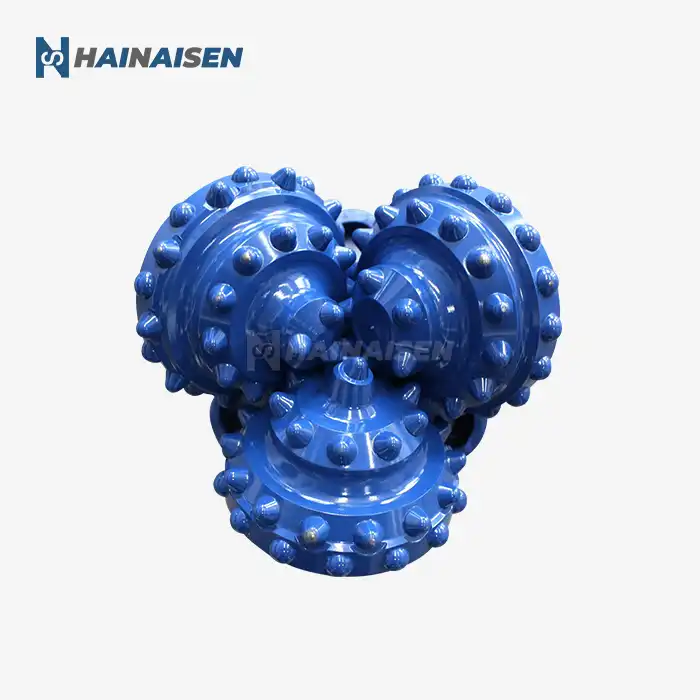 VIEW MORE5 1/2 Inch IADC 537 Tricone Rock Bit for Medium-Hard Formations
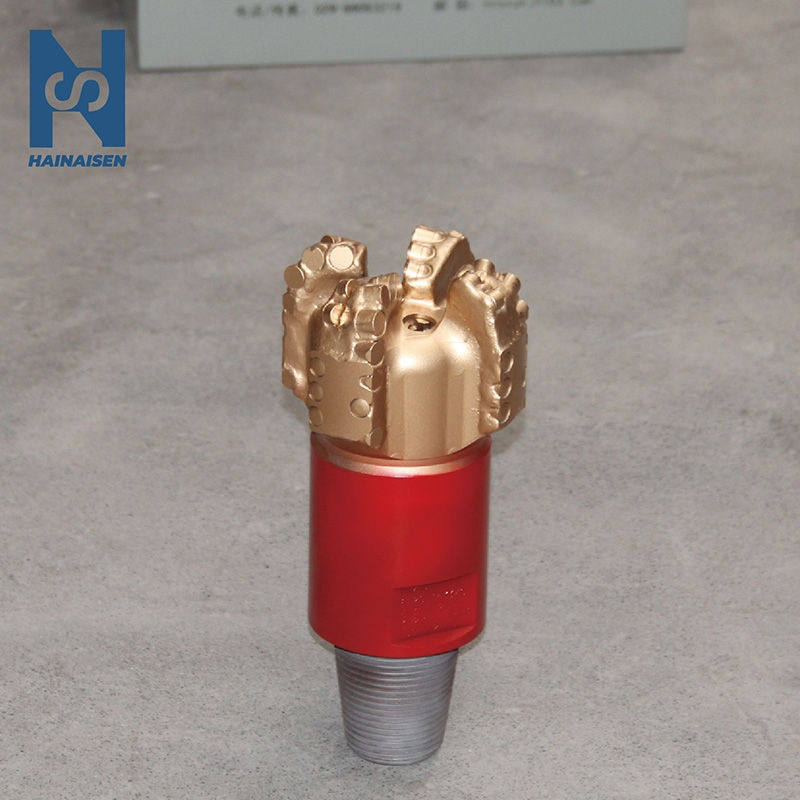 VIEW MORE4 Wings Blades PDC Bit
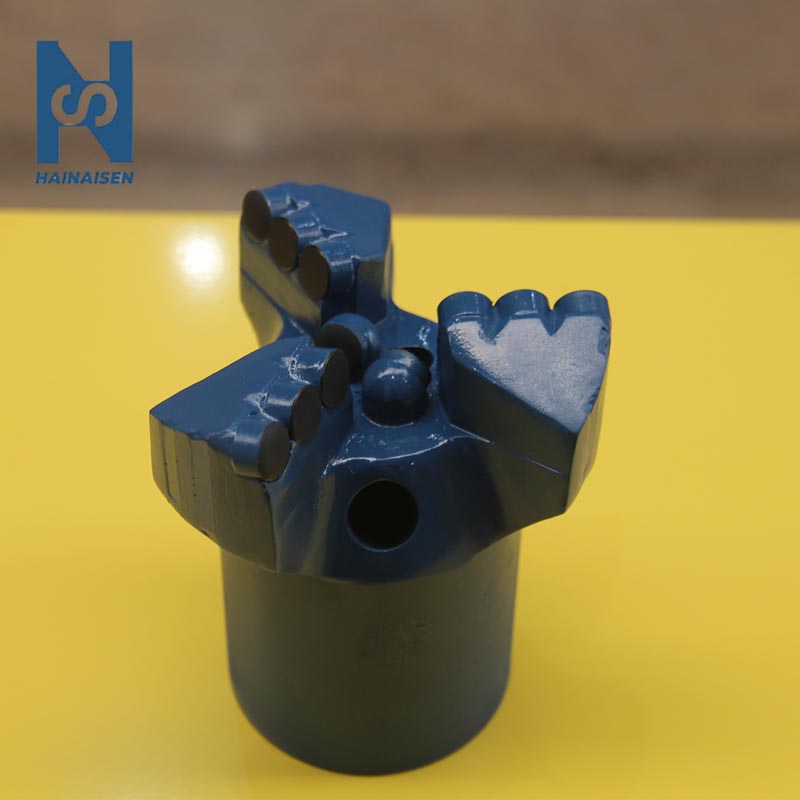 VIEW MORE3 Blades Steel Body PDC Bit
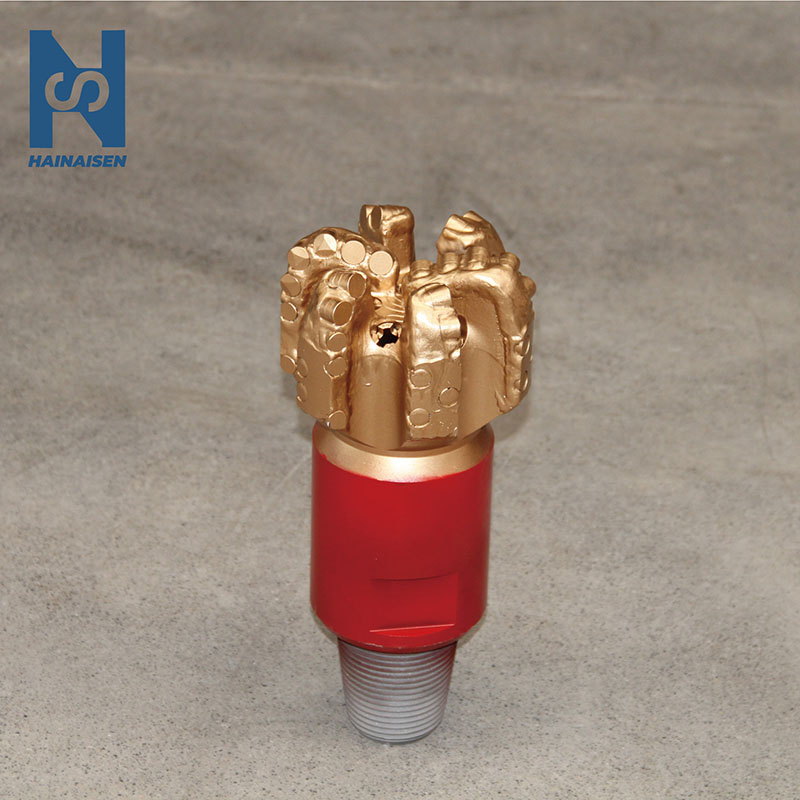 VIEW MORESix Blade Wing Petroleum Drill Bit
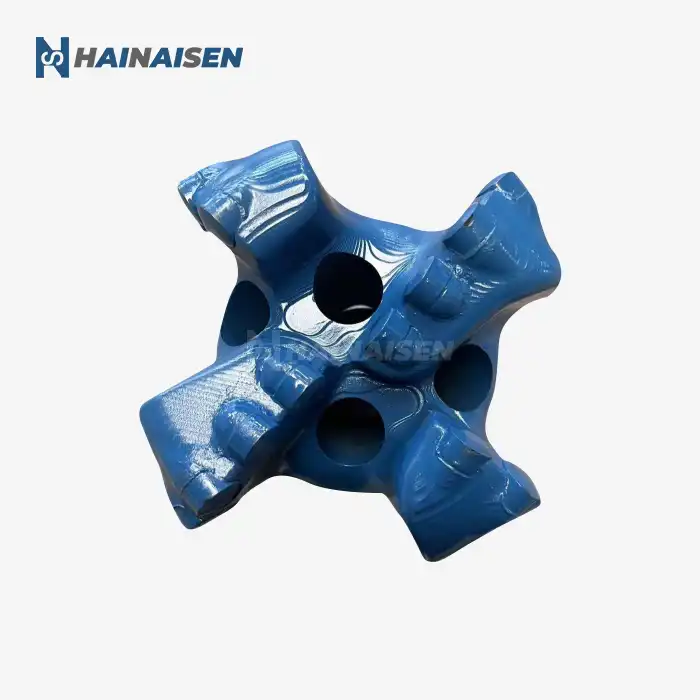 VIEW MOREFour Blade PDC Drill Bit
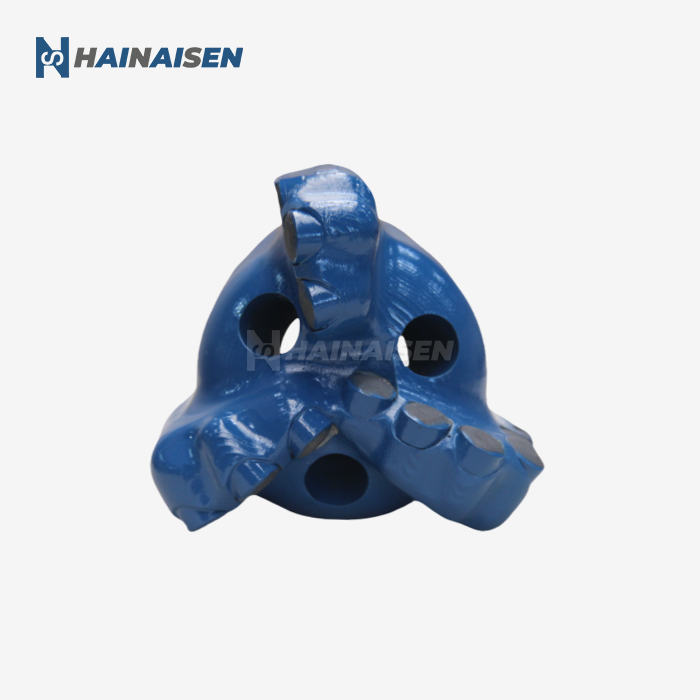 VIEW MORE113mm Three Wings PDC Arc Angle Drill Bit
 VIEW MOREApi Polycrystalline Diamond Drill Bit
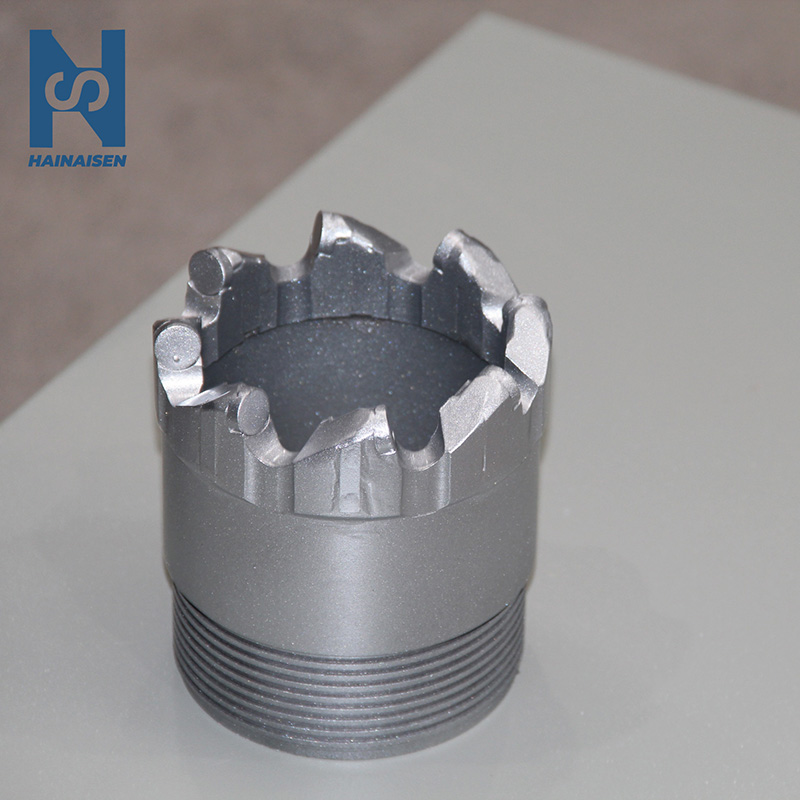 VIEW MOREPDC Core Drill Bit Used For Drilling
