







PDC Petroleum Drill Bit vs Tricone Bit Comparison Guide
If you want to know the difference between a PDC petroleum drill bit and a tricone bit, here it is: PDC Petroleum Drill Bits usually offer faster penetration, longer runs, and better efficiency in stable formations. On the other hand, tricone bits are still a good choice when rocks are mixed, rough, or less reliable. Buyers rarely pick a "better" bit, at least not in my experience. They pick the better bit based on the well plan, rock profile, price, and amount of risk. The most important design, performance, cost, upkeep, and buying factors are broken down in this guide. This helps purchasing managers and technical engineers make better choices.
Understanding PDC and Tricone Drill Bits
There are three main types of search purposes for this topic: learning the technical difference, comparing field performance, and finding a provider you can trust. That's why I'll keep this guide useful and focused on making choices.
What is a PDC drill bit?
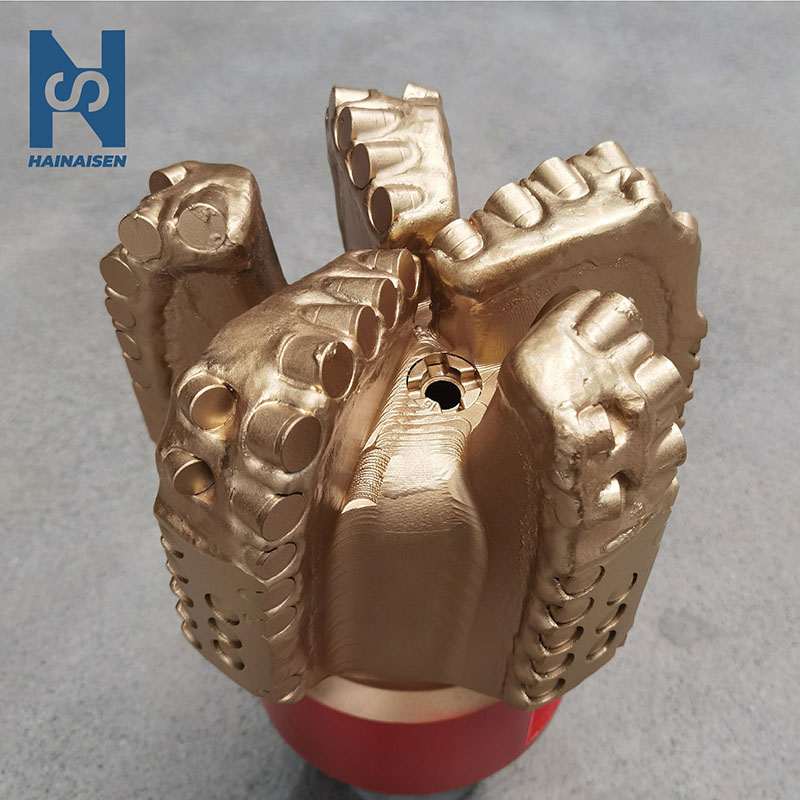
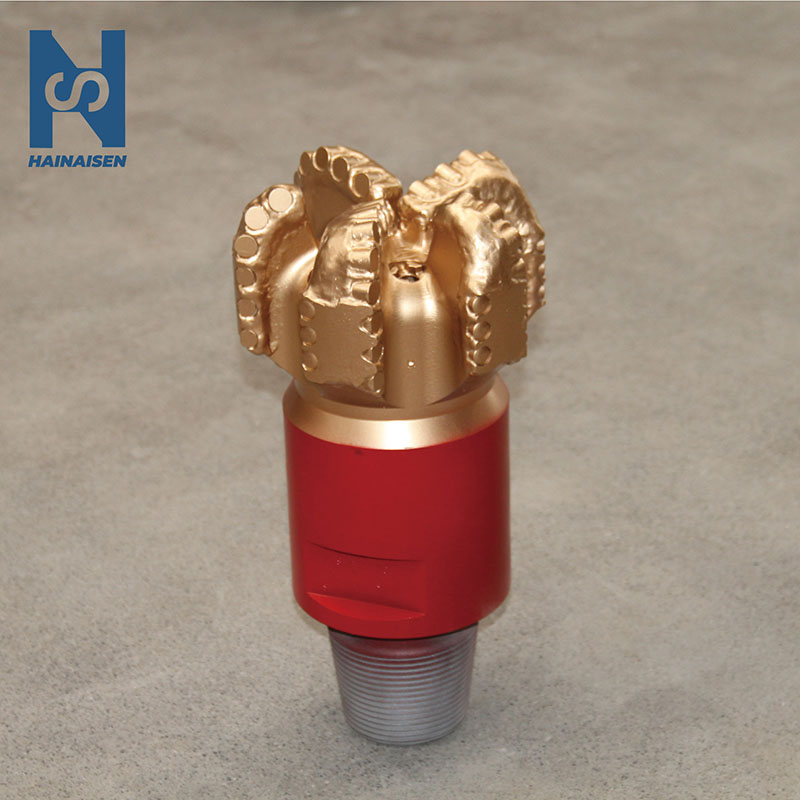
Fixed blades with polycrystalline diamond compact cuts are used in a PDC petroleum drill bit. This is because these tools split rock instead of crushing it. This is why PDC petroleum drill bits often get deeper in oil and gas drilling jobs. They are good for long gap drills where accuracy is important because of their cutting structure, thermal stability, and resistance to wear.
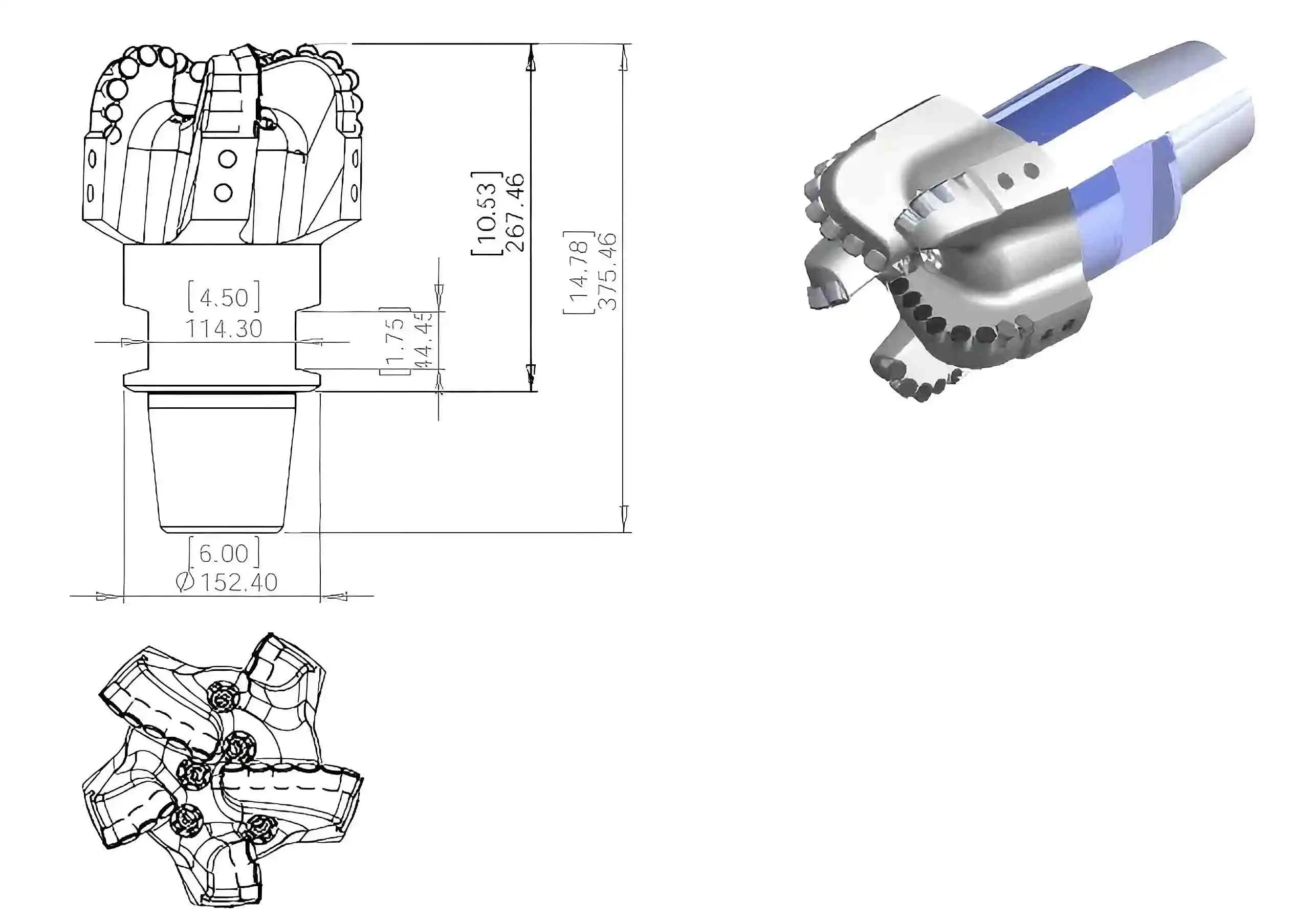
Our PDC Petroleum Drill Bit model has 75 PDC cutters, 5 blades, 7 nozzles, 13 mm/19 mm cutter sizes, and IADC code S123. The bit size is 9.5” (241.3 mm). The gauge length is 78 mm, the height is 460 mm, and the API connection is 6-5/8 REG. PIN, and the net weight is 65 KGS. These requirements help make sure that hydraulic cleaning works well, cutting stays steady, and gauge safety is reliable in oil drilling.
What is a tricone bit?
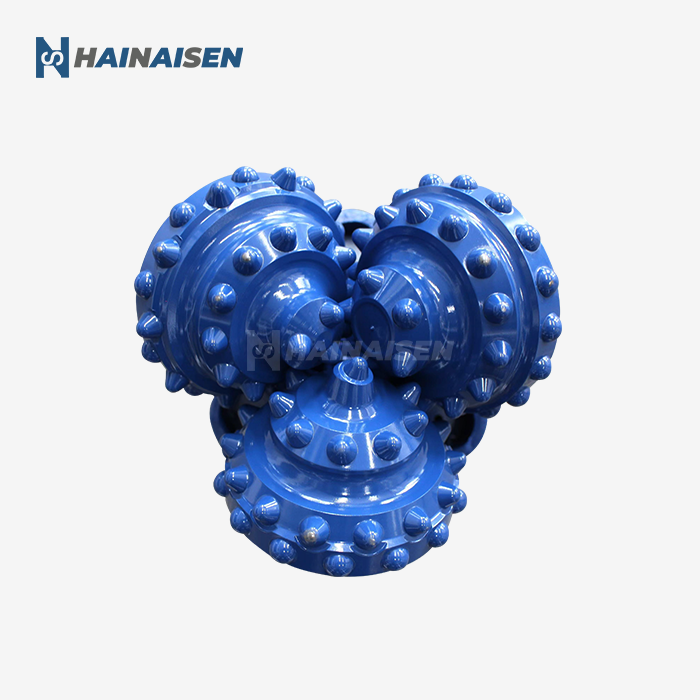
A tricone bit has three cones that rotate and have cut teeth or tungsten carbide pieces inside them. It doesn't cut rock as a PDC petroleum drill bit does; instead, as the cones roll, they break and chip the formation. This shape makes tricone bits very flexible in a wide range of different and interconnected arrangements. A lot of drilling teams still use them in wells with soft spots, broken formations, or where it's hard to tell when the formation will change.
Head-to-head design comparison
The main difference between the designs is the number of working parts. A PDC petroleum drill bit is a fixed-cutter bit that doesn't have any moving cones. This makes the downhole machinery simpler. A tricone bit has bearings, seals, and spinning cones. These parts affect how long it lasts, how to plan upkeep, and how likely it is to break.
These changes in form affect service life from the buyer's point of view:
- PDC petroleum drill bits often shine when drillers want to get more done with each bit, drill more smoothly, and make fewer trips. When rig time is expensive, and the behaviour of the group is pretty well known, their value becomes clearer. They can support better drilling performance and lower cost per metre in the right conditions thanks to their advanced technology, high resistance to wear, heat stability, and well-designed cutting structures. Having custom designs made is even more useful when the formation profile is complicated and regular shapes aren't enough.
- When there is a lot of natural doubt and crushing action works better on the rock than shearing action, tricone bits are flexible. They are still used a lot in research, mining, oil and gas drilling, and water well drilling because a lot of teams know how to run them well at different times. It is easy to see why they are useful when a project values flexibility and simple bit selection over maximum entry speed in a small formation window.
Performance Comparison: PDC Drill Bits vs Tricone Bits
Drilling speed and efficiency
Because their cuts keep cutting through rock, PDC petroleum drill bits generally drill faster than tricone bits in formations that are uniform and medium to hard. In unstable or broken rocks, tricone bits work better than rolling cones because they can better handle changing bedrock.
Many buying teams already know what that summary says: speed is only one part of success. If the faster bit goes out too quickly or has trouble at unstable times, it might not give you the best overall economics.
A lot of people know that PDC petroleum drill bits have strong ROP in shale, sandstone, limestone, and other rock types where the cutter contact stays stable. When vibration, pressure, or changing hardness make it hard for set cutters to work, tricone bits may be able to handle it better.
Formation adaptability and operational risk
It is important that the bit choice fits with both the structure and the list. A PDC petroleum drill bit approach usually makes a better case for return on investment (ROI) if your drilling programme includes long gaps where the properties of the formation are known. A tricone may lower the risk if the well goes through layers that have sharp changes in hardness, broken zones, or very rough surfaces.
Problems that often happen downhole include bit balling, cutter wear, bearing failure, cone damage, shaking, and hydraulics that don't work right. With the right upkeep and hydraulic design, many of these problems can be fixed before they cause costly downtime.
Maintenance strategies that reduce downtime
Field performance improves when teams manage bit life proactively. I suggest focusing on these operating habits:
- Inspect dull condition and wear patterns after every run with a structured reporting method. This gives engineers real data on cutter damage, chipped structure, gauge wear, cone wear, bearing problems, and how well the hydraulic cleaner works. That information helps the next part fit with what actually happened downhole instead of what was thought to happen. Over time, this cuts down on buying things by trial and error and makes planning for future wells more accurate.
- Optimise drilling parameters rather than pushing one bit design across every formation. What makes a bit last longer is its weight, its rotating speed, its torque reaction, and its flow rate. To keep cutters safe and cutting smooth, PDC petroleum drill bits need stable working windows. When bearing pressure and cone motion become important, tricone bits react in a different way. When teams tune parameters to the bit and the rock, they generally get better footage and less time spent doing nothing.
Selecting the Right Drill Bit for Your Petroleum Project
Match the bit to the well depth and formation complexity.
I look at the whole project's costs, not just the buy price, when I decide which bits to use. Deep wells, long laterals, and formations with a lot of moving parts usually need more technical help and a more unique tool design. That's where custom PDC petroleum drill bit solutions often make a difference that can be measured.
We made our PDC petroleum drill bit for drilling for coalbed methane, oil and gas research and production, geothermal wells, water wells, mining, and geological study projects. Its structure can be changed to fit different project-specific forms. This makes it easier to match the blade profile, cutter layout, and hydraulics.
Evaluate ROI, not only unit cost.
Even if a bit is cheaper, it may still cost more if it drills more slowly, breaks down early, or requires more trips. Usually, what procurement managers and technical experts want is the same thing: a lower cost per meter and more reliable performance.
Key buying metrics include the following:
- Rate of penetration: How deep the hole is
- Footage drilled per bit: Footage drilled for each bit
- Trip reduction potential: Possible trip reduction
- Stability and vibration behaviour: Stability and how vibrations behave
- Compatibility with planned formations: Fitting in with planned patterns
- Supplier engineering support and lead time: Lead time and tech help from the supplier
Source from certified, credible manufacturers.
Reliable supply matters just as much as design. Shaanxi Hainaisen Petroleum Technology Co., Ltd. was established in Xi'an in 2013. We specialise in the research and development, production, and sales of various diamond drill bits, PDC petroleum drill bits, and cutting tools, while also providing integrated technical solutions. Our products serve oil and gas extraction, coal mining, geological and hydrological surveying, and engineering machinery.
Our 3,500 m² facility includes modern production workshops and advanced equipment such as 5-axis machining centres, CNC machine tools, welding production lines, and PDC petroleum drill bits. We also maintain a dedicated R&D team and custom bit design department to meet different structural drill bit requirements. For B2B buyers, this supports consistency, traceability, and custom engineering confidence.
Procurement and Cost Insights for PDC and Tricone Bits
What affects pricing?
The price of PDC petroleum drill bits and tricone bits changes based on their size, material, cutter grade, bearing design, use, and level of personalisation. PDC petroleum drill bits usually cost more at first, especially when they have more complicated cutters and blade shapes that are specifically made for them. At the unit level, tricone bits may look like they are cheaper, but the total cost of drilling relies on how many bits are used, how bad the well is, and how much time is saved on the rig.
Bulk purchasing can improve pricing stability, especially for recurring drilling campaigns. Custom orders may take longer, yet they often produce stronger lifecycle value when formation demands are clear.
How to choose a trustworthy supplier?
A strong supplier should offer more than a quote sheet. Buyers should ask about field history, manufacturing capability, quality process, application support, and customisation options. That helps separate general trading from real drilling-tool expertise.
At HNS, our PDC petroleum drill bits combine the following:
- Advanced polycrystalline diamond compact technology: New technique for polycrystalline diamond compacts
- Exceptional wear resistance and thermal stability: Very good resistance to wear and temperature stability
- Optimised cutting structure for improved drilling efficiency: Better boring performance thanks to an optimised cutting structure
- Customisable designs for specific formation requirements: Designs that can be changed to fit the needs of each group
- Extensive R&D and field-proven results: In-depth research and testing in the field
- Compliance with industry safety standards: Following the safety rules for the industry
This is not about pushing one bit into every job. It is about building the right solution for the actual drilling challenge.
Maintenance and Optimisation to Maximise Drill Bit Life
Routine care and storage
Take care of the PDC petroleum drill bit before it gets to the hole. Clean nozzles, inspect cutters or cones, protect threads, and store bits in dry, secure conditions. Transport damage and poor storage can shorten service life before drilling begins.
Optimisation techniques for longer bit runs
Better bit life usually comes from a combination of proper hydraulics, stable drilling parameters, and disciplined drill grading. In PDC petroleum drill bit applications, vibration control is especially important because impact loading can chip cutters and reduce efficiency. In tricone applications, bearing condition and seal integrity need close attention.
Emerging technology trends
The market continues to move toward more advanced cutter materials, improved thermal stability, better CFD-informed hydraulic design, and more customised bit profiles, such as those seen in PDC Petroleum Drill Bits. These developments matter because they support lower total drilling costs, not just higher technical performance on paper. Buyers who partner with an engineering-driven Manufacturer are often in a better position to benefit from these design improvements.
Conclusion
Choosing between a PDC petroleum drill bit and a tricone bit comes down to formation behaviour, drilling goals, and total well economics. PDC petroleum drill bits often deliver faster penetration, longer runs, and stronger ROI in stable formations, while tricone bits remain valuable in mixed or unpredictable geology. I believe the best buying decision happens when technical fit, supplier capability, and lifecycle cost are evaluated together. If your project needs reliable performance, custom engineering, and dependable support, a well-designed PDC solution can create a clear advantage.
FAQ
1. How long does a PDC drill bit last compared with a tricone bit?
Because it doesn't have any moving cones or bearings, a PDC petroleum drill bit usually lasts longer in the right formation. Actual life depends on rock type, drilling parameters, vibration, and hydraulics. In mixed or highly abrasive conditions, a tricone may still be the better operational fit.
2. Which bit is better for hard rock drilling?
A PDC petroleum drill bit often performs very well in medium-hard to hard formations when the formation is consistent enough for efficient shearing action. Tricone bits can be useful in hard and broken formations where impact resistance and adaptability are more important than maximum penetration rate.
3. Can I order a custom PDC petroleum drill bit?
Yes. Custom PDC Petroleum Drill Bit manufacturing is often the best option when well depth, formation complexity, or drilling objectives require specific blade geometry, cutter layout, nozzle design, or gauge protection. HNS supports custom design through its dedicated R&D team.
Partner with HNS for Superior PDC Petroleum Drill Bit Solutions
HNS is a trusted PDC Petroleum Drill Bit manufacturer and supplier ready to support your drilling project with custom-engineered solutions and competitive quotations. If you need a PDC Petroleum Drill Bit for sale or want technical advice on bit selection, contact our team at hainaisen@hnsdrillbit.com. I’d encourage you to reach out now and discuss your formation, well plan, and procurement goals.
References
1. SPE Drilling Engineering, Society of Petroleum Engineers
2. Bourgoyne, Millheim, Chenevert, and Young, Applied Drilling Engineering
3. Rabia, H., Oilwell Drilling Engineering: Principles and Practice
4. API Specification 7-1, American Petroleum Institute
5. ASME Journal of Energy Resources Technology
6. World Oil Magazine, drilling technology and bit performance coverage
 VIEW MOREPDC Diamond Bit
 VIEW MOREHard Alloy Roller Drill Bit
 VIEW MOREFive Wing PDC Bit For Hard Rock Drilling
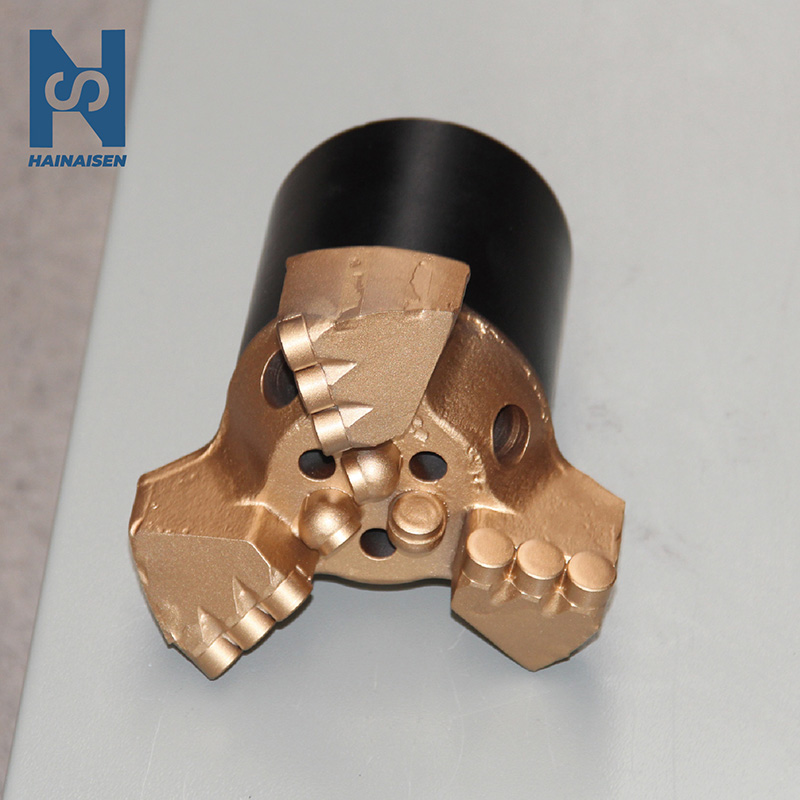 VIEW MOREThree Blade Concave Drill Bit Api For Manganese Coal Mines
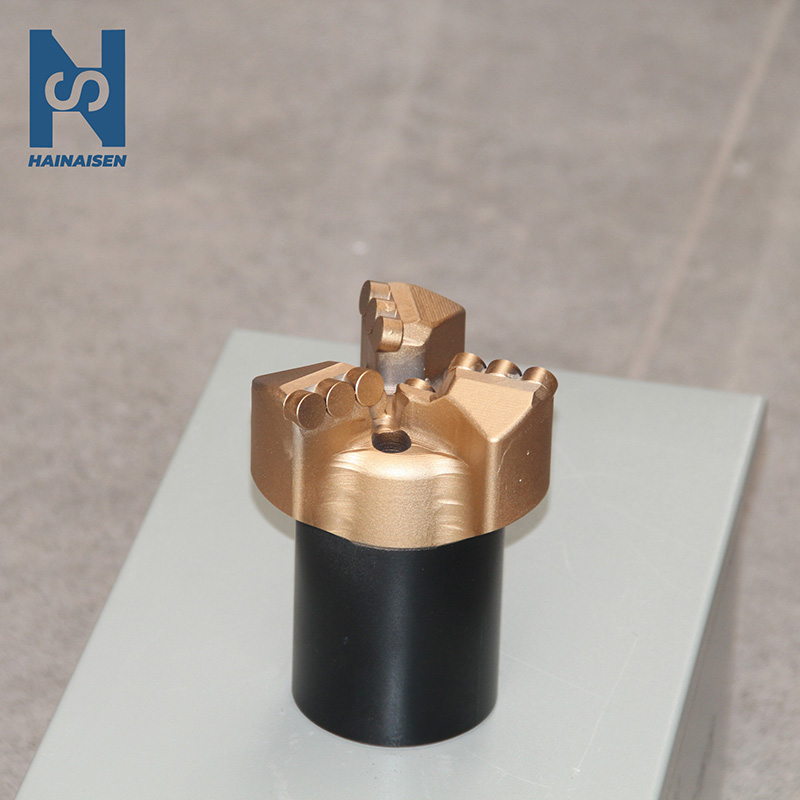 VIEW MOREThree Blades Steel Body PDC Bit
 VIEW MOREApi Polycrystalline Diamond Drill Bit
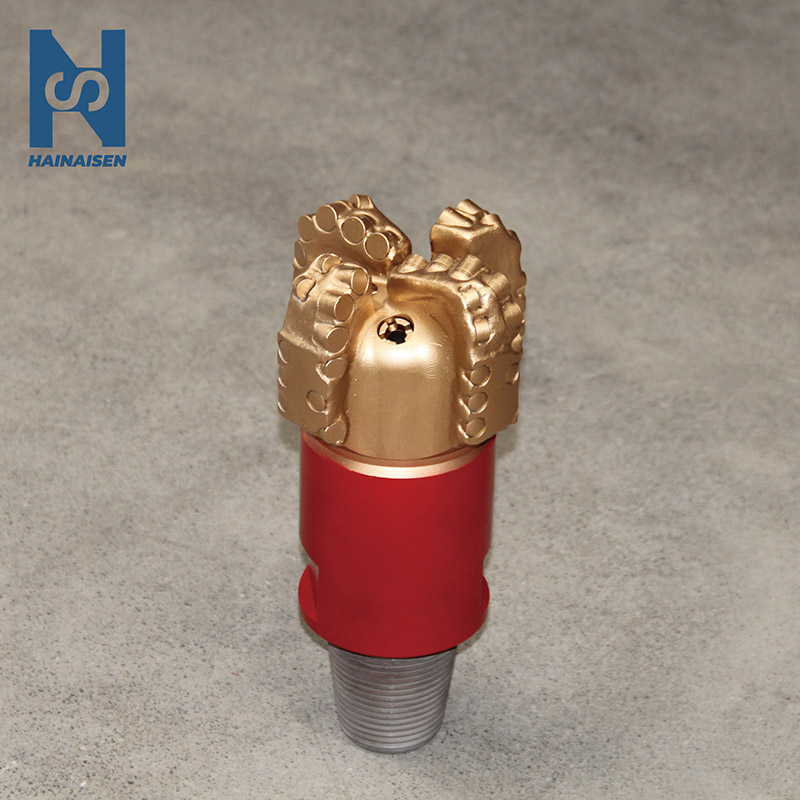 VIEW MOREHigh Quality PDC Drill Bits
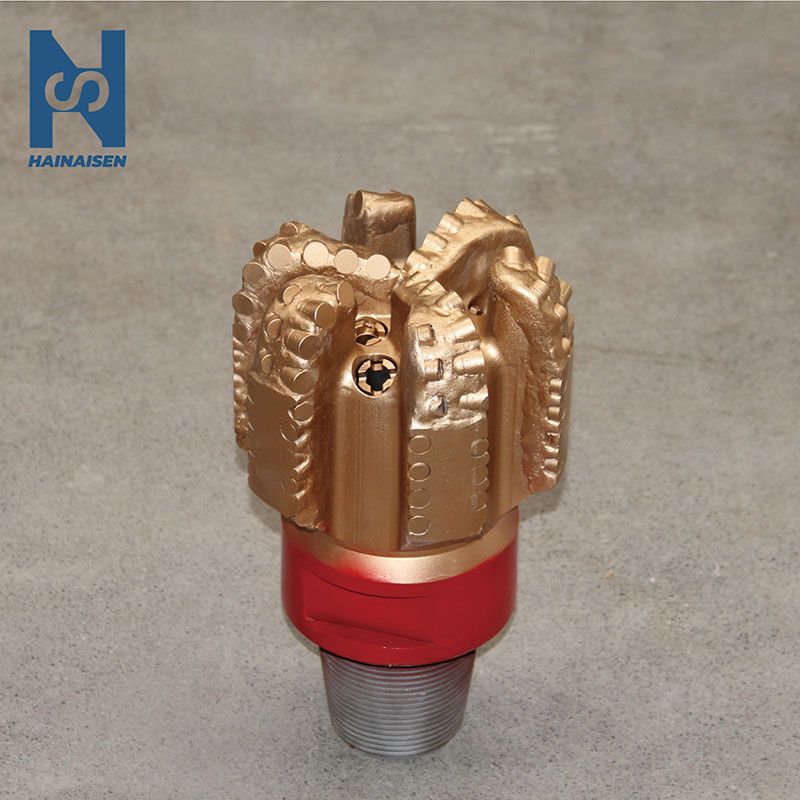 VIEW MORE6-Blade PDC Drill Bit
