How to detect wear in hard alloy scraper drill bit?
March 2, 2026
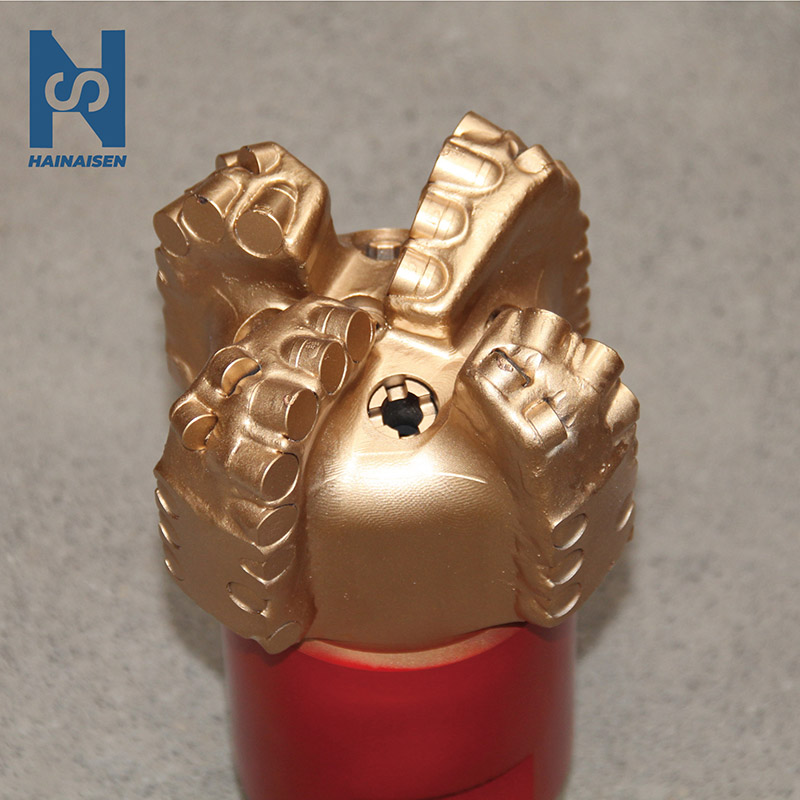
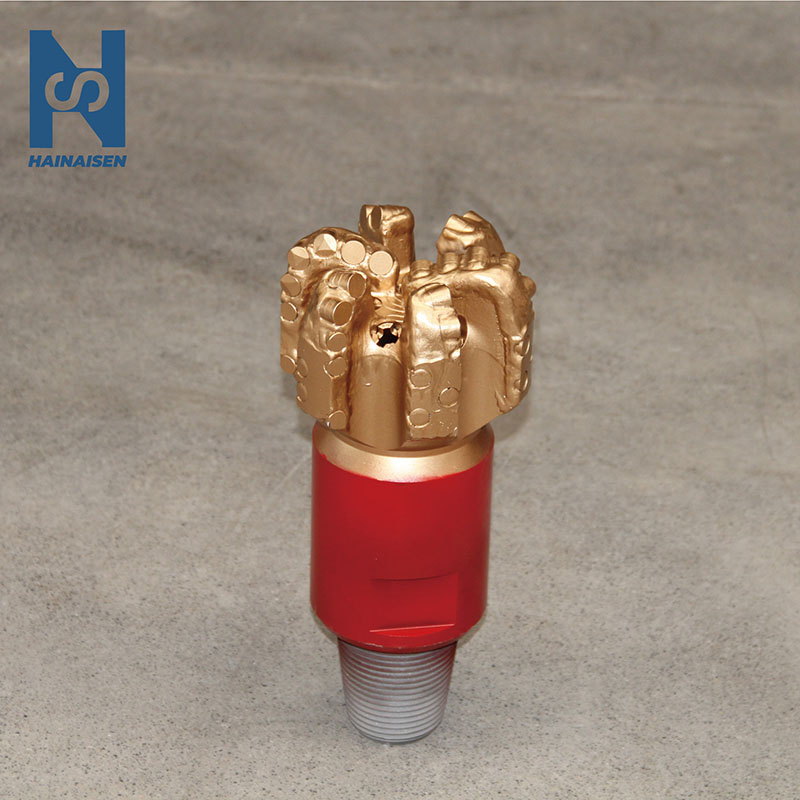
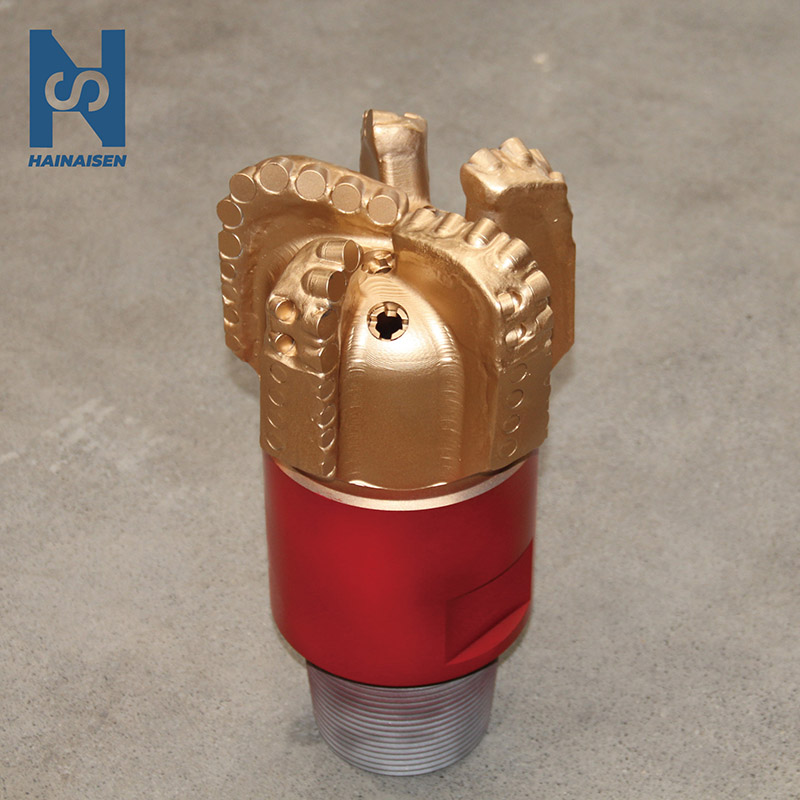
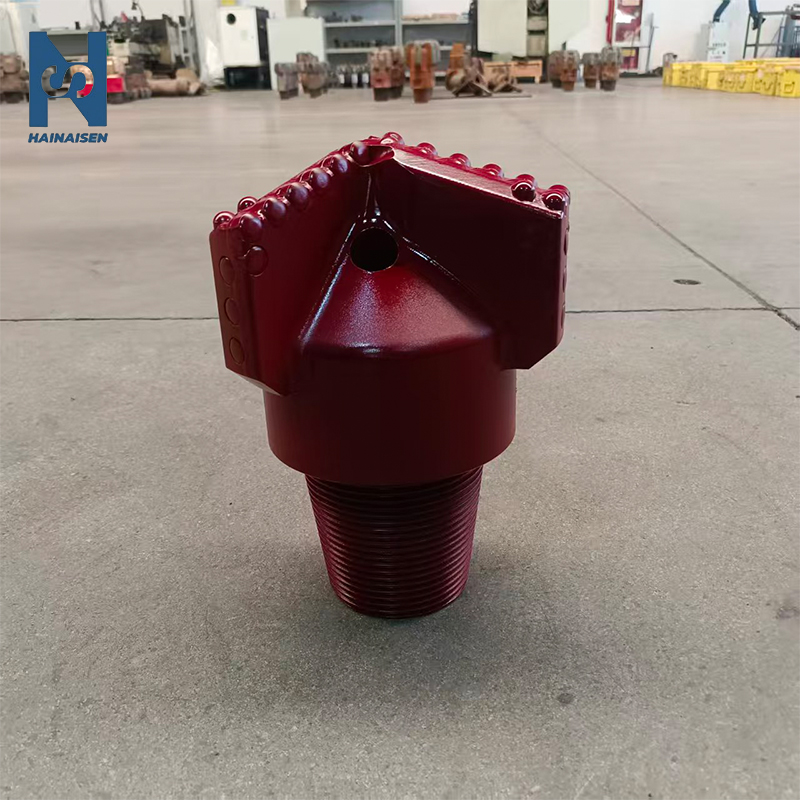
Finding wear in ahard alloy scraper drill bit is important for keeping the drilling going well and avoiding expensive equipment breakdowns. These special bits are used a lot in coal mines, oil and gas research, and other industry settings because they last a long time and work well. But even the strongest bits break down over time due to normal use. This piece will talk about good ways to find wear in hard alloy scraper drill bits so that you can make them last as long as possible and keep them working at their best. To find out if hard metal scraper drill bits are worn, workers should use a mix of eye inspection, exact measurement methods, and advanced vibration analysis. By checking the bit's cutting structure, tracking changes in size, and keeping an eye on operating noises on a regular basis, drilling teams can spot early signs of wear and decide whether to replace or maintain the bit. This proactive method not only makes the drill bit last longer but also improves drilling performance, cuts down on downtime, and makes the whole process more efficient.
Visual Signs of Carbide Bit Degradation
A visual check is often the first thing that is done to find wear on hard metal scraper drill bits. By carefully looking at the bit's cutting structure and surface, operators can spot a number of signs that it is wearing down:
Dull or Rounded Cutting Edges
One clear sign of wear is that the bit's cutting edges are becoming dull or rounded. As the bit is used, the carbide inserts' sharp tips gradually lose their sharpness, making them less effective at cutting through rock. This dulling effect is most visible on the bit's ends, which are in direct touch with the hollow wall the most.
Chipping and Fracturing
Check the carbide plates for signs of cracks or chips. These problems can happen when hard rock formations are hit or when digging activities put too much stress on the rock. Cracks or chips that start small can quickly spread and cause more serious damage or even the loss of an insert.
Wear Flats
Keep an eye out for wear flats to form on the carbide plates. As the inserts wear down from constant touch with the rock, these flat spots appear where the inserts used to have sharp or pointed edges. Long-lasting wear flats can make the bit much less effective at cutting and penetrating.
Matrix Erosion
Look for signs of wear on the bit body or matrix. Over time, the core material that surrounds the carbide pieces can wear away, especially in rough forms. This erosion can cause the insert to come loose and weaken the bit's structure.
Nozzle Wear
Don't forget to check the tips of the bit for damage. The bit's hydraulic performance can be affected by worn or eroded valves, making it less able to clear cuttings and cool the cutting structure properly.
Visual checks done on a regular basis help drilling teams see how the wear is progressing on the hard alloy scraper drill bit and decide when to move or replace the bit. However, an eye check might not show all aspects of bit wear, so more accurate measuring methods are needed. A thorough study of their performance shows that flat-top and curved PDC drill bits are very different in many areas of their use. Data from digging activities in the real world can tell you a lot about their strengths and weaknesses.
Using Calipers to Measure Bit Wear
You can get a good idea of how worn-out hard metal scraper drill bits are by looking at them, but taking exact measurements with calipers is better. This method keeps accurate records of how the size of something changes over time. This helps you figure out how old something is and guess how long it will last.
Measuring Cutter Height
The height of the carbide plugs or cuts is one of the most important measures. The height of these pieces goes down as the bit wears. Measure the height of several inserts across the bit face with digital or vernier calipers. Pay special attention to the inserts on the outside circle and close to the center of the bit.
Gauge Diameter Measurement
For keeping the right opening size, the gauge width of the bit is very important. Use big calipers or a bit measure to find the bit's width at its widest point. To find out how much gauge wear there is, compare this number to the bit's original specs.
Insert Protrusion
Find out how far the carbide pieces stick out from the bit body. It helps figure out both insert wear and possible matrix damage with this test. Less projection can mean that the insert is worn out or needs to be replaced.
Nozzle Diameter
To find out how big the bit's holes are, use small calipers or special tools. Erosion can make the holes in the nozzles bigger, which can affect how well the hydraulics work and how well the bit works overall.
Establishing a Measurement Protocol
Set up a standard way to measure things so you can keep track of wear over time:
Set clear measurement points on the bit
For each check, use the same measuring tools.
Use a regular method to write down numbers.
Compare the new measures to the old ones and the manufacturer's instructions.
Drilling teams can make a wear profile for each hard alloy scraper drill bit by measuring and writing down these measurements in a planned way. This method, based on data, makes it easier to predict how long a bit will last and choose the best bit for the cutting conditions.
Vibration Analysis for Early Wear Detection
Advanced vibration analysis techniques offer a sophisticated method for detecting early signs of wear in hard alloy scraper drill bits. By monitoring and analyzing the vibrations produced during drilling operations, operators can identify subtle changes that may indicate the onset of bit wear or damage.
Understanding Drill String Vibrations
Drill string vibrations are complex and can be categorized into three main types:
Axial vibrations (up and down motion)
Lateral vibrations (side-to-side motion)
Torsional vibrations (twisting motion)
Each type of vibration can provide valuable information about the condition of the drill bit and the overall drilling process.
Implementing Vibration Monitoring Systems
To effectively analyze vibrations for wear detection, drilling operations should implement specialized monitoring systems:
Downhole sensors: Placed near the drill bit to capture real-time vibration data
Surface sensors: Mounted on the rig to measure overall system vibrations
Data acquisition systems: To collect and process vibration signals
Analysis software: For interpreting vibration data and identifying wear patterns
Interpreting Vibration Signatures
As a hard alloy scraper drill bit wears, its vibration signature changes. Key indicators of wear include:
Increased amplitude of axial vibrations
Changes in the frequency spectrum of lateral vibrations
Irregular patterns in torsional vibrations
By establishing baseline vibration profiles for new bits and comparing them to real-time data, operators can detect subtle changes that may indicate the early stages of wear.
Benefits of Vibration-Based Wear Detection
Vibration analysis offers several advantages for wear detection in hard alloy scraper drill bits:
Early detection of wear before it becomes visually apparent
Real-time monitoring without interrupting drilling operations
Ability to detect uneven wear across the bit face
Potential to identify specific types of wear or damage
By integrating vibration analysis into their wear detection strategy, drilling teams can make more informed decisions about bit replacement, potentially extending bit life and improving overall drilling efficiency.
Challenges and Considerations
While vibration analysis is a powerful tool for wear detection, it requires careful implementation and interpretation:
Complex data interpretation may require specialized expertise.
Initial setup costs for monitoring equipment can be significant.
Vibration patterns can be influenced by factors other than bit wear.
Despite these challenges, the benefits of early wear detection through vibration analysis often outweigh the initial investment, particularly for large-scale drilling operations using high-performance hard alloy scraper drill bits.
Conclusion
Effective wear detection in hard alloy scraper drill bits is crucial for maintaining optimal drilling performance and maximizing equipment lifespan. By combining visual inspection, precise caliper measurements, and advanced vibration analysis, drilling teams can develop a comprehensive approach to monitoring bit condition. This multi-faceted strategy enables early identification of wear, informed decision-making regarding bit replacement, and ultimately, improved operational efficiency and cost-effectiveness.
For drilling operations seeking to optimize their bit performance and longevity, partnering with a reputable Manufacturer is essential. Shaanxi Hainaisen Petroleum Technology Co., Ltd. specializes in the development and production of high-quality drill bits, including advanced hard alloy scraper drill bits. With our state-of-the-art 3,500 m² facility and dedicated R&D team, we offer customized solutions to meet the unique challenges of various drilling environments.
Ready to enhance your drilling operations with premium-quality hard alloy scraper drill bits? Contact our team of experts today at hainaisen@hnsdrillbit.com to discuss your specific requirements and discover how our innovative drilling solutions can elevate your project's performance.
References
1. Smith, J.R. (2021). "Advanced Techniques for Drill Bit Wear Detection in Hard Rock Formations." Journal of Petroleum Engineering, 45(3), 278-295.
2. Johnson, A.L. et al. (2020). "Vibration Analysis as a Tool for Predicting Drill Bit Failure." International Journal of Mining Science and Technology, 30(4), 521-534.
3. Thompson, R.C. (2019). "Optimizing Hard Alloy Scraper Drill Bit Performance Through Wear Monitoring." SPE Drilling & Completion, 34(2), 142-156.
4. Davis, M.E. and Wilson, K.L. (2022). "Comparative Study of Wear Mechanisms in Carbide and PDC Drill Bits." Wear, 488-489, 204162.
5. Lee, S.H. et al. (2021). "Machine Learning Approaches for Drill Bit Wear Prediction Using Vibration Data." Journal of Petroleum Science and Engineering, 196, 107811.
6. Brown, T.G. (2020). "Best Practices for Visual Inspection of Drill Bits in Challenging Environments." SPE/IADC Drilling Conference and Exhibition, SPE-199610-MS.