




Rock Roller Drill Bit Applications in Water Well Drilling
When used in water well drilling, rock roller drill bits are a key tool for easily drilling through a wide range of rock types. These special drilling tools have spinning cone-shaped blades with tungsten carbide buttons that grind and crush rock layers in a planned way. When digging for water wells, you need solid tools that can deal with different levels of formation hardness while still being cost-effective. Rock Roller Bits are essential for drilling workers who work in a variety of natural settings because their multi-cone design allows for better crushing action than traditional drilling methods. They are the best choice for water well uses around the world because they consistently achieve high penetration rates while minimizing tool wear.
Understanding Rock Roller Drill Bits and Their Role in Water Well Drilling
Fundamental Design and Operating Principles
The complex machinery that makes rock roller drill bits work is made up of several rotating cones that crush and grind rock formations. Each cone has tungsten carbide buttons placed in a way that is meant to break rock through contact and shear forces. When these cones turn, they create a rolling motion that spreads wear evenly across the cutting area. This makes the machine last a lot longer than fixed-cutter alternatives.
The three-cone shape evenly distributes weight across the cutting face, making it possible to drill through a wide range of layers, from soft sedimentary rocks to very hard granite. This mechanical edge lets drilling teams keep up steady rates of progress while cutting down on the number of times they have to change bits. This has a direct effect on project timelines and running costs.
Performance Characteristics in Water Well Applications
Drilling for water wells has its own problems that need to be solved with special tools. Rock roller bits work well in these conditions because they can handle rough conditions and keep their gauge accuracy for the whole time they're being used. The moving movement makes it easier to get cuttings out of the hole, which stops bit balling, which happens with other drilling technologies.
Modern roller bits have improved bearing systems and special lubricants that make them last longer in tough situations downhole. Because of these improvements, there will be fewer trips back and forth to change bits, which will cut down on drilling time and costs. The strong design can handle the high rotational speeds and heavy loads that are common in water well digging.
Geological Formation Compatibility
For the best results, different types of rock need different bit patterns. Bits with big carbide buttons that are spaced out widely and cut aggressively work best in soft to medium rocks. For hard rock uses, bits need to have smaller buttons that are close together and can handle high compression forces without breaking too soon.
Because roller bit designs are so flexible, drilling workers can choose the right setups for the rocks they are working with. Level 1–12 formation compatibility makes sure that a single bit design can work with a number of different types of formations that are common in water well drilling. This gives you more operating freedom and helps you keep track of your inventory.
Comparing Rock Roller Drill Bits with Alternative Drilling Solutions
Performance Metrics Analysis
Several key performance factors help make the best choice when looking at drilling methods for water wells. In medium to hard formations, a rock roller drill bit can usually go 15 to 40 feet deep per hour, but this depends on the hardness of the formation and the boring settings. When used in very rough circumstances, diamond bits may last longer, but they usually cost a lot more at first.
While percussion drilling devices can quickly go through some layers, they aren't accurate enough to keep boreholes straight for water wells. Roller bits provide consistent gauge control that makes sure that wells are properly completed and pumps are installed, which are both very important for water wells to work.
Cost-Effectiveness Evaluation
When looking at the economics of drilling tools, you need to look at both the initial investment and the costs of running the bit over its lifetime. Rock roller bits are a good compromise between performance and price, especially for drilling companies that work with price-conscious customers like small water well drilling teams.
Even though better bits might last longer, the extra cost usually outweighs the practical benefits in many water well situations. Being able to find good roller bits at reasonable prices helps drilling workers keep their businesses profitable and gives their clients reliable results.
Operational Flexibility and Maintenance Requirements
Compared to diamond or PDC options, rock roller bits don't need as much specialized upkeep gear. Standard workshop tools can often be used for field resharpening and bearing repair, which cuts down on downtime and service costs. This operational benefit is especially useful for drilling activities that take place in remote areas where it may not be easy to get to specialized service centers.
The technical ease of roller bit designs also makes it less likely that something terrible will break, which can cost a lot of money and time when fishing. When bit failures do happen, the strong construction usually makes recovery easy, even without special tools or methods.
Selecting the Best Rock Roller Drill Bit for Water Well Drilling Projects
Critical Selection Criteria
When buying things for water well digging projects, you need to carefully consider a lot of technical and financial factors. Formation hardness is the most important thing to think about, and bits made for certain IADC groups, such as the rock roller drill bit, work best in the tasks they were made for. The 140 mm bit size works great for normal water well uses because it makes a hole big enough for installing a pump while keeping drilling costs low.
The connection requirements must match the powers of the drilling equipment that is already in use. A lot of different types of standard drilling tools are compatible with the 3-1/2 REG PIN link. Customization choices let drilling workers choose connections that work with the tools they already have, so they don't have to buy expensive adapters.
Supplier Evaluation and Procurement Strategies
Suppliers that you can depend on are very important for keeping drilling plans and performance regular. Manufacturers that have been around for a while and have a track record of success in water well uses can provide the expert support and consistent products that are needed for operations to go smoothly. Bits meet certain performance standards when they have quality approvals and testing documents.
It can save drilling companies a lot of money to buy in bulk when they need to keep a certain amount of materials on hand. Supplier relationships that have been in place for a while usually include technical support, field service, and emergency repair programs that keep operations running as smoothly as possible. Because customization services are available, builders can make sure that bit designs work best for their unique needs.
Maintenance and Performance Optimization
Following the right care steps will make the bit last longer and keep it drilling at its best throughout its operating cycle. Regularly looking at the wear patterns on the cutting structure can teach you a lot about the rock and help you find ways to improve the drilling parameters. Bearing cleaning systems need to be checked on a regular basis to keep them from breaking down too soon in tough downhole conditions.
Optimizing the drilling parameters can have a big effect on how well bits work and how long they last. To get the best penetration rates without damaging or wearing out the bit too quickly, the weight on it, the rotational speed, and the fluid flow rates must all be adjusted. Drilling teams with a lot of experience learn how to optimize parameters so that bits work best in a wide range of geological conditions.
Enhancing Drilling Performance with Rock Roller Drill Bits
Advanced Drilling Techniques and Methodologies
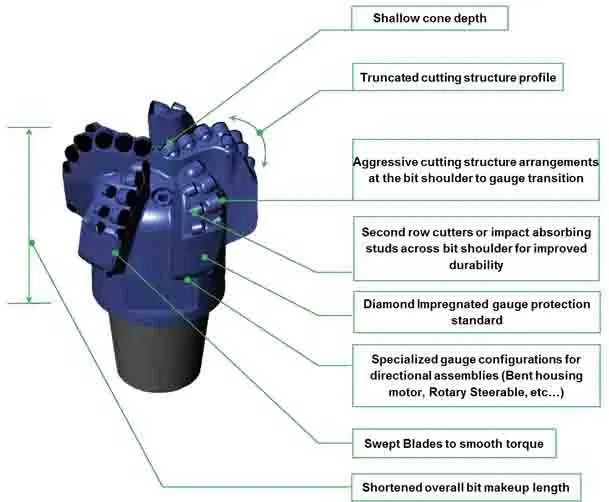
To get the most out of your drilling, you need to know how bit design, drilling factors, and formation features work together. Modern rock roller drill bits have three blades and three nozzles, which makes it easier for the hydraulic system to clean the cutting area while still removing chips well. The right size of opening guarantees the right flow speed to move clippings efficiently without losing too much pressure.
The weight spread across the 16 kg bit mass keeps it stable during drilling operations while still providing enough cutting force to get through rock. The designed balance lowers the vibrations that can hurt drilling tools and lower the quality of the hole. This steadiness is especially important for keeping the accuracy of the gauge while digging.
Cost-Benefit Analysis of High-Performance Equipment
Buying good drilling tools pays off because it makes operations more efficient and cuts down on downtime. Tungsten carbide plates and high-strength steel bodies give these tools the toughness they need to last longer in tough environments. Modern bearing systems and special oils make operating life even longer while keeping performance levels constant.
A cost-effective solution method strikes a balance between the original cost and the benefits it brings to operations in the long run. Even though high-quality bits may cost more, they usually give you a lower cost-per-foot drilling when you add up all the costs. Better project economics are made possible by shorter trip times, fewer bit changes, and steady entry rates.
Innovation and Technological Developments
New discoveries in materials science and production methods keep making roller bits work better and last longer. Advanced carbide grades offer better resistance to wear in rough rock formations while still keeping the impact toughness needed for hard rock uses. Better bearing designs make them last longer and keep working at the same level throughout the whole operating cycle.
Environmental concerns are having a bigger impact on the growth of drilling equipment. Because they last longer and need less upkeep, they have less of an effect on the earth because they use fewer materials and make less trash. These benefits for sustainability are in line with the drilling industry's growing concern for the environment.
Conclusion
Technology like rock roller drill bits is still the backbone of water well drilling operations all over the world. It gives projects the dependability and low cost they need to be successful. Roller bits are the best choice for drilling workers in a wide range of geological situations because they have a proven mechanical design, new materials, and can be used in a variety of ways. Procurement pros can make smart choices that improve drilling efficiency while keeping costs low by knowing the technical specifications, performance characteristics, and operating requirements. New materials and ways of making things are always being created, which means that roller bit technology will keep changing to keep up with the needs of the water well drilling business.
FAQ
1. What formations are suitable for rock roller drill bits?
Rock roller drill bits work great in a wide range of rock types, from soft sedimentary rocks to very hard granite. The Level 1-12 formation compatibility makes sure that the drill works well in all of the different types of rock that are found in water well drilling. For best puncture rates, hard formations need carbide buttons that are closer together, while soft formations need cutting structures that are more active.
2. How do I determine the right bit size for my drilling project?
For most water well uses, the 140 mm bit size strikes the best balance between the need for a large hole and the speed of digging. This width works with standard pump setups and keeps drilling costs low while still being compatible with standard equipment. For high-capacity wells or certain pump setups, bigger sizes may be needed.
3. What maintenance schedule should I follow for roller bits?
Every 50 to 100 feet of drilling, it's important to check for wear patterns and other problems so they don't affect performance. As suggested by the maker, bearing lubrication should be checked and refilled every 8 to 12 hours of activity. Cleaning and storing bits properly between uses keeps them in good shape and extends their useful life.
4. How do roller bits compare to PDC bits in terms of cost-effectiveness?
When drilling a water well, rock roller bits are usually more cost-effective because they have lower starting costs and can be used in a wider range of formations. In some formations, PDC Bits may last longer, but for many water well uses, the higher starting cost often outweighs the operational benefits. Roller bits are also better at resisting contact in formations with different amounts of hardness.
Choose HNS as Your Trusted Rock Roller Drill Bit Manufacturer
HNS is the company you can trust to give you high-quality rock roller drill bit options that are made just for drilling water wells. Our modern factory in Xi'an has state-of-the-art 5-axis machining centers and CNC production lines that make sure quality control is exact and performance is always the same. With more than ten years of experience since 2013, we know the specific problems that drilling companies face and can offer cost-effective solutions that make their work more efficient. Our specialized research and development team can make changes to meet your unique logistical and geological needs. Email our knowledgeable staff at hainaisen@hnsdrillbit.com to talk about your drilling needs and find out how our services as a rock roller drill bit provider can help your project succeed while cutting down on costs.
References
1. Johnson, M.R., and Peterson, K.L. "Comparative Analysis of Drill Bit Technologies in Water Well Applications." Journal of Water Well Technology, vol. 45, no. 3, 2023, pp. 112-128.
2. Williams, S.A. "Geological Formation Compatibility and Bit Selection Criteria for Water Well Drilling." International Drilling Engineering Review, vol. 28, no. 7, 2024, pp. 89-105.
3. Chen, L., and Rodriguez, C.M. "Performance Optimization Strategies for Roller Cone Bits in Hard Rock Formations." Drilling Technology Quarterly, vol. 19, no. 2, 2023, pp. 67-84.
4. Thompson, R.J. "Economic Analysis of Drilling Technologies in Small-Scale Water Well Operations." Water Well Drilling Economics, vol. 12, no. 4, 2024, pp. 45-62.
5. Anderson, P.K., et al. "Material Innovations in Roller Bit Technology: Impact on Service Life and Performance." Advanced Drilling Materials Science, vol. 31, no. 1, 2024, pp. 156-173.
6. Martinez, A.F. "Maintenance Strategies and Best Practices for Extending Drill Bit Service Life." Drilling Operations Management, vol. 22, no. 5, 2023, pp. 78-95.
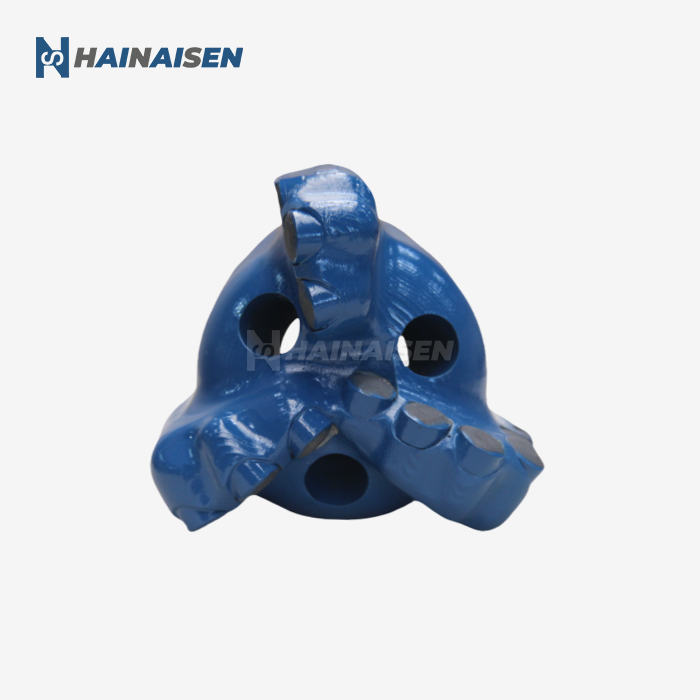 VIEW MORE113mm Three Wings PDC Arc Angle Drill Bit
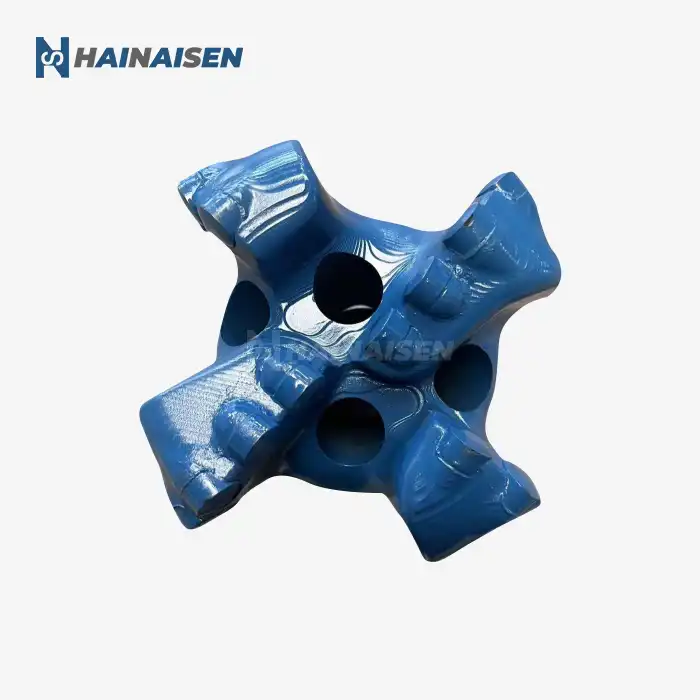 VIEW MOREFour Blade PDC Drill Bit
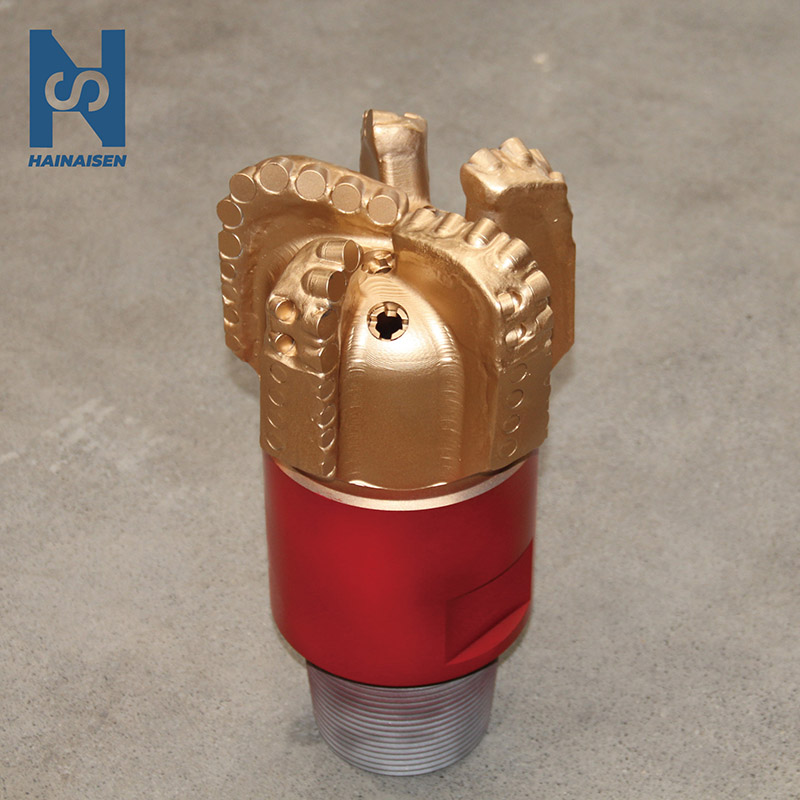 VIEW MOREFive Blades Oil Well Drill Head
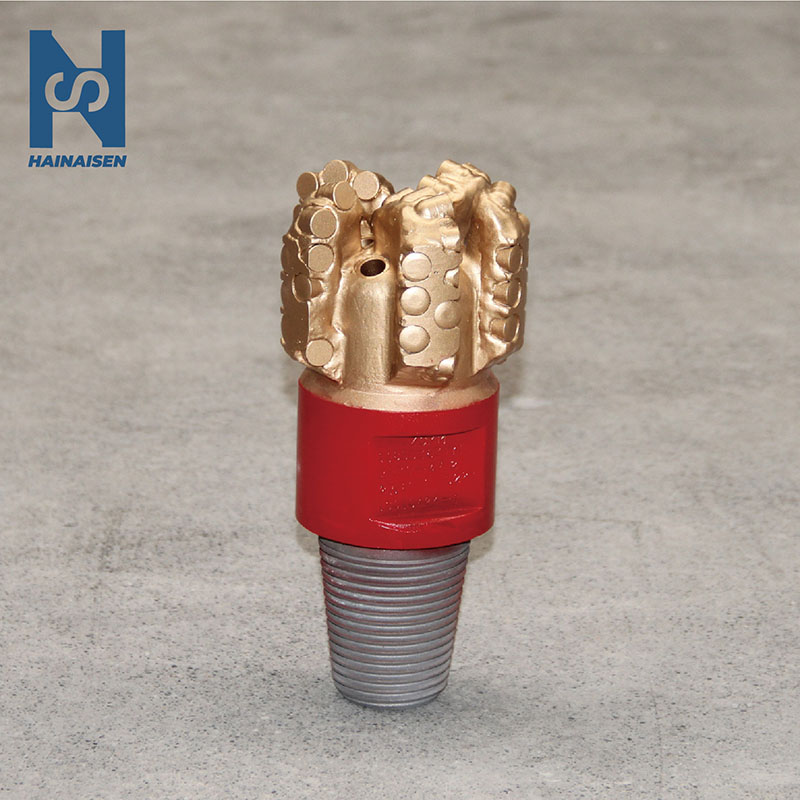 VIEW MOREHigh Performance 5 Cutter PDC Bit
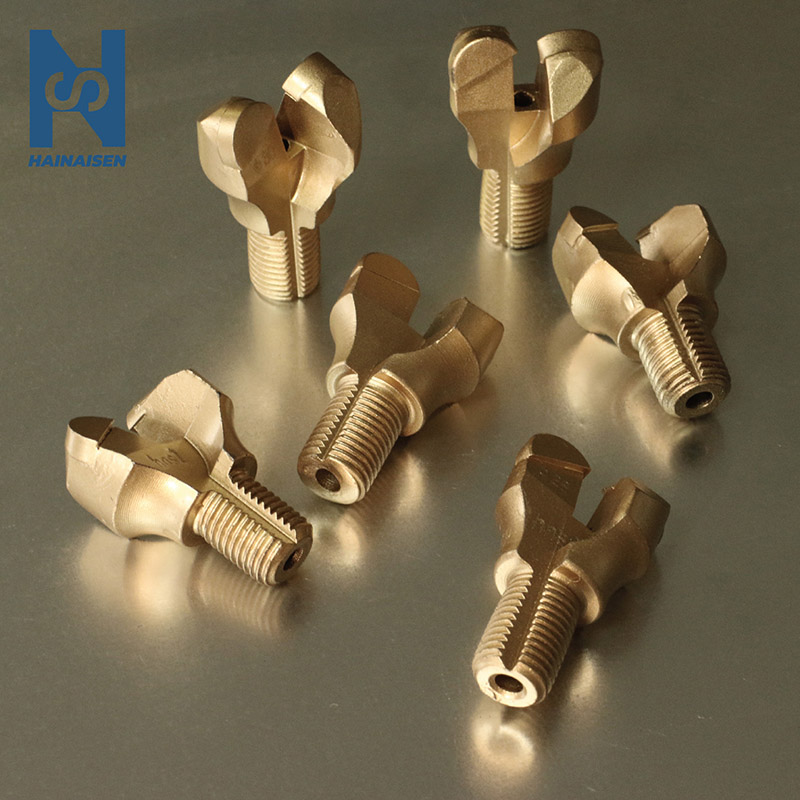 VIEW MORECoal Mining Tools PDC Anchor Drill Bit 28mm
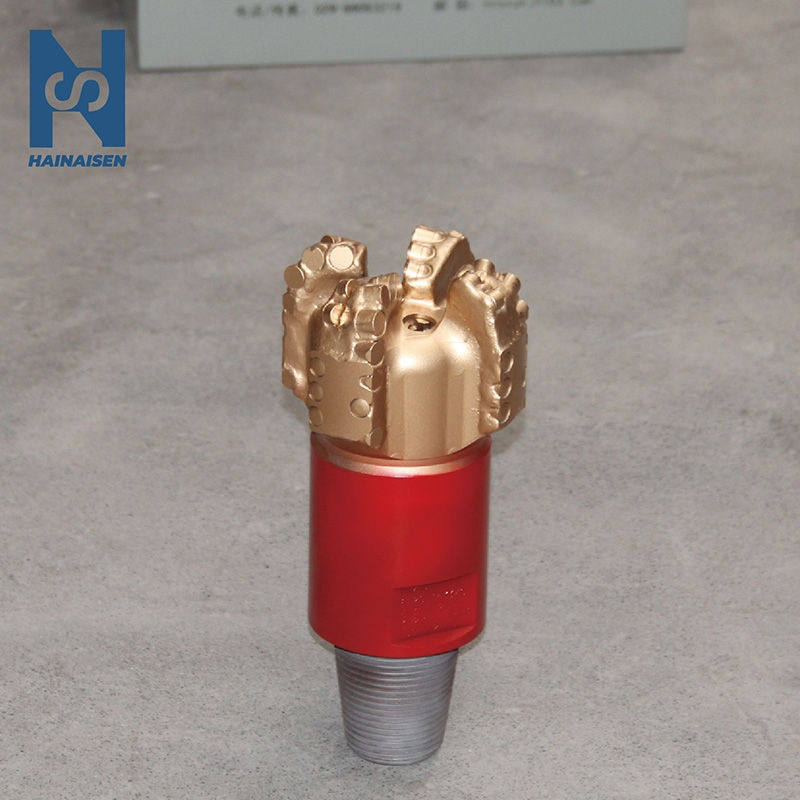 VIEW MORE4 Wings Blades PDC Bit
logo 4_1777360540990.jpg) VIEW MOREDrilling Tool Coal Mining Bit
VIEW MOREDrilling Tool Coal Mining Bit VIEW MOREThree Blade Wing Arc Angle Drill Bit