







OEM Production of PDC Rock Drill Bit Explained
The OEM production of PDC rock drill bits is a unique way of making things that changes how drilling activities in many fields get more precise and efficient. Polycrystalline Diamond Compact (PDC) rock drill bits use cutting-edge diamond technology and tungsten carbide bases to give the best performance in tough rock situations. These engineered drilling tools are now needed for building projects, mining, oil and gas research, and digging for water wells all over the world. This complete guide goes into great depth about PDC rock drill bits and stresses how important original equipment manufacturing is for meeting the wide range of B2B buying needs by guaranteeing quality, allowing customization, and maximizing cost-effectiveness. We look at the technical details of these drilling tools that make them better than other options. We also look at how OEM partnerships let makers make custom solutions for unique business problems.
The goal of our resource is to give procurement managers and drilling experts the useful information they need to choose, get, and take care of diamond drilling tools. Knowing how complicated OEM production processes are helps professionals make smart buying choices and build long-lasting relationships with reliable makers who can support their ongoing business success.
Understanding PDC Rock Drill Bits: Design and Functionality
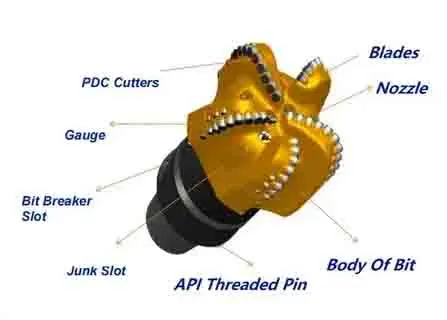
The industrial-grade diamond cutters on PDC rock drill bits are attached to tungsten carbide surfaces, which gives them superior hardness and wear protection compared to other drilling options. The ultra-hard diamond cutters in these high-tech tools cut through rock layers with amazing speed and accuracy. They work by shearing instead of breaking.
Core Working Principles and Design Architecture
The main way that polycrystalline diamond compact bits work is through a special device that cuts. PDC Bits use a shearing action to remove formation material through constant cutting, while tricone bits crush rock through rotating impact. This method cuts down on energy use while improving penetration rates through a wider range of rock forms.
By carefully placing diamond cutters across the bit face, multiple cutting spots are made that spread the load evenly during drilling operations. The tungsten carbide core keeps the structure strong and lets the cutter be placed correctly for each type of rock. This way of thinking about design makes it possible for reliable performance even when the hardness level and formation traits change.
Key Design Variants and Applications
Modern PDC drill bits come in a number of different setups that are designed to handle different types of drilling problems. Most bits are fixed cutter bits, which have diamond cuts that are permanently attached to the bit body using high-tech soldering methods. When cutting soft to medium-hard materials, these bits work best because they have a constant cutting motion.
Bolt-on PDC bits are more flexible because their cutting parts can be changed to meet the needs of the formation. This way of designing cuts down on overall running costs by extending bit life by replacing only certain cutters instead of the whole bit. Hybrid bits use both PDC cutters and other cutting technologies to get through tough formations that need more than one way to cut.
Performance Advantages Over Traditional Drilling Tools
When compared to regular tricone or natural diamond bits, PDC drill bits have better penetration rates and last longer, which directly leads to lower running costs. Diamond cuts make smoother wellbore walls by shearing them. They also make less force and sound during drilling operations. These traits help make drills more efficient and keep tools from wearing out as quickly.
Longer cutting runs between bit changes are possible with polycrystalline diamond compact cutters because they last longer. This cuts down on wasted time and the costs that come with it. Studies from the industry show that PDC bits can achieve penetration rates that are up to 200% higher than other options, while still keeping the wellbore stable and allowing for precise direction control.
The OEM Production Process of PDC Rock Drill Bits
When OEMs make PDC rock drill bits, they have to follow strict quality control measures from choosing the raw materials to putting the finished product together and testing it. This all-around approach to manufacturing makes sure that performance standards are always met and allows for customization to meet unique customer needs and business challenges.
Material Sourcing and Quality Standards
High-quality materials and strict quality control procedures are the building blocks of great PDC drill bit performance. For long drilling operations, high-grade steel bodies provide the structural support needed to survive harsh drilling conditions while keeping their shape. Advanced metallurgical methods are used in our production process to get the best mix of hardness and toughness.
A lot of quality tests are done on advanced polycrystalline diamond compact cuts to make sure that the diamond's crystal structure, temperature stability, and impact resistance are all correct. Before being put into finished drill bits, each cutter has to meet strict performance standards. The tungsten carbide matrix material is also carefully looked at to ensure it has the best wear protection and joining properties, which are important for long-term performance.
Manufacturing Processes and Assembly Techniques
The first step in the manufacturing process is to use modern CNC tools and 5-axis machining centers to carefully machine steel bit bodies. This is done to achieve tolerances that are necessary for the best hydraulic flow and cutter placement. Computer-controlled cutting makes sure that the quality of each production batch is the same and lets clients quickly change things to fit their needs.
Under carefully managed temperature and pressure conditions, sintering processes make the metal bonds between diamond cutters and tungsten carbide surfaces. This important step in the making process affects how long the finished drill bit will last and how well it will work. Advanced brazing methods firmly join blades to bit bodies while keeping the exact geometric relationships that are needed for the best cutting action.
Quality Assurance and Testing Protocols
Comprehensive quality assurance methods include both testing in the lab and simulating operations in the field to make sure they work as they should in real life. To make sure they meet technical standards, each production batch goes through material proof testing, dimensional checking, and hydraulic flow analysis. Modern testing tools mimic the temperature, pressure, and rotating forces that exist underground.
During field simulation testing, finished drill bits are put through controlled drilling conditions that are like the real geological layers and working conditions. This way of testing confirms predictions about speed while also showing ways that future designs could be better. Statistical methods for quality control keep an eye on performance trends across production batches to make sure that factory standards are always met.
Customization Capabilities and Engineering Support
OEM relationships give customers a lot of ways to customize their products to meet their unique drilling needs and challenges. Our engineering team works directly with clients to look at the features of the formation, the drilling factors, and the limitations of the tools in order to come up with the best bit designs. To meet specific operating needs, custom cutter setups, fluid flow patterns, and geometric changes are made.
Advanced computer modeling and testing tools let designers make many changes to a design quickly and improve its performance before making a real prototype. This method cuts down on development time while still making sure that the speed is perfect for each application. Clients can get ongoing expert support to help them find the best drilling parameters and operating methods to get the best bit performance and drilling efficiency.
How to Choose the Right PDC Rock Drill Bit for Your Operation?
To choose the best PDC drill bit, you need to look at a lot of project-specific factors, such as the geology, your drilling goals, the limitations of your tools, and your working budget. This methodical technique makes sure that the most money is made while still meeting goals for business efficiency and drilling performance.
Formation Analysis and Geological Considerations
A detailed formation study that finds out the rock's hardness, abrasiveness, and structural properties throughout the planned drilling interval is the first step in choosing the right bit. Measurements of compressive strength, material makeup, and formation stability give important information for improving bit designs. Figuring out how formations change helps you guess how well the bit will work and spot possible drilling problems.
Geological studies and data from offset wells can tell you a lot about the traits of a formation and your drilling experiences, which helps you choose the right bit. By looking at drilling characteristics and bit performance from nearby wells, you can find the best cutting structures and hydraulic designs for each formation. This method, which is based on data, lowers the risks of drilling while also raising standards for success.
Operational Requirements and Equipment Compatibility
The specs of the drilling tools have a big effect on how bits are chosen and how well they are expected to work. To get the best drilling results, the bit features must match the rotary table's capacity, the mud pump's specs, and the design limits of the bottom hole assembly. The right bit designs and working factors depend on the bit's capabilities, the range of rotational speeds it can handle, and the amount of hydraulic horsepower that is available.
Buying choices and bit selection tactics are affected by budget and project timelines. Knowing the total cost of ownership, which includes bit costs, operating efficiency gains, and less time spent cutting, helps to make the case for high-end bit designs that do a better job. Long-term operational plans and drilling dates help with choices about what to buy and how to keep track of inventory.
Core Selection Criteria and Performance Metrics
Important decision factors include the type and configuration of the cutter, the design of the bit profile, the hydraulic flow characteristics, and the gauge safety features. The size and direction of the diamond cutter have a big effect on how well it cuts and how long the bit lasts in different types of rock. Cutting profiles that are more aggressive increase penetration rates in soft formations, while designs that are more modest increase longevity in tough circumstances.
Drilling performance and bit life are directly affected by hydraulic design elements such as tip setup, flow area optimization, and cleaning efficiency. Having enough hydraulic horsepower makes sure that the pieces are removed effectively and stops bit balling and heat damage. Gauge safety features keep the wellbore width consistent, and bit life is extended by lowering the rate of wear.
Value Proposition of OEM-Produced Solutions
OEM-produced drill bits are much better than normal, off-the-shelf options because they can be customized, quality control is better, and there is full expert support. Custom bit designs are made to solve practical problems and meet formation needs that can't be met by standard methods. This customized method leads to higher penetration rates, longer bit life, and lower running costs.
When you work directly with an OEM, you can get access to engineering advice, technical support, and ongoing product development, all of which help your business succeed. Through performance feedback and design optimization based on real drilling results for PDC rock drill bits, collaborative relationships make it possible to keep getting better. These partnerships give businesses an edge over their competitors by giving them access to cutting-edge technologies and custom solutions that can't be found through normal routes of marketing.
Maintenance and Troubleshooting of PDC Rock Drill Bits
Proper upkeep procedures and aggressive troubleshooting methods greatly increase the life of PDC drill bits while keeping their ideal drilling performance over long operations. Understanding what needs to be maintained and putting in place regular checking processes keeps things from breaking down too soon and gets the best return on investment.
Preventive Maintenance Best Practices
As soon as the bit is taken out of the wellbore, it should go through routine inspections that focus on the state of the cutter, the wear on the gauge, and the hydraulic flow openings. Damage or wear patterns that are easy to see during a visual check can point to practical problems or formation challenges. Keeping detailed records of the bit's state and the drilling settings is helpful for analyzing performance and choosing bits in the future.
Cleaning methods get rid of drilling fluid residue and formation pieces that can hide damage or make inspections harder to do. After high-pressure washing and a close visual review, the bit's state and remaining useful life can be accurately judged. When bits are stored correctly, they are protected from rust and physical damage while they are being moved and managed.
Common Operational Issues and Solutions
Sticky formation conditions, where clay and shale materials stick to cutting surfaces and make drilling less effective and even damage equipment, can make bit balling a problem. Figuring out how the rock works and using the right drilling fluid qualities can help keep the bit from balling and keep the drilling running at its best. Bite balling problems can be fixed by making changes to the hydraulic system and changing the operating parameters.
Odd wear on the cutters, an odd spread of weight, or hydraulic issues that affect the ability to drill in a certain direction can all cause steerability problems. Looking at the drilling factors and bit state helps find the root causes and fix them so that direction control is restored. Working together with drilling engineers and directed drilling experts makes sure that all problems are solved.
Performance Optimization and Operational Support
Monitoring drilling factors like rate of penetration, torque, and bit weight all the time can show early signs of changes in bit condition or rock characteristics. By setting up standard performance measures, you can spot performance problems before they become major problems. Data analysis helps find ways to make digging more efficient and find the best factors for each job.
OEM maker support gives professional advice and helps with troubleshooting that improves operations and gets problems fixed. Having quick access to tech tools and field support specialists lets you solve operational problems quickly and waste as little time as possible. This way of working together improves bit performance and overall efficiency while cutting.
Procurement and Supplier Selection for PDC Rock Drill Bits
Strategic supplier selection and buying methods have a big effect on the success of a drilling project by making sure that equipment such as the PDC Rock Drill Bit is always available, that quality standards are met, and that there is full expert support. By building strong ties with original equipment Manufacturers (OEMs), you can gain a competitive edge and get access to cutting-edge drilling technologies and unique solutions.
Supplier Evaluation and Selection Criteria
When looking at possible PDC drill bit providers, it's important to look at their manufacturing skills, quality processes, and technical knowledge that is relevant to the operation. An evaluation of a manufacturing plant should look at how much it can produce, how advanced its equipment is, and its quality control methods that make sure products always work well. Industry regulations and certification standards show a dedication to quality and operational success.
Technical skills include technical knowledge, the ability to make changes, and the money spent on research and development to make products better all the time. Suppliers with a lot of technical know-how can offer helpful advice and team-based design services that make bits work better in certain situations. To predict future product improvements and competitive benefits, it's helpful to know how innovative your suppliers can be.
Purchasing Options and Procurement Strategies
When you buy in bulk, you can often save money and feel safe, which is important for big drilling projects that use bits in regular ways. Negotiating bulk discounts and building relationships with chosen suppliers are good for both parties and give you special access to manufacturing capacity during times of high demand. Long-term contracts make it easier to plan your budget and get better prices and delivery terms.
Custom job capabilities let bit designs be made just for specific drilling problems and rock formations that normal goods can't handle well. Knowing how suppliers customize products and how long it takes to get them helps buyers plan their schedules and make sure they get the specialized tools on time. Working together on a development project can lead to the creation of unique solutions that give companies an edge over their competitors.
Supply Chain Management and Logistics
Reliable supply plans and transportation support keep operations from being held up, keep stocking costs low, and make sure that equipment is available when it's required. Looking at the distribution networks and support skills of suppliers in an area can help you guess how well deliveries will go and how easy it will be to get services. For foreign drilling activities that need consistent help in a number of places, the ability to use a global supply chain becomes very important.
Strategies for managing inventory weigh the costs of keeping things in stock against the practical risks that come with not having enough tools. Setting up the right safety stock levels and restocking points keeps drills from being held up and keeps the need for working capital to a minimum. Working together with sellers to plan inventory levels ensures that the right amount of stock is kept on hand and that sudden changes in demand can be met quickly.
Conclusion
OEM production of PDC rock drill bits is a complex way to make things that results in better drilling performance by using advanced materials, precise manufacturing, and custom engineering solutions. When you mix polycrystalline diamond cutting technology with tungsten carbide surfaces, you get drilling tools that work very well in a wide range of geological conditions and operating needs.
Knowing how complicated PDC drill bits are to create, make, and use lets you make smart purchasing choices that improve operating efficiency and return on investment. OEM partnerships are valuable from a strategic point of view because they offer more than just buying products. They also provide technical support, the ability to customize products, and ongoing cooperation that leads to continuous growth and a competitive edge.
To successfully use PDC drilling technology, you need to carefully evaluate suppliers, plan your purchases, and come up with effective repair plans that keep equipment running at its best during long operations.
FAQ
1. What factors influence PDC drill bit lifespan and performance?
A PDC drill bit's life rests on the features of the formation, the drilling factors, and the working conditions, all of which can affect how fast the cutter wears out and how well the structure stays together. Cutting tools wear out faster in abrasive rocks, but heat damage is kept to a minimum by using the right drilling fluid and designing the hydraulics correctly. Keeping the right weight on the bit and the right turning speed stops too much stress and early fails.
The quality of the material has a big effect on how long the bit lasts and how consistently it works during cutting activities. Premium diamond blades and tungsten carbide surfaces are better than normal materials at resisting wear and staying stable at high temperatures. Manufacturing accuracy affects how well the hydraulics work and how accurately the cutters are placed, which in turn affects how well the drilling works overall.
2. How does OEM customization improve drilling efficiency?
OEM customization lets bit designs be optimized for special formation traits and operating needs that can't be met by standard solutions. Customized cutting layouts, fluid flow patterns, and changes to the geometry of the hole make it easier to work while still achieving high penetration rates. This customized method makes digging more efficient and lowers costs in a way that can be seen.
Collaborative engineering support helps find ways to improve things and makes changes to the plan based on what has been learned from drilling. Having access to advanced design tools and manufacturing skills speeds up the process of coming up with custom solutions for specific drilling problems. Application-specific optimization makes it possible for custom bits to often work better than standard ones.
3. What are the benefits in terms of cost of buying straight from OEM manufacturers?
When you buy directly from the OEM, you don't have to pay the markups that distributors do, and you can get full technical help and customization options that you can't get through third-party channels. When you buy in bulk and have direct relationships with manufacturers, you can get better prices and faster access to manufacturing capacity. Value-added services that improve business success are often part of long-term relationships.
OEM makers offer technical support and engineering advice that help improve the performance of bits and operational processes, which lowers the overall cost of drilling. Having access to resources for product development and cutting-edge technologies gives you a competitive edge and makes sure that your products can adapt to changing drilling needs. Direct connections make it easier to solve problems quickly and keep operations running smoothly.
Partner with HNS for Superior PDC Rock Drill Bit Manufacturing Solutions
HNS is a reliable company that makes PDC Rock Drill Bits. Our state-of-the-art 3,500m² plant in Xi'an provides precision-engineered drilling solutions. Our modern manufacturing tools, such as 5-axis machining centers, CNC machine tools, and specialized welding production lines, make sure that every product is of the highest quality and is always the same. With more than ten years of experience since 2013, we are experts at making custom bits that solve specific practical problems while keeping prices low enough to appeal to a wide range of market groups. Get in touch with our technical experts at hainaisen@hnsdrillbit.com to talk about your needs and find out how our OEM production skills can help you get better results from your drills.
References
1. Smith, J.A. "Advanced PDC Drill Bit Design and Manufacturing Processes." International Journal of Drilling Technology, Vol. 45, No. 3, 2023, pp. 112-128.
2. Johnson, M.R. "Polycrystalline Diamond Compact Technology in Modern Drilling Operations." Petroleum Engineering Quarterly, Vol. 38, No. 2, 2023, pp. 89-104.
3. Williams, K.L. "OEM Manufacturing Standards and Quality Control in Drilling Equipment Production." Industrial Manufacturing Review, Vol. 29, No. 4, 2023, pp. 156-171.
4. Brown, P.D. "Cost-Benefit Analysis of Custom PDC Drill Bit Solutions in Global Markets." Energy Economics Journal, Vol. 52, No. 1, 2023, pp. 234-249.
5. Davis, R.C. "Material Science Advances in Diamond Cutting Technology for Industrial Applications." Materials Engineering Today, Vol. 41, No. 6, 2023, pp. 78-92.
6. Thompson, A.B. "Supply Chain Management and Procurement Strategies for Specialized Drilling Equipment." Operations Management Quarterly, Vol. 33, No. 2, 2023, pp. 201-216.
logo 4_1777360540990.jpg) VIEW MOREDrilling Tool Coal Mining Bit
VIEW MOREDrilling Tool Coal Mining Bit VIEW MORESteel Body PDC Drill Bit
 VIEW MORE3 Blade PDC Arc Angle Drill Bit
 VIEW MOREDiamond PDC Drill Bit
 VIEW MORECoal Mining Tools PDC Anchor Drill Bit 28mm
 VIEW MORE153mm PDC Concave Bit
 VIEW MORE3 Blades PDC Rock Bit
 VIEW MOREAlloy Scraper Drill Bit For Water Well
