




Material Selection for Long-Life 4 Blade PDC Bit Operation
Choosing the right materials for 4-blade PDC bit tasks is very important for getting the best results and making the tools last as long as possible. The four-blade configurations and polycrystalline diamond compact technology work together to give better penetration rates and controlled cutting forces. But for long-term success, you need to carefully think about the qualities of the material, such as its strength, heat resistance, and wear resistance. When buying, teams know about these basic things about materials, they can make smart choices that affect digging prices and operating success in oil and gas, mining, and water well situations.
Understanding 4-Blade PDC Bits and Their Material Challenges
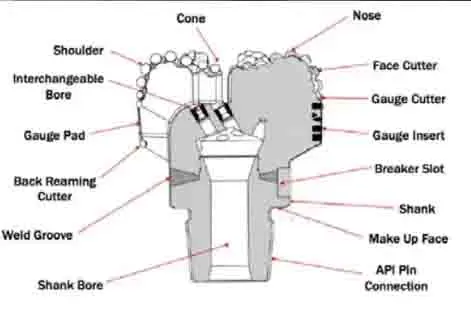
Four-blade PDC drilling tools are a big step forward in cutting technology because of how they are designed. These special bits have four symmetrical blades with polycrystalline diamond compact cutters carefully placed on each one. This creates a controlled power distribution and improves the efficiency of rock cutting. The design lets them go deep quickly while staying stable in any direction. This makes them especially useful for drilling into medium- to hard-rock formations, which are popular in mining and oil research.
Design Advantages and Operational Benefits
Four-wing PDC designs are clearly better at their job than standard drilling tools. The balanced blade design makes cutting more stable and less likely to shake, and the bigger junk slots between the blades make it easier to get rid of waste. This design makes cleaning go more quickly and stops bit balling, which happens a lot in sticky forms. The better cutting motion means that the drill can go faster and be more efficient overall.
The four-blade design makes it more stable and reduces horizontal forces that can cause premature wear or severe failure. When drilling through different types of rock, where rapid changes in hardness can push standard bit designs past their limits, this balance is even more important.
Common Material Degradation Challenges
Even though they are very well designed, four-blade PDC Bits have a lot of problems when they are being used. One of the main ways that Manufactured diamonds fail is through thermal degradation, which happens when cutting creates too much heat and damages the structure of the diamond. High drilling speeds and rough rock layers can make temperatures rise above 700°C, which could make diamond cutters graphitize and stop cutting as well.
Another big problem is mechanical wear patterns, which are especially bad in rocks with quartz or other very rough materials. The repeated hitting and scraping wear away both the diamond cutters and the tungsten carbide surfaces below them, making the cutting less effective and finally needing to be replaced.
When contact forces are higher than the material's ability to resist breaking, chipping, and cutting, loss happens. These types of failure are especially bad in mixed forms where hard elements cause rapid shock loads. Knowing how these things break down helps buying teams choose the right types of materials and put preventative repair plans into action.
Core Principles for Selecting Materials to Extend 4-Blade PDC Bit Life
If you want to pick a 4-blade PDC bit material that will last, you need to know the basic things that make a material cut well and last a long time. What makes a bit good for cutting depends on how hard, tough, and stable it is at different temperatures. By making the bit last longer, this also has a direct effect on running costs.
Essential Material Properties for Durability
Rock cutting works best when the material is very hard. It is known that diamond is the hardest thing in the world. It has a Vickers scale value of 10,000.00. But to get the best results, you need to find the right mix of toughness and power so that the material doesn't break quickly when hit. New PDC cuts carefully control the amounts of cobalt glue and the size of the fake diamond bits to get the best balance.
As digging speeds go up and rocks get harder, thermal stability becomes more and more important. More advanced PDC mixtures have thermally stable polycrystalline diamond (TSP) parts that keep their crystal structure at high temperatures. These materials don't break down like regular diamond cuts do when they become graphitized, so the bits last longer in high-temperature situations.
Both rough and erosive wear are included in wear resistance. The tungsten carbide base that lies under the PDC cutters needs to support them well and keep them from wearing down from formation contact. Grade selection is the process of finding the best carbide grain size, cobalt content, and processing factors for a given rock and cutting conditions.
Advanced Material Technologies
New advances in synthetic diamond technology have led to better PDC formulas that are more resistant to impact and don't change shape when heated. These high-tech materials use modified diamond creation methods and improved cobalt removal methods that make cutters last longer while keeping their cutting efficiency.
To make the tungsten carbide matrix better, attention is on improving the binder phase and making the grain structure better. Modern powder metallurgy methods allow exact control over the substructure, which makes the material tougher without lowering its strength. These new developments are especially helpful for uses that involve shock loads or changing the strength of the creation.
Both blades and bit parts can be made safer with coating technologies. Diamond-like carbon (DLC) coatings make steel parts less likely to break down, and special ceramic coats keep drilling fluids from damaging them. These surface processes make parts last longer and require less upkeep.
Comparative Analysis of Material Choices for 4-Blade PDC Bits
Knowing how different types of materials work differently lets you make smart purchasing decisions based on your unique business needs. A study of standard and new materials shows that there are big chances to improve performance and cut costs in a wide range of drilling situations.
Traditional vs. Advanced Material Performance
When drilling in mild conditions, conventional PDC cutters that use standard synthetic diamond grades work reliably. For use with softer rocks and modest drilling conditions, these materials have been shown to last and be cost-effective. However, their limited temperature range and sensitivity to impacts make them less useful in tough settings.
Cutting tools with advanced thermally stable diamond (TSD) technology work better in high-temperature situations and keep cutting well at temperatures over 1000°C. These materials get rid of the cobalt catalyst that speeds up heat breakdown. This makes bits last longer in geothermal and deep digging uses. The better temperature stability means that the device will work consistently and have fewer bit trips.
The newest development in cutting technology is ultra-hard polycrystalline diamond alloys. To get the best hardness and toughness, these products use a mix of different diamond types and processing methods. This makes the material more resistant to contact without lowering its cutting efficiency. This is especially useful in rocks that aren't all the same hardness.
Comparative Performance Analysis
Test results show that choosing more advanced materials can extend the life of bits by 40 to 60 percent compared to regular choices in tough situations. It works better because it is more stable at high temperatures, more resistant to impacts, and wears better over time. Because there are fewer bit trips and more entry rates, these improvements directly lead to lower drilling costs.
A study of economics shows that even though more expensive materials have higher starting costs, they usually have lower total costs over the life of the product. The material price is balanced out by longer bit life, less rig time, and better drilling efficiency, especially in situations where bit performance has a big effect on the total project economics.
The comparison goes beyond the performance of each cutter and includes the elements of the matrix and bit bodies, such as the 4-blade PDC bit. New steel metals and heat treatment methods make the bit body last longer, and better tungsten carbide grades make the matrix less likely to wear down. These changes to individual parts work together to boost the bit speed as a whole.
Optimal Conditions and Maintenance Tips for Maximizing Material Performance
The environment and the way things are done have a big effect on how well materials work and how long bits last. By knowing these connections, workers can set the best settings for drilling and use maintenance plans that get the best return on investment and make sure the wells work the same way in all kinds of natural situations.
Critical Environmental Factors
One of the most important parts of improving the performance of a material is controlling its temperature. Too much heat speeds up the wear processes and can destroy a machine completely through thermal damage. By keeping an eye on the temperatures at the bottom of the holes and making changes to the drilling settings as needed, you can keep materials working at their best.
The needs for material choice are directly affected by the features of the formation. Rocks that are abrasive and have a lot of quartz need better resistance to wear, while rocks that have hard inclusions need better resistance to impact. Knowing about geological studies and formation logs lets you choose materials ahead of time that will work best in the conditions you expect when you drill.
The qualities of the drilling fluid affect both how well it cuts and how quickly the material breaks down. The right choice of fluid and regular care keeps things safe from chemical attack and makes sure they are properly cooled and cleaned. To avoid chemical compatibility problems, the way drilling fluids and bit materials combine needs to be carefully thought out.
Maintenance Protocols for Extended Life
By doing regular inspections, you can find wear trends and possible failure modes early on. By looking at the state of the cutter, the matrix wear, and the bit body's strength, you can get useful information that helps you find the best cutting settings and repair schedules. Digital images and measuring tools improve the accuracy of inspections and make it possible to look at trends.
Optimizing parameters based on real-time performance data helps keep materials within the limits of their design. By keeping an eye on the bit's weight, rotating speed, and torque reactions, workers can change the cutting settings before they cause too much wear. This proactive method greatly increases the bit's useful life while keeping drilling speed high.
Bit materials are less likely to get damaged while being moved and stored if they are handled and stored correctly. Keeping bits in good shape and making sure they work at their best when they're launched means avoiding damage from impacts and chemical contact. Field staff training programs stress the importance of proper handling methods and storage standards.
Procurement Insights: Choosing Reliable Materials from Trusted Suppliers
Successful procurement strategies require a comprehensive evaluation of supplier capabilities, material quality, and service support, such as for the 4-blade PDC bit. The complexity of modern drilling operations demands partnerships with manufacturers who understand application requirements and can provide technical expertise throughout the product lifecycle.
Supplier Evaluation Criteria
Manufacturing capabilities serve as the foundation for consistent material quality and performance. Advanced production facilities equipped with modern CNC machinery, precision welding systems, and comprehensive quality control enable manufacturers to maintain tight tolerances and consistent material properties. ISO 9001 certification demonstrates commitment to quality management and process control.
Technical expertise and engineering support distinguish leading suppliers from commodity providers. The ability to customize material selections for specific applications and provide ongoing technical support ensures optimal performance and value. Suppliers with dedicated research and development capabilities can offer innovative solutions for challenging drilling environments.
Quality assurance programs provide confidence in material consistency and performance reliability. Comprehensive testing protocols, including material property verification, dimensional inspection, and performance validation, ensure products meet specifications and application requirements. Documented quality systems enable traceability and continuous improvement.
Strategic Procurement Considerations
Long-term partnerships with trusted suppliers offer multiple advantages beyond initial cost considerations. Collaborative relationships enable custom material development, priority delivery scheduling, and dedicated technical support. These partnerships become particularly valuable for large-scale operations with specific performance requirements.
Inventory management and logistics support help optimize operational efficiency and reduce downtime. Suppliers who understand field operations and can provide responsive delivery service minimize inventory carrying costs while ensuring product availability. Emergency support capabilities provide additional value for critical operations.
Cost-performance optimization requires understanding the total cost of ownership rather than focusing solely on the initial purchase price. Advanced materials with higher upfront costs often provide superior value through extended service life and improved performance. Comprehensive economic analysis should include drilling efficiency gains, reduced trip costs, and overall project timeline benefits.
At HNS, we recognize the critical importance of material excellence in drilling operations. Our manufacturing facility in Xi'an employs advanced production technologies and stringent quality control processes to ensure consistent material performance. We utilize high-grade steel bodies for enhanced durability, advanced PDC cutters for superior cutting efficiency, and tungsten carbide matrices for optimal wear resistance. Our customization capabilities enable tailored material solutions for specific geological conditions and operational requirements.
Our comprehensive approach to quality management includes strict material selection protocols, precision manufacturing with 5-axis machining centers, and thorough performance testing before shipment. The ISO 9001:2015-certified quality management system ensures consistent excellence across all product lines. Beyond manufacturing excellence, we provide dedicated technical support and responsive customer service to optimize your drilling operations.
Conclusion
Material selection for four-blade PDC bit operations requires a comprehensive understanding of material properties, operational challenges, and supplier capabilities. Advanced materials, including thermally stable diamond cutters, optimized tungsten carbide matrices, and enhanced steel alloys, offer significant performance advantages over conventional options. The investment in premium materials typically provides superior value through extended bit life, improved drilling efficiency, and reduced operational costs. Success depends on matching material characteristics to specific drilling conditions while implementing proper maintenance and operational practices. Strategic partnerships with qualified suppliers enable access to advanced technologies and ongoing technical support that maximize drilling performance and investment returns.
FAQ
1. What materials make the biggest difference in 4-blade PDC bit performance?
Advanced thermally stable diamond (TSD) cutters and optimized tungsten carbide matrices provide the most significant performance improvements. TSD cutters maintain cutting effectiveness at high temperatures, while premium carbide grades offer enhanced wear resistance and impact toughness.
2. How do I select the right material grade for my drilling conditions?
Material selection depends on formation characteristics, drilling parameters, and temperature conditions. Abrasive formations require enhanced wear resistance, while hard formations with inclusions need improved impact resistance. Consulting with technical experts helps optimize material selection for specific applications.
3. What maintenance practices extend material life?
Regular inspection for wear patterns, monitoring drilling parameters to prevent overheating, and proper handling procedures significantly extend material life. Maintaining optimal weight on the bit and rotary speed prevents excessive stress, while ensuring adequate cooling protects against thermal damage.
4. How do advanced materials compare economically to standard options?
Advanced materials typically offer superior total cost of ownership despite higher initial costs. Extended bit life, improved penetration rates, and reduced trip frequency often offset the material premium, particularly in challenging drilling environments.
Contact HNS for Premium 4 Blade PDC Bit Solutions
HNS stands ready to enhance your drilling operations with our advanced material technologies and engineering expertise. Our team of experienced professionals specializes in developing customized solutions that optimize performance for your specific geological conditions and operational requirements. As a leading 4 Blade PDC Bit manufacturer, we combine cutting-edge material science with proven manufacturing excellence to deliver superior drilling tools that maximize your operational success. Contact our technical team at hainaisen@hnsdrillbit.com to discuss your requirements and discover how our innovative material technologies can improve your drilling efficiency and reduce operational costs.
References
1. Warren, T.M., "Penetration Rate Performance of Roller Cone Bits," SPE Drilling Engineering Journal, Vol. 2, No. 1, 1987, pp. 9-18.
2. Bellin, F., Doiron, H.H., Tilley, B.J., "Analysis of Roller Cone Bit Performance in Hard Rock Formations," Journal of Petroleum Technology, Vol. 45, No. 8, 1993, pp. 730-736.
3. Detournay, E., Defourny, P., "A Phenomenological Model for the Drilling Action of Drag Bits," International Journal of Rock Mechanics and Mining Sciences, Vol. 29, No. 1, 1992, pp. 13-23.
4. Glowka, D.A., "Use of Single-Cutter Data in the Analysis of PDC Bit Designs," Journal of Petroleum Technology, Vol. 41, No. 8, 1989, pp. 797-849.
5. Pessier, R.C., Fear, M.J., "Quantifying Common Drilling Problems with Mechanical Specific Energy and a Bit-Specific Coefficient of Sliding Friction," SPE Drilling & Completion Journal, Vol. 7, No. 4, 1992, pp. 274-280.
6. Zhang, Z., Kuru, E., "Modeling of Stick-Slip Vibrations in Drilling Systems," Rock Mechanics and Rock Engineering, Vol. 52, No. 8, 2019, pp. 2856-2871.
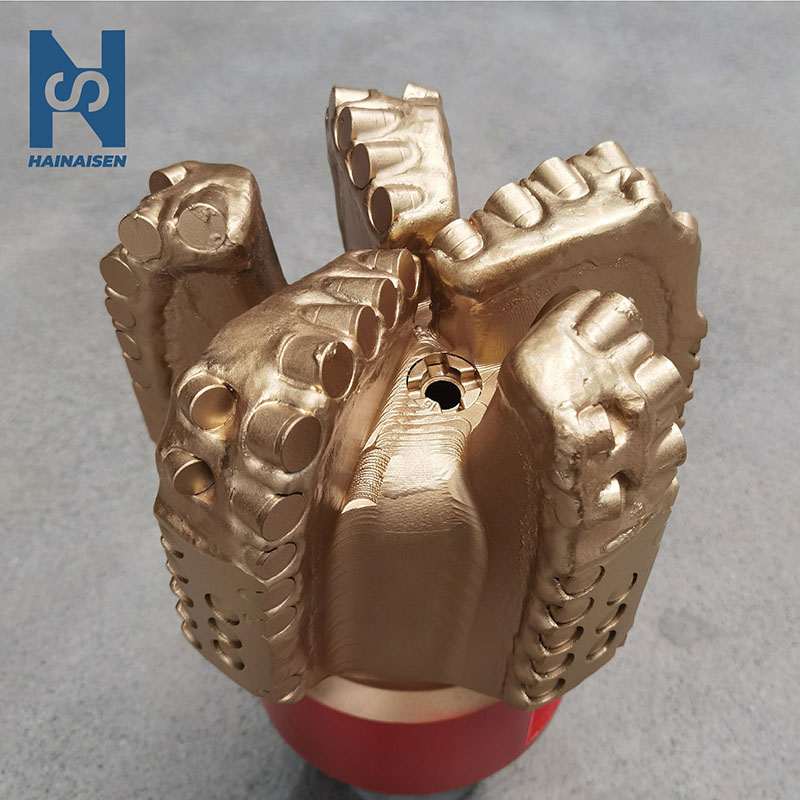 VIEW MOREPDC Diamond Bit
logo 1_1768204983068.jpg) VIEW MOREPDC Core Drill Bit With 8 Blades For Hole Drilling Used In Mining
VIEW MOREPDC Core Drill Bit With 8 Blades For Hole Drilling Used In Mining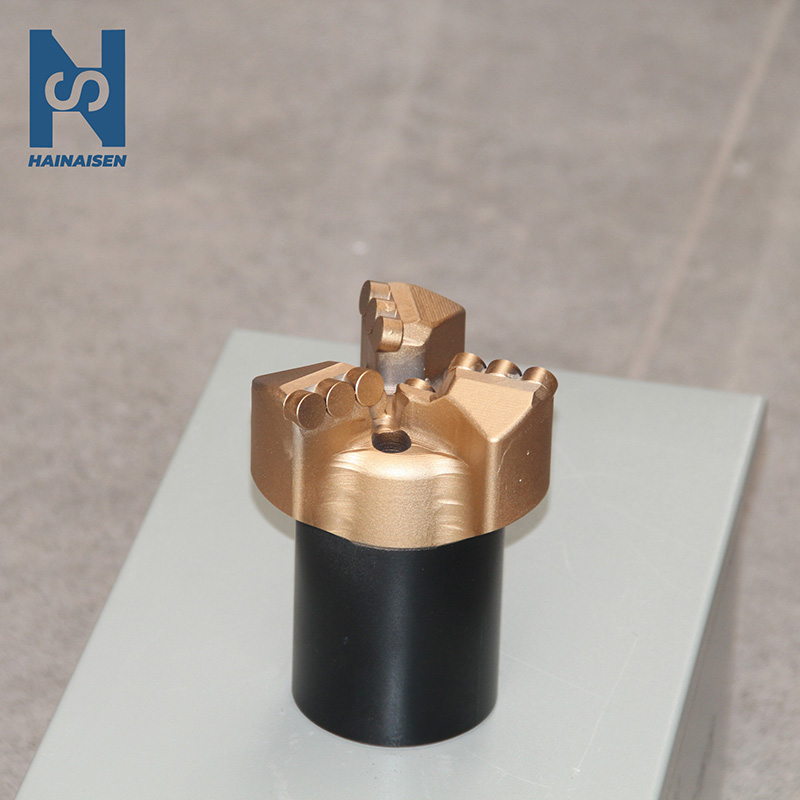 VIEW MOREThree Blades Steel Body PDC Bit
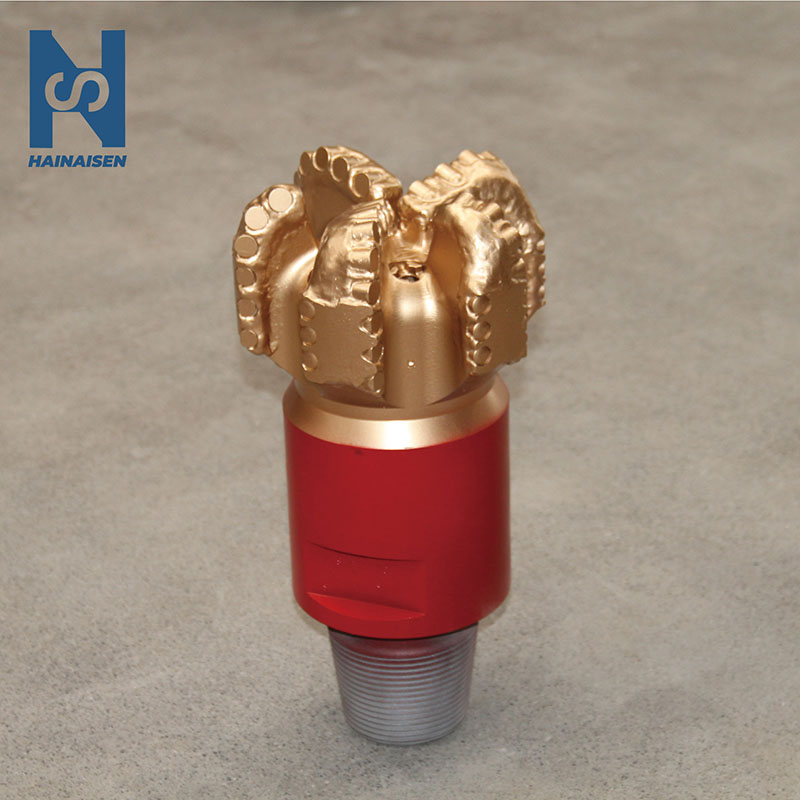 VIEW MOREFive Wing PDC Bit For Hard Rock Drilling
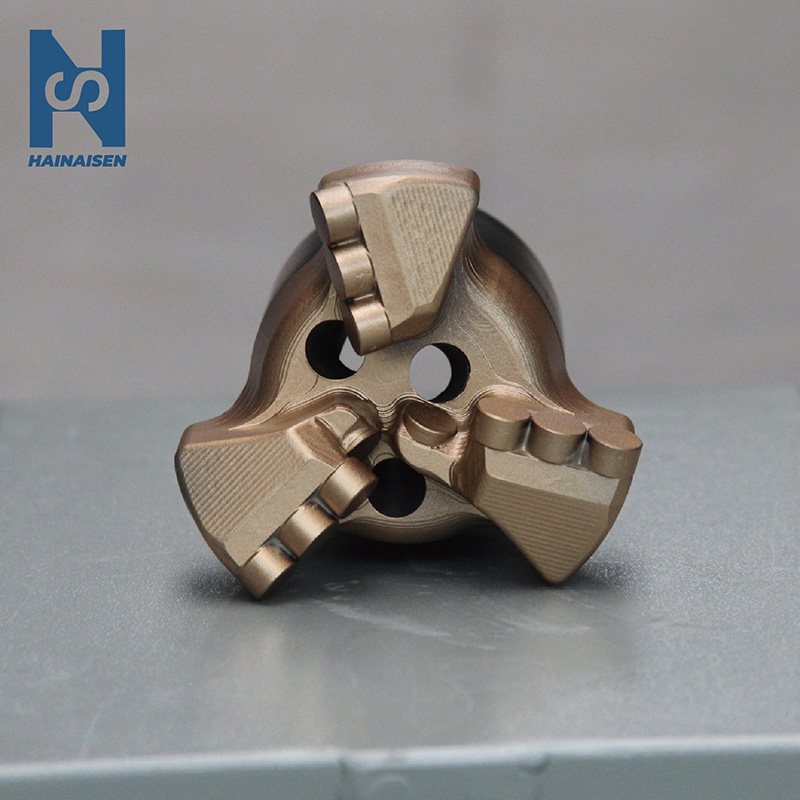 VIEW MORE3 Blades PDC Rock Bit
logo 1_1768274683075.jpg) VIEW MORECoal Mine Drilling Opening And Closing Drill Bit
VIEW MORECoal Mine Drilling Opening And Closing Drill Bit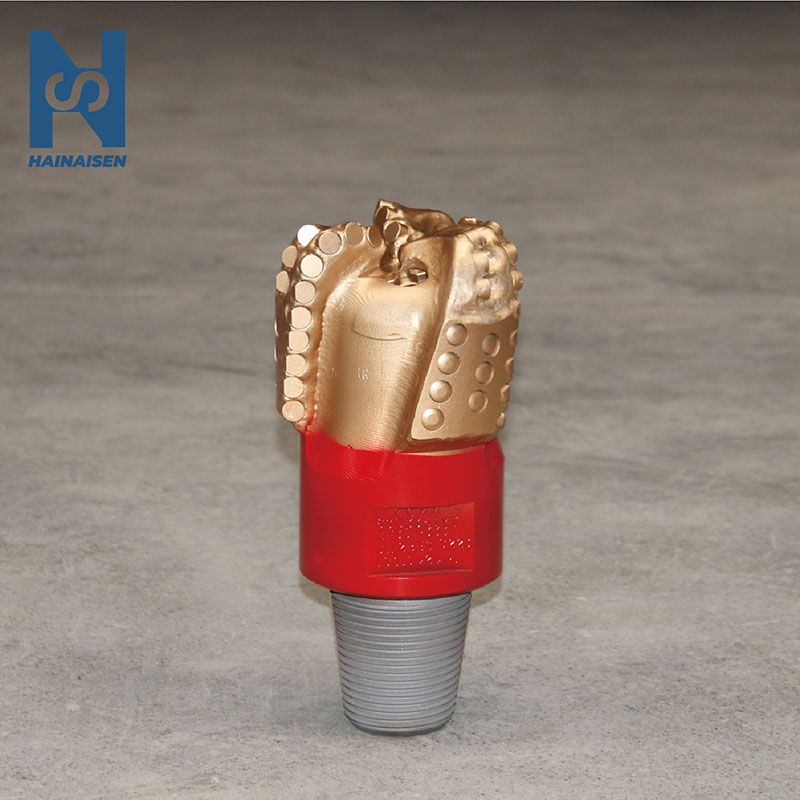 VIEW MOREThree Blade PDC Tricone Drill Bit
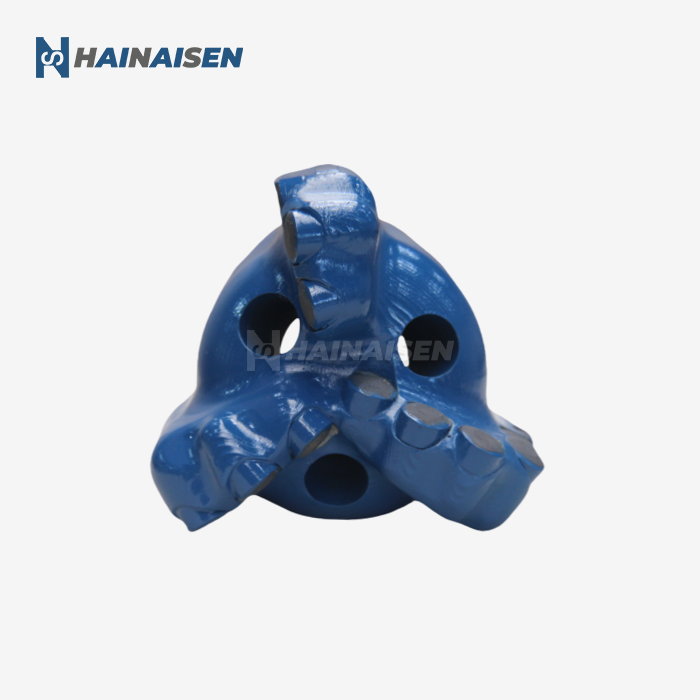 VIEW MORE113mm Three Wing Arc Angle Drill Bit