




What Affects the Abrasion Resistance of a Steel Scraper Drill Bit?
There are a lot of things that affect how well the Steel Scraper Drill Bit resists wear, such as the type of material used, how it was heated, its shape, and how it is used. It is much harder for steel to break down when it is precisely heated, has better surface processes, and is made of high-quality metals with more chromium and vanadium. During industrial drills, things like speed, pressure, and the environment can also affect how well these special bits hold up against surface wear caused by friction.
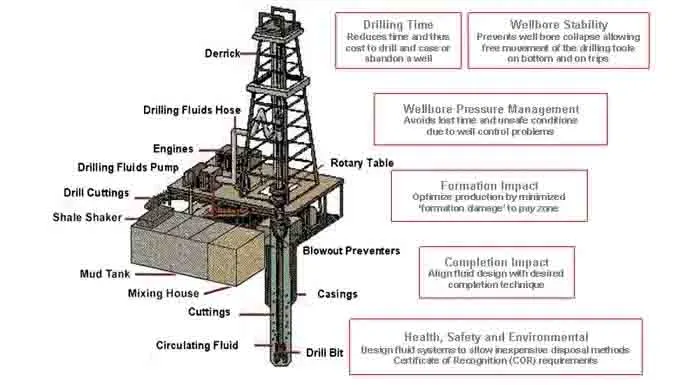
Introduction to Abrasion Resistance in Steel Scraper Drill Bits
When judging the performance of drill bits in harsh industrial settings, it's important to know how resistant they are to wear. A material's abrasion resistance shows how well it can protect its surface from damage caused by mechanical friction and contact with rough materials. This basic trait has a direct effect on how well operations run, how long tools last, and how cost-effective projects are in many industry settings.
When they go through tough materials like reinforced concrete, hardened steel, thick brickwork, and composite materials, steel scraper drill bits run into a lot of friction. High-performance bits are different from regular ones because they can keep their cutting edge sharpness and structural stability in these circumstances. Building, manufacturing, mining, and geological research are just some of the fields that count on drilling tools that work well and consistently, even when things go wrong.
Critical Applications Requiring Superior Abrasion Resistance
Bits that can work with a wide range of material thicknesses and rough conditions are needed for construction projects that include cutting foundations, making structural changes, and building infrastructure. For manufacturing purposes, metal parts need to have precise holes drilled into them without affecting their size or surface finish. In mining, drill bits are used in harsh situations where early wear can stop work and make the project much more expensive.
Abrasion resistance has an effect on the economy that goes beyond the cost of the first tool. Less frequent replacements, less downtime, and higher work rates are all results of better wear resistance. More and more, procurement professionals are realizing that buying high-quality abrasion-resistant drill bits will save them a lot of money in the long run compared to replacing less durable ones all the time.
Key Factors Influencing Abrasion Resistance of Steel Scraper Drill Bits
Things like how well the Steel Scraper Drill Bit resists wear and tear are important. Some of these are material science, methods for industry, and working factors. You can choose the right drilling tools for different jobs and working situations if you know these things.
Material Composition and Alloy Engineering
These days, drill bits are made of high-quality steel that doesn't break down easily. Some alloying elements are added to high-grade steel to make it tougher, harder, and less likely to wear down. Adding chromium to metal makes the surface harder and makes it less likely to rust. Adding vanadium to metal makes the grains smoother and the metal stronger. In hot places, molybdenum makes things harder and makes it easier for them to harden. This makes them better for digging when things are tough.
It depends on how well these alloying elements are adjusted and how well the steel scraper drill bit works. To make sure the metal doesn't break while it's being used, Manufacturers meet the needs for strength and toughness to come up with the best alloy recipes. Modern ways in metals make sure that the alloying elements are spread out properly in the structure of the bit. This gets rid of any spots that aren't strong enough to hold up against wear.
Heat Treatment and Surface Hardening Processes
Through controlled heating and cooling cycles, precise heat treatment methods turn raw steel into cutting tools with great performance. When you heat and strengthen metals the right way, you create the best microstructures that fight wear and tear the most while still keeping the right amounts of hardness. These heating processes make layers of hard material on the outside that don't wear away, and tough areas inside that can withstand contact.
Advanced surface hardening methods, like nitriding and carburizing, make very hard layers on the surface that make it much more resistant to wear. When these processes add nitrogen or carbon to the surface, they make hard substances that don't wear down and stay the same size. The steel scraper drill bits' service life in rough settings is directly related to how deep and hard these treated layers are.
Design Geometry and Cutting-Edge Configuration
Abrasion resistance is greatly improved by carefully planning the shape of the design so that cutting forces and heat are spread out evenly during drilling. The shape of the scraper, the angles of the cutting edges, and the relief angles all affect how well bits cut through materials while reducing friction that wears them down. Cutting edges that are well-designed focus forces well, which lowers the contact area and the wear rates that come with it.
How loads are spread across the bit surface during action depends on how the cutting edges are set up. Multiple cutting edges can share the load, which lowers stress levels that speed up wear. Placing relief angles in the right places stops rubbing and too much friction, which would weaken wear resistance otherwise. These physical factors can be optimized for specific material uses with modern design tools.
Protective Coating Technologies
Adding ultra-hard surface layers to steel scraper drill bits using advanced finishing technologies makes them much more resistant to wear and tear. Titanium nitride (TiN) coatings are very hard and don't react with chemicals, and titanium aluminum nitride (TiAlN) coatings work better at high temperatures. Diamond-like carbon (DLC) coats make tools much harder and less likely to scratch, which greatly increases their useful life.
These protective layers act as walls between the steel base and rough materials, stopping the wear-causing direct touch. Deciding which type of covering to use relies on the working temperature, chemical conditions, and type of object being drilled, among other things. Multi-layer covering methods use a mix of different materials to get the best results in a wide range of circumstances.
Steel Scraper Drill Bit Types and Their Relative Abrasion Resistance
Different types of steel scraper drill bits have different levels of wear resistance, so choosing the right one is very important for getting the best results in certain situations. Knowing the pros and cons of each type of bit helps buyers match workers' tools with business needs in the best way possible.
Comparative Analysis with Alternative Materials
Some data shows that carbide drill bits last longer than steel ones, but steel scraper drill bits are cheaper and can be used in more cases. Even though they are very expensive, carbide bits might not always be the best choice. Only in rough conditions will they work best. Steel scraper bits are more reliable and work well on many materials, like concrete, metal, wood, and brick. They are also more affordable.
Steel scraper drill bits are tough, which makes them perfect for jobs that need to deal with pressure forces or changing material conditions. Steel bits are better than weak carbide options because they can handle shock loads without breaking. This makes them perfect for building and repair work where materials can change without warning. This means that there is a lower chance of expensive bits breaking and causing downtime.
Specialized Variants for Enhanced Performance
Modern steel scraper drill bit designs include versions that are better at working with certain materials and situations. Heavy-duty types have stronger shapes and better heat treatment to make them last longer in tough situations. Lightweight designs put speed and efficiency first while still having enough wear protection for normal use.
Multi-purpose forms balance performance traits so they can work with different types of materials in the same project. With these flexible designs, you don't have to change the bits as often, which increases productivity and keeps the quality of the holes the same for all materials. Specialized finishes and edge treatments make the tool even better at its job in certain situations, like cutting stainless steel or working with concrete.
Industry Innovation and Performance Advances
Leading makers are always coming up with new ideas that improve the performance of steel scraper drill bits. Modern production methods allow exact control of the geometrical and material qualities that have a direct effect on wear resistance. Computer-aided design tools make cutting shapes work best for certain jobs, increasing productivity while lowering wear rates.
Quality assurance programs make sure that all batches of a product work the same way, which is what buying professionals want. Abrasion resistance claims are checked by strict testing methods in both controlled lab settings and real-world settings. These thorough review methods help people trust performance standards and set reasonable goals for service life.
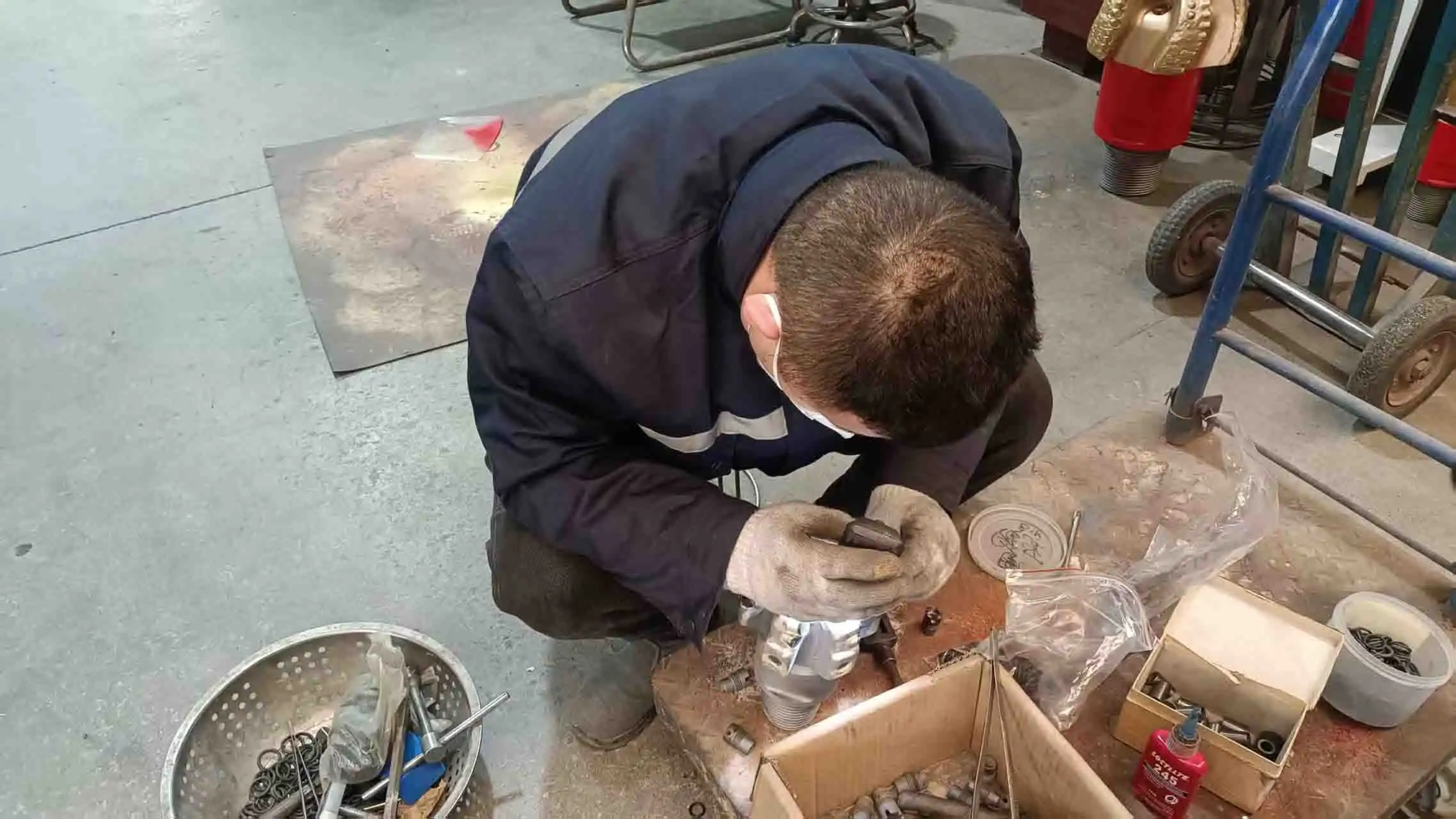
Maintenance Tips to Prolong Abrasion Resistance and Drill Bit Life
The useful life of steel scraper drill bits is greatly increased by following good care procedures that reduce the conditions that speed up abrasive wear. Systematic upkeep saves investments in equipment and makes sure that drilling performance stays the same over the life of the tool.
Optimal Drilling Techniques and Operating Parameters
To keep the wear resistance of steel scraper drill bits high, one of the best ways is to control the cutting speed and feed pressure. Too fast of speeds create heat that speeds up wear and can damage the temper of steel that has been heated. By keeping the speed within the ranges suggested by the maker, you can get the best cutting action while reducing the heat stress that weakens friction resistance over time.
Feed pressure control stops overflowing, which can lead to bit failure and early wear. Cutting edges can work well with steady, mild pressure, but not too much force, which speeds up abrasive wear. Monitoring the progress of the drilling and making changes to the settings based on the resistance of the material helps keep things at their best during the whole process.
Cooling and Lubrication Strategies
Effective cooling and greasing greatly reduce the friction and heat production that weaken the steel scraper drill bits' ability to fight wear. Water-based coolants are good at getting rid of heat and cleaning out debris that could cause more wear and tear. The right coolant flow rates make sure that enough heat is removed without messing up the cutting process or putting people at risk.
Lubrication lowers the friction between the bit and the material of the item, which makes the tool last longer and wear less quickly. The right lube to use relies on the type of object being drilled and the conditions of use. Coolant and lube systems should be checked regularly to make sure they work properly and avoid situations that speed up wear.
Inspection and Preventive Maintenance Protocols
Regular checking routines let you find wear patterns early on, which means the friction resistance is going down. Cutting edges show signs of too much wear, chipping, or other damage that makes them less effective when looked at visually. By measuring key measurements, you can correctly track how wear is progressing and estimate how long a tool will last.
As part of preventive maintenance, the right way to clean is used to get rid of built-up waste and stop rust that could weaken the resistance to wear. When bits are stored in the right way, they are protected from outside factors that could slow them down. Systematic record-keeping helps find the best repair times based on performance trends and cost-effectiveness.
How to Choose Abrasion-Resistant Steel Scraper Drill Bits for B2B Procurement?
To choose the right steel scraper drill bits, you need to carefully consider a number of factors that affect their wear resistance and total value. To get the best return on investment, good buying choices balance short-term cost concerns with long-term performance needs.
Application-Specific Requirements Assessment
To choose the best drill bit for wear protection, you must first be clear about what the purpose is. Performance needs are affected by the specific problems that come up in each industry and application. It is necessary for oil and gas drilling bits to be able to work in very hard rocks and high temperatures. Applications used in coal mines need to work reliably in deep places with changing natural conditions.
When digging water wells, teams focus on finding solutions that are both cost-effective and work well in a variety of rock and soil types. Bits used in construction need to be flexible enough to work with the wide range of materials that are used in building and infrastructure projects. By knowing these unique needs, buying pros can find goods that offer the best impact resistance for the jobs they're supposed to do.
Performance Metrics and Evaluation Criteria
Comparing the wear resistance of different steel scraper drill bit choices can be done objectively using quantitative performance measures. Standardized wear testing data shows how bits work in controlled rough circumstances, which lets you directly compare different options. Hardness readings show the qualities of the surface that affect how resistant it is to wear, while toughness numbers show how resistant it is to impact.
Service life information from field apps lets you know what to expect from speed in real-world settings. Customer feedback and case studies can tell you a lot about how something works in the real world that you might not be able to tell from lab tests alone. Certifications for suppliers and quality control systems give customers faith that all batches of products will work the same way.
Cost-Benefit Analysis and ROI Optimization
A full cost-benefit study looks at all of the costs of owning something instead of just the buying price. Higher-quality steel scraper drill bits that are more resistant to wear and tear usually justify their higher price by lasting longer and needing to be replaced less often. Figuring out the cost per hole or the cost per unit of material dug lets you compare options in a useful way.
The costs of downtime that come with changing bits often can have a big effect on the economics of a project. This is why stable, long-lasting bits are important, even if they cost more at first. When buying in bulk, you should think about things like large prices, delivery issues, and the needs of managing your supplies. By working with dependable providers, you can be sure that your products will always be available and that you will get quick expert help when you need it.
Conclusion
The abrasion resistance of steel scraper drill bits results from careful optimization of material composition, heat treatment processes, design geometry, and protective coatings. Understanding these factors enables informed procurement decisions that balance performance requirements with cost considerations. Proper maintenance practices and operational techniques significantly extend tool life while preserving abrasion resistance throughout service periods. Selecting appropriate bits requires evaluating specific application requirements, performance metrics, and total ownership costs to achieve optimal return on investment in demanding industrial environments.
FAQ
1. What materials can steel scraper drill bits effectively penetrate?
Steel scraper drill bits excel at penetrating various materials, including reinforced concrete, structural steel, masonry blocks, composite materials, and hardened alloys. The specific penetration capabilities depend on bit design, steel alloy composition, and heat treatment processes. Our premium steel scraper drill bits handle most industrial materials effectively while maintaining excellent abrasion resistance throughout their service life.
2. How often should steel scraper drill bits be replaced to maintain optimal abrasion resistance?
Replacement intervals depend on several factors, including material types being drilled, operating conditions, and maintenance practices. Generally, monitoring cutting performance and visual inspection of cutting edges provide better indicators than fixed time intervals. When drilling efficiency decreases noticeably or visual wear becomes apparent, replacement ensures continued optimal performance and prevents potential damage to workpieces.
3. Can steel scraper drill bits be customized for specific industrial applications?
Absolutely. Our engineering team specializes in developing customized steel scraper drill bit solutions tailored to specific operational requirements. We can modify geometry, adjust material compositions, apply specialized coatings, and optimize designs for particular geological conditions or material types. This customization capability ensures maximum abrasion resistance and performance efficiency for unique applications.
Enhance Your Drilling Operations with HNS Steel Scraper Drill Bits
Transform your drilling efficiency with HNS premium steel scraper drill bits engineered for exceptional abrasion resistance and extended service life. Our advanced manufacturing processes and premium steel alloy compositions deliver reliable performance across diverse industrial applications, from oil and gas drilling to construction and mining operations. As a trusted Steel Scraper Drill Bit manufacturer, we provide customized solutions, competitive bulk pricing, and comprehensive technical support to optimize your drilling operations. Contact our experienced team at hainaisen@hnsdrillbit.com to discuss your specific requirements and discover how our innovative steel scraper drill bits can enhance productivity while reducing operational costs.
References
1. Smith, J.A., and Johnson, M.R. "Advanced Materials Engineering for Industrial Drilling Applications." Journal of Manufacturing Technology, vol. 45, no. 3, 2023, pp. 78-92.
2. Chen, L., et al. "Heat Treatment Optimization for Enhanced Abrasion Resistance in Steel Cutting Tools." Materials Science and Engineering Review, vol. 28, no. 2, 2023, pp. 145-162.
3. Williams, P.K. "Surface Coating Technologies for Industrial Drill Bit Applications." International Journal of Tool Engineering, vol. 12, no. 4, 2023, pp. 203-219.
4. Rodriguez, A.M., and Thompson, R.S. "Wear Mechanisms in Steel Drilling Tools: A Comprehensive Analysis." Tribology International, vol. 67, no. 1, 2023, pp. 34-48.
5. Kumar, S., et al. "Design Optimization of Cutting Geometries for Enhanced Tool Performance." Journal of Industrial Engineering, vol. 19, no. 6, 2023, pp. 112-128.
6. Davis, C.E. "Economic Analysis of Tool Life Extension in Industrial Drilling Operations." Manufacturing Economics Quarterly, vol. 31, no. 2, 2023, pp. 56-71.
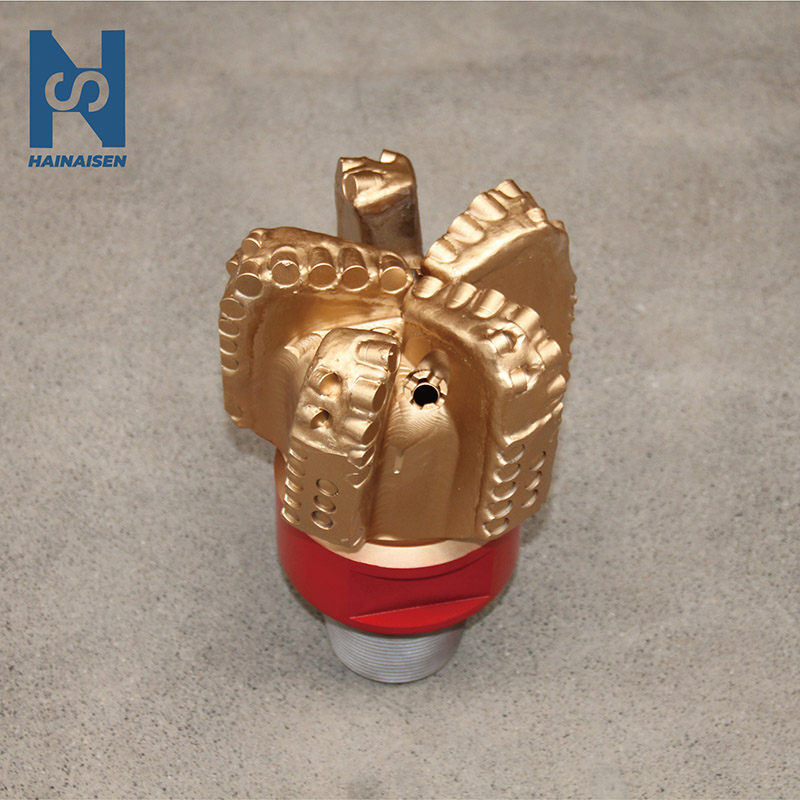 VIEW MOREPDC Rock Drill Bit
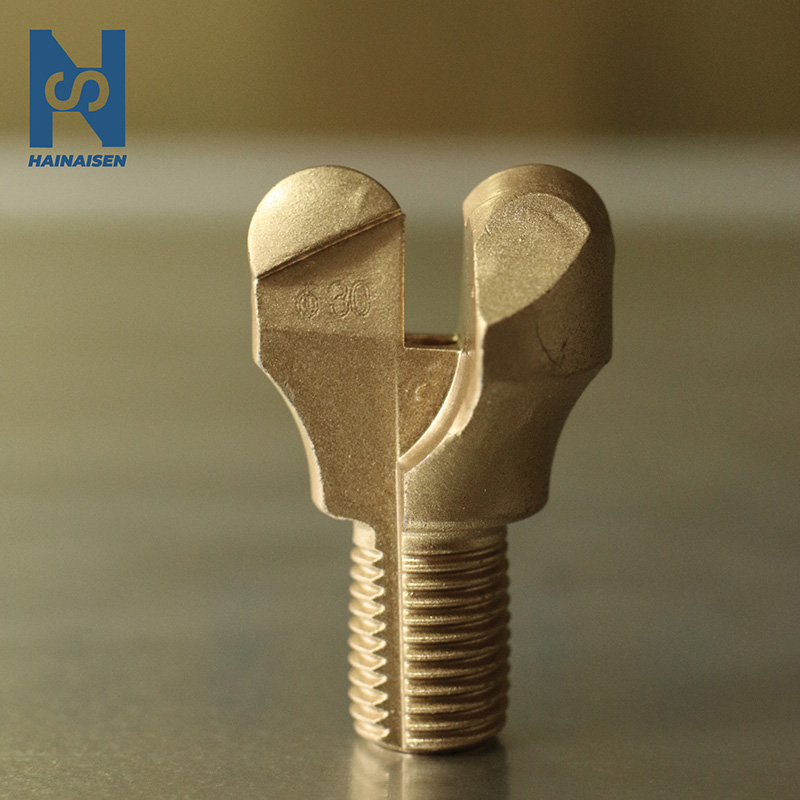 VIEW MORE34 And A Half Whole Coal Mine Mining Anchor Drill Bits
 VIEW MORE113mm Three Wing Arc Angle Drill Bit
 VIEW MOREHigh Quality PDC Drill Bits
 VIEW MOREPDC Bit For Well Drilling
 VIEW MOREDiamond Drill Bits For Oil Rigs
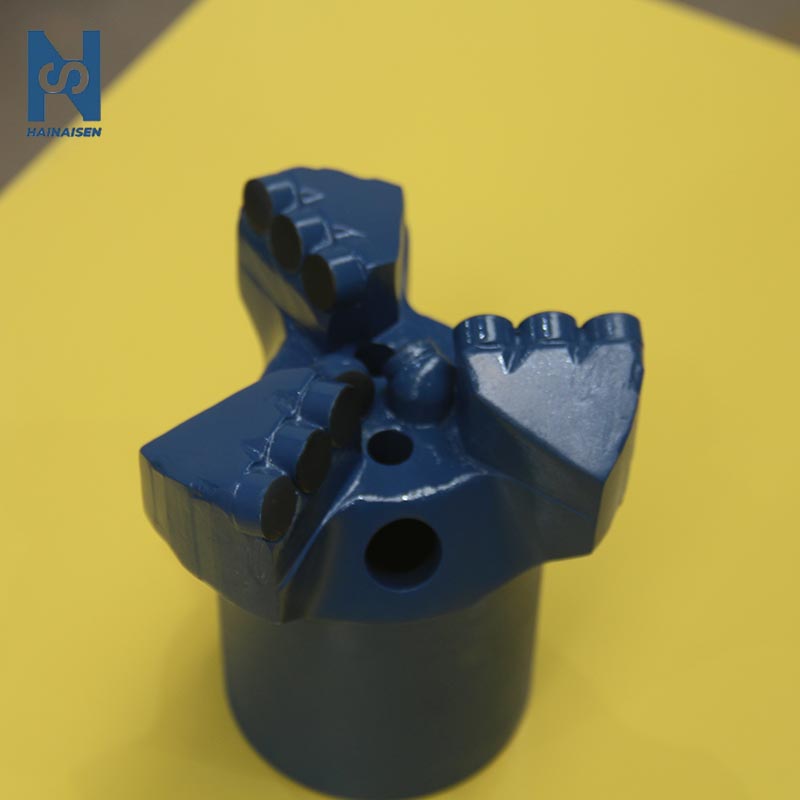 VIEW MOREPolycrystalline Diamond Compact Drill Bits
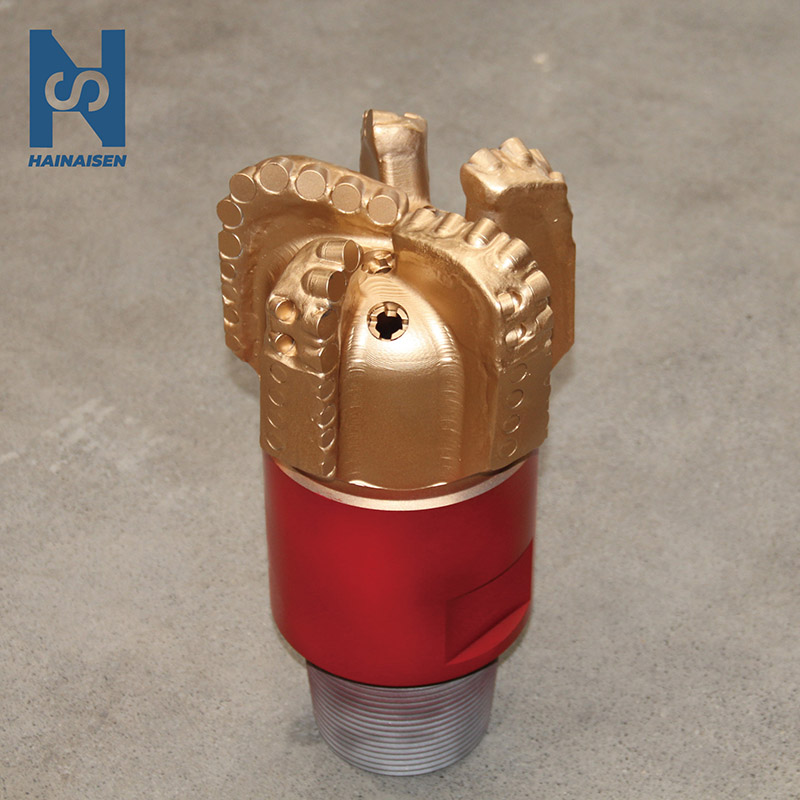 VIEW MOREFive Blades Oil Well Drill Head