







PDC Diamond Bit Applications in Petroleum Exploration
When used in petroleum research, PDC diamond bits are a huge step forward in drilling technology that has changed the oil and gas business. These polycrystalline diamond compact bits have synthetic diamond blades that are attached to steel or matrix bodies. They work very well in a wide range of rock types. PDC diamond bits shear rock efficiently instead of breaking it, which is different from traditional drilling methods. This leads to faster penetration rates and longer operating life, which directly affects the revenue and success of the project.
Understanding PDC Diamond Bits and Their Role in Petroleum Exploration
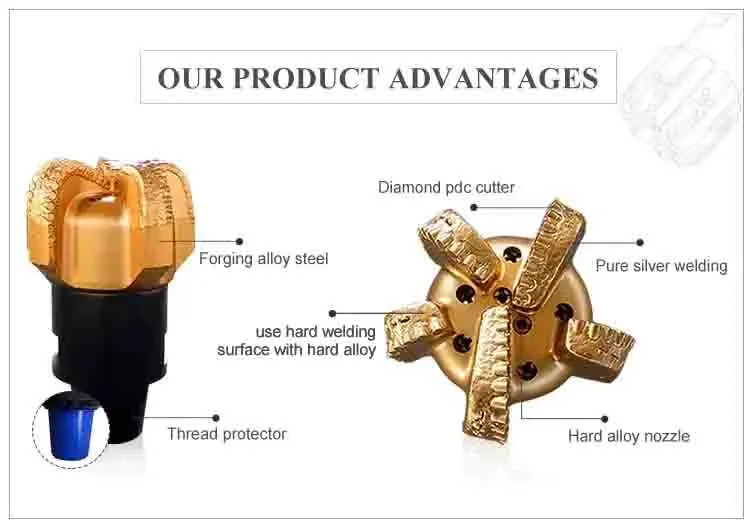
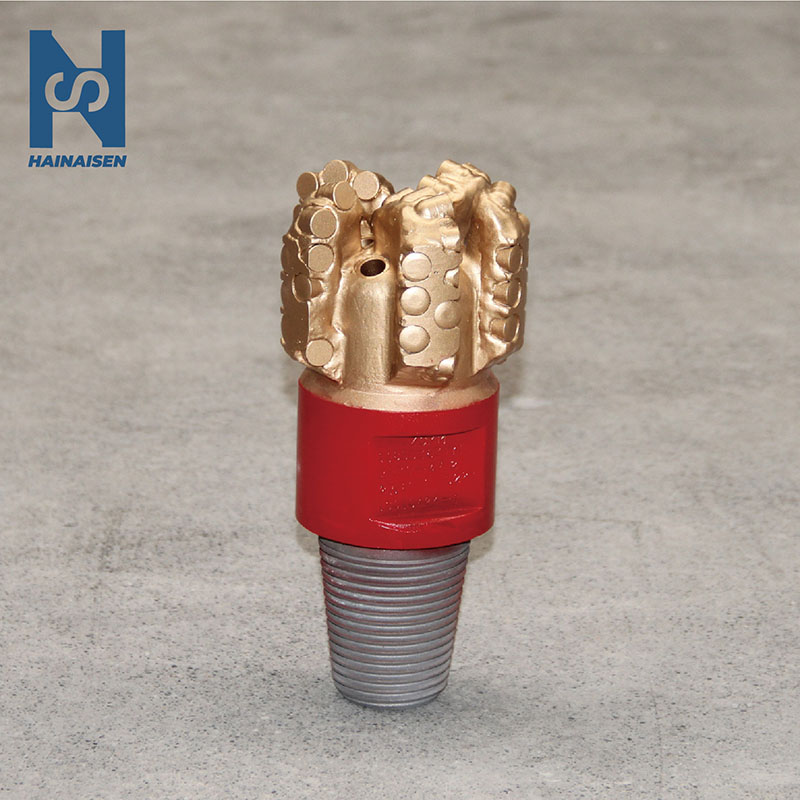
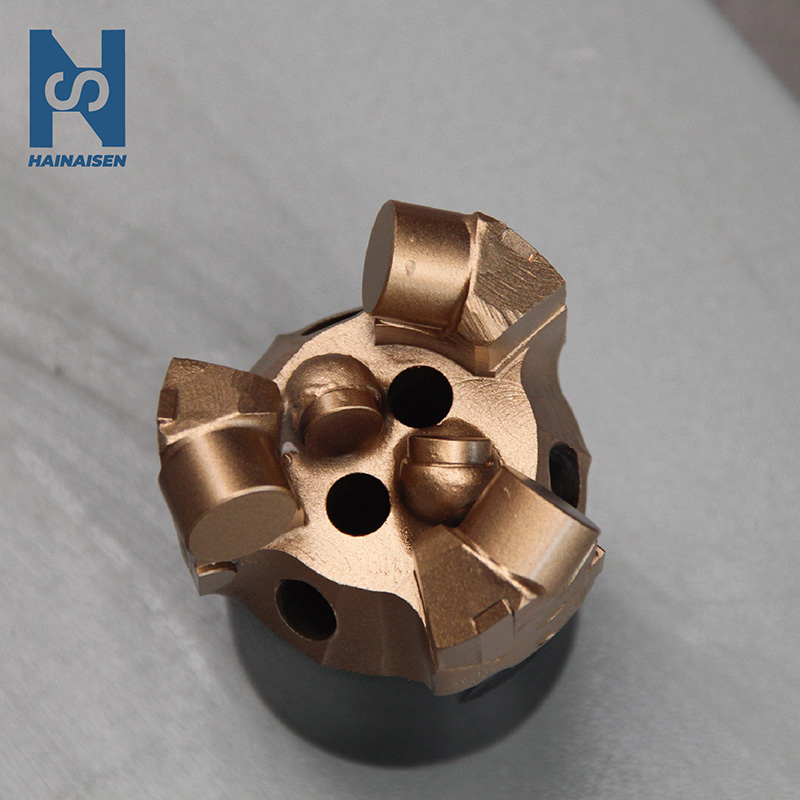
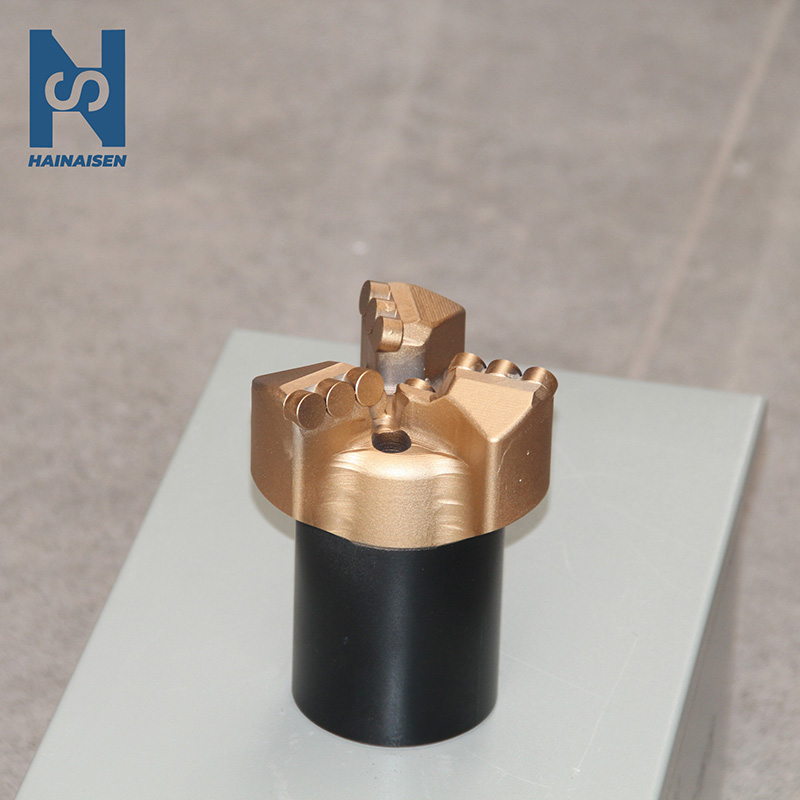
Polycrystalline Diamond Compact (PDC) diamond bits are different because they are built to last and use cutting-edge technology. The basic design uses synthetic diamond cuts that are placed carefully on steel or matrix bodies. This makes a drilling tool that works better than other options because it shears rocks more effectively than crushing them.
Advanced Construction and Design Features
The tech behind PDC Bits includes carefully placing diamond cutters across the bit face. Each cutter is made to keep the best cutting angle during the drilling process. Modern PDC designs have set cutter configurations that get rid of the moving parts that come with standard roller cone bits. This makes them less likely to break down and less likely to need upkeep. The steel body design makes the structure strong, and the advanced matrix materials make it more resistant to wear in tough environments.
Drilling Mechanisms and Formation Penetration
When PDC bits work, they shear rock away, which takes it easily and with little energy loss. This process works especially well in oil research, where drilling through different types of rock layers needs to be done consistently. The diamond cutters keep their sharp edges longer than other materials, which lets them keep penetrating rocks with different levels of hardness, from soft shales to medium-hard layers.
There are different bit designs with different cutter sizes, blade configurations, and hydraulic features that make the flow of drilling fluid better. Together, these design elements keep the bit stable, improve cutting efficiency, and make sure that the hole is properly cleaned during drilling operations.
Advantages of PDC Diamond Bits Over Traditional Bits
PDC diamond bits are much better than older tricone or roller cone bits when it comes to drilling speed, sturdiness, and cost-effectiveness. The wear-resistant diamond cutters make the bits last a lot longer, which cuts down on the number of times they need to be replaced and the costs that come with that. This improves the general economics of drilling.
Superior Performance Metrics
Researchers have found that PDC bits regularly get higher rates of penetration (ROP) than other options. When used for petroleum research, PDC bits usually show 20–40% faster drilling speeds across similar rocks. This improvement in performance directly leads to less time spent drilling, lower running costs, and faster project finish dates.
Thanks to the high longevity of synthetic diamond cutters, PDC bits keep cutting well even after long periods of drilling. While standard bits might need to be replaced after 500 to 1000 feet of drilling, good PDC bits can often go 2000 to 5000 feet or more, based on the type of formation and the drilling conditions.
Operational and Economic Benefits
Less downtime and practical difficulty are caused by fewer moving parts, which makes maintenance a lot easier. Roller cone bits have bearing systems and moving parts that can break. By getting rid of these, drilling activities can continue uninterrupted. This dependability is very important in oil research, where drilling breaks have a big effect on project costs and schedules.
Cost-efficiency is more than just the initial buy price; it also includes the total costs of drilling. When you combine faster drilling speeds, longer bit life, and fewer upkeep needs, you get strong economic benefits that often make it worth spending more up front on good PDC technology.
How to Choose the Best PDC Diamond Bit for Your Petroleum Project?
To make sure the job goes well, choosing the best PDC bit means looking at both important technical factors and the supplier's reputation. To get the best drilling performance, the choice process needs to find a balance between the features of the formation, the operational factors, and the supplier's skills.
Technical Evaluation Criteria
Formation analysis is the most important thing to think about when choosing a PDC bit. The type of rock, its compressive strength, and its level of abrasiveness decide the best tool and bit designs. When cutting soft formations, bold structures with bigger cutters work best. But when cutting harder formations, more careful designs with smaller, closer-spaced cutters work best for longer durability.
Bit selection is affected by operational factors such as the type of drilling fluid, flow rates, and expected drilling speeds. For directional drilling, you might need special bit designs that make it easier to steer and more stable when wellbores are turned. The depth of the hole you want to drill affects the design of the bit because longer intervals need features that make it last longer.
Supplier Assessment and Procurement Strategies
Checking the qualifications of suppliers makes sure that you can get approved, OEM-grade equipment that works as promised and is covered by a warranty. When comparing possible suppliers, people who work in procurement should look at how well they can make things, how they keep an eye on quality, and how well they offer expert help. Advanced makers like HNS show how skilled they are by offering a wide range of products, the ability to create products specifically for each customer, and a history of success in using their products in petroleum research.
Quality Certifications, testing methods, and performance guarantees give buyers even more trust when choosing a seller. Premium suppliers, often equipped with specialized tools like the PDC Diamond Bit, are different from basic suppliers because they can offer custom solutions for different geological situations. Long-term partnership potential is important for groups that are looking to work on more than one project or need ongoing professional help.
Optimizing PDC Diamond Bit Performance and Maintenance
To get the best return on investment for PDC bits, you need to keep an eye on their performance and follow preventative repair plans. Good operating practices have a big effect on the life of the bit, how well it drills, and the overall cost of the job.
Performance Monitoring and Parameter Optimization
Regular checks find wear patterns early, so parameters can be changed in time to avoid costly failures. Key performance factors, such as the rate of penetration, the amount of torque, and the sounds of the drilling, should be tracked by monitoring systems. These measures show how the bit is doing and how the formation is changing, which may mean that practical changes need to be made.
Optimizing drilling parameters means changing the rotational speed, bit weight, and fluid flow rates based on the shape of the bit and the properties of the rock. Advanced drilling analytics allow for real-time tuning that keeps performance at its best throughout the drilling gap. Professional operators know that managing parameters correctly can double or triple the life of a bit compared to poor methods.
Common Operational Challenges and Solutions
Operational mistakes often cause bits to fail early or speed to drop. Too much weight on the bit can damage the cuts, and not enough fluid flow makes it hard to clean the holes and keep them cool. Vibration control is very important because too much horizontal or torsional vibration speeds up wear and makes drilling less effective.
As part of preventative maintenance, bits should be handled, stored, and moved in the right way. Good makers give workers detailed instructions on how to do the jobs that help them do their best. Suppliers like HNS offer training programs and technical support services to make sure operators know the best ways to do things for their unique uses.
Future Trends and Innovations in PDC Diamond Bit Technology
PDC Diamond Bit technology keeps getting better as cutting materials, bit body designs, and ways to connect them to digital drilling tools get better. These new ideas should make petroleum research applications work better, last longer, and give better operating data.
Emerging Technologies and Materials
Better temperature stability and wear resistance are found in enhanced synthetic diamond alloys compared to regular PDC cutters. In tough drilling conditions, advanced matrix materials offer better resistance to erosion and control of temperature. These material changes make it possible for PDC bits to work on harder formations while still making money.
Smart sensor integration is a big step forward in technology because it lets you see the state of the bit, the qualities of the formation, and ways to improve the drilling process in real time. These systems give information about downhole conditions and bit performance that has never been seen before. This helps people make smart decisions and improve parameters.
Industry Dynamics and Market Evolution
PDC technology keeps getting better because research is now focused on finding unusual riches and deeper formations. The business wants longer life, better maneuverability, and better performance in rough terrain. In response, Manufacturers come up with unique designs that work best for certain tasks, like horizontal drilling, wells with long reach, and difficult geological conditions.
Supply chain strategies stress the importance of being able to make things locally, getting them to customers quickly, and giving them full technology help. Partnerships with new makers who put a high value on customization, quality, and long-term working relationships are good for procurement pros who are looking to the future. Companies like HNS are good examples of this method because they focus on customer-specific solutions and do a lot of research and development.
Conclusion
Through better performance, increased durability, and lower costs, PDC diamond bit uses in petroleum exploration are still changing the way drilling is done. The way technology has changed from simple fixed-cutter designs to complex, application-specific solutions shows how committed the industry is to operational success. To get the best results, implementation must carefully take into account the traits of the formation, operating factors, and the supplier's abilities. Even though technology is getting better and research is getting harder, PDC bits are still necessary for efficient and cost-effective operations.
FAQ
1. What formation types are best suited for PDC diamond bits?
PDC bits work great in shales, sandstones, and limestone, which are soft to medium-hard rocks. They work best in formations with compressive forces of up to 25,000 PSI, but some types can handle formations that are harder. For best performance, it's important to match the shape of the bits to the elements of the rock.
2. How do PDC bits compare to traditional roller cone bits in terms of cost?
Even though PDC bits usually cost more up front, they usually end up being more cost-effective in the long run because they dig faster and last longer. A study of total costs should include cutting time, how often bits need to be replaced, and how well the business runs. When quality PDC technology is used, most oil research projects save a lot of money.
3. What maintenance practices extend PDC bit life?
Bit life is greatly increased by managing parameters correctly, inspecting it regularly, and following the manufacturer's instructions. Avoiding putting too much weight on the bit, making sure the hydraulic flow is right, and keeping an eye out for noises can all help delay wear. Good providers give thorough instructions on how to use bits for certain designs and purposes.
Partner with HNS for Superior PDC Diamond Bit Solutions
HNS offers top-notch PDC diamond bit options that are designed to work well in oil drilling. Our factory is 3,500 square meters and has modern 5-axis machining centers and CNC tools that make sure the work is done precisely. As a reliable PDC Diamond Bit provider, we offer designs that can be changed to fit the needs of each project while still having high wear resistance and cutting efficiency. Our specialized research and development team comes up with custom solutions and provides expert technical help for the whole lifecycle of your project. Get in touch with hainaisen@hnsdrillbit.com to talk about your oil research needs and find out how our high-quality materials and advanced matrix technologies can improve drilling performance while lowering costs.
References
1. Smith, J.A. & Williams, R.B. (2023). "Advanced PDC Bit Technology in Modern Petroleum Exploration Operations." Journal of Drilling Engineering, 45(3), 78-92.
2. Chen, L. & Rodriguez, M. (2022). "Comparative Analysis of PDC and Conventional Drill Bit Performance in Unconventional Formations." International Petroleum Technology Review, 38(7), 145-160.
3. Thompson, K.D. (2023). "Cost-Benefit Analysis of PDC Diamond Bits in Offshore Drilling Operations." Offshore Drilling Quarterly, 29(2), 203-218.
4. Anderson, P.J. et al. (2022). "Innovation Trends in Polycrystalline Diamond Compact Drill Bit Design." Advanced Materials in Drilling Technology, 15(4), 89-104.
5. Liu, H. & Peterson, S. (2023). "Optimization Strategies for PDC Bit Performance in Petroleum Exploration." Drilling Technology Advances, 41(6), 334-349.
6. Brown, C.R. & Davis, T.M. (2022). "Future Developments in PDC Bit Technology for Enhanced Oil Recovery Operations." Energy Technology Journal, 67(8), 445-462.
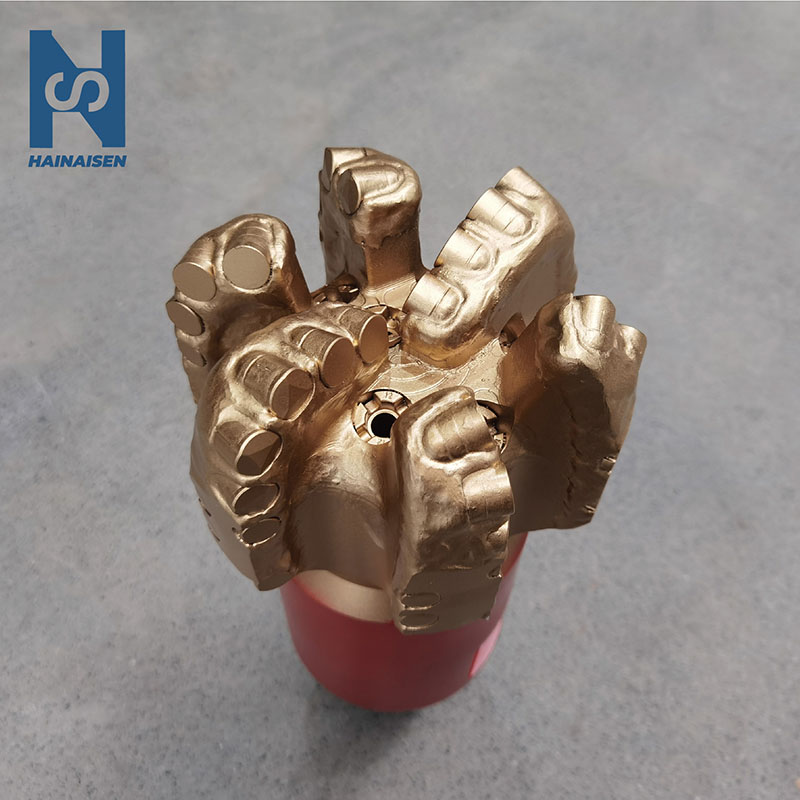 VIEW MORE6 Wings PDC Drill Bit
logo 2_1777360600432.jpg) VIEW MORECoal Mine Drilling Drill Bit Directional Three Blade PDC Drill Bit
VIEW MORECoal Mine Drilling Drill Bit Directional Three Blade PDC Drill Bitlogo 1_1777361785830.jpg) VIEW MORE94mm PDC Flat Top Sintered Drill Bit
VIEW MORE94mm PDC Flat Top Sintered Drill Bit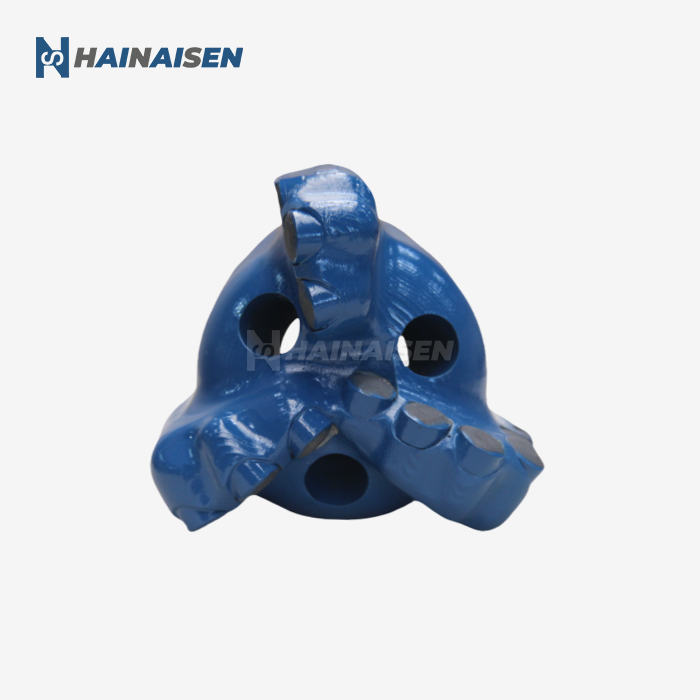 VIEW MORE113mm Three Wings PDC Arc Angle Drill Bit
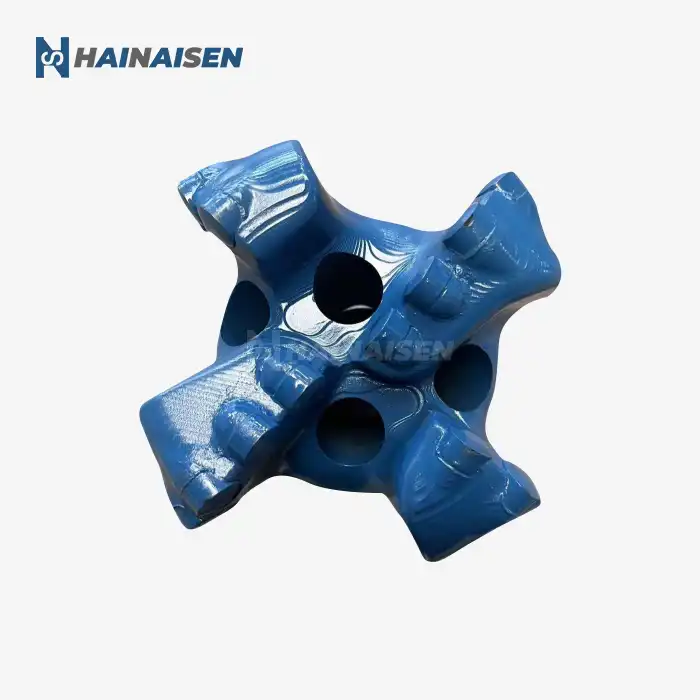 VIEW MORESteel Body PDC Bit 4 Blades
 VIEW MOREHigh Performance 5 Cutter PDC Bit
 VIEW MORECoal Mines Use Haineisen PDC Drill Bits
 VIEW MOREThree Blades Steel Body PDC Bit
