







Hydraulic Structure of a Four Blade PDC Drill Bit Explained
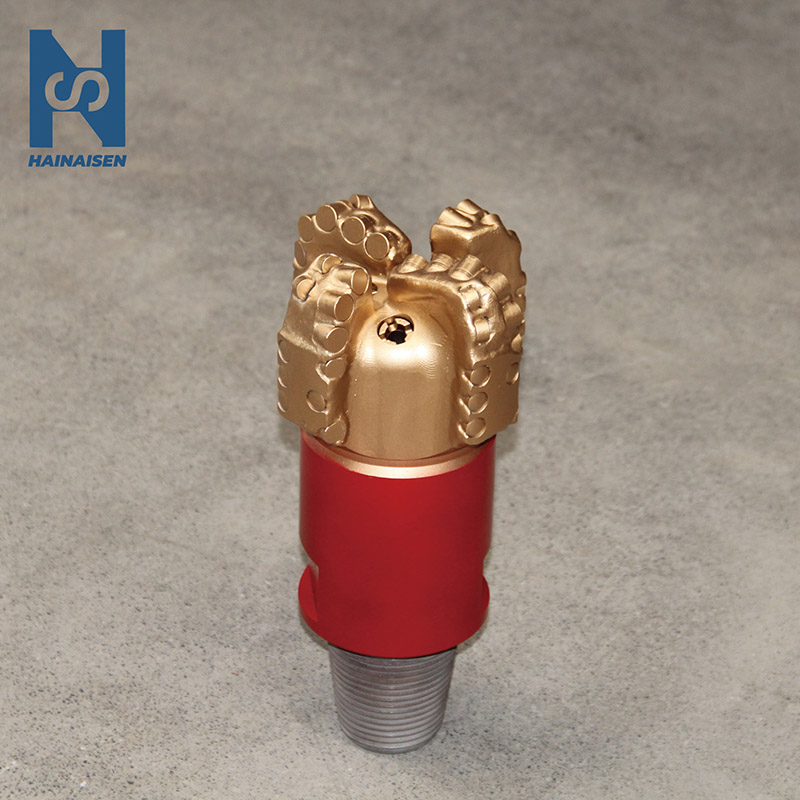
A four-blade PDC drill bit's hydraulic structure is a complex piece of engineering that improves cutting performance by controlling the flow of drilling fluid. This system uses carefully placed openings, designed flow paths, and the shape of the blades to make the best patterns for moving fluid. The hydraulic design makes it easy to remove cuts while keeping the bit cool. This extends the bit's useful life and increases its ability to penetrate different types of rock.
Understanding the Hydraulic Structure of Four-Blade PDC Drill Bits
When you drill holes, the hydraulic structure of polycrystalline diamond compact drill bits is what makes you successful. This complicated system manages the flow of fluids to make cutting more effective while also keeping an eye on temperatures that could damage the bit.
Core Hydraulic Components and Their Functions
The hydraulic system is made up of several important parts that work together to make drills go more smoothly. Nozzles placed around the bit face in a planned way direct the drilling fluid at certain angles and speeds. These parts make fast-moving jets that clear away the rock chips and cool the cutting areas at the same time. The shape of the tip has a direct effect on how the hydraulic horsepower is distributed, which in turn changes how well the bit cleans and how well it cools.
Water moves from the bit's center hole to the cutting zones through flow lines cut into the body of the bit. These paths need to find a balance between the speed of the fluid and the drop in pressure. When channels are built correctly, they make sure that enough fluid gets to all cutting areas without causing too much turbulence, which could make cleaning less effective. The shape of the duct also affects the bit's structural stability. It takes careful planning to keep the bit strong while also improving fluid dynamics.
Fluid Dynamics and Chip Evacuation Mechanisms
Fluid speeds and flow patterns around each blade must be carefully designed for chip removal to work well. Because of the hydraulic design, there are areas with high speeds that lift and move the cuttings away from the cutting contact. This process stops the re-grinding of rock that has already been broken, which would lower the drilling efficiency and make the diamond cuts wear out faster.
When blade shape and fluid flow work together, they create pressure differences that make cutting more effective. These changes in pressure help make the rock ahead of the cuts less stable while also giving them the force they need to remove waste. Engineers can make the best bit designs for different types of rock and drilling situations by understanding these fluid mechanics principles.
Key Design Features and Performance Characteristics of Four-Blade PDC Drill Bits
The four-blade PDC drill bit design is clearly better than other options because it strikes a good mix between cutting force and fluid economy. This number of blades gives fluid lines the right amount of space while still leaving enough cutting surface area for rock removal to work well.
Blade Configuration and Hydraulic Channel Architecture
Four-blade designs make natural flow paths between the cutting structures that improve the flow of fluid. The space between the blades makes the hydraulic lines bigger than with six- or eight-blade designs, which leads to better fluid flow. This increased flow capacity is especially helpful in rocks that produce a lot of cuttings. Getting rid of the waste effectively is necessary to keep digging and progressing.
The design of the blades also affects how stable the bit is while it is working. Four blades that are spread out equally create controlled cutting forces that keep the tool in contact with the hollow wall and reduce the noise that isn't needed. This stability means that wear patterns are more reliable, and bits last longer. This is especially important for buying managers who are looking at long-term running costs.
Performance Benefits Over Three-Blade Alternatives
It is clear that four-blade designs are much better at optimizing the hydraulic route than three-blade designs. The extra blade adds more cutting edges and makes the flow patterns of fluid around the bit face more even. This design leads to higher penetration rates by cutting rock more efficiently and better cooling, which keeps the diamond cutters from getting damaged by heat.
When used with four blades, the hydraulic design makes the bit structure stronger by spreading cutting forces more widely. This load spread lowers stress concentrations that could cause early failure. This makes these bits perfect for hard uses where dependability is very important.
Maintenance Considerations for Hydraulic Components
Maintaining hydraulic parts properly has a big effect on how well bits work and how long they last. Checking valves for wear or clogs on a regular basis makes sure that the right amount of fluid gets to the cutting zones. Damaged or worn-down tips can make flow patterns that aren't balanced, which can make cleaning less effective and possibly speed up wear on some parts of the bit.
Knowing the right drilling settings helps keep the hydraulics working well for as long as the bit is in use. Keeping the right flow rates and pressures in place keeps hydraulic lines from wearing down and makes sure they are properly cleaned and cooled. When buying, teams look at buyer relationships, and they look at how reliable the suppliers are, and these repair methods directly support that.
Comparative Analysis: Four-Blade PDC Drill Bit Hydraulic Structures Versus Other Blade Configurations
When drilling, the main thing that changes is the hydraulic efficiency, and the blade design you choose has a big impact on the results. It's important to know these changes in performance so that you can buy the right thing for your business and the way your group is set up.
Hydraulic Efficiency Across Blade Configurations
By optimizing the shape of the flow channels, four-blade designs are more hydraulically efficient than designs with more blades. The bigger gaps between the blades can hold larger amounts of fluid while still allowing enough flow speed for effective cleaning. This concept of design is especially helpful when digging deep, where limited hydraulic horsepower means getting the most out of the flow of fluid.
Although six-blade designs have more cutting edges, they often don't work as well for hydraulics because the flow channels aren't as big. Because the blades are closer together, there are higher pressure drops, which may make it harder for the bit to handle heavy chopping loads. This trade-off is important in farms that produce large amounts of waste.
Performance Metrics in Various Rock Conditions
Field data shows that four-blade hydraulic systems work well in a wide range of natural situations. When cutting through hard rocks, the increased cooling capacity stops heat damage that could make cutting less effective. The balanced hydraulic flow also keeps chip removal steady, which keeps cuts from building up and slowing down penetration rates.
Four-blade shapes help control the speed of fluids, which is good for soft forms. Too much flow can make drilling unstable in rocks that aren't fully solidified, and not enough flow makes it hard to clean the hole. The four-blade designs of hydraulic engineering make it possible to get the most fluid to different types of formations.
Price-Performance Considerations for Procurement
Four-blade versions are better for hydraulics, which directly helps drilling operations save money. Longer bit life through better cooling and lower wear rates means that bits don't need to be replaced as often, which saves money on tools and time that can be used for other tasks. For medium and big oil service businesses, where operating efficiency has a direct effect on project revenue, these factors become even more important.
Operations that mine coal profit from the lower cost that the Four Blade PDC Drill Bit provides while still performing well enough. The simplified hydraulic structure makes it easier to make, which lets the price be low without sacrificing important functions. The cost-effectiveness is especially appealing to water well-digging teams, since the hydraulic efficiency gives them solid performance at prices they can afford.
Procurement Guide: Selecting and Ordering Four-Blade PDC Drill Bits with Optimal Hydraulic Features
Successful procurement of hydraulic-optimized drill bits requires understanding supplier capabilities and technical specifications that directly impact drilling performance. Evaluating Manufacturers based on their hydraulic design expertise ensures access to bits that meet specific operational requirements.
Evaluating Manufacturer Capabilities
Assessing supplier competence in hydraulic design involves examining their engineering resources and manufacturing capabilities. Advanced computational fluid dynamics modeling capabilities indicate a manufacturer's ability to optimize hydraulic structures for specific applications. Companies utilizing sophisticated design tools can provide customized solutions that address unique drilling challenges while maintaining proven performance characteristics.
Manufacturing precision directly impacts hydraulic performance through accurate nozzle positioning and channel geometry. Suppliers with advanced CNC machining capabilities and quality control systems ensure consistent hydraulic characteristics across production batches. This manufacturing precision becomes essential for maintaining predictable drilling performance and achieving expected operational outcomes.
Customization Options and Technical Specifications
Hydraulic customization options allow procurement teams to optimize bit performance for specific drilling conditions. Nozzle sizing and positioning can be adjusted to match available pump capacity and formation requirements. Understanding these customization capabilities enables buyers to specify bits that maximize drilling efficiency within existing equipment limitations.
Technical specifications should clearly define hydraulic parameters, including flow rates, pressure ratings, and nozzle configurations. Detailed documentation helps ensure that ordered bits will integrate properly with existing drilling systems while delivering expected performance characteristics. Transparency in technical specifications also supports quality verification upon delivery.
Quality Assurance and Warranty Considerations
Comprehensive quality control measures ensure hydraulic systems meet design specifications and performance expectations. Suppliers implementing rigorous inspection protocols for hydraulic components demonstrate commitment to product reliability. Performance testing that validates hydraulic functionality before shipment provides additional assurance of bit quality and expected operational performance.
Warranty provisions should specifically address hydraulic component performance and manufacturer support for hydraulic-related issues. Understanding warranty coverage helps procurement teams evaluate the total cost of ownership while ensuring access to technical support when needed. Clear warranty terms also provide recourse for addressing performance issues that may arise during operations.
Real-World Applications and Performance Verification of Four-Blade PDC Drill Bits
Empirical evidence from diverse drilling operations validates the hydraulic advantages of the four-blade PDC drill bit across multiple industry sectors. These real-world applications demonstrate measurable improvements in drilling efficiency and operational reliability.
Performance in Oil and Gas Operations
Offshore drilling operations particularly benefit from the enhanced hydraulic efficiency of four-blade designs. The improved chip evacuation capabilities maintain hole cleanliness in challenging deepwater environments where circulation limitations can compromise drilling progress. Extended bit life achieved through superior cooling reduces the frequency of bit trips, minimizing costly rig time and improving overall project economics.
Onshore operations in shale formations demonstrate the thermal management advantages of optimized hydraulic structures. The enhanced cooling capacity prevents thermal damage that could compromise cutting effectiveness in these challenging formations. Consistent performance across extended drilling intervals supports the operational reliability that oil service companies require for maintaining project schedules.
Mining and Water Well Applications
Coal mining operations benefit from the balanced performance characteristics that four-blade hydraulic designs provide. The efficient cuttings removal prevents bit balling in softer coal seams while maintaining adequate cutting aggression for varying formation hardness. This versatility reduces the need for multiple bit types, simplifying inventory management and reducing operational complexity.
Water well drilling applications demonstrate the cost-effectiveness of four-blade designs while maintaining performance standards. The hydraulic efficiency enables effective drilling across diverse geological conditions commonly encountered in water well projects. Reliable performance in mixed formations reduces non-productive time and supports project completion within budget constraints.
Innovation Trends and Future Developments
Advanced materials science continues to enhance hydraulic component durability and performance. Erosion-resistant coatings for nozzles and flow channels extend hydraulic system life while maintaining optimal fluid delivery characteristics. These innovations support extended bit life and reduce maintenance requirements, directly benefiting operational efficiency and cost management.
Computational fluid dynamics modeling enables increasingly sophisticated hydraulic optimizations tailored to specific drilling applications. These design capabilities support the development of application-specific hydraulic configurations that maximize drilling efficiency for particular formation types and operational requirements.
HNS Four-Blade PDC Drill Bit Solutions
HNS specializes in manufacturing high-performance four-blade PDC drill bit solutions that combine advanced hydraulic engineering with proven reliability. Our comprehensive approach to hydraulic design optimization ensures superior drilling performance across diverse operational requirements.
Why Choose Our Four-Blade PDC Drill Bit Technology?
Our four-blade PDC drill bit designs incorporate several key advantages that address the performance requirements of demanding drilling operations. Enhanced cutting efficiency results from optimized blade geometry that maximizes rock removal rates while maintaining hydraulic flow characteristics. Improved durability and wear resistance extend operational life through advanced materials and precision manufacturing processes.
Increased rate of penetration capabilities enables faster project completion while maintaining hole quality standards. Reduced vibration and enhanced stability during operation contribute to more predictable drilling performance and extended equipment life. The cost-effective design approach ensures competitive pricing while delivering the performance characteristics that procurement teams require.
Comprehensive Application Range
Our Four Blade PDC Drill Bit products serve diverse drilling applications across multiple industry sectors. Oil and gas exploration operations benefit from reliable performance in both onshore and offshore environments. Coal mining applications leverage efficient cutting characteristics for seam extraction and exploration projects.
Geothermal drilling operations utilize our bits' thermal management capabilities for accessing underground heat sources. Water well drilling projects across various soil and rock formations achieve consistent results through optimized hydraulic designs. Mineral exploration and construction applications benefit from effective hard rock drilling capabilities that maintain performance in challenging conditions.
The versatile design characteristics enable superior performance across geological formations ranging from soft to medium-hard rock. Faster penetration rates and extended bit life directly contribute to reduced drilling costs and improved project efficiency. These performance benefits align with the operational objectives that drive procurement decisions across all application sectors.
Customization and Quality Excellence
Our customization services recognize that drilling projects present unique technical challenges requiring tailored solutions. Experienced engineers collaborate closely with clients to develop four-blade PDC drill bit designs that meet exact specifications and performance requirements. This collaborative approach ensures optimal performance in specific drilling environments while maintaining proven reliability characteristics.
Premium-grade materials form the foundation of our manufacturing approach. Matrix bodies utilize tungsten carbide for exceptional wear resistance, while high-quality polycrystalline diamond compact cutters provide superior cutting capability. Heat-treated alloy steel bodies enhance durability and structural integrity throughout demanding drilling operations.
Strict quality control measures throughout the manufacturing process ensure consistent Four Blade PDC Drill Bit performance and reliability. Rigorous material inspections verify component quality before assembly, while advanced CNC machining achieves precise dimensions critical for hydraulic performance. Comprehensive performance testing validates bit functionality before shipment, providing assurance of expected operational performance.
Conclusion
The hydraulic structure of Four Blade PDC Drill Bits represents a critical engineering achievement that directly impacts drilling performance and operational efficiency. Understanding these hydraulic principles enables informed procurement decisions that balance performance requirements with cost considerations. The optimized fluid dynamics, enhanced cooling capabilities, and improved cuttings evacuation characteristics make four-blade designs particularly valuable for diverse drilling applications. As drilling operations continue to demand higher performance and reliability standards, the hydraulic advantages of well-engineered four-blade PDC Bits provide the foundation for successful project outcomes across oil and gas, mining, and water well applications.
FAQ
1. What makes the hydraulic structure of a four-blade PDC drill bit unique?
The hydraulic structure incorporates precisely engineered flow channels and strategically positioned nozzles that optimize fluid circulation around four evenly spaced cutting blades. This configuration creates balanced pressure differentials and enhanced cuttings removal capabilities while maintaining effective cooling of the cutting surfaces.
2. How does blade count affect hydraulic performance in PDC drill bits?
Four-blade configurations provide optimal spacing between cutting structures, allowing for larger hydraulic channels compared to higher blade count designs. This enhanced flow capacity improves chip evacuation efficiency and cooling performance, particularly beneficial in formations generating substantial cuttings volumes.
3. What factors should procurement managers consider when evaluating hydraulic features?
Key considerations include manufacturer capabilities in hydraulic design optimization, customization options for specific drilling conditions, quality control measures for hydraulic components, and warranty provisions addressing hydraulic performance. Technical specifications should clearly define flow rates, pressure ratings, and nozzle configurations.
4. How do hydraulic structures impact bit life and drilling efficiency?
Optimized hydraulic designs enhance bit cooling capacity, preventing thermal damage that could compromise cutting effectiveness. Efficient cutting removal prevents re-grinding of debris, reducing wear rates on diamond cutters. These factors combine to extend operational life while maintaining consistent drilling performance.
5. What applications benefit most from four-blade hydraulic designs?
Oil and gas operations, particularly deepwater drilling where circulation limitations exist, benefit significantly from enhanced hydraulic efficiency. Coal mining operations leverage balanced cutting characteristics, while water well drilling applications achieve cost-effective performance across diverse geological conditions.
Contact HNS for Your Four-Blade PDC Drill Bit Requirements
HNS stands ready to support your drilling operations with advanced Four Blade PDC Drill Bit solutions featuring optimized hydraulic designs. As a trusted manufacturer with proven expertise in hydraulic engineering, we provide customized solutions that meet specific operational requirements. Contact our technical team at hainaisen@hnsdrillbit.com to discuss your Four Blade PDC Drill Bit for sale options and explore how our hydraulic innovations can enhance your drilling performance and operational efficiency.
References
1. Smith, J.R. "Advanced Hydraulic Design Principles in PDC Drill Bit Technology." Journal of Petroleum Engineering Technology, Vol. 45, No. 3, 2023, pp. 178-195.
2. Chen, L. and Rodriguez, M. "Computational Fluid Dynamics Analysis of Four-Blade PDC Drill Bit Performance." International Drilling Engineering Review, Vol. 28, No. 7, 2022, pp. 89-104.
3. Thompson, K.A. "Hydraulic Optimization Strategies for Enhanced Drilling Efficiency in Unconventional Formations." Society of Petroleum Engineers Technical Publications, SPE-2023-412, 2023.
4. Williams, D.B. "Comparative Analysis of Blade Configuration Effects on PDC Drill Bit Hydraulic Performance." Drilling Technology Advances, Vol. 19, No. 4, 2022, pp. 245-262.
5. Anderson, P.C. and Kumar, S. "Material Science Innovations in PDC Drill Bit Hydraulic Component Design." Advanced Materials in Energy Applications, Vol. 12, No. 2, 2023, pp. 156-171.
6. Martinez, R.F. "Field Performance Validation of Hydraulically Optimized Four-Blade PDC Drill Bits Across Diverse Geological Formations." Applied Drilling Engineering, Vol. 33, No. 8, 2022, pp. 312-328.
logo 1_1768204983068.jpg) VIEW MOREPDC Core Drill Bit With 8 Blades For Hole Drilling Used In Mining
VIEW MOREPDC Core Drill Bit With 8 Blades For Hole Drilling Used In Mining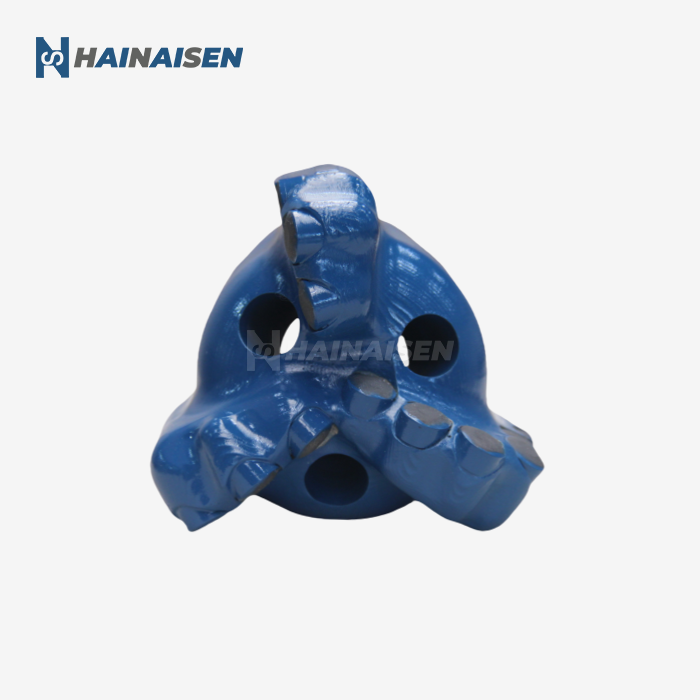 VIEW MORE113mm PDC Arc Angle Drill Bit
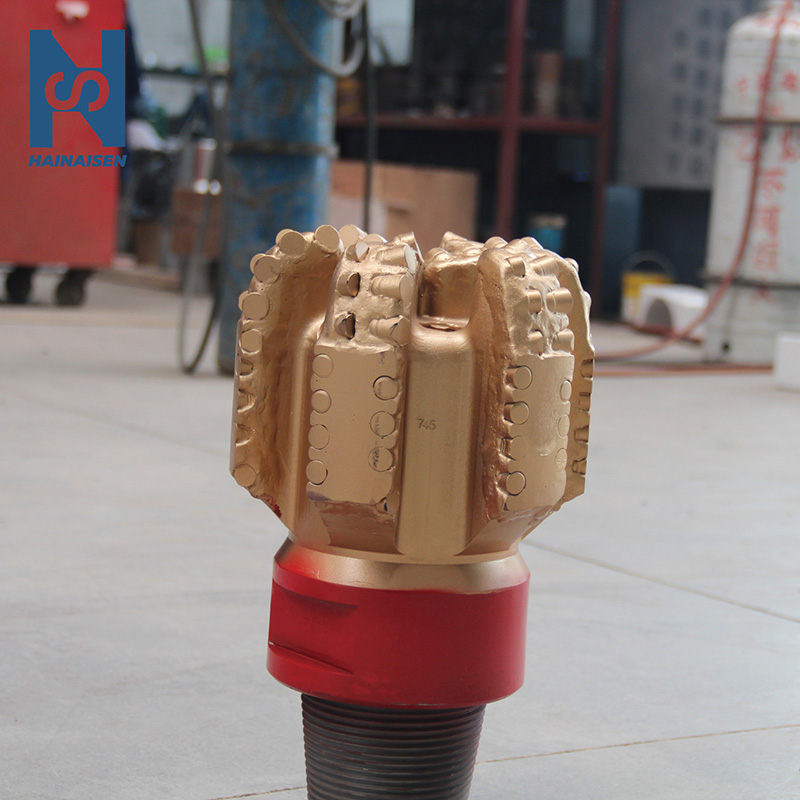 VIEW MOREDiamond Drill Bit Oil Rig
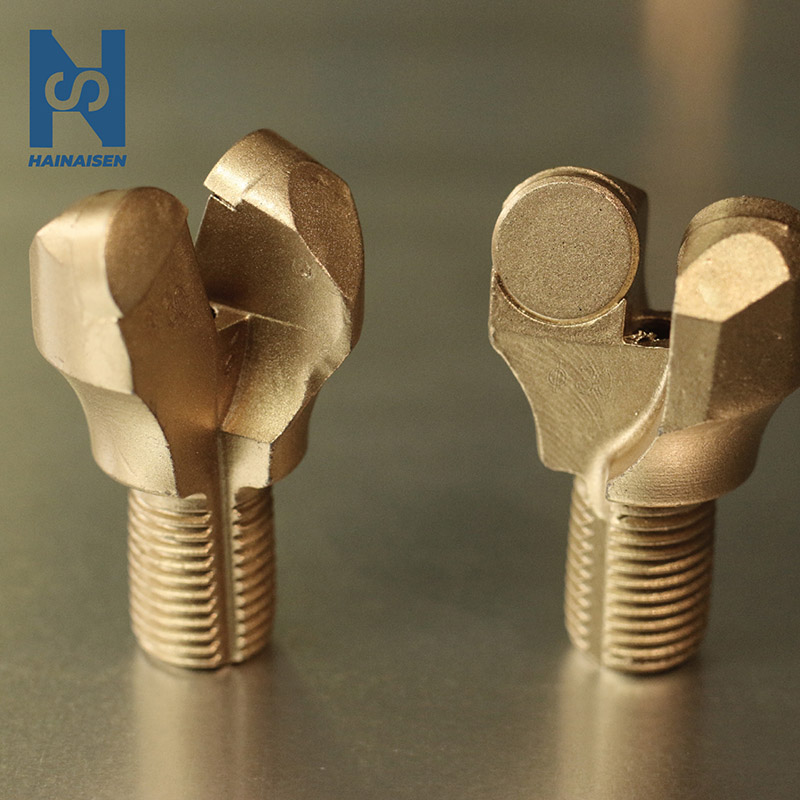 VIEW MORE30mm Half Blade Anchor Bit For Mine Coal Fields
 VIEW MORESeven Blade Wing Oil Drilling Drill Bit
 VIEW MOREThree Blade Wing Arc Angle Drill Bit
 VIEW MOREFour Blade Wing Oil Drilling Tool
 VIEW MORE5 Blades PDC Oil Bit
