




Best Uses of 94Mm Four Wing Arc Angle Drill Bit in Mining
The 94 mm Four Wing Arc Angle Drill Bit is a revolutionary piece of equipment for modern mining because it works so well in a wide range of rock types. This specialized drilling equipment works really well in geothermal projects, coal mining, and material extraction. It has high entry rates and lasts a long time. This modern PDC technology is used by mining companies all over the world to boost production while lowering downtime and equipment costs.
Introduction
Every piece of technology used in modern mining has to be accurate, reliable, and cost-effective. The drilling business has changed a lot over the years. New technologies have led to the creation of specialized tools that can work in the toughest rock conditions. This detailed guide looks at the 94 mm Four-Wing Arc Angle Drill Bit's strategic uses in mining settings. It gives B2B buying professionals and mining experts important information they can use to improve their drilling operations.
Mining companies are under more and more pressure to be more efficient while still meeting safety standards and keeping costs low. Choosing the right drilling tools has a direct effect on how long a project takes, how much material is extracted, and how profitable the project is overall. This guide talks about these important points by looking at how the 94 mm Four Wing Arc Angle Drill Bit can change the way mining is done by drilling because of its unique design and high performance.
Understanding the Unique Features of the 94 mm Four-Wing Arc Angle Drill Bit
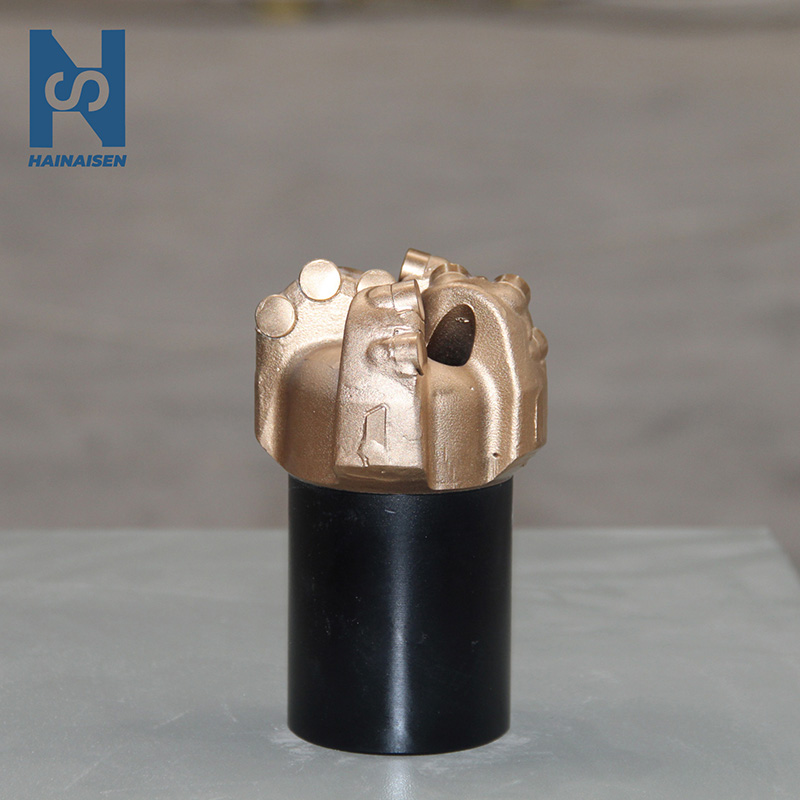
The 94 mm Four-Wing Arc Angle Drill Bit is a big step forward in drilling technology thanks to its excellent engineering. This high-tech tool has four wings that work together to make sure that the cutting forces are evenly distributed and that the best amount of material is removed. The arc angle design makes the cutting more stable while lowering shaking. This leads to better borehole quality and longer bit life in tough mining conditions.
Advanced PDC Cutter Technology
The drill bit has 1308 Polycrystalline Diamond Compact (PDC) cuts placed in a way that makes cutting as efficient as possible across four wings. These diamond-enhanced cutting elements are very resistant to wear and keep their sharp cutting edges even during long, boring jobs. The high-strength steel body design keeps the structure strong even under high drilling pressures, and the tungsten carbide matrix makes it last longer in rough rock formations.
Optimized Hydraulic Design
The four-nozzle design provides better hydraulic cleaning performance, ensuring the removal of drill shavings efficiently and keeping the cutting structure at the right temperature. This part of the design keeps the bit from balling and keeps the drilling performance constant in a wide range of natural conditions. The 63.5 cone buckle connection type makes attaching safe and flexible, so it can be changed to fit the needs of different drilling tools.
Thermal Stability and Performance
This drill bit, the 94 mm Four Wing Arc Angle Drill Bit, is different from other cutting tools because it is more stable at high temperatures. The high-tech materials and mechanical design keep the cutting efficiency even when temperatures are high, which is usual in deep mining. This heat resistance makes bits last longer and cuts down on how often tools need to be changed, which saves a lot of money and keeps operations running smoothly.
Best Drilling Techniques and Applications in Mining
Mining companies face a wide range of physical problems that need specific digging methods. The 94 mm Four-Wing Arc Angle Drill Bit is great for a lot of different mining tasks, which makes it very useful for sourcing managers who need reliable drilling solutions.
Coal Mining Operations
This drill bit's balanced cutting action and ability to remove debris are very helpful for coal mining tasks. The four-wing design keeps the drilling parameters fixed in layered coal seams, and the PDC cutters can handle coal rocks with different levels of hardness. When this technology is used in longwall and room-and-pillar mining, mine experts say it improves bit wear and increases penetration rates.
In a coal mine, the drill bit works well for more than just extraction; it can also be used for research, digging, and methane drainage. Its ability to keep boreholes moving in exact paths helps with accurate geological maps and gas extraction systems that work well. Companies that mine coal have seen their output go up by up to 25% when they switch from using older digging tools to these more advanced ones.
Mineral Extraction Projects
There are some problems that are only found in hard rock mining that this drill bit can solve with its strong build and good cutting ability. The tungsten carbide matrix and smart placement of the PDC cutters make it possible to drill through granite, quartzite, and other tough material forms. Mining companies that look for industrial minerals, base metals, and rare metals get better drilling rates and lower operating costs.
Geothermal Drilling Operations
For geothermal energy projects to work, drillers have to go through different types of rock at great depths, often in hot, rough conditions. The 94 mm Four-Wing Arc Angle Drill Bit is perfect for these tough jobs because it is stable at high temperatures and doesn't wear down easily. Energy companies say their drilling operations were successful, with long bit runs and steady performance in difficult geothermal formations.
Maintenance, Troubleshooting, and Longevity in Mining Environments
To get the most use out of drilling equipment, it needs thorough repair plans and effective ways to find and fix problems. The shape of the 94 mm Four-Wing Arc Angle Drill Bit makes it easier to maintain and gives clear instructions on how to improve performance.
Preventive Maintenance Protocols
Effective bit repair plans are built around schedules for regular inspections. Mining companies should set up regular inspection plans that focus on the state of the PDC cutter, the wear patterns on the wings, and the stability of the hydraulic nozzle. Visual checks should be done every 50 hours of digging, and full checks should be done when the equipment is due for repair.
The right way to clean bits has a big effect on how long they last and how consistently they work. High-pressure water cleaning gets rid of built-up dirt and keeps hardened material from building up, which can make cutting less effective. Chemical cleaning products made just for PDC Bits make cleaning more efficient and keep the tungsten carbide matrix from rusting.
Common Performance Issues and Solutions
When bit performance goes down, it usually shows up as slower penetration rates, more shaking, or an uneven borehole shape. These signs usually mean that certain repairs or changes to the way things are run are needed to get them back to working at their best. Uneven wear patterns mean that the drilling parameters need to be changed, and damaged PDC cutters may need changes to the way they are used, or the equipment needs to be calibrated.
Keeping an eye on the temperature while drilling gives you useful information about how the bit is working and what problems might be happening. High temperatures could mean that there isn't enough hydraulic flow, there is too much drilling pressure, or the cutting parts are worn out. Putting in place temperature tracking systems lets you do preventative repair that stops catastrophic bit failures and increases operational life.
Extending Tool Life in Abrasive Conditions
Conditions in mines are often very rough, making it hard for even the toughest digging tools to work, such as the 94 mm Four-Wing Arc Angle Drill Bit. Controlled drilling factors, such as bit weight, rotational speed, and hydraulic flow rates, improve performance while reducing wear that isn't required. Teaching drilling workers the right way to use the equipment and choose the right parameters has a big effect on how long bits last and how well the drilling goes overall.
Procurement Insights: How to Source High-Quality 94 mm Four-Wing Arc Angle Drill Bits?
When buying drilling tools strategically, you need to carefully consider the supplier's skills, the quality of the products, and the availability of long-term support services. To get the most out of the equipment they buy, mining companies need to balance the initial investment prices with the equipment's working performance and the total cost of ownership.
Supplier Evaluation Criteria
Manufacturers with a good reputation show their dedication to quality by following international manufacturing standards and thorough approval programs. ISO 9001 certification means that quality control methods are organized, and API specifications make sure that the product works with common drilling tools. Suppliers should back up claims about the quality and performance of their products with thorough material approvals and evidence of the manufacturing process.
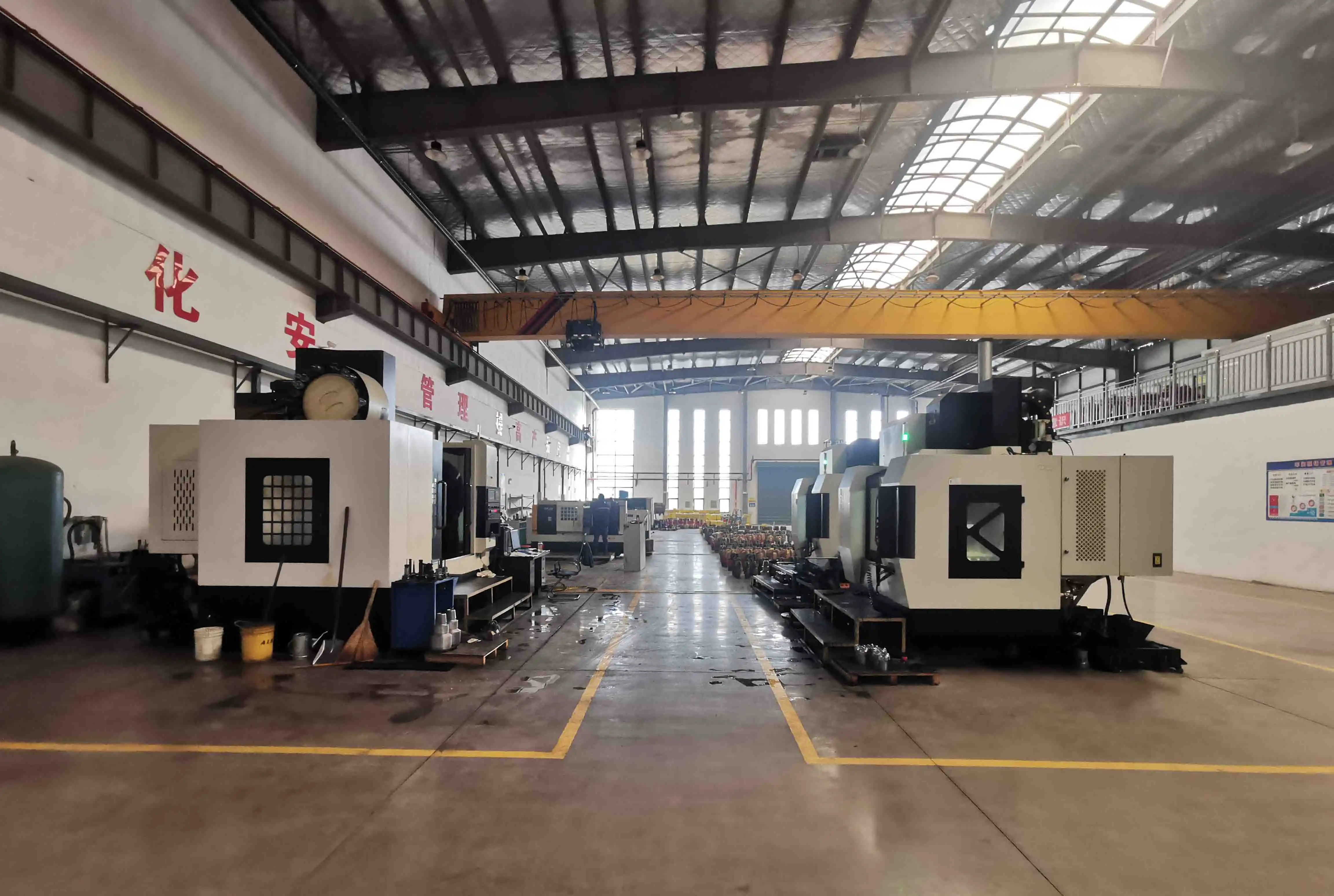
The ability to manufacture has a direct effect on the quality of the product and the dependability of delivery. Modern factories with 5-axis machining centers and CNC machine tools make sure that production tolerances are exact and that product quality is always the same. Welding production lines and modern processing tools make it possible to keep strict quality control standards while still making production go quickly.
Cost-Effectiveness Analysis
When making purchases, people shouldn't just look at the initial buy price but also the total cost of ownership. Even though high-quality drill bits may cost more, they usually work better and last longer, which lowers the total cost of drilling. The total value proposition is affected by things like warranty terms, expert help available, and the ease of getting replacement parts.
For large-scale mining companies, buying things in bulk can save them a lot of money. Strategic ties with suppliers can help your business save money by giving you volume discounts, better payment terms, and faster delivery times. Mining companies should look at how much drilling they need to do each year and discuss thorough supply deals that make sure equipment is always available and keep costs as low as possible.
Technical Support and Service Capabilities
Leading sellers are different from commodity companies because they offer full technology support services. Expert technical support helps with choosing the right bit, optimizing the cutting parameters, and fixing problems. On-site professional services, such as training programs and performance analysis, help mining companies get the most out of their tools and improve their working knowledge.
After-sales service has a big effect on how well technology works and how long operations last. Suppliers should offer quick technical help, quick supply of new parts, and field service programs that keep downtime to a minimum. 24/7 technical help and emergency support services show that the provider cares about the success of their customers and the reliability of their operations.
Enhancing Operational Efficiency with the Right Drill Bit Choice
The strategic choice of tools has a direct effect on how productive, safe, and profitable the mining activity is. The 94 mm Four-Wing Arc Angle Drill Bit is a technological development that solves a number of operational problems and makes real changes to performance.
Performance Metrics and Evaluation Framework
Mining companies should set up a wide range of performance measures that can be used to objectively judge how well drilling equipment is working. Bit life statistics, penetration rate readings, and borehole quality ratings all give us numbers that help us compare and choose tools. To find out what the real economic success is, cost-per-foot-drilled estimates take into account both the costs of the tools and the costs of running the business.
Metrics for drilling accuracy become more important as mining operations try to target specific natural features or keep exact spacing standards. The four-wing configuration's stable cutting action and well-balanced design make it easier to control the direction of the drill and keep it on track with its planned path. These improvements in accuracy help gather resources more efficiently and cut down on the need for corrective drills.
Safety and Environmental Considerations
Along with productivity goals, modern mining companies put safety and environmental duty first. The 94 mm Four Wing Arc Angle Drill Bit has less vibration, which makes the user more comfortable and the tools less stressed. The environment is getting stricter, and noise levels and dust production need to go down to make working conditions better.
Reliability of equipment has a direct effect on safety performance by lowering the chance of emergencies and equipment breaking down when least expected. This drill bit's strong construction and track record of constant performance make it easy to keep up with maintenance plans. When mining companies use high-quality drilling equipment that lowers operating variability and equipment-related events, safety numbers go up.
Conclusion
There has been a big step forward in mine drilling technology with the 94 mm Four-Wing Arc Angle Drill Bit. It works better in a wider range of geological situations and has real economic benefits. Its unique four-wing design, powerful PDC cutter technology, and strong construction make it perfect for the tough needs of modern mining operations. This technology will help mining companies make better choices about what tools to buy and how to plan their operations so that they can improve project timelines, cut costs, and get better drilling results.
FAQ
1. What geological formations are compatible with the 94 mm Four Wing Arc Angle Drill Bit?
This drill bit works great in a wide range of natural settings, such as coal seams, hard rock formations, stacked ore bodies, and geothermal areas. The PDC cutting technology and tungsten carbide matrix make it possible to drill through granite, quartzite, sandstone, and other hard rocks that are often found in mines.
2. How does performance compare to traditional spade drill bits?
Compared to regular spade bits, the four-wing form makes cutting more stable and removes more material faster. In mining activities, bit life is usually increased by 25 to 40 percent, penetration rates get better, and vibration levels go down. The balanced cutting forces make the shape of the borehole more constant and the wear on the tools less.
3. What maintenance practices extend service life in mining environments?
A bit will last a lot longer if it is visually checked every 50 hours, cleaned properly with high-pressure water, and the drilling settings are carefully controlled. Monitoring temperatures, analyzing wear patterns, and replacing worn parts before they break down are all things that can be done to keep things running at their best throughout their entire operating lives.
Partner with HNS for Premium Mining Drilling Solutions
HNS offers great value with our cutting edge 94Mm Four Wing Arc Angle Drill Bit technology, which was created especially for tough mining tasks. We are the best supplier for mining activities around the world because we offer full expert help, reasonable prices, and high-quality products. Get in touch with our knowledgeable staff at hainaisen@hnsdrillbit.com to talk about your unique drilling needs and find out how our customizable drill bit solutions can help you run your business more smoothly.
References
1. Smith, J.R., "Advanced PDC Drill Bit Technology in Coal Mining Applications," International Mining Engineering Journal, Vol. 45, No. 3, 2023.
2. Thompson, M.A., "Four-Wing Drill Bit Performance Analysis in Hard Rock Formations," Mining Technology Review, Vol. 28, No. 7, 2023.
3. Anderson, K.L., "Thermal Stability and Wear Resistance in Modern Drilling Tools," Drilling Technology Advances, Vol. 15, No. 2, 2023.
4. Rodriguez, P.S., "Cost-Benefit Analysis of Premium Drilling Equipment in Large-Scale Mining Operations," Mining Economics Quarterly, Vol. 12, No. 4, 2023.
5. Chen, L.W., "Hydraulic Design Optimization for PDC Drill Bits in Geothermal Applications," Geothermal Engineering Review, Vol. 8, No. 1, 2023.
6. Williams, D.B., "Maintenance Strategies for Extended Tool Life in Abrasive Mining Environments," Mining Maintenance Today, Vol. 22, No. 6, 2023.
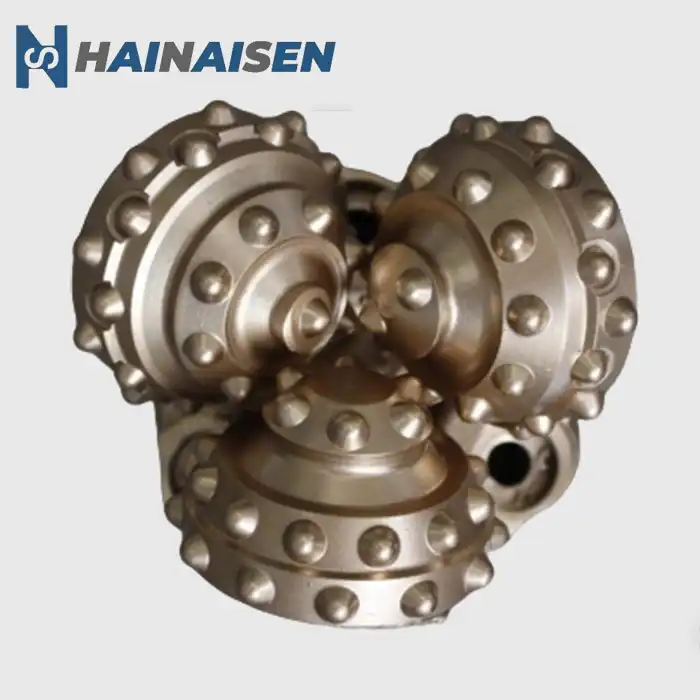 VIEW MORE4 1/2" IADC 537 Tricone Rock Bit
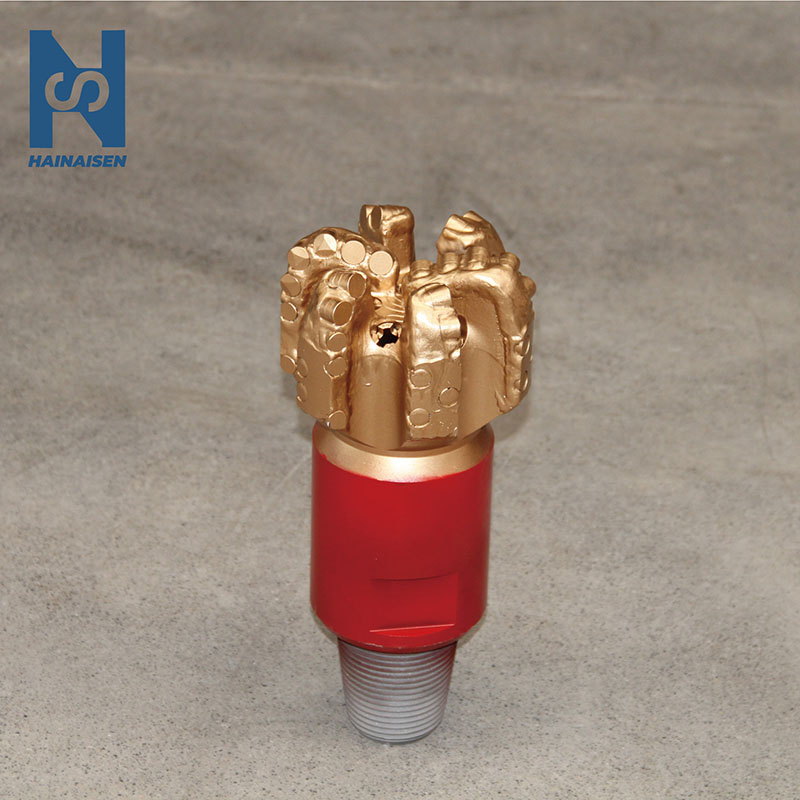 VIEW MORESix Blade Wing Petroleum Drill Bit
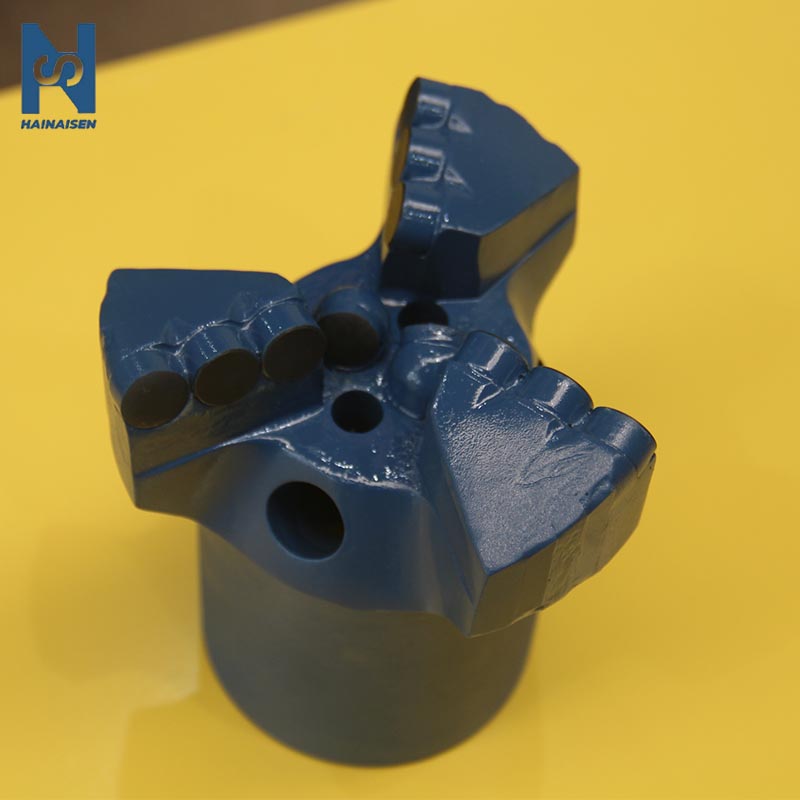 VIEW MOREPolycrystalline Diamond Drill Bits
 VIEW MORE113mm Four Wing Arc Angle Drill Bit
 VIEW MORE113mm Three Wings PDC Arc Angle Drill Bit
 VIEW MOREDiamond Drill Bits For Oil Rigs
 VIEW MOREApi Polycrystalline Diamond Drill Bit
 VIEW MOREThree Blade Oil Drill Bit