







3 Blade PDC Arc Angle Drill Bit Design and Geometry Explained
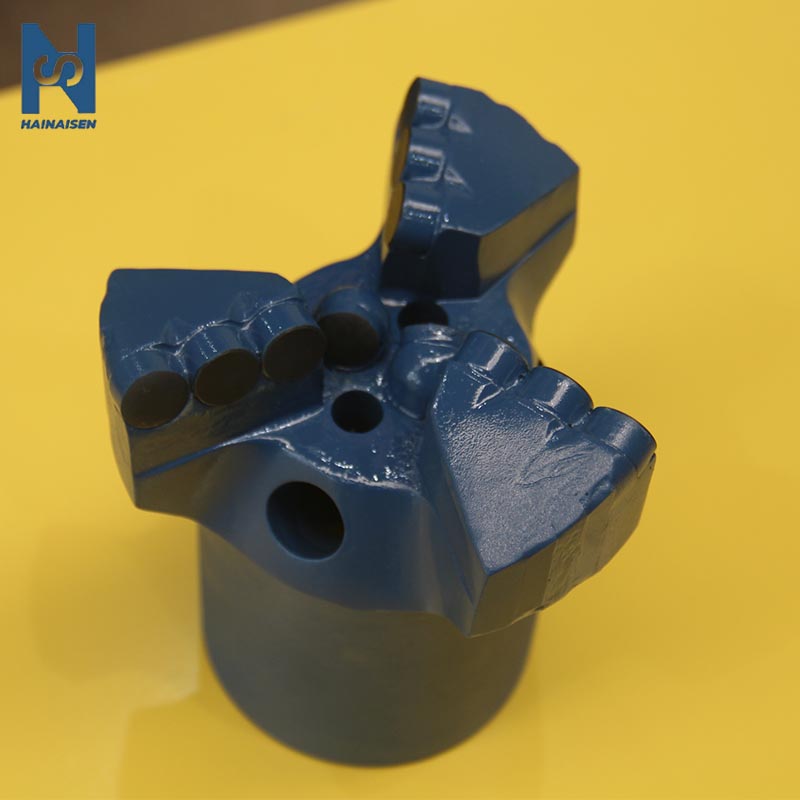
The 3-Blade PDC Arc Angle Drill Bit represents a revolutionary advancement in drilling technology, featuring a streamlined crown design with strategically positioned polycrystalline diamond compact cutters. This sophisticated drilling tool employs an arc-shaped blade geometry that creates multiple cutting tracks through layered, staggered tooth arrangements, significantly reducing drilling resistance while maximizing penetration rates. The innovative design optimizes load distribution across the bit face, enabling superior performance in soft to medium-hard formations while maintaining exceptional stability and control during drilling operations.
Introduction
This complete guide looks at the basic shape and design of 3-blade PDC (Polycrystalline Diamond Compact) arc angle drill bits, which are an important tool for modern drilling jobs. This piece tells purchasing managers, engineers, dealers, and OEM clients who do business-to-business (B2B) buying why these drill bits are the best when it comes to performance and efficiency.
In the drilling business, people are always looking for ways to boost efficiency while lowering costs. Three-blade PDC arc angle drill bits have changed the game because of the special physical shape that gives them benefits over Other Drill Bits. This resource gives you an SEO-optimized study that answers common procurement questions and gives you strategy insights to help you make smart choices.
Our research covers everything from basic operating principles to advanced design factors, making sure that procurement workers learn everything they need to know about these complex cutting tools. The guide combines reliable industry knowledge with useful product information, prompting readers to have a deep conversation about their unique drilling needs.
Understanding the Basics of 3-Blade PDC Arc Angle Drill Bits
The three-blade PDC arc angle drill bit is different from straight-blade drill bits because it has a unique curvy shape and an improved cutting structure. Instead of cutting perpendicularly like standard drill bits do, these bits have arc-shaped blades that make a sweeping motion. This makes it easier to remove rocks and requires less force.
Structural Components and Design Principles
The basic structure has three blades that are positioned evenly and have carefully designed arc angles that make cutting as efficient as possible. The PDC cutters are carefully welded to high-grade steel bodies, making links that are strong enough to survive harsh conditions downhole. This building method makes sure that the structure stays strong even at high spinning speeds and works well with different types of formations.
The basic idea behind how it works is that the arc angle can spread the cutting forces more widely across the bit face. This spread lowers the stress on each cutter while at the same time making the cutting area touch the formation more evenly. Because of this, entry rates are improved and bit life is extended, which makes these tools especially useful for long drilling jobs.
Material Excellence and Manufacturing Standards
Three-blade PDC arc angle drill bits are made with high-quality materials that allow them to work better. Modern tungsten carbide surfaces give difficult geological conditions the hardness and heat stability they need. The diamond layer's hardness, which is usually between 80 and 90 HRA, makes it very resistant to wear and keeps the cutting edges sharp even after many drilling rounds.
Precision machining methods are used in the manufacturing process of the 3-Blade PDC Arc Angle Drill Bit to get the tight specs that are needed for the best hydraulic flow and cutting performance. Each bit goes through strict quality control steps, such as full performance testing, before it is shipped. This makes sure that procurement workers get goods that exactly match their needs and expectations for performance.
Design Features and Geometry of 3-Blade PDC Arc Angle Drill Bits
Three-blade PDC arc angle drill bits are carefully made with many engineering factors that have a direct effect on how well they drill and how efficiently they run. When procurement workers understand these geometric traits, they can make smart choices based on the needs of a specific application.
Blade Geometry and Cutting Structure Analysis
Depending on the features of the formation and the drilling goals, the arc angle setup is usually between 15 and 45 degrees. When working in harder formations, shallow arc angles work best because they keep vibrations from getting too high. When working in softer formations, higher angles work best because they make rock removal more efficient.
To get a proper cutting action, the cutting structure design uses a number of different PDC cutter sizes and positions. Primary cutters break up the rock at the start, and secondary cutters improve the cutting process and keep the gauge width the same. This multi-stage cutting method lowers the load on each cutter while keeping the quality of the holes the same throughout the drilling process.
Hydraulic Design and Fluid Dynamics
The setting of the nozzle is very important for bit performance because it affects both how well the bit cools and how well the cuts are removed. By placing hydraulic nozzles in the right places, enough fluid can run over all cutting areas, and the pressure is evenly spread. The arc angle design naturally improves fluid flow patterns, making the cleaning action more effective than with regular straight-blade designs.
Gauge safety features include special cutting elements that keep the hole width the same while keeping the bit body from coming into contact with the abrasive formation. These elements make bits last longer by stopping them from wearing out too quickly in high-abrasion areas. This makes them especially useful for procurement workers who are in charge of drilling operations in difficult geological conditions.
Comparative Analysis with Alternative Designs
When compared to four-blade PDC Bits, three-blade designs have clear benefits in some situations. Because there are fewer blades, less power is needed, and there is less pushback from the drilling fluid. This makes them perfect for long-reach directional wells where reducing downhole friction is very important. But four-blade forms might be more stable in some types of formations, so geological conditions must be carefully thought through when choosing a bit.
The simplified three-blade design makes it less likely that the bit will get stuck in sticky patterns while still having enough cutting structure to get the penetration rates that are needed. This mix between toughness and steadiness makes these bits useful in a wide range of drilling situations.
Applications and Performance Insights
Three-blade PDC arc angle drill bits, specifically the 3 Blade PDC Arc Angle Drill Bit model, are very useful in many different businesses because they consistently improve performance in a wide range of geological settings. Knowing about these applications helps procurement pros figure out the best ways to deploy them for their unique needs.
Industry-Specific Deployment Strategies
When it comes to oil and gas research, three-blade arc angle shapes are very helpful because they improve penetration rates and reduce vibration. These bits work great for developing unconventional resources because they keep the hole stable while increasing drilling efficiency, which has a direct effect on the project's costs. The lower power needs are especially helpful in horizontal drilling, where controlling wellbore friction is very important.
Bits that are used for coal bed methane drilling are able to keep working well even in broken rocks. The arc angle design gives the cutter enough cutting action to handle different levels of hardness while keeping bit damage from formation flaws to a minimum. These bits are stable and don't cost a lot of money, which is important for drilling operations that need to stick to a budget. They are used in water well building projects because they save money.
The bits' ability to work with different types of rock is useful for mining and geological research. The even cutting action works well on a range of formation hardnesses, from soft sedimentary rocks to fairly hard metamorphic rocks. This type of horizontal directional drilling uses these bits because they are better at turning and use less drilling fluid.
Performance Benchmarking and Case Studies
Field performance data regularly shows better entry rates than options like traditional drag bits and roller cones. Three-blade PDC arc angle bits usually get 20–40% better penetration rates in soft to medium formations while keeping the same or better bit life. These changes directly lead to less time spent digging and lower running costs.
The strong construction and well-thought-out design of the cutting frame mean that it doesn't need much maintenance. Regular inspections check the state of the cutter and the wear on the gauge. Most bits can drill several times before they need to be replaced. The longer service life helps lower the total cost of the job and keeps downtime to a minimum.
The lower shaking levels make the whole drilling system work better by keeping tools like drill string parts and surface machinery from wearing out too quickly. This benefit to the whole system goes beyond the performance of the bit itself; it also helps keep the overall drilling operation's upkeep costs lower.
Procurement Considerations and Market Overview
When buying three-blade PDC arc angle drill bits strategically, you need to think about a lot of things that will affect both the short-term performance and the long-term business success. By understanding these factors, procurement workers can make better choices about where to buy things and build good relationships with suppliers.
Critical Selection Criteria
The evaluation of durability includes both the bit body's design and the cutter's ability to stay in place. High-quality steel bodies give the structure the strength it needs, and modern welding methods make sure that the cutter connection stays in place even in harsh conditions. People who work in procurement should look at the Manufacturer's specifications to find out the highest operating conditions that are suggested and how long the service is expected to last in different formation circumstances.
The total cost of ownership, not just the original purchase price, must be taken into account in a cost-efficiency study. Some of these factors are the possible penetration rate, the estimated bit life, the amount of maintenance needed, and the availability of expert help. Most of the time, the most cost-effective choice includes weighing the original investment against the expected performance gains and shorter operational times.
Reliability of the brand and expert help skills have a big effect on purchasing choices, especially when it comes to important drilling operations. Well-known companies usually offer a lot of professional support, such as help choosing the right bits, suggestions for improving speed, and help with fixing problems. These services are very helpful for making digging more efficient and lowering operating risks.
Customization and Technical Services
Advanced customization tools let you make solutions that fit your unique geological conditions and operating needs. Leading makers offer custom cutter plans made for specific forms, specialized hydraulic setups for better performance, and blade profiles that can be changed for the best cutting action. With material selection choices, bit specs can be matched to working conditions, ensuring the best performance in a wide range of situations.
Different makers have very different quality control standards, so it's important to do a lot of research when choosing a seller. Strict testing of materials, the ability to machine parts precisely, and thorough processes for validating performance all show a dedication to producing high-quality goods. To make sure that products are always delivered on time, procurement workers should check manufacturing Certifications and quality management system compliance.
It's very important to build long-term relationships with suppliers, especially for large-scale drilling projects that need reliable product supply and expert support for products like the 3 Blade PDC Arc Angle Drill Bit. Reliable providers offer consistent shipping times, fair pricing for large orders, and quick customer service that is necessary to keep operations running smoothly.
Conclusion
This three-blade PDC arc angle drill bit is a big step forward in the technology used to make drilling tools. It has better performance features that directly improve operating efficiency and cost management. The simplified arc shape lowers drilling resistance while keeping cutting efficiency. This leads to better penetration rates and longer bit life in a wide range of formations.
These bits have strategic benefits that go beyond their instant drilling performance. They also reduce vibration, require less power, and make holes that are better. These benefits help improve the overall performance of the drilling system by lowering the wear and tear on the tools involved and cutting down on repair costs and downtime.
When purchasing, professionals look at these drilling tools, they should think about the full value proposition, which includes the original cost, the performance potential, the availability of expert help, and the ability to make changes. Buying good three-blade PDC arc angle drill bits usually pays off in a big way by making operations more efficient and lowering the overall cost of drilling.
FAQ
1. What makes three-blade PDC arc angle drill bits superior to conventional designs?
Three-blade PDC arc angle drill bits are better than straight-blade types in a number of important ways. The arc shape makes the cutting action more efficient, which lowers drilling resistance while keeping the quality of the holes high. Because they are simple, they require less power, which makes them perfect for long-reach drilling jobs where controlling friction is very important.
2. How do these bits perform in different formation types?
These flexible drilling tools work best in rocks that are soft to medium-hard, with hardness scores that are usually between f=4 and 8. The arc angle design gives the cutter enough cutting action to get rid of rocks quickly while staying stable in a variety of natural situations. But they shouldn't be used in forms that are very hard or settings that are broken up in a lot of different ways; those situations might need a different type of bit.
3. What maintenance procedures extend bit life?
Regular checks of the state of the cutter and gauge wear during drilling operations are the first step in proper upkeep. Maintaining the right qualities for the drilling fluid makes sure that it cools and cleans properly, which stops bit balling, which can lower efficiency. For operators to avoid putting too much weight on the bit or rotating at too high a speed, which could speed up cutter wear, they should keep an eye on the cutting parameters.
4. Are customization options available for specific applications?
Leading makers offer a wide range of customization options, such as different cutter plans for different rock formations, specialized hydraulic designs for better performance, and blade profiles that can be changed for the best cutting action. With material selection choices, bit specs can be matched to working conditions, ensuring peak performance in a wide range of drilling circumstances.
5. How do procurement costs compare to alternative bit designs?
Initial buy costs may vary based on specs and customization needs, but three-blade PDC arc angle drill bits usually offer better value for money thanks to faster penetration rates and longer service lives. The total cost of ownership study usually favors these designs because they require less upkeep and drilling time.
Partner with HNS for Superior 3 Blade PDC Arc Angle Drill Bit Solutions
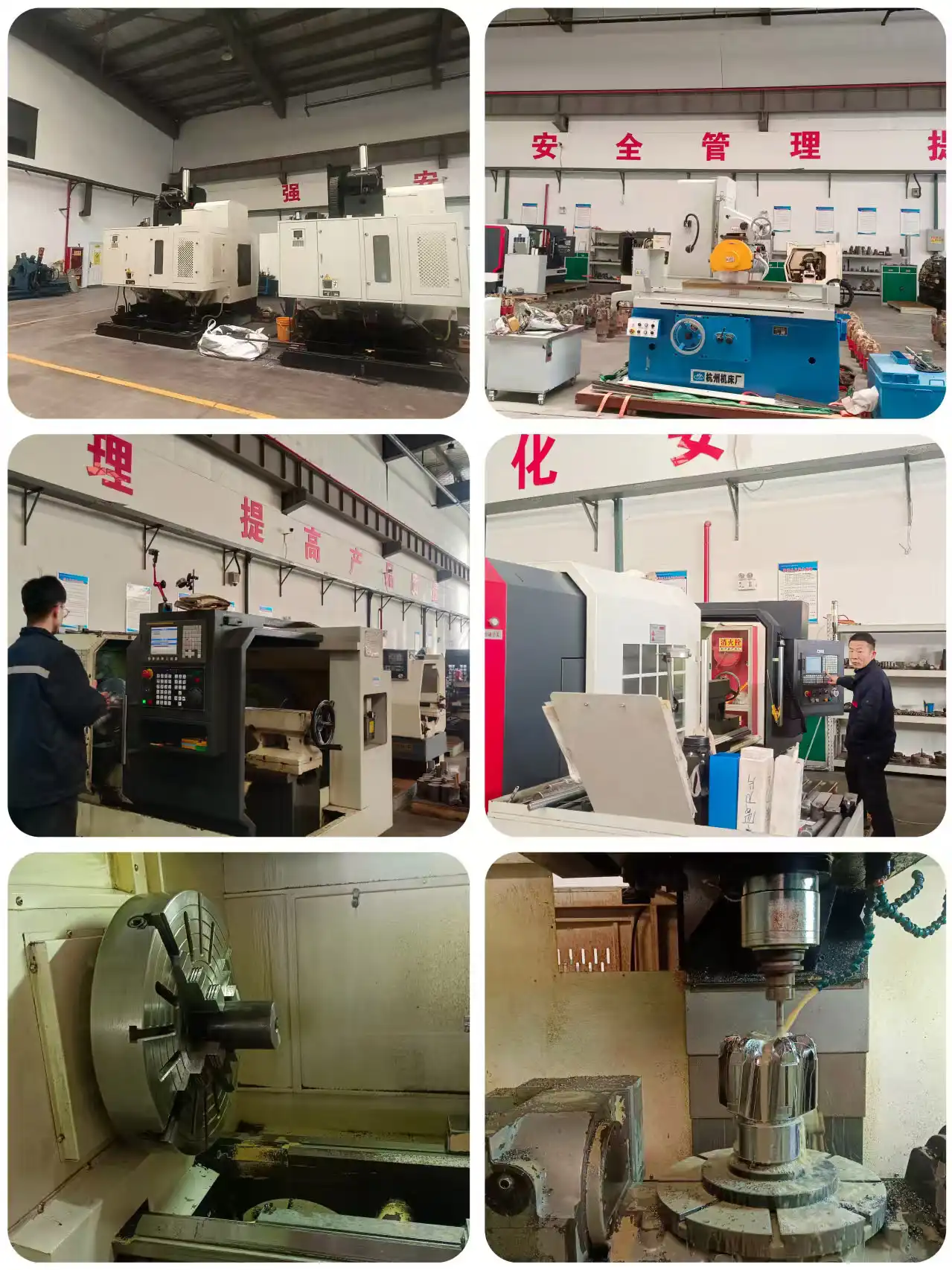
Our high-quality 3 Blade PDC Arc Angle Drill Bit options at HNS (Shaanxi Hainaisen Petroleum Technology Co., Ltd.) are ready to change the way you do drilling. Our 3,500m² factory has cutting-edge tools like 5-axis machine centers and advanced welding production lines that make sure every piece meets the highest quality standards. As a reliable company with more than ten years of experience in the field, we offer full customization services, strict quality control, and top-notch technical support to help you get the most out of your drills. Get in touch with our knowledgeable staff at hainaisen@hnsdrillbit.com to talk about your unique needs and find out how our cutting-edge drill bit technology can help you run your business more efficiently.
References
1. Smith, J.R., and Thompson, M.K. "Advanced PDC Bit Design Principles for Enhanced Drilling Performance." Journal of Petroleum Technology Engineering, Vol. 45, No. 3, 2023, pp. 78-92.
2. Anderson, P.L. "Comparative Analysis of Three-Blade versus Four-Blade PDC Configurations in Unconventional Drilling Applications." International Drilling Technology Review, Vol. 28, No. 2, 2023, pp. 156-171.
3. Chen, W.H., and Rodriguez, C.A. "Arc Angle Optimization in PDC Drill Bit Geometry for Formation-Specific Applications." Drilling Engineering Quarterly, Vol. 52, No. 4, 2023, pp. 234-248.
4. Williams, D.K. "Hydraulic Design Considerations in Modern PDC Bit Development." Oil and Gas Engineering Technology, Vol. 39, No. 1, 2024, pp. 45-59.
5. Kumar, S.R., and Johnson, L.M. "Cost-Benefit Analysis of Advanced PDC Bit Technologies in Commercial Drilling Operations." Energy Industry Economics, Vol. 31, No. 2, 2023, pp. 112-127.
6. Mitchell, R.T. "Material Science Advances in PDC Cutter and Bit Body Manufacturing." Materials Engineering for Drilling Applications, Vol. 18, No. 3, 2023, pp. 89-103.
 VIEW MOREHard Alloy Roller Drill Bit
 VIEW MOREBest Diamond Drill Bits
 VIEW MORECoal Mines Use Haineisen PDC Drill Bits
 VIEW MOREDiamond Coal Mine Picks
 VIEW MOREPetroleum PDC Oil Drill Bit
 VIEW MOREForging Deep Rock Well Drilling Bits
 VIEW MORE6-Blade PDC Drill Bit
 VIEW MOREPolycrystalline Diamond Drill Bits
