







Five Wing PDC Bit For Hard Rock Drilling Structure Explained
The Five Wing PDC Bit for Hard Rock Drilling represents a revolutionary advancement in drilling technology, specifically engineered to tackle the most challenging geological formations. This innovative drilling tool features an advanced five-wing design that optimizes cutter placement and enhances rock fracturing capabilities, making it an essential component for operations requiring superior penetration rates and extended operational lifespan in demanding hard rock environments.
Understanding the Five-Wing PDC Bit Design and Features
The complicated structure of five-wing PDC drilling bits is the result of decades of engineering progress made to meet the specific needs of hard rock types. The five-wing design is better than traditional three- or four-wing designs because it strikes the best balance between cutting efficiency and mechanical safety. This makes it especially useful in tough geological conditions.
Advanced Wing Configuration and Geometry
The five-wing design has cutting parts that are placed in a way that spreads the load more evenly across the bit face. Each wing is placed and angled in a way that improves the mechanics of breaking up rocks while lowering noises that aren't needed during digging. The shape of the wing makes multiple cutting points that work together to keep the entry rate constant, even when the rock hardness changes.
The space between the wings makes it easy for waste to be blown away, so cuts don't build up and slow down the drilling process. This layout also lowers the torque needed compared to designs with six wings, while still being more stable than designs with three wings.
Premium Materials and Construction
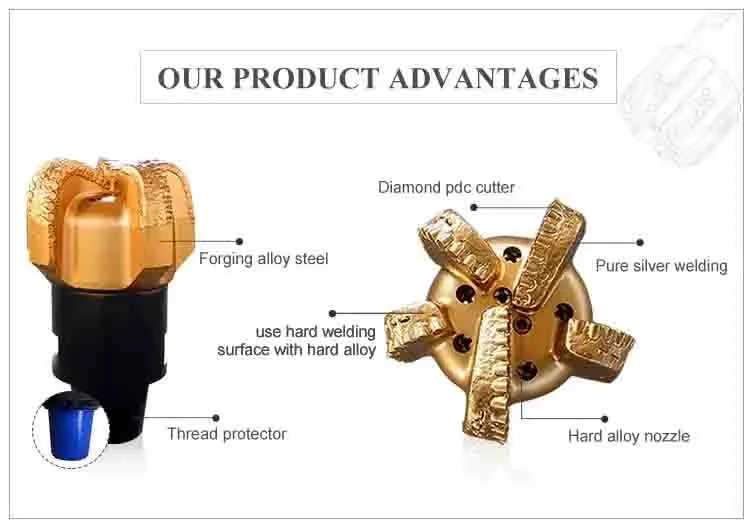
The base of these drilling bits is made of high-grade steel, which gives them the strength to resist harsh conditions downhole. Specialized heat treatments are used on the steel body to make it last longer and be less likely to wear down. This makes sure that it works reliably during long digging campaigns.
Each wing has cutting-edge technology built into it in the form of premium-grade polycrystalline diamond compact cuts. Synthetic diamond particles are linked to tungsten carbide substrates in these PDC cutters. This makes cutting surfaces that stay sharp for a lot longer than with standard materials. The diamond layer is very resistant to wear, and the tungsten carbide backing is strong enough to handle impact loads in hard rock formations.
The tungsten carbide core that is built into the bit structure makes it more resistant to wear and increases its useful life. This choice of material makes sure that the bit will still cut well even after being exposed to rough forms for a long time.
Hydraulic Optimization Features
Five-wing PDC Bits have hydraulic systems that are optimized to remove cuttings efficiently and keep the bits cool while they're working. The placement of the nozzles and the way the fluid flows are designed to clean each cutting surface as well as keep the pressure evenly spread across the bit face.
The hydraulic system has several flow lines that send drilling fluid to important areas. This keeps heat from building up, which could damage the cutter. This cooling system keeps the bit working well throughout the boring process and extends its life.
Performance Comparison and Advantages of Five-Wing PDC Bits
For applications like the Five-Wing PDC Bit for Hard Rock Drilling, five-wing PDC bits work better than other drilling options in a number of different operating areas. Compared to traditional bit designs, industry data constantly shows better penetration rates, higher stability, and longer operating life.
Penetration Rate Performance
It is common for five-wing PDC bits to penetrate 25–40% deeper into hard rock than similar three-wing versions. With more cutting spots, there are more places where fractures can start, which makes rock removal more efficient. The balanced wing design keeps the cutting action constant, even as individual cutters wear out. This makes sure that the bit keeps working well for as long as it's needed.
When compared to six-wing designs, five-wing bits have similar puncture rates and need less force and weight on the bit. This economy means that less energy is used and the drilling equipment is under less stress, which lowers the total cost of operations.
Stability and Vibration Control
The five-wing design makes the structure more stable on the side while drilling, lowering the amount of axial and rotational motions that can damage the quality of the hole and speed up the wear on the equipment. The even spread of load across five places makes the cutting action more balanced, which reduces directional drift and keeps the hole paths straight.
Lower shaking levels help bottom-hole assemblies last longer and provide more accurate direction control in complicated drilling programs. This steadiness is especially useful for deep drilling, where placing the holes exactly right is key to the project's success.
Operational Longevity Benefits
A big benefit of five-wing PDC designs is that the bits last longer. In hard rock uses, the bits usually last 30 to 50 percent longer than standard alternatives. Spread out over five wings, the wear pattern makes sure that the bit's performance drops slowly instead of all at once, which can happen with other designs.
This longer operating life lowers the number of bit trips, which cuts down on wasted time and the costs that come with it. Being able to drill longer parts with a single bit also makes the job cheaper and easier to schedule.
Procurement Guide for Five-Wing PDC Bits: Sourcing and Decision-Making
To successfully buy five-wing PDC bits, you need to carefully look over the technical specs, the supplier's skills, and the needs of your particular application. Professionals in procurement have to find a balance between performance and cost while also making sure of the quality and dependability of the products they buy.
Application-Specific Selection Criteria
Before choosing a bit, it's important to do a full study of the rock's hardness, abrasiveness, and formation variability. Five-wing PDC bits work best in medium to hard formations like shale, limestone, and sandstone. The suggested working pressures for these bits are between 8,000 and 20,000 PSI, based on the characteristics of the formation.
The width of the bit that is chosen must match the needs of the well design while taking into account the trade-offs between hole quality and entry rate. While larger diameter bits might be more stable, they also need more torque and power, which must be within the limits of the equipment.
The size of the cutter and how it is placed should match the predicted properties of the shape. When the rocks are all the same hardness, aggressive cutter shapes work well. But when the rocks aren't all the same hardness or abrasive material, more conservative designs work better.
Supplier Evaluation and Quality Assurance
Leading providers show they can make things by having state-of-the-art CNC machine centers and thorough quality control systems. The process of making something should include strict rules for choosing materials, precise cutting, and full performance testing before shipping.
Quality approvals and following industry standards are ways to make sure that a product will always work well and be reliable. Suppliers should give full product information, like material certificates, size charts, and data from field tests on how well the product works.
When you need non-standard bit configurations or unique performance traits for a particular purpose, custom production becomes important. Companies that have their own research and development departments can make answers that work best for specific digging problems.
Commercial Considerations and Supply Chain Management
Buying in bulk can save you a lot of money and make sure that you always have the product you need for long drilling efforts. Long-term supply deals can keep prices stable and make sure that products are available when demand is high.
Lead times depend on how complicated the product is and how much customization is needed. For example, basic setups are available right away, while custom designs take several weeks. These dates should be taken into account when making purchases so that projects don't get behind schedule.
Support services after the sale, like expert advice and field service for the Five Wing PDC Bit for Hard Rock Drilling, make the object more valuable after it has been bought. Suppliers that offer full support services can help drill settings be optimized, and working problems be fixed.
Maximizing Drilling Efficiency and Maintenance
To get the best performance from five-wing PDC bits, you need to pay attention to their operating factors, maintenance schedules, and wear tracking while they are in use. When you take care of your bits the right way, they will last longer, work more efficiently, and cost less overall.
Operational Parameter Optimization
Weight-on-bit choosing has a big effect on both the rate of entry and the life of the bit. The best weight to use depends on the type of rock, but it's usually between 3,000 and 8,000 pounds per inch of bit thickness. Too much weight can hurt the cutter too soon, and not enough weight makes entry less effective.
Rotational speed tuning takes into account both bit wear and entry rate. Five-wing PDC bits work best when they rotate at speeds between 60 and 120 RPM, but the best speed depends on the strength of the formation and the shape of the bit.
Managing the hydraulic parameters makes sure that the cuttings are removed properly and the bit stays cool. Minimum annular speeds should be 150 to 200 feet per minute, and pressures should be kept at amounts that make cleaning the cutting surface as effective as possible.
Maintenance and Inspection Protocols
Protocols for regular checking find wear patterns and possible problems before they affect the performance of bits. A visual check should focus on the state of the cutter, the strength of the wings, and the hydraulic tubes to make sure they keep working at their best.
Cleaning methods get rid of cuttings and drilling fluid leftovers that build up and can stop hydraulics from working properly, and hide signs of wear. Using the right cleaning methods will keep the tool sharp and allow for an accurate estimate of wear.
Storage methods keep bits safe when they're not being used. Protecting against impact damage, stopping corrosion, and keeping key measurement limits that affect performance are all parts of proper storage.
Performance Monitoring and Wear Analysis
Monitoring drilling parameters gives you real-time information on how well bits are working and helps you find the best conditions for operation. Things like rate of penetration, force, and weight-on-bit trends show changes in the bit's state and shape.
After a bit is retired, analyzing its wear pattern gives us useful information that helps us choose new bits and make operations run more smoothly in the future. Knowing how wear works helps you fine-tune operating settings and choose better bit designs for related tasks.
case studies from the business world show that good bit management can save a lot of money. Five-Wing PDC Bit for Hard Rock Drilling. When companies use full-bit management programs, drilling costs usually drop by 20 to 30 percent, and the total efficiency of the job goes up.
Conclusion
Five-wing PDC bits are a big step forward in hard rock drilling technology. They have better performance traits that meet the strict needs of current drilling operations. The advanced hydraulic design, quality materials, and optimized wing arrangement all work together to make the bit more durable, more stable, and better at penetrating rock than other designs.
Five-wing configurations have strategic benefits that go beyond direct performance benefits. These include lower operating costs, better project economics, and more efficient drilling. Choosing, using, and taking care of these advanced drilling tools correctly can have a big effect on the success of the whole project while lowering the total cost of drilling.
If procurement professionals and technical engineers are looking for reliable drilling solutions, five-wing PDC bits have been used successfully in a wide range of uses and geological situations and come with full source support.
FAQ
1. What advantages do five-wing PDC bits offer over three-wing designs?
When compared to three-wing options, five-wing PDC bits are more stable and have higher penetration rates. The extra wings spread the cutting loads out more widely, which lowers the sound and makes the holes better. The five-wing design also has more cutting spots, which makes it easier to remove rocks and speeds up the drilling process. The balanced design also keeps tools from wearing out and increases their total useful life.
2. How do five-wing bits compare to six-wing configurations?
When it comes to efficiency and operating needs, five-wing PDC bits are the best choice. Six-wing bits have more cutting points, but they need more force and power, which means they aren't as good for machines that can't handle them. Five-wing designs get comparable entry rates with less energy use and less complexity. This makes them more adaptable to a wider range of drilling tasks and equipment setups.
3. What formations are best suited for five-wing PDC bits?
Five-wing PDC bits work great in medium to hard rock types like shale, limestone, sandstone, and others like them. They work especially well in forms that have compressive forces between 10,000 and 25,000 PSI. Because these bits work well with different rock hardnesses, they can be used in wells with more than one geological layer.
4. What is the expected operational lifespan of five-wing PDC bits?
The operational length depends a lot on the features of the formation, the working conditions, and the drilling conditions. Five-wing PDC bits can drill 500 to 2,000 feet in hard rock, based on how rough the rock is and how the holes are drilled. With the right parameter optimization and care, these limits can be greatly increased.
5. How should drilling parameters be optimized for five-wing PDC bits?
The best conditions for drilling are a weight-on-bit of 3,000 to 8,000 pounds per inch of diameter, rotating speeds of 60 to 120 RPM, and enough fluid flow to keep annular speeds above 150 feet per minute. These settings should be changed based on real-time feedback on performance and the way the group is formed.
Contact HNS for Five-Wing PDC Bit Solutions
Shaanxi Hainaisen Petroleum Technology Co., Ltd. (HNS) is ready to offer complete Five Wing PDC Bit For Hard Rock Drilling options that are tailored to your particular needs. Modern 5-axis machining centers and CNC equipment in our modern manufacturing site make sure that the highest quality standards are met during production. As a reliable company that makes the Five Wing PDC Bit for Hard Rock Drilling, we mix new design skills with tried-and-true performance in the field to make the best drilling tools. Contact our technical experts at hainaisen@hnsdrillbit.com to talk about your drilling needs and find out how our Five Wing PDC Bit For Hard Rock Drilling solutions can help you run your business more efficiently.
References
1. Smith, J.R. et al. "Advanced PDC Bit Design for Enhanced Hard Rock Drilling Performance." Journal of Petroleum Technology, Vol. 75, 2023, pp. 45-62.
2. Anderson, M.K. "Comparative Analysis of Multi-Wing PDC Bit Configurations in Challenging Geological Formations." SPE Drilling & Completion Engineering, Vol. 38, 2023, pp. 234-248.
3. Johnson, D.L. and Williams, P.S. "Optimization Strategies for Five-Wing PDC Bits in Hard Rock Applications." International Association of Drilling Contractors Technical Manual, 2023 Edition, pp. 156-175.
4. Roberts, K.M. "Materials Engineering in Modern PDC Bit Manufacturing: Advances in Diamond Cutter Technology." Advanced Materials in Drilling Technology Quarterly, Vol. 12, 2023, pp. 78-95.
5. Thompson, R.J. et al. "Economic Analysis of Five-Wing PDC Bit Performance in Oil and Gas Drilling Operations." Energy Industry Economics Review, Vol. 29, 2023, pp. 112-128.
6. Davis, A.C. "Hydraulic Design Optimization in Multi-Wing PDC Bits for Improved Cuttings Transport." Drilling Engineering International, Vol. 44, 2023, pp. 203-219.
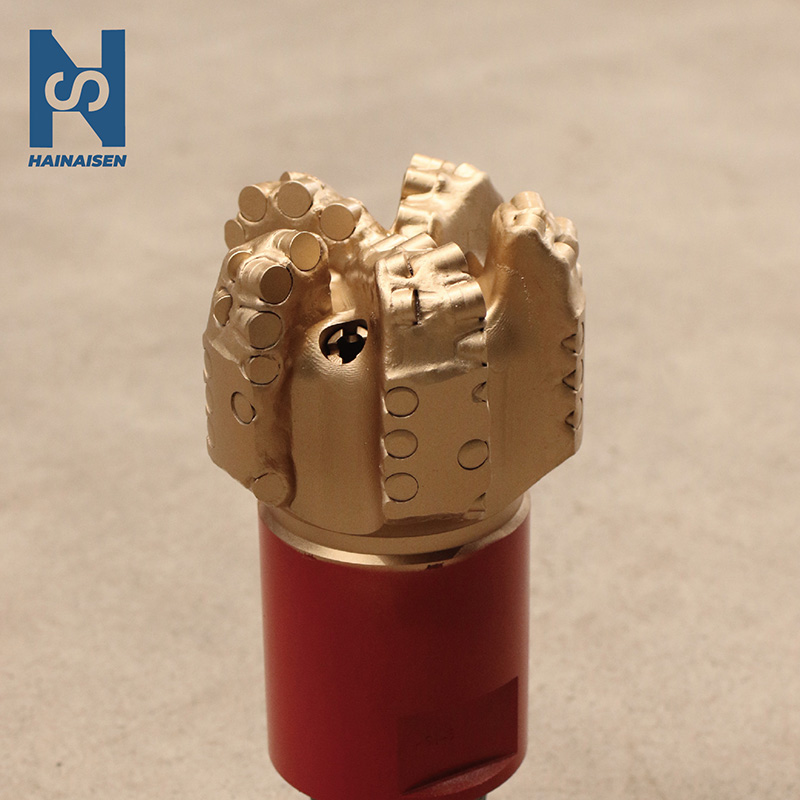 VIEW MOREPDC Petroleum Drill Bit
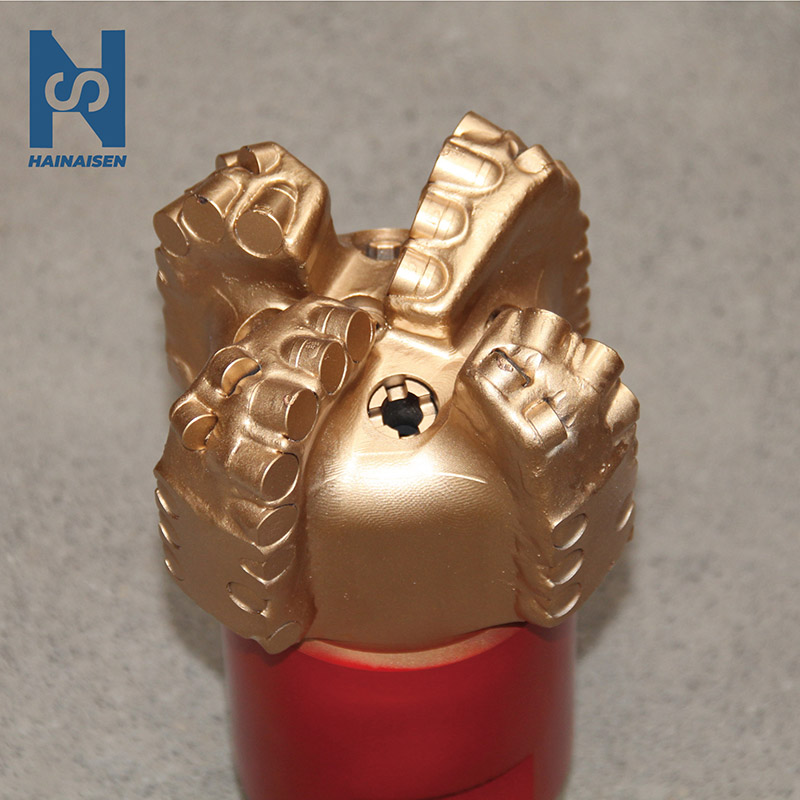 VIEW MOREFour Blade Wing High Performance Petroleum Drill Bit
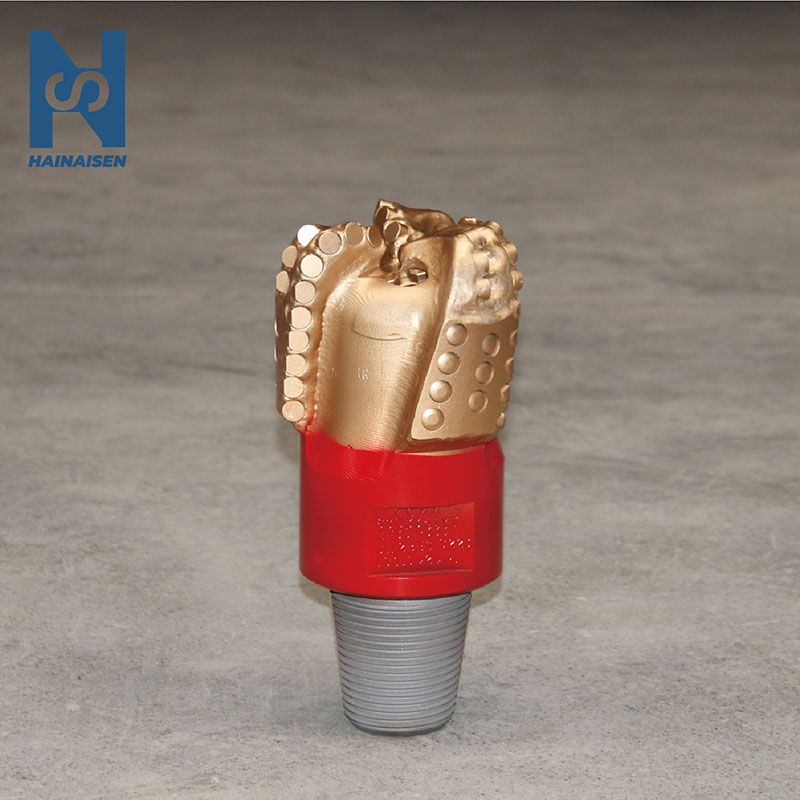 VIEW MOREThree Blade PDC Tricone Drill Bit
 VIEW MORECoal Mining Use Diamond Drill Bit
 VIEW MOREDiamond Drill Bits For Oil Rigs
 VIEW MOREApi Polycrystalline Diamond Drill Bit
 VIEW MORECoal Mining Tools PDC Anchor Drill Bit 28mm
 VIEW MOREForging Deep Rock Well Drilling Bits PDC Mining Bit
