







Three Blade PDC Tricone Drill Bit Supplier KPI Checklist
Procurement managers need solid metrics that can be used to measure success Three Blade PDC Tricone Drill Bit when they look at suppliers for drilling projects. This need is met by a thorough Three Blade PDC Tricone Drill Bit supplier KPI checklist that focuses on quality indicators, consistent shipping, quick technical help, and low costs. These bits have three stabilized blades with small polycrystalline diamond cutters grouped on them. They have very high penetration rates through layers ranging from soft sedimentary rock to hard metamorphic structures. Knowing which performance standards are the most important helps engineering teams find partnerships that keep downtime to a minimum, lower the total cost of ownership, and extend the life of tools during tough digging operations.
Introduction
Choosing the right supplier for drilling bits has effects on project timelines, budget efficiency, and safety that go far beyond the initial buy choice. We've spent years working with operations directors, procurement managers, and technical engineers who all have the same problem: they need to find Manufacturers that can regularly offer reliable drilling solutions at prices that are competitive. This guide solves that problem by describing important evaluation criteria that are specific to modern drilling technology. Three-blade PDC Tricone Drill Bits are a big improvement over standard roller cone choices. They combine the cutting power of fixed diamond cutters with the stability benefits of tricone geometry. The design uses PDC cutters carefully placed across three blades to create a balanced weight distribution and better waste removal compared to other options. These bits show measurable performance benefits that directly affect operating success in a wide range of settings, from oil exploration in the Permian Basin to water well projects in rural areas. When buying drilling tools, the choices you make have big effects. A broken bit can stop activities that cost thousands of dollars per hour, but a reliable source relationship keeps multiple projects running smoothly. This KPI system was created using real-world application data, industry standards, and feedback from drilling experts who work in a range of geological situations. These evaluation factors will help you choose a supplier that will give you the best tools for either coal-bed methane extraction or geothermal well development.
Understanding Three-Blade PDC Tricone Drill Bits
The Engineering Advantage of Three-Blade Configuration
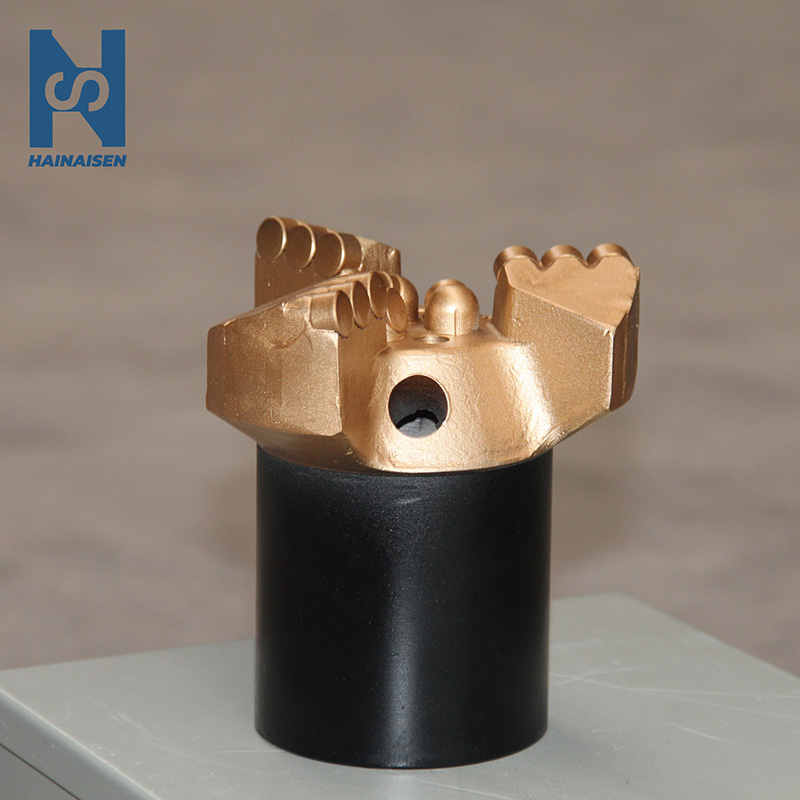
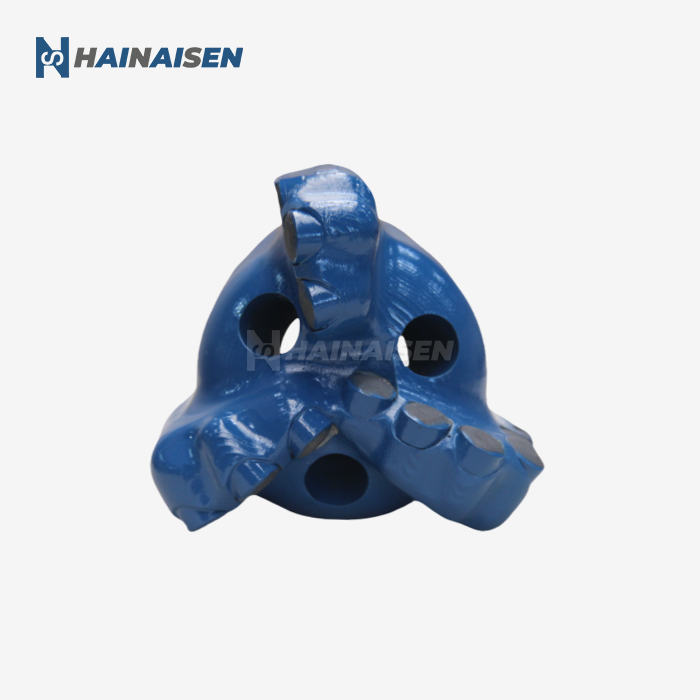
The three-blade design solves one of the most important problems in deep drilling: how to keep the drill stable while cutting as efficiently as possible. This arrangement makes a triangular support structure that is naturally stable under rotational stress. This is similar to how a tripod stays steady on rough ground. When cutting hundreds or thousands of feet below the surface, this steadiness keeps the Three Blade PDC Tricone Drill Bit from wobbling, which moves the hole out of place and speeds up cutter wear. The space between the blades makes wide channels that make it easy to remove the cuts quickly. When cutting through rough rock layers like quartzite or sandstone, it's important to get rid of the waste material quickly so that chips don't build up and act like grinding paste on PDC cuts. According to a study in the Journal of Petroleum Technology, improved gully design with three blades can increase entry rates by 15 to 25 percent compared to four-blade designs in the same geological conditions. Spreading the weight across the cutting area makes sure that each PDC cutter hits rock at the right pressure. Uneven stress concentrations cause cutters to break too soon, which costs a lot and stops cutting activities. The balanced geometry of three-blade designs makes bits last a lot longer. For example, field data from mine operations in hard granite rocks, oil rig drilling bits show that bits can be used for 40–50% longer before they need to be replaced.
Application-Specific Performance Considerations
Different drilling conditions need different types of performance. For oil and gas research, bits need to work well at depths of more than 10,000 feet, where temperatures can hit 150°C and formation pressures can push equipment to its limits. When digging for gas in coal beds, there are alternating layers of soft coal and hard rock that need to be cut through in different ways. Bits used in geothermal wells are exposed to high temperatures for long periods of time, which breaks down less durable materials. When drilling water wells, teams try to be as cost-effective as possible and give reliable results in fairly difficult formations. Bit life directly affects efficiency measures in mining operations that need to go through hard, abrasive rock as quickly as possible. For correct core sampling, geological research projects need to know the exact quality of the holes they drill. When procurement teams understand these application-specific needs, they can better match technical specs to practical needs. A bit designed for soft sedimentary formations in water wells might break early in hard rock mining, and over-engineering a solution for easy boring jobs makes it more expensive than it needs to be.
Essential KPIs for Evaluating Three-Blade PDC Tricone Drill Bit Suppliers
Quality and Manufacturing Consistency Metrics
The accuracy of manufacturing decides whether the stated specifications are met in the field. Measuring dimensional limits shows how well the provider pays attention to detail—changes in where the cutters are placed, or the shape of the blades, have a measurable effect on how well they drill. Ask for limits on important measurements like the bit diameter, the gauge length, and the cutter tip. Manufacturers with a good reputation keep tolerances of ±0.5mm for key measurements and ±0.2mm for where the cutter goes. The paperwork for material verification makes sure that the steel bodies and PDC cuts are of the right grade. The chemical make-up, hardness, and tensile strength should all be confirmed by independent metallurgical tests. SPE (Society of Petroleum Engineers) guidelines say that PDC cutters should have a Rockwell hardness above HRA 85 and temperature stability above 700°C for tough jobs.
Comparing Three Blade PDC Tricone Drill Bit suppliers can be done objectively using data from performance tests that were done in controlled circumstances. Some key indicators are:
- Penetration rate: Measured in feet per hour with a normal weight on the bit and a spinning speed. In the right shapes, the best three-blade PDC bits can penetrate 20–40% deeper than roller cone options.
- Bit life: Total amount of material that can be drilled before the tools wear out and need to be replaced. Good makers record the average amount of footage in a range of rock forms. In hard, abrasive rock, they record 500 to 1,500 feet, and in softer rock, they record 2,000 to 5,000 feet.
- Wear resistance: Standardized abrasion tests that mimic conditions downhole are used to measure wear resistance. When digging in very rough rock layers, superior PDC materials show wear rates below 0.05 mm per hour.
Technical Support and Service Excellence
Quick technical help keeps small problems from getting worse and causing costly business interruptions. Check the support infrastructure by looking at the available lines of contact, the average reaction time, and the qualifications of the engineers. Premium suppliers let you talk directly to drilling experts who know how things work downhole, instead of sending your questions through general customer service offices. With application engineering help, bit specs can be matched to specific geographic conditions. Suppliers who give rock analysis and suggestions for drilling parameters add a lot of value above and beyond selling products. You can look forward to thorough advice on the best weight-on-bit, rotation speed, and hydraulic factors for your formations. For rural drilling areas, having field help available is very important. Downtime is kept to a minimum by suppliers who offer on-site technology support, failure analysis, and repair help. Even when being in the field in person isn't possible, online diagnostic support through video advice can help solve problems.
Comparative Analysis: Supplier Performance and Product Evaluation
Performance Benchmarking Against Industry Standards
It's easier to understand value ideas when you compare Three Blade PDC Tricone Drill Bit designs to standard tricone Roller Bits. Roller cone bits have cutters that rotate and crush rock by applying compression force. Fixed PDC cutters, on the other hand, split rock by scraping it. When drilling in soft to medium-hard rocks, PDC technology usually leads to 30–60% faster penetration rates. This saves a lot of time on jobs that last more than a week. To compare the bits, you need to carefully look at the situation. Roller cone bits might work better than PDC Bits in very broken or unstable forms where resistance to impact is more important than cutting efficiency. But in consolidated rock types like sandstone and limestone, three-blade PDC bits last two to three times longer, which means they don't need to be changed as often, and there is less downtime. The most useful way to compare things is to use cost-per-foot research. Find the operating costs for bit changes plus the total amount of ground that was drilled, split by the cost of buying the bit. This estimate takes into account differences in both the original investment and how well the business runs. case studies from coal mines show that three-blade PDC bits have 40–50% lower cost-per-foot, even though they cost more to buy than oil rig drilling bits because they last longer and penetrate more deeply.
Value Assessment Beyond Initial Purchase Price
Total cost of ownership estimates show how much an item is really worth over its whole life. Start with the purchase price, then add:
- Operational costs: The time saved by better entry rates is multiplied by the hourly cost of running the rig. A bit that drills 20% faster saves 10 hours on a 50-hour job. At $500/hour for the rig, that's $5,000 in practical savings that more than make up for the higher cost of the bit.
- Bit change costs: The cost of changing a bit is that the drill string has to be brought to the top and then back downhole, which can take anywhere from two to four hours based on the depth. You can figure out how much money you'll save by multiplying the number of trips you don't have to make by the hourly cost of the rig.
- Failure costs: A premature bit failure during operation can damage downhole tools and make the job take longer than planned. This risk is lower when you use premium bits that have been proven to be reliable.
- Support costs: Technical help that stops operating problems or finds the best drilling settings has a secondary value that is hard to measure, but has a big effect.
This all-around view often shows that mid-priced sources with great technical help and a track record of dependability are a better deal than cheap options that need a lot of troubleshooting.
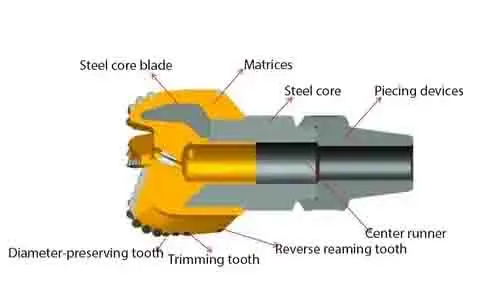
Procurement Process Best Practices for Three-Blade PDC Tricone Drill Bits
Requirement Definition and Specification Matching
To do a good job of buying, you must first clearly define your needs based on the project's factors and the geological conditions. Write down information about the creation, like the type of rock, its compression strength, how abrasive it is, and how complicated the layers are. When drilling in sedimentary areas vs. when mining in igneous formations, the tasks are different, and the specs should match these differences. The size of the project affects the best bit pick. For short-term projects (500 to 1,000 feet), lower starting costs may be more important than maximum durability. On the other hand, for long-term drilling operations, premium bits with better cost-per-foot performance are justified. Talk to your providers about the amount you need—many of them offer savings for orders of 10 or more units. Verifying compatibility makes sure that new equipment works well with old equipment. Check that the types of API connections meet the requirements of the drill string. Check that the bit's diameter fits the needs of the opening and, if necessary, that it works with the mud motor. Calculations of the hydraulic flow rate should show that there is enough volume going through the blades to remove the cuttings properly at your pump's capacity.
Supplier Qualification and Selection Workflow
Structured qualification methods lower the risks of buying by evaluating things in a planned way. Make a report that includes:
- Manufacturing capability: the size of the facility, the complexity of the tools, and the quality control systems. Plan trips to factories when you can to see how things are made firsthand.
- Technical know-how: includes the skills of engineering staff, understanding of applications, and the infrastructure to support them. Hold academic talks that help people understand how things work downhole and the problems that are unique to each formation.
- Financial stability: how long a company has been around, signs of its financial health, and plans for business survival. Stable providers can handle changes in the market without lowering the level of their service or goods.
- Reference accounts: include reviews from satisfied customers, case studies, and success data from similar apps that can be checked. Talk to sources directly to talk about events.
Assign weighted numbers that show what's most important to you in terms of your wants. A big oil service company might give 40% of the score to quality measures, while a water well-digging team might give 35% of the score to cost factors. Before agreeing to big orders, performance claims are checked with samples. Request sample bits for field trials under actual operating conditions. Document performance measures, including penetration rate, footage drilled, wear patterns, and any operating problems. Compare the results to your present sources and other choices. When you negotiate, you should talk about more than just the unit price. Talk about how to pay, savings for buying in bulk, warranty coverage, technical help, Three Blade PDC Tricone Drill Bit, and shipping times. Instead of a price war, see talks as the start of a relationship. Suppliers with very small profit margins may cut corners on quality or customer service to stay profitable.
Contract Terms and Performance Tracking
Clear standards and ways to settle disagreements in comprehensive contracts protect both sides. Important parts of a contract are:
- Technical specifications: Detailed bit properties, material approvals, and performance standards in great detail. Clear up any confusion by referring to exact IADC numbers, measurements, and cutter setups.
- Quality assurance: Inspection methods, criteria for accepting goods, and ways to reject products that don't meet the standards. Find out if checks happen at the factory or when the goods are delivered.
- Delivery terms: Shipping responsibilities, insurance coverage, and timeline commitments with penalties for delays that affect project plans.
- Warranty provisions: Coverage period, claim procedures, remedies for defective products, and limitations of liability. Clarify whether the warranty covers only new parts or also covers damage that happens because of a failure.
- Payment terms: Pricing structure, currency, payment schedule, and any ways that prices can be changed for long-term deals.
- Intellectual property: Ownership of custom designs and the duty to keep private information secret.
Performance tracking tools keep an eye on how reliable a provider is over time. Keep track of delivery times, quality problems, how quickly technical help responds, and cost changes in databases. Regular business reviews, like every three or six months, talk about how well KPIs are being met and look for ways to make things better.
Optimizing Supplier Relationships for Continuous Performance Improvement
Collaborative Innovation and Product Development
Strategic ties with suppliers include more than just transactions. They also include working together on development projects. Share practical input that includes notes of performance, wear patterns, and difficult formations that were faced. This knowledge helps makers make designs that work better in the real world instead of just in theory. Customized solutions for specific uses are made through joint product development projects. Collaborative engineering can improve blade profiles, change cutter layouts, or choose different PDC grades when standard three-blade PDC tricone drill bit setups don't work well in your unique geological conditions. These teams make their own designs that give them a competitive edge by making drills more efficient. Beta testing programs for new goods give people early access to new ideas and help makers make sure their products work in the real world. By taking part in tests, you can show that you care about keeping technology improving and maybe even get better prices or special deals.
Performance Monitoring and Continuous Improvement
Systematic performance tracking finds ways to improve things and backs up choices about which suppliers to choose. Set baseline measures before adding new goods or suppliers, and then keep an eye on how they change in:
- Drilling efficiency: penetration rates, length per bit, and project finish dates. Cost savings from improvements of 10 to 15 percent make higher prices reasonable.
- Equipment reliability: how often it breaks down, how often guarantee claims are made, and unplanned downtime events. When technology is reliable, working uncertainty and the costs that come with it go down.
- Support effectiveness: response times, how often problems are solved, and the quality of expert advice. Excellent help keeps operations running smoothly, even when small problems arise.
- Cost trends: include stable prices, changes in the total cost of ownership, and shifts in the value offered. Keep an eye on whether the cost cuts that were promised when choosing a source come true.
Regular performance reviews with providers let you talk about what you found and look for ways to make things better. Deal with problems in a constructive way, focused on answers instead of who is to blame. Reward outstanding success by giving more business or making partnerships bigger. Adaptive feedback loops let improvements be made all the time. When performance doesn't meet standards, collaborative problem-solving often finds things that can be fixed, like wrong drilling settings or formation traits that weren't planned for.
Conclusion
When looking for suppliers of Three Blade PDC Tricone Drill Bits, you need to carefully consider things like quality standards, shipping reliability, expert support, and the overall cost of ownership. The KPI system described here gives procurement workers a structured way to compare options and make choices that are in line with operational needs. Partnerships with makers that show they are good at making things, know how to use them well, and are committed to always getting better lead to better drilling performance. By following these best practices, businesses can get equipment that improves drilling efficiency, lowers running costs, and increases the success rate of projects in tough situations.
FAQ
1. How do I determine which three-blade PDC bit specifications match my drilling project requirements?
Match the bit you choose to the features of the rock that have been described by geological studies or earlier drilling experience. For managing trash, soft forms like clay or sand that haven't been packed down need strong cutter profiles and bigger nozzles. Balanced patterns, such as S433 classifications, work well with medium rocks like sandstone and limestone. Rock that is hard and rough needs quality PDC grades with the right amount of cutter density. Talk about the specifics of the formation with the application engineers at your provider. They can suggest the right specs based on past projects that have worked well.
2. What maintenance practices extend the three-blade PDC bit operational life?
Using the right drilling settings, like keeping the weight on the bit at the right level and the spinning speed right for the type of formation, will keep it from wearing out too quickly. Too much weight speeds up the breaking of the cutter, while not enough weight slows down entry. Enough hydraulic flow keeps cuts cool and gets rid of waste to keep abrasive buildup from happening. Between runs, check the bits for cutter damage, gauge wear, and body integrity. Clean bits well, getting rid of any packed pieces that will speed up wear in later steps. When you store bits correctly, you keep PDC cuts safe from damage that could happen during shipping or storage.
3. How should I compare warranty offerings from different suppliers?
Look at the length of the warranty, the spread of the benefits, and the claim process as a whole, not just the time periods. Longer guarantees don't mean much if they don't cover common failure modes or if the claim process is too hard to handle. Check to see if warranties only cover problems with the way the product was made or also include promises of performance. Know what kinds of paperwork are needed for claims—reasonable rules need basic operating records, while too many requests show a refusal to keep promises. Talk about how long it usually takes to settle a claim and what options are available for true claims.
Partner with HNS for Superior Three-Blade PDC Bit Solutions
Shaanxi Hainaisen Petroleum Technology Co., Ltd. offers well-thought-out drilling options that come with full expert help and a history of high-quality manufacturing. Our 3,500m² factory in Xi'an has high-tech 5-axis machining centers and CNC machines that make bits that meet the highest quality standards. We know the performance needs that are driving your buying choices because we have worked with oil and gas operators, coal mining companies, and water well digging teams in a wide range of geological conditions. Our Three Blade PDC Tricone Drill Bits are made with high-quality steel bodies and modern PDC cutters that give them clear benefits in penetration rates and tool life. The specialized research and development team comes up with custom designs to solve formation problems that can't be solved with standard products. We offer quick service to make sure your projects stay on schedule, whether you need small samples for testing in the field or large orders to support major drilling operations. Email our engineering team at hainaisen@hnsdrillbit.com to talk about your unique drilling needs and get full technical advice. As a well-known company that makes three-blade PDC tricone drill bits and is dedicated to new ideas and customer satisfaction, we offer solutions that will help you get the most out of your drilling activities by providing better tools and working together with you.
References
1. Smith, J. R., & Anderson, M. P. (2021). Advanced Drilling Technologies: PDC Bit Design and Performance Optimization. Society of Petroleum Engineers Technical Publications.
2. Chen, L., & Williams, D. K. (2020). "Comparative Analysis of Fixed Cutter Drill Bits in Diverse Geological Formations." Journal of Petroleum Technology, 72(8), 45-58.
3. International Association of Drilling Contractors. (2022). IADC Drilling Manual: Fixed Cutter Bit Selection and Application Guidelines, 12th Edition.
4. Thompson, R. A. (2019). B2B Procurement Strategies for Industrial Equipment: Quality Assessment and Supplier Relationship Management. Industrial Press Publications.
5. Zhang, W., Morrison, K., & Patel, S. (2023). "Polycrystalline Diamond Compact Cutter Performance Under High-Temperature Downhole Conditions." SPE Drilling & Completion Journal, 38(1), 112-127.
6. National Drilling Association. (2021). Best Practices for Water Well Drilling Equipment Selection and Maintenance. NDA Technical Standards Committee Report.
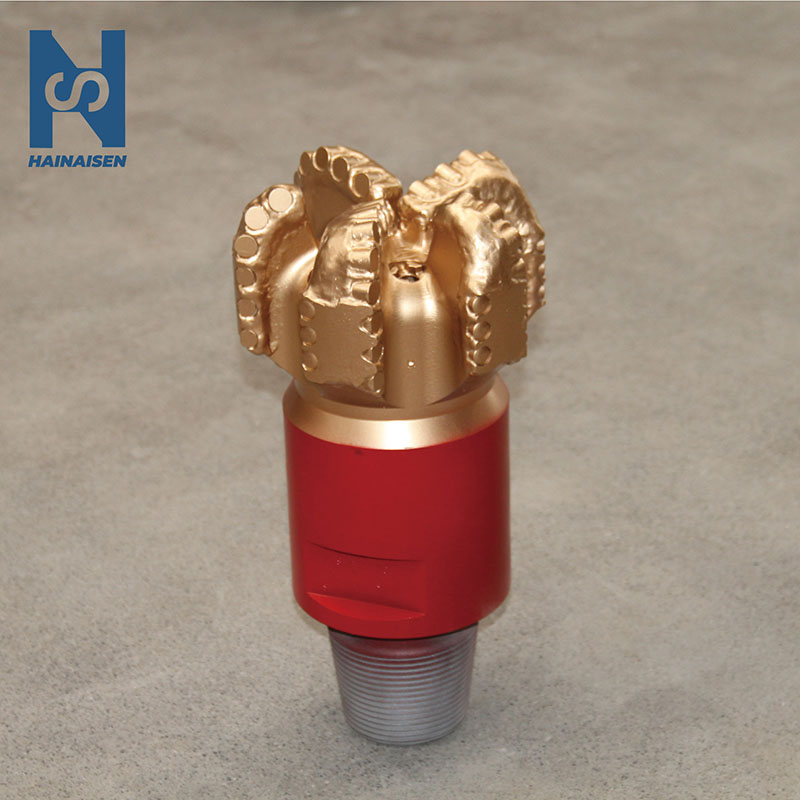 VIEW MOREFive Wing PDC Bit For Hard Rock Drilling
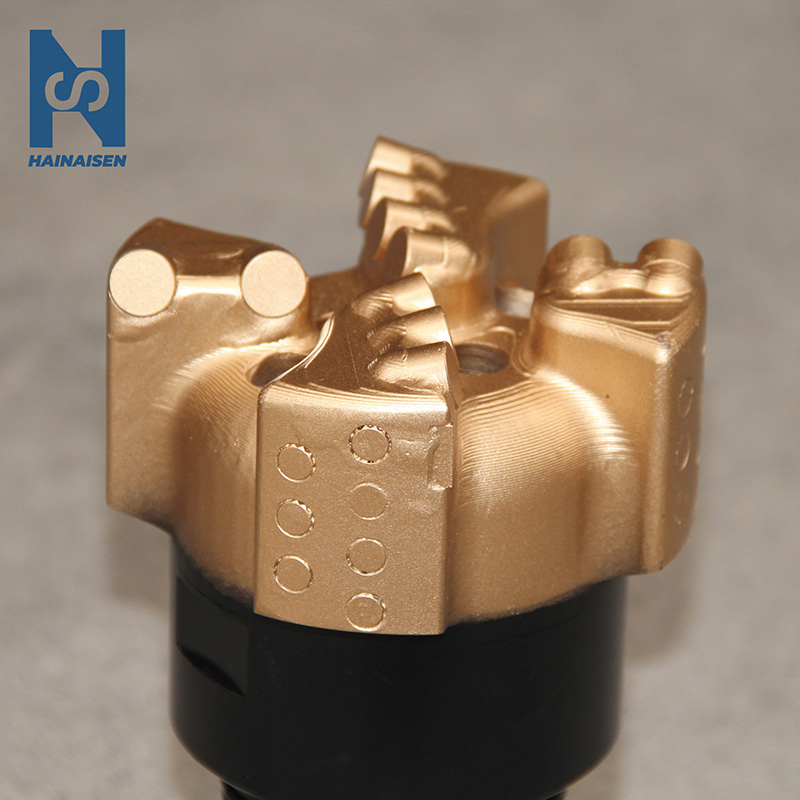 VIEW MOREDirectional Well PDC Drill Bit
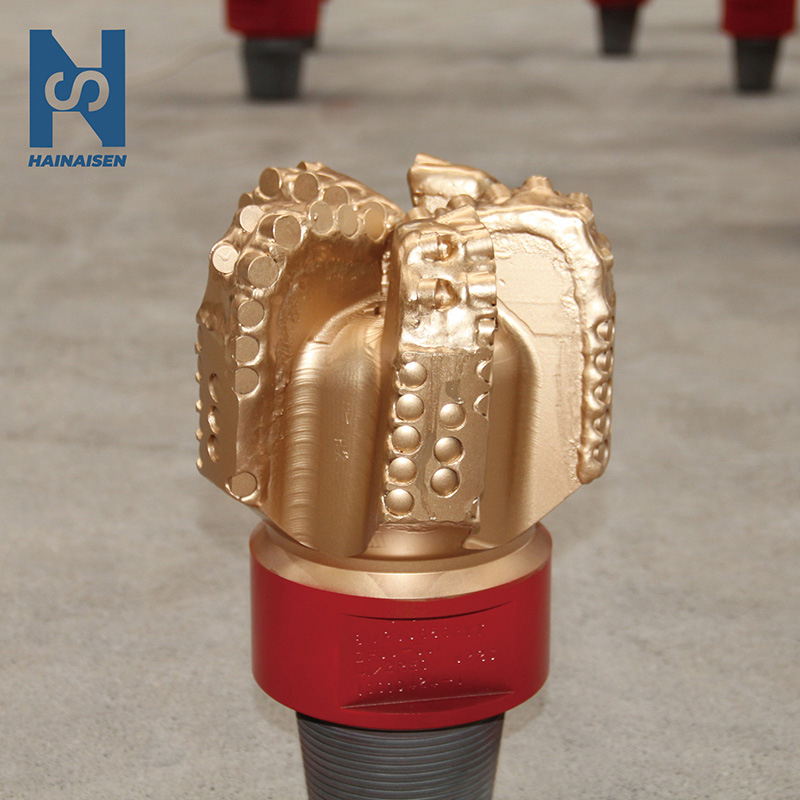 VIEW MORE5 Blades PDC Oil Bit
 VIEW MORE113mm 3 Blades Steel Body PDC Bit
logo 1_1777361260784.jpg) VIEW MOREFour Wing Arc Angle PDC Drill Bit
VIEW MOREFour Wing Arc Angle PDC Drill Bitlogo 1_1777361785830.jpg) VIEW MORE94mm PDC Flat Top Sintered Drill Bit
VIEW MORE94mm PDC Flat Top Sintered Drill Bit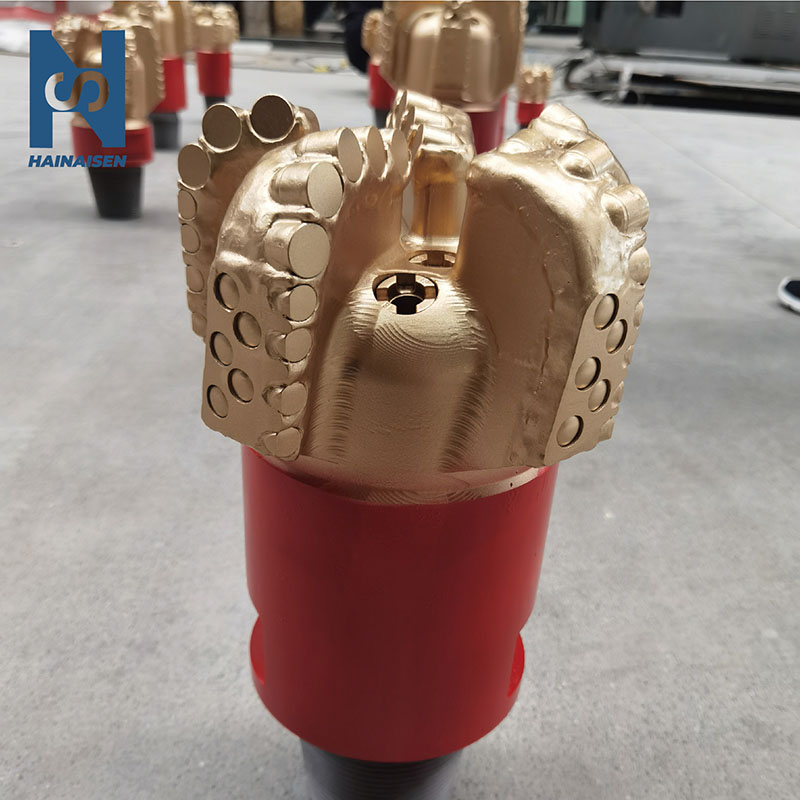 VIEW MOREFive Blade Oil Drill Bit
 VIEW MORE113mm Three Wings PDC Arc Angle Drill Bit
