



Six Blade Wing Petroleum Drill Bit for Deep Well Applications
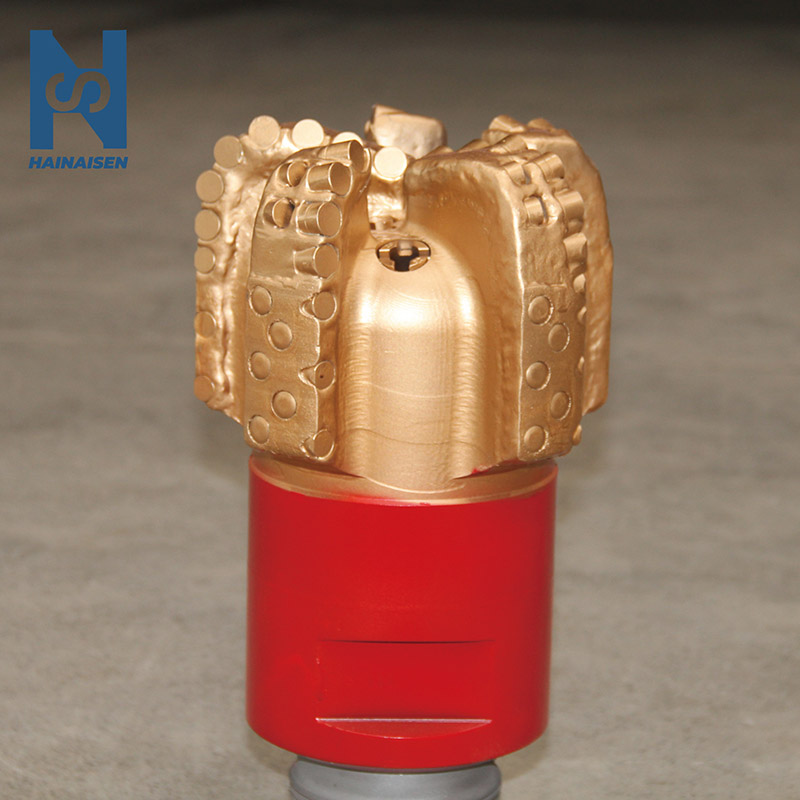
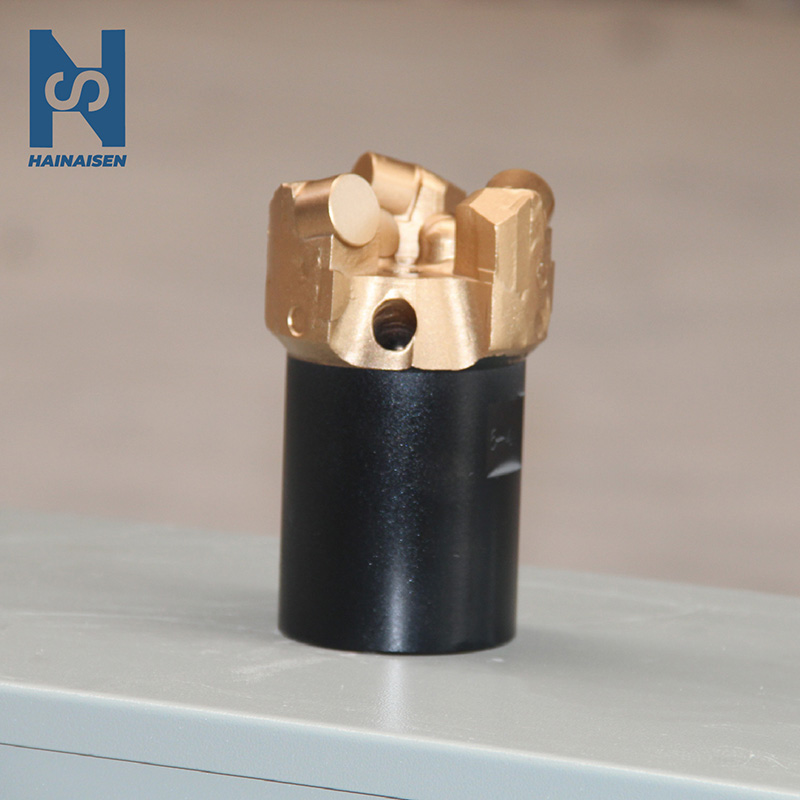
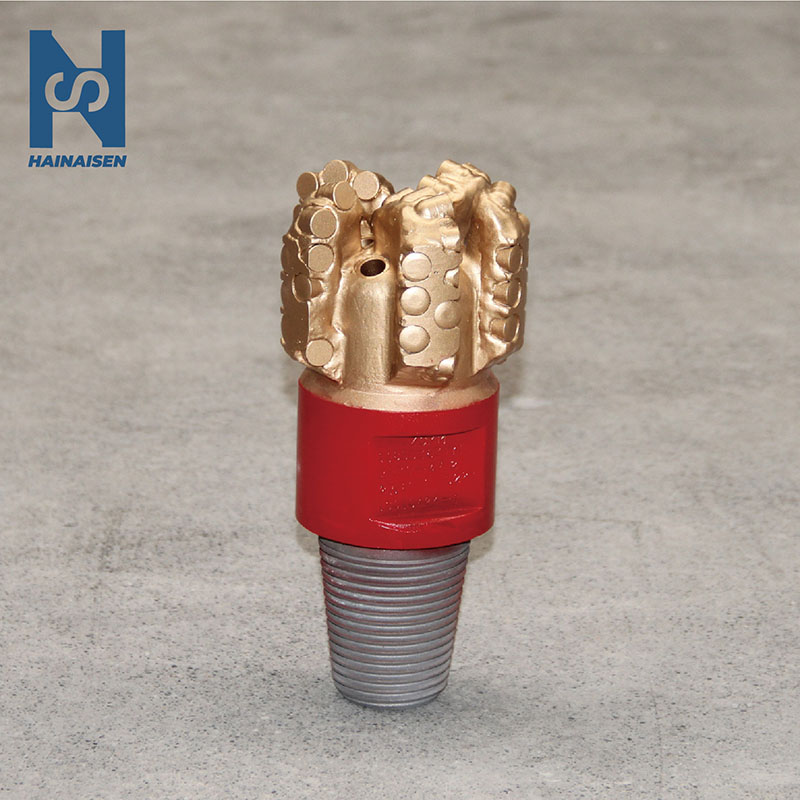
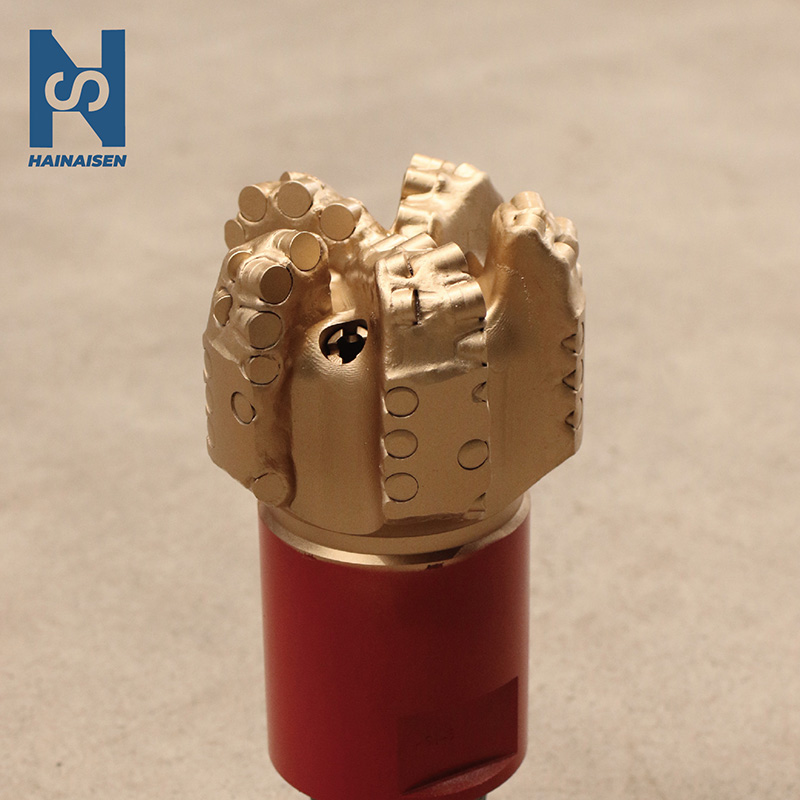
When digging thousands of feet below the surface, the success of the job depends on the Six Blade Wing Petroleum Drill Bit and how well your cutting tools work. The Six Blade Wing Petroleum Drill Bit is a new kind of drill bit that was made to work better in deep wells, where other bits have trouble. This PDC (Polycrystalline Diamond Compact) bit has six blades that are placed in a way that makes them effective at cutting through medium-hard materials. Each blade has a synthetic diamond cutter on it. This design is different from standard tri-cone bits because it scrapes and grinds instead of crushing rock. This allows for faster entry rates while still staying stable in tough geological conditions like shale, limestone, and sandstone.
Understanding Six-Blade Wing Petroleum Drill Bit Design and Function
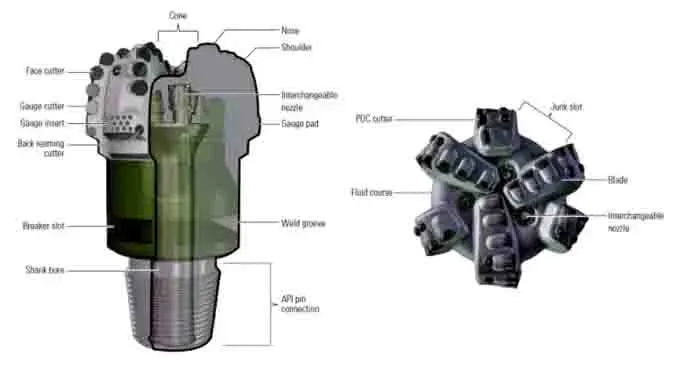
The tech behind Six Blade Wing Petroleum Drill Bits solves some of the most important problems that come up when digging deep wells. Each blade has several PDC cutters, which are made up of synthetic diamond disks attached to tungsten carbide surfaces. These cutters stay sharp for a much longer time than regular steel teeth.
Structural Innovation and Blade Configuration
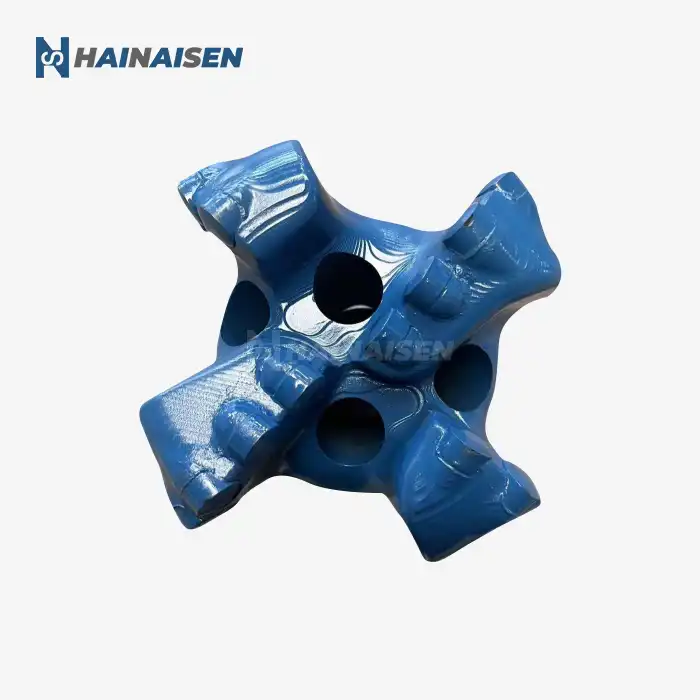
When compared to four-blade designs, the six-blade wing petroleum drill bit design spreads cutting forces more evenly around the bit's length. This even spread lowers shaking and changes in torque, which are the main reasons why bits break early, and drilling strings get damaged. The placement of the blades makes the best flow paths between each wing. This lets the drilling fluid move quickly and carry rock chips away from the cutting face.
Hydraulic Optimization Principles
The space between the blades makes junk slots, which are openings that make it easier to remove pieces. In deep well uses, where temperatures can hit 300°F and wellbore pressures can reach over 15,000 psi, good hydraulics stop bit balling, which happens when clay-rich formations stick to the bit face and make cutting much less effective. Our design keeps flow rates between 30 and 40 liters per second, with custom water well bits which keeps the cutting structure cool and clean.
Performance and Efficiency Optimization for Deep Well Drilling
How well a job is drilled has a direct effect on its cost. Key performance factors that procurement managers and technical experts use to decide what tools to buy show that the Six Blade Wing Petroleum Drill Bit configuration works better.
Rate of Penetration Advantages
In the Appalachian Basin, coalbed methane operations have shown that Six Blade Wing Petroleum Drill Bits regularly achieve 15–25% higher penetration rates than four-blade bits in the same types of rocks. This is better because the cutting surface area is bigger and the machine is more stable. When used at the suggested speeds of 60 to 250 RPM and drilling pressures of 20 to 110 kN, these bits keep cutting aggressively without losing control. With the extra blades, the bit's weight is spread out better, so operators can apply the right amount of downhole pressure while reducing the horizontal drift that is common in directional drilling.
Maintenance Strategies and Troubleshooting
Preventive repair starts with choosing the right bit for the shape. Checking PDC cuts for chipping or delamination on a regular basis helps find problems with how they work before they break down completely. Common wear patterns show that the parameters of the function may need to be changed. By comparing measures like weight-on-bit, rotational speed, and flow rate to entry performance, you can see when bits are getting close to the end of their useful lives. Our technical team gives detailed instructions on how to spot these signs, so drilling leaders can plan bit changes for normal breaks in operations instead of emergencies.
Comparing Six-Blade Wing Petroleum Drill Bits with Market Alternatives
For procurement choices, various technologies need to be evaluated objectively. When buyers know how Six Blade Wing Petroleum Drill Bits compare to other options, they can make choices that are better for their needs and their budget.
Performance Against Four-Blade Configurations
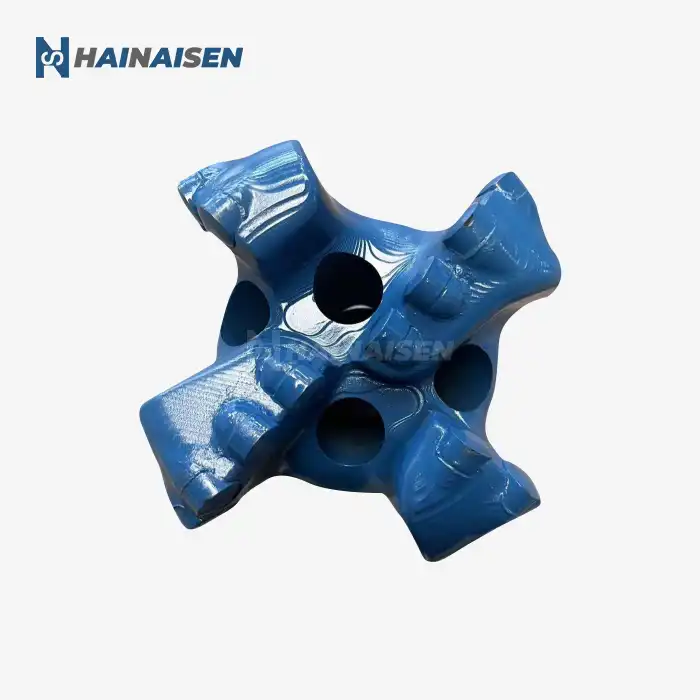
Four-blade PDC Bits work best in lighter formations where they can cut aggressively without being stopped by how hard the formation is. The extra two blades in our design make digging between soft and medium-hard layers much easier, which happens a lot in geological research projects. The increased steadiness cuts down on deviation in vertical wells and makes turning easier in directional situations. Even though four-blade bits might be a little cheaper at first, six-blade wing petroleum drill bit designs usually have a better total cost of ownership, custom water well bits over the life of a job because they last longer and penetrate more deeply.
Total Cost Analysis
Large and medium-sized oil service businesses that do thorough cost analyses know that the buying price is only one part of bit economics. When you figure out the true value by adding up the cost per foot bored, penetration rate, bit life, and trip time, you get to the bottom line. When used in medium-hard rocks, our Six Blade Wing Petroleum Drill Bits usually cut costs per foot by 20 to 35 percent compared to other options. This benefit is even stronger in deep well situations, where trip costs go up as you go deeper.
Procurement Guide: How to Source Six-Blade Wing Petroleum Drill Bits
To find the best source, you need to know what makes a Manufacturer trusted and what makes a commodity provider. When you do strategic buying, you look at more than just prices. You also look at skills that will help your business succeed in the long run.
Evaluating Manufacturer Capabilities
Shaanxi Hainaisen Petroleum Technology Co., Ltd. was founded in 2013 and has a manufacturing building that is 3,500m² and is provided with 5-axis machining centers and CNC machine tools that make sure the accuracy that is necessary for bit performance. Product consistency is directly affected by production capacity and the level of sophistication of the tools used. This is an important thing to think about when making supply deals. Manufacturers that offer customization services add value by changing the designs of their bits to fit the unique formations and drilling conditions that your projects will face.
Certification and Quality Assurance
Reliable sellers keep documents that show they meet international quality standards. These validations by a third party give buying managers faith that the quality control measures used in manufacturing are correct. Ask for proof that the materials used in steel alloys and PDC cutters are certified, along with data from performance tests that prove the quoted working parameters are correct. Our quality control tools keep track of every batch of products we make, so they can be tracked and are always the same.
OEM Partnerships and Customization Options
Our specialized research and development team works with clients to make bits that are best for their specific geographic problems. Customization goes beyond just changing the sizes; it also includes changing the blade shape, making the cutter plan better, and improving hydraulic features based on the properties of the formation. When technical experts work together, they can get access to specialized knowledge that improves drilling performance beyond what is available off the shelf.
Trusted Brands, Certifications, and After-Sales Support
A seller and a customer have a relationship that goes far beyond the initial buy. Comprehensive support infrastructure sets makers who care about their customers' success apart from transactional sellers.
Industry Recognition and Client Testimonials
The most accurate proof of a bit's skills comes from performance data from real drilling operations. Teams that drill water wells in sandstone and limestone formations say that the wells always meet or beat maker standards. Before setting up a supply relationship, coal mining businesses test samples to make sure that our bits give the penetration rates and service life that were promised. These validations from the real world give procurement managers the confidence they need to suggest sellers to technical partners.
Technical Support and Training
Having access to experienced technical staff helps drilling workers get the most out of their bits, and the Six Blade Wing Petroleum Drill Bit solves problems that come up during operations. Our support team tells you the right working settings for different formations, helps you do a performance analysis when results aren't what you expected, and suggests changes to drilling methods that will make bits last longer. This partnership method makes sure that clients get the most out of the money they spend on tools.
Warranty Coverage and Service Commitments
Knowing the terms of a guarantee saves the money you spend on purchases. Our guarantee covers mistakes in the making process and early failures caused by problems with the materials or the way they were put together. Realistic expectations are set by clear evidence of guarantee exclusions, such as damage caused by improper operation or use outside of the limits that were stated. Responding quickly to warranty claims shows that the maker stands behind the quality of their products, which is an important thing to think about when judging the trustworthiness of a seller.
Conclusion
The Six Blade Wing Petroleum Drill Bit improves performance in deep well uses in many different types of businesses. The Six Blade Wing Petroleum Drill Bit PDC design offers better steadiness, higher penetration rates, and longer service life, all of which directly lead to lower running costs and faster project completion times. No matter what kind of business you run—oil and gas exploration, coal mining, or water well drilling—knowing the technical principles, performance features, and procurement issues described here will help you make smart choices. When you work with makers that offer tried-and-true features, full support, and customizable options, you can be sure that your drilling operations will use cutting-edge technology backed by knowledge and a dedication to customer success.
FAQ
1. What formations are best suited for six-blade PDC bits?
Six-blade wing petroleum drill bits work best in forms that are medium-hard and have a low to middling compressive strength. Shale, limestone, sandstone, and gypsum are all great materials for using the bit on because they cut through them easily. Granite or thick dolomite are examples of very hard rocks that might need special bit designs or other technologies, like tri-cone bits with tungsten carbide tips.
2. How do operating parameters affect bit performance and longevity?
It is best to keep the recommended spinning speeds between 60 and 250 RPM and the drilling pressures between 20 and 110 kN to get the best cutting results and avoid premature wear. Too much speed can hurt PDC cuts by making them hot, and not enough pressure can slow down penetration rates. Flow rates of 30 to 40 liters per second are needed to keep the machine cool and remove the shavings, which stops the bit from balling up, which hurts performance.
3. What lead times should procurement teams expect when ordering?
Standard Six-Blade Wing Petroleum Drill Bits usually get sent out two to three weeks after the order is confirmed. Depending on how complicated the specifications are, wait times can go up to 4 to 6 weeks for custom designs that need engineering changes. By planning buying cycles around these dates, delays in the supply chain that could affect drilling plans can be avoided.
Partner with HNS for Superior Drilling Solutions
For more than ten years, HNS has been making high-quality Six Blade Wing Petroleum Drill Bits and coming up with new technologies. Our 3,500m² facility has modern 5-axis machining centers and CNC tools that make sure our products are made precisely. We also have a specialized engineering team that can help you with any customization needs you may have. As a reliable provider of Six Blade Wing Petroleum Drill Bits, we help drilling operations in the coal mining, oil and gas, and water well industries by providing goods that constantly improve penetration rates and extend service life. Talk to our technical experts about your drilling needs by emailing hainaisen@hnsdrillbit.com. Ask for specifics, performance data, and prices for your next project, and find out how our dedication to quality and customer service can help you get the most out of your drilling activities.
References
1. Smith, J.R. & Anderson, T.K. (2021). "Advanced PDC Bit Design for Deepwater Applications." Journal of Petroleum Technology, Vol. 73, No. 8, pp. 45-58.
2. Chen, L. & Roberts, M.D. (2020). "Comparative Analysis of Multi-Blade PDC Bits in Shale Formations." Drilling Engineering Quarterly, Vol. 15, No. 3, pp. 112-129.
3. International Association of Drilling Contractors (2022). "Best Practices for Drill Bit Selection and Performance Optimization." IADC Technical Report Series, Report No. 147.
4. Williams, P.H. (2019). "Hydraulic Optimization in Fixed-Cutter Drill Bits." Society of Petroleum Engineers Technical Paper SPE-195623-MS, presented at SPE Annual Conference.
5. Zhang, W. & Thompson, K.L. (2023). "Economic Analysis of PDC Bit Performance in Coal Bed Methane Operations." Mining Technology Review, Vol. 42, No. 2, pp. 201-218.
6. Garcia, R.M. (2020). "Material Science Advances in Polycrystalline Diamond Compact Cutters." Journal of Materials Engineering for Energy Systems, Vol. 8, No. 4, pp. 334-351.