What is the difference between a rock bit and a PDC bit?
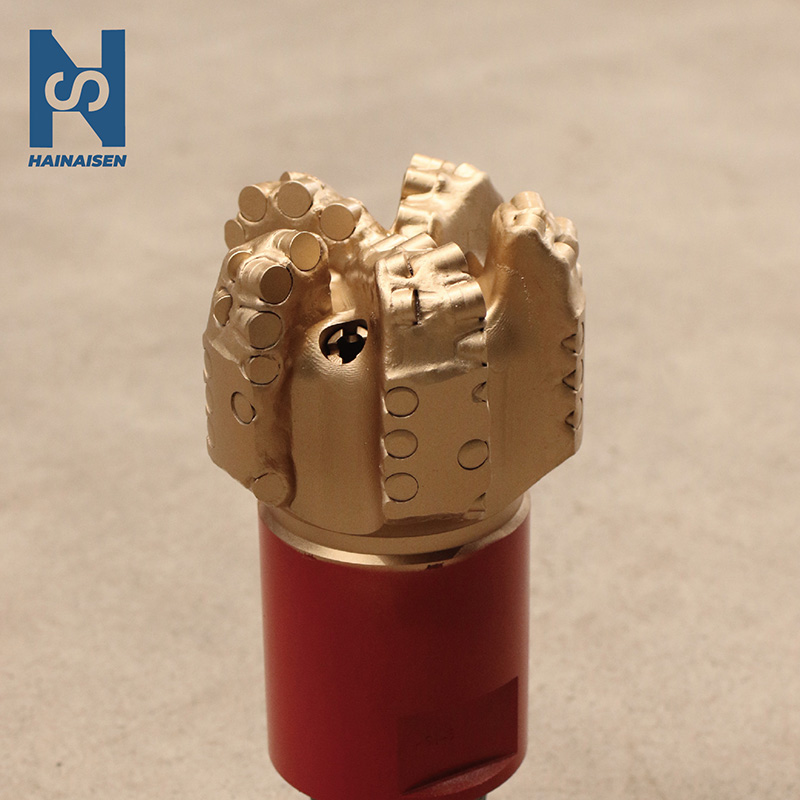
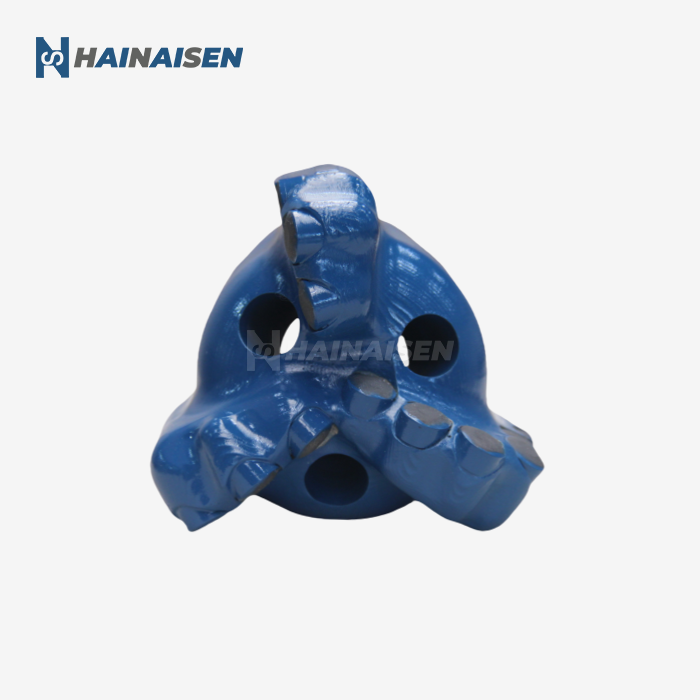
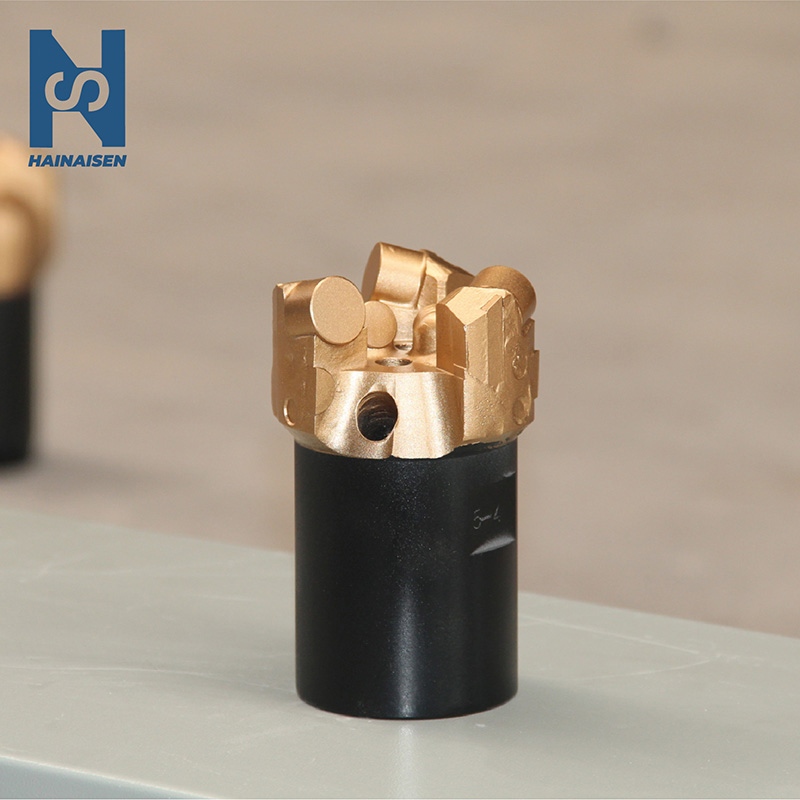
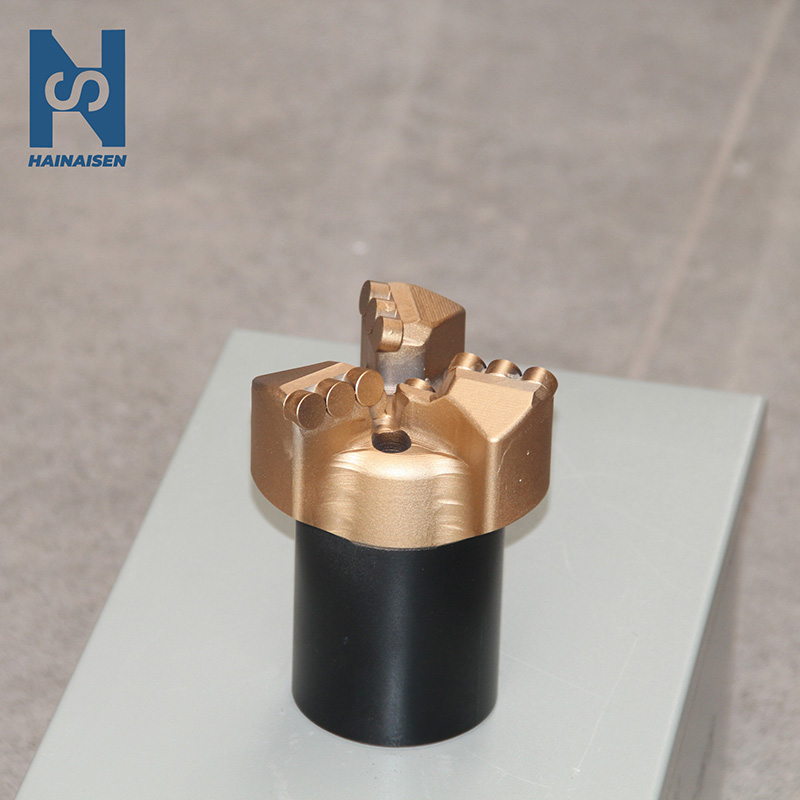
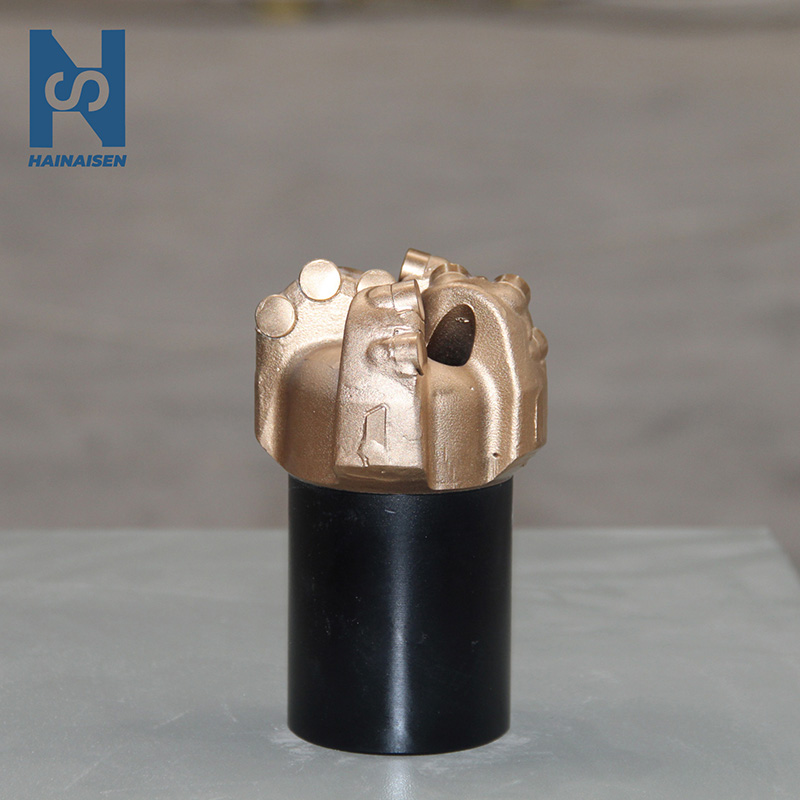
The fundamental difference between rock bits (roller cone bits) and PDC Rock Drill Bits lies in their cutting mechanisms and material composition. Traditional rock bits use rotating steel cones with tungsten carbide teeth to crush rock formations, while PDC (Polycrystalline Diamond Compact) bits employ fixed diamond cutters to shear through rock with superior efficiency. PDC technology represents a significant advancement in drilling performance, offering enhanced penetration rates, extended tool life, and reduced operational costs across various drilling applications.
Understanding Rock Bits and PDC Bits: Definitions and Core Concepts
Traditional Rock Bits: The Foundation of Drilling Technology
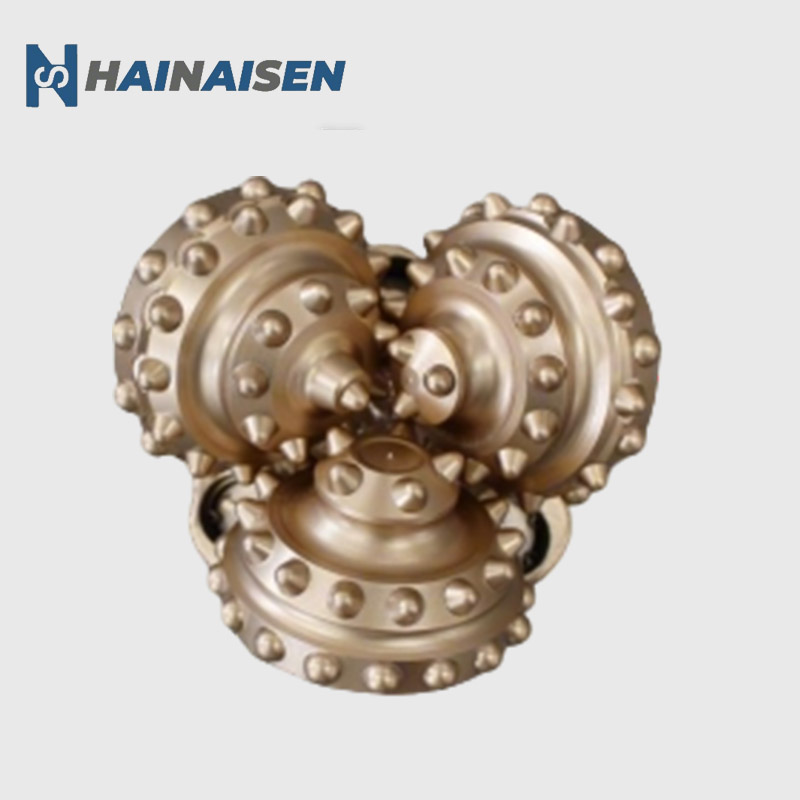
Traditional rock bits, also called roller cone bits or tri-cone bits, have been the main tool used for drilling for many years. The spinning cones on these tools have tungsten carbide or steel teeth that grind away at rock forms to crush and chip them away. The bit's cone shape lets it react to different rock types, making it a useful tool for a range of boring situations.
The device works by using weight on the bit and a rotating force to break rock layers. Because the drill string is turning, the cones roll against the bottom of the hole, breaking the rock into smaller pieces. This method works especially well in lighter layers because the crushing action can get rid of a lot of material quickly.
PDC Technology: Advanced Diamond Cutting Solutions
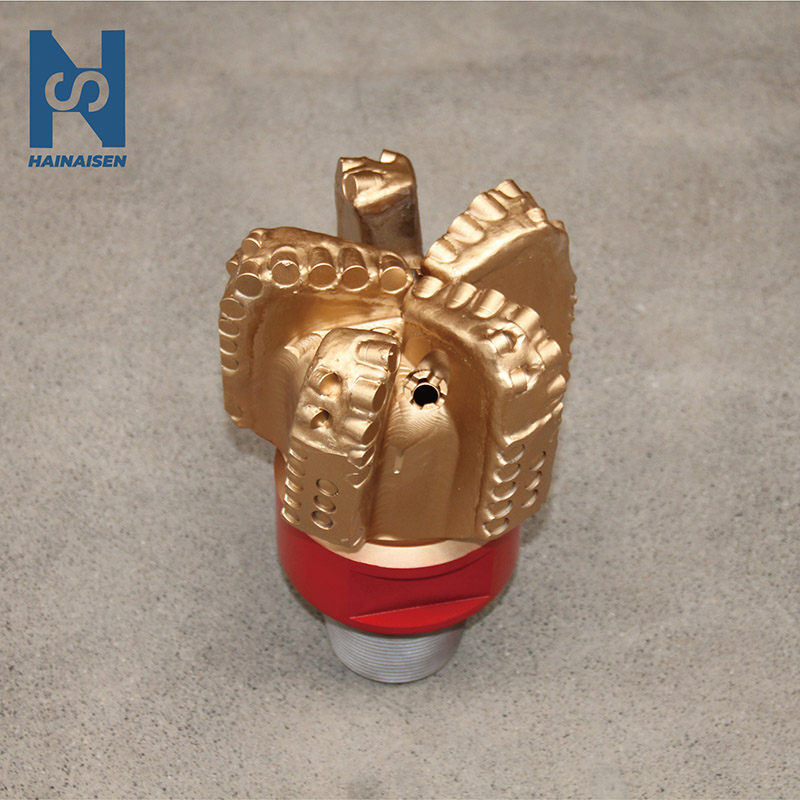
Polycrystalline Diamond Compact technology is a completely new way to improve the efficiency of drills. PDC Rock Drill Bit designs use synthetic diamond cutters that are brazed onto tungsten carbide surfaces. This makes cutting elements that stay sharp and last much longer than other options. These cutters are placed on set blades in a way that cuts through rock shapes without crushing them.
In the production process, fake diamonds are made under very high temperatures and pressures. This makes cutters that are very hard and don't wear down easily. The diamond layer is the cutting edge, and the tungsten carbide backing provides structural support and heat transfer to control the amount of heat that is generated during drilling.
Core Material and Design Differences
The types of materials used in these two drilling methods are very different from one another. PDC Bits have high-grade steel bodies with modern polycrystalline diamond compact cutters and tungsten carbide matrix for better wear resistance. Traditional rock bits have high-grade steel bodies with tungsten carbide or steel cutting elements. This material improvement directly leads to better performance and longer operating life.
Comparing Performance and Efficiency of Rock Bits vs PDC Bits
Drilling Speed and Penetration Rates
Performance measures show that PDC technology has big benefits in most drilling situations. When compared to standard roller cone drill bits, PDC Rock Drill Bit designs always have higher penetration rates. Roller cones crush things, but diamond cutters slice things instead, which uses less energy and lets you dig faster and more efficiently.
In medium to hard rock types, PDC bits can penetrate 2-3 times faster than roller cone bits, as shown by drilling data from oil and gas activities. This better performance comes from the constant cutting action that stays in contact with the formation, instead of the irregular contact patterns that come with rolling cone designs.
Durability and Tool Life Analysis
The levels of wear protection in these systems are very different. Diamond cutters keep their cutting edge for a lot longer than tungsten carbide teeth, which means the tool lasts longer and trips less often. When used strategically, PDC technology can greatly increase productivity by cutting down on project timelines by speeding up drilling and reducing the time needed for bit changes.
Based on operational data, PDC bits can usually drill three to five times as far as similar roller cone bits before they need to be replaced. This longer tool life saves a lot of money because it means less needs to be replaced and less time is spent not working when bits need to be changed.
Formation Compatibility and the Ability to Adapt to Geology
Geological factors are very important when choosing bits. Roller cone bits work best in very rough or unconsolidated rock, where their breaking action is useful. PDC bits, on the other hand, work best in solid rock, where their cutting action can effectively remove rock.
Modern PDC bits have better cutting structures and are better designed so they stay stable and under control while drilling. This makes the holes straighter and improves the ability to drill in specific directions. This level of accuracy cuts down on the need for corrective drills and ensures that the project is finished successfully within the allowed ranges.
Design Features and Technological Advances in PDC Rock Drill Bits
Advanced Cutter Configurations and Blade Innovations
Modern PDC Rock Drill Bits have complex cutter setups that make cutting more efficient and extend the life of the tool. Engineers place cutters in a way that balances strong cutting action with thermal management. This makes sure that the cutters work the same way in all kinds of rock situations. The shape of the blade affects how chips are removed, how much power is needed, and how stable the drilling is overall.
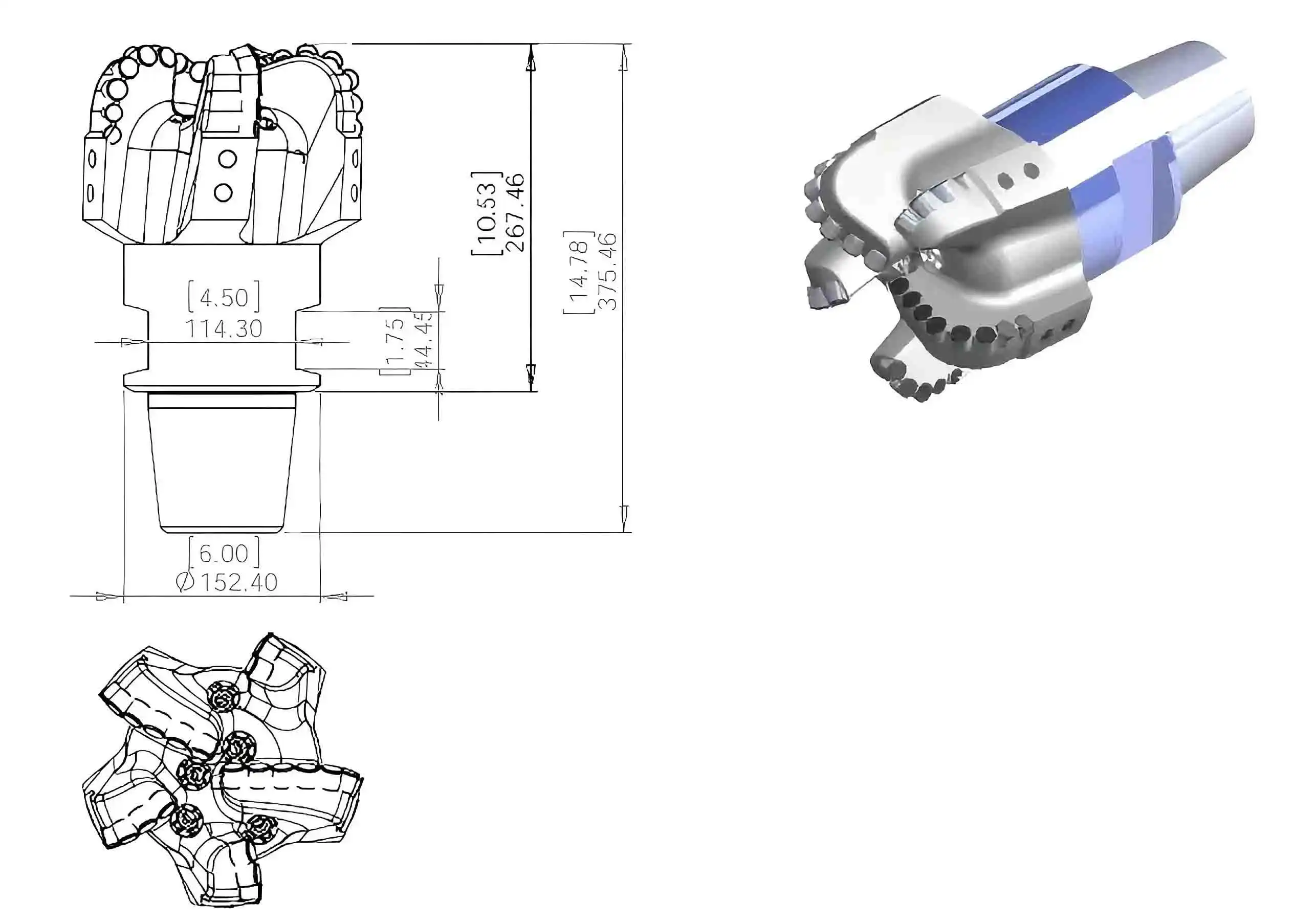
When working with difficult forms, four-blade PDC designs are especially helpful. When compared to six-blade designs, these ones have less torque and drag, which makes them especially useful for deep drilling jobs where torque limits are important. The fewer blades make room for bigger rivers that remove cuts better and cool more efficiently.
Maintenance and Inspection Protocols
Preventive repair practices greatly increase the useful life of PDC bits and improve operating efficiency. During regular inspections, the wear patterns on the cutter, the stability of the blades, and the way hydraulic fluid flows are all looked at. Finding wear signs early on lets you change bits at the right time, which stops catastrophic failure and the delays that come with it.
Diamond cutters can't get broken while being moved or stored if they are handled and stored correctly. Controlling the temperature during cutting operations helps keep cutters from getting damaged by heat, and using the right hydraulic programs makes sure that the cutters stay cool and chips are removed during the whole process.
Specialized Applications Across Industries
PDC technology is used for a wide range of drilling tasks in many businesses. These bits are great for drilling underwater and onshore, horizontally and directionally, and into shale formations for oil and gas research. PDC success is good for mining activities when it comes to coal extraction, mineral research, and geothermal drilling.
PDC bits work really well for water well drilling teams when they are building deep water wells or looking for aquifers. In construction, it's used for things like digging the foundations of big buildings, boring tunnels, and geotechnical studies that need to be done quickly and accurately.
Making the Procurement Decision: Choosing Between Rock Bits and PDC Bits
Cost-Benefit Analysis and Investment Considerations
When making a procurement choice, it's important to weigh the upfront investment against the long-term practical savings carefully. Even though PDC Rock Drill Bit units cost more to buy at first than roller cone options, they often end up costing less per foot to drill because they work better and last longer.
The economic benefit goes beyond the cost of replacing tools; it also includes shorter project timelines, lower activation costs, and better use of resources. By improving drilling productivity and cutting down on non-productive time, project owners can get the most out of their investments and profits.
Supplier Evaluation and Quality Assurance
When looking for good suppliers, you need to look at their manufacturing skills, quality control methods, and expert support services. Reputable makers keep up with industry standards, form partnerships with original equipment Manufacturers (OEMs), and offer full warranty support that lowers business risks.
For specific drilling tasks, the ability to customize becomes more and more important. Suppliers who offer custom bit designs and technical support can help with geological problems that are unique to the project and improve performance to meet project needs.
Bulk Ordering and Logistics Considerations
Strategic planning for purchasing allows for bulk savings and makes sure that there is enough inventory to keep operations running. When people order in bulk, they often get better prices and faster delivery times that keep operations running smoothly.
Global sellers with well-established delivery networks can make sure that their products are always available and offer technical help in a number of different operating areas. Companies that do business in remote places or foreign markets find this feature to be very useful.
Case Study & Practical Insights: Successful Applications of PDC Bits
Oil and Gas Sector Performance Data
Recent uses in the field show that using PDC technology in different drilling situations really does help. When moving from roller cone to PDC Rock Drill Bit technology in shale layers, a big oil service company saw 40% faster entry rates and 60% longer bit life. Because of these changes, the project saved a lot of money and made more sense economically.
In directional drilling, PDC's benefits in keeping the wellbore on track and lowering drilling force are clear. Advanced cutting structures make it easier to be precise and accurate, which reduces deviation and raises the quality of the wellbore as a whole.
Mining Industry Success Stories
The use of PDC technology in coal mines has been helpful in raising output and lowering costs. When a big mining business switched to PDC bits for their development headings, they saw 35% faster progress rates and 50% less bit change frequency.
PDC bits are especially useful in rough mining settings where tool life has a direct effect on how well the mine works because of their strong design and longer lifetime. In addition to saving money right away, these perks also make things safer by reducing the need to handle and maintain tools.
Troubleshooting Common Challenges
To solve practical problems, you need to know the limits of PDC bits and use the right mitigation techniques. In high-temperature formations, where too much heat can damage diamond cuts, thermal control is very important. Using the right hydraulic programs and optimizing the drilling parameters can help keep the temperatures at a good level.
Controlling vibrations by placing cutters evenly and using the right drilling settings keeps bits from breaking too soon and makes sure they always work well. By keeping an eye on the cutting factors on a regular basis, problems can be found early and fixed before they get worse.
Conclusion
The decision of whether to use traditional rock bits or PDC technology relies on the needs of the business, the geology, and the cost. PDC Rock Drill Bit technology works better in most consolidated rocks because it speeds up drilling rates, makes tools last longer, and improves accuracy. Traditional roller cone bits are still useful in some situations, but PDC technology is the way of the future for more efficient drilling in the mining, oil and gas, water well, and building industries.
FAQ
Q1: What formations are best suited for PDC bits versus roller cone bits?
PDC bits work best in sandstone, limestone, and shale layers that are hard and compacted because they cut rock away easily. Roller cone bits are still the best choice for very rough materials, sands that haven't been packed down, and very hard materials that need to be crushed rather than sheared.
Q2: How do maintenance requirements differ between these bit types?
To keep diamond cutters from getting damaged by contact, PDC bits need to be handled carefully. Roller cone bits, on the other hand, need regular upkeep on the bearings and seals. In PDC maintenance, the focus is on keeping an eye on cutting wear and making sure that bits are stored correctly. On the other hand, roller cone bits need maintenance on the lubrication system and checking of mechanical parts.
Q3: What factors influence the economic justification for PDC bit selection?
The choice is based on the depth of the drill, the type of rock, the cost of rig time, and the operating goals. Most of the time, the higher initial cost of PDC bits is justified by faster drilling speeds, longer tool life, and fewer trips. For better economics, operations with high rig rates and difficult rocks tend to prefer PDC technology.
Partner with HNS for Premium PDC Rock Drill Bit Solutions
HNS delivers cutting-edge drilling solutions through our comprehensive range of PDC drill bits designed for diverse industrial applications. Our advanced manufacturing facility features state-of-the-art 5-axis machining centers and dedicated research teams that develop customized drilling solutions for your specific operational needs. As an established PDC Rock Drill Bit manufacturer since 2013, we provide industry-leading quality, competitive pricing, and global shipping capabilities that support your drilling excellence objectives. Contact our technical team at hainaisen@hnsdrillbit.com to explore how our premium drilling technologies can optimize your operational efficiency and project economics.
References
1. Smith, J.K. "Comparative Analysis of Drilling Technologies in Modern Oil and Gas Operations." Journal of Petroleum Engineering Technology, 2023.
2. Anderson, M.R. "PDC Bit Performance Optimization in Hard Rock Formations." International Mining and Drilling Review, 2022.
3. Thompson, L.C. "Economic Evaluation of Drilling Tool Selection in Coal Mining Operations." Mining Technology Quarterly, 2023.
4. Wilson, D.A. "Advanced Materials in Drilling Applications: Diamond Technology Developments." Industrial Drilling Sciences, 2022.
5. Roberts, K.P. "Operational Efficiency Improvements Through Modern Drilling Technologies." Energy Sector Technical Journal, 2023.
6. Martinez, S.L. "Geological Formation Analysis and Drilling Tool Selection Criteria." Geotechnical Engineering Review, 2022.