







Petroleum Drilling Equipment PDC Buying Guide
In today's competitive energy sector, choosing the right Petroleum Drilling Equipment PDC is an important choice that has a direct impact on working efficiency, cost management, and project success. Polycrystalline Diamond Compact (PDC) drilling technology is now an important part of modern oil exploration and production because it works better and more reliably in a wide range of drilling conditions. While making sure that procurement meets the needs of the project and stays within the budget, this detailed guide helps procurement managers, engineers, and dealers make better decisions and get better results from drilling.
Understanding Petroleum Drilling Equipment PDC
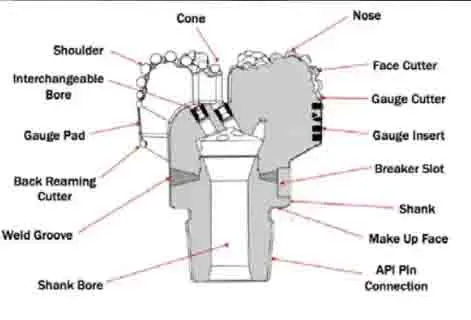
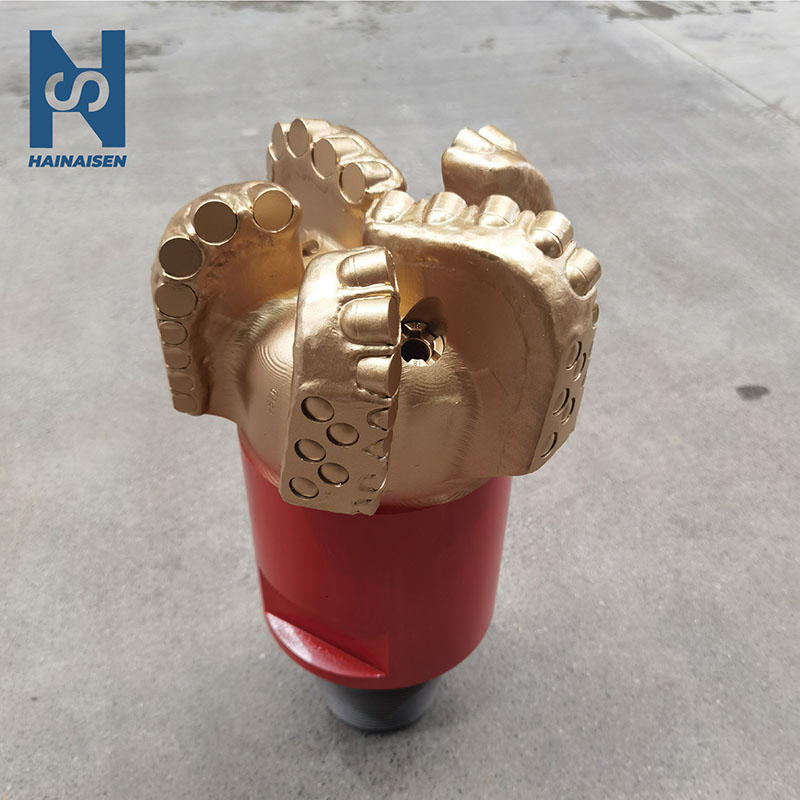
With PDC drill bits, the way they work is very different from how other drilling methods work. These fixed-cutter tools have synthetic diamond cutters carefully placed on the bit face to make a continuous shearing action that cuts through rock forms easily. PDC Bits stay in contact with the formation the whole time, while roller cone bits crush rock through spinning cones. This means that PDC bits have better penetration rates and last longer.
Core Components and Working Principles
Cutting heads made of polycrystalline diamond are what make PDC drill bits work. These fake diamond disks are very hard and don't wear down easily, so the bit can keep cutting effectively even during long drilling jobs. The cuts are brazed onto either a steel body or a matrix body. Each type of body has its own benefits for different drilling situations.
Steel body PDC bits work best in shale, soft limestone, and layers that haven't been packed down yet. Because of how they are made, they are easier to customize and fix, which makes them a cost-effective choice for many cutting tasks. The tungsten carbide blend materials used to make matrix body PDC bits give them better performance in harder, more abrasive formations where longer resilience is needed.
Application Environments and Geological Suitability
In both onshore and offshore drilling activities, modern Petroleum Drilling Equipment PDC finds widespread use. For example, these bits work really well in shale, limestone, sandstone, and gypsum, which are medium-hard rocks with low compression strength. They can be used for more than just oil drilling. They can also be used for geothermal drilling, coal bed gas extraction, and building water wells.
The hydraulic design of PDC bits is a key part of how well they work. Nozzles that are placed in strategic places guide the drilling fluid to remove the most cuttings while keeping the diamond cuts cool. This design factor is especially important when digging deep, where conditions below can make tools work less well or break down faster.
Criteria for Selecting the Best PDC Drill Bits
When choosing PDC drill bits for different drilling jobs, procurement workers have to look at a number of technical factors. Knowing these factors helps you make smart choices that combine performance needs with budget concerns while still ensuring operational success.
Performance Indicators and Technical Specifications
Cutting structure design has a big effect on how well drilling works and how long bits last. How well the bit can cut through different types of rock depends on how the PDC cutters are arranged, how big they are, and how they are oriented. Aggressive cutting structures with bigger, more visible cuts work best in soft rock, but they may wear out faster in harder rock. Conservative designs with smaller, better-protected cuts give up some cutting rate to last longer in tough situations.
Other important things to think about are bearing systems and bit safety. Modern PDC bits have advanced bearing designs that keep vibrations to a minimum and make drilling go smoothly. The quality of the holes, the accuracy of the direction control, and the general speed of drilling are all affected by these systems. Good bearing systems also keep the drill string from being stressed, which could make other drilling parts last longer.
Formation-Specific Selection Guidelines
The best bit selection factors are based on the features of the formation. Most of the time, forceful cutting designs that increase penetration rates work well in soft to medium-hard formations. When drilling in harder formations, you need to be more cautious and put cutter safety and bit life ahead of drilling speed. By knowing the properties of the formation, buying teams can choose bits that give the best performance while keeping running costs as low as possible.
The depth of the hole also affects the choice of bit. Higher downhole temperatures and pressures are caused by deeper wells, which can affect how well a PDC cutter works. For extreme depth uses, where regular cutters might break down too soon, you need specialized high-temperature PDC cutters and better cooling designs.
Supplier Evaluation and Quality Assurance
Checking the credentials and quality standards of the maker makes sure that the equipment bought is effective and meets business needs. Manufacturers with a good reputation keep strict quality control systems, thorough testing methods, and detailed performance records that help users make smart bit choices. These companies also offer expert support services that are very helpful during digging operations.
Comparing PDC Drill Bits with Other Drilling Technologies
When buying, teams know how Petroleum Drilling Equipment PDC stacks up against other drilling technologies, and they can make smart choices based on the needs of the project and the way it will be used.
PDC vs. Roller Cone Technology
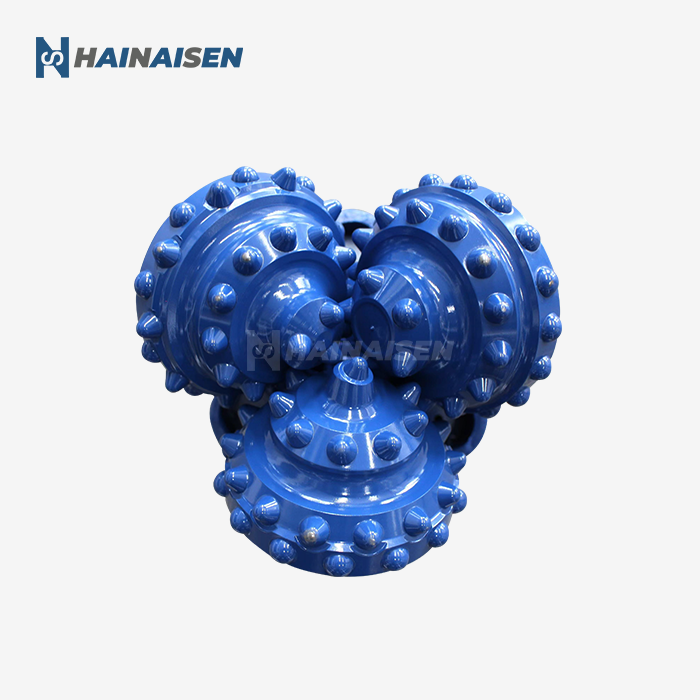
To break up rock, roller cone bits use spinning cones with tungsten carbide tips or milled steel teeth. These bits work best in hard, uneven forms, but they usually have lower penetration rates and need to be replaced more often than PDC bits in the same situations. PDC bits get rid of the mechanical complexity of roller cone designs, which means there are fewer places where things could go wrong, and less upkeep is needed.
Roller cone bits crush things, which makes more sound than the constant shearing action of PDC bits. When directed drilling is used, and accurate wellbore placement is needed, this trait becomes very useful. Less shaking also makes the drill string last longer and improves the total efficiency of drilling.
Performance Analysis Across Geological Contexts
When it comes to penetration rate and bit life, PDC bits always do better than other methods in soft formations. Their ability to keep their cutting edges sharp over long drilling operations directly leads to shorter trips and lower total drilling costs. Specialized roller cone or diamond-impregnated bits may work better in rocks that are very hard or very rough, though.
When digging for longer periods of time, when bit changes have a big effect on operating efficiency, the economic benefits of PDC technology become clearest. Single PDC bits can often drill through areas that would need multiple roller cone bits, which greatly reduces the time that is wasted changing bits.
Leading Manufacturers and Market Options
There are a number of well-known companies in the PDC bit market that make a wide range of products that are specifically designed for different drilling tasks. The global market is dominated by companies like Halliburton, Baker Hughes, and Schlumberger, which have large bit holdings and a lot of knowledge in the field. Local companies often make affordable alternatives with unique patterns that work best with the rocks in the area.
Maintenance and Optimization Best Practices for PDC Drilling Equipment
Maximizing the return on investment from PDC drill bits requires implementing comprehensive maintenance protocols and optimized drilling practices that extend bit life while maintaining performance standards.
Routine Inspection and Wear Assessment
By inspecting the bit on a regular basis, wear patterns and other problems that might affect drilling performance can be found early on. By looking at PDC cutters visually, you can learn important things about the rock, the drilling parameters, and the right bit for the job. Uniform wear patterns mean that the drilling conditions are good, while premature or uneven wear means that the parameters may need to be changed or the bit design may need to be changed.
Keeping digital records of bit condition and performance data makes useful files that can be used to choose bits in the future and plan operations. These records help buying teams find the best bit designs for different formations and drilling situations, and they also keep track of how well suppliers are doing over time.
Storage and Refurbishment Techniques
Transporting and working in a building can hurt PDC bits if they are not stored correctly. Bits need to be packed in a way that keeps cutters from breaking and makes them easy to check and handle. Climate-controlled storage spaces keep bits in good shape for long periods of time by stopping the steel body from rusting.
Refurbishment plans can make PDC bits last longer and lower the overall cost of drilling. Professional restoration services replace worn-out cutters, fix broken parts, and return the bit shape to its original form. These services are especially helpful for expensive matrix body bits that are used in tough drilling jobs.
Advanced Optimization Strategies
Modern optimization for drilling includes real-time tracking systems that keep an eye on how well the bits are working and change the drilling settings automatically. These systems find the best weight on the bit, rotating speed, and hydraulic settings to get the best penetration rate while keeping the bit safe from situations that could damage it.
Systematic optimization methods are useful, as shown by case studies of successful drilling operations. When compared to traditional drilling methods, operations that use complete bit management tools regularly get better performance metrics.
Procurement Guide: How to Buy PDC Drilling Equipment?
To successfully complete the Petroleum Drilling Equipment PDC buying process, you need to know how the market works, what suppliers can do, and how to deal with logistics issues that can affect project timelines and costs.
Sourcing Strategies and Market Dynamics
Online procurement sites have changed the way PDC bits are bought by giving buyers access to global sources and letting them compare prices from different makers. A lot of the time, these platforms have thorough product specs, customer reviews, and technical support tools that help people make smart buying choices. But for complicated drilling jobs, you might need to work directly with makers to come up with unique solutions.
Strategies for buying in bulk can save you a lot of money and make sure you have enough inventory for long drilling operations. Volume savings usually run from 10 to 25 percent, but they depend on how much you order and how well you know your source. Cost savings, storage needs, and the cost of having goods are all things that strategic inventory management takes into account.
Pricing Considerations and Lead Times
The price of a PDC bit depends a lot on its size, the complexity of its design, and the manufacturer's requirements. Steel body bits cost between $15,000 and $40,000 each, while matrix body forms can cost more than $100,000 for certain jobs. Knowing these cost structures helps you make correct project budgets and do lifetime cost analysis.
Lead times for making normal PDC bits are usually between 4 and 8 weeks, but for special designs, they can be 12 to 16 weeks or even longer. Planning for purchases early on avoids delays that could affect when digging will happen and how much the job will cost.
HNS Quality and Service Excellence
Since 2013, Shaanxi Hainaisen Petroleum Technology Co., Ltd. has been known as a reliable company that makes high-quality PDC drill bits. In oil and gas production, coal mining, and geological mapping, our wide range of products is used for a wide range of drilling tasks. Advanced 5-axis machining centers and CNC equipment in our modern 3,500m² production plant make sure that exact manufacturing tolerances and consistent product quality are met.
Our focused research and development team focuses on making unique bit designs that meet the needs of each customer. This feature is especially useful for difficult drilling jobs where normal bit designs might not work as well as they should.
Conclusion
In a wide range of energy sector uses, choosing the right Petroleum Drilling Equipment PDC has a big impact on the success of the drilling, the speed of operations, and the cost-effectiveness of the project. Professionals in the drilling business can make smart choices that improve drilling performance and cut costs by learning about the basics of PDC technology, how to evaluate it, and the best ways to buy it. The permanent development of PDC technology, along with better ways to make them and new designs, means that these tools will stay essential for the efficient discovery and production of oil.
FAQ
Q1: What factors have the biggest effect on the lifespan of a PDC bit?
Formation hardness and abrasiveness are the main things that affect how long a PDC bit lasts. Wear rates are also affected by things like the bit's weight, its rotating speed, and the flow rate of hydraulic fluid. Setting the right parameters can increase bit life by 30 to 50 percent in many situations while keeping entry rates acceptable.
Q2: Can PDC bits be used interchangeably between offshore and onshore operations?
When PDC bits are made for use offshore, they often have better rust protection and special bearing systems that can handle the harsh conditions of the ocean. Offshore bits can work with onshore bits, but offshore designs are usually better at performing and being reliable in rough sea conditions.
Q3: How does the type of material used in the tool affect how well it drills?
Standard PDC cutters work well for most oil drilling jobs, but for jobs at very high temperatures or at great depths, you need special high-temperature cutters. Thermally stable polycrystalline (TSP) cutters work better in locations with high temperatures, but they cost more.
Partner with HNS for Superior Petroleum Drilling Equipment PDC Solutions
Industry leaders trust HNS as their preferred petroleum drilling equipment PDC manufacturer for challenging drilling operations worldwide. Our proven track record spans over a decade of innovation in polycrystalline diamond compact technology, delivering customized solutions that maximize drilling efficiency while reducing operational costs. Contact our technical team at hainaisen@hnsdrillbit.com to discuss your specific requirements and discover how our advanced PDC drill bits can enhance your drilling performance.
References
1. Smith, R.J., & Johnson, M.K. "Advanced PDC Bit Design for Enhanced Drilling Performance in Unconventional Formations." Journal of Petroleum Technology, Vol. 75, No. 3, 2023.
2. Anderson, L.P. "Comparative Analysis of Drilling Technologies: PDC vs. Conventional Bits in Various Geological Formations." International Drilling Engineering Review, 2022.
3. Thompson, D.R., et al. "Cost-Benefit Analysis of PDC Bit Selection in Oil and Gas Operations." Energy Economics and Management Quarterly, Vol. 18, No. 2, 2023.
4. Wilson, K.M. "Optimization Strategies for PDC Bit Performance in Deep Drilling Applications." Drilling Technology International, Issue 47, 2022.
5. Brown, A.S., & Davis, C.L. "Material Science Advances in Polycrystalline Diamond Compact Manufacturing." Advanced Materials in Energy Applications, Vol. 12, 2023.
6. Martinez, J.A. "Procurement Best Practices for Petroleum Drilling Equipment: A Comprehensive Guide for Industry Professionals." Industrial Procurement Management Review, 2022.
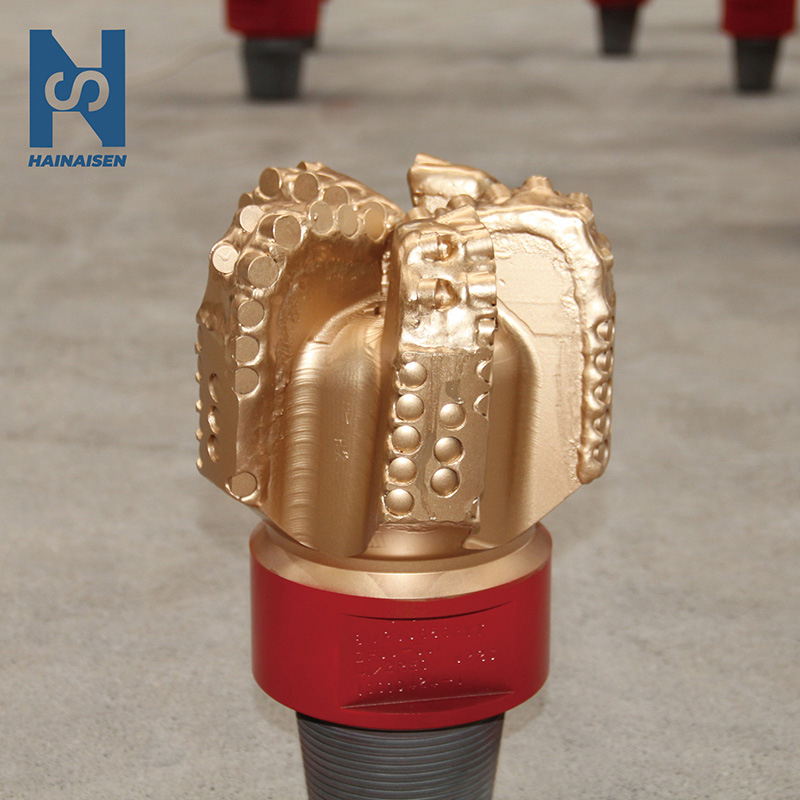 VIEW MORE5 Blades PDC Oil Bit
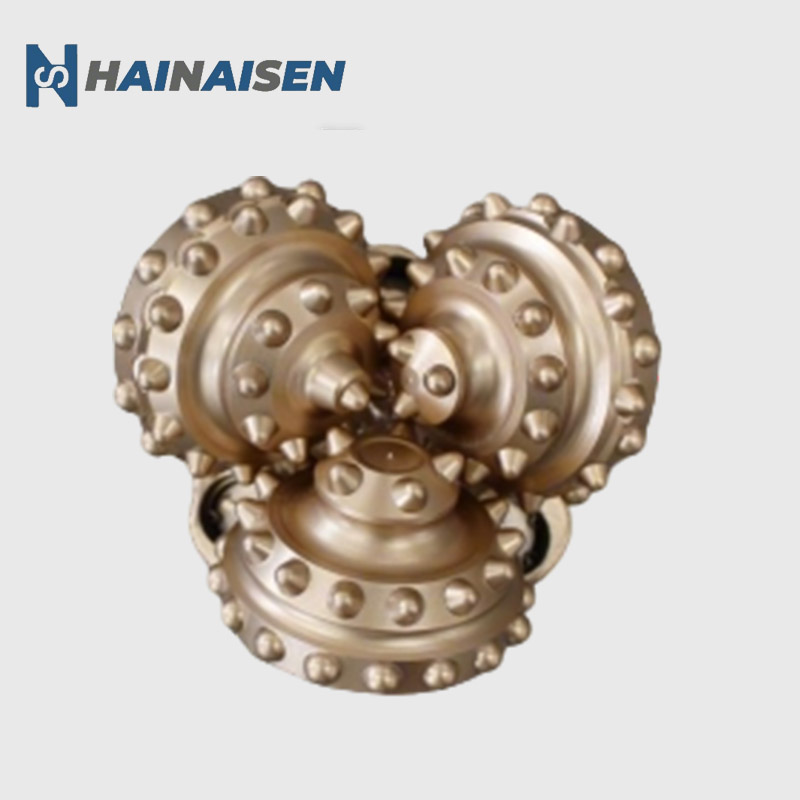 VIEW MORE4 1/2" IADC 637 TCI Tricone Bit
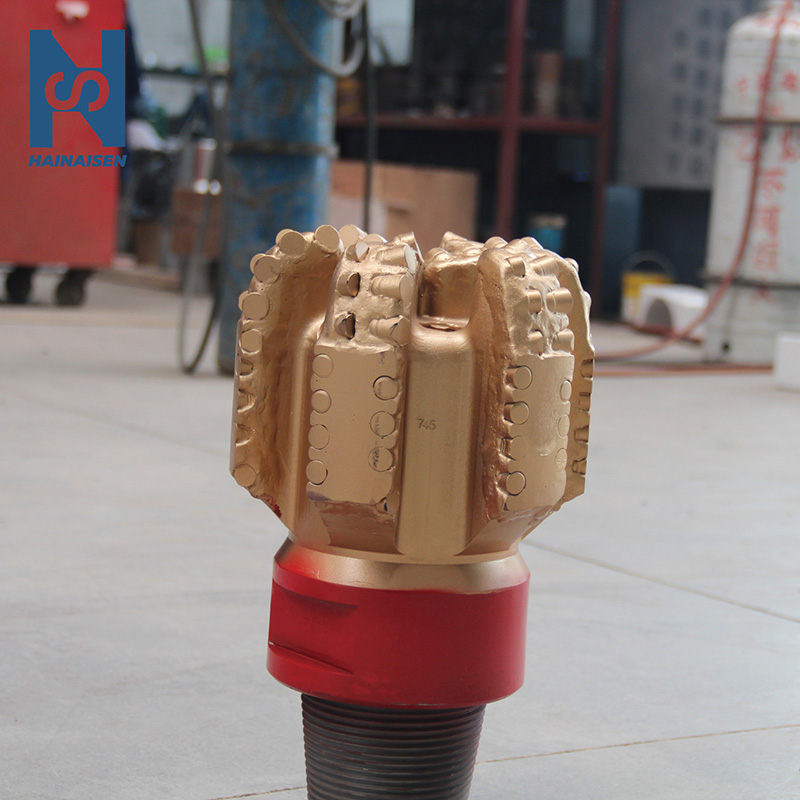 VIEW MOREDiamond Drill Bit Oil Rig
 VIEW MOREFive Blade PDC Drill Bit
logo 1_1777360475599.jpg) VIEW MOREDirectional Three Blade PDC Drill Bit
VIEW MOREDirectional Three Blade PDC Drill Bit VIEW MORE34 And A Half Whole Coal Mine Mining Anchor Drill Bits
 VIEW MOREPDC Mining Bit
 VIEW MOREHard Alloy Roller Drill Bit
