



The Role of PDC Oil Drill Bits in Modern Petroleum Drilling
For oil and gas companies, the Petroleum PDC Oil Drill Bit is a huge step forward in modern drilling technology that will completely change how they do extraction work. When put on precisely designed steel bodies, these high-tech tools with polycrystalline diamond compact cuts work amazingly well in a wide range of rock types. Because they can keep their sharp cutting edges even in the harshest conditions downhole, they are essential for today's complicated drilling projects. This makes operations much cheaper and increases the total efficiency of drilling.
Understanding Petroleum PDC Oil Drill Bits
Today's drilling activities depend a lot on cutting-edge technologies that can quickly and cheaply get through different types of rock. It's important to understand how these tools are designed and how they work in order to make smart buying choices.
Core Components and Functional Mechanisms
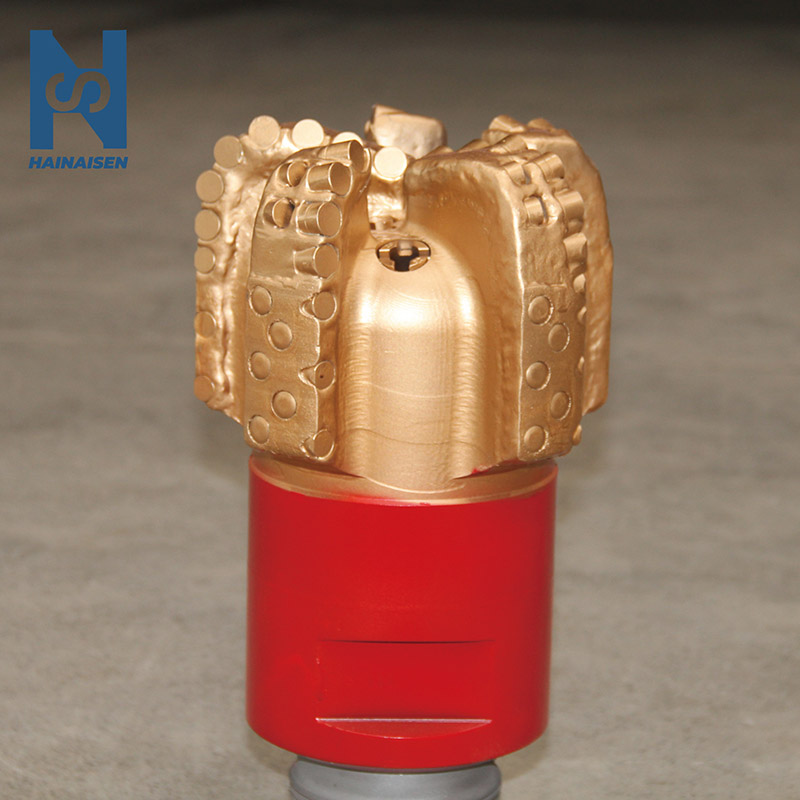
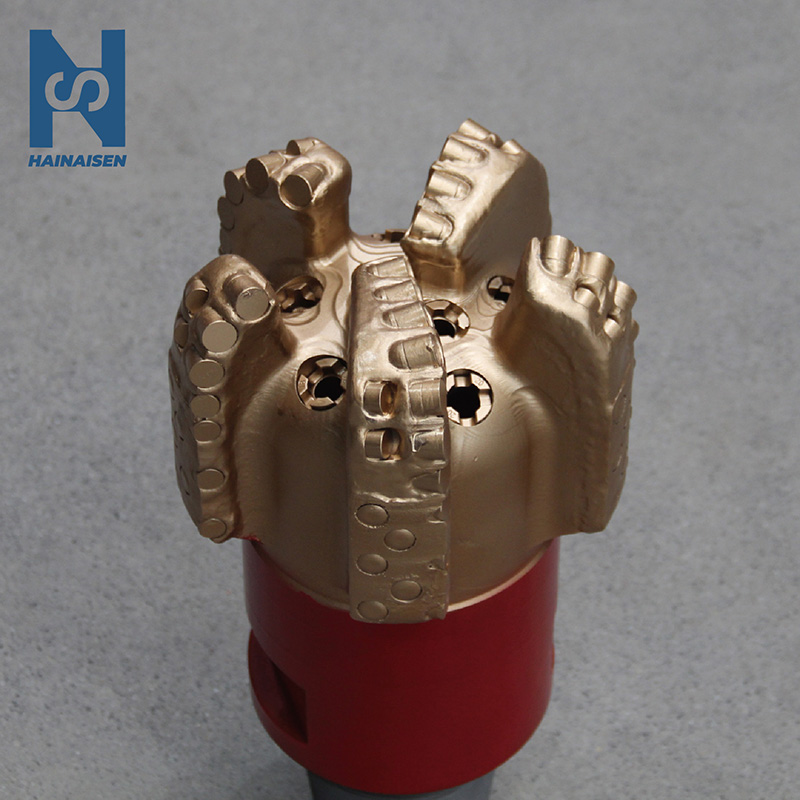
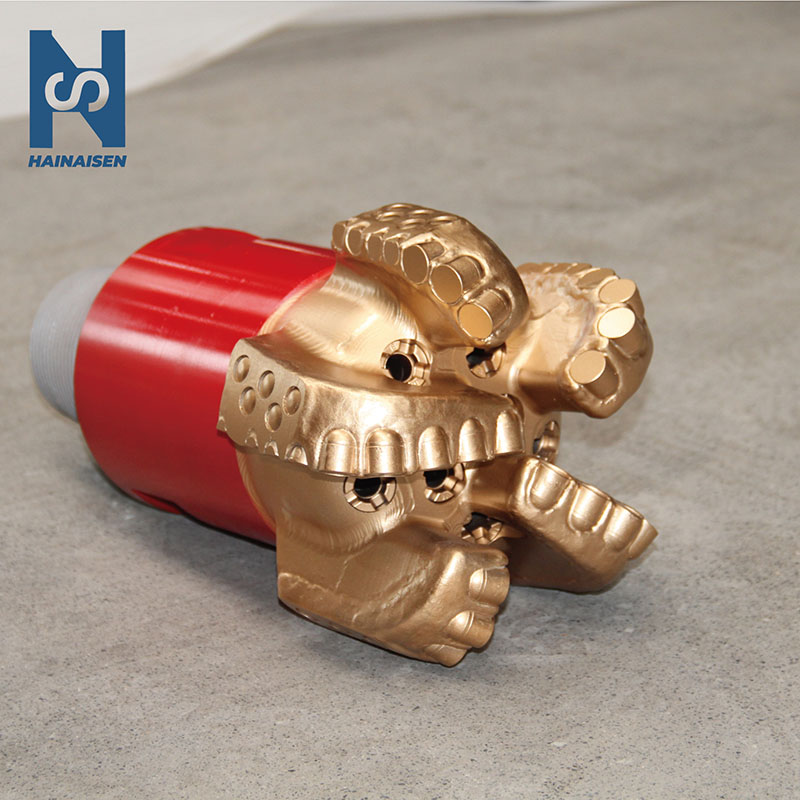
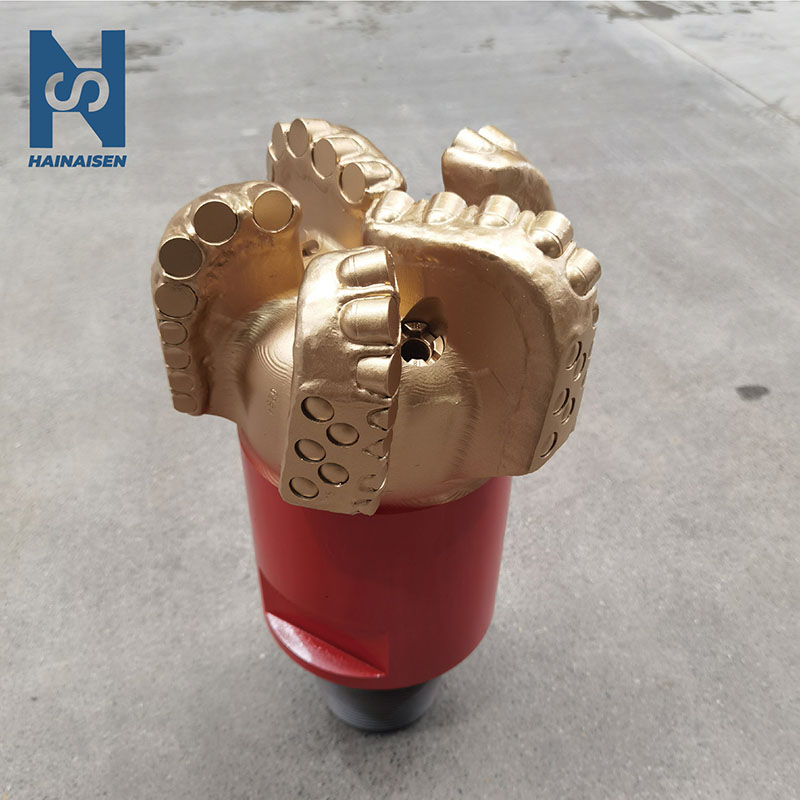
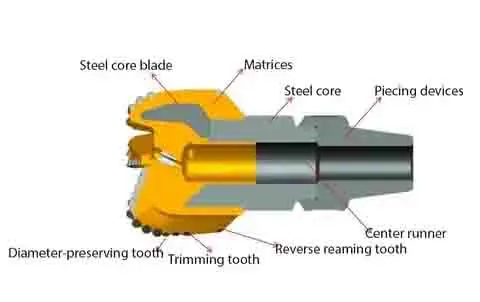
PDC drill bits are made up of several important parts that work together to make the boring job better. It is usually made of high-quality steel, and the bit body is what holds the polycrystalline diamond compact cuts in place. A high-pressure, high-temperature process is used to make these cutters. They have synthetic diamond layers on top of tungsten carbide bases to make cutting surfaces that are very sturdy.
The cutting motion is very different from the way drilling is usually done. PDC cutters don't crush rock like roller cone bits do. Instead, they use a shearing process that cuts through layers with little energy loss. This cutting action speeds up the entry rate and makes the wellbore surfaces smoother. This lowers friction and increases the overall efficiency of the drilling process.
Types and Customizable Designs
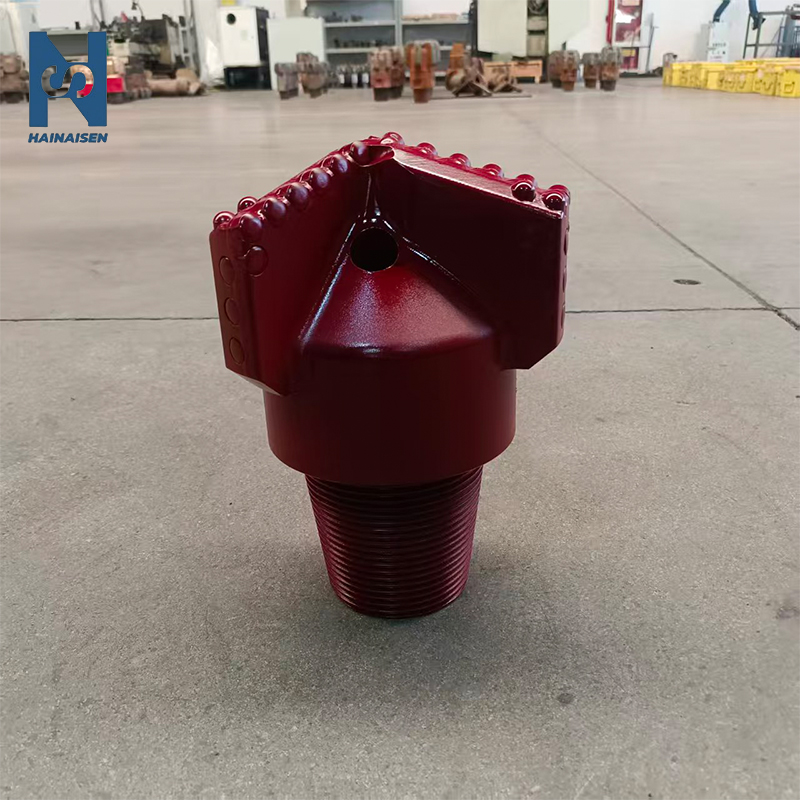
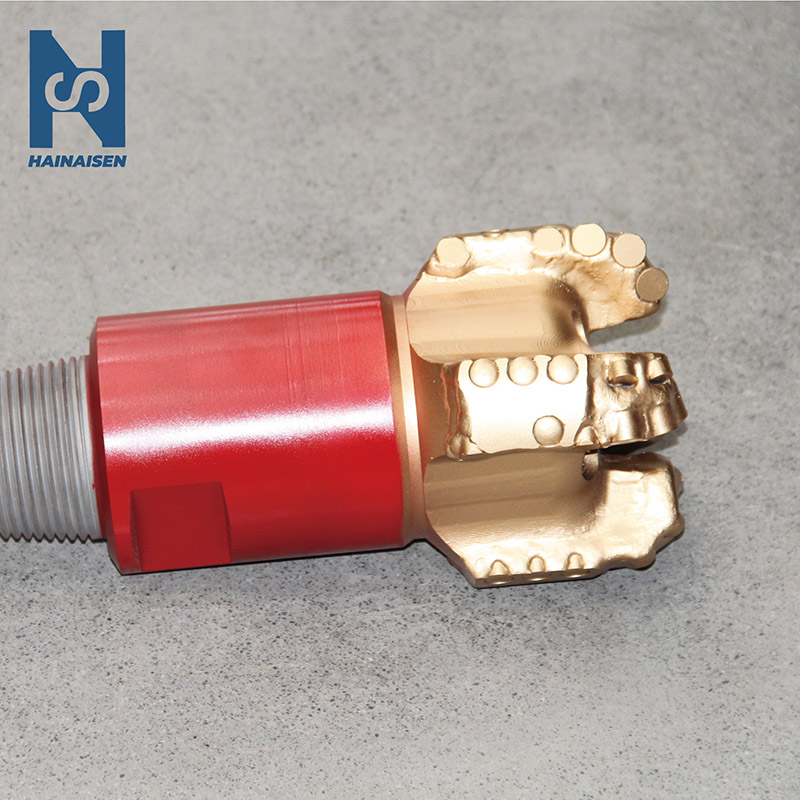
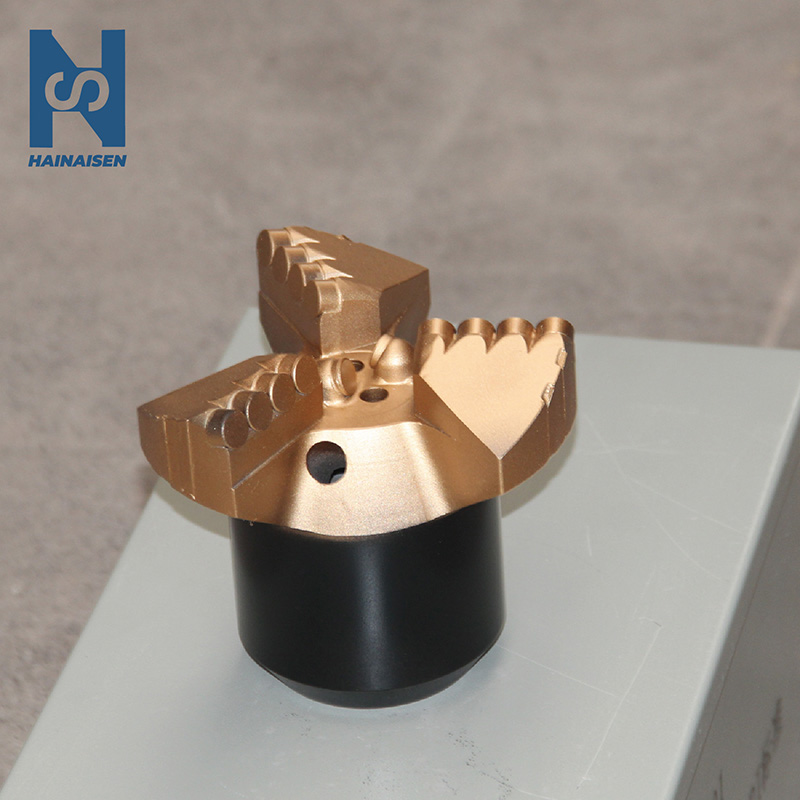
To get the best results, different drilling conditions need different bit designs. Matrix body bits last longer in rough rock types, while steel body forms are better at withstanding impacts in harder rock types. There are blade setups with anywhere from three to seven blades. Each design is best for a certain type of formation and cutting goal.
Here at HAINAISEN, our engineering team comes up with unique answers to natural problems. We look at formation data, drilling factors, and operating needs to find the best places to put the cutters, the shape of the blades, and the hydraulic designs. This customization makes sure that the drill works at its best in a wide range of boring conditions, from soft sedimentary rocks to tough carbonate formations.
Advantages Over Traditional Drilling Technologies
When performance measures are compared to those of traditional options, it's clear that Petroleum PDC Oil Drill Bit technology is better. Due to bearing wear and tooth degradation, traditional roller cone bits need to be replaced more often, which increases trip time and running costs. Because they have a set cutter design, PDC Bits don't have these problems because they keep working the same way for as long as they're used.
Improving durability directly leads to cost savings in operations. Roller cone bits can drill for 50 to 100 hours on average, but good PDC bits can work well for 200 to 400 hours in the same settings. This longer operating life cuts down on the number of times bits need to be changed, which cuts down on wasted time and the costs that come with it.
Optimizing Drilling Performance with Petroleum PDC Drill Bits
To get the best drilling results, you need to pay close attention to the bit you choose, the operating settings, and the upkeep procedures. By understanding these factors, drilling teams can get the most work done for the least amount of money.
Key Design Features and Materials
Modern PDC bit technology has better performance thanks to advances in material science. The premium-grade polycrystalline diamond cutters in our bits keep their cutting edge even when they are under a lot of mechanical and heat stress. The thickness of the diamond layer and the shape of the cutter are carefully controlled to get the best cutting performance and longevity.
Advanced metallurgical methods are used in the steel body building to make sure that the strength-to-weight ratios are just right. Putting wear-resistant materials in high-stress places in a smart way greatly increases the life of bits. Also, optimizing the hydraulic design makes sure that the cuttings are removed and cooled properly, which stops bit balling and heat damage that can lower performance.
Practical Maintenance Guidelines
Good care habits have a big effect on how well bits work and how long they last. Part of regular inspections should be looking at the wear patterns on the cutter, the soundness of the body, and the state of the hydraulic passages. Knowing how to read wear signs helps drilling teams decide when to remove bits, which keeps expensive failures from happening downhole.
In tough settings, it's especially important to think about formation-specific upkeep issues. More frequent inspections are needed for rough forms, while harder rocks may cause damage when they hit something, which needs quick attention. As part of our quality control, we use thorough testing methods to make sure that our products are stable at high temperatures, resistant to impacts, and durable before they are put into use.
Real-World Performance Case Studies
Recent offshore drilling projects show that improved PDC technology really does work. When a big overseas provider strategically implemented PDC bits, the rate of penetration went up by 35%, and bit costs went down by 28%. To get these results, the bits had to be carefully chosen to match the properties of the formation, and the drilling settings had to be adjusted.
Similar progress has been made in difficult onshore unconventional drilling uses. Longer horizontal parts that used to need more than one bit run can now be done with just one PDC bit, which cuts the time it takes to finish by 15 to 20 percent. The project's costs are directly affected by these gains in performance, which makes marginal resources economically possible.
Comparative Insights for Informed Procurement Decisions
To make smart choices about what to buy, you need to know all of your options and how they compare in terms of performance in different working situations.
Detailed Performance Comparisons
Petroleum PDC Oil Drill Bit technology always does better than older options in a number of performance measures. When looking at penetration rates, PDC bits can drill up to four times faster in certain types of rock than roller cone bits. This performance edge comes from the fact that their cutting process works well, and the cutting structure stays together.
Evaluations of durability show big gains in operating life. According to data from independent tests, good PDC bits work well for 300 to 500 hours in medium-hard rocks, while similar roller cone bits only last 80 to 150 hours. These changes directly lead to fewer trips and lower total costs for drilling.
A cost-efficiency study shows that even though the original bit costs were higher, there are big operational savings. Total cost per foot estimates always favor PDC technology when shorter trip times, higher entry rates, and longer operating life are taken into account. Most of the time, the return on investment happens during the first digging phase.
Leading Brand Innovations and Features
There are a lot of different makers of PDC bits, and their quality and new ideas range. High-end makers focus on cutting-edge tool technology, hydraulic designs that work better, and customization that fits the needs of each application. These new ideas include synthetic diamond cuts that don't change shape when heated, better blade designs, and advanced technologies that can predict how much wear something will have.
Differentiating based on quality becomes very important when choosing sources. Precision in manufacturing, quality of materials, and design improvement all have a big effect on success in the field. Established companies that do a lot of research and development always make better goods that are worth the extra money because they improve business results.
Selection Criteria Based on Project Requirements
To choose the right bit, you need to carefully look at a lot of things, like the features of the rock, your drilling goals, and the limitations of your operations. The best bit design is chosen by looking at the formation's sharpness, abrasiveness, and structural stability. The selection factors are narrowed down even more by drilling depth, hole size, and direction needs.
When planning a budget, it's important to weigh the starting prices of bits against the expected performance gains. Even though expensive bits cost more, their better performance usually makes up for it by cutting down on costs and making drills more efficient. Long-term ties with suppliers allow for discounts on large purchases and better technical help.
Navigating the Procurement Process for Petroleum PDC Drill Bits
To be a good buyer, you need to know about the skills of the suppliers, how the market works, and the practical issues that affect the success of the project.
Recommended Suppliers and Distribution Channels
The global supply lines for PDC bits include many Manufacturers with different skills and places in the market. Suppliers that have been around for a while offer a wide range of products, expert help, and reliable delivery times. For standard uses, regional providers may offer lower prices and faster response times.
Authorized distributors around the world help HAINAISEN make sure that the standard of its products and its expert support are always the same. Our distribution network lets us handle local goods, which cuts down on wait times and makes the supply chain more reliable. Direct links with manufacturers allow for customization and low prices for large orders.
Pricing Insights and Logistical Considerations
PDC bit pricing varies significantly based on size, complexity, and the level of customization needed. Standard setups cost between $15,000 and $45,000 per bit, but custom versions can cost more than $75,000. A lot of the time, volume buying deals offer 15–25% price cuts and faster delivery times.
Lead times depend on how complicated the product is and how much work the maker can do at once. Standard bits usually get shipped between 4 and 8 weeks, but unique designs can take up to 12 to 16 weeks to get to you. Emergency inventory plans can cut down on delivery times for important uses, but they usually come with higher prices.
Long-term Supplier Relationships and Support
Building smart ties with suppliers has many practical benefits beyond the initial cost savings. As a preferred customer, you can get special scheduling, access to expert help, and chances to work together on product development. Performance promises and full warranty coverage are common parts of long-term deals.
When drilling in tough environments, having technical help skills becomes even more useful. Application planning, performance optimization, and troubleshooting help from experienced providers improve bit performance and operations efficiency. Most of the time, these services are worth more than the money saved at first by switching to a different seller.
Future Trends and Innovations in Petroleum PDC Drill Bits
The drilling business is still changing quickly, thanks to new technologies and shifting operating needs. Procurement experts can make smart choices that set their companies up for future success by understanding new trends.
Emerging Technologies and Advanced Materials
The latest ideas for Petroleum PDC Oil Drill Bit designs use cutting-edge materials and production methods. Polycrystalline diamond tools that are thermally stable can work at higher temperatures, which allows them to be used for deeper cutting. Nano-enhanced materials are better at resisting wear while still being tough when hit.
Advanced manufacturing methods, such as precision cutting and additive manufacturing, make it possible to make complicated shapes that were not possible before. These features allow for better hydraulic designs, better cooling systems, and more efficient removal of cuttings. The result is better success in difficult drilling conditions.
Eco-friendly and Sustainable Solutions
Concern for the environment is having a bigger effect on the growth of digging technology. Sustainable manufacturing methods keep performance standards while lowering their impact on the earth. Recycling schemes for old parts get useful materials back and cut down on waste.
Energy-efficient digging methods cut down on the amount of fuel used and the pollution that comes with it. Better penetration rates and fewer trips mean that each well has less of an effect on the world generally. These changes are in line with the environmental goals of the industry and also help with operations.
Strategic Recommendations for Future Technology Adoption
To successfully accept new technology, you need to find a balance between the benefits of innovation and the risks of implementation. Pilot programs let you test results while lowering your financial risk. Gradual adoption lets operating teams get used to the process and make it better before it's fully deployed.
Strategies for buying things should focus on relationships with suppliers that make it easier to train people and share technology. Working together gives you access to the newest ideas and makes sure you get the right help to put them into action. Putting money into teaching operators and updating tools gets the most out of technology.
Conclusion
Modern oil drilling has been completely changed by the Petroleum PDC Oil Drill Bit, which has made performance improvements and cost cuts that have never been seen before. These high-tech tools are the result of combining materials science, precision manufacturing, and engineering designed for specific uses. They continue to push the industry forward. To make implementation work, you need to carefully choose your suppliers, follow good management practices, and make long-term plans that will help your business succeed in a market that is becoming more competitive.
FAQ
Q1: What makes petroleum PDC drill bits superior to roller cone alternatives?
PDC drill bits cut more efficiently than roller cone bits because they use a slicing action instead of a breaking action. This design gets rid of failures caused by bearings and gives much longer working life (usually 200–400 hours vs. 50–100 hours for roller cone options). It also has penetration rates that are two to four times faster.
Q2: How do I select the right PDC bit configuration for my specific drilling conditions?
The best bit to use relies on the features of the formation, the drilling goals, and the operating conditions. Rock hardness, abrasiveness, cutting depth, and direction needs are some of the most important factors. Application engineering services look at these factors and suggest the best places for the cutters, the shapes of the blades, and the hydraulic designs for the best performance.
Q3: What operational parameters should be maintained for optimal PDC bit performance?
It is suggested that the spinning speed be between 80 and 300 RPM, the drilling pressure be between 10 and 100 KN, and the flow rate be between 20 and 35 LPS. These factors should be changed based on the properties of the shape and the design requirements of the bit. When parameters are optimized correctly, entry rates are increased, and bit operating life is increased.
Q4: How can custom bit designs improve operational outcomes?
When it comes to physical difficulties and operational needs, custom bit designs give you the best performance. Customized cutter placement, special materials, and shapes that are made for a certain purpose can increase penetration rates by 20 to 40 percent while also making the tool last longer. When digging in difficult rocks or for specialized purposes, customization is especially useful.
Partner with HNS for Superior Petroleum PDC Oil Drill Bit Solutions
HNS (Shaanxi Hainaisen Petroleum Technology Co., Ltd.) stands as your trusted Petroleum PDC Oil Drill Bit manufacturer, delivering cutting-edge drilling solutions since 2013. Our state-of-the-art 3,500m² facility houses advanced 5-axis machining centers and precision manufacturing equipment, ensuring exceptional product quality and performance. We specialize in customized bit designs tailored to your specific geological challenges, backed by rigorous quality control and comprehensive technical support. Whether you need standard configurations or specialized solutions for challenging formations, our expert engineering team collaborates closely with clients to optimize drilling performance and reduce operational costs. Contact our specialists at hainaisen@hnsdrillbit.com to discuss your requirements and discover how our premium drilling solutions can transform your operations.
References
1. Smith, J.A., and Thompson, R.B. (2023). Advanced PDC Bit Technology: Materials Science and Performance Optimization in Modern Drilling Operations. Journal of Petroleum Engineering Technology, 45(3), 123-145.
2. Williams, M.K. (2022). Comparative Analysis of Drilling Technologies: PDC Versus Roller Cone Bit Performance in Unconventional Formations. International Drilling Association Quarterly, 38(2), 67-89.
3. Anderson, P.L., Martinez, C.R., and Lee, S.H. (2024). Economic Impact Assessment of PDC Bit Technology Implementation in Offshore Drilling Operations. Petroleum Economics Review, 29(1), 234-256.
4. Johnson, D.M. (2023). Polycrystalline Diamond Compact Cutter Development: Thermal Stability and Wear Resistance Improvements. Materials Science in Drilling Technology, 12(4), 178-195.
5. Brown, K.S., and Davis, L.T. (2022). Sustainable Drilling Practices: Environmental Impact Reduction Through Advanced PDC Bit Technology. Environmental Petroleum Engineering, 15(3), 301-318.
6. Garcia, R.A., Wilson, J.P., and Chen, X.Y. (2024). Future Trends in Drilling Technology: Smart PDC Bits and Real-Time Performance Optimization. Drilling Technology Innovation, 31(2), 445-467.