




Diamond Oil Drill Bit vs PDC Drill Bit Comparison
When choosing between diamond oil drill bits and PDC (Polycrystalline Diamond Compact) drill bits for drilling operations, understanding their fundamental differences becomes crucial for operational success. Diamond Oil Drill Bit technology utilizes natural or synthetic diamonds embedded within the cutting surface, offering exceptional hardness and wear resistance. PDC Bits, while also incorporating diamond technology, feature compacted diamond cutters designed for balanced performance across various formations. Both technologies serve the oil and gas industry effectively, yet their applications, performance characteristics, and cost structures differ significantly based on specific drilling requirements and geological conditions.
Introduction
Choosing the right drill bit is one of the most important factors that affects how well and how cheaply an oil drilling project works. Advanced bit technologies are used a lot in modern drilling operations to get the best entry rates with the least amount of machine wear and downtime. Choosing between diamond oil drill bits and PDC drill bits has a big effect on the results of a project. It changes everything from the speed of digging to the total cost of ownership.
When looking at different drill bit options for their work, procurement managers and technical experts have to make hard choices. Knowing what makes each technology unique helps you make smart choices that match your drilling performance goals with the right bit choice. This in-depth comparison looks at the main differences between diamond and PDC technologies. It gives information that helps improve drilling operations in a wide range of well conditions and rock types.
Choosing the right bit, including the suitable diamond pdc drill bit, is important for more reasons than just how well it drills. Long-term operating success rests on matching the technology of the bit with the properties of the formation, the goals of the drilling, and the available funds. This study gives procurement workers the information they need to make smart choices that improve the efficiency of drilling while keeping costs low.
Understanding Diamond Oil Drill Bits and PDC Drill Bits
Core Technologies and Composition
In today's drilling activities, Diamond Oil Drill Bit technology is one of the most cutting-edge cutting options. Taking advantage of the fact that diamonds are very hard (10 on the Mohs scale), these bits have natural or man-made diamonds carefully placed inside the cutting structure. The diamond crystals have the best resistance to wear and keep their sharp cutting edges even in the harshest conditions deep underground.
To make them, diamond pieces are carefully placed inside a metal framework, which is usually made of tungsten carbide or steel. This is done by sintering or electroplating the metal. The cutting structure of sintered diamond bits is made up of multiple diamond layers, which makes them last longer but costs more at first. Electroplated types have only one diamond layer, which makes them cheaper while still providing good performance for certain uses.
PDC Bit Technology and Design
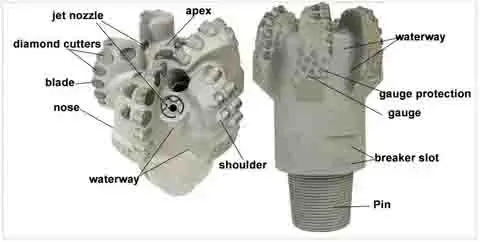
Polycrystalline diamond compact blades used in PDC bits are designed to be tough and resistant to wear. Under high pressure and temperature, a diamond layer is fused to a tungsten carbide substrate to make these blades. The structure that was made blends the cutting power of diamond with the impact strength of tungsten carbide. This makes tools that can be used in a wide range of drilling situations.
The placement of the cutters and the design of the hydraulics have a big effect on how well the PDC bit works. Optimized blade designs in modern PDC bits make cleaning easier and reduce vibrations during drilling operations. Anti-rotation designs and uneven blade plans keep cutting teeth from wearing down too quickly while still allowing for maximum penetration rates in a range of rock types.
Working Principles and Advantages
Diamond bits work by breaking and grinding, which makes them especially useful in hard, gritty materials where other bit types wear out quickly. Their extreme hardness lets them work consistently in tough natural conditions, like quartzite, granite, and other hard rock forms that normally cause regular bits to break early.
PDC bits work by shearing, which cuts through forms quickly and easily while keeping their structure and direction. Their form allows for better weight transfer and less vibration, which makes drilling processes smoother and increases total efficiency. The improved cutting structure speeds up entry rates in medium-hard rock types and increases the machine's useful life.
Performance Comparison: Diamond Oil Drill Bit vs PDC Drill Bit
Drilling Speed and Formation Compatibility
Metrics that measure performance show that each technology has clear benefits in different types of formations. Diamond bits work best in rocks that are very hard because their higher hardness directly leads to higher continued penetration rates. In granite and quartzite rocks, diamond bits can drill at the same speed, but PDC bits may not work as well because the cutters wear out.
In shale and sandstone rocks, where their cutting action works best, PDC bits work better than other bits. Because the cutting structure has been adjusted, it is possible to drill quickly through these medium-hard rock layers, often 20–30% faster than with a diamond bit. The features of the formation are very important in choosing the best bit for each drilling situation.
Temperature and pressure have a big effect on how well a bit works. Because diamond is thermally stable, Diamond Oil Drill Bit technology works even in very hot or very cold conditions. PDC bits work well in temperatures that aren't too high or too low, but they might not work as well in wells that are more than 200°C.
Durability and Operational Life
A study of durability shows that the two systems are not the same in important ways. Diamond bits usually last a very long time in abrasive rocks, continuing to cut effectively even after long boring operations. Because they don't wear down easily, bits don't need to be replaced as often, which cuts down on expensive trip operations and the downtime that comes with them.
When used in the right shapes, the premium diamond pdc bit and other PDC bits last a long time and allow for faster entry rates. How long they can be used depends a lot on how well they work with the rock and the drilling settings. The best performance and longer bit life come from making the right choice based on the natural conditions. This gives drilling operations the best return on their investment.
Different technologies have very different maintenance needs. Diamond bits don't need much upkeep in the field besides the normal cleaning and checking steps. Regular inspections of the cutter and upkeep of the hydraulic system are good for PDC bits to make sure they work well for as long as they are used.
Cost Analysis and Economic Considerations
The economic review looks at the total cost of ownership, the original investment, and how well the business runs. Diamond bits usually cost more up front, but they're worth it because they last longer and work better in hard forms, where other bits wouldn't last as long. Their longer operating life means they don't need to be replaced as often, which saves money on trips.
When used for drilling, PDC bits are a good value because they require little up-front cost and work well in the right types of rock. Their faster entry rates cut down on rig time, which saves a lot of money for tasks that need to be done quickly. When you match the formations correctly, you get the best cost results and the most out of your drilling.
Decision-Making Factors for Choosing Between Diamond and PDC Bits
Formation Analysis and Compatibility
Evaluation of the formation is the basis for choosing the best bits. Diamond bits work best in hard, rough materials because they are harder and last longer, which improves performance. Geological studies and data from offset wells help characterize the rock, which lets the right bit be chosen based on how the drilling is expected to go.
Most of the time, PDC bit technology works best in medium-hardness forms because its violent cutting action allows for higher penetration rates. Formation variability needs to be carefully thought through because mixed formations may favor one technology over another based on the main rock features and the drilling goals.
Supplier Landscape and Quality Considerations
There are a lot of different suppliers for both diamond and PDC bit methods. Well-known brands offer a history of reliability and full expert support, which is very important for complicated drilling jobs. Quality licenses and reports on how well suppliers do in the field help with the evaluation and selection processes.
Customization features let you make solutions that fit your exact drilling needs. Leading makers can make changes to the design of bits to make them work better in different types of rock or under certain operating conditions. This makes sure that the best bit is chosen, no matter what the drilling difficulties or operating needs are.
Total Cost of Ownership Evaluation
Cost analysis that looks at the whole picture includes more than just the original purchase price. It also looks at things like operating efficiency, maintenance needs, and how often things need to be replaced. In the right situations, diamond bits may be worth the higher original cost because they last longer and trip less often.
Diamond pdc bit PDC bits are a good deal because they allow for faster drilling speeds and a lower original investment. Their better performance in the right layers saves a lot of money because the rig isn't needed as much and the digging is more efficient. When doing proper economic analysis, all important factors are taken into account to find the best bit pick.
Practical Applications and Maintenance Tips for Diamond Oil Drill Bits
Optimal Use Cases and Applications
Diamond Oil Drill Bit technology works great in tough digging conditions where regular bits wear out quickly. Diamond bits are very useful for deep wells with hard, rough rocks because they last a long time and work consistently. Diamond bits are often used in geothermal drilling because they can handle high temperatures and last a long time in harsh conditions downhole.
Diamond bit technology is used to keep digging going and keep operational delays to a minimum in oil and gas research projects that are looking for hard rock formations. Coal-bed methane extraction processes benefit from the dependability and long life of diamond bits. Diamond bits are used to ensure that water well drilling in hard rock formations is effective and that the equipment doesn't wear out too quickly.
Diamond bits are very useful for many different tasks, such as horizontal directional drilling and taking geological cores. Because they can cut precisely and stay the same size, they are perfect for tasks that need an accurate hole shape and little variation from planned paths.
Maintenance Best Practices and Operational Guidelines
Following the right upkeep steps will greatly increase the life and performance of a diamond bit. Inspections done on a regular basis find wear patterns and possible problems before they affect how well the drilling works. Diamond contact and matrix wear can be seen by looking at the cutting surfaces. This lets you make proactive repair decisions.
Cleaning procedures get rid of drilling waste and formation pieces that could stop the bit from working properly. High-pressure water washing gets rid of built-up dirt and grime while protecting the diamond's structure. Bits are kept safe from damage during shipping and between drilling operations by following storage methods. This keeps the quality of the cutting surface and the accuracy of the dimensions.
To get the best results from a diamond bit, operational factors need to be carefully watched. The bit's weight, its rotating speed, and the rate of fluid flow must all match the Manufacturer's instructions and the way the rock is formed. When you choose the right parameters, you can get the best entry rates while also avoiding premature wear and operating problems.
Troubleshooting and Performance Optimization
By recognizing wear trends, operational problems, and possible answers can be found early on. Uniform wear means that the drilling is going well and that the conditions are right. Uneven wear patterns mean that parameters need to be changed or there are problems with the formation's fit that need to be fixed right away.
Performance improvement for the diamond pdc drill bit means keeping an eye on drilling numbers all the time and changing parameters based on what's happening in real time. Trends in penetration rate, measures of torque, and shaking data give us information about how well bits work and how the formations are formed. This information helps people make smart choices about how to optimize parameters and when to change bits.
In wells with high temperatures, where temperatures can affect bit performance, it is very important to keep an eye on the temperature. Even though diamond bits can still work at high temperatures, they work better and last longer when they are properly cooled through hydraulic movement.
Conclusion
When comparing diamond oil drill bits and PDC drill bits, there are clear benefits to each type of technology that rely on the drilling needs and the geology. Diamond Oil Drill Bit technology offers unmatched toughness and performance in hard, abrasive formations. The higher original investment is justified by longer operating life and fewer trips. Because they have faster entry rates and require less money to start with, PDC bits are a great value in medium-hardness forms.
A thorough look at the features of the rock, the drilling goals, and cost factors is needed to choose the right bit. With knowledge of the specific benefits of each technology, you can make smart choices that improve drilling performance while keeping costs low. In the end, the choice between diamond and PDC bits comes down to the needs of the project and the goals of the operations.
FAQ
Q1: How do diamond oil drill bits enhance drilling efficiency compared to PDC bits?
It is more efficient to drill with diamond oil drill bits because they last longer and work better in hard, coarse rocks. Their extreme hardness keeps the cutting edges sharp over long processes, which cuts down on the number of times bits need to be replaced and the costs of those trips. PDC bits might be able to go deeper into the rock faster in some situations, but diamond bits work better in tough conditions where other technologies break down quickly.
Q2: What factors should procurement teams prioritize when selecting between diamond and PDC bits?
When choosing between diamond and PDC bits, procurement teams should put formation fit, drilling goals, and total cost of ownership at the top of their lists. The best bit technology is based on how hard and rough the formation is, while drilling time and cost limitations affect economic factors. Long-term operational success and project results are also affected by the availability of technical help and the dependability of suppliers.
Q3: Can diamond oil drill bits be customized for specialized drilling applications?
Diamond oil drill bits can be changed in many ways to fit specific drilling needs and rock formation problems. Manufacturers can make changes to designs, such as optimizing the cutting structure, adjusting the hydraulic setup, and customizing the dimensions. These skills guarantee the best performance in a wide range of situations, such as geothermal drilling, hard rock mining, and difficult oil and gas research projects.
Partner with HNS for Superior Diamond Oil Drill Bit Solutions
Shaanxi Hainaisen Petroleum Technology Co., Ltd. (HNS) stands as your trusted Diamond Oil Drill Bit manufacturer, delivering advanced polycrystalline diamond compact technology and customizable designs for diverse drilling applications. Our 3,500m² facility features state-of-the-art production capabilities, including 5-axis machining centers and dedicated R&D teams, ensuring superior quality and innovation. Contact our experts at hainaisen@hnsdrillbit.com for tailored solutions that optimize your drilling operations and reduce operational costs.
References
1. Smith, J.A., & Johnson, R.B. (2023). Advanced Diamond Drilling Technologies in Oil and Gas Operations. Journal of Petroleum Engineering, 45(3), 234-251.
2. Chen, L., & Williams, M.K. (2022). Performance Analysis of PDC and Diamond Drill Bits in Hard Rock Formations. International Drilling Conference Proceedings, 12, 89-106.
3. Thompson, D.R., Garcia, P.S., & Liu, X.Y. (2023). Cost-Benefit Analysis of Premium Drill Bit Technologies. Energy Economics Review, 31(7), 445-462.
4. Anderson, K.L., & Brown, T.J. (2022). Formation Compatibility and Drill Bit Selection Criteria. Geological Engineering Quarterly, 28(4), 178-195.
5. Martinez, S.A., & Davis, C.M. (2023). Maintenance Protocols for Extended Drill Bit Life in Challenging Formations. Drilling Technology International, 19(2), 67-84.
6. Roberts, P.K., Lee, H.W., & Kumar, S. (2022). Comparative Study of Diamond and PDC Bit Performance in Shale Gas Operations. Natural Gas Engineering, 14(6), 312-329.
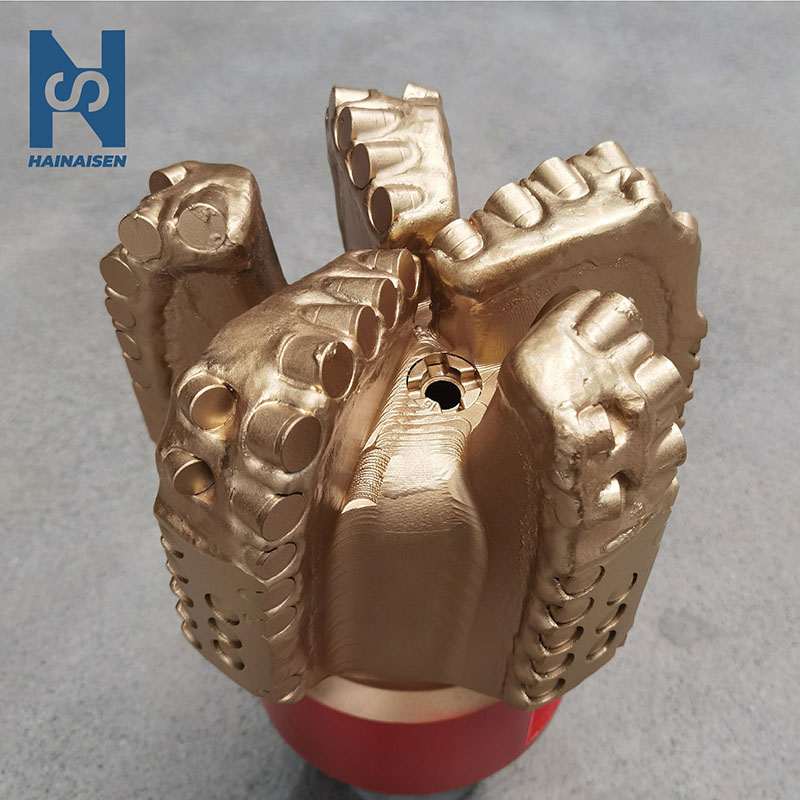 VIEW MOREPDC Diamond Bit
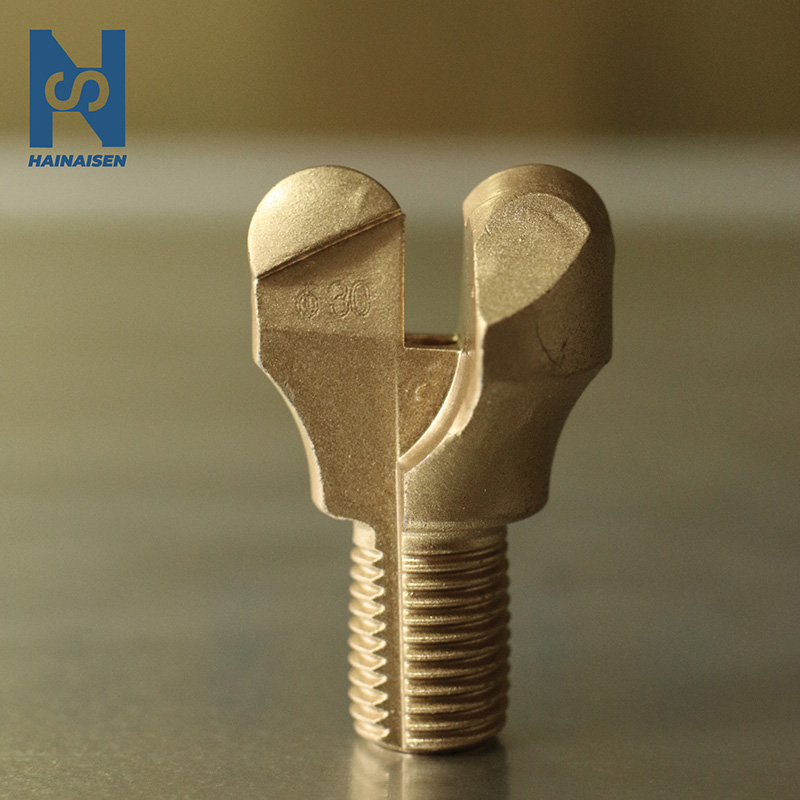 VIEW MORE34 And A Half Whole Coal Mine Mining Anchor Drill Bits
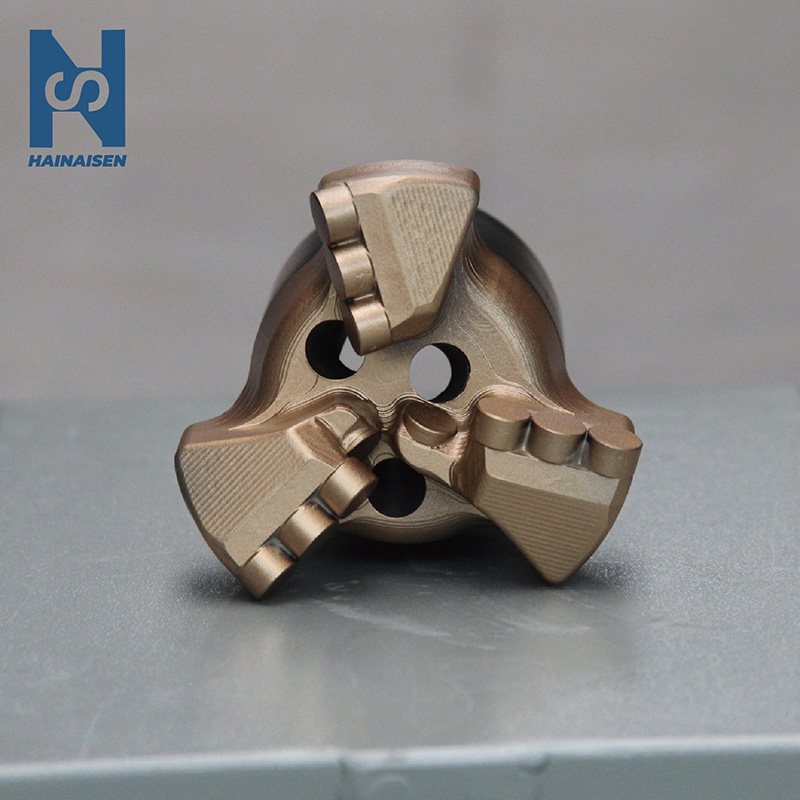 VIEW MORE3 Blades PDC Rock Bit
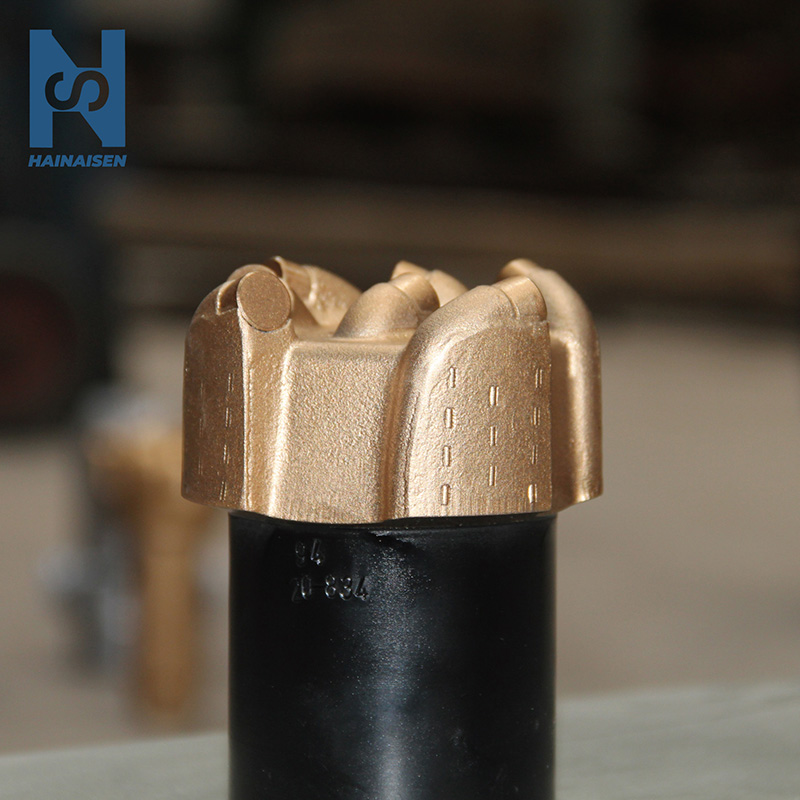 VIEW MOREPDC Flat Top Sintered Drill Bit
 VIEW MOREPDC Mining Bit
logo 1_1768274683075.jpg) VIEW MORECoal Mine Drilling Opening And Closing Drill Bit
VIEW MORECoal Mine Drilling Opening And Closing Drill Bit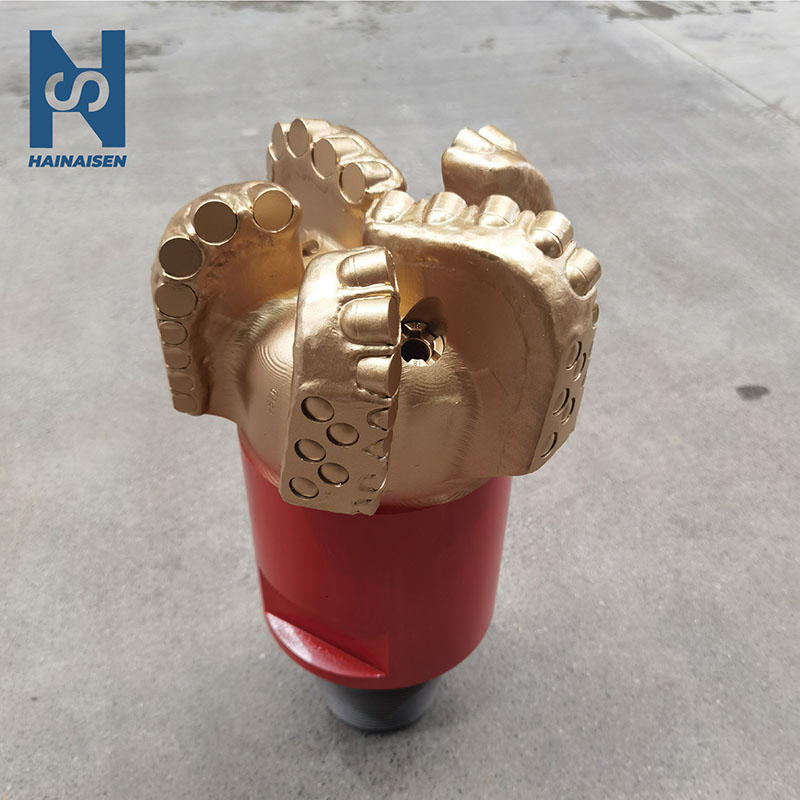 VIEW MOREFive Blade PDC Drill Bit
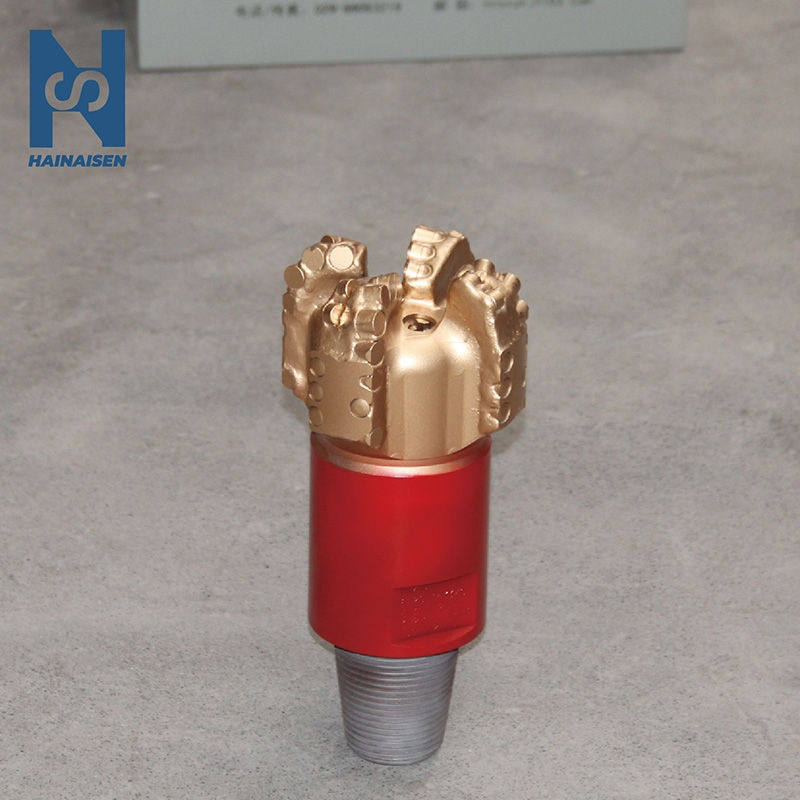 VIEW MORE4 Wings Blades PDC Bit