




PDC Diamond Bit vs Roller Cone Bit Comparison
The PDC diamond bit vs. roller cone bit comparison shows that there are big changes in how well they work, how long they last, and how much they cost to run. Polycrystalline diamond compact cutters in PDC Diamond Bit technology cut through rock forms very quickly and easily. Roller cone bits, on the other hand, use spinning cones with tungsten carbide inserts to crush and grind materials. When buying, managers and technical experts know about these basic differences, they can make decisions that improve drilling operations in oil and gas, mining, and construction.
Introduction to PDC Diamond Bits and Roller Cone Bits
Today, choosing the right bit technology is very important for drilling companies that want to be as efficient as possible while keeping costs as low as possible. PDC diamond bits and roller cone bits are the two main types that make up the market. Each has its own benefits that depend on the drilling conditions and the features of the rock.
Understanding PDC Diamond Bit Technology
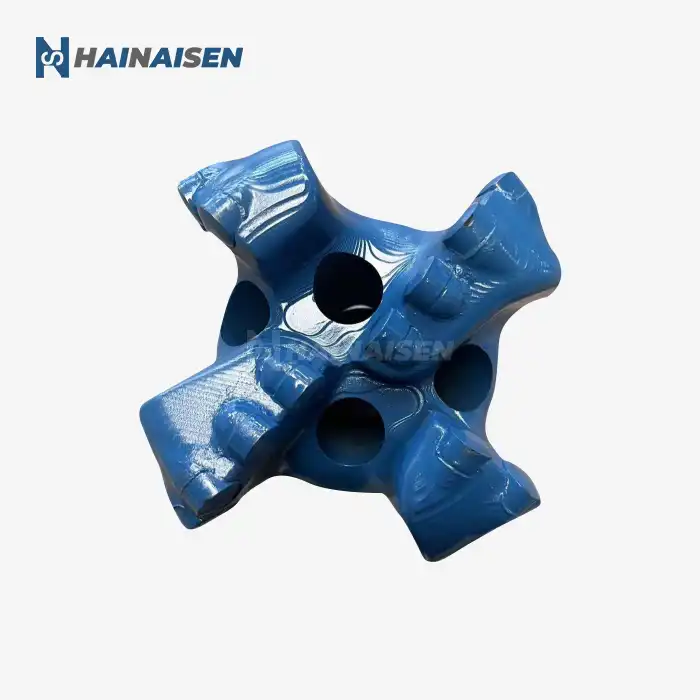
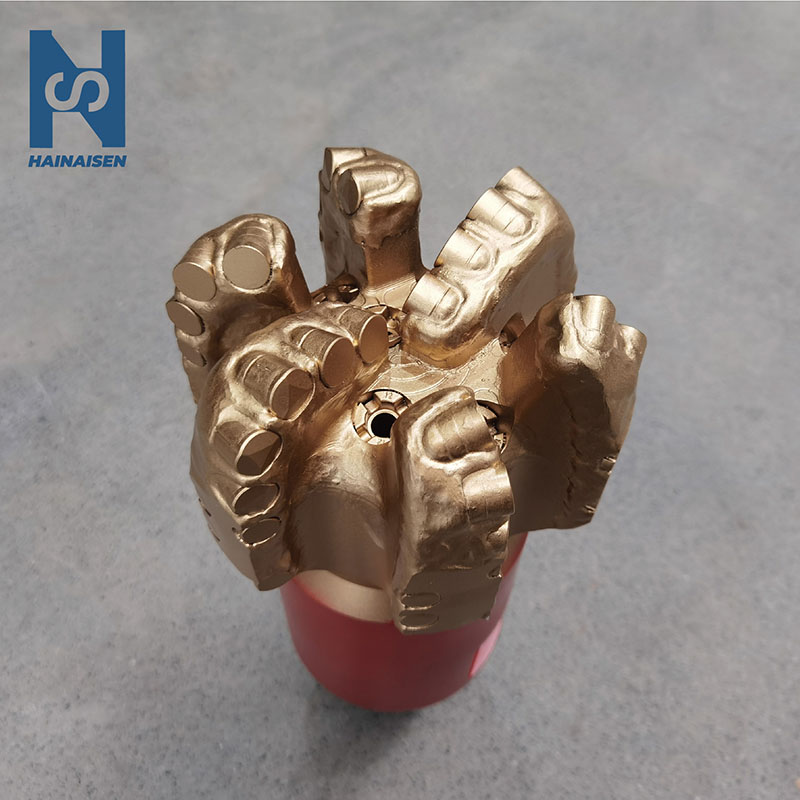
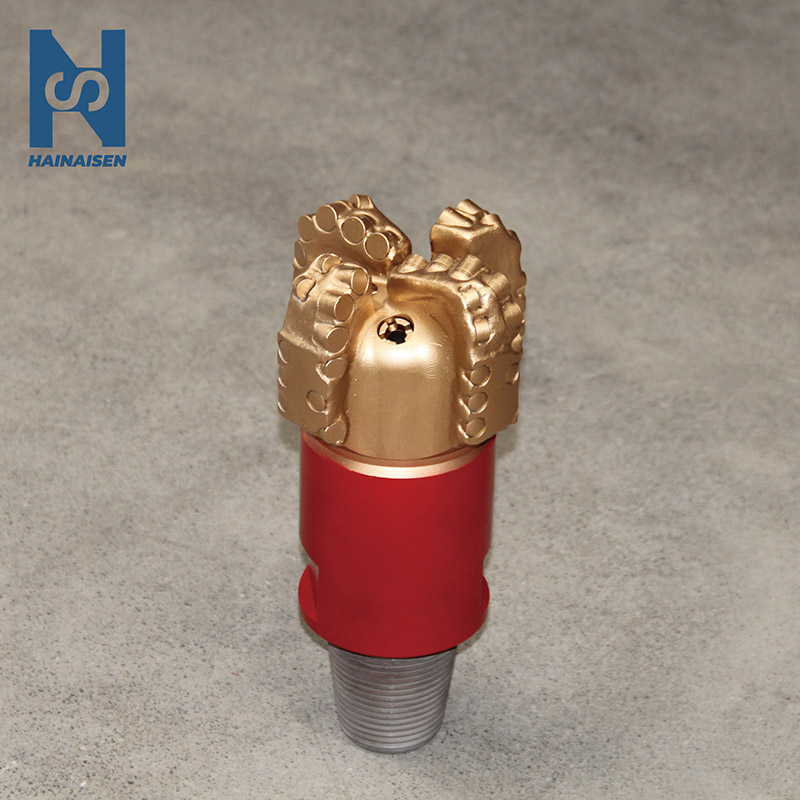
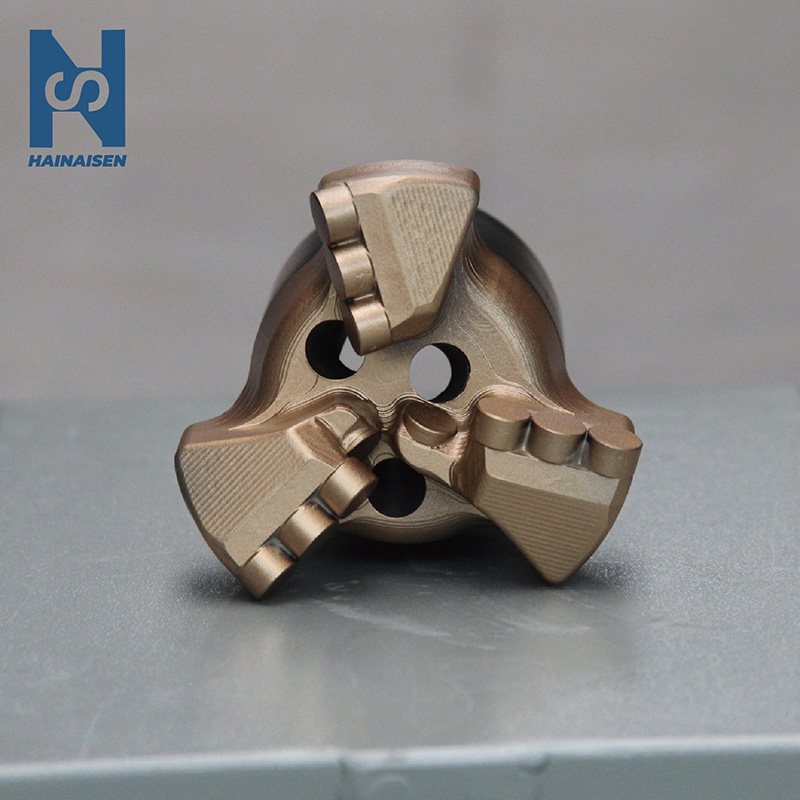
PDC diamond bits are a huge step forward in drilling technology. They have a set cutter design that uses industrial-grade polycrystalline diamond compact blades. To make these cuts, very small diamond pieces are fused under very high temperatures and pressures, which makes the cutting surface very hard. The PDC Diamond Bit design doesn't have any moving parts, which makes it simpler to build and gives it better wear resistance, which greatly increases its useful life.
Using advanced matrix materials, PDC cuts are attached to a high-grade steel body to make these bits. For the best cutting efficiency, this design method makes sure that the cutters are placed and oriented in the best way possible. PDC Bits are great for ongoing drilling jobs where dependability is very important because they don't have any joints or other moving parts.
Roller Cone Bit Construction and Mechanics
Roller cone bits work in a very different way. They use spinning cones with tungsten carbide tips or steel teeth inside them. The cones spin as the bit turns, making multiple points of contact with the rock formation. This is how these bits work to crush and grind. The bearing systems inside roller cone bits need to be carefully maintained and replaced every so often, which makes the process more difficult.
Industrial Applications and Market Considerations
Both of these bit technologies are used a lot in many different fields. Most of the time, oil and gas development companies choose PDC bits because they can drill deeper into shale layers and work better with horizontal drilling. There are times when roller cone bits work better than other bits for coal mines because of the way the rock is formed. Teams that drill water wells often choose based on cost and the hardness of the rock formation. On the other hand, building machinery is used in different ways depending on the needs of the project and the budget available.
Performance Comparison: PDC Diamond Bit vs Roller Cone Bit
When you look at drilling methods, efficiency measures, and formation suitability, you can see how these tools work differently. Understanding these differences helps buying professionals who are in charge of handling a wide range of drilling projects make smart choices.
Drilling Mechanism and Efficiency Analysis
The shear cutting action of PDC Diamond Bit technology makes it work better because diamond cutters cut through rock layers instead of breaking them. In the right forms, this process usually gives 30–50% higher rates of penetration than roller cone bits. The constant cutting action lowers the amount of energy needed to drill one foot, which means lower costs and less wear and tear on the equipment.
As the cones turn, roller cone bits make contact with them at random places, which crushes and grinds the material. In some rock types, like hard, abrasive rocks with a high compressive strength, this device works well. But it usually needs more power and makes more noise. The irregular cutting action may lead to slower penetration rates, but it has benefits in forms where PDC cutters might wear out too quickly.
Durability and Maintenance Requirements
Lifecycle study shows that standards for durability and upkeep are very different. In the right forms, PDC bits usually have 200–400% longer operating lives, which means a lot fewer bit trips and the downtime that comes with them. Since there are no moving parts, there are no bearing problems, and upkeep is as simple as checking and cleaning the bearings.
Roller cone bits need more thorough care, like checking the bearings, replacing the seals, and making sure the cone is lined up correctly. Even if the starting costs are smaller, the total cost of ownership can be affected by the costs of repairs and the time lost from work. But roller cone bits have the benefit of having parts that can be fixed in the field in some cases.
Cost Analysis and Return on Investment
Roller cone bits usually cost 40–60% less than similar PDC bits when it comes to the initial investment. When operational effectiveness, bit life, and maintenance needs are taken into account, however, overall cost analysis shows a different picture. Large-scale drilling operations often save 25–40% on costs when they use PDC technology, even though it costs more up front.
When figuring out the return on investment, you need to look at things like cutting speed, bit replacement frequency, crew time, and how well the equipment is used. PDC bits work best in ongoing drilling situations where reducing the number of trips makes the job more cost-effective overall. Roller cone bits might be useful in situations where the bit needs to be changed often or where the shape needs to be very specific.
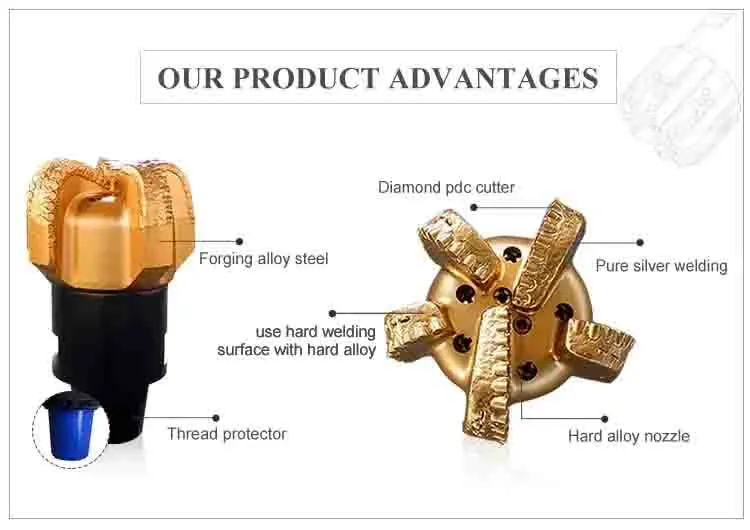
Advantages of PDC Diamond Bits Over Roller Cone Bits
PDC technology is better when you look at specific performance traits and practical benefits. These benefits directly address problems that drilling activities in many different fields face.
Superior Cutting Efficiency and Formation Versatility
PDC diamond bits are very good at cutting, especially in hard rock and shale layers where regular bits have trouble keeping up with good penetration rates. Diamond cutters have sharp cutting edges that stay sharp for their whole working life. This means that they always do a good job without breaking down, as steel or carbide cutting elements do.
This is what makes PDC technology better in terms of performance:
- Higher Rate of Penetration: PDC bits regularly achieve 40–70% faster drilling speeds in suitable formations, which greatly cuts down on project timelines and operations costs
- Extended Operational Life: Because diamond cutters are so hard, the bits last 3–5 times longer than with other types of cutters, which means fewer expensive bit trips
- Enhanced Directional Control: The fixed cutter design makes it easier to move for directional drilling, which means that the wellbore can be placed precisely, and there are fewer problems during drilling
- Reduced Vibration Levels: The constant cutting action causes very little vibration, which protects drilling tools and makes the system last longer
These performance traits directly lead to operational benefits that answer the main concerns of purchasing managers and technical engineers looking at drilling options.
Simplified Maintenance and Operational Reliability
Because PDC Diamond Bit designs are structurally simple, they don't have any of the usual failure points that come with mechanical drilling systems. Since there are no bearings, seals, or moving parts, the only upkeep that needs to be done is checking the cutter and replacing it as needed. This makes things easier, which lowers the cost of upkeep and the level of technical knowledge needed for activities in the field.
Environmental and Safety Considerations
In modern drilling activities, worker safety and protecting the environment are becoming more and more important. Both goals can be met with PDC bits because they make less noise, cause less shaking, and use less fuel because they drill more efficiently. The longer bit life also cuts down on the trash and shipping needs that come with replacing bits all the time.
How to Choose the Right Bit: Decision Support for B2B Procurement
When choosing the best bit technology for a given application, procurement managers and technical experts have to make hard choices. A planned review method makes sure that technical needs, practical limits, and economic goals are all met.
Geological Assessment and Formation Analysis
The main thing that determines the success of bit selection is the formation traits. PDC bits work best in rocks that are all the same and have consistent hardness levels. This is especially true for shale, limestone, and soft to medium sandstone. When the regularity of the pattern lets the cutting action last for a long time without running into very rough spots or hard stringers, it works best.
Roller cone bits work better in layers that aren't all the same hardness, especially when there are likely to be abrasive materials or hard rock gaps. The crushing mechanism is better at dealing with changes in the shape, but it does so at the cost of slower general penetration rates.
Project Scale and Economic Considerations
PDC technology usually helps large operations with big drilling plans because it makes them more efficient over time and makes logistics easier. The bigger original investment is worth it because there will be less need for bit inventory, fewer service trips, and a more accurate project schedule.
For smaller operations or projects with limited drilling needs, roller cone bits may be a better value for money. This is especially true when there isn't a lot of technical know-how for PDC optimization or when the way the rock is formed makes traditional technology more suitable.
Customization and Technical Support Requirements
These days, drilling problems often need unique answers that are made to fit the needs of the business. Most companies that make PDC bits let you customize them in a lot of ways, such as by changing the body shape, optimizing the placement of the cutters, and using special materials for specific tasks. When choosing a provider, you should give a lot of thought to how easy it is to get professional help and service in the field.
Leading PDC Diamond Bit Suppliers and Market Trends
The global drilling bit market is still changing very quickly. New technologies and changing business needs are what make suppliers different and help them position themselves in the market. Strategic purchasing choices that are in line with long-term business goals can be made by knowing current trends and what suppliers can do.
Market Leadership and Supplier Evaluation
Shaanxi Hainaisen Petroleum Technology Co., Ltd. is one of the creative companies that is working to improve PDC technology through research and development. The company was founded in 2013 in Xi'an and has a modern 3,500m² building with high-tech processing equipment like 5-axis machining centers and CNC machine tools that make sure the highest standards of precision manufacturing.
The company has a specialized research and development team that focuses on making custom bits that meet the needs of oil and gas extraction, coal mining, geological surveying, and engineering tools. Because of this technical knowledge, custom solutions can be made that work best in certain digging situations.
Material Innovations and Design Advancements
The current market trends focus on improved material technologies that make cutters last longer and cut more efficiently. When you mix high-grade steel body building with special matrix materials, you get better resistance to wear and better thermal stability. These improvements make the equipment last longer while keeping up its cutting performance in tough drilling conditions.
Pricing Trends and Procurement Strategies
According to a study of the market for 2024, the prices of good PDC products will stay the same. This is because of increased competition, which will lead to better value-added services and expert support. Long-term supply deals and bulk buying agreements can help you save money while making sure you always have the products you need.
Smart buying strategies put more and more emphasis on relationships with suppliers that offer technical knowledge, help in the field, and ongoing product development that keeps up with changing business needs. PDC Diamond Bit providers that offer full technical help show that they care about their customers' success after the product has been delivered.
Conclusion
The in-depth study shows that PDC Diamond Bit technology has strong benefits for most modern drilling tasks, especially when maximizing working efficiency and lowering long-term costs are important. Better cutting efficiency, longer operational life, and less need for upkeep are all measured benefits that often make higher initial investments worth it. But certain geological factors and operating limitations may make roller cone technology better in some situations. To choose the right bit, you need to carefully look at the features of the creation, the size of the project, and your economic goals. Both technologies are still getting better as the market changes. PDC innovations are leading to better performance that gets around standard problems while also expanding the range of uses.
FAQ
Q1: What formations are best suited for PDC diamond bits?
Shale, limestone, soft sandstone, and coal seams are all examples of soft to medium-hard rocks in which PDC bits work really well. They work best in groups that are all the same hardness, which lets them cut for a long time. But rocks that are very hard or very rough may cause cutters to wear out faster than expected and make the business less profitable.
Q2: How is the upkeep for PDC bits and roller cone bits different?
Because their cutters are set and don't move, PDC bits don't need much upkeep. Maintenance usually includes checking for damage and cleaning, and replacing the cutters every so often when they get worn out. Roller cone bits need more complicated upkeep, like lubricating the bearings, checking the seals, and making sure the cone is aligned correctly. This usually needs special tools and technical know-how.
Q3: Can PDC bits be customized for specific drilling applications?
Modern makers of PDC bits let you make a lot of changes, like optimizing the cutter size and placement, changing the body shape, and adding special cutting structures. Custom designs are made to deal with special formation problems, the needs of directional drilling, and operating limitations. They often work better than standard configurations.
Q4: What factors determine the economic viability of PDC versus roller cone bits?
In an economic study, the starting cost, drilling speed, bit life, maintenance needs, and operating efficiency should all be taken into account. Even though PDC bits usually cost more at first, their faster penetration rates and longer operating life often mean that the total cost per foot drilled is cheaper. This is especially true for large-scale operations where the efficiency gains add up quickly.
Contact HNS for Expert PDC Diamond Bit Solutions
HNS is an expert at providing high-performance drilling options that are custom-made to meet your needs. Our engineering team offers full expert support to help you choose the best bits and get the most out of your drills in a wide range of situations. As a reliable PDC Diamond Bit maker, we give designs that can be changed, as well as advanced production skills and excellent customer service. Email our technical experts at hainaisen@hnsdrillbit.com to talk about your drilling problems and find out how our creative solutions can help your business run more smoothly.
References
1. Smith, J.R. and Anderson, K.L. "Comparative Analysis of PDC and Roller Cone Bit Performance in Shale Formations." Journal of Petroleum Drilling Technology, Vol. 45, No. 3, 2023, pp. 112-128.
2. Williams, M.D. "Economic Evaluation of Drilling Bit Technologies in Modern Oil and Gas Operations." International Drilling Engineering Review, Vol. 38, No. 7, 2023, pp. 45-62.
3. Chen, L. and Roberts, P.H. "Material Science Advances in Polycrystalline Diamond Compact Manufacturing." Advanced Materials in Drilling Applications, Vol. 12, No. 2, 2024, pp. 78-95.
4. Johnson, R.K. "Operational Efficiency Metrics for PDC Bit Selection in Coal Mining Applications." Mining Technology Quarterly, Vol. 29, No. 4, 2023, pp. 203-218.
5. Thompson, A.S. and Davis, M.J. "Environmental Impact Assessment of Modern Drilling Technologies." Sustainable Drilling Practices Journal, Vol. 15, No. 1, 2024, pp. 34-51.
6. Martinez, C.R. "Technical Innovations in Custom PDC Bit Design for Specialized Applications." Drilling Engineering Today, Vol. 52, No. 6, 2023, pp. 89-104.
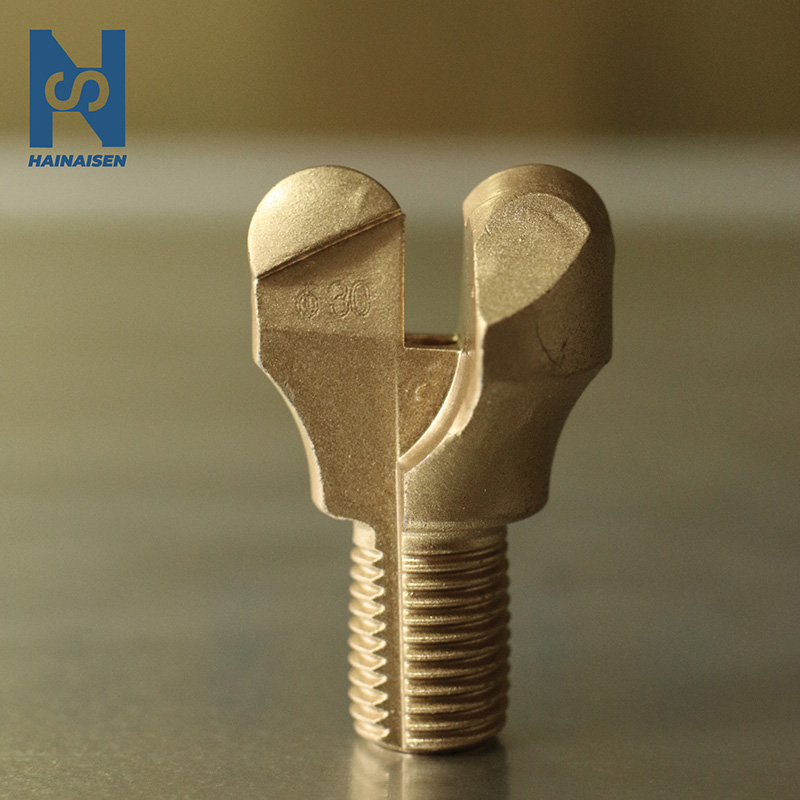 VIEW MORE34 And A Half Whole Coal Mine Mining Anchor Drill Bits
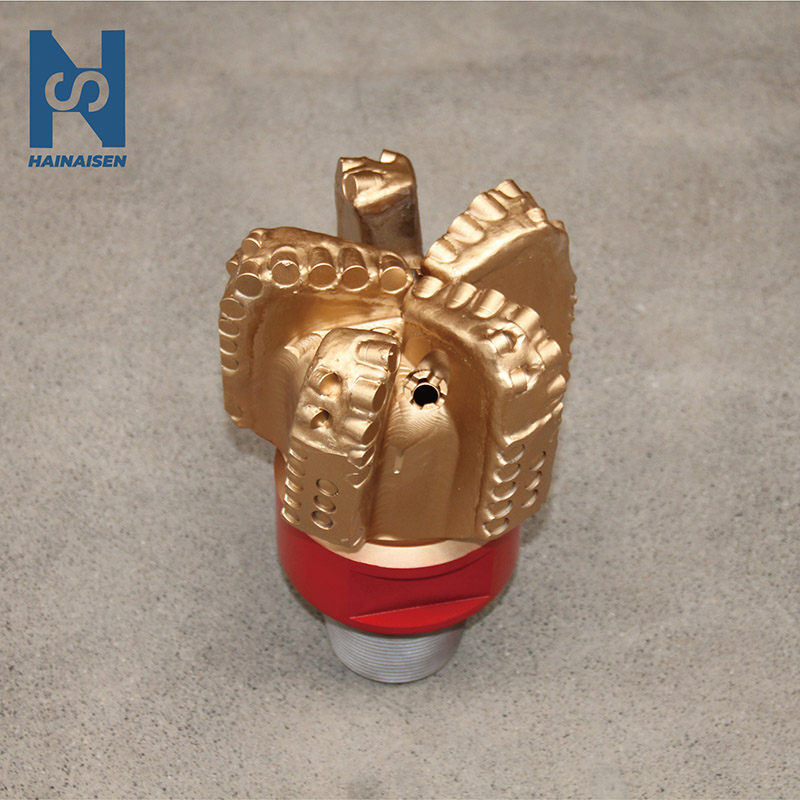 VIEW MOREPDC Rock Drill Bit
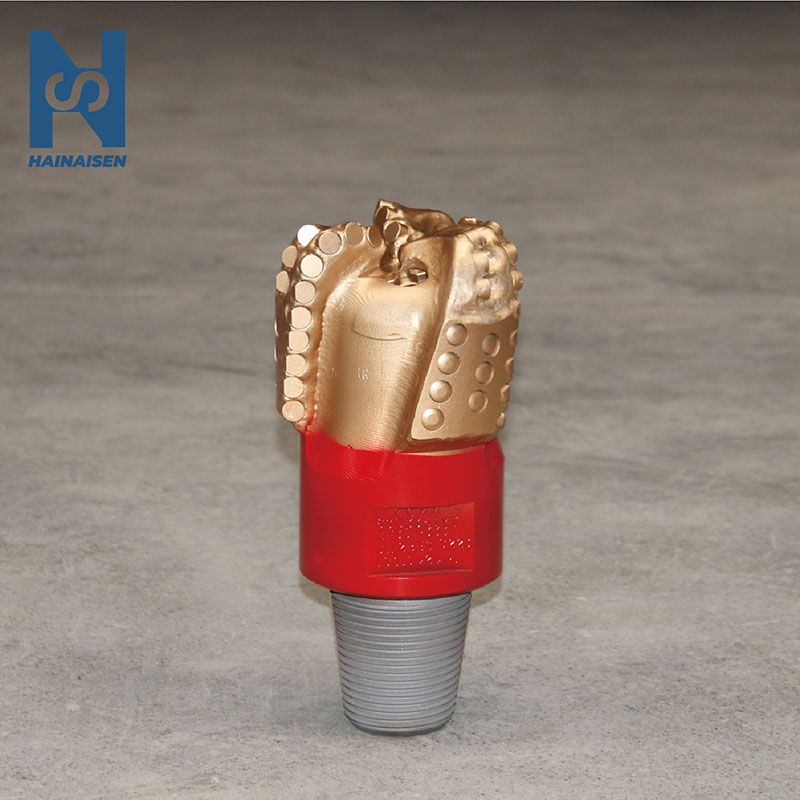 VIEW MOREThree Blade PDC Tricone Drill Bit
 VIEW MORE4 Blade PDC Bit
 VIEW MORE6 Wings PDC Drill Bit
 VIEW MOREHigh Quality PDC Drill Bits
 VIEW MORE3 Blades PDC Rock Bit
 VIEW MOREForging Deep Rock Well Drilling Bits PDC Mining Bit