




How Is Cutter Spacing Optimized in a Steel Scraper Drill Bit?
For a Steel Scraper Drill Bit, cutter spacing optimization means carefully figuring out the distance between the cutting edges to get the best boring results and the longest tool life. To find the best spacing patterns, engineers look at the features of the rock, the drilling factors, and the material itself. This method strikes a balance between the need to evacuate chips and the need for cutting-edge engagement. This makes sure that debris is removed effectively while keeping consistent contact with the formation. The right spacing keeps cutters from rubbing against each other, lowers vibration, and spreads wear evenly across the bit face. This improves entry rates and increases operating life in tough drilling conditions.
Understanding Cutter Spacing in Steel Scraper Drill Bits
Cutter spacing is an important part of designing a drill bit that has a big effect on how well it drills in many industrial settings. When using a steel scraper drill bit, the width between the cutting edges determines how well the tool can remove material while still keeping the structure solid.
The Engineering Foundation of Cutter Spacing
Cutter spacing is based on complicated engineering concepts that involve calculating many factors at the same time. The best space between cutting elements is affected by how fast the material is removed, how hard the shape is, and how fast the elements rotate. If the space between the cuts is too small, chips can build up between them, which makes them less effective and could even harm the tool. On the other hand, too much space between the cutting edges can make the patterns of cuts random and cause them to wear out faster.
For professional drilling to work at its best, precise distance estimates are needed. In difficult jobs like oil and gas extraction, where equipment downtime directly leads to high running costs, the link between cutter spacing and drilling efficiency is even more important. When procurement workers understand these connections, they can make smart choices about which tools to use and how they should be operated.
Impact on Chip Evacuation and Heat Management
Properly planned cutter spacing patterns are very important for chip removal to work well. The gaps between the cutting edges help move waste around so it doesn't build up and stop the drilling process. Optimal spacing also helps with heat transfer because it lets cold fluid flow around the cutting areas.
When digging at high speeds, where too much heat can damage tools, controlling the temperature becomes more and more important. Optimized space between steel scraper drill bits keeps the working temperature low, which extends the life of the tool and keeps the same level of performance over long drilling sessions.
The Science Behind Optimizing Cutter Spacing
To find the best cutter spacing, you need to use complex engineering concepts that mix knowledge of materials with real-world drilling needs. Different metals react differently to cutting forces and heat stresses, so the type of steel directly affects the choice of spacing.
Material Science Considerations
Modern steel scraper drill bits are made of premium-grade steel metals that have certain hardness and toughness qualities that affect the best designs for spreading the cutters. How cutting edges interact with formation materials and how well they can stay sharp under different working conditions depend on the molecular structure of steel.
Engineers study the connection between how hard the steel is and how far apart the holes need to be in order to make tools that work well in a wide range of rock types. This study looks at how things like grain structure, carbide content, and heat treatment affect the longevity of cutting edges.
Formation-Specific Spacing Strategies
To get the best cutting spacing, you need to use different methods for each type of rock formation. For hard rock formations, tighter spacing patterns with lots of cutting points work best, while for softer rock formations, wider spacing may be needed to keep things from getting clogged and keep debris moving smoothly.
A lot of field testing and performance research goes into making formation-specific spacing plans. Real-world data from drilling activities can tell us a lot about how well different spacing setups work in the real world. This method, based on facts, makes sure that theoretical estimates lead to real-world changes in how well drilling works and how long tools last.
Performance Comparison: Cutter Spacing Impact on Different Drill Bit Types
Comparative research shows that the way cutting spacing affects performance is very different across different drill bit technologies. In terms of how far apart they need to be used and the benefits they offer, steel scraper drill bits are different from carbide and concrete options.
Steel Scraper Versus Carbide Configurations
Most steel scraper drill bits have reasonable spacing patterns that balance how well they cut with how long they last. Steel's natural qualities make it possible to create spacing in a variety of ways, so makers can make shapes that work best for different uses. Carbide bits are harder than steel bits, but they need more accurate spacing estimates because they are more fragile and cost more to make.
Steel scraper bits are very cost-effective, which makes them a great choice for jobs where replacing bits often would be expensive. The measured performance that optimum steel scraper bit spacing gives to water well drilling teams, which often have to work with limited funds, is very helpful.
Application-Specific Performance Data
case studies from the drilling industry show that when cutter spacing is adjusted for each application, drilling performance goes up by a measured amount. When steel scraper bits with formation-matched spacing patterns are used in coal mines, entry rates go up by up to 25%. In the same way, building projects that use foundation drilling are more consistent and use fewer tools when the cutting parts are properly spaced.
Oil and gas drilling activities need the highest standards of performance, and they depend on carefully designed spacing patterns to stick to their schedules and cut down on wasted time. When it comes to these tough uses, where small changes can save a lot of money, the link between spacing optimization and operating efficiency is especially clear.
Maintenance and Longevity: How Cutter Spacing Contributes to Durability?
The link between cutter spacing and tool life goes beyond how well the tool works at first and includes things like how much upkeep it needs over time and how long it can be used. When cutting elements are spaced correctly, wear patterns are spread out more widely. This makes it less likely that the tool will break down early and increases its total life.
Preventive Maintenance Strategies
The main goal of regular inspections is to check the state of the cutting edges and the spaces between them. When debris builds up in cutting gaps, it's usually a sign that the gaps need to be cleaned or adjusted. Professional drilling companies use organized check plans that work with their operating hours and the way the formations are shaped.
Finding wear patterns early on can help you figure out when the spacing between the cutters may not be best for the current working conditions. Signs like more shaking, slower penetration rates, or uneven cutting patterns could mean that there are problems with the space that need to be fixed. If you take care of these issues right away, they won't get worse and cause the tool to stop working completely.
Economic Benefits of Optimized Spacing
Having the right distance between the cutters has an economic effect on the whole cutting process. Longer tool life lowers the cost of repair and cuts down on the time needed to change bits. These benefits are especially helpful for medium and large oil service companies, whose high-volume operations make the cost saves from better tool performance even bigger.
Companies that mine coal have to balance the need for quality with the need to save money. They have found that steel scraper bits with the right amount of space between them give them the performance stability they need while still being cost-effective. Being able to more correctly guess how long a tool will last also helps with managing supplies and planning operations.
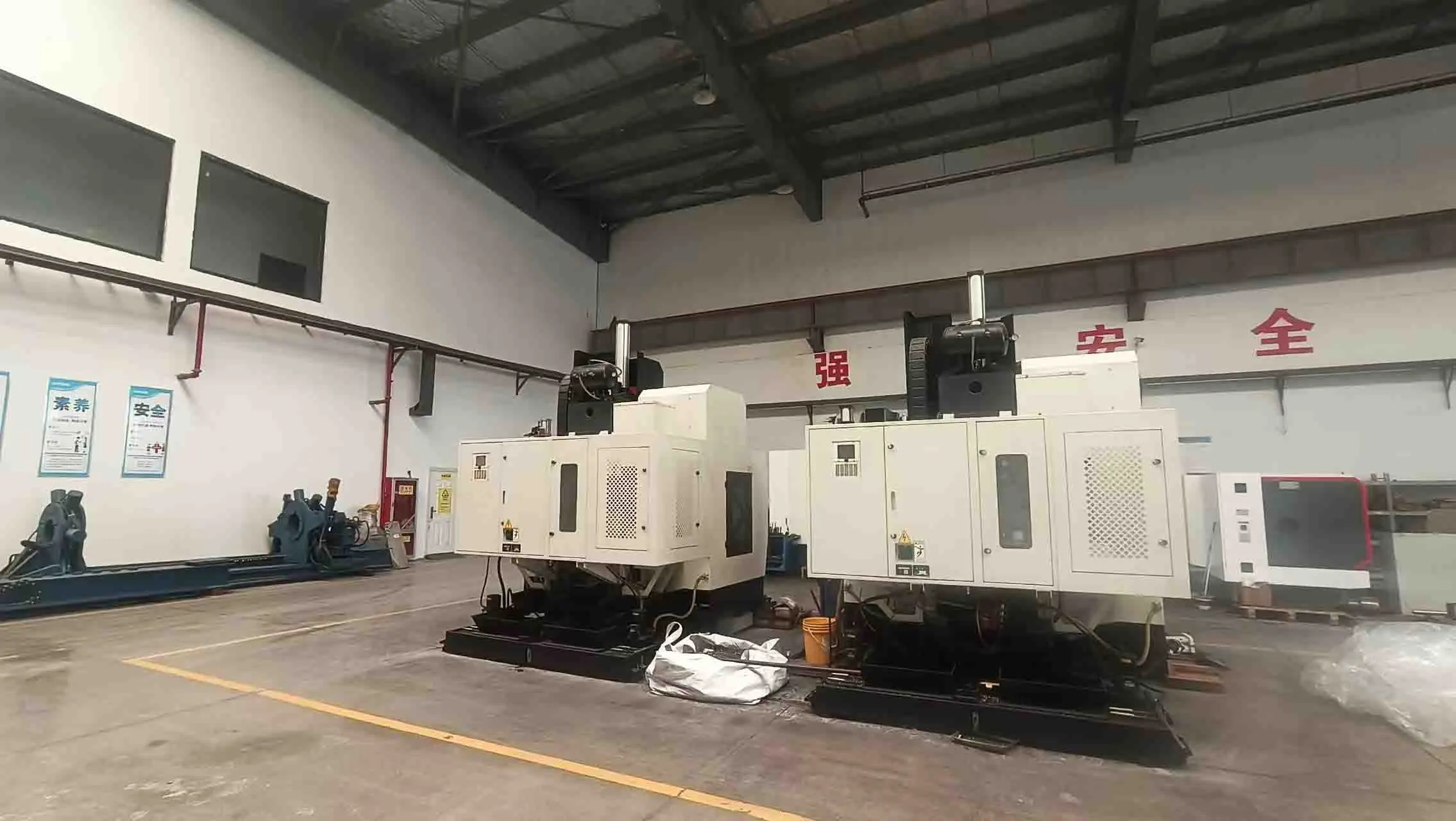
Selecting the Right Steel Scraper Drill Bit Based on Cutter Spacing Needs
When choosing steel scraper drill bits, it's important to carefully consider the cutting spacing needs along with other important factors. Procurement professionals can make choices that are both cost-effective and improve business efficiency when they know how space affects performance in certain situations.
Customization Options for Specific Applications
At HNS, our engineering team works closely with clients to come up with unique solutions for cutting spacing that solve their specific business problems. Being able to change the spacing patterns based on the properties of the rock and the drilling factors guarantees the best performance in a wide range of situations.
As part of our customization services, we look at all the factors that affect the drilling process, such as the hardness of the rock, the required drilling speed, and any operating limits. When people work together, they can make steel scraper drill bits with spacing patterns that are exactly right for each client's needs. During the customization process, technical engineers and buying managers are consulted in great detail to make sure that the final standards meet both performance needs and budget concerns.
Some of the best things about our unique spacing options are listed below:
- Higher penetration rates thanks to formation-matched spacing designs that make cutting more effective in certain rock types
- Longer tool life thanks to wear distribution research that makes sure all cutting parts are loaded evenly.
- Lower running costs by cutting down on downtime and replacements because the product lasts longer.
- Better drilling stability thanks to spacing designs that lower shaking and keep cutting performance consistent
These benefits directly address the main concerns of oil service companies, coal mining operations, and water well digging teams by making performance and cost-effectiveness better in a way that can be measured.
Quality Assurance and Performance Validation
Our quality control methods pay special attention to the accuracy of the cutter spacing to make sure that all of the units we make work the same way. We are able to keep tight tolerances on spacing measurements thanks to our advanced CNC machining capabilities. Thorough testing confirms performance characteristics in simulated working conditions.
As part of the quality assurance program, the cutting spacing is checked for accuracy in terms of size, the material is analyzed, and performance tests are done that mimic real-life drilling circumstances. This strict method makes sure that each steel scraper drill bit meets the high standards needed for professional drilling.
Conclusion
Optimizing the cutting spacing in steel scraper drill bits is a key part of getting better drilling results in a wide range of industry settings. The exact planning of spacing patterns has a direct effect on how well chips are evacuated, how much heat is dissipated, and how long the tool lasts generally. Professional drilling companies can improve their entry rates, cut costs, and make their tools more reliable by properly optimizing spacing. As time goes on, the science behind spacing optimization keeps getting better by using advanced material analysis and data from the field to make solutions that work better in tough drilling conditions.
FAQ
Q1: What factors determine optimal cutter spacing in steel scraper drill bits?
Optimal cutter spacing depends on formation hardness, drilling speed, material properties, and application requirements. Engineers analyze these variables to calculate spacing patterns that balance cutting efficiency with tool durability, ensuring effective debris evacuation while maintaining consistent cutting performance.
Q2: How does cutter spacing affect drilling efficiency in oil and gas applications?
Proper cutter spacing in oil and gas drilling enhances penetration rates by optimizing chip removal and reducing friction. Well-designed spacing patterns prevent cutter interference, maintain consistent formation contact, and improve overall drilling stability, resulting in faster drilling times and reduced operational costs.
Q3: Can cutter spacing be customized for specific drilling conditions?
Yes, cutter spacing can be customized based on geological conditions, drilling parameters, and operational requirements. HNS offers comprehensive customization services that analyze specific drilling challenges to develop optimized spacing patterns for enhanced performance in unique applications.
Partner with HNS for Superior Steel Scraper Drill Bit Solutions
HNS delivers exceptional steel scraper drill bit solutions engineered with optimized cutter spacing for maximum performance and durability. Our advanced manufacturing capabilities and customization services ensure that your drilling operations achieve superior results while maintaining cost-effectiveness. As a trusted steel scraper drill bit supplier, we combine premium-grade materials with precision engineering to meet the demanding requirements of oil and gas, coal mining, and water well drilling applications. Contact our technical team at hainaisen@hnsdrillbit.com to discuss your specific cutter spacing requirements and discover how our customized solutions can enhance your drilling operations.
References
1. Smith, J.R. "Advanced Drill Bit Design: Optimizing Cutter Spacing for Enhanced Performance." Journal of Petroleum Technology, 2023.
2. Anderson, M.K. "Material Science Applications in Steel Drill Bit Manufacturing." International Mining Engineering Review, 2022.
3. Thompson, L.A. "Economic Analysis of Drill Bit Performance in Coal Mining Operations." Mining Industry Economics Quarterly, 2023.
4. Rodriguez, C.P. "Heat Dissipation and Chip Evacuation in Steel Scraper Drill Bits." Drilling Technology International, 2022.
5. Williams, D.H. "Quality Control Standards for Industrial Drill Bit Manufacturing." Manufacturing Excellence Journal, 2023.
6. Chen, Y.L. "Comparative Performance Analysis of Steel Versus Carbide Drill Bit Technologies." Industrial Tools Research Review, 2022.
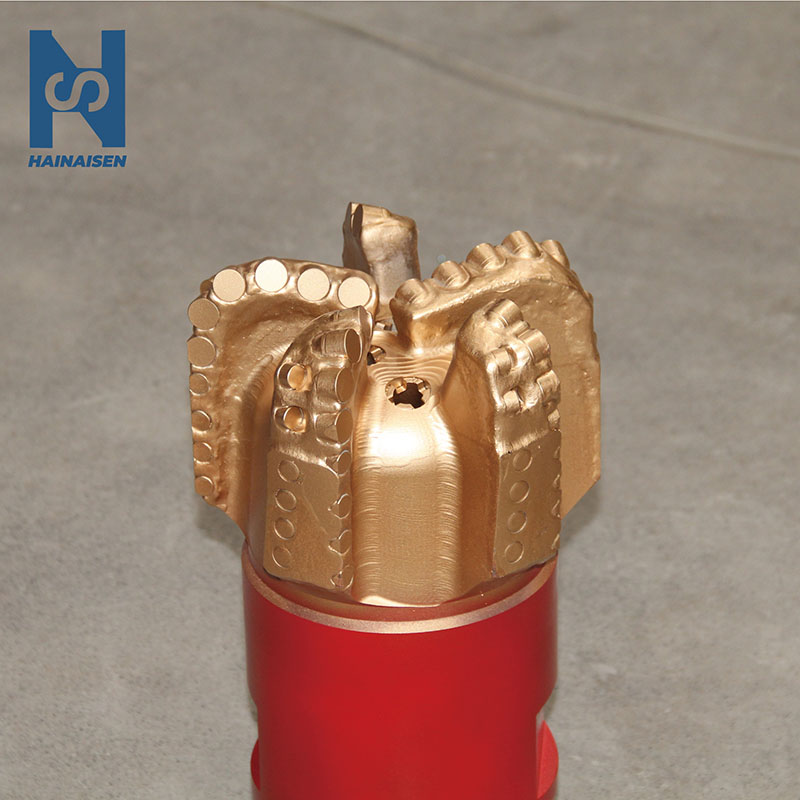 VIEW MORE5 Blades Steel Body High Performance PDC Rock Drill Bits
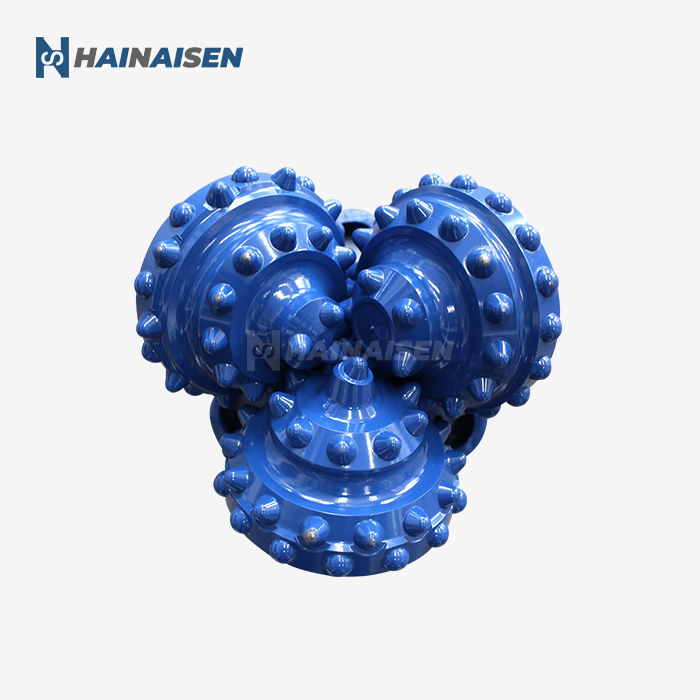 VIEW MORESteel Tooth Bit
logo 1_1777361260784.jpg) VIEW MOREFour Wing Arc Angle PDC Drill Bit
VIEW MOREFour Wing Arc Angle PDC Drill Bit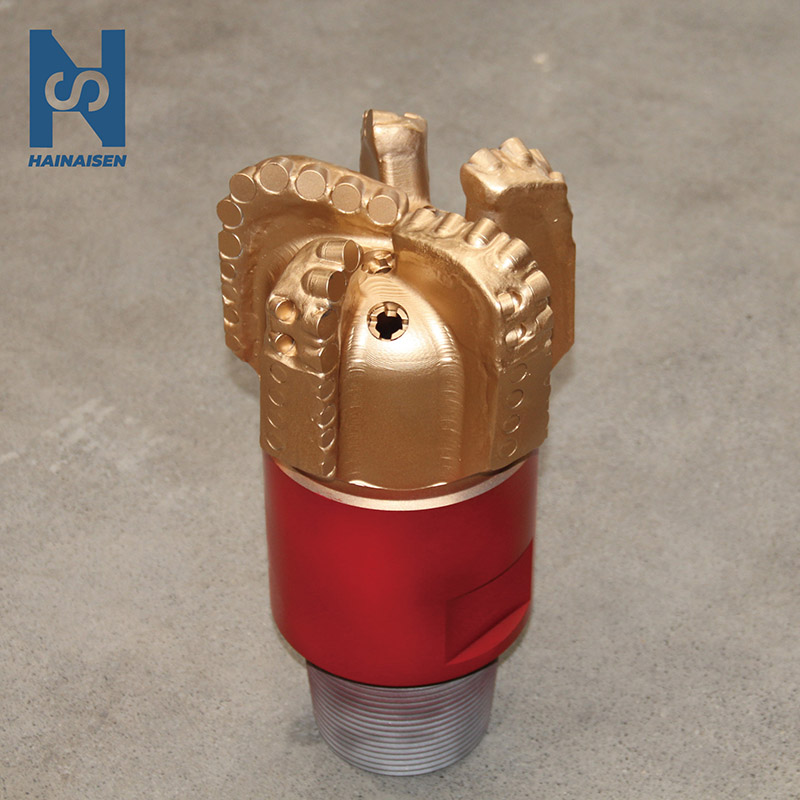 VIEW MOREFive Blades Oil Well Drill Head
 VIEW MOREThree Blade Wing Arc Angle Drill Bit
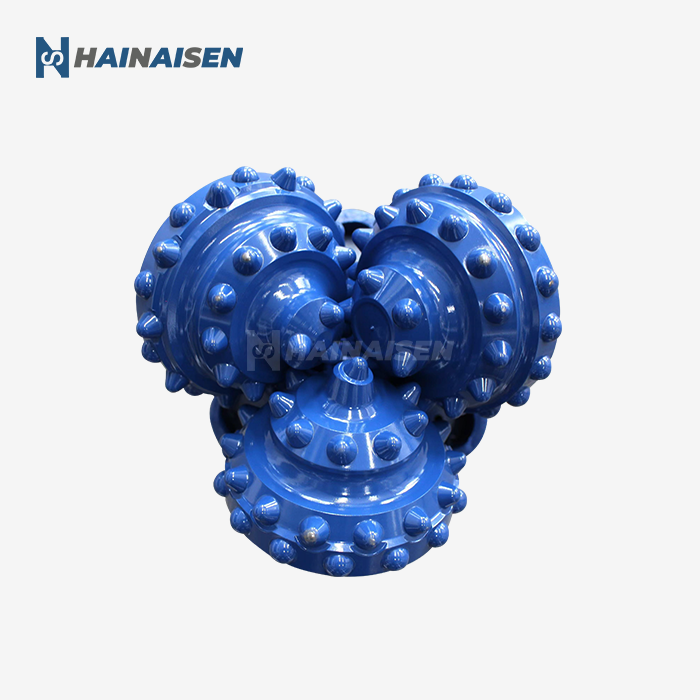 VIEW MORERock Roller Drill Bit
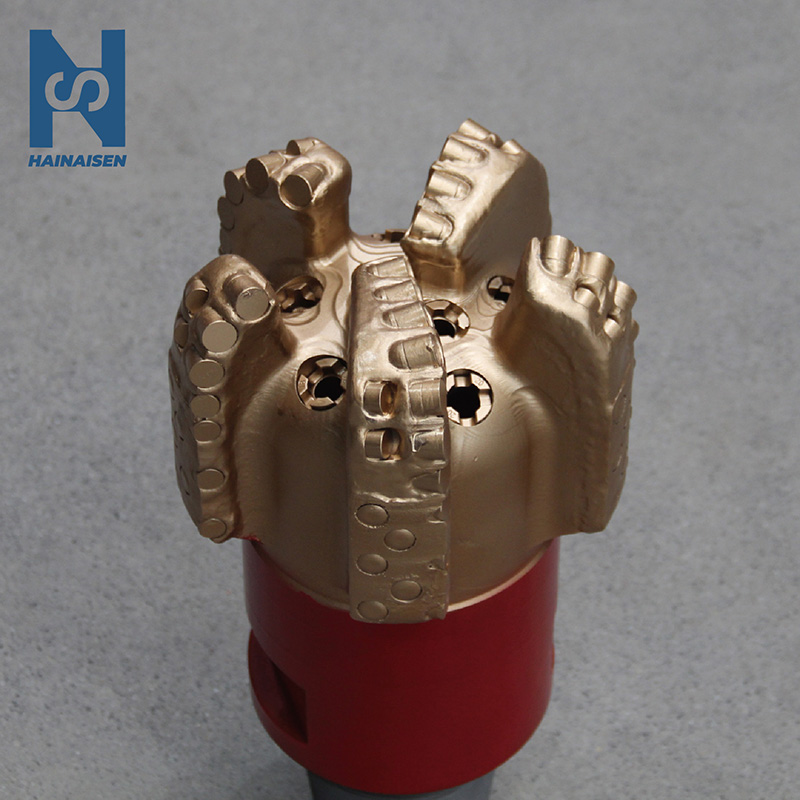 VIEW MOREOil Diamond Drill Bit
logo 1_1768204983068.jpg) VIEW MOREPDC Core Drill Bit With 8 Blades For Hole Drilling Used In Mining
VIEW MOREPDC Core Drill Bit With 8 Blades For Hole Drilling Used In Mining