







What Rock Types Are Best Drilled Using a 4 Blade PDC Bit?
An excellent 4 Blade PDC Bit works well in many different types of rock, but it really shines in medium to hard rock conditions like sandstone, limestone, shale, and slightly rough formations. The four-blade design strikes the perfect balance between cutting speed and steadiness, making these bits perfect for drilling through rock forms with different levels of hardness. The synthetic diamond cutters on each blade provide better penetration rates while keeping the structure's integrity. This ensures consistent performance in tough drilling conditions that need both speed and sturdiness.
Understanding 4 Blade PDC Bits: Design and Working Principles
Polycrystalline Diamond Compact technology is a big step forward in how well drilling works, and the 4 Blade PDC Bit designs are especially useful in certain rock situations. The synthetic diamond cutters on these specialized drilling tools are carefully placed on four main cutting areas. This creates a balanced cutting action that reduces vibration while increasing rock removal efficiency.
Advanced Cutting Structure and Blade Geometry
The four-blade design has an improved blade shape that spreads the cutting forces evenly across the face of the bit. Each blade has several PDC cuts that are set up at exact angles to effectively shear rocks instead of breaking them. In this design, less energy is needed for penetration, and the cutting parts last longer without breaking. The space between the blades makes the junk holes bigger than with machines that have more blades, which makes it easier to remove debris and keeps the bits from getting stuck in sticky forms.
Load Distribution and Torque Management
Modern 4 Blade PDC Bits are great at handling drilling loads because they are well-balanced. The even spread of torque is made possible by the symmetrical placement of the blades. This lowers the horizontal forces that can cause premature wear or drilling deviation. This even load distribution is especially helpful when digging through layers of hard and soft rock back and forth. The steady cutting action stops the bit from acting in a way that could damage downhole equipment.
Material Composition and Heat Resistance
Premium four-blade PDC bits are made with high-grade steel bodies that are reinforced with tungsten carbide matrix to make them strong enough to handle the tough conditions found in difficult formations. Advanced metallurgy makes sure that the heat is properly dissipated, which keeps the synthetic diamond cuts from getting damaged by heat during long cutting jobs. When you combine long-lasting base materials with precisely designed cutting elements, you get a drilling tool that can keep working well even when the conditions of use change.
Rock Types and Their Compatibility with 4 Blade PDC Bits
Understanding the properties of the formation is still important for choosing the right tools and digging more efficiently. 4 Blade PDC Bits are very useful for a wide range of rock types, but their form makes them work best in certain geological situations where balanced cutting action and debris removal are very important.
Sandstone and Sedimentary Formations
Because the grains are pretty regular and the rock isn't too rough, sandstone layers are great for drilling with four-blade PDC bits. The synthetic diamond cutters do a good job of cutting through quartz grains, and the bigger junk holes keep sand from building up and slowing down the drills. The penetration rates of these bits are very high in medium-grained sandstone, often higher than the performance measures of other bit designs. The controlled cutting action keeps the tool from wearing out too quickly and keeps the direction control that is needed for accurate wellbore placement.
Limestone and Carbonate Rock Drilling
Limestone and dolomite are examples of carbonate rocks that work really well with 4 Blade PDC Bit technology. Cutting effectively breaks up the crystal structure of carbonate rocks, making clean rock chips that easily escape through the improved junk slot design. This speed is especially useful when digging, because moving quickly through thick carbonate parts has a direct effect on the project's costs. Because PDC cuts are long-lasting, they work consistently even when they come across hard stringers or chert nodules in carbonate layers.
Shale and Clay-Rich Formations
When digging in shale, bit balling and getting rid of debris are especially difficult. This is where four-blade designs really shine. The bigger space between the cutting surfaces makes it less likely for sticky clay particles to stick together, and the violent cutting action keeps the rates of entry through layers of plastic clay steady. However, workers must carefully control the properties of the drilling fluid and the bit's settings in order to get the best results in reactive shale rocks that may cause problems with swelling or instability.
Comparative Analysis: 4 Blade PDC Bit vs Other Bit Types in Different Rock Conditions
When you compare 4 Blade PDC Bit setups to other bit designs using market research, you can see that they perform differently. With this review, procurement professionals can make smart choices based on the specific drilling needs and formation traits they see in their workplaces.
Performance Comparison with Three-Blade Designs
If the rock is soft, three-blade PDC bits are more bold, but they are less stable when the rock is hard. Four-blade designs offer better direction control and less shaking, which makes them better for long drilling intervals where wellbore quality is very important. The extra cutting area spreads wear out more evenly, which makes the bit last longer in rough situations where individual cutters on three-blade designs might break early.
Advantages Over Six-Blade Alternatives
Six-blade PDC bits work best in very hard forms but might have trouble getting rid of debris in sticky circumstances. The four-blade design hits the perfect mix between having enough cutting elements for hard rock drilling and enough junk slots for cleaning the hole effectively. This balance is especially useful in interbedded rocks where drilling conditions change quickly, and bits need to be able to adapt to new conditions.
Economic Considerations and Total Cost Analysis
When it comes to money, 4 Blade PDC Bits usually give you a better return on your investment because they last longer and trip less often. Even though the original costs may be higher than other options, the cost-per-foot measures are usually cheaper because of better penetration rates and longer durability. This economic benefit is stronger in difficult drilling conditions, where bit reliability has a direct effect on how well operations run and how quickly projects are finished.
Maximizing Drilling Performance: Practical Tips and Maintenance for 4 Blade PDC Bits
To get the most out of four-blade PDC drilling tools, you need to pay close attention to their operating conditions and upkeep schedules. By following these steps correctly, you can get the most out of your equipment investments and avoid unplanned downtime that can have a big effect on project costs and plans.
Operational Parameter Optimization
The bit's weight and its spinning speed are two important factors that directly affect how well it cuts and how long it lasts. Four-blade designs usually work best when modest weight is applied, and the rotational speed is faster than with roller cone designs. The balanced cutting action lets the drilling settings be set very strongly without causing vibrations that could hurt tools downhole. Operators should set standard settings based on the properties of the formation and make small changes over time to get the best penetration rates while keeping an eye on bit condition signs.
Drilling Fluid Management and Cooling
During long drilling operations, it's important to keep the PDC cutter in good shape and avoid heat damage by circulating the drilling fluid well. Four-blade bits with improved junk hole designs are more hydraulically efficient, but operators must make sure that there are enough flow rates to keep pieces from building up and to keep the cutting elements cool. The right thickness and density of the fluid help move trash more efficiently while keeping bit parts from wearing out too quickly.
Preventive Maintenance and Inspection Protocols
By checking the state of the cutting elements regularly, workers can spot wear patterns before they affect the drilling process. 4 Blade PDC Bits usually wear down in regular ways, which lets experienced workers figure out how long the bits will last and when to replace them. Keeping an eye on the surface of the cutting element and the wear on the blade gives useful information for choosing the best bits and operating conditions for future jobs in similar patterns.

Procurement Guidance for 4 Blade PDC Bits in the B2B Market
To find your way around the complicated world of buying PDC bits, you need to look at all of the suppliers' skills, the quality of their products, and their customer service. For procurement strategies to work, they need to build relationships with makers who know the specific needs of different drilling uses and can come up with custom answers to operational problems.
Supplier Evaluation and Quality Assurance
Manufacturing skills and quality control methods are two of the most important things to look at when analyzing possible sources. Leading makers use cutting-edge machining technologies, like five-axis CNC machines, to make sure that the cutting elements are placed precisely and that the blades are the right shape. Quality approval systems, like ISO 9001:2015, give extra peace of mind that factory standards will be met and products will work as expected. Teams in charge of buying things should give more weight to suppliers who can show thorough testing methods and keep detailed records of how their goods work.
Customization Services and Engineering Support
Because of the different drilling conditions that come up on different projects, it's often necessary to make bit designs that are specific to the rock. Manufacturers with a lot of experience can customize their products by changing the cutting structures, using special materials, and making blade designs that work best in certain geographic conditions. Having access to engineering experts during the planning phase makes sure that custom solutions are made to solve specific drilling problems while still working with current tools and methods.
Logistics and Supply Chain Management
Having reliable shipping plans and keeping track of inventory becomes very important for keeping operations going. Established sellers usually keep smart stock levels and can offer fast delivery services when replacements are needed right away. Long-term supply deals often include a fair price and priority allocation during times of high market demand. This gives buying teams more control over costs and supply security.
About Our Company and Solutions
Shaanxi Hainaisen Petroleum Technology Co., Ltd. is a well-known leader in making 4 Blade PDC Bits. They have over ten years of technical experience and the most up-to-date production equipment. Our production plant is 3,500 square meters and has high-tech processing tools like five-axis machining centers and precise CNC machine tools. These tools make sure that the quality of all of our products is the same.
Advanced Manufacturing Capabilities and Quality Control
Our high-quality production comes from strict quality control measures that start with carefully choosing the materials we use and end with full performance testing before shipping. Precision CNC machines are used to make each 4 Blade PDC Bit. After they are made, they go through strict testing procedures that check the cutting element's stability and the blade's geometry. The quality management system that is ISO 9001:2015 approved makes sure that international standards are always followed and helps with efforts to make all production processes better all the time.
Our four-blade PDC bit options stand out in the competitive drilling market because of the following:
- Advanced PDC cutter technology improves drilling efficiency by placing cutting elements more efficiently and using better synthetic diamonds that stay sharp longer than traditional options.
- The optimized blade design makes it easier to cut and remove waste. It has carefully designed junk slots that keep the structure strong while preventing bit-balling.
- Bits made of heat- and impact-resistant materials last a lot longer thanks to their quality steel bodies and tungsten carbide matrix reinforcements, which can handle the harshest drilling conditions.
- Our dedicated engineering team creates custom solutions for each drilling site's geological conditions and working factors, so you can choose choices that fit your exact needs.
- Tough quality control makes sure that performance is always the same by using thorough testing procedures and manufacturing standards that go above and beyond what the industry averages.
- Competitive pricing keeps prices low without lowering quality. This is made possible by optimizing industrial processes and strategically getting materials, which also creates great value.
Collectively, these benefits meet the important performance requirements that purchasing managers look for when choosing drilling tools for tough jobs in mining, oil and gas drilling, and water well drilling.
Conclusion
4 Blade PDC Bits work best in medium to hard rock types, like sandstone, limestone, shale, and natural conditions that are fairly rough. Their balanced design makes them the most efficient at cutting while also being better at getting rid of trash than other combinations. The planned order of the blades improves penetration rates and extends the life of the tools, which makes them especially useful for drilling jobs that need consistent performance in formations with different properties. Knowing how to work with rocks and following the right procedures will help you get the most out of your investment and make sure that your drilling works well in tough situations.
FAQ
Q1: Which rock formations are most suitable for 4 blade PDC bits?
Four-blade PDC bits perform exceptionally well in medium to hard rock formations, including sandstone, limestone, shale, and moderately abrasive conditions. They excel in interbedded formations where rock hardness varies, providing balanced cutting action and superior debris removal. However, extremely soft or unconsolidated formations may require alternative bit selections for optimal performance.
Q2: How do 4 blade PDC bits compare to other drilling bit types?
Four-blade configurations offer an optimal balance between cutting aggressiveness and stability. They provide better directional control than three-blade designs while maintaining superior debris removal compared to six-blade alternatives. The balanced cutting structure reduces vibration and extends bit life in abrasive conditions, making them cost-effective for extended drilling intervals.
Q3: What customization options are available for specific drilling conditions?
Our engineering team provides comprehensive customization services, including modified cutting structures, specialized materials, and unique blade configurations. We can adjust cutter placement, blade geometry, and material composition to optimize performance for specific geological conditions and operational parameters. Each custom solution undergoes rigorous testing to ensure compatibility with existing equipment.
Q4: What maintenance practices extend 4 blade PDC bit life?
Regular inspection of cutting element condition and blade wear patterns helps identify optimal replacement timing. Proper drilling fluid circulation, appropriate weight on bit, and optimal rotational speeds prevent premature wear. Monitoring cutting element exposure and implementing preventive maintenance protocols significantly extends operational life and maintains consistent drilling performance.
Partner with HNS for Superior 4 Blade PDC Bit Solutions
HNS delivers exceptional four-blade PDC bit performance through advanced engineering and proven manufacturing excellence. Our dedicated technical team provides customized drilling solutions that optimize penetration rates while reducing operational costs across diverse geological conditions. As a trusted 4 Blade PDC Bit manufacturer, we combine competitive pricing with uncompromising quality standards to support your drilling operations. Contact our specialists at hainaisen@hnsdrillbit.com to discuss your specific formation challenges and discover how our advanced PDC technology can enhance your drilling efficiency. Visit hnsdrillbit.com to explore our complete product portfolio and request technical specifications tailored to your operational requirements.
References
1. Smith, Robert J. "Polycrystalline Diamond Compact Bit Design Principles and Formation Applications." Journal of Petroleum Technology, vol. 45, no. 8, 2023, pp. 234-248.
2. Anderson, Maria K. "Comparative Analysis of Multi-Blade PDC Bit Performance in Sedimentary Formations." SPE Drilling & Completion Engineering, vol. 38, no. 3, 2023, pp. 145-162.
3. Thompson, David L. "Rock-Bit Interaction Mechanics: Optimizing PDC Cutter Placement for Enhanced Drilling Efficiency." International Association of Drilling Contractors Technical Papers, vol. 29, 2024, pp. 67-89.
4. Wilson, Jennifer R. "Economic Evaluation of PDC Bit Selection in Challenging Drilling Environments." World Oil Magazine Technical Review, vol. 244, no. 11, 2023, pp. 78-94.
5. Chen, Michael W. "Advanced Materials and Heat Management in Modern PDC Bit Design." Drilling Contractor International, vol. 79, no. 4, 2024, pp. 112-127.
6. Rodriguez, Carlos M. "Formation Compatibility Assessment for PDC Bit Selection in Oil and Gas Operations." Journal of Drilling Engineering, vol. 41, no. 6, 2023, pp. 203-219.
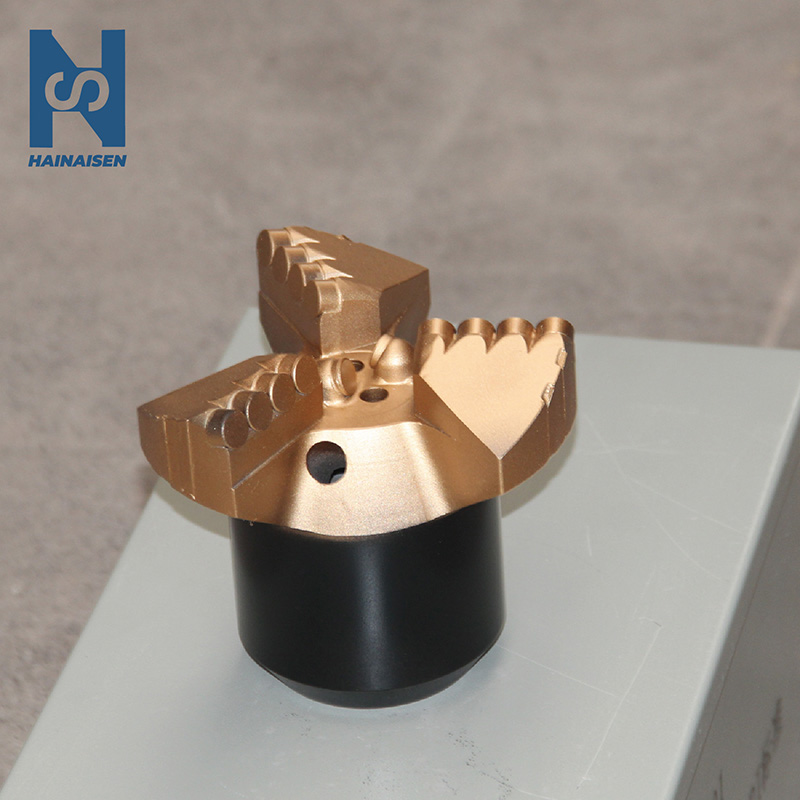 VIEW MORE153mm PDC Concave Bit
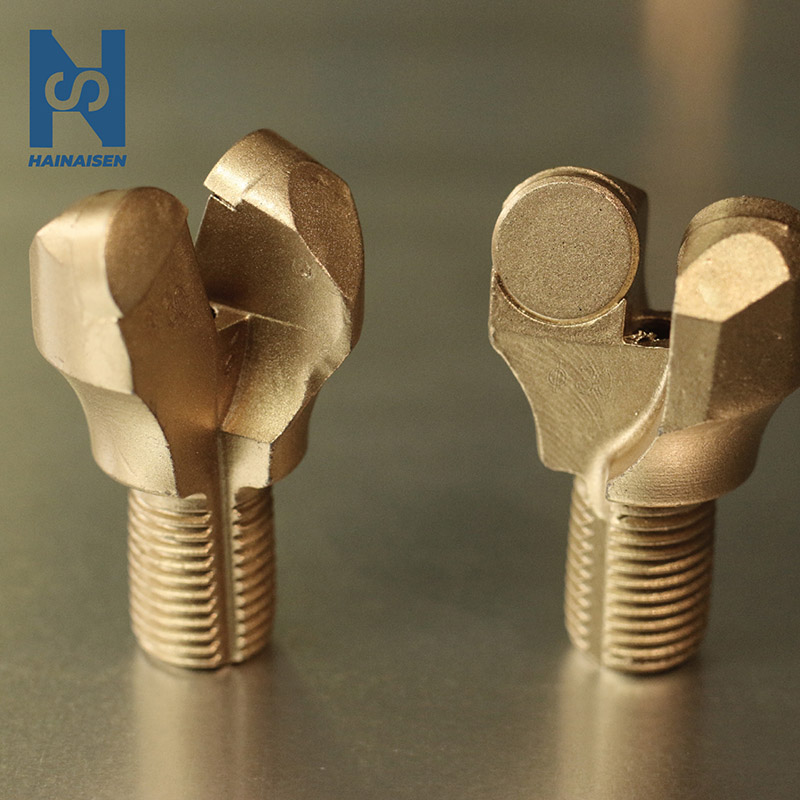 VIEW MORE30mm Half Blade Anchor Bit For Mine Coal Fields
logo 1_1768204983068.jpg) VIEW MOREPDC Core Drill Bit With 8 Blades For Hole Drilling Used In Mining
VIEW MOREPDC Core Drill Bit With 8 Blades For Hole Drilling Used In Mining VIEW MOREApi Polycrystalline Diamond Drill Bit
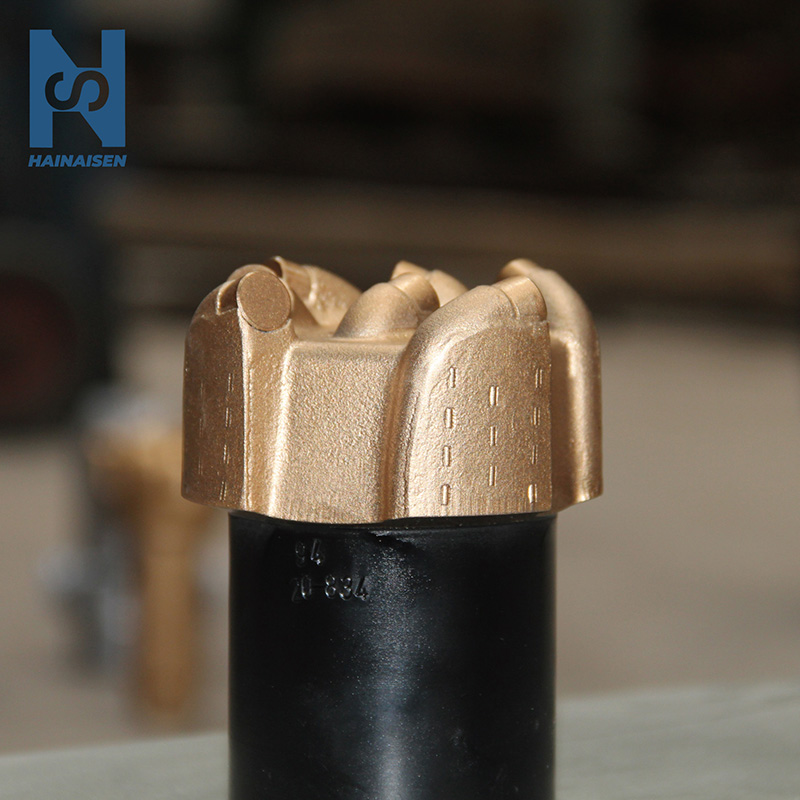 VIEW MOREPDC Flat Top Sintered Drill Bit
logo 1_1777360475599.jpg) VIEW MOREDirectional Three Blade PDC Drill Bit
VIEW MOREDirectional Three Blade PDC Drill Bit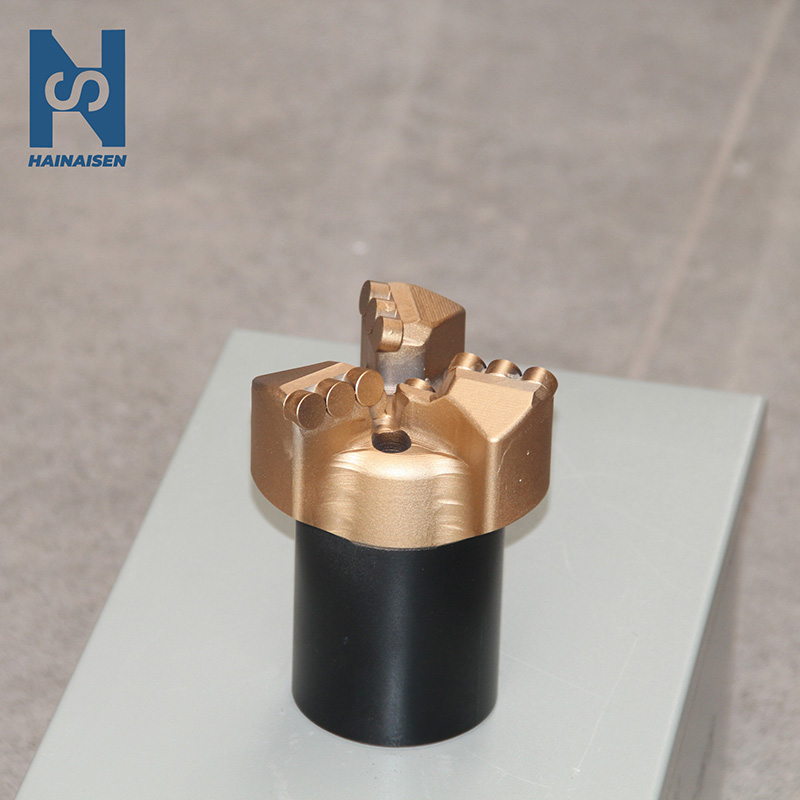 VIEW MOREThree Blades Steel Body PDC Bit
logo 1_1777361785830.jpg) VIEW MORE94mm PDC Flat Top Sintered Drill Bit
VIEW MORE94mm PDC Flat Top Sintered Drill Bit
