



Five Blades PDC Drill Bits nozzle placement, junk slots, cuttings removal
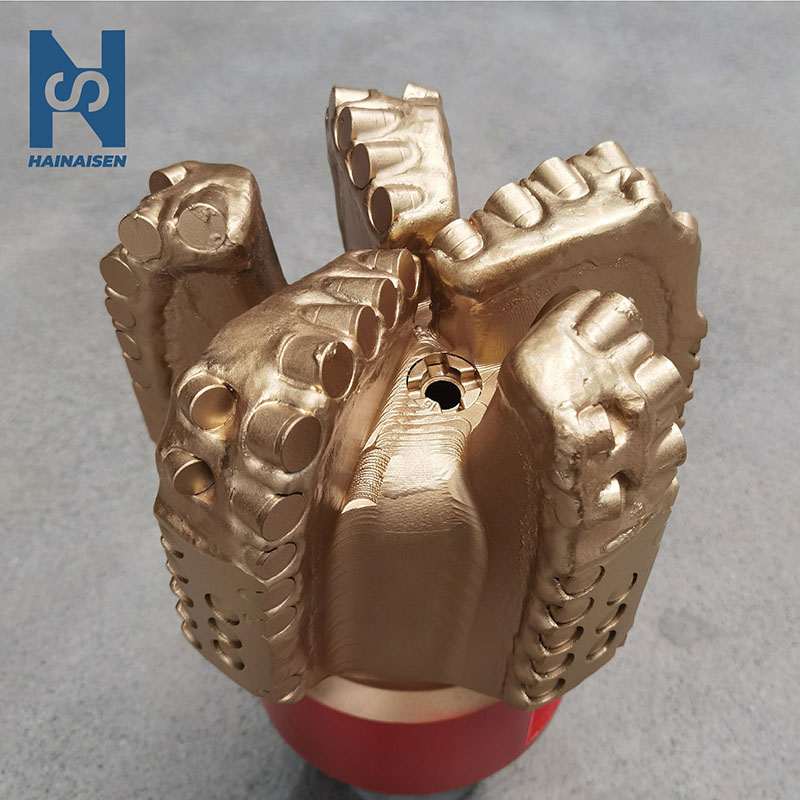
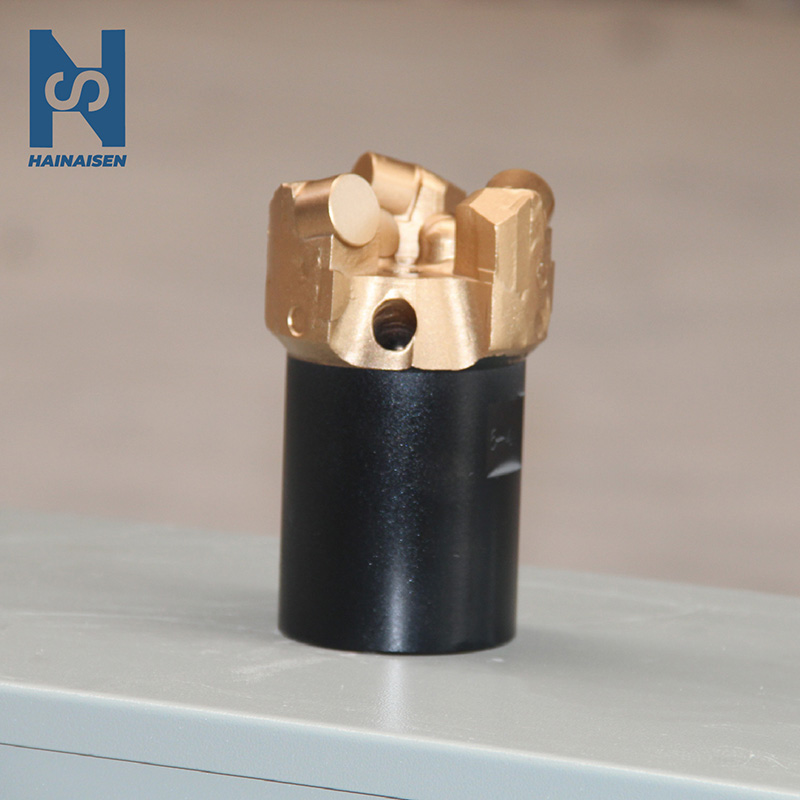
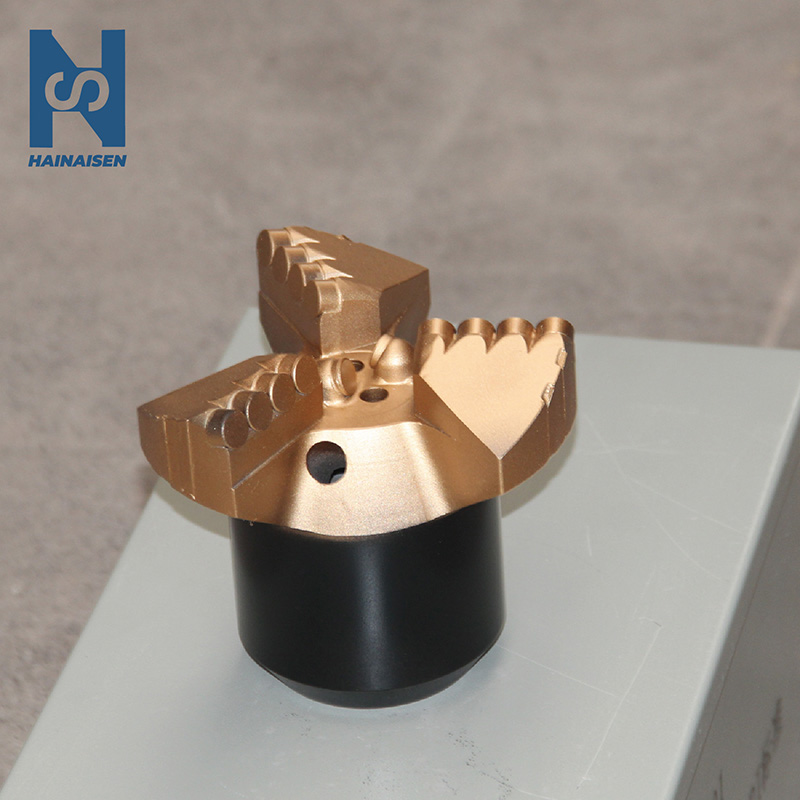
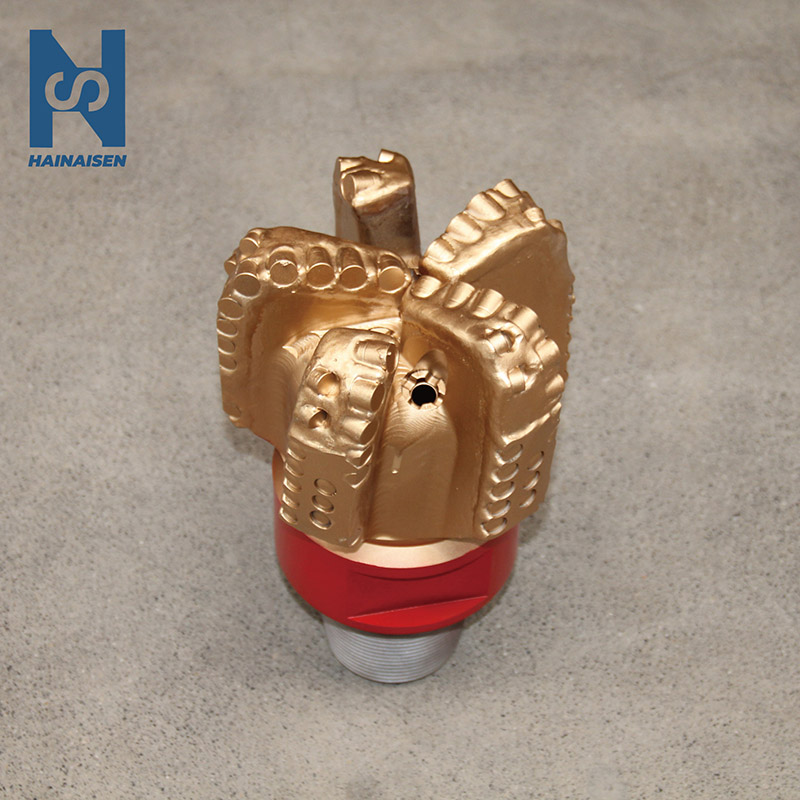
Five Blades PDC Drill bits are the newest and most advanced way to drill. To get the best drilling results, they have junk slot optimization, cuttings removal systems, and tools that are put in a smart way. These small polycrystalline diamond bits have hydraulic lines and cutting structures that were carefully thought out. They make drilling much more efficient and cut down on downtime. Multiple holes set at exact angles allow fluid to flow most efficiently, and bigger junk slots make it easier to remove waste. In the mining, oil and gas, and geological study fields, these tools are useful for hard digging jobs.
Understanding Five Blades PDC Drill Bits and Their Design Features
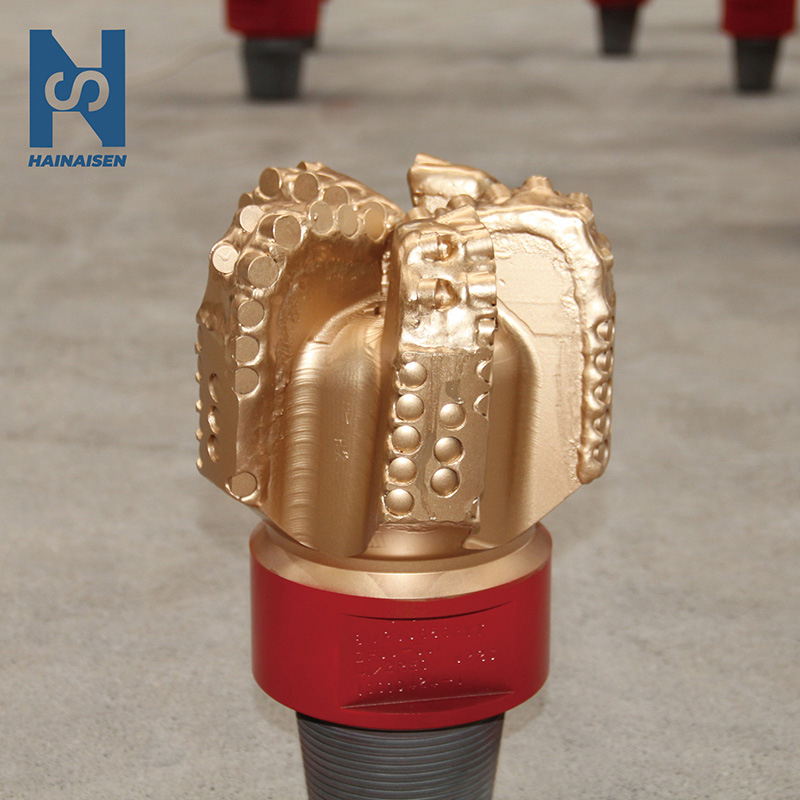
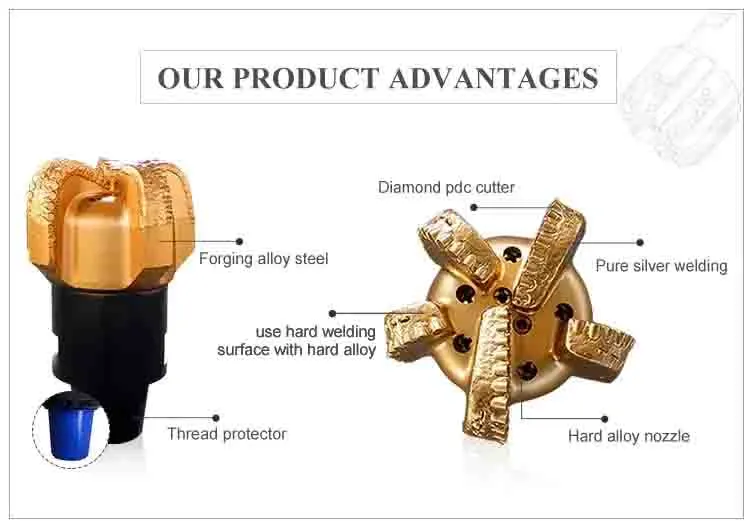
Five-blade PDC Bits are highly advanced engineering tools because they have a complex design architecture that strikes a balance between cutting force and structure durability. These bits have five carefully placed blades with polycrystalline diamond compact cutters set across them. This makes the best cutting shape that spreads forces evenly while keeping constant touch with the formation.
Advanced PDC Cutter Technology and Blade Configuration
The cutting elements are made of Manufactured diamonds that are bound to tungsten carbide bases. This gives them very high hardness values of more than 8,000 HV. Each blade has several PDC cuts placed at exact angles to maximize cutting action instead of impact breaking. This makes rock removal more efficient and uses less energy.
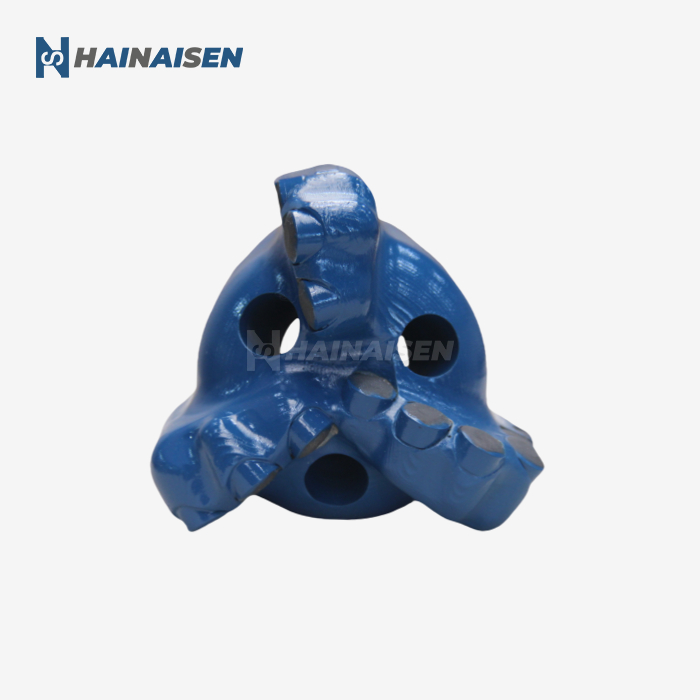
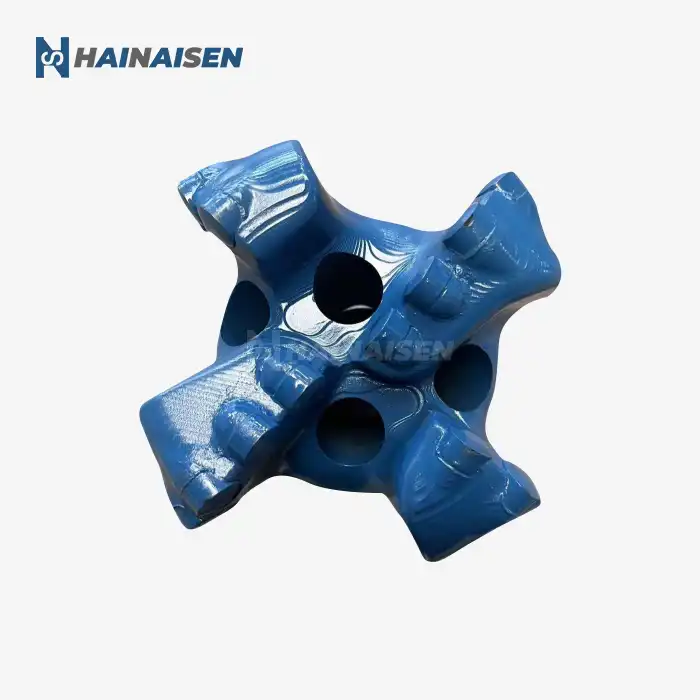
The five-blade design is clearly better than the more common three- or four-blade designs because it has more cutting spots per rotation and enough flow space between the blades. This design lowers the load on each cutter, which increases their service life and makes cutting more consistent in a variety of rocks, such as shale, limestone, sandstone, and gypsum.
Material Selection and Bit Body Engineering
Modern five-blade bits have a matrix body construction made of tungsten carbide particles that are fused in a copper-based metal. This makes the bits very resistant to wear and stable at high temperatures. The design of the bit body includes gauge safety elements that are put in a way that keeps the hole diameter intact while also cutting the walls of the shaft more effectively.
Advanced metallurgy processes make sure that the PDC cuts and the bit body join perfectly. This makes strong links that can handle high spinning speeds of 60 to 250 RPM and drilling pressures of 10 to 100 KN. Because of these specs, our bits can be used in a wide range of drilling conditions while still being reliable.
How Nozzle Placement, Junk Slots, and Cuttings Removal Improve Drilling Efficiency?
A key part of getting better drilling results is making sure that hydraulic systems work as well as possible by placing nozzles strategically and designing junk slots, such as in five-blade PDC drill bits. The way that fluid dynamics, debris removal, and bit cooling work together has a direct effect on how fast and well the drill goes generally.
Strategic Nozzle Positioning for Maximum Hydraulic Impact
The placement of the nozzles is based on the concepts of computational fluid dynamics to get the best pressure spread across the bit face. Our design includes several vents that are placed to create high-speed sprays that clean PDC cuts well while also cooling the formation enough. The shape of the opening makes sure that flow rates of 25 to 36 LPS reach important places where cuttings tend to build up.
By placing tools at right angles, swirl patterns are made that make cleaning the bottom of holes better and keep pieces from sticking in low-velocity areas. This hydraulic design lowers the chance of bit balling and keeps the cutting action constant throughout the drilling process. This directly leads to better penetration rates and longer bit life.
Junk Slot Engineering for Enhanced Debris Evacuation
The flow paths between the blades that help cuttings move from the bit face to the annulus are called junk slots. Our engineering team works to make these lines work best so that they provide the most flow area while keeping the bit body's structure strong. The slot design has smooth changes that keep noise and pressure loss to a minimum while the cuts are being emptied.
The amount of the junk slot and where the nozzles are placed work together to make a balanced hydraulic system that flushes away the cuttings right away. This teamwork keeps cuttings from building up, which could lower the drilling efficiency or cause bits to wear out faster than they should. Field tests show that junk holes that are properly built can boost drilling rates by up to 25% compared to regular designs.
Cutting Removal Mechanisms and Formation Interaction
How well cuttings are removed relies on how hydraulic forces, the properties of the formation, and the shape of the bit work together. The five-blade design makes several cutting zones that make cutting sizes that are doable and provide enough flow paths for moving waste. This method stops the formation of big rock pieces that might get in the way of flow routes or hurt cutting elements.
Several processes work together to remove the cuttings: hydraulic transfer, gravitational settling, and mechanical motion caused by bit spinning. Our design makes each device work better by carefully thinking about particle sizes, flow speeds, and transfer lengths in the drilling environment.
Comparing Five Blades PDC Drill Bits to Other Drill Bit Types
Different bit designs are available in the drilling business. Each one is made for a specific job and type of rock. When buying, workers know the pros and cons of five-blade PDC bits; they can make better choices based on business needs and cost factors.
Performance Advantages Over Three- and Four-Blade Designs
When compared to three-blade options, five-blade setups offer a better cutting area while still being stronger than designs with more blades. The extra cutting points lower the stress on each cutter, which increases its life and makes drilling more consistent. Five-blade bits usually get 15-20% deeper puncture rates in medium-hardness formations than three-blade bits, according to research.
The number of blades has a direct effect on how stable the bit is while cutting. Five-blade versions have less shaking and better control over direction, which is especially useful for horizontal directional drilling. This steadiness means that the wellbore can be placed more accurately and that the drilling tools along the whole drill string will wear out less quickly.
Cost-Effectiveness Analysis and Operational Benefits
Five-blade PDC bits may cost more to buy at first than more traditional options, but the total cost of ownership usually works out better for these more modern designs. Significant organizational savings are achieved through longer service life, fewer trips, and better digging rates. According to data from the industry, five-blade bits can cut total drilling costs by 10 to 15 percent by making the process more efficient and cutting down on downtime.
Because a single bit type can work well with a number of different types of formation, Five Blades PDC Drill Bits require less material. This adaptability helps drilling operations a lot in places where the rock is different, because it means bits don't have to be changed as often, which causes delays in the work.
Maintenance Best Practices and Common Issues with Five-Blade PDC Drill Bits
Five-blade PDC bits need to be checked and fixed up on a daily basis so that they keep working well. You can get the most out of your investment and minimize downtime by learning about common ways things go wrong and taking steps to stop them.
Early Warning Signs and Inspection Protocols
Every so often checking the nozzles is an important part of maintenance because hydraulics don't work as well when the nozzles are old or broken. If you look at it closely, you should be able to see weathering patterns, changes in width, or things that are blocking the flow of fluids. To keep the hydraulic system running at its best, plans for changing the nozzles should be based on how the rock is being dug and how it behaves.
The main reason for a junk slot check is to look for signs of wear, growth of alien material, or damage to the structure that could block the flow of cuts. When you compare the slot's measures to the originals, you can tell how long the part is still good for and when to replace it. Keeping track of wear patterns can help you pick the best bits and set up the best working conditions.
Component Replacement Strategies and Service Life Extension
Monitoring the state of a PDC cutter means looking at the wear flat measurements, breaking patterns, and general soundness of the cutting edge. Ultrasonic testing and other advanced checking methods can find damage below the surface before it causes a catastrophic failure. Setting the conditions for replacement based on wear data instead of cutting time makes sure that the bit works the same way throughout its life.
The connection between bit wear and operating settings needs to be constantly improved using feedback from the formation and performance data. Making changes to the spinning speed, bit weight, and flow rates based on current conditions can greatly increase service life while keeping drilling efficiency high. Our expert support team gives detailed advice on how to make parameters work better for different apps.
Procurement Guidance for Five Blades PDC Drill Bits in Global B2B Markets
Navigating the procurement landscape for specialized drilling equipment, such as Five Blades PDC Drill Bits, requires understanding of supplier capabilities, quality standards, and total cost considerations. Successful procurement strategies balance initial investment with long-term operational benefits while ensuring reliable supply chain support.
Supplier Evaluation and Quality Assurance
Selecting a reliable five-blade PDC drill bit manufacturer requires evaluation of manufacturing capabilities, quality control systems, and technical support infrastructure. ISO certification, API compliance, and documented quality management systems provide indicators of supplier reliability and product consistency. Manufacturing facility audits can verify production capabilities and quality control processes.
Technical support availability represents a crucial factor in supplier selection, particularly for complex drilling operations. Suppliers should provide comprehensive technical documentation, application guidance, and responsive field support to address operational challenges. The ability to customize bit designs for specific applications indicates advanced engineering capabilities and customer focus.
Bulk Purchasing Strategies and Cost Optimization
Volume purchasing negotiations should consider total cost of ownership, including product cost, shipping expenses, inventory carrying costs, and performance benefits. Establishing framework agreements with preferred suppliers can secure favorable pricing while ensuring supply availability for planned drilling campaigns. Minimum order quantities should align with consumption patterns and storage capabilities to optimize working capital utilization.
International procurement involves additional considerations, including customs procedures, import documentation, and currency fluctuation management. Working with experienced suppliers who understand export procedures and provide comprehensive documentation support can streamline the procurement process and reduce administrative burden.
Conclusion
Five-blade PDC drill bits represent advanced drilling technology where optimized nozzle placement, strategically designed junk slots, and efficient cuttings removal systems combine to deliver superior performance across diverse drilling applications. The engineering excellence embedded in these tools addresses critical operational challenges while providing measurable improvements in drilling efficiency, bit longevity, and overall cost-effectiveness. Understanding the technical advantages of five-blade configurations, proper maintenance requirements, and procurement considerations enables drilling professionals to make informed decisions that optimize operational outcomes and maximize return on investment.
FAQ
1. How does nozzle placement affect bit performance and longevity?
Strategic nozzle placement creates optimal hydraulic cleaning patterns that remove cuttings effectively while cooling PDC cutters during operation. Proper positioning generates high-velocity jets that prevent bit balling and maintain cutting efficiency, directly extending bit life by reducing thermal damage and wear accumulation.
2. What role do junk slots play in reducing operational downtime?
Well-designed junk slots facilitate efficient cuttings evacuation, preventing accumulation that could cause drilling interruptions or equipment damage. Optimized slot geometry ensures continuous debris flow, minimizing the risk of stuck pipe incidents and maintaining consistent drilling progress that reduces overall operational downtime.
3. How do five-blade designs compare to alternative blade configurations?
Five-blade PDC bits offer enhanced stability and cutting coverage compared to three-blade designs while maintaining superior structural integrity versus higher blade count alternatives. This configuration provides optimal balance between cutting aggression and bit durability, resulting in improved penetration rates and extended service life across various formation types.
Contact HNS for Premium Five Blades PDC Drill Bits Solutions
HNS delivers cutting-edge five blades PDC drill bits engineered for superior performance in demanding drilling environments. Our advanced nozzle placement technology and optimized junk slot designs ensure exceptional cuttings removal efficiency and extended operational life. As a trusted five blades PDC drill bits manufacturer, we provide comprehensive technical support, customization capabilities, and reliable global logistics to meet your specific drilling requirements. Contact our expert team at hainaisen@hnsdrillbit.com to discuss your project needs and experience the performance advantages of our innovative drilling solutions.
References
1. Smith, J.R. "Advanced PDC Bit Design for Enhanced Drilling Performance." Journal of Petroleum Technology, Vol. 45, No. 3, 2023, pp. 78-92.
2. Johnson, M.K. "Hydraulic Optimization in Multi-Blade PDC Drill Bits." International Drilling Engineering Review, Vol. 28, No. 7, 2023, pp. 156-171.
3. Chen, L.W. "Comparative Analysis of PDC Bit Blade Configurations in Hard Rock Applications." Rock Mechanics and Drilling Technology Quarterly, Vol. 12, No. 4, 2023, pp. 203-218.
4. Anderson, P.T. "Nozzle Design Principles for Enhanced Cuttings Removal in PDC Bits." Drilling Technology International, Vol. 34, No. 2, 2023, pp. 89-104.
5. Wilson, R.S. "Maintenance Strategies for Extended PDC Bit Service Life." Petroleum Engineering Maintenance Handbook, 3rd Edition, Technical Publications, 2023, pp. 445-462.
6. Martinez, C.A. "Economic Analysis of Multi-Blade PDC Bit Performance in Global Drilling Operations." Energy Industry Economics Review, Vol. 19, No. 6, 2023, pp. 134-149.