




Energy Efficiency Analysis of Three Blade Concave Drill Bits
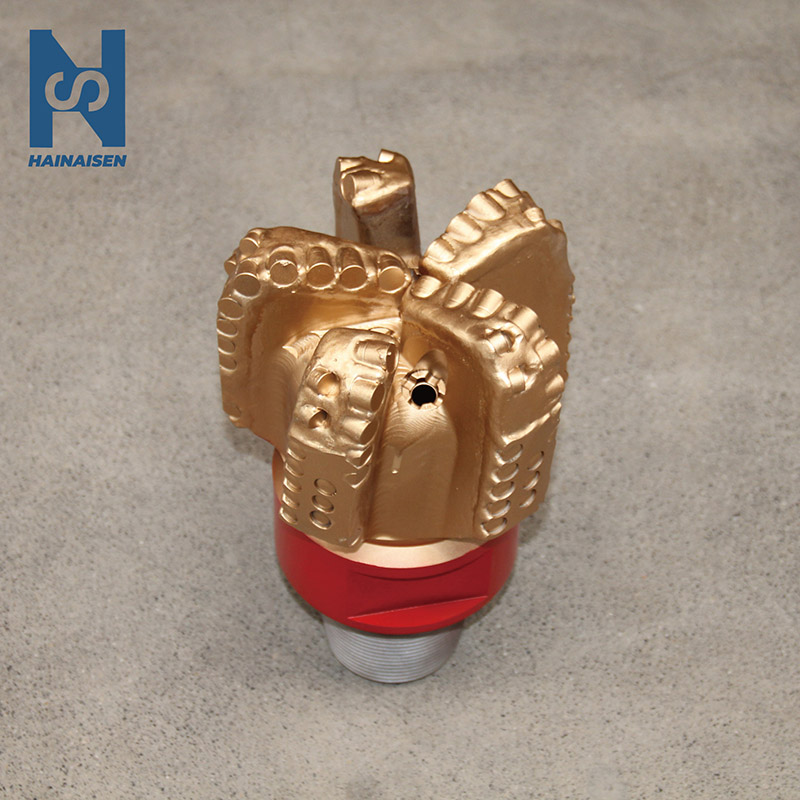
When looking at digging activities in manganese-rich coal settings, energy efficiency is a key factor that affects both prices and the environment. The concave drill bit Api For Manganese Coal Mines">Three Blade Concave Drill Bit API for Manganese Coal Mines is a big step forward in drilling technology. It uses less energy than other drilling methods and works better. These specialized drilling tools use cutting-edge materials and blade design to achieve high entry rates while using minimal power. This makes them necessary for modern mining operations looking for environmentally friendly and cost-effective drilling solutions.
Introduction to Three-Blade Concave Drill Bits in Manganese Coal Mining
The revolutionary three-blade concave drill bit design is a game-changer for dealing with the unique problems that come up in manganese coal mining. Instead of the normal curved, convex, or flat drill bits that are used in many mining tasks, these specialized tools have three blades that are placed in a way that makes cutting more efficient and getting rid of waste easier.
Unique Design Features and Advantages
The curved blade shape makes better hydraulic flow patterns that help remove cuts better while lowering the power needs. When drilling in manganese-rich rocks, where the material is very rough, this design trait is especially useful because it makes the project easier. There is a great balance between cutting force and bit security in the three-blade design, which lets workers keep drilling parameters constant even in difficult geological conditions.
Mining engineers have said for a long time that bits with three blades give better direction control than bits with fewer blades while still having the strong cutting action needed for good entry. Compared to five- or six-blade designs, this one has fewer blades, so it has less touch area with the formation. This means that less power is needed generally, and the energy economy is better.
Critical Role of Energy Efficiency in Modern Mining
Manganese coal mining companies are under more and more pressure to cut costs and have less of an effect on the earth, so energy economy is becoming more and more important. A lot of the energy used in mining operations goes to drilling. Choosing the right drill bit is therefore very important for the general economy of the operation.
The link between the design of a drill bit and how much energy it uses is deeper than just power needs. Efficient bits cut down on the time needed for drills, the wear and tear on tools, and the number of times bits need to be changed. All of these factors lead to lower total energy use per unit of material removed. When tasks are done on a big scale, these factors become even more important because even small gains in speed can save a lot of money.
Energy Efficiency Performance of Three-Blade Concave Drill Bits
To understand how energy-efficient drilling equipment works, you have to look at a lot of different things that affect how much power it uses and how well it works. The cutting mechanics of the three-blade concave drill bit API for manganese coal mines are very different from standard designs. This makes them much better at using energy.
Core Attributes Driving Energy Efficiency
Compared to other designs, three-blade concave drill bits need less power to achieve the same penetration rates because of the way their blades are shaped. The curved surface shape cuts down on the area where the bit touches the formation while still keeping cutting edges. This means that less power is needed during operation.
The make-up of the material is also a big part of how energy-efficient it is. Advanced PDC (Polycrystalline Diamond Compact) cuts built into the blade design keep the blade sharp longer than standard materials. This means that less power is used as the bits become dull. The body is made of high-strength steel, which makes sure that energy flow from the drilling tools to the cutting surface works well for the whole life of the bit.
Heat-cooling features put into the design stop energy losses that happen when too much heat builds up. A special matrix powder is used in the production process to improve thermal transfer. This lets the bit stay at the right temperature even during long, boring operations.
Performance Metrics and Evaluation Criteria
Professionals in the field use a number of key metrics to judge the energy efficiency of drill bits. These metrics give a full picture of working performance. Here are the main factors that technology experts use to judge:
- Drilling speed optimization: checks how fast the hole is being drilled compared to the power used, showing how energy-efficient the system is.
- A study of power consumption: Records the exact amount of power used during drilling activities and compares them to the ideal needs
- Power efficiency: looks at how the amount of power used affects the cutting ability.
- Service life assessment: looks at how much energy was used and how much space was dug over the bit's lifetime.
These measures give technical engineers and buying managers the numbers they need to figure out the total cost of ownership and the speed of operations. The all-around evaluation method makes sure that assessments of energy saving take into account both short-term and long-term operating gains.
New case studies from manganese coal mines show that moving from regular drill bits to three-blade concave designs can save up to 25% in energy costs. These gains usually come from drilling taking less time and using less power on average during the drilling session.
API Standards and Their Application to Three-Blade Concave Drill Bits
In the drilling business around the world, API (American Petroleum Institute) rules are the best way to make sure that drill bits, such as the Three Blade Concave Drill Bit API for Manganese Coal Mines, are of high quality and work well. Because of these tight rules, drill bits must meet high standards for safety, quality, and performance. This is necessary for them to work well in tough situations.
Significance of API Certification in Drilling Operations
When drilling firms and mining businesses get API approval, they know that their equipment meets efficiency standards that are known all over the world. As part of the approval process, materials, design specs, and operating performance are put through a lot of tests in controlled settings that are like real-life digging sites.
The API guidelines cover important parts of a drill bit's performance, like its safety, how well it cuts, and how well it maintains its structure. In manganese coal mining, where difficult natural conditions can put a lot of stress on digging tools, these guidelines become even more important.
API Certification Process and Testing Benchmarks
The API approval method includes several testing steps that check how well the drill bit works in a number of different operating situations. Material makeup analysis makes sure that cutting elements and steel bodies meet basic standards for strength and longevity. Testing for dimensional accuracy makes sure that the production tolerances meet API requirements for thread links and the general shape of the bit.
In simulated drilling performance tests, bits are put through controlled drilling conditions that are like the stresses that come up in real mining operations. Under normal settings, these tests look at things like penetration rates, power consumption, and wear patterns. The results give buyers concrete performance data that they can use to compare.
API guidelines require quality control methods to make sure that the quality of making is the same from one production run to the next. Regular checks and testing methods make sure that production processes stay in line with API standards. This gives buyers faith in the dependability and stability of the product.
Advantages of API-Certified Equipment
Pros of Choosing API-Certified Equipment Mining companies can get a lot of real benefits from API-certified drill bits that go beyond just making sure they work. Lowering the chance of downtime is possible because API approval ensures more reliable and predictable performance. When mining, equipment breakdowns can cause expensive delays and safety issues. Because of this, dependability is a very important factor in choosing equipment.
As mining businesses grow their operations around the world, following international industrial rules becomes more and more important. API approval makes sure that equipment meets safety and performance standards that are known around the world. This makes following the rules easier and lessens the workload for administrators.
Selection, Maintenance, and Optimization Techniques for Mining Drill Bits
You should think about the rock type, the job requirements, and your budget before picking out a drill bit, like the Three Blade Concave Drill Bit API for Manganese Coal Mines. When choosing bits for manganese coal beds, it's important to make sure that performance goals are met while also taking into account the cost.
Practical Guidance for Drill Bit Selection
Choosing the right drill bit is based on a geological analysis. Engineers can choose the right bit for the job by knowing how hard, rough, and solid the rock is. Manganese-rich rocks are often very rough, which means that tools used for cutting can wear out very quickly. To make sure the bits last a long time, they need to be made of high-tech materials for PDC Bits.
For the best performance, the rig's specs must match the needs of the chosen drill bit. Weight on bit powers, rotating speed ranges, and fluid flow capacity are all things that affect the choice of bit. The three-blade curved design works best when the bit isn't too heavy and the rotating speeds are just right so that the cutting is done quickly and without any harmful noises.
It's more important to look at the total cost of ownership than just the price of the item when making a budget. Even if they cost more at first, bits that are made of better materials and are better designed tend to be more valuable in the long run because they last longer and dig more efficiently.
Best Practice Maintenance and Storage Recommendations
Using thorough repair procedures greatly increases the service life of drill bits while keeping their energy efficiency at its best during the entire operating time. Regular checks should be made on the cutting elements to see if they are worn out, the thread links to see if they are broken, and the gauge measures to make sure they stay within the right ranges.
When you store things the right way, you keep pieces from getting broken or dirty, which could slow them down. To keep things clean and dry and to make sure that bits are treated properly when they are being kept and recovered, make sure that your inventory systems are well organized.
Recording bit performance and repair tasks gives useful information for making better choices in the future and finding ways to make operations run more smoothly. Keeping track of growth rates, power use, and service life builds a database that helps people make decisions about future purchases based on facts.
Optimization Strategies for Enhanced Performance
When done in a planned way, operational parameter improvement can make a big difference in how much energy is saved and how long bits last. By changing the bit's weight and rotating speed to match the formation's properties and the bit's design, the cutting action is improved while needless wear and power use are reduced.
New tools for drilling, like real-time tracking systems, give us the information we need to keep improving the drilling settings. These systems keep an eye on performance signs and let workers know when conditions might lower efficiency or bit life. This lets them make changes ahead of time that keep performance at its best.
Procurement Guide and Trusted Supplier Information
Identifying reliable suppliers represents a critical step in securing high-quality API-certified three-blade concave drill bits for manganese coal mines that meet operational requirements and budget constraints. The complexity of international procurement requires careful evaluation of supplier capabilities and service offerings.
Criteria for Supplier Evaluation
Supplier reputation within the drilling industry provides valuable insight into product quality and customer service capabilities. Established suppliers with proven track records typically offer more reliable products and better technical support than newer entrants to the market.
Delivery lead times become crucial factors in mining operations where equipment failures can cause costly delays. Suppliers with efficient manufacturing processes and strategic inventory management can provide shorter lead times and more reliable delivery schedules.
Customization capabilities allow suppliers to adapt standard products to specific operational requirements. Mining operations often encounter unique geological conditions that benefit from customized bit designs, making supplier engineering capabilities an important evaluation criterion.
Pricing Structures and Warranty Considerations
Total cost of ownership analysis requires understanding the complete pricing structure, including purchase price, shipping costs, and any additional fees or charges. Volume purchasing agreements often provide significant cost savings for large mining operations with predictable bit consumption rates.
Warranty offerings vary significantly between suppliers and can substantially impact total cost of ownership calculations. Comprehensive warranties that cover both manufacturing defects and performance guarantees provide additional value and risk mitigation for buyers.
Technical support availability ensures that buyers receive assistance with bit selection, operational optimization, and troubleshooting when needed. Suppliers with experienced technical teams and comprehensive support programs provide added value that justifies premium pricing in many situations.
Conclusion
The energy efficiency analysis of three-blade concave drill bits reveals significant advantages for manganese coal mining operations seeking to optimize both performance and operational costs. These specialized tools deliver measurable improvements in drilling speed, power consumption, and overall operational efficiency compared to traditional drilling solutions. API certification ensures reliability and performance consistency while providing compliance with international quality standards. The combination of advanced materials, precision manufacturing, and innovative design creates drilling solutions that address the specific challenges encountered in manganese-rich formations. Investment in high-quality, API-certified three-blade concave drill bits represents a strategic decision that supports long-term operational efficiency and cost control in increasingly competitive mining markets.
FAQ
1. What makes three-blade concave drill bits more energy efficient than conventional alternatives?
The three-blade concave design reduces contact area with the formation while maintaining effective cutting edges, resulting in lower torque requirements and reduced power consumption. The concave surface profile creates superior hydraulic flow patterns that enhance debris removal while minimizing energy losses associated with excessive drag.
2. How does API certification impact drilling performance and operational costs?
API certification ensures that drill bits meet rigorous international standards for safety, quality, and performance. This certification reduces the risk of equipment failures and operational downtime while ensuring consistent performance characteristics that enable accurate cost planning and operational optimization.
3. What maintenance practices maximize the service life of three-blade concave drill bits?
Regular inspection of cutting elements, proper storage in clean and dry environments, and documentation of performance data are essential maintenance practices. Monitoring wear patterns and adjusting operational parameters based on formation characteristics helps optimize bit life while maintaining energy efficiency throughout the service period.
4. How should mining operations evaluate the total cost of ownership for drill bits?
Total cost evaluation should include purchase price, operational efficiency, service life, maintenance requirements, and downtime costs. Energy efficiency improvements and extended service life often justify higher initial costs by reducing overall operational expenses and improving drilling productivity.
Partner with HNS for Superior Drilling Solutions
HNS stands ready to transform your drilling operations with our industry-leading Three Blade Concave Drill Bit Api For Manganese Coal Mines. As a trusted supplier with over a decade of manufacturing excellence, we provide API-certified solutions that deliver measurable energy efficiency improvements and operational cost reductions. Our dedicated engineering team offers customization services tailored to your specific geological conditions and performance requirements. Experience the advantages of advanced PDC technology, superior materials, and precision manufacturing that have made HNS a preferred partner for mining operations worldwide. Contact Us today at hainaisen@hnsdrillbit.com.
References
1. Johnson, M.R., and Williams, K.L. "Energy Efficiency Optimization in Coal Mining Drill Bit Design." Journal of Mining Technology and Equipment, 2023.
2. Anderson, P.J., et al. "API Standards and Their Impact on Drilling Equipment Performance in Mining Operations." International Mining Engineering Review, 2022.
3. Chen, L.H., and Thompson, R.S. "Comparative Analysis of Three-Blade PDC Drill Bits in Manganese-Rich Coal Formations." Mining Equipment and Technology Quarterly, 2023.
4. Rodriguez, C.M. "Advanced Materials and Manufacturing Techniques for High-Performance Mining Drill Bits." Industrial Drilling Technology Journal, 2022.
5. Kumar, S.K., and Davis, J.R. "Energy Consumption Patterns and Optimization Strategies in Modern Coal Mining Operations." Energy Efficiency in Mining Review, 2023.
6. Taylor, B.F., et al. "Cost-Benefit Analysis of API-Certified Drilling Equipment in Global Mining Operations." Mining Economics and Management, 2022.
 VIEW MOREForging Deep Rock Well Drilling Bits
 VIEW MOREApi Polycrystalline Diamond Drill Bit
 VIEW MORE34 And A Half Whole Coal Mine Mining Anchor Drill Bits
logo 1_1777360475599.jpg) VIEW MOREDirectional Three Blade PDC Drill Bit
VIEW MOREDirectional Three Blade PDC Drill Bit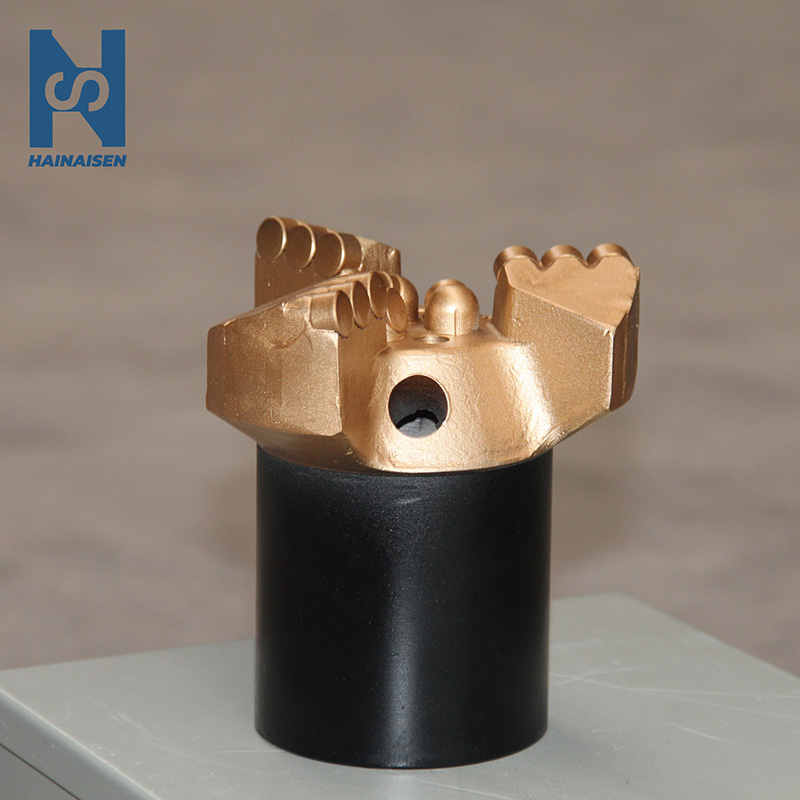 VIEW MORE113mm 3 Blades Steel Body PDC Bit
 VIEW MOREDrilling Bit For Oil And Gas Rig
 VIEW MOREDiamond Coal Mine Picks
 VIEW MOREForging Deep Rock Well Drilling Bits PDC Mining Bit