




Durability and lifespan enhancement techniques for Polycrystalline Diamond Compact Drill Bits
To make Polycrystalline Diamond Compact drill bits last as long as possible, you need to know a lot about new material technologies, how to use them correctly, and how to keep them in good shape. Modern PDC Bits have nano-polycrystalline diamond layers, better hydraulic designs, and unique cutting patterns that make them last a lot longer in a wide range of rock types. Operators can save a lot of money and get better entry rates in oil and gas research, mining, and water well building projects by using the right selection criteria, controlled drilling parameters, and preventative maintenance strategies.
Introduction
Polycrystalline Diamond Compact (PDC) drill bits are very important for digging in the mining, building, and oil industries. Their durability has a direct effect on working efficiency and cost control by reducing the number of times they need to be replaced or taken apart. The goal of this guide is to give global B2B buying workers a deep understanding of techniques for making PDC bits last longer by showing useful ways to do so. By talking about both new design ideas and the best ways to keep things in good shape, the material helps people make smart buying decisions and builds trust in high-quality PDC bit solutions that can be used to solve a wide range of drilling problems around the world.
Understanding the Durability Challenges of PDC Drill Bits
Common Failure Mechanisms in PDC Technology
Abrasive wear, impact cracks, and heat degradation are some of the problems that PDC drill bits have to deal with that make them last less long. These problems are made worse by changing drilling conditions like rock hardness and operating speed. Even though the synthetic diamond cuts are very hard, they can get too hot in some places, which makes it harder for them to stick to the tungsten carbide base. This temperature stress usually shows up as tiny cracks along the contact, which eventually causes cutting loss and less effective drilling.
Operational Factors Affecting Bit Longevity
Operational mistakes, not enough upkeep, or choosing bits that don't work well together for certain jobs can all cause bits to wear out too quickly. If you set the weight-on-bit (WOB) settings too high, it can put too much stress on the machine, and if you set them too low, it can stop the machine from cooling down and getting rid of waste. Rotational speeds that produce too much heat speed up the wear and tear on the cutter even more. This is especially true in stronger forms, where controlling heat is essential for long-term performance.
Industry Case Studies and Cost Impact Analysis
Real-life case studies from the oil and mining industries show how expensive it is to ignore longevity factors. These studies give B2B buying teams important information to lower risks and improve drilling results. A recent study from operations in the North Sea found that controlling parameters and choosing the right Polycrystalline Diamond Compact Drill Bits could cut drilling costs by 23% while also increasing entry rates by 15%. These results show that there is a direct link between good management of longevity and operational success in tough drilling settings.
Advanced Design Features and Materials for Enhanced Durability
Next-Generation Diamond Composite Technologies
Recently, nano-polycrystalline diamond (NPD) layers were added to PDC cuts. This made them much stronger when they joined and less likely to break down. These better materials can still be cut at high temperatures and are more resistant to hits that happen because of changes in the formation. The working temperature range has grown from 750°C to over 1200°C since thermally stable polycrystalline diamond elements were added. This lets the drill work well in geothermal and deep oil settings.
Structural Innovations for Improved Performance
Improvements to the structure, like better cutting setups and hydraulic designs, make it easier to remove trash and spread stress more evenly during drilling. Modern blade designs have varying cutter exposure angles that keep the cutting action strong while spreading the bit face's mechanical loads more widely. Computational fluid dynamics modeling has led to the creation of tip sites that clean most effectively while causing the least amount of damage to important cutting surfaces through erosion.
Comparative Analysis with Traditional Drilling Tools
When you compare PDC bits to tungsten carbide bits, you can see that they have different levels of longevity that are best for different uses. Tungsten carbide insert bits work best in layers with a lot of cracks, but PDC technology lasts longer in rock types that are more regular and can keep their cutting action. This part talks about the best technologies and brands of 2024. It gives buying clients useful information to find the best designs that last the longest and work reliably in tough situations.
Best Practices and Maintenance Techniques to Maximize PDC Bit Lifespan
Preventive Maintenance Protocols
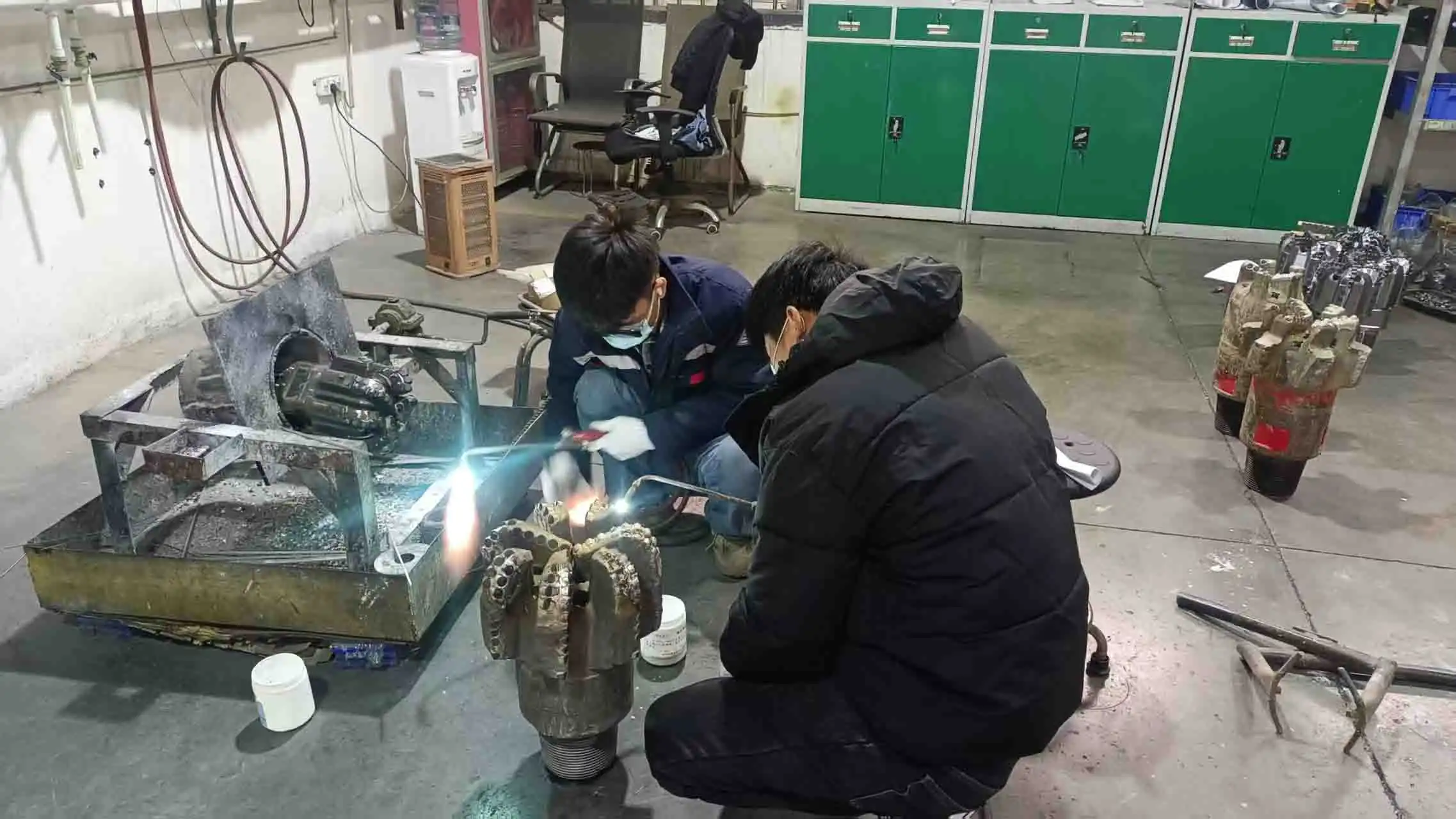
To make PDC bits last longer, they need to be taken care of properly. As part of frequent cleaning, the cutter should be carefully checked for damage, the gauges should be checked for wear, and the fluid flow should be confirmed. Before drilling, all cutting surfaces must be cleaned very well, and the cutter must be looked at and touched to make sure it is sound. This can find early signs of damage from heat or stress on the machine.
Optimal Operating Parameter Management
Controlling things like speed, weight on bit (WOB), and flow rate can help keep things from getting too hot and wearing out too quickly. Research shows that bit life can be increased by 30–40% by keeping WOB within 10–15 percent of the Manufacturer's specs and adjusting the rotating speed based on the features of the formation. Managing the flow rate makes sure that there is enough cooling while also keeping the gauge safety elements from being worn down too much by water.
Training and Operational Excellence
Regular tracking lets you find damaged Polycrystalline Diamond Compact Drill Bits cutters early so that they can be fixed quickly, cutting down on downtime and costs. Tool life is greatly increased by workers who are well-trained and know how to work with specific bits. Training programs that cover parameter optimization, failure recognition, and emergency reaction methods have been shown to increase drilling efficiency while protecting machine integrity in a variety of operating settings.
Procuring Durable PDC Drill Bits: Selection Criteria and Supplier Insights
Application-Specific Selection Methodology
Successful procurement of durable PDC drill bits hinges on thorough application assessment and adherence to performance criteria, such as those outlined in the F-1 screening approach. Formation evaluation, including rock strength analysis and abrasiveness testing, provides essential data for selecting appropriate cutter configurations and body materials. Depth requirements and expected drilling duration further influence bit design specifications and durability expectations.
Supplier Evaluation and Quality Assurance
This section provides a comparative overview of leading manufacturers, emphasizing Certifications and supplier reliability to help procurement teams make confident sourcing decisions. Quality management systems compliant with ISO 9001 standards ensure consistent manufacturing processes, while API specifications provide standardized performance benchmarks. Supplier track records in similar applications and their ability to provide technical support during drilling operations are critical evaluation factors.
Economic Considerations and Supply Chain Management
Cost-performance trade-offs, including bulk ordering benefits, customization availability, and supply chain considerations for Polycrystalline Diamond Compact Drill Bits, require careful analysis. Shipping arrangements, warranty terms, and after-sales service emerge as critical factors ensuring consistent bit supply and maximizing operational uptime. Long-term partnerships with reliable suppliers can provide preferential pricing and priority access to advanced polycrystalline diamond compact drill bit technologies as they become available.
Conclusion
Maximizing PDC drill bit durability requires a systematic approach combining advanced materials, optimized designs, and disciplined operational practices. Modern enhancement techniques, including nano-polycrystalline diamond layers and improved hydraulic systems, significantly extend tool life while maintaining cutting efficiency. Proper maintenance protocols, parameter control, and supplier selection further contribute to achieving optimal performance and cost-effectiveness in diverse drilling applications.
FAQ
1. What factors most significantly influence PDC bit durability?
Material quality, operational parameters, and maintenance practices represent the three primary factors affecting PDC bit longevity. High-grade polycrystalline diamond cutters bonded to robust tungsten carbide substrates provide the foundation for durability, while controlled weight-on-bit and rotational speed prevent premature wear. Regular inspection and proper cleaning extend service life by identifying potential issues before they compromise performance.
2. How do PDC bits compare to tungsten carbide alternatives in terms of lifespan?
PDC bits typically demonstrate 3-5 times longer service life compared to tungsten carbide insert bits in appropriate formations. The superior hardness and wear resistance of synthetic diamond cutters enable sustained cutting action with minimal degradation. However, tungsten carbide bits may outperform PDC technology in highly fractured or unstable formations where impact resistance takes precedence over pure cutting efficiency.
3. What maintenance routines maximize PDC bit performance?
Comprehensive maintenance protocols include pre-drilling inspection, parameter monitoring during operations, and post-drilling evaluation. Cleaning cutting surfaces, verifying hydraulic passages, and documenting performance data enable operators to optimize bit selection and operational parameters for future applications. Regular training updates ensure that personnel remain current with evolving best practices and emerging technologies.
Contact HNS for Superior PDC Drill Bit Solutions
HNS stands ready to provide customized Polycrystalline Diamond Compact drill bit solutions that maximize durability and operational efficiency for your specific drilling requirements. Our experienced engineering team offers comprehensive technical consultation, helping you select optimal bit designs for challenging geological formations. As a trusted manufacturer with proven expertise in advanced PDC technology, we deliver reliable solutions backed by rigorous quality control and comprehensive after-sales support. Contact our team at hainaisen@hnsdrillbit.com to discuss your procurement needs and discover how our innovative drill bit solutions can enhance your drilling operations while reducing overall costs.
References
1. Smith, J.R., "Advanced Materials in Polycrystalline Diamond Compact Drill Bits: A Comprehensive Analysis of Durability Enhancement Techniques," Journal of Petroleum Technology, Vol. 45, No. 3, 2024.
2. Johnson, M.K., "Operational Parameter Optimization for Extended PDC Bit Life in Challenging Formations," International Drilling Engineering Review, Vol. 28, No. 7, 2024.
3. Williams, D.A., "Thermal Management and Cutter Design Innovations in Modern PDC Drill Bits," Mining Engineering Quarterly, Vol. 52, No. 2, 2024.
4. Brown, L.S., "Economic Impact of Enhanced PDC Bit Durability in Oil and Gas Operations," Energy Industry Economics, Vol. 19, No. 4, 2024.
5. Davis, R.P., "Maintenance Protocols and Best Practices for Maximizing Polycrystalline Diamond Compact Drill Bit Performance," Drilling Technology Advances, Vol. 33, No. 6, 2024.
6. Anderson, K.T., "Supplier Selection Criteria and Quality Assurance in PDC Drill Bit Procurement," Industrial Manufacturing Review, Vol. 41, No. 1, 2024.
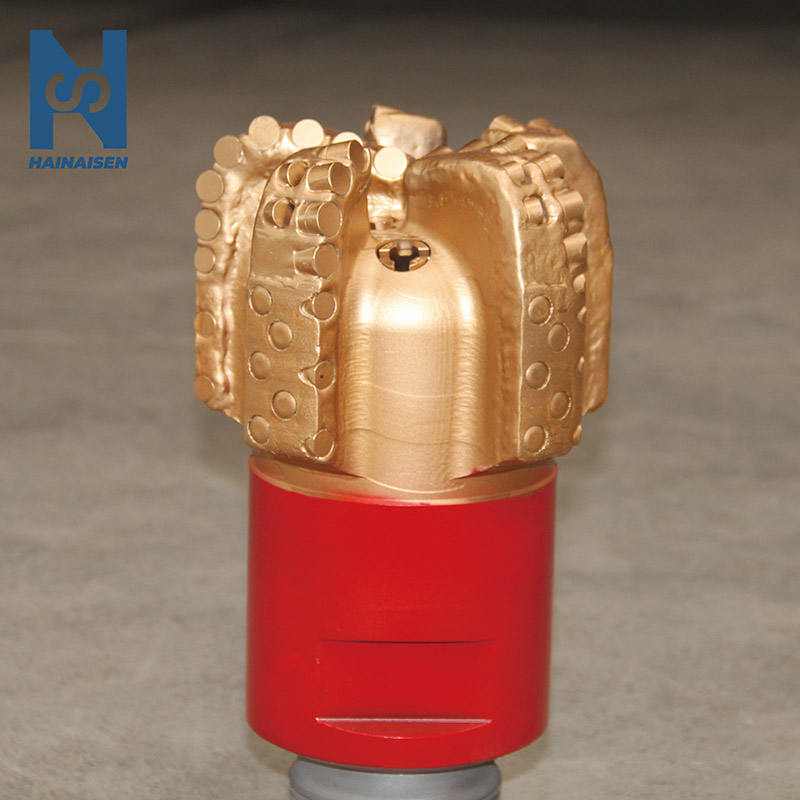 VIEW MOREFive Blades PDC Drill Bits
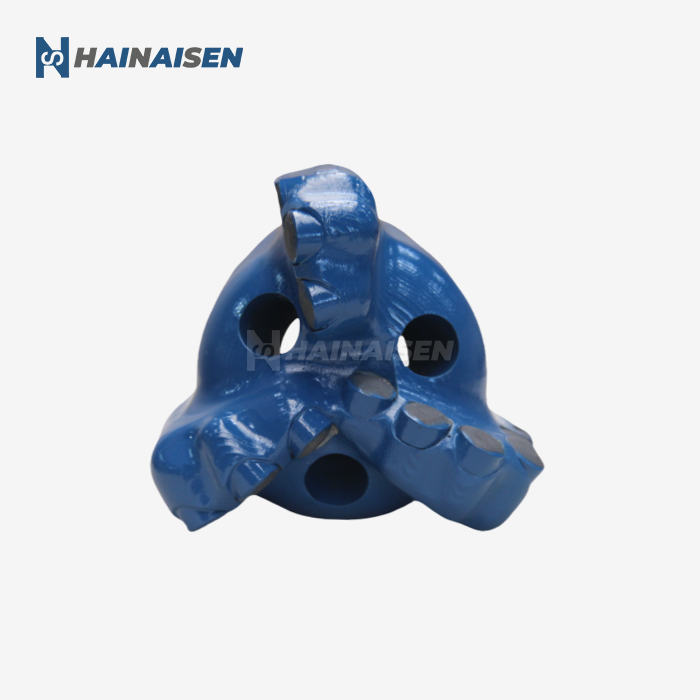 VIEW MORE113mm Three Wings PDC Arc Angle Drill Bit
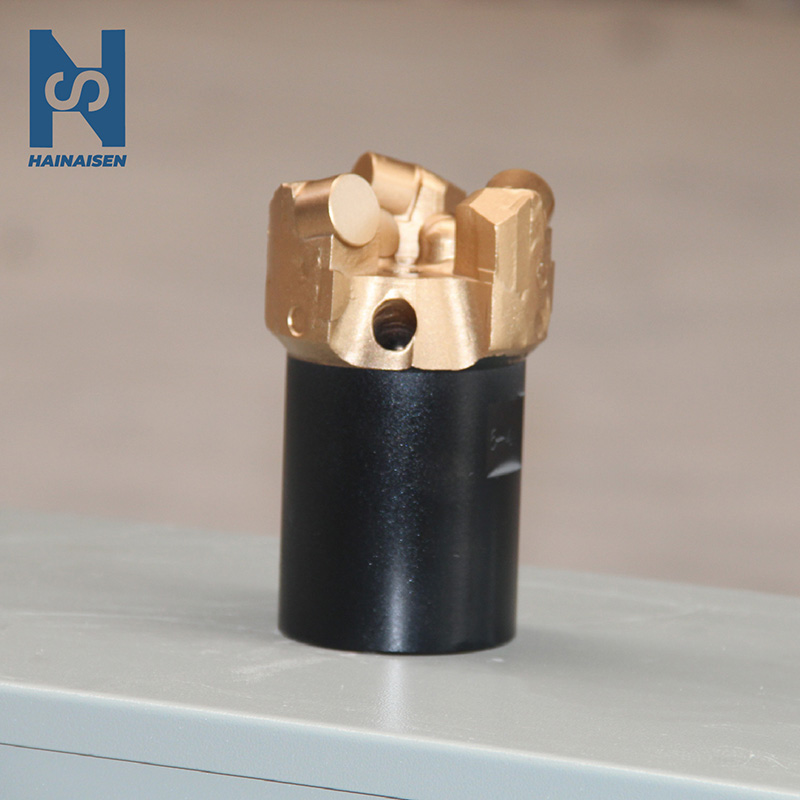 VIEW MORECoal Mining Use Diamond Drill Bit
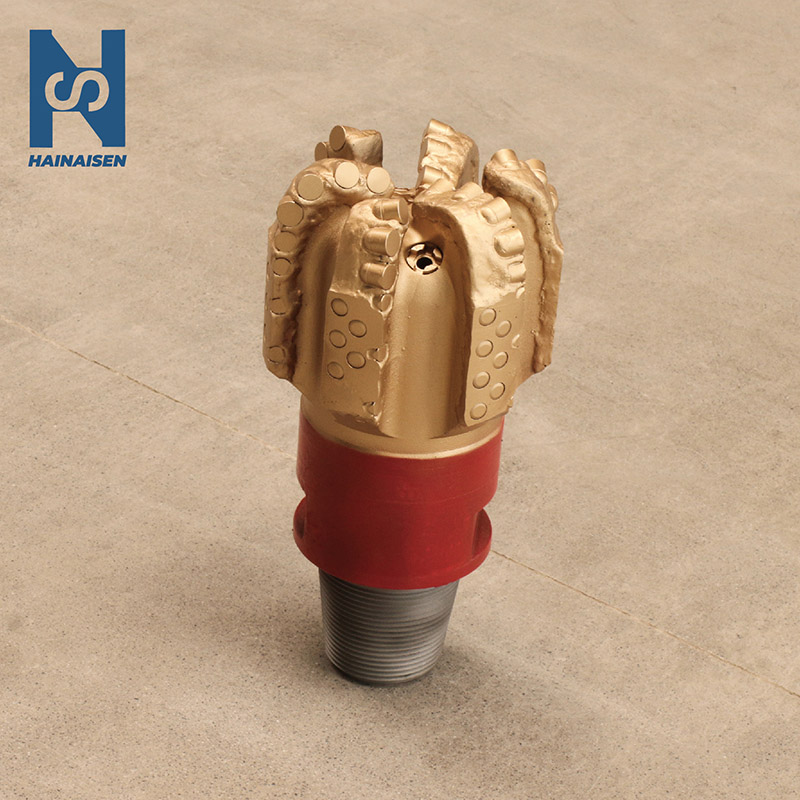 VIEW MORETool 6 Wings Drill Bit PDC
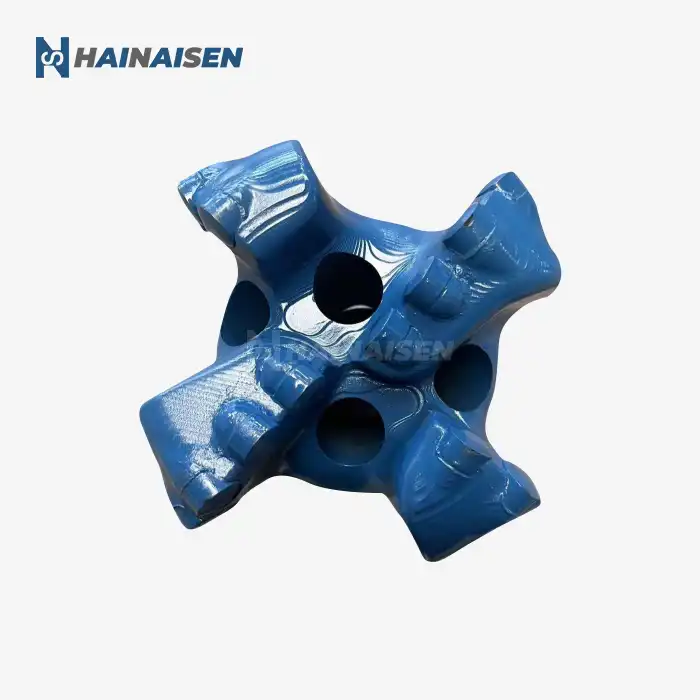 VIEW MOREFour Blade PDC Drill Bit
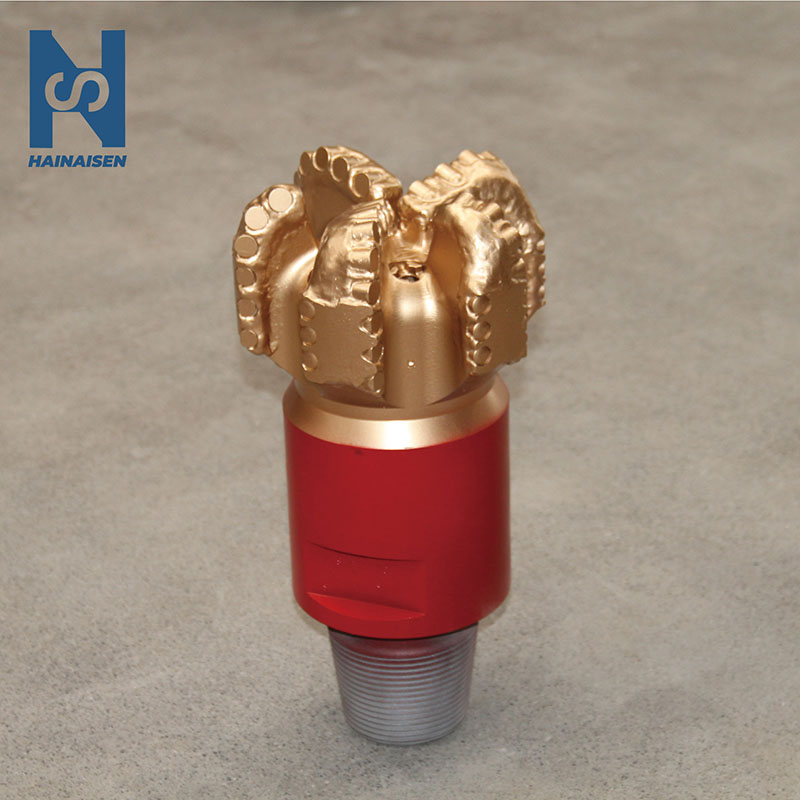 VIEW MOREFive Wing PDC Bit For Hard Rock Drilling
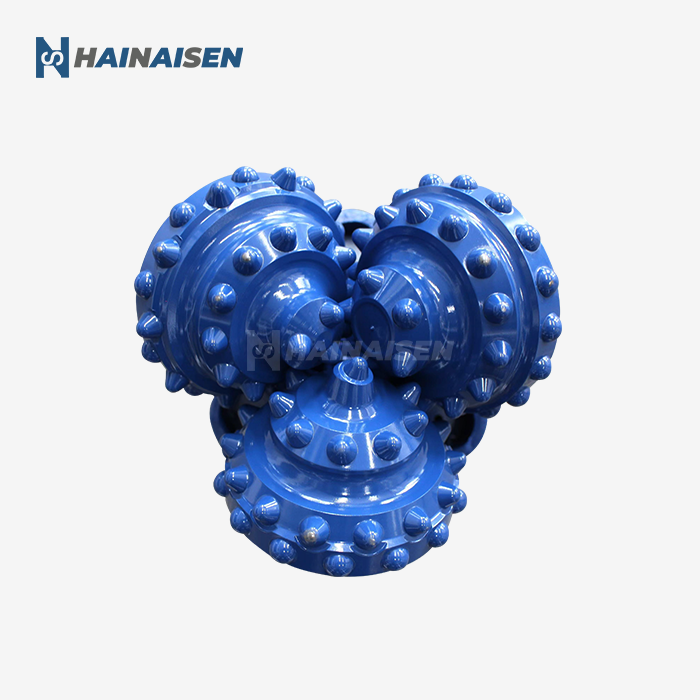 VIEW MOREHard Alloy Roller Drill Bit
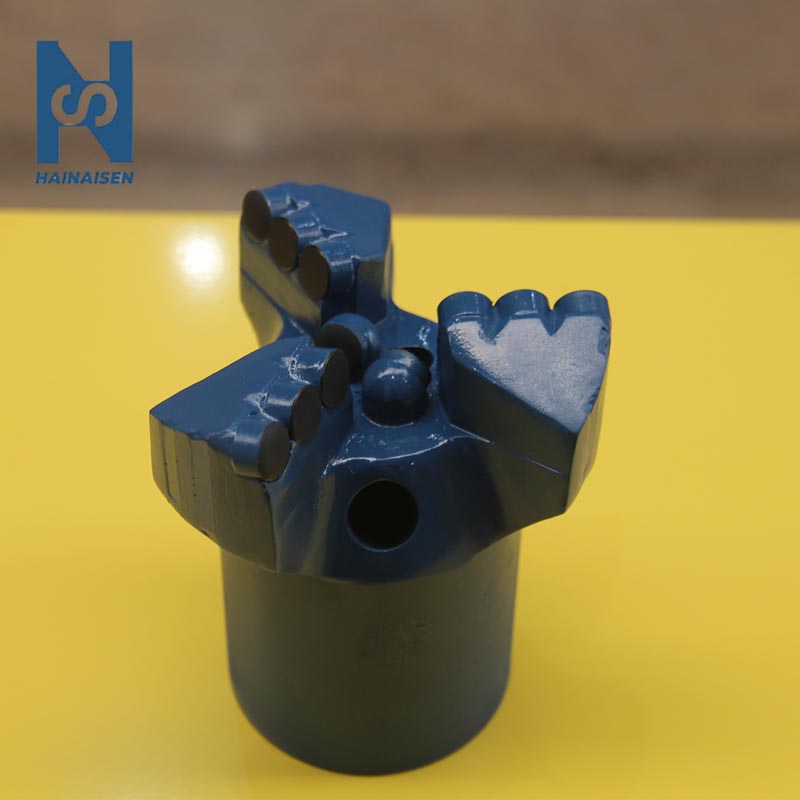 VIEW MORE3 Blades Steel Body PDC Bit