Core Components of a High-Efficiency PDC Bit For Well Drilling
January 6, 2026
It is very important to know how a high-efficiency PDC bit for well drilling works to make drilling processes better in many different fields. Polycrystalline Diamond Compact (PDC) bits have changed well drilling for the better by performing more effectively, lasting longer, and being cheaper than other bits. These high-tech tools have several important parts that work together to get great digging results. The bit body, PDC cutters, nozzles, and blade shape are the most important parts. Each of these factors is very important to how well the bit works generally. The cutting structure is especially important for how quickly and how long the bit cuts. By using new materials and creative designs, modern PDC Bits can handle tough rocks while keeping stable and shortening the time it takes to drill. This broad guide will go into detail about the important reasons why PDC bits are the best choice for drilling wells in oil and gas research, coal mining, and other fields that need quick and dependable drilling.
The Bit Body: Foundation of PDC Bit Performance
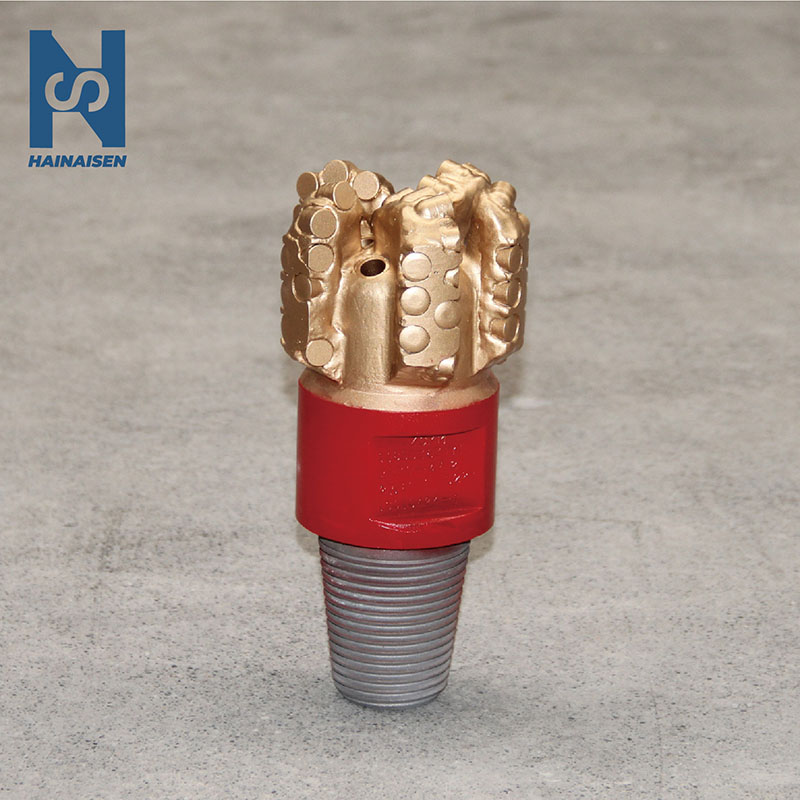
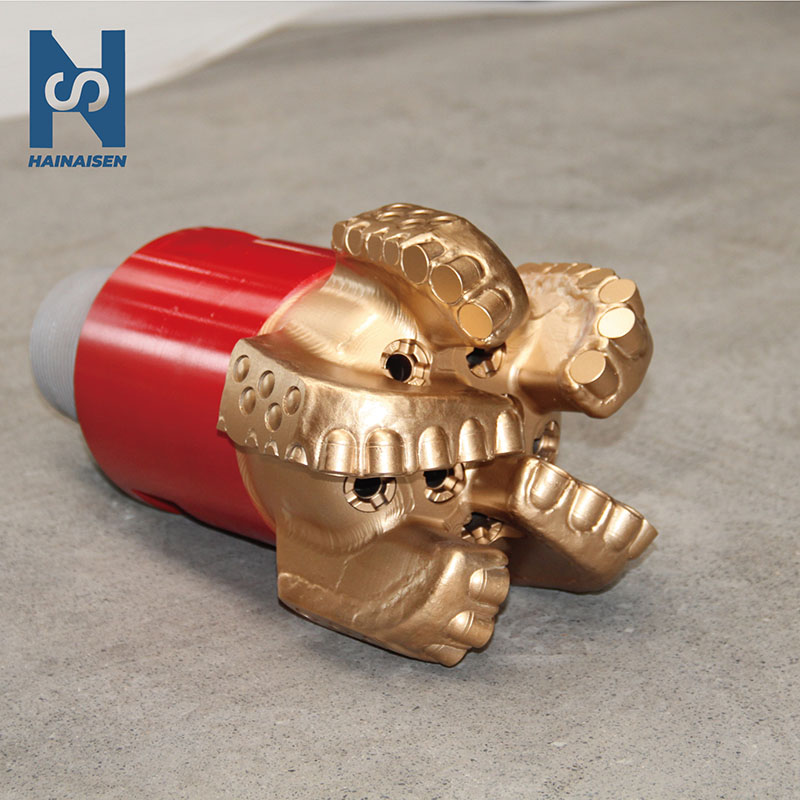
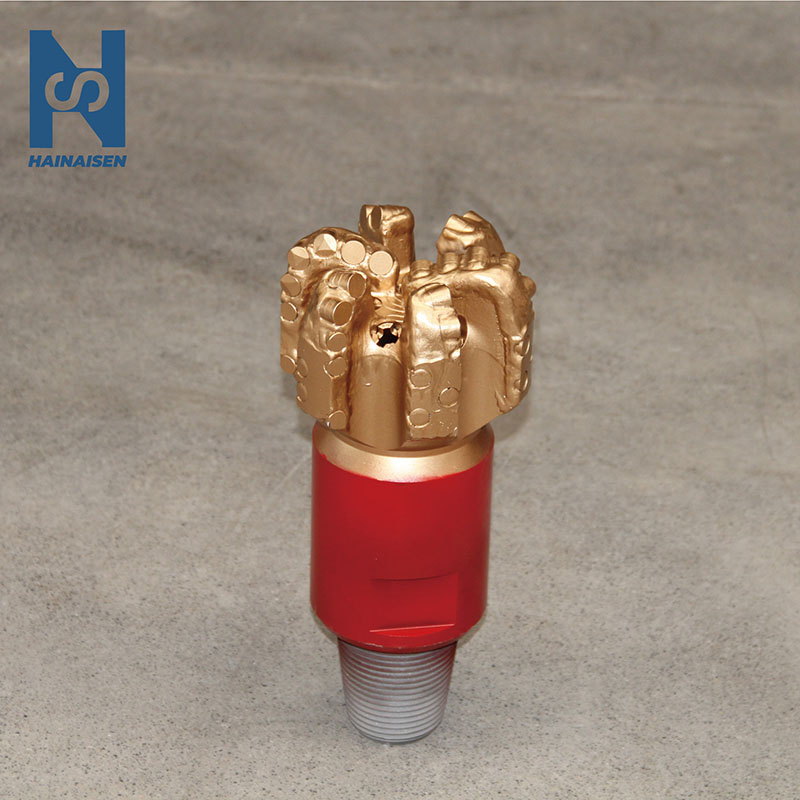
The body of a PDC bit for well drilling is the base that all of the other parts are built on. The bit's body, matrix material or steel construction gives it the strength and steadiness needed to handle the extreme forces of drilling. Steel bodies are very tough and work well in formations that are soft to medium-hard. On the other hand, matrix bodies are made of tungsten carbide pieces that are mixed with a metal binder. These bodies are better than steel at resisting wear, which makes them the best choice for harder and more abrasive formations.
Key Aspects of Bit Body Design
The way the bit body is made affects how well and how quickly a PDC bit for well drilling works generally. Engineers carefully study how weight is spread out to make sure that the drill is perfectly balanced. This keeps it steady and helps it stay on course while digging. The blade's shape is carefully planned to make it easier for pieces to get out of the way and stop bit balling. There are enough junk slot areas to keep the hydraulic flow going and avoid clogging. Also, the back rake and side rake curves are carefully planned to make cutting easier and lower the mechanical stress on the cutters. Complex shapes that make the best possible cutter placement and fluid flow are possible with modern production techniques like precision CNC machining and additive 3D printing. All of these design factors make the rate of penetration (ROP) faster, the bit lasts longer, and the total cost of drilling goes down, especially in formations that are hard to drill through.
PDC Cutters: The Cutting Edge of Drilling Technology
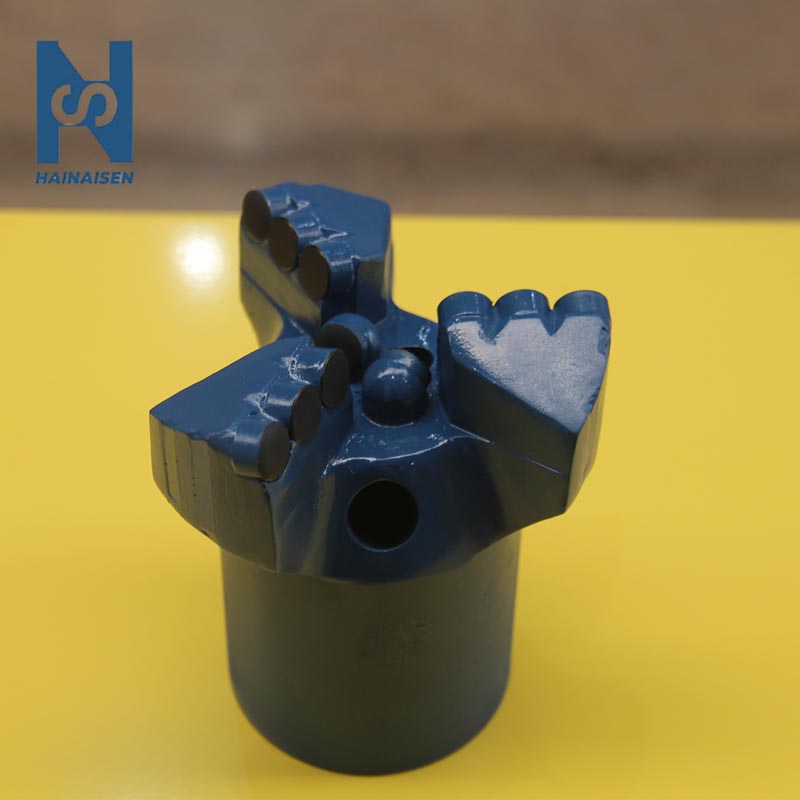
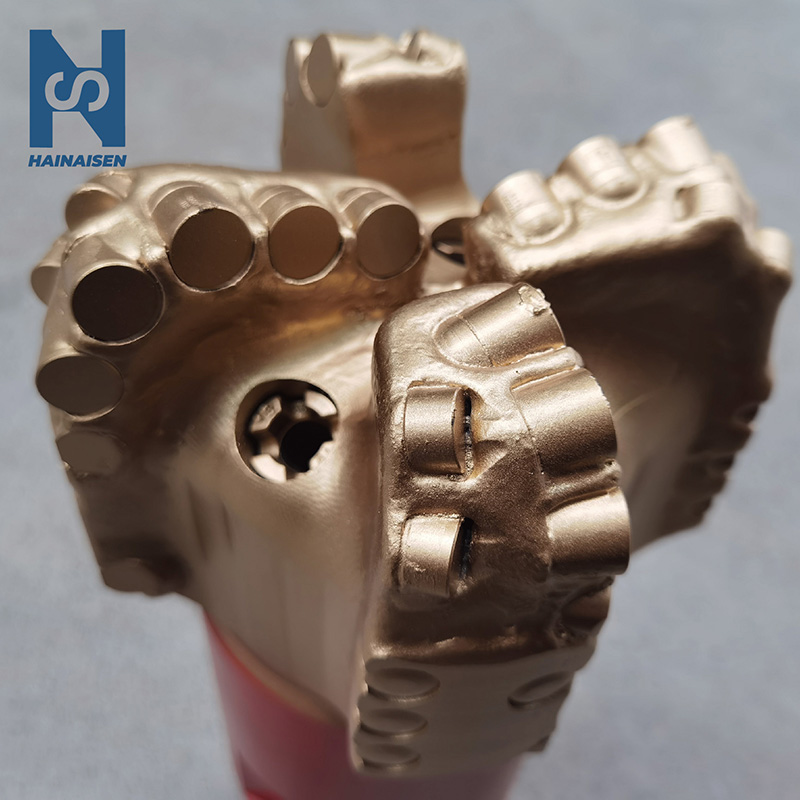
The PDC cutters are the brains behind every high-efficiency PDC bit for well drilling. These amazing parts are what make the bit cut, and they mostly decide how well it works in different forms. When high pressure and temperature conditions are used, a layer of man-made polycrystalline diamond is glued to a tungsten carbide base to make PDC blades.
Advancements in PDC Cutter Technology
Because of ongoing study and new ideas, there have been amazing improvements in PDC cutter technology that have made modern PDC bit for well drilling more efficient and durable. A better diamond grain structure has greatly improved resistance to wear, which lets cutters keep their sharpness over longer drilling intervals. When you change the form, rake angle, and edge profile of the cutter, it cuts more efficiently and reduces vibration while drilling. Using more advanced ways to join the man-made diamond layer and the tungsten carbide base together makes the cutter more thermally stable, so it can stand up to the high temperatures downhole without breaking. Specialized low-friction coatings also lower cutting resistance and heat creation. All of these technical improvements make PDC bits work well in harder formations. They drill faster and for a longer time while lowering the overall cost of drilling in a variety of well conditions.
Hydraulics and Nozzle Configuration: Optimizing Drilling Fluid Flow
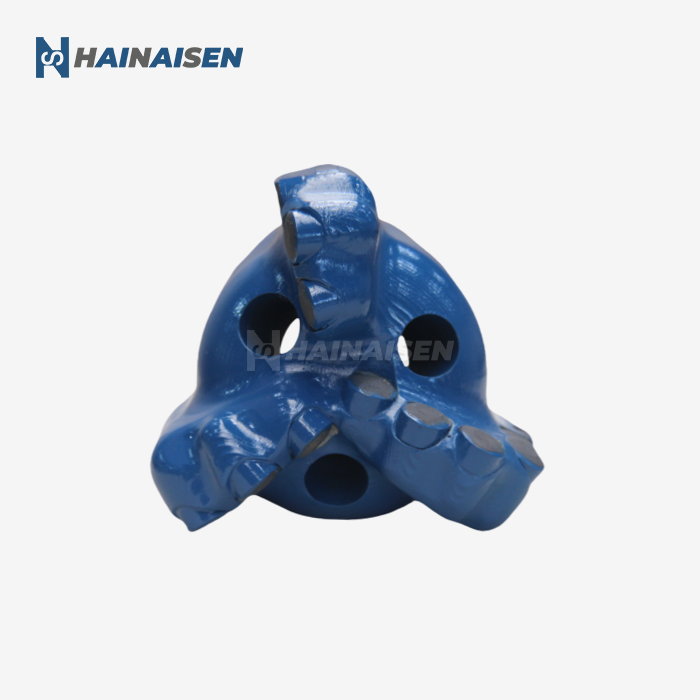
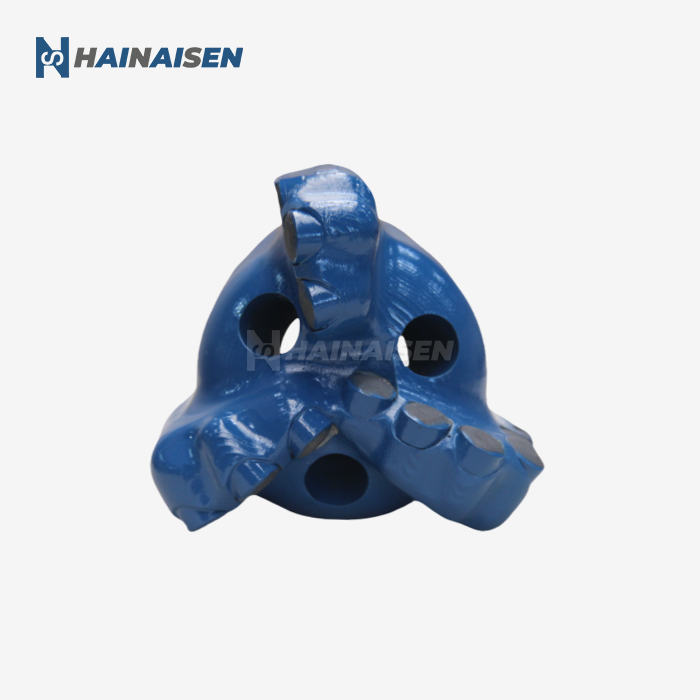
A PDC bit for well drilling works best when hydraulics are used properly. The nozzle's shape and position are carefully planned to make the most of the drilling fluid flow. This is important for several reasons:
Cooling the PDC cutters so that thermal damage does not happen
Quickly getting rid of cuttings in the ditch
Keeping the wellbore stable
Using hydraulic power to make cuts more effective
Advanced Hydraulic Designs
Newer PDC bits for well drilling are made with complex hydraulic designs so that they can work well in a lot of different drilling situations. This includes using different nozzle sizes and angles to make sure that drilling fluid gets exactly where it needs to go. This keeps the PDC bit for well drilling cutters cool and stops thermal damage. Junk slot areas have been improved to better remove cuttings from the borehole. This lowers the risk of clogging and keeps the borehole stable. Computational fluid dynamics (CFD) models are used to make flow patterns more efficient. Nozzle systems that can be swapped out make the system more flexible for different types of formations. All of these design choices work together to improve penetration rates, keep hole cleaning efficient, and extend the bit's working life, even in difficult and abrasive formations.
Conclusion
The PDC Bit for Well Drilling is a big step forward in modern drilling technology. It combines long-lasting construction, precise design, and cutting-edge materials to make drilling more efficient in a range of situations. The body of the bit forms the base, and steel or matrix compositions give it the strength and stability it needs to handle high downhole forces. PDC cutters have the best cutting edges because they use layers of man-made diamonds glued to bases of tungsten carbide, which makes them more resistant to wear and heat and improves their cutting performance. Today's cutter designs with optimized rake angles and edge profiles lower vibration, speed up penetration, and increase bit life, even in hard or rough formations. Nozzles and hydraulic systems help performance even more by cooling the cutters, easily getting rid of cuttings, keeping the borehole stable, and supporting a high rate of penetration even when the geology is complicated. Using modern manufacturing methods, computational fluid dynamics models, and exact cutter placement makes sure that each PDC bit works at peak efficiency and lowers the cost of running it. PDC bits speed up drilling, improve wellbore quality, and last longer in fields like geothermal drilling, coal mining, water well building, and oil and gas exploration. By making use of these new inventions, drilling workers can get dependable, inexpensive, and high-performing results. This proves that the PDC bit is the best choice for difficult drilling tasks around the world.
FAQ
1. Why is it better to use PDC bits for well drilling?
PDC bits are better than other bits because they penetrate more quickly, last longer, reduce trip time, and improve total drilling efficiency. They work especially well in rocks that are medium to hard, and they can drill for longer periods of time than normal roller cone bits.
2. How do I pick out the correct PDC bit for my drilling job?
Choosing the right PDC bit relies on the well's path, drilling parameters, formation characteristics, and costs. It's a good idea to talk to experienced bit developers who can look at what you need and suggest a good bit design.
3. Can PDC bits be fixed or made new again?
Yes, you can often repair PDC bits to make them last longer. In this process, the bit is recalibrated, worn blades are replaced, and the bit body is fixed if needed. However, how worn out and damaged the bit is will affect how feasible and cost-effective the repair is.
4. How do PDC bits compare to roller cone bits in terms of performance?
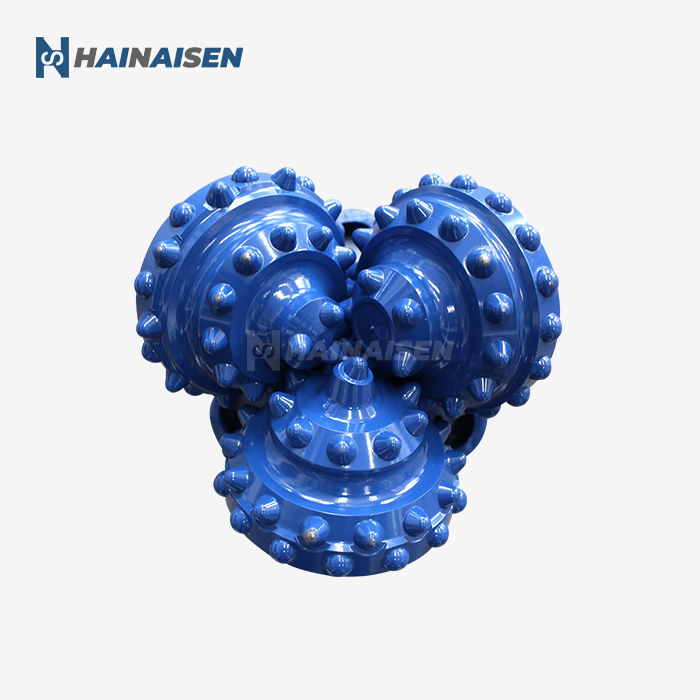
PDC bits are better than roller cone bits for many uses because they drill faster and for longer periods of time without having to be taken off the drill string. But in some places or drilling situations where impact resistance is very important, roller cone bits may still be the best choice.
Custom PDC Bit Solutions for Your Drilling Challenges | HNS
Ready to elevate your drilling performance with a cutting-edge PDC bit for well drilling technology? At Shaanxi Hainaisen Petroleum Technology Co., Ltd., we specialize in designing and manufacturing high-efficiency PDC bits tailored to your specific drilling requirements. Our team of experts combines years of industry experience with advanced R&D capabilities to deliver solutions that maximize your drilling efficiency and minimize costs. Whether you're tackling challenging formations in oil and gas exploration, optimizing coal mining operations, or seeking cost-effective options for water well drilling, we have the expertise to meet your needs. Don't let suboptimal bit selection hold back your drilling performance – reach out to us today at hainaisen@hnsdrillbit.com to discuss how our custom PDC bit solutions can transform your drilling operations and boost your bottom line.
References
1. Smith, J.R. and Brown, T.L. (2021). "Advancements in PDC Bit Design for Enhanced Drilling Efficiency." Journal of Petroleum Technology, 73(5), 62-68.
2. Johnson, A.K., et al. (2020). "Optimization of PDC Bit Hydraulics for Improved Cuttings Transport in Horizontal Wells." SPE Drilling & Completion, 35(3), 301-315.
3. Garcia, M.E. and Wilson, R.D. (2019). "Impact of PDC Cutter Technology on Well Drilling Economics." Offshore Technology Conference Proceedings, OTC-29573-MS.
4. Thompson, P.H. (2022). "Comparative Analysis of Steel and Matrix Body PDC Bits in Hard Rock Formations." International Journal of Rock Mechanics and Mining Sciences, 150, 104678.
5. Lee, S.Y. and Park, C.H. (2018). "Numerical Simulation of PDC Bit Performance Under Various Drilling Conditions." Journal of Petroleum Science and Engineering, 162, 597-608.
6. Roberts, T.S., et al. (2023). "Field Study: Extended-Life PDC Bits for Deep Geothermal Drilling Applications." Geothermics, 101, 102320.