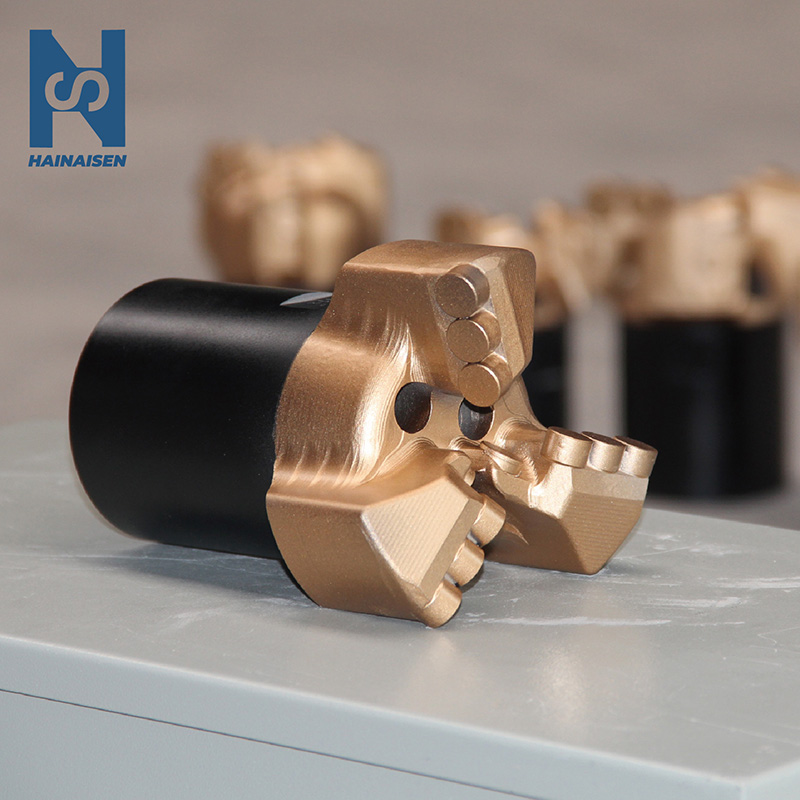
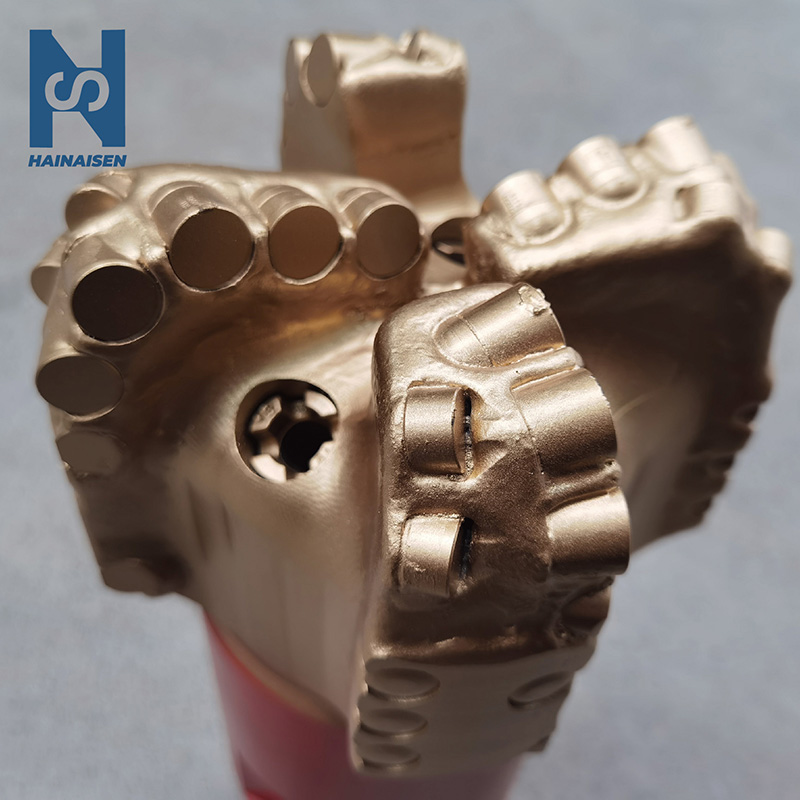
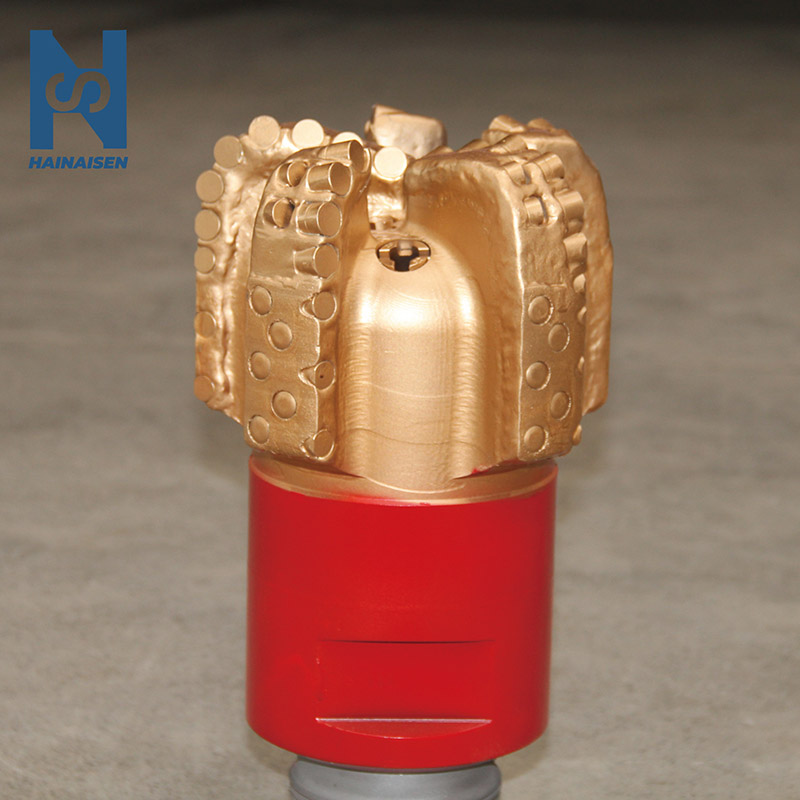
Custom Petroleum PDC Oil Drill Bit for Complex Formations
When drilling through unpredictable subsurface environments, a custom petroleum PDC oil drill bit becomes indispensable. These specialised drilling tools combine polycrystalline diamond compact technology with tailored engineering to address the unique challenges of heterogeneous rock layers, abrasive formations, and extreme downhole conditions. Unlike standardised solutions, custom-designed bits optimise cutter placement, blade geometry, and material selection to match specific geological profiles, dramatically improving penetration rates while extending operational lifespan. This targeted approach reduces costly downhole trips and enhances overall drilling economics across oil and gas extraction, coal mining, and geological exploration projects.
Understanding Petroleum PDC Oil Drill Bits and Their Role in Complex Formations
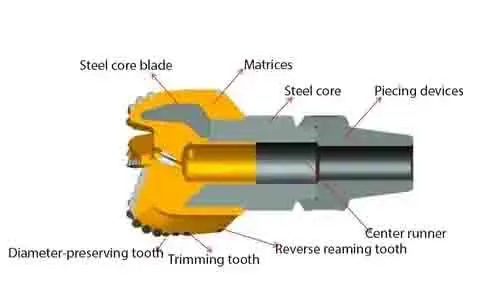
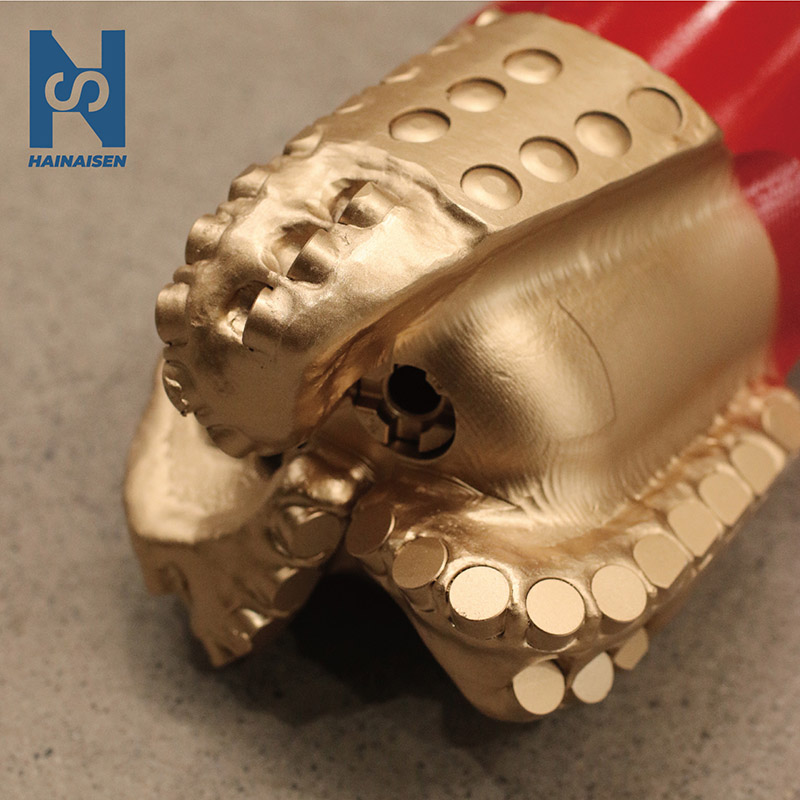
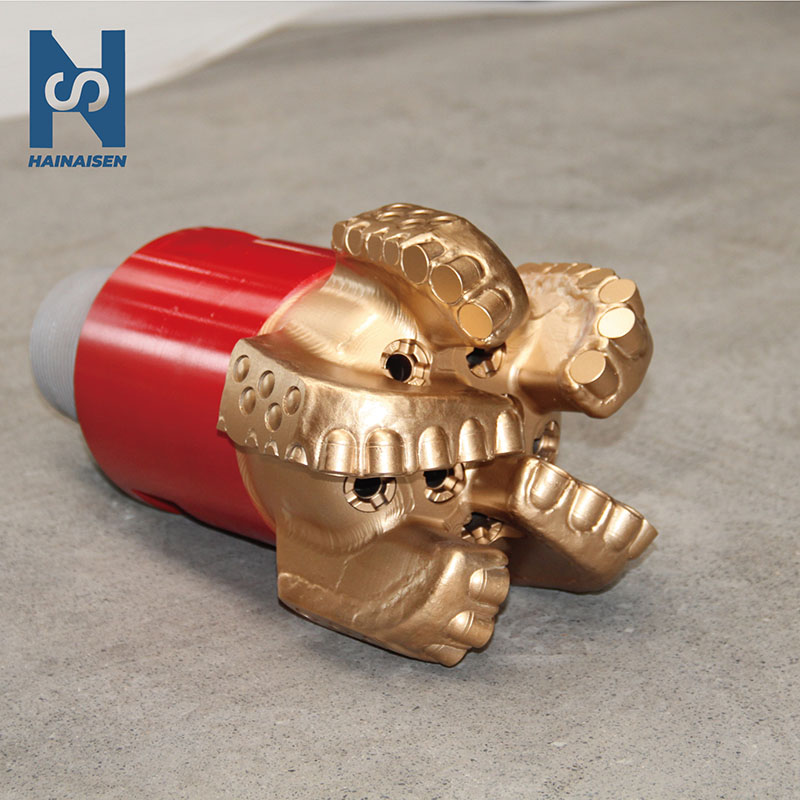
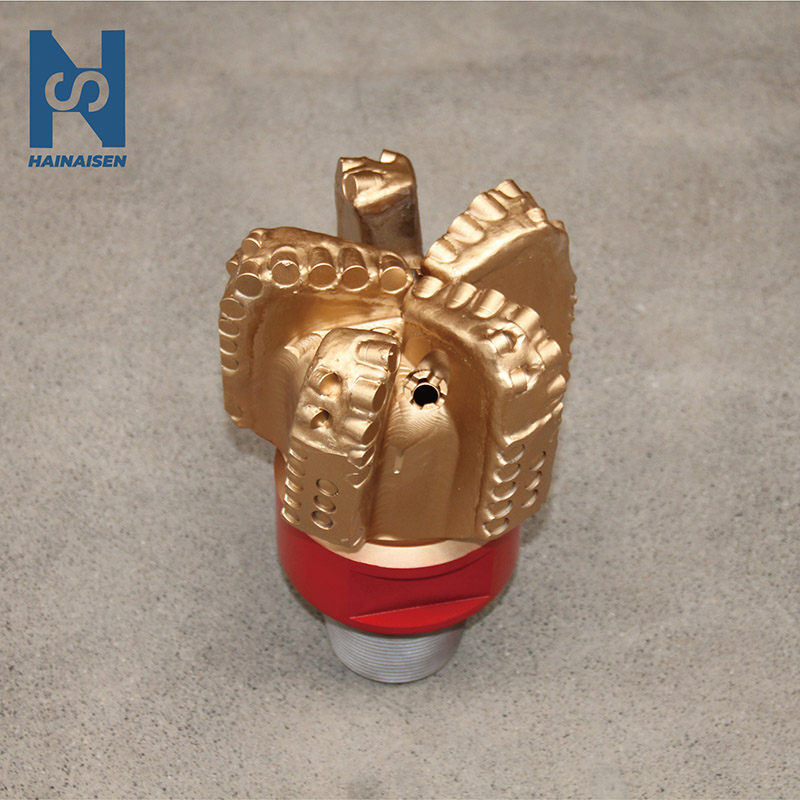
Polycrystalline diamond compact drill bits are a big step forward in the technology used for cutting. The basic structure is made up of tungsten carbide substrates that are joined to synthetic diamond cutters and then carefully placed on a steel or matrix body. This design lets the bit cut through rock layers instead of crushing them, which makes a huge difference in how well the drill works.
How Does PDC Technology Operate?
The process for cutting depends on the scraping action that never stops. The drill string spins at speeds of 80 to 300 times per minute, and the very hard diamond cutters cut through thin layers of rock. The shearing process breaks up the rock into smaller pieces that are easier to get out of the shaft using 20 to 35 litres per second of hydraulic movement.
The Manufactured diamond layer is second only to real diamond in terms of hardness, making it very resistant to wear. In the meantime, the tungsten carbide substrate gives the structure the strength it needs to resist drilling forces between 10 and 100 kilonewtons. When put together, these parts make a cutting tool whose tips stay sharp during long digging campaigns.
Advantages Over Traditional Roller Cone Bits
Roller cone bits break up rock by spinning cones with teeth built into them, which isn't always the best way to do it. Because cutting action takes less energy than breaking action, petroleum PDC oil drill bits can go deeper faster. We've seen that PDC technology makes machines simpler because it doesn't have any moving parts that could break like roller cone designs do with their bearings and seals.
In certain formations, the lack of moving parts immediately leads to greater bit life. When cutting through shale, limestone, sandstone, or gypsum—rocks that are medium hard and low in compression strength—PDC Bits can work for longer periods of time before they need to be replaced, which cuts down on the time they can't be used.
Types of PDC Bits for Different Geological Challenges
Because of the way each shape is formed, different bit configurations are needed. Fixed-cutter designs work well in layers that are mostly the same because they can predict how the rock will behave and give regular results. Because they are solidly built, they don't have any weak spots, which makes them perfect for constant drilling.
By focusing on the scraping action, shear-type designs make cutting more efficient in soft forms. The cutter angles and placement patterns are set up so that they take the most material with each turn. This speeds up work in areas with a lot of clay or that aren't fully compacted.
Hybrid designs combine parts of different bit types to make flexible tools that can be used in areas where rock properties change quickly. When these bits come across patterns of interwoven soft and hard layers, they stay stable. This keeps their performance from dropping suddenly like standard bits do.
Specialised Petroleum PDC Oil Drill Bits are used for specific tasks, like digging ultra-deep oil wells or high-temperature geothermal wells. These are made of high-tech materials and have cooling features to keep cutting effectively even when temperatures are very high.
Challenges in Drilling Complex Formations and How Custom PDC Bits Solve Them?
In complex geological settings, normal digging tools wear out faster, don't work as well, and are more likely to break. Abrasive rocks with quartz or other hard minerals wear down cuts quickly, and heterogeneous zones with alternating soft and hard layers cause shaking and uneven weight distribution.
Common Problems with Standard Bits
Because they are made for average conditions rather than specific problems, generic petroleum PDC oil drill bits often don't work well in changeable patterns. When diamond quality or cutter density isn't right for rough zones, rapid cutter wear happens. In deep wells, where temperatures below the well's surface are higher than what normal materials can handle, thermal degradation can be a problem.
Bad hydraulic design makes it hard to get rid of cuts in petroleum PDC oil drill bit applications, which causes rock pieces to be ground up again, which speeds up wear. In some layers, standard blade shapes may cause too much pressure or vibration, which can slow down drilling and damage downhole equipment.
Custom Design Solutions
Custom engineering gets around these problems by using systematic improvement. Before choosing a material, it's important to know how it was formed. For example, harder, more thermally stable diamond types are better for rough settings, while special binder metals are needed for high-temperature uses.
The shape of the cutter is carefully looked at. Engineers change the back rake angle, side rake angle, and cutting size to get the best slicing action for different types of rock. It is easier for bigger cutters to work with softer patterns, but it is harder for smaller cutters with sharp angles to get through harder zones. The three-dimensional arrangement of cutters on each blade evens out the cutting forces so that there is little shaking and movement from side to side.
Better hydraulic systems make it easier for cuttings to escape through outlets and junk holes that are placed in the right places. When the fluid flows properly, it keeps the cutting from getting damaged during regrinding and keeps the working temperature lower by effectively removing frictional heat.
We make blade shapes that make sure the cutting structure's weight is spread out evenly. This makes sure that the bit wears evenly and stays stable throughout the drilling interval, so it doesn't break too soon from overloading in one place.
Measurable Performance Improvements
Custom-engineered systems have benefits that can be measured. In a recent project, bits used for boring through layers of interbedded shale and limestone showed 40% faster penetration rates than normal bits. The custom design kept the torque constant even when the order changed, which cut down on stick-slip vibrations that damage drill strings.
The bit lasts 35% longer because the cutters were placed better and the diamonds were of higher quality. This longer run length cut down on the number of trips needed to hit the goal depth, which saved three days of drilling time and a lot of money on operational costs.
In another case where a water well was drilled through rough rock, custom bits lasted twice as long as regular ones. Careful material matching and hydraulic tuning kept the cutter from breaking down too soon, which increased its longevity.
Selecting the Best Petroleum PDC Oil Drill Bit for Your Specific Needs
When making procurement choices, you have to weigh technical requirements against cost factors. Instead of just looking at the original buy price, the selection process needs to take into account the characteristics of the formation, the operational factors, and the long-term value.
Key Technical Criteria
The main selection factor is the type of formation. For shale and other soft rocks, bigger cutters and more aggressive blade shapes work best because they remove more material. For medium-hard rocks like limestone, you need well-balanced shapes that last without lowering the rate of entry. Hybrid designs that can handle property changes are needed for interbedded sequences.
Several design factors are affected by the operating depth. Higher temperatures and pressures are found in deeper wells, so they need materials that don't change when heated and strong structures. The hydraulic needs change with depth because the qualities of the fluid change when it is downhole.
In geothermal uses or very deep oil wells, temperature protection is very important. Standard Petroleum PDC oil drill bit cutters stop working at temperatures above 750 degrees Celsius, but high-temperature types keep working at those high temperatures. When the conditions at the bottom of the hole allow it, we use these modern materials.
Performance Benchmarks and ROI Analysis
When comparing custom and standard bits, you need to look at more than just the original cost. The rate of penetration directly affects the length of time needed to drill. For example, a custom bit that drills 30% faster cuts rig time by the same amount, which often more than covers the extra cost of customisation.
How many gaps can be made before the bit needs to be replaced is based on its life. A handmade bit that costs 50% more but lasts twice as long is a better deal because it cuts down on trips and wasted time. Fewer trips also mean that drill strings and other tools wear out less quickly.
The most useful way to compare is to look at the total cost per metre dug. This measure takes into account bit cost, rig time, and trip costs to show real economic success. Because they drill faster and last longer, custom petroleum PDC oil drill bits often have cheaper per-metre costs even though they cost more to buy.
Procurement Logistics
Based on how complicated they are, PDC drill bit manufacturers' lead times for unique bits are usually between four and eight weeks. By planning drilling jobs around these dates, you can be sure that bits will come when they're needed without any delays. You might be able to get rush orders, but they usually cost more.
Different makers use different pricing models. Some give set prices for basic levels of personalisation, but quotes for more complicated designs are needed. For drilling projects that need more than one bit, volume agreements can help get better prices.
The warranty should cover problems with the way the product was made and make it clear how much wear it can take. Trustworthy makers stand behind their goods and expect businesses to run in a reasonable way. Support after the sale, such as expert advice and performance research, adds value to the product itself.
Overview of Top Manufacturers and Suppliers of Custom Petroleum PDC Oil Drill Bits
Finding makers with proven engineering skills and uniform quality standards is important for getting high-quality custom bits. There are both well-known companies and new companies that are specialising in certain uses or niche markets in the global market.
Evaluating Manufacturer Credentials
Certifications from the industry show that quality control methods work. ISO 9001 certification shows that production methods are standardised, and API standards show that they meet the needs of the petroleum business. These licences are usually required by manufacturers who work with the oil and gas industry.
Customisation is what sets true engineering-focused makers apart from simple resellers. Look for companies that have their own design teams, modern manufacturing tools like five-axis machine centres, and safe places to test their products. With these tools, real custom engineering can happen instead of small changes to stock goods.
Technical advice methods show how good the customer service is. When it comes to drilling, manufacturers who take the time to learn about your specific problems and the way the formation works will give you better results than those who just give you general advice. Support during digging operations, such as fixing problems with performance and improving design, adds value after the initial buy.
Shaanxi Hainaisen Petroleum Technology: A Custom Solution Provider
Shaanxi Hainaisen Petroleum Technology Co., Ltd. was founded in 2013 in Xi'an and has a 3,500-square-metre factory with the latest production technology. With our five-axis machining centres and CNC machine tools, we can precisely make the complicated bit geometries that are needed for unique designs.
Custom Petroleum PDC Oil Drill Bit engineering is what our focused research and development team does best. We work directly with clients to learn about the properties of the formation, the working factors, and the performance goals. This way of working together makes sure that each bit design solves specific geological problems instead of using general answers.
The business works with many different types of industries, such as coal mining, oil and gas extraction, geological surveys, and drilling water wells. This wide range of digging experience in a variety of settings gives us information that helps us make better design choices. As part of their manufacturing skills, they can make everything from raw materials to finished products, making sure that quality standards are met at all times.
Purchasing Channels and Logistics
When it comes to price, professional help, and customisation options, talking to the manufacturer directly is often the best option. Digital bulk platforms make shopping easier and let you compare prices, but they may make it harder to get technical help or deep customisation.
When sending goods between countries, you need to pay attention to customs paperwork and possible import taxes. PDC drill bit manufacturers with a lot of experience can help with the right paperwork and labelling to make cross-border deals go more smoothly. For bigger orders, combining containers can lower the cost of freight.
Conclusion
When drilling through complicated formations, Custom Petroleum PDC Oil Drill Bits give you real benefits. Investing in customised cutters, blade shapes that are optimised, and materials that are made for specific formations directly leads to faster penetration rates, longer bit life, and lower running costs. To be successful, you need to carefully choose the bits you use based on a full formation analysis, work with capable makers who can really customise their products, and follow strict operating procedures that protect your investment. We've seen how careful engineering can solve problems caused by natural features like rough sandstone and interbedded shale patterns, providing results that general solutions can't match. In addition to the bit itself, the economic benefits include shorter rig times and fewer trips, as well as better general drilling performance in a wide range of situations.
FAQ
1. What factors determine customisation requirements for my specific formation?
The main factors are formation hardness, abrasiveness, compression strength, and uniformity. We look at rock samples or data from offset wells to figure out their mechanical qualities. Based on this information, we choose the best cutter grade, size, and placement. Design choices are also affected by the operating level, the temperature, and the penetration rate that is desired. More exact customisation that improves speed is possible with detailed geological knowledge.
2. How much efficiency improvement can I expect in shale drilling operations?
Different situations lead to different performance gains, but on average, our unique designs penetrate shale 25–40% faster than standard bits. BitLife is often extended by 30 to 50 per cent by using better materials and designing the hydraulics better. These improvements cut down on the total time needed for drilling and the cost per metre dug by a large amount.
3. What are typical production lead times for custom petroleum drill bits?
Normal tasks that need customisation take four to six weeks from the time the order is confirmed until it is delivered. It could take up to eight weeks for designs that are very complicated and use specialised materials or unusual shapes. We suggest that drilling plans be made around these dates. There is sometimes rush production available for pressing needs, but the price may change.
Partner with HNS for Superior Custom Drilling Solutions
Your drilling success depends on how well you choose the custom Petroleum PDC Oil Drill Bit maker. At HNS (Shaanxi Hainaisen Petroleum Technology Co., Ltd.), we use cutting-edge manufacturing techniques and technical know-how to make bits that are perfect for your formation problems. Our Xi'an facility is 3,500 square meters and has five-axis machine centers and specialized welding production lines that make very precise parts with complicated shapes. In addition to manufacturing, our R&D team offers full scientific advice, looking at your unique geological conditions to suggest the best combinations. We work with oil service companies, coal mines, and water well digging teams on a range of project sizes. Email our engineering team at hainaisen@hnsdrillbit.com to talk about your drilling needs and get full technical specs.
References
1. Bellin, F., Dourfaye, A., King, W., & Thigpen, M. (2010). "The Current State of PDC Bit Technology." World Oil Magazine, 231(9), 41-46.
2. Clayton, R., Chen, S., & Lefort, G. (2005). "New Bit Design, Cutter Technology Extend PDC Applications to Hard Rock Drilling." SPE/IADC Drilling Conference, Paper 92558.
3. Durrand, C. J., Skeem, M. R., & Hall, D. R. (2011). "Thick PDC Cutters for Hard Rock Drilling: A Case Study." AADE National Technical Conference, Paper AADE-11-NTCE-9.
4. Glowka, D. A. (1989). "Use of Single-Cutter Data in the Analysis of PDC Bit Designs: Part 2—Development and Use of the PDCWEAR Computer Code." Journal of Petroleum Technology, 41(08), 850-859.
5. Sinor, L. A., & Warren, T. M. (1989). "Drag Bit Wear Model." SPE Annual Technical Conference and Exhibition, Paper SPE-19130-MS.
6. Warren, T. M., & Armagost, W. K. (1988). "Laboratory Drilling Performance of PDC Bits." SPE Drilling Engineering, 3(02), 125-135.

logo 1_1768274683075.jpg)