



Petroleum PDC Oil Drill Bit Factory for Energy Industry Buyers
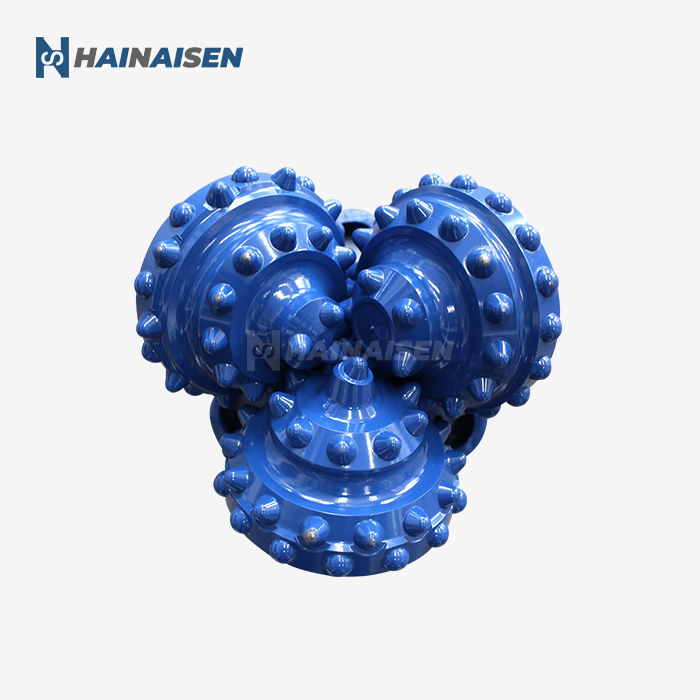
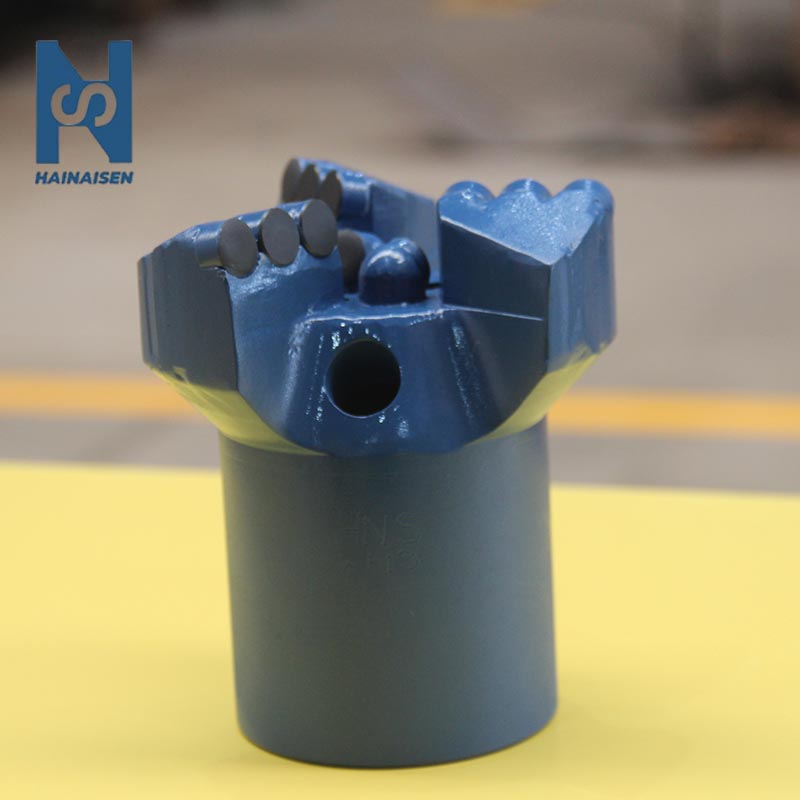
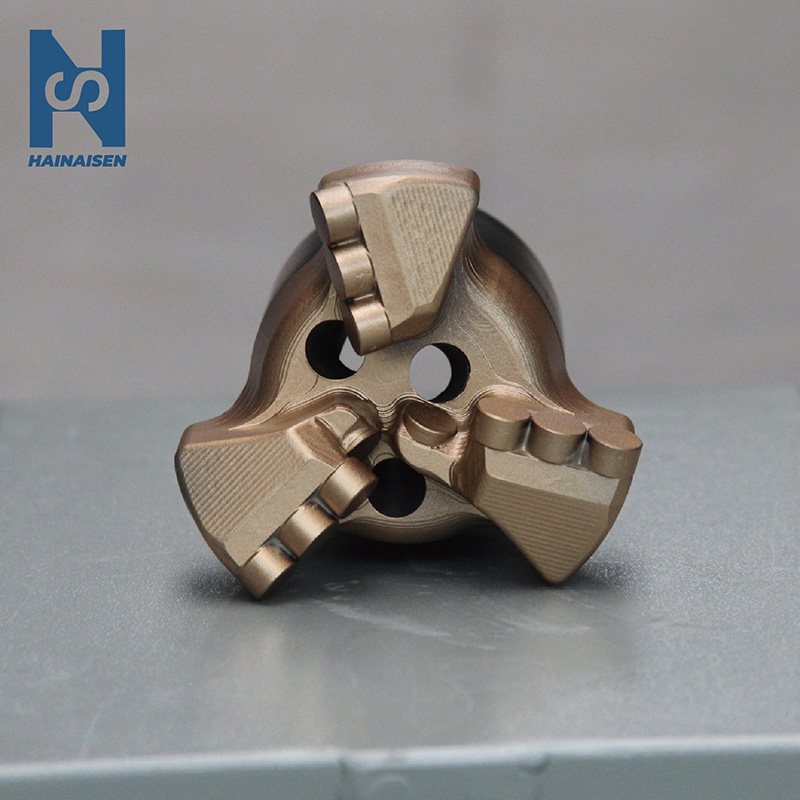
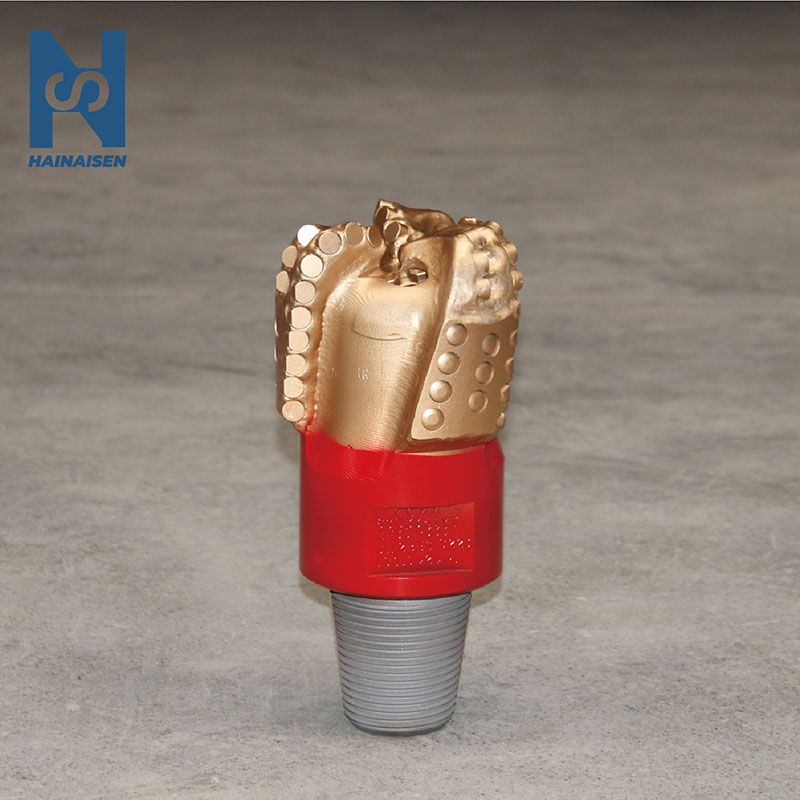
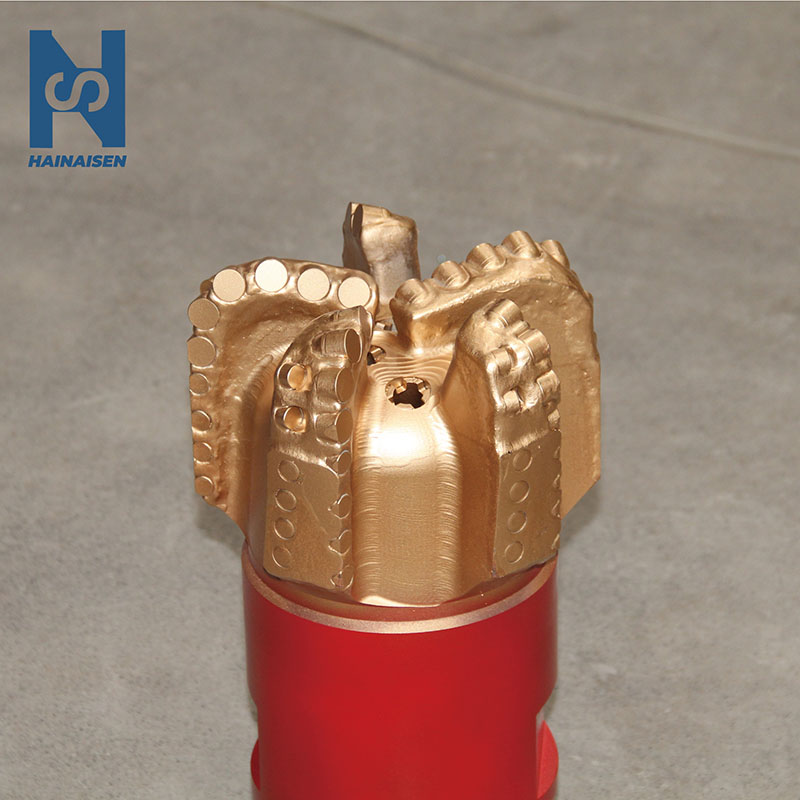
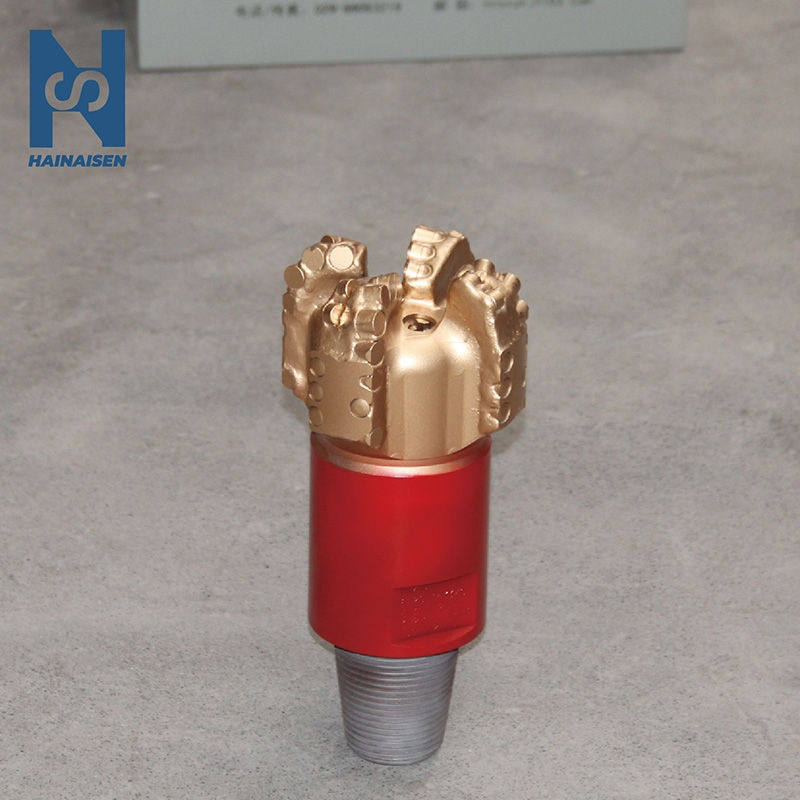
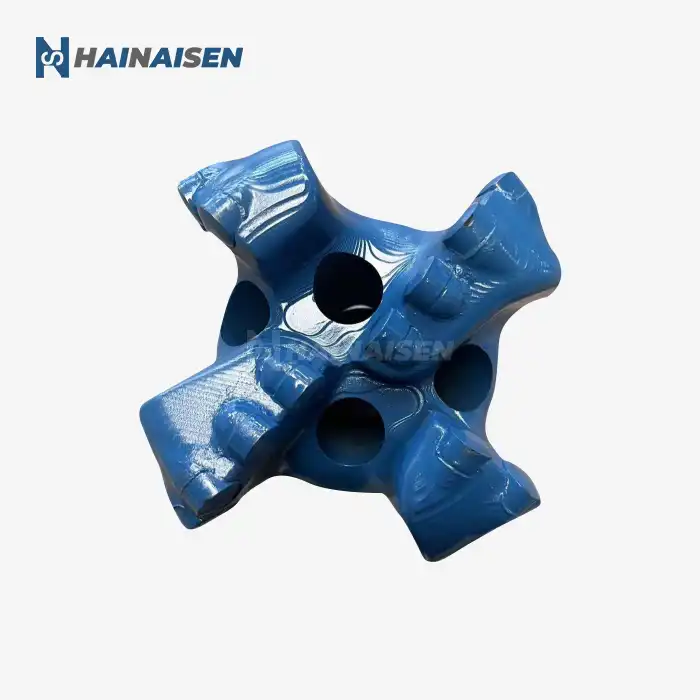
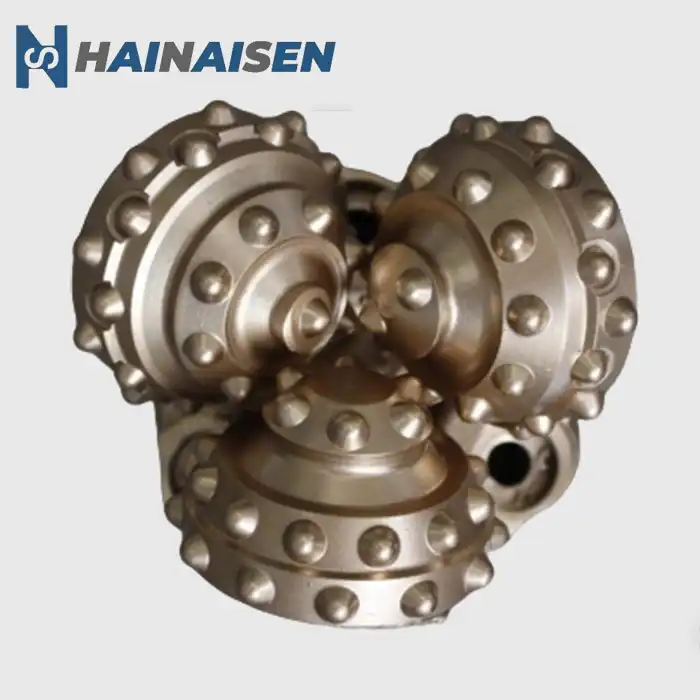
When selecting drilling equipment for energy projects, procurement managers face a critical decision that impacts operational efficiency and project profitability. A Petroleum PDC Oil Drill Bit Manufactured by a specialized factory like HAINAISEN offers energy industry buyers a superior drilling solution. These advanced tools incorporate polycrystalline diamond compact cutters bonded to carbide substrates, delivering exceptional penetration rates and extended service life across diverse geological formations. Unlike traditional roller cone bits, PDC technology enables continuous shearing action that reduces downtime and lowers total drilling costs—a combination particularly valuable for oil service companies, coal mining operations, and water well drilling teams working under tight budget constraints.
Understanding Petroleum PDC Oil Drill Bits: Design, Function & Advantages
The Core Technology Behind PDC Drilling Tools
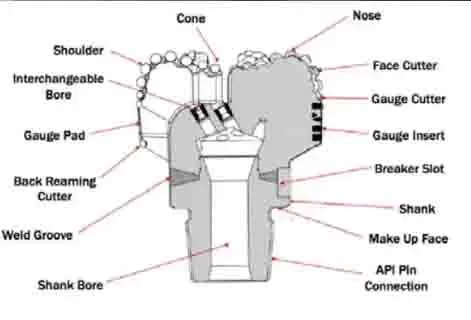
The way PDC Bits work is very different from how other boring tools work. Big diamond blades on the bit's body scrape rock layers together over and over again instead of breaking them. This way of cutting speeds up the drilling process and makes the holes smoother. You can find tungsten carbide at the bottom of each cutter and man-made diamond made under high pressure and high temperature on top. Because of its shape, it can go through tough rock layers and is strong enough to handle high pressures deep underground. Because the cutters are placed in the right spots on the blades, the weight is spread out properly, and cuts are taken off quickly, which directly speeds up the rate of entry.
Performance Advantages Over Traditional Drilling Methods
When people in the energy business look at drilling tools, they should know about the measured benefits that PDC technology offers. In the right forms, PDC bits usually have 20–40% better penetration rates than roller cone bits. The constant cutting action gets rid of the contact forces that wear out standard bits too quickly, so they last longer. Because it lasts longer, the bit trips less often, which means less time spent not working and lower drilling costs per foot. In directed drilling, where accurate turning is important, PDC bits also work better than other types of bits. Diamond cutters are thermally stable, which means that they can keep cutting well even when temperatures rise below ground during long digging operations.
Formation Compatibility and Operational Parameters
Medium-hard rocks with low to middling shear strength work best with current PDC drill bits. The PDC method works really well with rocks like shale, limestone, sandstone, and gypsum. Our oil drilling tools work best in a range of 80 to 300 RPM. For drilling pressure, the best range is between 10 and 100 KN. For flow rate, the best range is between 20 and 35 liters per second. These rules at work keep the cuts from getting too hot, which could hurt them, and make sure they fit properly with the rock forms. You can help technical experts pick the right tools for the rocks they work with if they know these things. You can dig faster, and the tools will last longer this way.
Selecting the Best Petroleum PDC Oil Drill Bit for Your Project
Critical Evaluation Factors for Procurement Teams
Choosing the right drilling tool requires careful analysis of several interconnected factors. Formation characteristics represent the primary consideration—soft to medium-hard formations with minimal abrasive content suit PDC technology best. Procurement managers should also evaluate the total cost of ownership rather than focusing solely on the initial purchase price. Drilling costs can be cut significantly with a higher-quality bit that delivers 30% more footage before replacement. Energy consumption patterns matter as well, particularly for large-scale operations where fuel costs accumulate rapidly. PDC bits typically require less weight-on-bit compared to roller cone alternatives, translating to reduced energy requirements and lower operational costs throughout the project lifecycle.
Customization Options for Specialized Applications
Every drilling project presents unique challenges that standardized Petroleum PDC Oil Drill Bit equipment cannot always address effectively. HAINAISEN's engineering team collaborates directly with clients to design customized solutions tailored to specific geological conditions and operational requirements. Our customization service examines factors including formation hardness, anticipated drilling depth, directional requirements, and hydraulic considerations. We adjust cutter size, blade configuration, and gauge protection based on these parameters. This personalized approach enables coal mining companies to access price-competitive solutions without sacrificing performance, while large oil service companies receive the precision-engineered Petroleum PDC Oil Drill Bit tools their quality standards demand. Custom bit designs can improve penetration rates by 15-25% compared to off-the-shelf alternatives in challenging applications.
Real-World Application Scenarios
Our petroleum drilling equipment serves diverse energy sector needs with proven reliability. Offshore oil exploration projects benefit from the reduced trip time PDC bits provide, which matters significantly when rig day rates exceed $500,000. Natural gas drilling operations appreciate the consistent performance across varying formation types encountered in multi-zone wells. Geothermal well construction demands the thermal stability that diamond cutters inherently offer. Hard rock mining projects utilize PDC technology where ore bodies intersect with sedimentary formations. Water well drilling teams working with limited budgets find that our cost-effective designs deliver the drilling footage their projects require without exceeding financial constraints. Geological core sampling and exploration programs value the smooth boreholes PDC bits create, which facilitate accurate sample recovery.
Procuring Petroleum PDC Oil Drill Bits: Suppliers, Pricing & Logistics
Evaluating Manufacturing Capabilities and Credentials
Selecting a reliable supplier requires thorough vetting of manufacturing capabilities and quality systems. HAINAISEN operates a 3,500-square-meter facility in Xi'an equipped with advanced processing equipment, including 5-axis machining centers, CNC machine tools, and specialized welding production lines. This modern infrastructure enables precise manufacturing tolerances that directly impact bit performance. Procurement teams should verify that suppliers maintain rigorous quality control protocols—every bit we produce undergoes comprehensive inspection and testing before shipment. Certifications, client testimonials, and verifiable project references provide additional confidence. The availability of after-sales technical support separates reputable manufacturers from commodity suppliers, particularly when field personnel encounter unexpected drilling conditions requiring expert guidance.
Understanding Pricing Structures and Value Propositions
PDC bit pricing reflects several cost components that buyers should understand clearly. Material expenses—particularly the synthetic diamond cutters and high-grade steel bodies—represent significant production costs. Manufacturing technology and precision equipment investment also influence pricing. Production scale affects unit costs, which explains why bulk purchasing arrangements often yield favorable terms. At HAINAISEN, we maintain transparent pricing structures that help procurement managers calculate the total cost of ownership accurately. Warranty terms add another dimension to value assessment. Our commitment to quality means we stand behind our products with comprehensive warranty protection that protects buyers against premature failure due to manufacturing defects. This combination of competitive pricing and warranty protection delivers exceptional value for medium and large-sized oil service companies establishing long-term supplier relationships.
Logistics Considerations for Timely Project Supply
Efficient logistics ensure that diamond oil drill bit drilling operations maintain schedule momentum without costly delays. Our distribution network accommodates both domestic and international shipments, with established processes for export documentation, packaging standards, and freight coordination. Lead times vary based on order complexity—standard configurations typically ship within 2-3 weeks, while custom-designed bits require 4-6 weeks for engineering, manufacturing, and quality verification. Purchasing managers should communicate project timelines clearly during the ordering process, allowing suppliers to align production schedules with delivery requirements. We maintain a strategic inventory of common diamond oil drill bit sizes to support urgent replacement needs that arise during drilling operations. Digital ordering capabilities streamline the procurement process, enabling technical engineers to specify diamond oil drill bit requirements precisely and track order status throughout the fulfillment cycle.
Maximizing Performance and Lifespan of Petroleum PDC Oil Drill Bits
Practical Maintenance Protocols
When you use and handle bits, be careful. This will help them last longer. Before you put a bit down a hole, you should make sure the tool, the blades, and the gauge are all the right size. Keep an eye out for these things as you dig. Is there too much power or shaking? If so, something needs to be fixed right away. The weight of the bit should not be too heavy so as not to damage the cutter by putting too much weight on it. It is necessary for hydraulic flow rates to be high enough to cool things down and get rid of cuts. Too little flow makes knives wear out too quickly because heat builds up. Take the bit out of the hole and clean it all the way around. After that, look at the cuts to see how they're taking. For things to stay safe and avoid damage, they need to be stored in the right way. Businesses that do these simple things on a daily basis can get 20 to 30 percent more use out of their bits than those that don't.
Recognizing Wear Patterns and Troubleshooting Issues
People who work in the field and know how things usually wear out can spot problems before they become too big to handle. Even wear on all of the cutter's blades shows that the bit is working correctly and that it can work with the formation. Localized wear on certain tools could mean that there are problems with the cutting parameters, such as too much weight on the bit or not enough spinning speed. Most of the time, chipping or breaking of the cutter is caused by hitting hard stringers in lighter patterns or bit balling from sticky clay. Gauge wear changes the width of the opening, which can cause pipes to get stuck. When engineers see strange wear patterns, they should change the drilling settings in a planned way: lower the weight on the bit by 10 to 15 percent, change the turning speed, or raise the flow rate. Keeping track of the wear patterns on several bits helps drillers find the best ways to work in different rock formations, which lowers the overall cost of drilling by always getting better.
Emerging Trends and Future Outlook in Petroleum PDC Oil Drill Bit Technology
Technological Innovations Reshaping the Industry
New developments in materials science and the use of technology are helping the oil drilling industry move forward. New advances in thermally stable diamond cuts make PDC more useful in higher-temperature forms where other technologies were needed before. By using computational fluid dynamics models to improve the shape of the blades, hydraulic efficiency and the movement of cuttings are improved. Some makers now put monitors inside bit structures to give drilling experts real-time information about what's happening downhole. This lets them change settings on the fly. At HAINAISEN, our focused research and development team keeps a close eye on these new ideas and only uses proven improvements in our manufacturing processes. This balanced method makes sure that our clients get real technological progress without having to deal with new designs that haven't been tested yet and could affect how reliably they work.
Market Dynamics and Strategic Procurement Recommendations
Broader energy industry trends influence diamond oil drill bit procurement strategies. Environmental regulations increasingly emphasize reducing operational footprints, which favors efficient PDC technology that minimizes fuel consumption and waste generation. The gradual energy transition creates demand for specialized drilling applications in geothermal and carbon sequestration projects, requiring customized bit designs. Procurement professionals should establish relationships with suppliers capable of engineering flexibility and responsive customer support. The manufacturers best positioned for future success maintain robust R&D capabilities, quality manufacturing infrastructure, and customer-focused service models. Buyers who partner with such suppliers gain competitive advantages through early access to emerging technologies and collaborative problem-solving when challenging drilling conditions arise.
Conclusion
Petroleum PDC drill bits represent a proven technology that delivers measurable performance advantages for energy industry buyers across multiple applications. Understanding the fundamental operating principles, selecting appropriate equipment for specific geological conditions, and implementing proper maintenance protocols all contribute to successful drilling outcomes. HAINAISEN combines modern manufacturing capabilities with engineering expertise and customer-focused service to support your operational success. Our comprehensive approach addresses the diverse needs of oil service companies requiring stringent quality standards, coal mining operations seeking cost-effective solutions, and water well drilling teams working within budget constraints. Strategic procurement decisions today position your projects for enhanced efficiency and profitability tomorrow.
FAQ
1. What factors most significantly affect PDC bit lifespan?
Formation characteristics represent the primary determinant of bit life, with abrasiveness, hardness, and presence of hard stringers all impacting wear rates. Drilling parameters, including weight-on-bit, rotational speed, and hydraulic flow, also substantially influence longevity. Proper parameter selection can double operational life compared to suboptimal settings.
2. How do PDC bits compare cost-effectively with roller cone alternatives?
PDC bits typically cost 40-60% more initially but deliver 2-3 times the drilling footage in suitable formations. Reduced trip time and faster penetration rates lower total well costs by 15-25% in applications where PDC technology matches geological conditions appropriately.
3. Can you customize bits for challenging geological conditions?
HAINAISEN's engineering team specializes in custom bit design for unique drilling challenges. We analyze formation data, operational parameters, and project requirements to develop optimized solutions. This customization process typically adds 2-3 weeks to delivery timelines but significantly improves drilling performance in difficult applications.
Partner with a Trusted Petroleum PDC Oil Drill Bit Manufacturer
HAINAISEN brings eleven years of specialized experience to energy industry buyers seeking reliable drilling solutions. Our 3,500-square-meter manufacturing facility combines advanced CNC machining capabilities with rigorous quality control systems that ensure every bit meets demanding performance standards. We serve oil and gas companies, coal mining operations, geological exploration teams, and water well drilling contractors throughout global markets. Our engineering team provides personalized consultation to match equipment specifications with your specific geological challenges and operational requirements. Whether you need standard configurations for immediate delivery or custom-designed solutions for specialized applications, we deliver products that enhance drilling efficiency and reduce operational costs. Contact our technical sales team at hainaisen@hnsdrillbit.com to discuss your project requirements and discover how HAINAISEN petroleum PDC drill bits can improve your drilling performance.
References
1. Bellin, F., Dourfaye, A., King, W., and Thigpen, M. (2010). "The Current State of PDC Bit Technology." World Oil, 231(9), 41-46.
2. Durrand, C.J., Skeem, M.R., and Crockett, R.B. (2008). "PDC Bit Technology for the 21st Century." Society of Petroleum Engineers Paper 119361.
3. Glowka, D.A. (1989). "Use of Single-Cutter Data in the Analysis of PDC Bit Designs: Part 2 - Development and Use of the PDCWEAR Computer Code." Journal of Petroleum Technology, 41(8), 850-859.
4. Lyons, W.C., Plisga, G.J., and Lorenz, M.D. (2015). Standard Handbook of Petroleum and Natural Gas Engineering, 3rd Edition. Gulf Professional Publishing, Houston, TX.
5. Pessier, R.C. and Fear, M.J. (1992). "Quantifying Common Drilling Problems with Mechanical Specific Energy and a Bit-Specific Coefficient of Sliding Friction." SPE Annual Technical Conference and Exhibition, Paper 24584.
6. Warren, T.M. (1987). "Penetration Rate Performance of Roller Cone Bits." SPE Drilling Engineering, 2(1), 9-18.