What are the key considerations for selecting five-blade drilling tools for horizontal wells?
Many technical and practical factors must be carefully considered when choosing the right drilling tool for horizontal wells. Recently, Five Blade Wing Oil Drilling technology has become popular because it is well-balanced and stable, and it cuts well and lasts a long time. Procurement managers and technical experts should look at the shape of the blades, the materials used, how well the hydraulics work, how well the tools work with the formation, and how reliable the supplier is when picking five-blade drilling tools. These tools have blades that are strategically placed to spread cutting forces evenly, reduce shaking, and keep the gauge width the same across long lateral sections, all of which are important for successful horizontal drilling.
Understanding Five-Blade Wing Drilling Tools and Their Relevance to Horizontal Wells
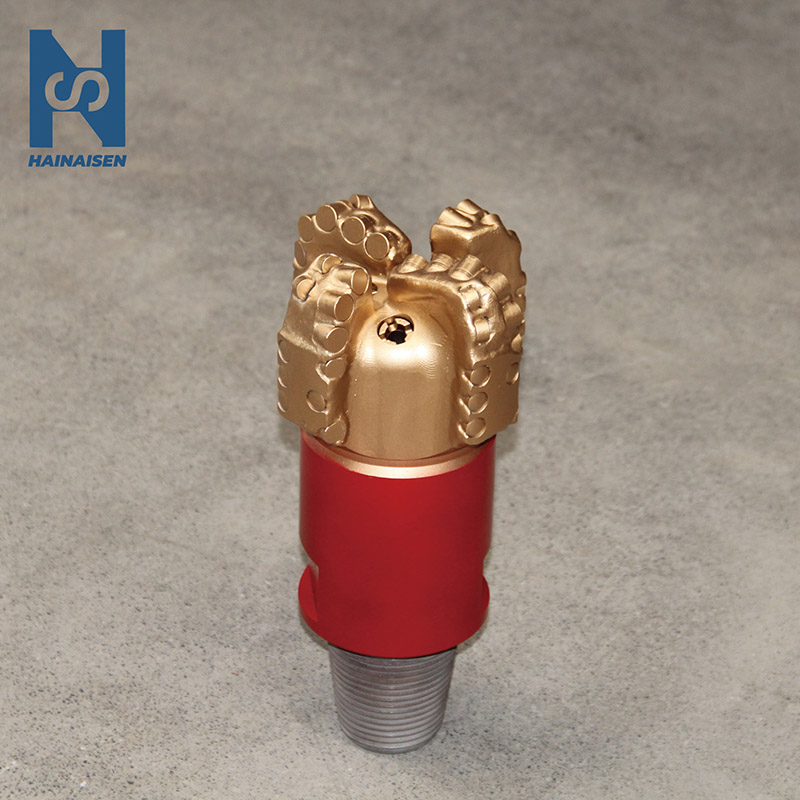
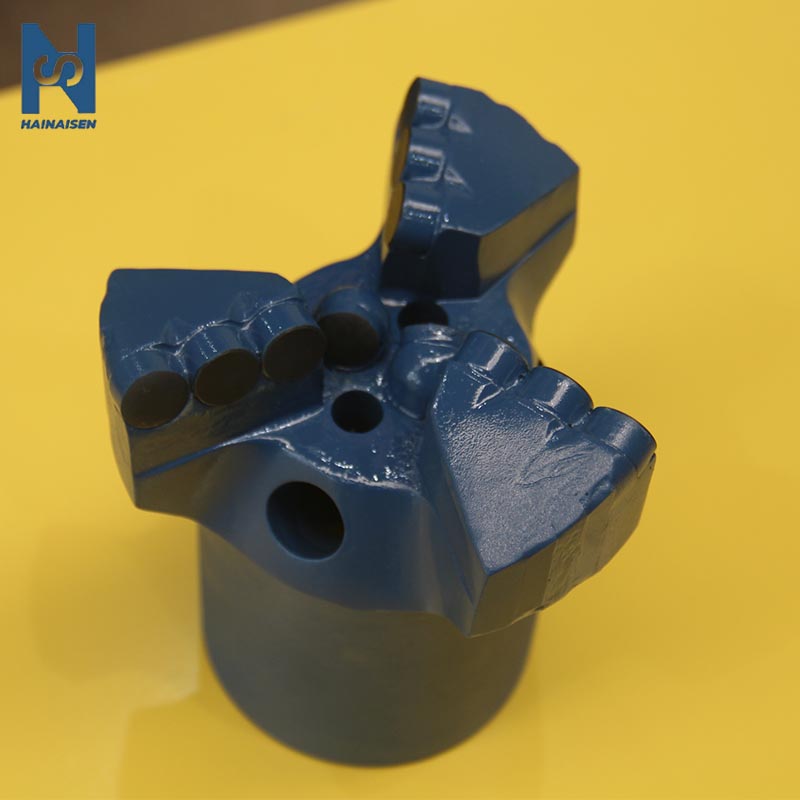
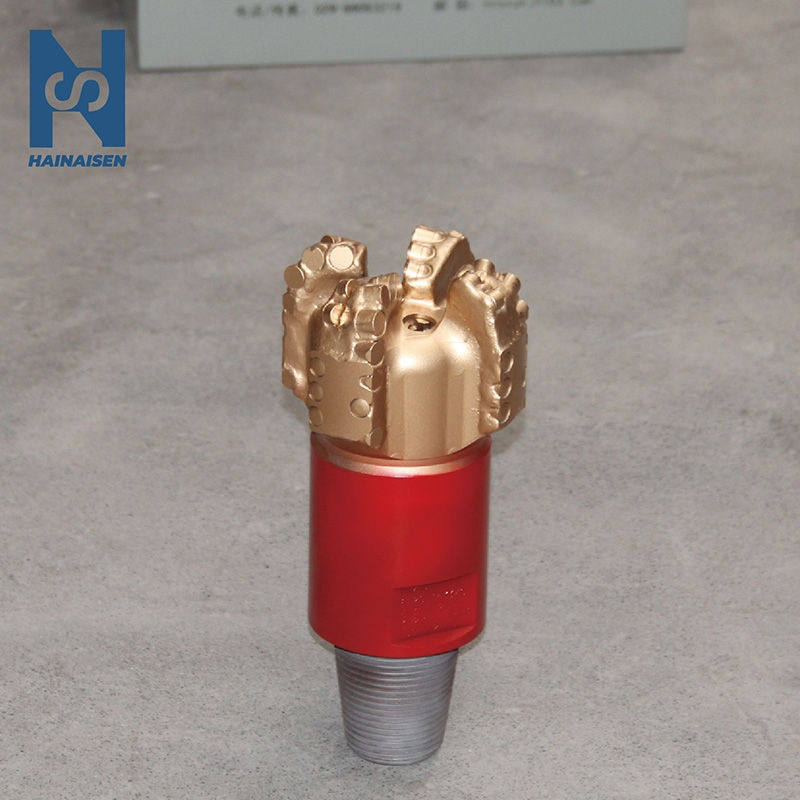
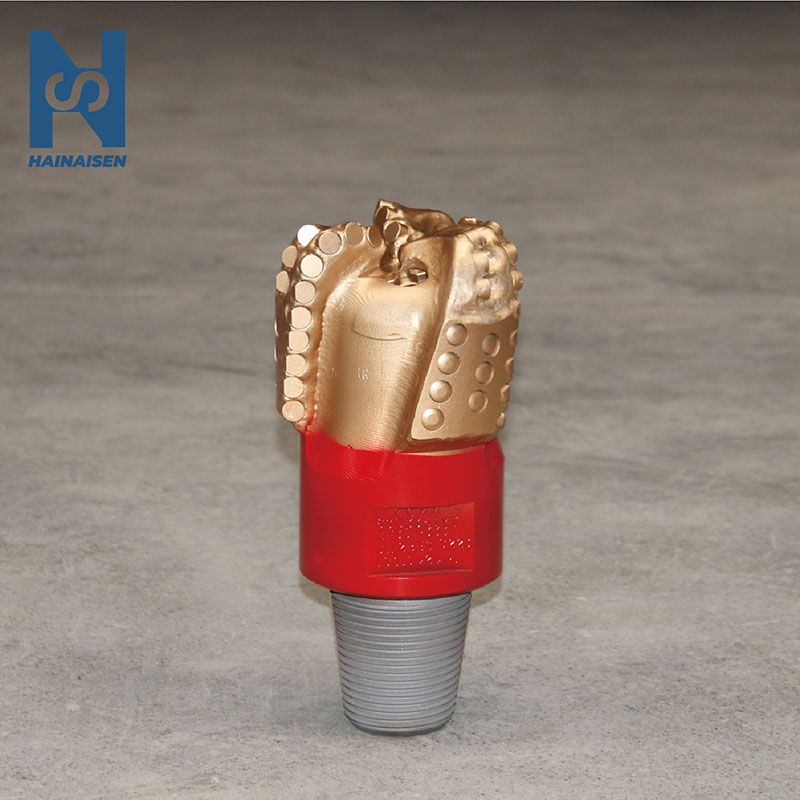
Five-blade wing drilling tools are a special type of PDC (polycrystalline diamond compact) drill bit that was made to deal with the unique problems that come up when building a horizontal well. The five-blade design is better than traditional three- or six-blade designs because it gets the best mix between strong cutting action and mechanical stability.
Core Design Features and Structural Advantages
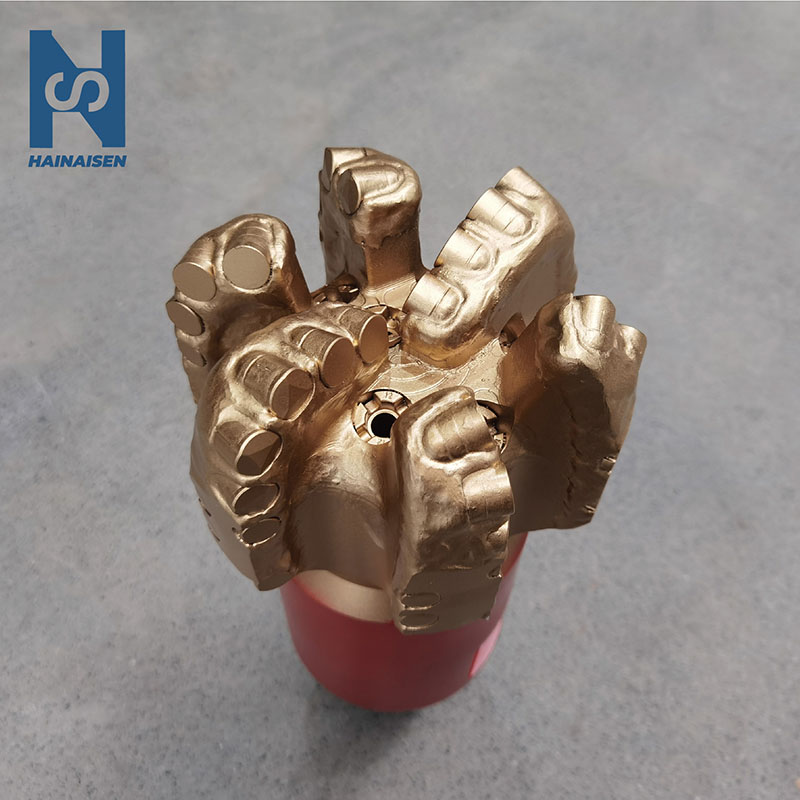
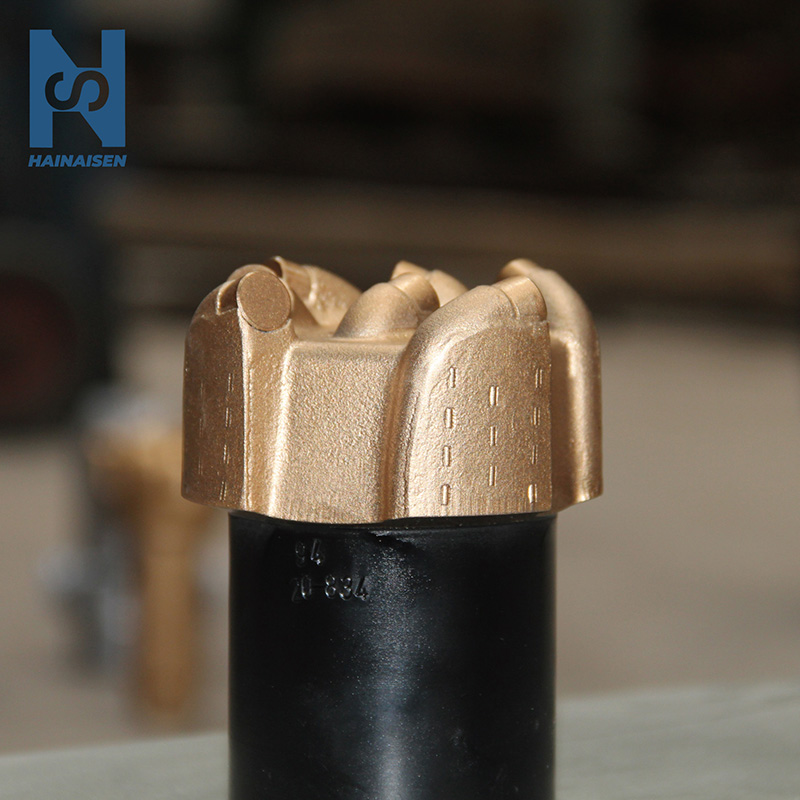
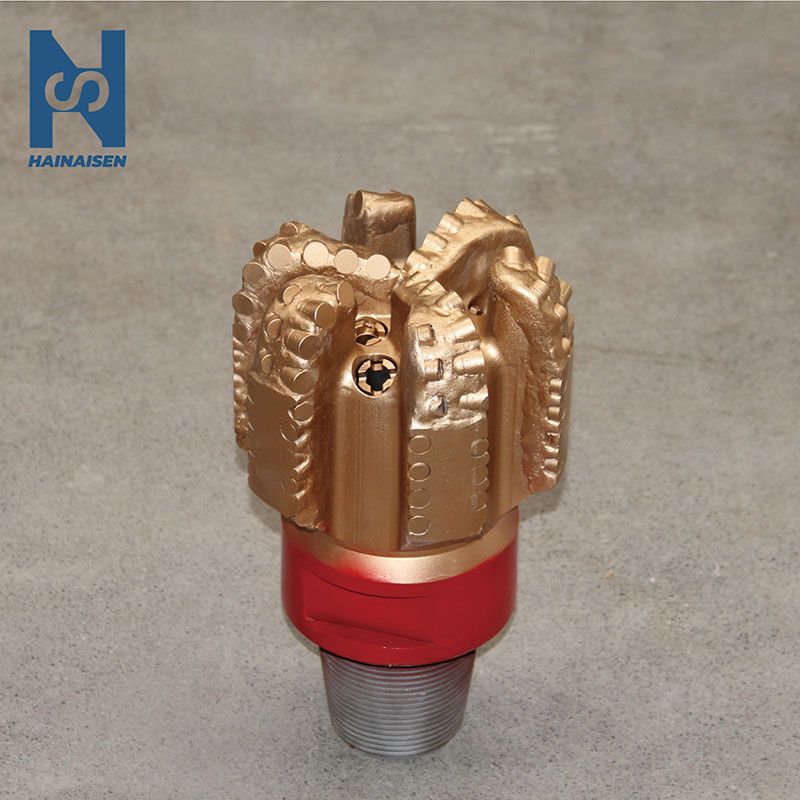
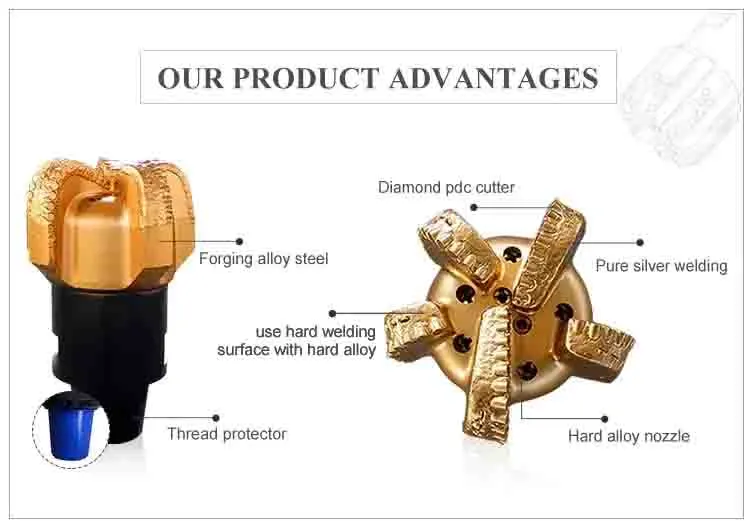
The basic structure of these tools is made up of five cutting blades that stick out from the bit body in key places. Each blade has several PDC cutters, with a width of about 13mm to 16mm, organized in a way that makes rock contact and breakup as effective as possible. This layout has a number of mechanical benefits over other options. The distance between the blades makes sure that there is enough space for the junk slot, which makes sure that the drill cuttings are removed efficiently, even in long straight parts where gravity can't help. The five-blade setup also spreads wear more evenly across the bit face, which makes the tool last longer than three-blade options and easier to move around than six-blade options.
Enhanced Performance in Horizontal Well Applications
Horizontal drilling has its own problems, like needing to control the direction of the drill bit, coming into long contact with the rock walls, and being exposed to rough conditions for a long time. These problems can be solved by five-blade PDC Bits, which have better weight distribution and uniform cutting contact. Compared to traditional designs, this one has an extra blade that protects the gauge better, which is very important for keeping the wellbore width the same across long horizontal parts. This consistent gauge width has a direct effect on the next finishing operations, making it easier to install the casing and making sure the cement is put in the right place.
Key Technical Criteria When Selecting Five-Blade Drilling Tools
To choose the right tool, you need to carefully look at the technical specs and make sure they match the tool's features and formation characteristics. When procurement teams know these factors, they can make choices that balance short-term costs with long-term practical value.
Material Quality and Cutter Technology
The efficiency of any cutting tool depends on the material it is made of and how well it was made. Premium bit bodies made from high-quality steel alloys have the strength to handle the twisting pressures and pulling forces that come up during horizontal drilling. The quality of the PDC cutter is also very important. High-quality synthetic diamond layers attached to tungsten carbide surfaces offer better resistance to wear and better thermal stability. When looking at specs like five-blade wing oil drilling, IADC code S123 tools with 109 PDC cutters spread out over five blades, the placement and density of the cutters have a direct effect on how well they cut and how long they last. Higher cutter counts usually make it easier to distribute weight and lower the load on each cutter, which extends its useful life in rough formations.
Blade Geometry and Cutting Structure
The shape of the blade outline has a big effect on how well it drills. Cutting aggressiveness, torque reaction, and directional tendency are all affected by the angle, height, and spiral design of the blades. For horizontal uses, blade profiles that are designed usually have a modest level of aggressiveness to combine penetration rates with steadiness in all directions. A very important part of wellbore quality is the gauge length, which is the cylinder-shaped part close to the bit's outer diameter. A 90mm gauge length, which is common in many five-blade designs, gives enough wall touch to keep the hole size without too much drag, which could stop spinning or wear out the blades too quickly.
Hydraulic Design and Nozzle Configuration
Working hydraulics are still very important for digging wells and keeping the bit cool. Most five-blade tools have seven holes that are placed in a way that directs drilling fluid across the cutting surfaces and clears the bit face of the chips. This nozzle design needs to match the hydraulic powers of the rig and the requirements of the mud program. Bit balling, which is the buildup of formation material that makes cutting less effective, can be avoided by making sure that fluid moves quickly across the cutter faces. This is especially important in sticky shale formations that are common in horizontal drilling. The junk hole area between the blades needs to be able to hold enough material for the expected cutting amounts while still keeping the blades strong enough. This requires careful engineering balance.
API Connection and Rig Compatibility
Specifications for connections make sure that they work well with current drilling kits. Following a normal API design, the 6-5/8 REG.PIN connection works with most medium- to large-oil-and-gas drilling rigs. Checking that the connections work well together avoids expensive delays in movement and makes sure that the drill string and bit can transfer torque properly. The overall size of the tool—12.25 inches (311 mm) in diameter and 510 mm high—must match the design specifications for the wellbore and the headroom needs through the casing strings during tripping operations.
Performance and Efficiency Factors for Horizontal Well Applications
Real-world drilling results that have a direct effect on project costs and timelines are part of operational performance, which goes beyond basic technical specs. Figuring out these success factors helps people make decisions about what tools are really worth.
Rate of Penetration and Drilling Efficiency
Five-blade setups regularly show higher penetration rates than standard options in a wide range of formation types. The balanced cutting structure keeps cutting into the rock while it rotates, which reduces the repetitive loading patterns that make lopsided designs less efficient. This steady cutting action is especially helpful in interbedded formations, where horizontal wells often go through different types of rock that are not all the same strength. When ROP is improved, drilling takes less time, which lowers the overall cost of building a well because rig days cost less and production starts faster.
Vibration Reduction and Borehole Quality
Lateral and rotational motions are big problems in horizontal drilling because they can break down equipment early, make holes of poor quality, and make it hard to control the direction of the drill when using a custom water well bit. The five-blade design naturally has better dynamic balance than three-blade designs, spreading cutting forces more widely during each turn. Lowering shaking has many benefits further downstream, such as smoother hole walls that make running casing easier, better logging data, and longer life for motors and measurement-while-drilling tools that are used downhole. The 95 kg weight of most five-blade custom water well bit PDC bits gives them a lot of friction, which further reduces the tendency to vibrate.
Tool Longevity and Operational Economics
Durability has a direct effect on the project's costs by cutting down on bit trips and the time spent not working. Five-blade PDC bits usually have longer useful lives because they spread wear over more cutting elements and protect the gauge better. This extra long life is especially helpful in horizontal wells, where tripping takes a long time because the lateral parts are so long. When procurement managers look at the costs of a tool, they shouldn't just look at the original purchase price. They should also look at measures like footage-per-bit. Even though it costs more up front, a luxury bit that drills twice as much material as a cheaper option while cutting down on one full trip is often a better deal.
Market Comparison and Supplier Selection Guide
To find your way around the drilling tool market, you need to know what makes each product unique and what each provider can do that goes beyond basic requirements. Long-term business success depends a lot on having strategic ties with suppliers.
Evaluating Product Quality and Performance Claims
In the market for drilling tools, there are a lot of companies that make five-blade PDC bits that look like they have the same specs. To tell the difference between similar goods, you have to look at how they were made, how they were tested for quality, and how well they worked in the field. Manufacturers with a good reputation give out a lot of scientific information, such as specs for the cutter type, metallurgical approvals, and quality control methods. Field performance data from similar applications is very helpful; recorded video, average ROP, and failure mode analysis show what the product can really do, not just what it says it can do. Working with providers that offer pilot tests or sample programs lets you check that the claims about performance are true before you commit to buying a lot of something.
Supplier Capabilities and Technical Support
Aside from the quality of the product, choosing a provider should also take into account their wider skills that will help the tool deployment go smoothly. Manufacturers with dedicated engineering teams can make suggestions based on the features of the formation, the parameters of the rig, and the operating goals. This expert advice is especially helpful when digging in tough conditions or choosing the best tools for new field developments. Post-sale help, such as failure analysis, performance improvement suggestions, and responsive customer service, sets suppliers who are committed to business relationships apart from those who are only interested in transactions. Companies with large inventories and well-run logistics networks make sure that the supply of tools matches up with drilling plans, avoiding expensive delays.
Cost Analysis and Long-Term Value Assessment
A full cost study looks at more than just the initial buy price. It also looks at the total cost of ownership, which includes shipping, keeping inventory, and the value of how well the business runs. Large oil service businesses that have strict qualification processes know that expensive tools, including custom water well bit solutions, that produce better video and less wasted time often give better economic returns than cheaper options, even though they cost more up front. When budgets are tight, coal mining and water well drilling businesses may focus on different value propositions, choosing reliable mid-range goods that work well at a reasonable price. Clear pricing systems and deals to buy in bulk make budgeting easier and help keep long-term relationships with suppliers.
Conclusion
When choosing the right five-blade drilling tools for horizontal wells, you have to think about a lot of technical, practical, and financial factors. Making smart choices means knowing about things like blade shape, material quality, hydraulic optimization, and formation fit. Five-blade PDC bits have many great benefits over standard ones, such as being more stable, having better entry rates, better gauge protection, and lasting longer. Long-term value is more important than original cost in successful buying strategies. Suppliers should be seen as technical partners, and the choice of tools should be in line with the needs of the project. If you choose the right five-blade tools, they can cut down on the time you spend cutting, improve the quality of the holes you make, and cut down on the time you spend doing nothing. These benefits can be measured and prove to be worth the investment.
FAQ
1. What advantages do five-blade PDC bits offer compared to three-blade designs for horizontal drilling?
Five-blade designs are more mechanically stable because the weight is spread out better and there is less shaking. The extra blades make gauge safety better by keeping the wellbore diameter the same across long lateral parts. This arrangement also makes the machine last longer by spreading wear across more cutting parts and lowering the thermal stress and load on each one.
2. How do I determine if a five-blade tool is compatible with my existing drilling rig?
Make sure the API connection type fits the requirements of your drill string. The standard 6-5/8 REG. PIN connection works with most medium to heavy oil and gas rigs. Make sure that the bit's diameter meets the standards of the wellbore design, and make sure that the hydraulic system on your rig can provide enough flow through the nozzle setup. Talk to the expert team at your provider about the torque limit, RPM limits, and weight-on-bit factors to make sure they are compatible.
3. Are five-blade drilling tools cost-effective for smaller water well drilling operations?
Cost-effectiveness depends on the specific needs of the operation and the conditions of the formation. Five-blade PDC bits usually cost more at first than roller cone options, but their longer life and better penetration rates make them more cost-effective in medium to hard rocks. Smaller businesses should compare the performance in terms of footage-per-bit and fewer trips against the initial investment to see if the value fits within their budget.
Partner with HNS for Superior Five Blade Wing Oil Drilling Solutions
HNS is ready to help you with your horizontal drilling projects by providing you with high-quality five-blade PDC bit technology and a wealth of technical knowledge. Our Xi'an factory is 3,500 square meters and uses modern 5-axis machining centers and CNC machinery to make drilling tools that meet the strictest requirements. We have worked with oil and gas companies, coal mining companies, and geological research teams for more than ten years, so we know the different needs of each drilling application. Our specialized research and development team works directly with clients to create custom bit designs that are best for their individual operational needs and formation problems. As a reliable Five Blade Wing Oil Drilling seller, we offer expert advice, fair pricing, and quick customer service throughout the entire lifecycle of your project. Email our technical team at hainaisen@hnsdrillbit.com to talk about your horizontal drilling needs and get specific product suggestions that fit your business goals.
References
1. Bellin, F., Dourfaye, A., King, W., and Thigpen, M. (2010). "The Current State of PDC Bit Technology." World Oil, 231(9), 41-46.
2. Clayton, R., Chen, S., and Lefort, G. (2005). "New Bit Design, Cutter Technology Extend PDC Applications to Hard Rock Drilling." Oil & Gas Journal, 103(3), 45-50.
3. Fear, M. J., Abbassian, F., and Parfitt, S. H. (1997). "The Destruction of PDC Drill Bits: An Analysis of Operational Factors." SPE Drilling & Completion, 12(4), 223-231.
4. Pessier, R. C. and Fear, M. J. (1992). "Quantifying Common Drilling Problems with Mechanical Specific Energy and a Bit-Specific Coefficient of Sliding Friction." SPE Annual Technical Conference and Exhibition, Society of Petroleum Engineers, Paper SPE-24584-MS.
5. Raymond, D. W., Elsborg, C. A., and Crockett, R. B. (2008). "Horizontal Well Drilling Performance Improvement in the Bakken Formation." Canadian International Petroleum Conference, Petroleum Society of Canada, Paper PETSOC-2008-107.
6. Winters, W. J., Warren, T. M., and Onyia, E. C. (1987). "Roller Bit Model with Rock Ductility and Cone Offset." Journal of Energy Resources Technology, 109(4), 161-168.