



OEM Petroleum Drilling Equipment PDC Manufacturing Solutions
If you don't choose the right OEM partner for petroleum drilling equipment PDC options, your drilling activities will either become incredibly inefficient or have to deal with costly downtime. Polycrystalline diamond compact technology is a big change in how we get oil out of the ground. It combines the hardness of synthetic diamonds with the accuracy of engineering to give great results in a wide range of geological circumstances. In the past ten years, we've seen large oil service companies switch their fleets to PDC drill bits because they know these tools are much better for operations than older technologies. This guide tells purchasing managers and technical engineers what they need to think about when they're looking for PDC drilling tools from reputable OEM makers. We will look at the technical design that makes these bits work so well, compare their performance to more traditional options, and talk about practical ways to buy them that match quality assurance with cost-effectiveness. This resource gives you useful information that is specific to your procurement problems, whether you're in charge of drilling projects for a big oil service company that needs API Certifications and strict quality documentation, managing coal mines where competitive pricing drives buying decisions, or leading a water well drilling team that is focused on finding cost-effective solutions.
Understanding PDC Drilling Equipment in Petroleum Extraction
What Makes PDC Technology Different?
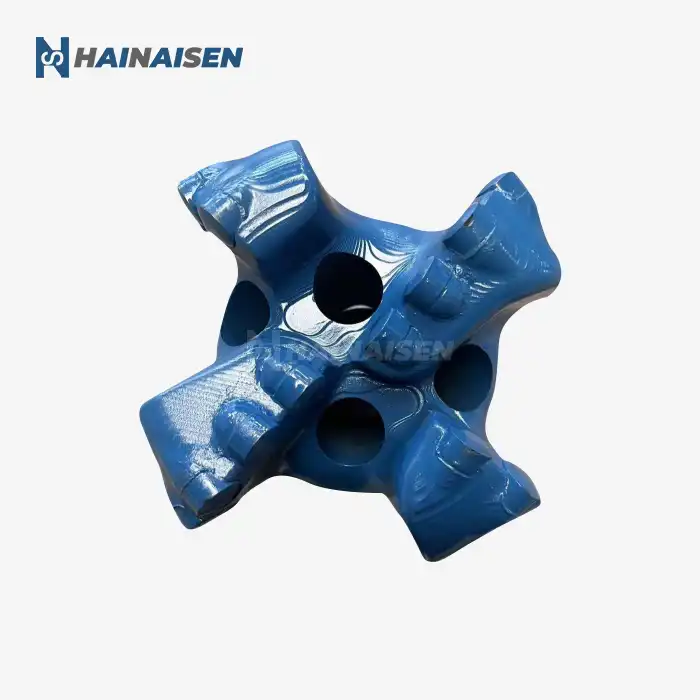
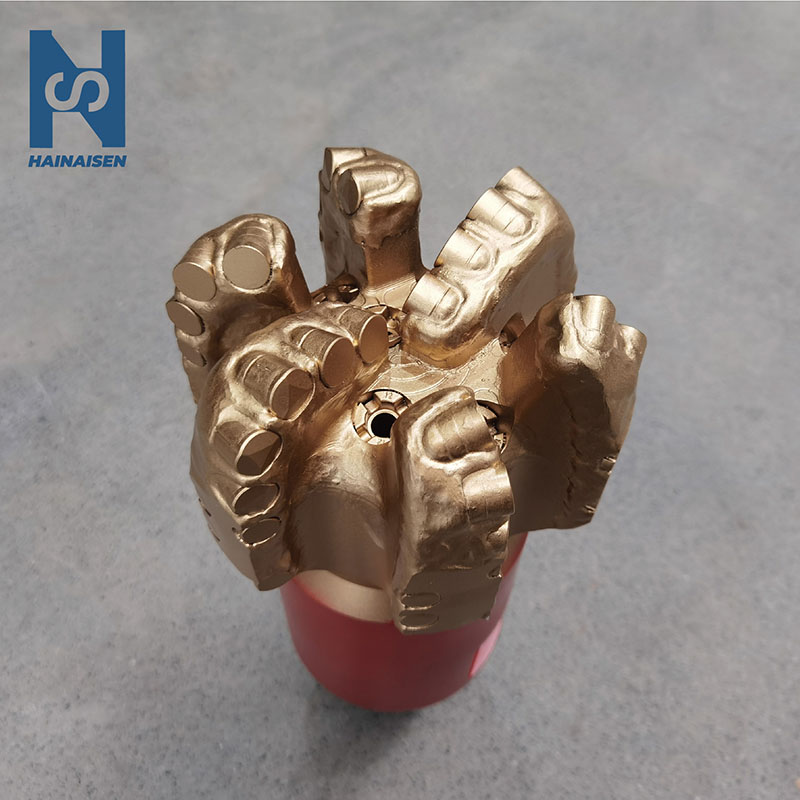
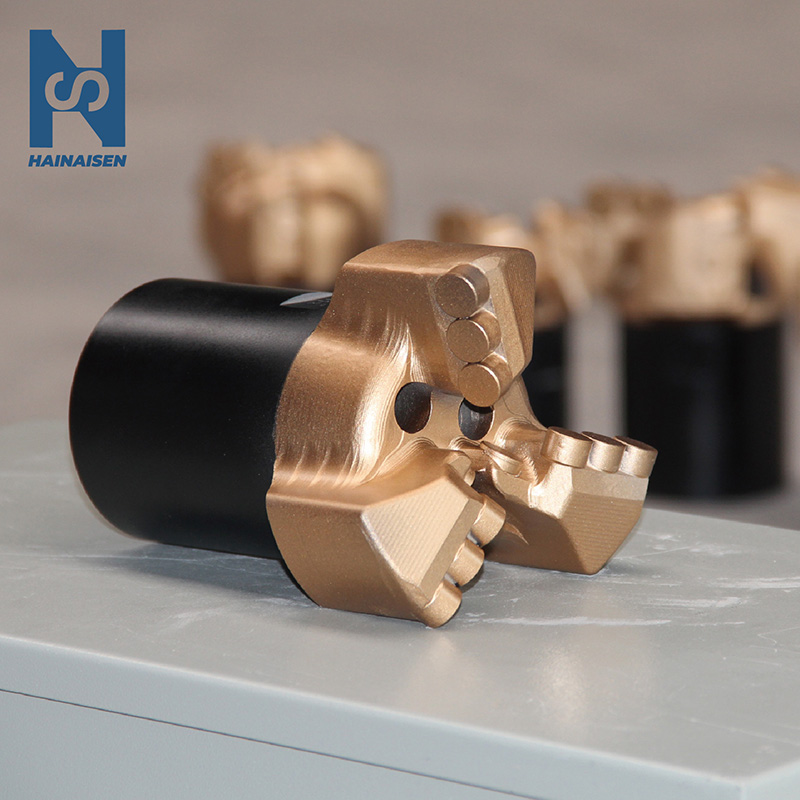
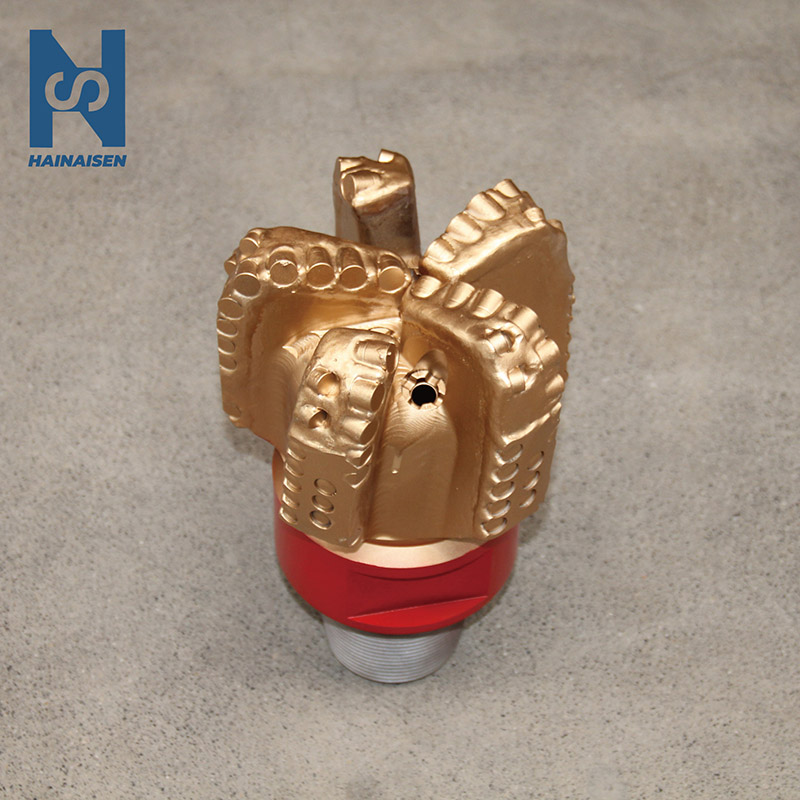
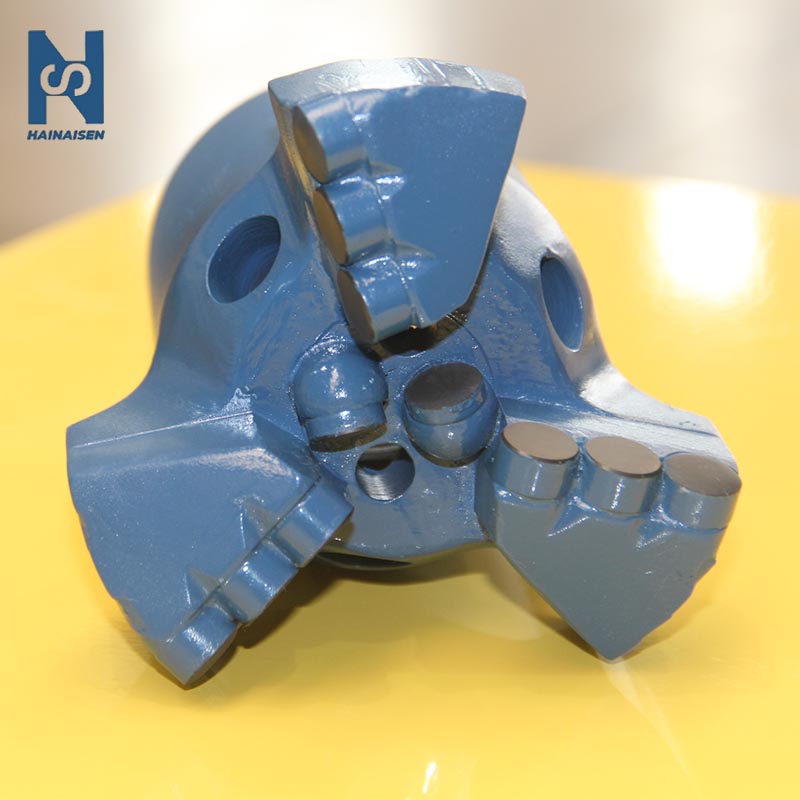
There is a big difference between how Petroleum Drilling Equipment PDC works and how regular roller cone bits work. Instead of repeatedly hitting rock and breaking it down, PDC Bits use a constant shearing motion. The polycrystalline diamond cutters are very good at cutting through formations. Each one has a Manufactured diamond layer that is mechanically attached to a carbide base. This shearing mechanism makes penetration rates go faster while making smaller pieces that are easier to get out of the wellbore with the help of better hydraulic systems.
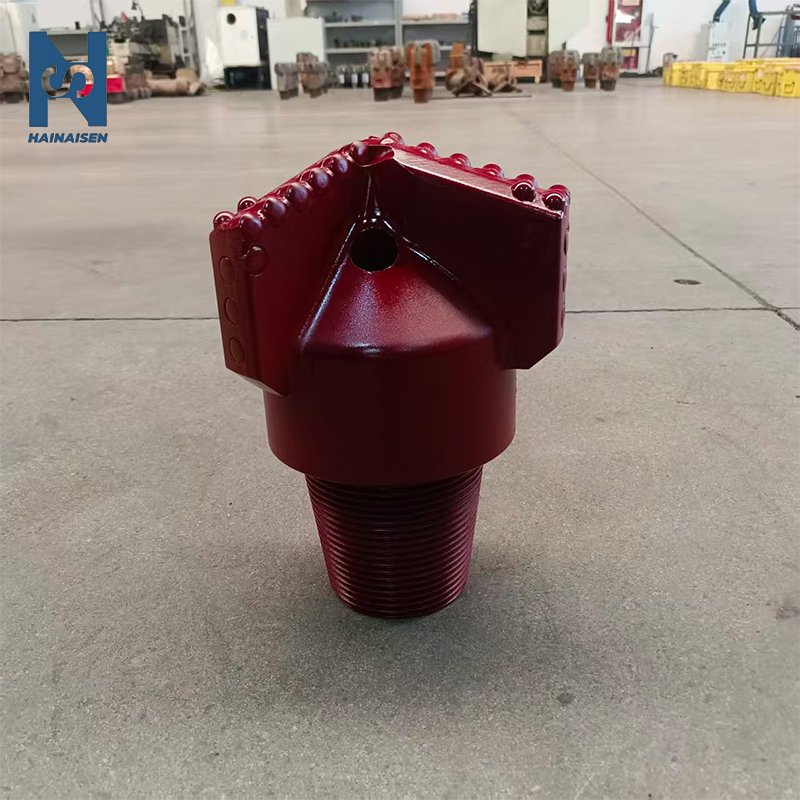
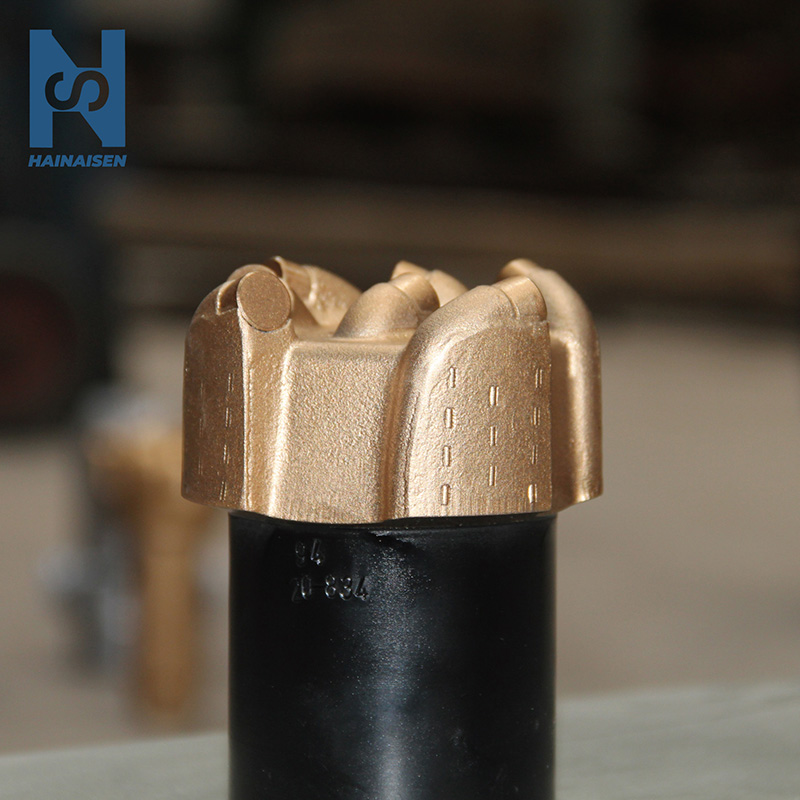
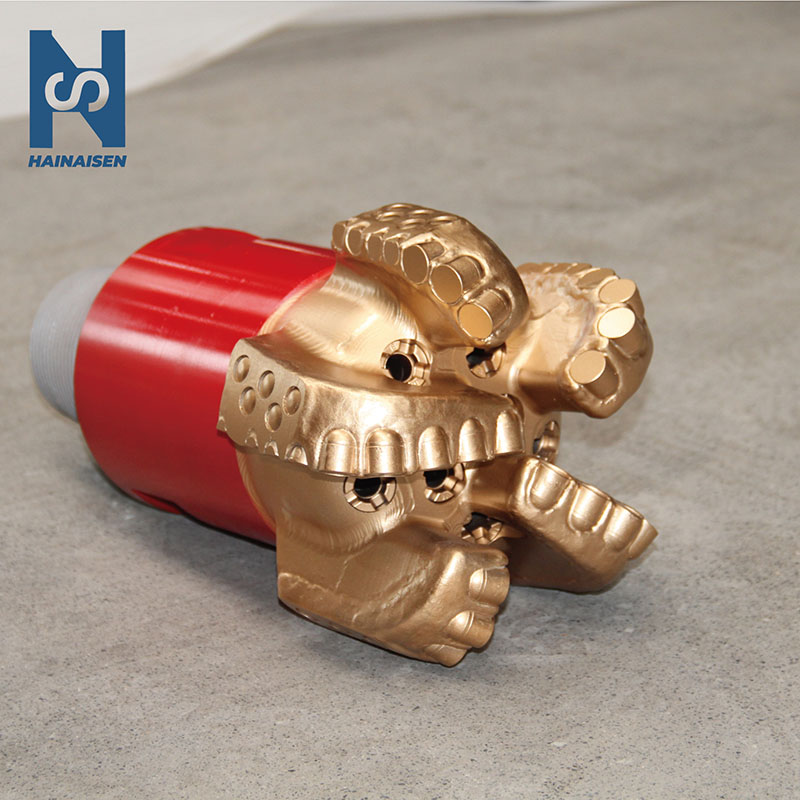
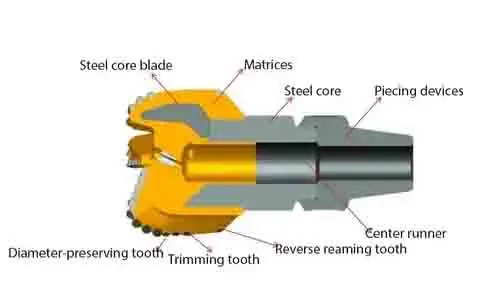
A good PDC bit's structure is the result of a lot of complex engineering. Whether the bit body is made of high-strength steel or matrix composite material, each one has carefully placed blades that hold more than one diamond cutter. The way these cutters are set up follows specific geometric patterns that are meant to keep cutting forces even, reduce vibrations, and get the most footage per bit. Modern designs have gauge safety parts, junk holes for getting rid of cuttings, and nozzle shapes that direct drilling fluid exactly where it needs to go to cool cuts and move waste.
Technical Specifications That Matter
Several technical factors have a direct effect on efficiency when considering PDC bits for use in oil and gas applications. The diameter of your bit needs to match the shape of your wellbore. Common bit diameters range from 4 inches for research cores to 17.5 inches for large-diameter production holes. Usually, there are anywhere from three to eight blades, and each arrangement has its own benefits. Fewer blades usually give better pictures in soft forms, while more blades make the camera more stable in tough conditions.
Drilling productivity is affected by cutter density and placement technique in a big way. To get the best shearing motion for certain shapes, manufacturers set the cutters at certain back-rake and side-rake angles. Premium bits have cutters with different levels of cobalt content and diamond table width. These are made to withstand thermal decline and pressure loads in the tasks for which they were made. Instead of depending only on broad product categories, procurement pros can better match the capabilities of equipment to the conditions that actually exist in the field when they understand these specifications.
Material Science Behind Performance
Each PDC cutter has a layer of manmade diamond, which is one of the hardest materials that can be used in industry. These polycrystalline structures are made using high-pressure, high-temperature methods that are similar to how natural diamonds form. Unlike natural diamonds, which have weak spots in different directions, these structures are hard all the way through. The carbide base gives the cuts the necessary toughness to keep them from breaking when they hit hard stringers or changes in the formation.
Bit body materials for petroleum drilling equipment PDC, should be bought with the same care as other materials. Steel body PDC bits are very tough and make fixes easier by letting you hardface and change the cutter. Powder metallurgy is used to make matrix body bits that are better at resisting weathering and keeping their shape in very rough forms. Both of these ways of building have a place in current drilling operations. Which one is used depends on the features of the formation, the operational factors, and the cost of the project.
Advantages and Technological Advances in PDC Drilling Equipment
Performance Benefits That Impact Your Bottom Line
Quality Petroleum Drilling Equipment PDC tools have practical benefits that directly lead to cost savings and better project economics. Contractors who do drilling say that PDC bits can penetrate two to four times faster than tricone options in the right rocks. This speed benefit cuts down on rig time, which is often the most expensive part of drilling, and speeds up the time it takes to finish a job. The long operating life of PDC bits—often more than 500 hours in perfect conditions—reduces the number of trips needed to change bits, which further cuts down on time spent not working.
Another strong benefit is that it lasts a long time. The synthetic diamond cutters don't wear down as quickly as standard button bits do, so they keep cutting well for longer periods of time. This makes behavior more reliable, which helps plan drilling programs better and cuts down on the unknowns that drive up costs. We've seen coal mines save a lot of money on purchases by making bits last longer, and oil service companies value the dependability that lets them stick to tight drilling plans and contractual obligations.
Operational efficiency is more than just digging faster. Petroleum Drilling Equipment PDC bits make boreholes that are smoother and better able to hold the gauge. This lowers friction during subsequent casing operations and lowers wellbore tortuosity, which makes directed drilling programs more difficult. The ongoing cutting action causes less shaking than percussion-based options. This makes the working conditions safer and reduces the wear on downhole tools and equipment on the surface.
Recent Innovation From Leading OEM Manufacturers
In the last five years, there have been huge steps forward in technology for designing PDC bits. Cutter technology has come a long way. Now, makers make thermally stable polycrystalline diamond goods that stay strong at higher temperatures than regular PDC materials. With these high-tech cutters, it's possible to drill in geothermal rocks and deep wells where temperatures at the bottom of the hole used to cause rapid thermal decline. Some high-end bits now have hybrid cutter setups that place both standard and thermally stable elements in the right places to get the best performance in a range of formation qualities.
Another area of innovation that is on the cutting edge is hydraulic optimization. Computational fluid dynamics modeling now tells us where to put the nozzles and how to shape the blades so that we can get rid of cuts most efficiently while keeping bit parts from wearing away. Better hydraulics clean holes better, lower the chance of bit balling in sticky rocks, and allow higher penetration rates by effectively removing the larger volume of cuttings produced by more active drilling parameters.
The way that drilling teams use PDC tools is changing because of digital connectivity. Bits with sensors send real-time information about what's happening downhole, which lets workers on the surface change the settings for weight-on-bit, rotary speed, and flow rate to get the best results. This connection to automated drilling systems helps keep the best working conditions all the time, so each bit gives its best performance while avoiding damaging working modes that cause failure too soon.
Addressing Common Operational Challenges
Even high-end PDC bits have practical problems that people making decisions about buying should be aware of. Impact damage happens when bits run into hard stringers or formation changes that they weren't expecting, which could chip or break cutters. Good OEM makers protect against this weakness by choosing the right materials, placing the cutters in the best places to spread out impact forces, and making the substrates stronger so they can handle shocks better. Knowing about these safety features helps buyers choose the right bits for shapes with known interbedded features.
When wells are deep and hot, or when digging gaps are long, drill bit petroleum thermal degradation becomes important. Cutting tools that are too hot can cause the diamond layer to separate from the carbide base, which speeds up the wear process. Modern bits get around this problem with better ways to make diamonds, special coats on the cutters that make them better at transferring heat, and hydraulic systems that make cooling work better. Choosing bits that are the right temperature for the conditions you expect downhole will keep expensive failures from happening too soon.
Using tools correctly can make it last a lot longer. OEM makers give thorough working instructions that include the right amount of weight on the bit, the ranges of rotary speeds that should be used, and the flow rate factors for each bit design. By following these factors, you can avoid damaging working modes that speed up wear, such as too much vibration, not enough cooling, or overloading. Setting clear rules for operations and teaching drilling workers how to handle PDC bits correctly is something we suggest, since even the best equipment needs to be used by people who know how to use it properly for it to work at its best.
Comparison and Decision-Making: Selecting the Right PDC Drilling Equipment
PDC Performance Versus Traditional Technologies
Knowing how petroleum drilling equipment PDC bits stack up against tricone alternatives can help you make financial choices and set reasonable goals for performance. Roller cone bits work really well in some situations, especially when they need to break up hard, broken rock, because they crush the rock so well. Though PDC bits clearly have clear benefits in soft- to medium-hardness formations, which make up most petroleum drilling settings. The continuous shearing action makes it easier to get deeper into shale, limestone, sandstone, and other rock types that are popular in oil and gas activities.
Economic research shows that PDC technology has strong benefits, even though it costs more at first. The same tricone bit might cost twice or three times as much as an expensive PDC bit, but it will drill three to five times more material before it needs to be replaced. This edge in footage lowers the cost-per-foot measure that affects the economy of drilling in the end. These saves are increased by the fact that fewer bit changes mean less tripping time. This is especially true in deep wells where round trips take a lot of rig time.
Application fit is the most important decision factor. PDC bits work very well in forms that are mostly uniform and have qualities that can be predicted. Geological settings with big differences in hardness, areas with a lot of cracks, or conditions that are very rough might need different technologies or PDC bits that are carefully made to be more resistant to impact. Careful evaluation of the formations during project planning stops wrong applications and the poor results that happen when equipment doesn't match the conditions.
Critical Evaluation Criteria for Procurement
The features of the formation should lead to every choice of bit. Medium-hard rock layers with compressive strengths below 25,000 psi, like shale sections, soft limestone, sandstone, and gypsum, are perfect for PDC uses where these bits always do a great job. For harder rocks, you need cutter designs that are more aggressive, more blades, and possibly diamond materials that don't melt at high temperatures. For proper bit design matching, procurement requirements should clearly state the predicted lithologies, ranges of compressive strength, and levels of abrasiveness.
Customization is what sets high-end OEM makers apart from common sellers. Drilling operations often face unique problems that need custom solutions instead of goods from a store. The best makers have engineering teams that can make unique cutter plans, change the profiles of the blades, tweak the hydraulics, or add special materials to solve problems in certain formations. Large oil service companies that run different drilling projects in different geological areas find this design flexibility very useful.
When choosing a supplier, you should give careful thought to the system for after-sales help for drill bit petroleum applications. Comprehensive support includes technical advice when choosing bits, field service reps who check on performance and suggest changes, failure analysis services that find out why bits don't work right, and training programs that help the drilling crew learn more. These support factors have a big effect on the value of investments in drilling equipment. They include more than just the equipment itself; they also include the knowledge that makes it work best.
Conclusion
Choosing OEM partners for petroleum drilling equipment, PDC, is a big choice that will have an effect on how well the drilling goes, how much it costs, and how successful the project is. The high level of technology in current PDC bits, which use advanced materials and precise engineering, gives big benefits in most oil drilling jobs. To get these benefits, though, you need to make sure that the equipment's powers match the properties of the formation, use it correctly, and work with makers that offer full expert support throughout the equipment's lifecycle. Whether you're looking for the best quality for tough oil service jobs, the best balance of performance and value for coal mines, or the best prices for water well drilling, knowing about PDC technology and the best ways to buy it will help you make decisions that will help you reach your operational goals while keeping costs low.
FAQ
1. Why do PDC bits outperform roller cone bits in most applications?
In contrast to roller cone bits, which break things, Petroleum Drilling Equipment PDC bits use manufactured diamond cuts that continuously shear. This method of shearing makes entry rates faster, makes smaller cuts that are easier to remove, and gets rid of moving parts that break or wear out. Polycrystalline diamond is very hard, so it keeps cutting well over long periods of time. This means that it lasts longer and doesn't break as often. These benefits are most useful in rocks with a soft to medium strength, which is where most oil drilling is done.
2. What maintenance schedules do OEM manufacturers recommend?
Quality PDC bits don't need much upkeep during operations other than keeping an eye on the drilling parameters to make sure they stay within the suggested ranges. After every run, bits should be carefully cleaned to get rid of formation waste and carefully inspected visually to find broken cutters or erosion, and their state should be written down so that performance can be tracked. When not in use, storing things properly in safe cases stops damage and corrosion. To make steel body bits last longer, they may need to be hard-faced, restored, and have their cutters replaced. How often they need to be refurbished depends on how they wear and how much it costs.
3. Can OEM manufacturers customize bits for unique formations?
Leading original equipment makers (OEMs) keep engineering departments that are just for designing special bits. This customization solves specific geographic problems by changing the way the cutters are arranged, the diamonds used, the blade profiles, the gauge safety, or the hydraulics. The custom design method starts with a thorough consultation to learn about the formation's properties, its operational factors, and the performance goals. This is followed by engineering analysis and design development. It's especially helpful to have custom bits made for difficult drilling situations where normal catalog items might not work well.
Partner With HNS for Superior PDC Manufacturing Solutions
For more than ten years, HNS has been making high-quality Petroleum Drilling Equipment PDC technology that has been tested and shown to work in the field. Our 3,500-square-meter building has high-tech five-axis machining centers and CNC equipment that make bits that meet the strict quality standards needed by big oil service companies. Our flexible pricing structures also help coal mining operations and water well drilling teams find the best deals. As a PDC drill bit maker with a lot of experience, we offer better wear resistance, better cutting efficiency across a wide range of formations, and optimized hydraulic designs. We also offer full expert support from formation analysis to post-run performance evaluation. Our specialized research and development team makes unique bit designs that are made to fit your specific operational factors, performance needs, and geological challenges. You can talk to us about your drilling equipment needs, get expert technical advice, and ask for full quotes for both standard and special PDC solutions by emailing hainaisen@hnsdrillbit.com.
References
1. Smith, R.D., Advanced PDC Bit Technology for Oil and Gas Applications, Petroleum Engineering Press, 2021.
2. Johnson, M.K. and Williams, P.T., "Performance Comparison of PDC and Roller Cone Bits in Varied Formations," Journal of Drilling Technology, Vol. 45, No. 3, 2022, pp. 112-128.
3. Chen, L., Polycrystalline Diamond Compact Manufacturing Processes and Quality Control, Materials Science Publishing, 2020.
4. Anderson, T.J., "Economic Analysis of Drilling Bit Selection and Optimization," Petroleum Economics Quarterly, Vol. 38, No. 2, 2023, pp. 67-82.
5. International Association of Drilling Contractors, Best Practices for PDC Bit Operation and Maintenance, IADC Technical Report Series, 2022.
6. Miller, S.A. and Rodriguez, C.M., "Future Trends in Drilling Equipment Technology and Digital Integration," Energy Technology Review, Vol. 29, No. 4, 2023, pp. 201-215.