







Can a Three Blades Rock Drill Bit Drill Through Limestone and Shale?
Of course. Because it has three designed blades and tungsten carbide cutting elements, the three blade rock drill bit can drill through both limestone and shale layers. The design strikes a good balance between cutting force and chip removal, which makes it possible to reliably cut through these ancient rocks. If you choose the right carbide grade and drilling settings, these bits can consistently go through layers of limestone and shale, even though their hardness and abrasiveness change. This makes them a good choice for a wide range of drilling projects.
Understanding Three Blades Rock Drill Bits and Their Drilling Capabilities
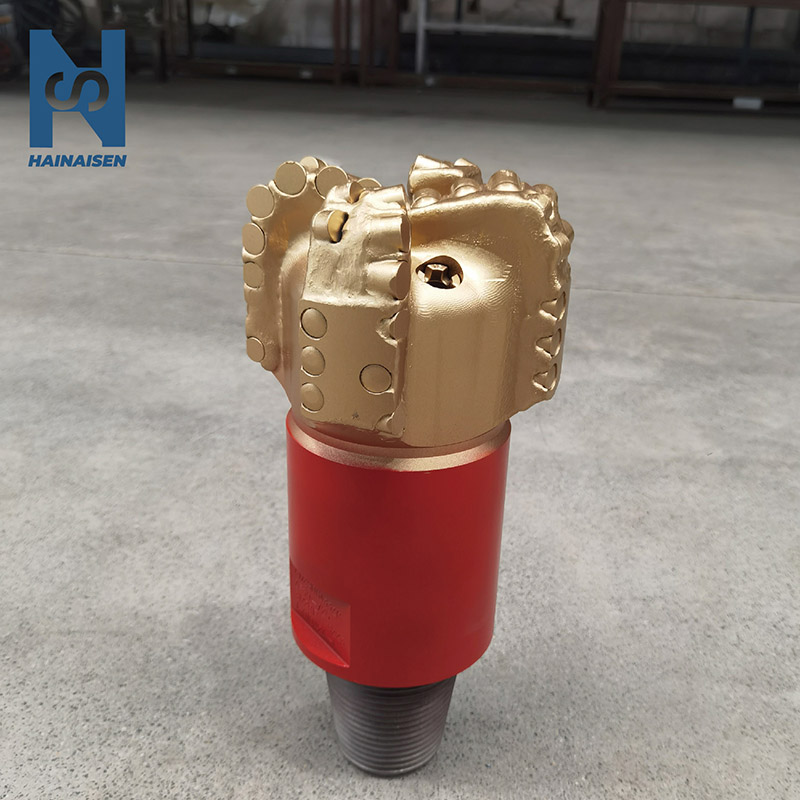
In rotary drilling uses, the three-bladed rock drill bit design strikes a good mix between being aggressive and stable. The three-blade rock drill bit plan spreads cutting forces more evenly across the rock face than traditional two-blade designs. This lowers the sound and makes the hole straighter. This shape makes the junk holes between the blades bigger, which improves hydraulic performance and makes it easier to move the cuttings away from the cutting face. When drilling teams come across sections of limestone and shale that are layered on top of each other, this improved chip removal becomes essential for keeping the entry speed up and stopping bit balling.
Material Composition and Manufacturing Standards
Our Three Blades Rock Drill Bits are made from high-quality alloy steel, usually 42CrMo or 40CrNiMo, that has been heated to a core hardness of 38 to 42 HRC. This base gives the structure the torsional strength it needs to handle the high spinning stress that comes up during deep digging. The cutting elements use either polycrystalline diamond compact (PDC) pieces for jobs that don't need to be worn down or YG11C/YG8 grade tungsten carbide for jobs that need to be hit hard. Each type of material is best for a certain type of geological problem. For example, PDC works well with regular limestone, while tungsten carbide is better at dealing with the unpredictable fracture patterns that are common in shale layers.
Quality control follows strict rules. Ultrasonic flaw detection checks that the carbide-to-steel brazing joints are solid, which stops insert loss downhole. Using calibrated micrometres for dimension measuring ensures that the accuracy of the gauge width is within the limits set by ISO 9001. Hardness mapping shows that the heat treatment is the same on all blade surfaces, and API-certified master gauges check that thread joints are tight enough to prevent leaks. Material tracking through mill test records ensures resistance to fatigue failure under high-frequency vibration, which is a very important issue for long drilling operations.
Limestone and Shale: Geological Characteristics
Depending on how porous it is and how well it is bonded, limestone is usually a medium-hard carbonate rock with a compressive strength of 40 to 180 MPa. Its structure is mostly regular, which makes digging more reliable. However, chert nodules or vugs can cause sudden changes in hardness. Shale is a finely layered sedimentary rock that has a lower compressive strength (20–80 MPa) but different problems. It tends to soften and swell when it comes in contact with drilling fluids, which can cause bit balling, and its thin bedding planes can cause it to move out of the intended direction.
When these layers show up one after the other, the physics of drilling change quickly. For a flexible tool shape, the Three Blades Rock Drill Bit changes from the stable cutting action needed for limestone to the scraping action needed for softer shale. The three-bladed rock drill bit design handles these changes better than bits that are designed to work with a single type of rock. It keeps penetration rates acceptable across lithological lines without having to change tools often.
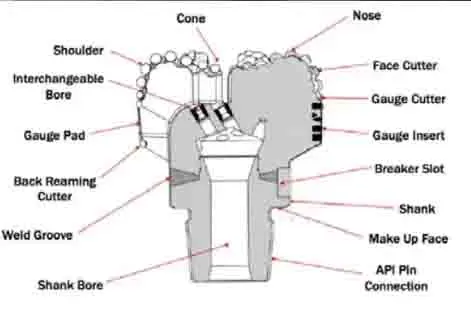
Advantages and Limitations of Using Three Blades Rock Drill Bits in Limestone and Shale
Knowing both the pros and cons of a situation helps buying managers make smart choices that meet the needs of the project. The Three Blades Rock Drill Bit design has clear benefits in medium-hard rock environments, but knowing its useful range keeps it from being misused and wasted, which can be very expensive.
Key Performance Advantages
Three Blades Rock Drill Bits are good at cutting because their attack angle and blade spacing are just right. In limestone drilling, the shape encourages consistent chip creation instead of grinding rock into fine dust, which lowers the amount of energy needed to drill one metre. In ideal conditions, penetration rates in competent limestone can reach 8 to 12 metres per hour, based on the width of the Three Blades Rock Drill Bit and the capabilities of the drilling rig. The improved cooling system with carefully placed flushing holes keeps the temperature stable at the cutting interface, which stops the carbide from breaking down too quickly.
Wear resistance makes operations last a lot longer. Three-blade rock drill bit designs let you use bigger cutting elements that spread the load over a larger surface area. This slows down abrasive wear. Field data from coal mines shows that these bits can drill 200 to 400 metres in fairly abrasive shale before they need to be redressed, while similar two-blade setups can only drill 150 to 250 metres. This longevity means that tools don't need to be replaced as often, which means that the cost of drilling one metre is cheaper.
Better hole quality shows that stability has improved. The balanced layout of the blades reduces the horizontal forces that cause deviation. This is especially important when drilling a vertical water well, where straightness affects how the pump is installed and how well it works. Less vibration also saves the threads on the drill string and extends the life of downhole equipment, which is important for deep exploration projects where getting the equipment back takes a lot of time and money.
Operational Limitations and Comparative Context
In some situations, four-blade and PDC Bits work better than three-blade rock drill bits. Four-blade designs are more stable in highly fractured forms where loading isn't stable, but they have less junk slot volume. PDC bits can go deeper into regular, non-abrasive limestone more quickly, but they cost more up front and could fail catastrophically if they run into hard stringers or metal obstacles.
Tungsten carbide inserts wear out faster than PDC cuts in rough surfaces like quartz-rich sandstone or silicified shale. When digging more than 1,000 metres, Three Blades Rock Drill Bits are less cost-effective because they need to be fixed more often, which cancels out the original cost savings. When choosing the right bit type, technical engineers need to carefully look at formation logs and think about the interbedded lithologies and rough mineral content.
Real-World Application Evidence
A medium-sized oil service business in the Permian Basin told us that our Three Blades Rock Drill Bits worked well in the Wolfcamp shale formation. For the job, they had to drill through 300 metres of mixed limestone and organic-rich shale that was sometimes hard and sometimes soft. When the team used our Three Blades Rock Drill Bits with YG11C carbide tips and 120-degree blade spacing, they were able to drill 9.5 metres per hour on average and get 35% more life out of the Three Blades Rock Drill Bits than their old two-blade provider. Because of the better steadiness, survey corrections were not needed as often, which saved about 18 hours of rig time per well.
A worker in Nebraska who drills water wells and uses oil and gas drilling bits said the same thing. They liked how well our three-bladed rock drill bits worked and how cheap they were while drilling through the Ogallala Aquifer's limestone and caliche layers. While the contractor said that premium PDC bits drilled a little faster, the 40% lower price of tungsten carbide three-blade rock drill bits, along with their ability to handle the occasional gravel pockets, made the project more cost-effective for their high-volume seasonal drilling operations.
How to Choose the Right Three-Blade Rock Drill Bit for Limestone and Shale Projects?
For strategic selection, you have to weigh expert requirements against the practical and financial aspects of the project. To get the best three-blade rock drill bit performance and cost savings, procurement managers should carefully look at a number of different factors.
Critical Evaluation Criteria
How fast you need to drill depends on the size and timeline of the job. Exploration projects that focus on collecting geological data may be willing to wait for deeper penetration if it means better sample quality, but production drilling projects need to be finished quickly. To make comparisons that make sense, you should record penetration rates in metres per hour at a certain weight-on-bit and spinning speed. Based on a lot of testing in the field, our expert team gives you performance curves that show the expected rates across different forms.
Evaluation of durability goes beyond simple metre-drilled predictions. Think about the total cost of ownership, which includes how often the rig needs to be redressed, how to move three-blade rock drill bits, and how long the rig has to be shut down for tool changes. In rural areas, a three-blade rock drill bit that delivers 300 metres between services may be a better deal than a 400-metre three-blade rock drill bit that needs special redressing equipment that isn't available there. To check the Manufacturer's claims, ask for case studies from similar geological sites and digging conditions.
Cost-performance rates change based on the size of the job. Small water well drillers who drill 50 to 100 metres want to save money on the first investment, which makes standard tungsten carbide three-blade rock drill bits appealing. When big oil service companies drill thousands of metres of wells, they save money per metre by using top grades or special geometries that last longer between services and penetrate more quickly.
Leading Options and Technical Specifications
Our line of HNS Three Blades Rock Drill Bits comes in different shapes and sizes to fit uses in limestone and shale. The 340 mm diameter HNS-LS340 type with reinforced tungsten carbide plugs works well for drilling water wells in sedimentary basins. Its step-cutting design gradually makes the hole bigger, which lowers the power needed and makes it more stable in loose soils on top.
Specifications include 2⅛" or 3½" pin connections that are API-compliant, a gauge diameter tolerance of ±0.5mm, and carbide insert placement that is best for the 60–120 RPM range. The warranty covers rocks up to 150 metres deep and includes free repairs for problems with the way the product was made. Tiered discounts are given for bulk purchases of more than 20 units. As the number goes up, the prices become more competitive, which helps coal mining companies and big drilling firms, who are careful with their budgets.
Customization and Sourcing Logistics
Our focused research and development team at Shaanxi Hainaisen Petroleum Technology works with clients to make sure that the designs of their three-blade rock drill bits meet the specific needs of each project. Some of the changes that can be made are custom blade angles for directional drilling, larger cleaning ports for drilling fluids with a high viscosity, or special carbide grades that balance impact resistance with wear characteristics. In order to start the planning process, geological data, drilling parameter specifications, and estimated footage goals are usually needed.
The lead time for manufacturing oil and gas drilling bits is between 4 and 6 weeks for basic setups and 8 to 12 weeks for fully customized designs. This allows for the inspection periods that big oil service companies need. Five-axis machining centres and CNC machine tools are used in our 3,500-square-metre building to make sure that the oil and gas drilling bits we make are precise and meet strict quality standards. Our established transportation network helps with global business-to-business purchases. We can set up shipping for FOB Xi'an and help with paperwork for foreign deals.
Conclusion
When properly matched to geological conditions and drilling factors, three-bladed rock drill bits can successfully cut through limestone and shale layers. Because they are well-balanced, they work well with a range of hardnesses, making them useful for a wide range of boring tasks. To be successful at procurement, you need to compare technical specs to the economics of the project, follow strict upkeep procedures, and keep up with new technologies. Choosing the right Three Blades Rock Drill Bit design and working with experienced makers is key to getting the most out of operating efficiency and long-term cost management, whether you're digging water wells, doing geological surveys, or running oil and gas research programmes.
FAQ
1. What penetration rates can I expect in limestone versus shale?
Penetration rates depend on the properties of the rock and the drilling factors, but in ideal conditions, they are usually between 8 and 12 metres per hour in good limestone and between 10 and 15 metres per hour in soft shale. Rates may slow down to 4 to 6 metres per hour if limestone or silicified shale are very well bonded together. The actual performance relies on the diameter of the bit, the weight of the bit, the speed of spinning, and the hydraulic conditions. Ask possible suppliers for success data that shows how well they've done in areas that are similar to your project area.
2. How often do three-blade bits require redressing or replacement?
Service intervals rely on how rough the rock is and how the well is drilled. You can expect 200 to 400 metres between redressing rounds in limestone and shale that are fairly rough. This could be cut down to 100–200 metres by very rough layers, but gaps of softer, less rough rocks can go beyond 500 metres. Visual inspection and gauge measures are better ways to figure out when to do service than set footage plans, since working factors have a big impact on wear rates.
3. Can these bits handle unexpected hard layers or obstructions?
Tungsten carbide three-blade rock drill bits can handle mild hits better than PDC bits. They can handle hard stringers or small gravel once in a while without breaking completely. Drilling for a long time in rocks that are surprisingly hard will speed up wear and may require parameter changes or bit replacement. Three Blades Rock Drill Bit versions with a PDC offer faster entry in flat conditions, but they run the risk of damaging the insert if they hit a metal casing, tools, or very hard rock. A review of the formation before digging helps predict problems like these.
Partner with HNS for Superior Three Blades Rock Drill Bit Solutions
When your drilling projects need solid results in limestone and shale formations, HNS has tested Three Blades Rock Drill Bits that are backed by strict quality control and a lot of experience in the field. Our 3,500-square-meter, state-of-the-art building has modern 5-axis machining machines and specialized research and development (R&D) areas. This allows us to make Three Blades Rock Drill Bits that meet the exacting standards of oil and gas companies, mining operations, and water well contractors. Our expert team can help you with everything from choosing the right equipment to putting it to use in the field, whether you need standard setups or special designs to solve specific geological problems. Get in touch with our experts at hainaisen@hnsdrillbit.com to talk about your needs and find out why top companies choose HNS as their Three Blades Rock Drill Bit maker.
References
1. Mitchell, R.F., and Miska, S.Z. (2011). Fundamentals of Drilling Engineering. Society of Petroleum Engineers, Richardson, Texas.
2. Bourgoyne, A.T., Millheim, K.K., Chenevert, M.E., and Young, F.S. (1991). Applied Drilling Engineering. Society of Petroleum Engineers, Richardson, Texas.
3. Kahraman, S., and Fener, M. (2007). "Predicting the Penetration Rate of Rotary Blast Hole Drills Using a New Drillability Index." International Journal of Rock Mechanics and Mining Sciences, Vol. 44, No. 4, pp. 612-622.
4. Teale, R. (1965). "The Concept of Specific Energy in Rock Drilling." International Journal of Rock Mechanics and Mining Sciences, Vol. 2, No. 1, pp. 57-73.
5. Zhang, L., and Wang, G. (2018). "Wear Mechanisms of Cemented Carbide Tool Materials in Rock Drilling Applications." Wear, Vol. 410-411, pp. 37-47.
6. American Petroleum Institute (2015). API Specification 7-1: Specification for Rotary Drill Stem Elements. American Petroleum Institute, Washington, D.C.
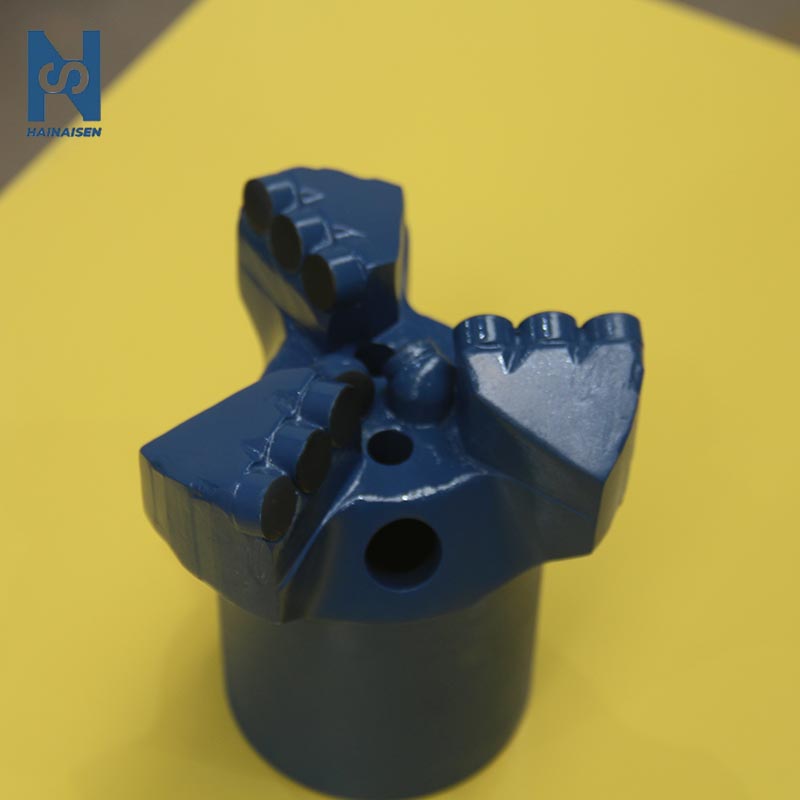 VIEW MOREPolycrystalline Diamond Compact Drill Bits
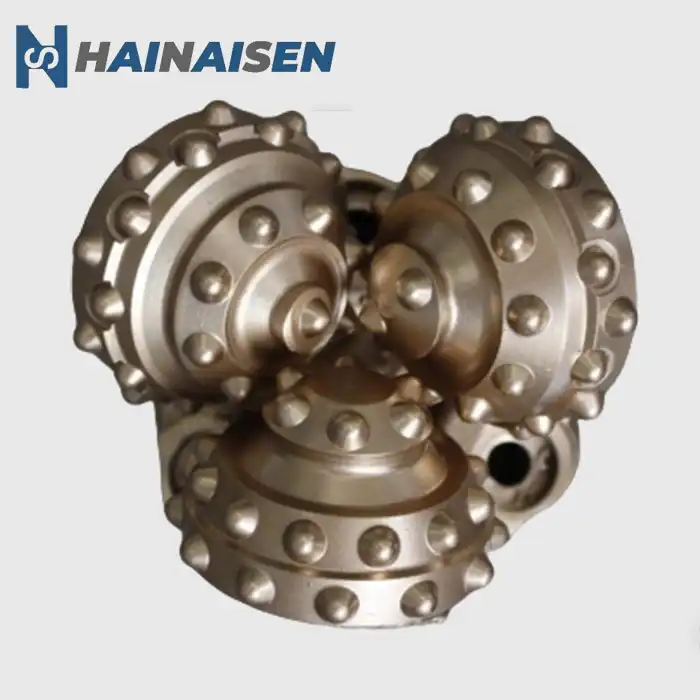 VIEW MORE4 1/2" IADC 537 Tricone Rock Bit
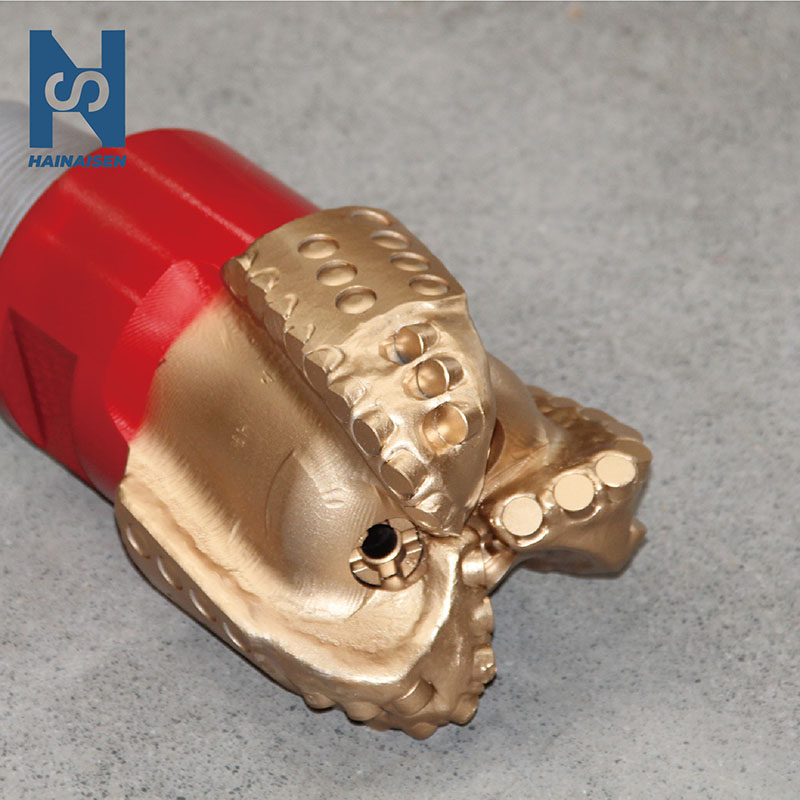 VIEW MOREThree Blade Oil Drill Bit
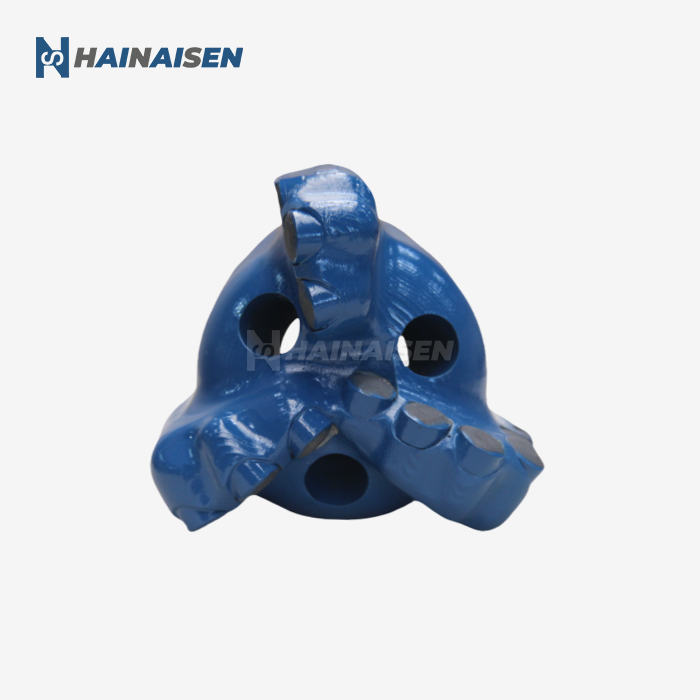 VIEW MORE113mm Three Wings PDC Arc Angle Drill Bit
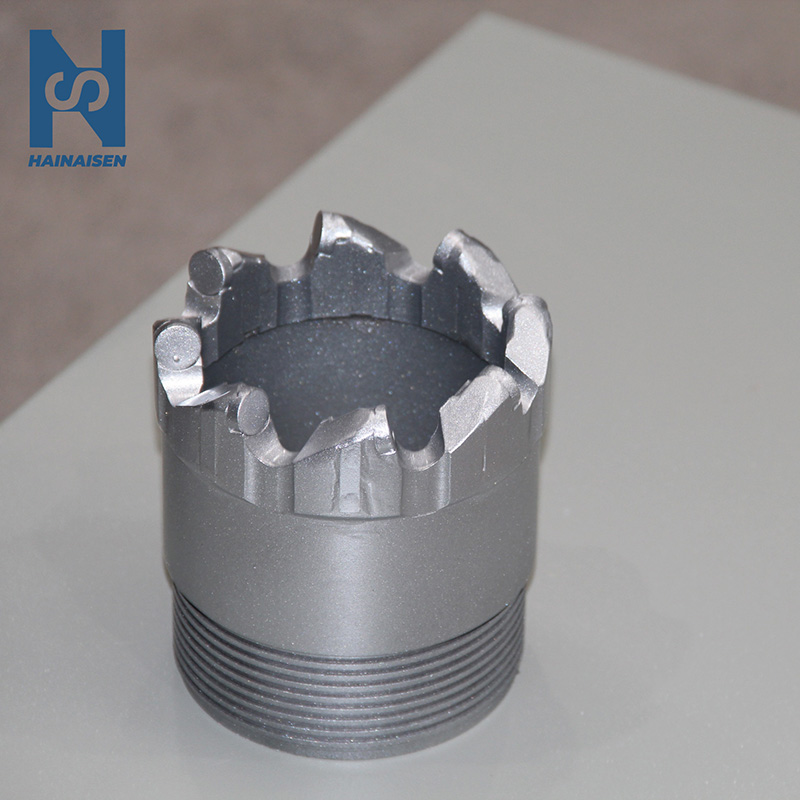 VIEW MOREPDC Core Drill Bit Used For Drilling
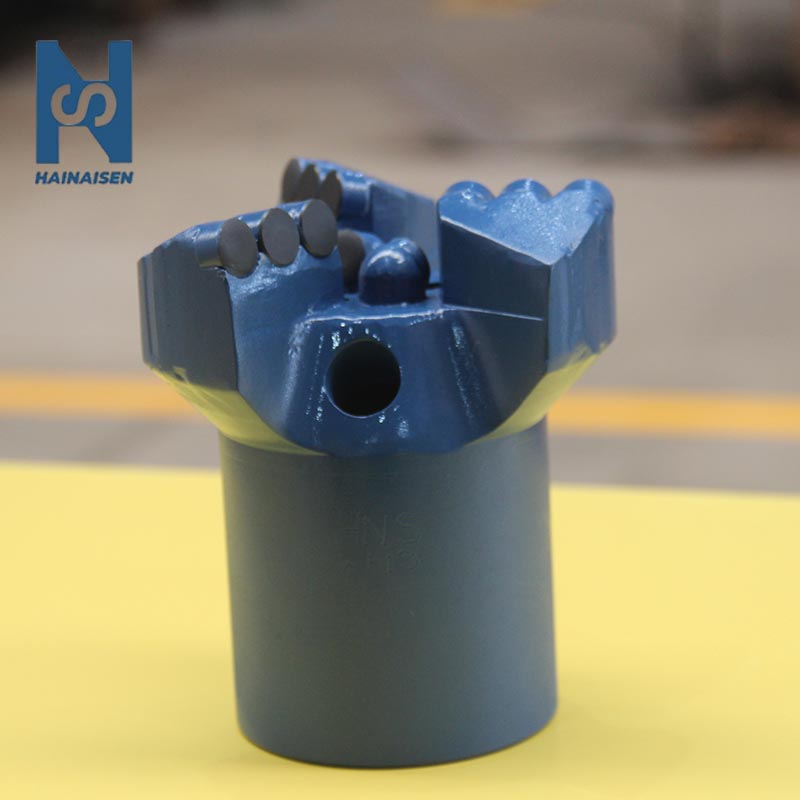 VIEW MORE3 Blades PDC Mining Bits
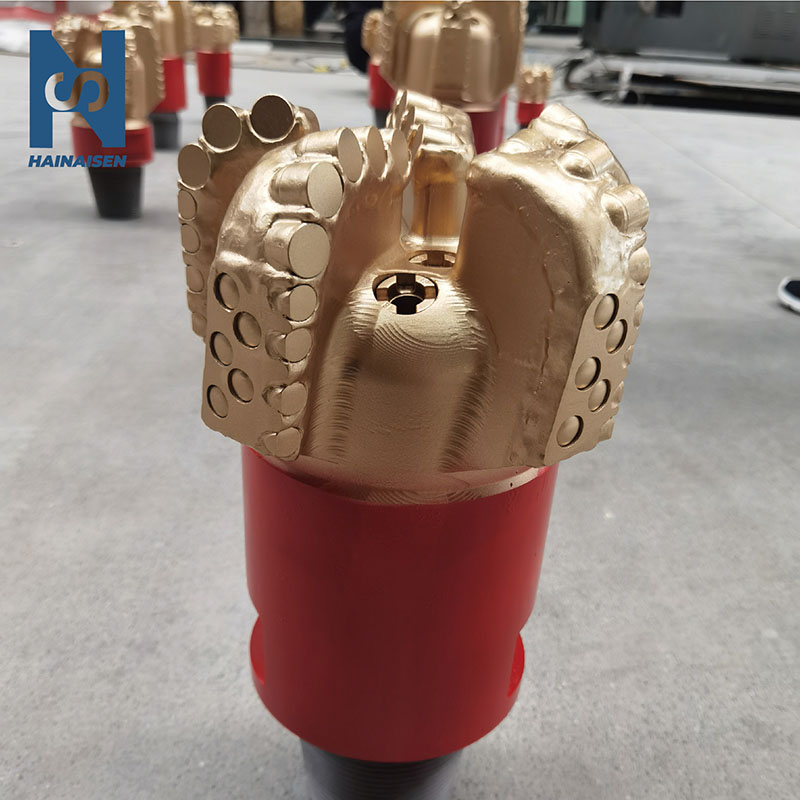 VIEW MOREFive Blade Oil Drill Bit
 VIEW MOREPetroleum Drilling Equipment PDC
