




Six Blade Wing Petroleum Drill Bit for Directional Drilling
A six blade wing petroleum drill bit is a special kind of PDC drilling tool that has six cutting blades that are placed in a way that makes it great for directional drilling. The special blade shape makes it more stable, speeds up entry rates, and makes it easier to remove debris through better hydraulic channels. This advanced design is especially useful for drilling complex well paths through shale, limestone, and sandstone rocks, where constant performance is most important for keeping costs low and operations running smoothly.
Understanding Six Blade Wing Petroleum Drill Bits
The tech behind Six Blade Wing Petroleum Drill Bits uses both material science and precise geometry to make sure they work well in tough underground conditions. In contrast to regular bits, this design spreads the cutting forces across multiple contact points. This directly leads to longer operating life and reliable drilling behaviour.
Structural Design and Material Composition
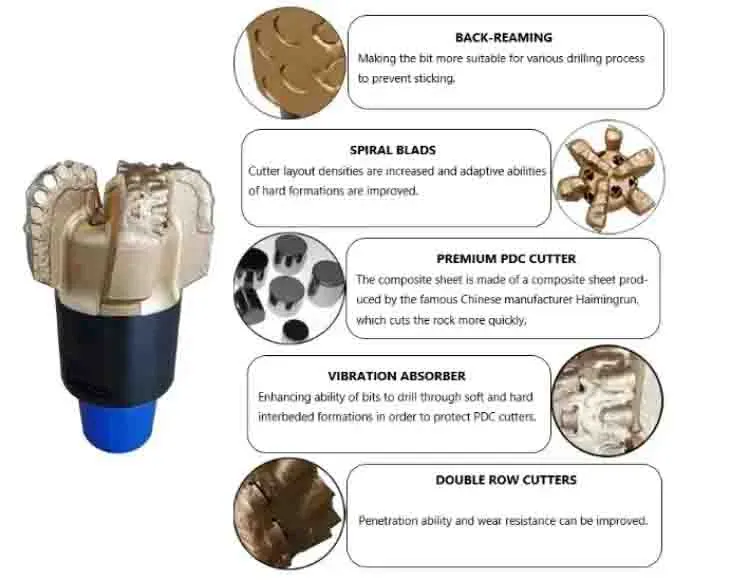
A body made of high-strength steel that is made through precise casting is what our bit is built on. This body has tungsten carbide pieces inside, each of which is a normal 5.5 mm thick and was chosen because it is very hard and doesn't wear down easily. Advanced CNC threaded cutting makes sure that the drill strings are perfectly aligned, so there is no wobbling, and the power transfer is as efficient as possible while the machine is turning. The carefully milled parts are then put into precisely shaped pockets that hold each carbide piece firmly. This attention to detail keeps the bit in the best possible position throughout the drilling cycle. This keeps the insert from moving too soon, which usually shortens the bit's life. Behind each carbide insert, trained workers hand-grind relief angles that make it easier for cuts to escape, which stops material buildup that would otherwise make cutting impossible.
How Does the Six-Blade Configuration Enhance Directional Drilling?
When drilling in a specific direction, the bit needs to be very stable, as even small movements can change the wellbore course. The Six Blade Wing Petroleum Drill Bit design spreads the weight more evenly than four-blade designs, which keeps the hole tracks straighter and reduces movement to the side. Larger junk holes between the blades help the drilling fluid move the cuttings away from the cutting face more efficiently. This stops bit balling, which happens a lot in sticky rocks and makes penetration much slower. The balanced shape lowers rotational stress on drill strings, which is more important as depths are recorded that are deeper than those found in normal vertical wells.
Operational Parameters and Formation Compatibility
Our bits work best in certain operating windows that strike a mix between bit preservation and cutting aggression. Rotational speeds range from 60 to 250 RPM to suit the different properties of the formation. Softer layers can be rotated faster, while harder rock needs slower speeds to keep the cutter from damaging them. A drilling pressure of 20 to 110 kN is enough to engage rocks without overworking the cutters, and a flow rate of 30 to 40 litres per second is enough to clean the hydraulics properly. These parameters are perfect for medium-hard rock formations with low compressive strength. These include shale deposits that are common in unconventional resource plays, limestone sequences that are found in many sedimentary basins, sandstone layers that make up important reservoir targets, and gypsum zones that often sit on top of productive formations.
Performance Analysis and Advantages of Six Blade Wing Drill Bits
In the end, choices about what to buy depend on measurable performance benefits that lead to measurable cost saves and operational gains. Our thorough testing in the field shows clear advantages across a number of performance measures that are important to the economics of drilling.
Enhanced Rate of Penetration and Drilling Efficiency
In similar patterns, the Six Blade Wing Petroleum Drill Bit version has penetration rates that are 15–25% higher on average than similar four-blade bits. This improvement comes from having more cutting surface area and better weight distribution, which keeps the cutters constantly working with the formation. Rig time is one of the most expensive parts of any drilling programme, and faster digging cuts it down directly. Aside from the raw speed, the consistent entry rates mean that parameters don't have to be changed as often. This means that drilling teams can keep up steady operations with fewer breaks. This consistency is especially helpful when digging in a specific direction, where stable drilling dynamics are needed to keep the track.
Extended Operational Life and Reduced Replacement Frequency
Field data from coal bed methane projects shows that our bits keep cutting effectively for 40–60% longer than normal alternatives in the business. When quality tungsten carbide cutters are combined with improved blade geometry, wear is spread more evenly across all cutting areas. The bit doesn't break in one place where stress is high; instead, it goes down slowly and reliably. This longer life means that old bits don't have to be changed as often, which saves time since the process can take 8–12 hours based on the depth of the well. Cutting down on trips directly leads to lower running costs and shorter project finish times.
Stability and Vibration Reduction Benefits
The bit and the whole bottom hole assembly and drill string are damaged by too much shaking. When the bit's formation changes or hard stringers in softer rock, the balanced Six Blade Wing Petroleum Drill Bit design reduces the torsional and horizontal motions that happen. Downhole motors, measurement tools used while drilling, and drill pipe links all last longer when there is less shaking. These are expensive parts. The quality of real-time drilling data also gets better when drilling goes more smoothly. This helps geologists and drilling engineers make better decisions about where to put wells and how to finish them.
How to Choose the Right Petroleum Drill Bit for Directional Drilling?
When choosing the right drilling tools, it's important to fit the bit's capabilities to the needs of the job and think about the total cost of ownership as well as the purchase price. Purchasing choices should be based on the following things.
Formation Assessment and Geological Considerations
Which bit design will work best depends on how well you understand the underground world. For six-blade wing petroleum drill bits, the best places to use them are on medium-hardness rocks with compressive values below 15,000 PSI. Geological surveys and offset well data tell us a lot about the expected lithology. For example, they show us if there are abrasive minerals that make the rock wear out faster, layers that are layered on top of each other and make cutting difficult, naturally fractured zones that can make it hard to keep the bit on track, and formation dip angles that make directional drilling harder. With this geological information, buying teams can choose bits with the right cutter densities, blade shapes, and hydraulic designs for the situations they expect to face.
Economic Analysis and Total Cost Considerations
Due to limited funds, water well drilling teams usually focus on the initial buy price. However, medium and big oil service companies know that the total cost of ownership is a more accurate way to measure value. To figure out the cost per foot dug, you have to take into account how much the bit costs to begin with, how many feet are usually drilled before it needs to be replaced, the rig's rate during tripping operations, and the time that the bit might not be working because it failed too soon. Our bits usually show 20–35% lower cost per foot, even though they may cost more to buy. This is because they last longer and penetrate more deeply, which lowers total drilling costs. Sample testing programmes help coal mining and geological research businesses make sure that performance claims are true before they make big purchases. This lowers the risk of making big purchases and shows that the products really work in their specific situations.
Supplier Evaluation Criteria
A supplier's skills have a big effect on the success of a purchase, not just the product specs of an oilfield drill bit. Shaanxi Hainaisen Petroleum Technology Co., Ltd. has a factory that is 3,500 square metres big and has 5-axis machining centres and CNC machine tools that make sure the quality of each production run is the same. Our focused research and development team works with clients to come up with personalized solutions that solve their specific drilling problems. This is especially useful for directional drilling projects that have requirements that aren't standard. When choosing a supplier, you should think about things like warranty terms, the availability of expert help, and how easy it will be to get new parts. Companies that build long-term ties get better prices, more flexible schedules for production, and more technical knowledge that, over time, makes bit selection more accurate.
Maintenance and Optimisation Tips for Six-Blade Wing Petroleum Drill Bits
Handling and operating the bit correctly can greatly increase its life and keep it working at its best throughout the drilling session. By following systematic repair practices, you can protect your purchases and get the most out of your capital equipment.
Pre-Drilling Inspection and Preparation
Before putting any bit to use, it is visually checked for damage from shipping or manufacturing flaws that could cause it to fail too soon. Check each tungsten carbide insert for cracks, chips, or fittings that aren't tight enough, as this could affect how well it cuts. Check the thread's soundness and measure its measurements to make sure it fits properly with the drill string connections. Threads that don't fit right can cause leaks and connection failures. To get rid of preservative coats and other things that could get in the way of good makeup pressure, clean all surfaces very well. Recording the state of the bits before they are used gives us a starting point for analysis after the run and for making guarantee claims if production flaws show up during operation.
Operational Monitoring and Parameter Adjustment
Real-time tracking systems that keep track of oilfield drill bit weight, spinning speed, torque, and penetration rate are useful for modern drilling processes. Often, sudden changes in these factors show small problems before they become catastrophic. Declining entry rates with the same weight signal that the cutting is wearing out and the bit needs to be replaced. When power goes up, but penetration doesn't go up at the same time, it means that there are problems with the bit balls or bearings. Vibration spikes cause changes in signal creation or bit loss that need to be fixed right away. Drilling teams with a lot of experience change operational settings within the Manufacturer's guidelines to keep performance at its best as formation characteristics change. This keeps drilling going while extending bit life.
Post-Run Analysis and Storage Procedures
After the oilfield drill bits are taken out of the hole, systematic review gives useful information for making future choices about buying things and running the business. Take pictures of all the cutting surfaces to keep track of the wear patterns that show how the formation works and how well the drilling parameters are working. Find out how much cutter height is left and which blades have been worn down the most. Asymmetric wear often means that there are problems with the cutting parameters, or the formation isn't consistent. To get rid of formation cuttings and drilling fluid leftovers that could cause rust while they are stored, clean bits well with the right solvents. Coatings that stop rust should be used, and bits should be kept in safe places that are away from wetness and high temperatures. Detailed run records that list the footage drilled, the types of formations that were found, and the operational parameters help build institutional knowledge that, over time, makes oilfield drill bit selection more accurate and operational practices better.
Conclusion
There are real benefits to using the Six-Blade Wing Petroleum Drill Bit for directed drilling. It cuts more efficiently, lasts longer, and is more stable. The strategic blade design and high-quality materials make this a tool that can handle a wide range of drilling tasks in many different industries. Total cost of ownership, not just purchase price, should be taken into account when making procurement choices. This is because faster penetration and longer bit life usually support the initial investment. Working with skilled suppliers that offer technical help and customization services ensures that you can get solutions that are best for your unique needs.
FAQ
1. What materials compose Six Blade Wing Petroleum Drill Bits?
These bits have bases made of high-strength cast steel, which keeps the structure strong even under heavy drilling loads. Polycrystalline diamond compact cuts have very high wear resistance and keep their sharp cutting edges even when they are in rough areas. At 5.5 mm thick, tungsten carbide matrix plugs offer better impact protection, which protects the bit body from damage. Specialized thermal coats improve function in deep wells, which often have high temperatures. This mix of materials strikes a good balance between longevity and cutting efficiency in a wide range of rock types.
2. How does the six-blade design improve directional drilling efficiency?
The extra blades spread the cutting forces more widely than four-blade options, which lowers vibrations that can mess up the accuracy of the wellbore direction. Larger junk holes between the blades make it easier to remove the cuts, which stops the bit from balling up, which slows down entry. Because the shape is balanced, the hole paths stay straighter and deviate less laterally, so there is less need for adjustment. This stability is especially helpful in wells with long reach, where sticking to the planned path is key to the success of the whole project and getting the best touch with the reservoir.
3. What factors should guide bit selection decisions?
The right bit design is based on the hardness and compressive strength of the formation. Our Six Blade Wing Petroleum Drill Bit design works best for medium-hardness layers. Well, trajectory complexity affects the need for stability, so balanced designs are better for directional uses. When making an operational budget, you should think about how much it costs per foot dug instead of just how much it costs to buy. Long-term procurement success depends on the skills of the supplier, such as their expert help, customization options, and dependability of delivery. Before making big promises, sample testing makes sure that speed works in certain situations.
Partner with HNS for Superior Drilling Solutions
Shaanxi Hainaisen Petroleum Technology Co., Ltd. makes drilling tools that meet the strict needs of modern directional drilling by combining advanced manufacturing skills with quick response times to customer needs. Our building is 3,500 square meters and has the newest CNC machine centers and other specialty production tools to make sure quality is always high. As a well-known company that makes Six Blade Wing Petroleum Drill Bits, we can offer competitive pricing that works for both big oil service businesses and smaller water well drilling teams. Our expert engineers can help you choose the best bit setups for your drilling conditions and formations by giving you technical advice. We are ready to help you succeed in drilling, whether you need normal catalog items sent to you fast or solutions that are specially made for tough jobs. Get in touch with our team at hainaisen@hnsdrillbit.com to talk about your needs and find out how our goods can help you drill better while cutting down on overall costs.
References
1. Smith, R.D., "Advanced PDC Bit Design for Directional Drilling Applications," Journal of Petroleum Technology, Vol. 68, No. 4, 2019, pp. 45-58.
2. Thompson, M.K. and Williams, J.L., "Comparative Analysis of Multi-Blade Drill Bit Performance in Sedimentary Formations," SPE Drilling & Completion, Vol. 35, No. 2, 2020, pp. 223-237.
3. Chen, L., "Material Science Applications in Modern Drilling Tool Manufacturing," International Journal of Rock Mechanics and Mining Sciences, Vol. 127, 2021, pp. 104-118.
4. Anderson, P.R., "Cost Optimization Strategies for Directional Drilling Operations," Journal of Energy Resources Technology, Vol. 143, No. 3, 2021, pp. 032-048.
5. Martinez, C.A., "Hydraulic Performance of PDC Bits in Unconventional Resource Development," Petroleum Science and Technology, Vol. 39, No. 5-6, 2022, pp. 189-203.
6. Wilson, T.H., "Maintenance Best Practices for Downhole Drilling Tools," Journal of Petroleum Science and Engineering, Vol. 198, 2023, pp. 108-124.
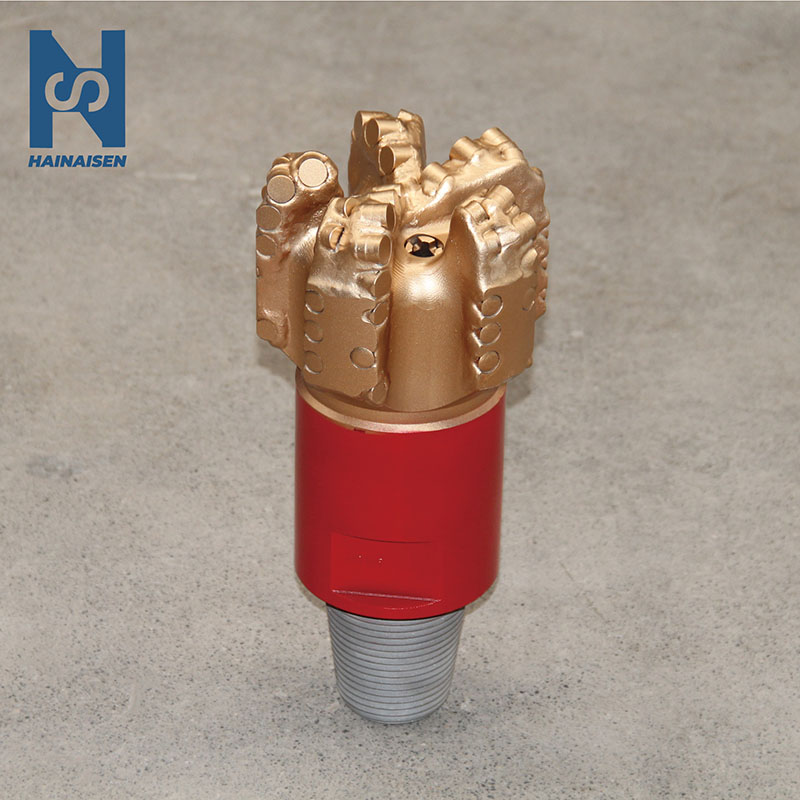 VIEW MORE5 Blade Matrix Body PDC Drill Bits
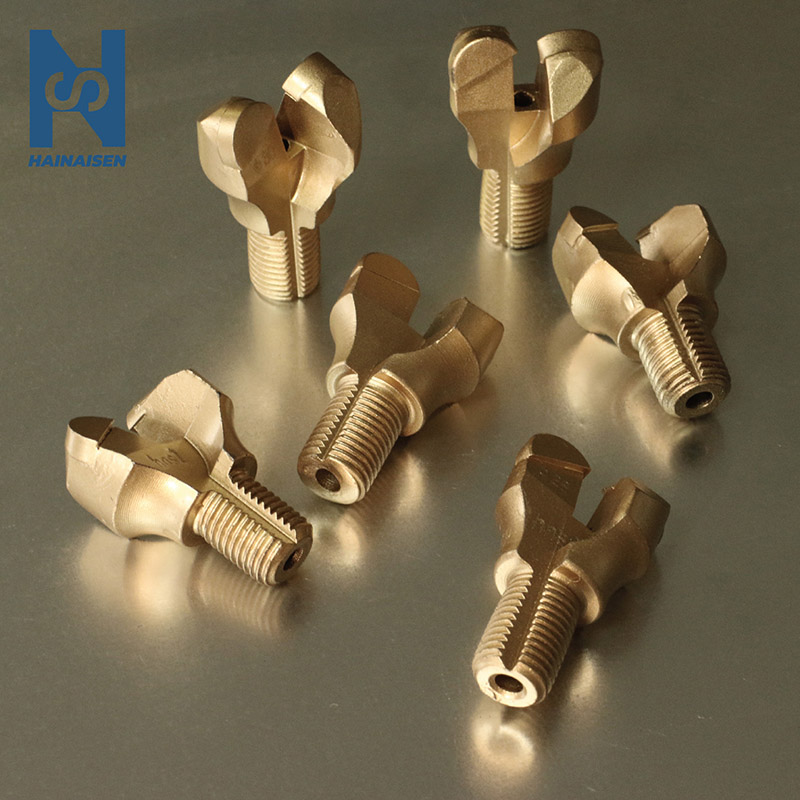 VIEW MORECoal Mining Tools PDC Anchor Drill Bit 28mm
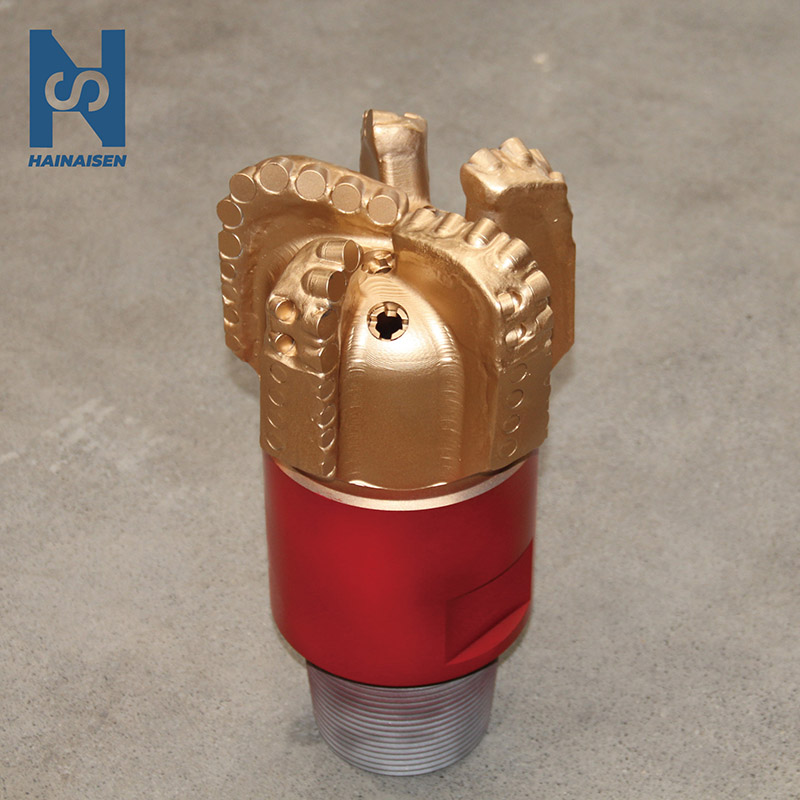 VIEW MOREFive Blades Oil Well Drill Head
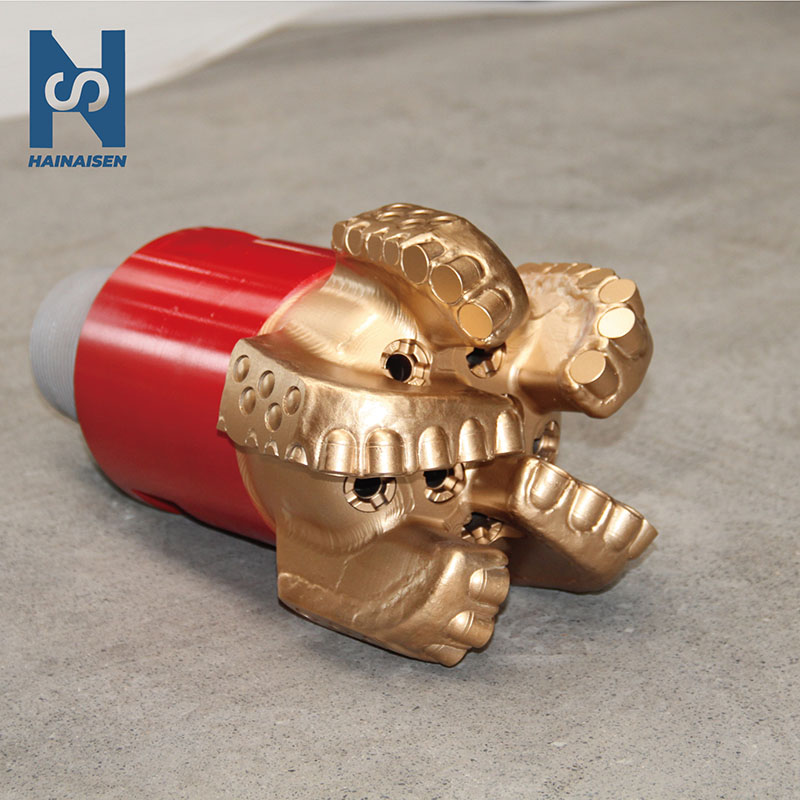 VIEW MOREDiamond Oil Drill Bit
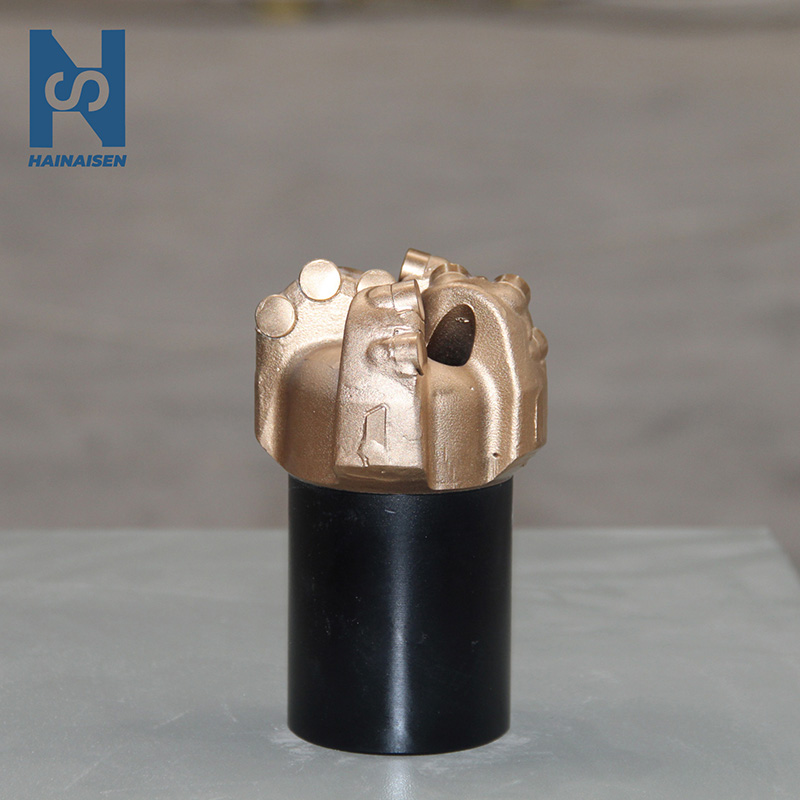 VIEW MORE113mm Four Wing Arc Angle Drill Bit
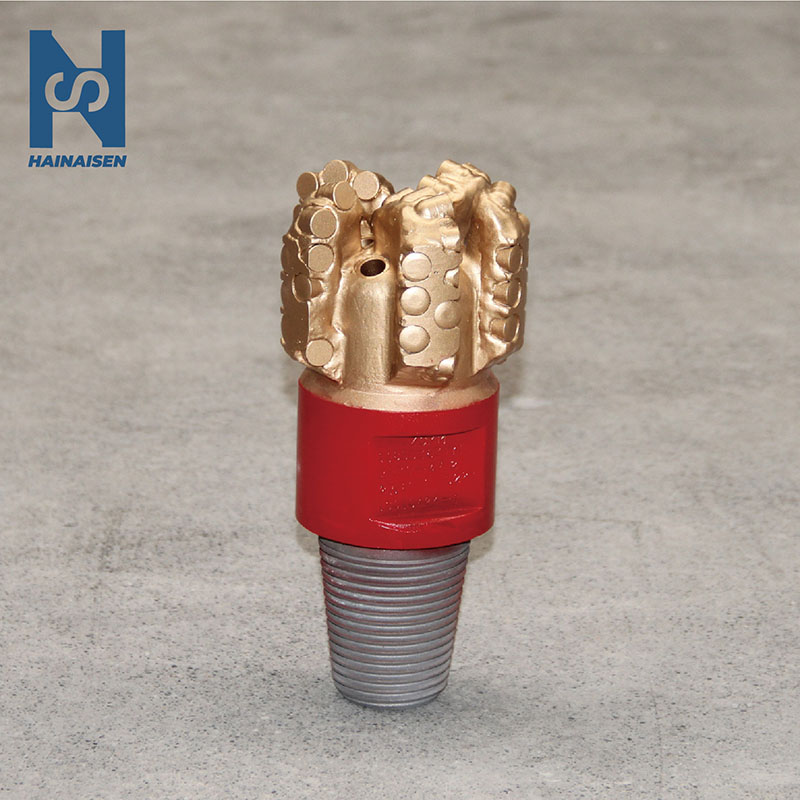 VIEW MOREHigh Performance 5 Cutter PDC Bit
 VIEW MOREForging Deep Rock Well Drilling Bits
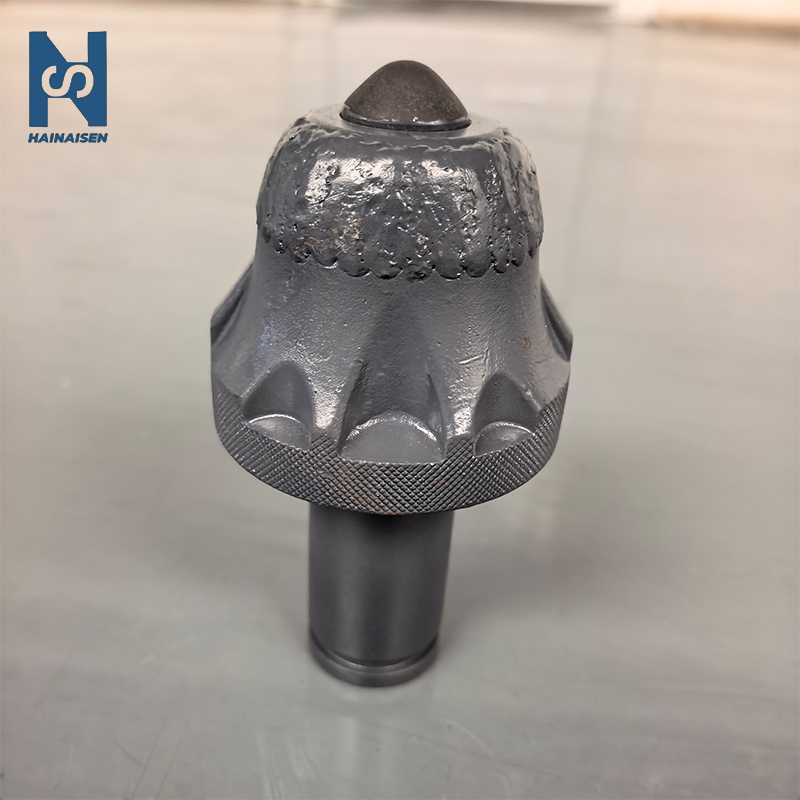 VIEW MOREDiamond Coal Mine Picks