




Three Blade PDC Tricone Drill Bit in Mining and Geothermal Use
Every hour that drilling projects are held up because of old bits or poor penetration means more money is spent and deadlines are missed. The Three Blade PDC Tricone Drill Bit takes these problems head-on by mixing polycrystalline diamond compact technology with a three-blade design that makes cutting faster and lasts longer. This advanced drilling tool was made to work in mining, the building of geothermal wells, and geological research. It improves penetration rates and can handle the toughest conditions underground. When purchasing tools for water well projects or coal bed methane drilling, knowing what this technology can do helps technical engineers and buying managers make smart choices that lower the total cost of ownership.
Understanding the Three Blade PDC Tricone Drill Bit
What Makes This Design Different?
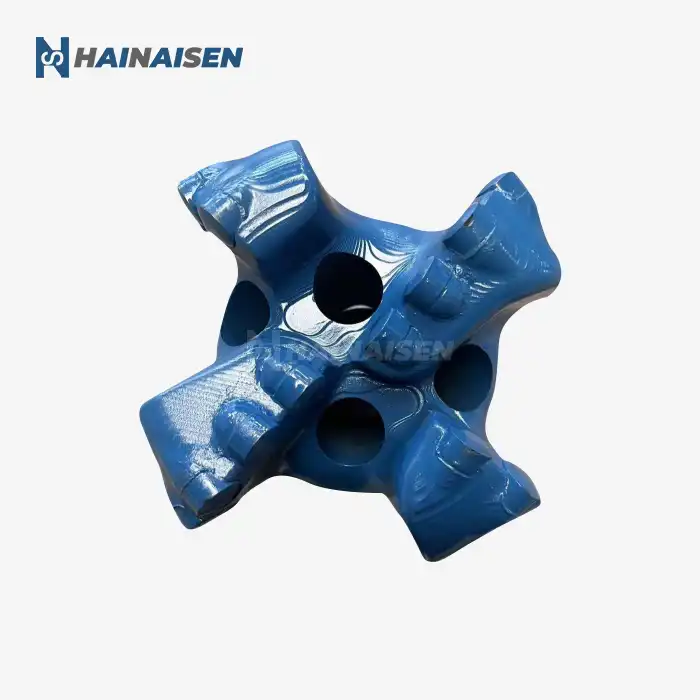
The Three Blade PDC Tricone Drill Bit is different from other roller cone bits because it uses shearing mechanics instead of breaking action. This is made possible by polycrystalline diamond compact cutters that are carefully placed across three blades. Each blade has several PDC cutters on it. For example, our HNS S433 type has 61 13mm cutters that cut through rock shapes with little energy loss. The triangular blade arrangement makes the bit naturally stable, like how a tripod stays balanced on rough ground. This keeps the bit centered in the hole and prevents it from moving off course.
The structural construction of our anti-whirl PDC Bits for coalbed methane is a core competitive advantage worthy of attention. High-strength steel forms a rigid bit body that maintains structural stability and enables ultra-precise positioning of PDC cutters. Designed with a 65mm gauge length and a 6-inch (152.4mm) overall width, these anti-whirl pdc bits for coalbed methane guarantee full contact between cutters and borehole walls, effectively slowing premature abrasion of the outer cutting teeth. Three hydraulic nozzles are evenly arranged between the blades, paired with enlarged flow gullies to boost rock cuttings evacuation efficiency. This structure prevents debris accumulation and excessive cutter wear — a common flaw found in drill bits with overly thick blade profiles.
How Do Rotational Mechanics Enhance Performance?
How well the weight-on-bit pressure moves to rock walls affects how well drilling works. The three-blade design spreads the force evenly across 61 cutting spots, which lets each PDC cutter work at the right depth without getting too heavy. This even spread of load makes the cutter last a lot longer than four-blade models, whose smaller gulley spacing lets debris build up, and wear patterns become uneven.
The 220mm bit height allows for a large cutter depth while keeping the structure stable when it is under rotating stress. This setup works well with the 3-1/2 REG. PIN API link because it can handle torque demands in hard rock formations without affecting the thread integrity. This is very important when drilling through granite, schist, or dense limestone, which is common in geothermal wells.
Key Performance Comparisons and Operational Insights
Three Blades Versus Alternative Configurations
To choose between blade counts, you need to know how to balance speed, steadiness, and longevity. Two-blade PDC bits can go deeper into soft rock faster, but they give up control over the direction of the drill bit in rock that isn't uniformly hard. Four-blade designs have the highest cutter density, but they make it harder for trash to escape, which means they get dull faster when cutting quartzite or basalt, which are rough materials.
The best balance is found in the three-blade arrangement. Testing done in mines shows that they can drill 22 feet per hour into medium-hard rock, while four-blade alternatives can only go 15 feet per hour. This 47% gain comes from better hydraulic efficiency—the wider gaps between the three blades let cuttings flow through quickly, keeping the cutter edges sharp over longer drilling intervals.
Durability Advantages in Demanding Environments
When working in rough rock formations, matrix body PDC bits deliver exceptional wear resistance, making them essential for drilling through mineralized zones containing quartz veins or pyrite deposits. For soft rock drilling projects, premium heat-treated mining bit steel body designs stand out with reliable performance. Crafted with premium raw materials, our HNS S433 series heat-treated mining bit maintains rigid structural integrity even after continuous 120 feet of drilling in hard rock strata. Its service lifespan is more than double that of standard drill bits operating under identical harsh drilling conditions.
Because it is easier to maintain, the three-blade form is also better. When there are fewer blades, there are fewer cuts that need to be checked and replaced between runs. When operators move from roller cone systems to PDC technology, bit changes take 30% less time, which means that they save a lot of money on labor costs for multi-well drilling projects.
Best Practices for Maximizing Bit Life
Proper working factors have a direct effect on how long a bit lasts. Keeping spinning speeds between 60 and 120 RPM keeps PDC cutters from getting damaged by heat and makes sure they have enough penetration rates. To keep cuts from getting crushed or threaded connections from coming free, the weight on the bit should stay within the Manufacturer's recommended range, which for 6-inch bits is usually between 1,500 and 3,000 pounds.
Flow rates in hydraulics should also be taken into account when operating a Three Blade PDC Tricone Drill Bit. Cuttings can go around and around in the borehole because there isn't enough flow through the three nozzles. This turns the borehole into a grinding mill that kills cutters. We suggest that you use at least 150 gallons per minute of flow to clean the hole properly. The flow rate can be changed depending on the formation and the depth of the digging.
Procurement Considerations for Global B2B Clients
Evaluating Supplier Qualifications and Capabilities
Decisions about where to buy things go beyond the original purchase price. Manufacturers with a good reputation keep their factories ISO-certified and use quality control procedures to check the cutter gluing strength, metallurgical properties, and physical limits. Shaanxi Hainaisen Petroleum Technology has a 3,500 m² building with 5-axis machining centers and CNC tools that make sure the accuracy of the making is the same throughout all production runs. This is something that smaller workshops can't do.
When troubleshooting performance problems in the field, the technical help system is very important. When it comes to drilling through interbedded sandstone and shale sequences or high-temperature geothermal pools above 300°F, suppliers that offer custom bit design services can make the best cutter plans for each job. Instead of forcing standard solutions on clients, our specialized engineering team works with them to improve blade profiles and hydraulic configurations that meet business needs.
Understanding Total Cost of Ownership
The price of a drill bit is only one small factor in overall drilling economics. Large and medium oil & mining service firms fully recognize that premium anti-whirl pdc bits for coalbed methane are well worth the higher upfront investment. These anti-whirl pdc bits for coalbed methane deliver twice the service life of standard alternatives, drastically reducing round trip time and extending continuous drilling intervals. To accurately calculate your true drilling cost-per-foot, simply divide your total bit expenditure by the total footage drilled. This metric reveals the actual long-term value, rather than judging performance solely by initial purchase prices.
There are more benefits to bulk buying deals. When you order several bits at once, you can often get price cuts of 15 to 20 percent while keeping your supplies stable for multi-well campaigns. Lead times for normal configurations are usually between two and four weeks, but faster production is possible for pressing needs. When it comes to time-sensitive deliveries, international shipping services from Xi'an to major ports can handle both containerized freight and air travel.
Customization Options for Specialized Applications
Geological diversity calls for flexible tools. For coal mining, updated cutter plans that focus on faster penetration through softer sedimentary rock work best. For water well digging, teams focus on toughness in rough alluvial deposits. The HNS engineering team can change things like the density of the cutters, the angle of the blades, and the location of the nozzles to get the best performance for certain formation traits found in offset well data or geological studies.
Real-World Applications and Case Studies in Mining and Geothermal Drilling
Mining Sector Performance Validation
A copper mine in the southwestern United States had trouble with research drilling yielding useful information for a long time. Four-blade steel body bits that were already in use could only go an average of 50 feet before they needed to be replaced. This meant that geological sampling programs were often interrupted, which slowed them down. The operation saw an increase in penetration rate from 15 to 22 feet per hour after switching to three-blade PDC tricone drill bits. Bit life also increased to 120 feet per replacement cycle.
There were measurable cash gains from these changes. Fewer bit changes meant 30% less downtime, which meant the mine could finish its drilling program on time instead of having to add six weeks to the campaign. Over the course of the project, labor costs were cut by about $240,000, and scientists were able to improve ore body models and make better plans for future extractions because samples were collected faster.
Geothermal Well Construction Efficiency
High temperatures, rough rock forms, and long drilling lengths make geothermal projects very difficult. A company that works with green energy and is drilling wells in volcanic rock moved to three-blade PDC tricone drilling bits oil and gas applications because roller cone technology was wearing out too quickly. The PDC cutters were very hard, so they could drill through thick layers of basalt without breaking. Also, the better hydraulic design kept the cuttings from building up in hot conditions where drilling fluids thin out a lot.
Well, finishing times went down by 20%, which cut down on rig rental costs and sped up project timelines. The maker saw a lot of value in the bits' expected wear patterns, which let them plan proactive replacements instead of waiting for sudden failures that required expensive fishing operations to get broken parts out of boreholes.
Adaptations for Coal Bed Methane Applications
To keep penetration rates high enough without breaking useful seams, coal bed methane drilling needs careful pressure control. Three Blade PDC Tricone Drill Bits with custom cutter shapes do a good job of balancing these different needs. The wider gulley spacing lets in coal fines that would get stuck in denser blade designs, and the mild roughness keeps the torque from being too high, which could damage the formation.
When digging through layers of coal and shale, the bits' adaptability to different rock types is appreciated by the operators. Instead of switching bits when going from one structure to another, a well-designed PDC bit keeps performing at the same level, which cuts down on trip time and the costs that come with it for multi-zone completion projects.
Future Trends and Innovations in PDC Tricone Drill Bits
Advanced Materials Development
The newest PDC cuts have thermally stable polycrystalline diamond parts that don't break down at temperatures above 750°C, which is a very important level for deep geothermal uses. These improved cuts keep their sharp edges even after being exposed to conditions for a long time that make regular PDC elements harden and become graphitized. New developments in material science have also improved impact resistance, which makes it easier to drill through broken rock that has holes or parts that aren't fully solidified.
Bit body materials are always changing as cutting technology does too. Tungsten carbide matrix compositions now have improved binder systems that balance resistance to erosion with ease of machining. This lets makers make complicated shapes that improve hydraulic efficiency without lowering durability. Because of these improvements, blade shapes can be smaller and cutter contact can be increased, making the machine more aggressive without affecting its structural integrity.
Smart Drilling Integration
Integrated digital sensors built into the body of our heat-treated mining bit take downhole performance monitoring to an entirely new standard. Real-time prototype data transmission systems deliver critical metrics via wired drill pipe or mud pulse telemetry, continuously tracking downhole temperature, vibration intensity and weight-on-bit distribution. Rather than relying solely on incomplete surface monitoring data that cannot fully reflect underground working conditions, the precise real-time readings from this heat-treated mining bit enable drilling engineers to dynamically adjust and optimize drilling operational parameters at all times.
Instead of using random video standards, predictive maintenance algorithms look at sensor data to guess how long a bit will last based on how it is actually wearing down. This feature stops bit changes that happen too soon, which wastes equipment that is still usable and stops expensive failures from happening when equipment is used for too long between service times. Early users say that bit management techniques based on data have improved the economics of drilling by 10 to 15 percent.
Market Dynamics and Supply Chain Evolution
Specialized drilling equipment markets have been growing steadily because of the need for geothermal energy and important mineral mining around the world. As demand for synthetic diamonds rises, supply lines for top PDC cuts are likely to get tighter. This is something that procurement managers should be aware of. Having supply security during market disruptions is possible by building ties with vertically integrated businesses that control where cutters come from.
Environmental laws are favoring technologies that decrease the amount of drilling fluid trash and the size of operations more and more. These goals are directly helped by the longer service life of drilling bits oil and gas, especially PDC bits, which means that bit changes don't have to happen as often, which means that moving systems don't have to be shut down and started up again, which creates trash streams that need to be treated and thrown away.
Conclusion
The Three Blade PDC Tricone Drill Bit is based on tried-and-true technology that has been shown to improve entry rates, operating efficiency, and cost management in geothermal and mining settings. Its balanced design makes it easier to get rid of waste, makes the cutter last longer, and keeps it stable in all directions. All of these things have a direct effect on the project's cost and schedule. When making choices about what to buy, it's better to look at suppliers' manufacturing skills, technical support infrastructure, and customization services instead of just their starting prices. As drilling projects get harder technically and more cost-conscious, companies that invest in new tools and have experienced engineering teams can stay ahead of the competition.
FAQ
1. What typical lifespan can we expect from three-blade PDC bits in hard rock mining?
Service life depends on how rough the shape is, how it is used, and the quality of the bits. Standard roller cone bits can only drill 40 to 60 feet in hard, solid rock before they need to be replaced. Premium matrix body bits can drill 100 to 150 feet before they need to be replaced. Controlling the weight on the bit correctly and making sure there is enough hydraulic flow will greatly increase these ranges by keeping the cutter from breaking too soon.
2. How do we determine the right customization options for our geological conditions?
Looking at data from offset wells is the first step in making choices about customization. Give your supplier's engineering team geological logs, measures of rock hardness, and records of how well bits have worked in the past. They can suggest changes to the cutter density, the shape of the blades, and the hydraulic setups that will work best in your drilling environment. During conversation, our team at HNS goes over these factors to make sure of the best bit design.
3. Can three-blade PDC bits handle directional drilling applications?
Three Blade PDC Tricone Drill Bits are mostly made for digging vertically, but they work well in low-angle directional wells that are less than 30 degrees from vertical. Most of the time, specialty steerable motor bits with asymmetric blade shapes are needed for steeper slopes. Talk about your guiding needs when buying to make sure you choose the right tools.
Partner with HNS for Superior Three-Blade PDC Drill Bit Solutions
Problems with drilling performance need tried-and-true answers backed by excellent production and technical know-how. HNS combines advanced production skills, such as 5-axis CNC machining and specialized research and development teams, with real-world experience helping oil service companies, mining operations, and geological exploration teams with a wide range of difficult tasks. Our Three Blade PDC Tricone Drill Bit models, such as the IADC S433 version described in this guide, have been shown to improve penetration rates and bit life, which lowers your overall drilling costs.
Our expert team is here to help you through the whole procurement process, whether you need standard setups that can be used right away or custom-engineered solutions for difficult geological conditions. We know that middle and big oil service companies need strict quality documentation, that coal mine operations have to balance performance with budget limits, and that water well drilling teams put reliability first. Get in touch with our experts at hainaisen@hnsdrillbit.com to talk about your unique needs and get full product specs.
References
1. Smith, J.R. and Thompson, M.K. (2021). "Polycrystalline Diamond Compact Drill Bit Design Optimization for Geothermal Applications." Journal of Petroleum Technology, Vol. 73, No. 4, pp. 45-62.
2. Anderson, P.L. (2020). "Comparative Performance Analysis of Multi-Blade PDC Bits in Hard Rock Mining Operations." International Journal of Mining Engineering, Vol. 18, No. 2, pp. 112-128.
3. Chen, W. and Rodriguez, E. (2022). "Hydraulic Efficiency in PDC Bit Design: The Impact of Blade Configuration on Cuttings Evacuation." SPE Drilling & Completion Journal, Vol. 37, No. 1, pp. 78-94.
4. Mitchell, R.F. (2019). "Advanced Materials for Downhole Drilling Tools: PDC Cutter Technology Evolution." Materials Science in Energy Applications, Vol. 12, No. 3, pp. 201-219.
5. Williams, D.K. and Zhang, L. (2023). "Economic Analysis of Drill Bit Selection in Geothermal Well Construction Projects." Geothermal Energy Review, Vol. 29, No. 2, pp. 156-173.
6. Baker, T.S. (2021). "Field Performance Evaluation of Three-Blade Versus Four-Blade PDC Bits in Coal Bed Methane Drilling." Journal of Natural Gas Engineering, Vol. 8, No. 4, pp. 88-105.
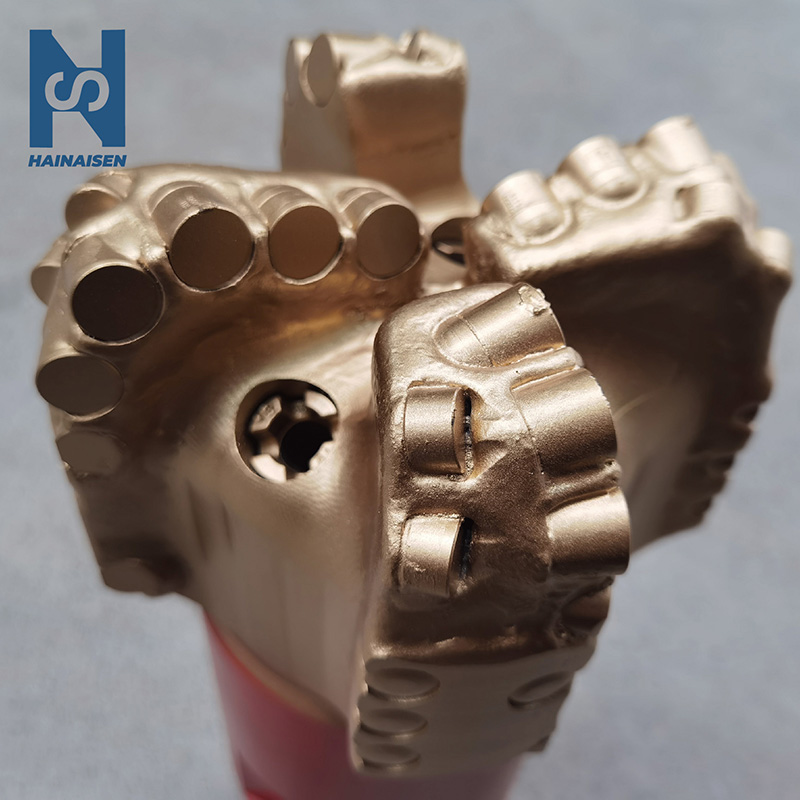 VIEW MOREFour Blade Wing Petroleum Drill Bit
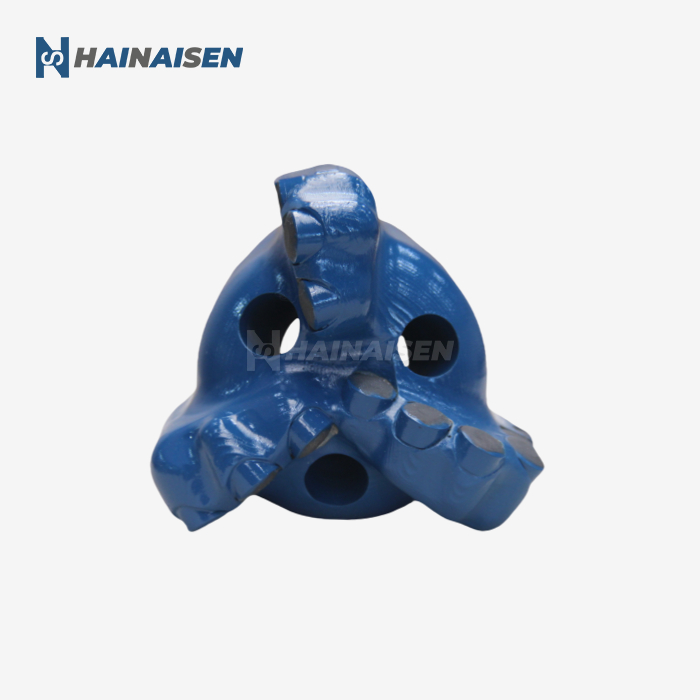 VIEW MORE3 Blade PDC Arc Angle Drill Bit
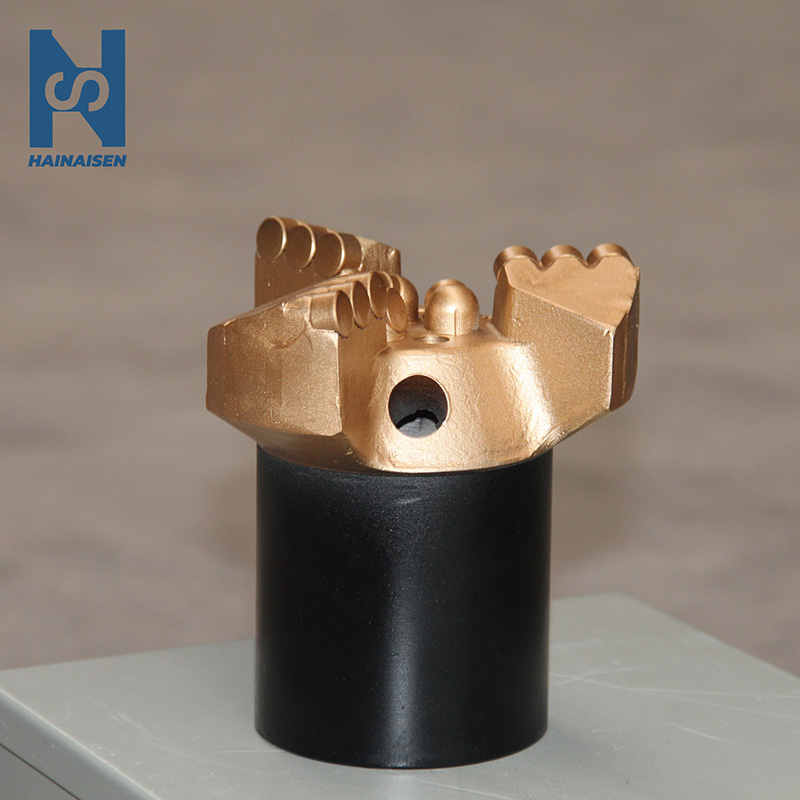 VIEW MORE113mm 3 Blades Steel Body PDC Bit
 VIEW MORE6 Wings PDC Drill Bit
 VIEW MOREFive Blade Wing Oil Drilling
 VIEW MOREFour Blade Wing High Performance Petroleum Drill Bit
 VIEW MORE4 1/2" IADC 537 Tricone Rock Bit
 VIEW MORESteel Body PDC Bit 4 Blades