







Custom Three Blade Oil Drill Bit for Petroleum Exploration
A well-designed three blade oil drill bit is a must-have for boring jobs that need accuracy, dependability, and speed. Advanced PDC (Polycrystalline Diamond Compact) technology and improved blade geometry work together in custom Three Blade Oil Drill Bits to give great performance in medium to hard rock forms. With these tools, workers can speed up the rate of entry, cut down on downtime, and lower the overall cost of drilling. At HNS, we make special drill bits that are made to fit the geology of your site. This way, we can make sure that every project meets its practical goals quickly and safely. Our dedication to high-quality production and new technology helps oil service businesses, coal mines, and water well-digging teams with a wide range of tasks.
Understanding the Three-Blade Oil Drill Bit: Structure, Function, and Benefits
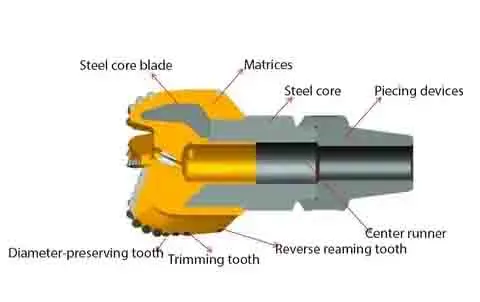
Core Structural Components and Design Philosophy
The three-blade oil drill bit design is a smart engineering choice that strikes a good mix between cutting power and mechanical safety. Unlike most four-blade or roller cone bits, the three-blade oil drill bit design has blades that are evenly spread and positioned 120 degrees apart around the bit body. This setup makes the best use of weight distribution during spinning and reduces changes in torque, which makes it easier to control direction during difficult drilling tasks.
Each blade has PDC cutters that are placed in a way that makes them very effective at cutting through formation rock. The cutters are usually 13 mm in diameter. The bit body, which is usually made of high-grade steel or tungsten carbide matrix materials, keeps the structure strong even when the pressure is very high downhole. The placement of the nozzles makes hydraulic cleaning more effective, which removes cuttings from the bit face and stops bit balling, which can lower performance.
Operational Advantages Over Alternative Bit Designs
When working with medium-hard rock layers, like fairly compacted sandstones, limestones, and interbedded shale patterns, three-blade oil drill bits work best. Compared to multi-blade designs, theirs have a smaller blade contact area. This compresses cutting forces and makes entry more effective. This targeted energy transfer lets operators keep up higher rates of penetration (ROP) while also making bits last longer.
The fewer blades also make the machine more stable by reducing vibrations while cutting. Too much shaking speeds up the wear on both the bit and the drill string, which causes them to break down early and need to be replaced, which costs a lot of money. Because they reduce these damaging forces, three-blade oil drill bits make work go more smoothly and last longer. The simpler shape of the blade also improves the hydraulic flow patterns around the bit. This keeps the bit cool and clears away waste more effectively, which keeps PDC cutters from getting damaged by heat and mechanical wear.
Why Petroleum Exploration Relies on Custom Three-Blade Bits?
Petroleum exploration comes with unique challenges, including variable formation properties, unpredictable downhole conditions, and strict requirements for precision directional drilling. Custom three-blade drill bit petroleum designs address all these tough demands, with customized geometries tailored to distinct rock formations and field operating environments. Bespoke blade profiles, optimized cutter layout and targeted material selection significantly boost drilling performance, whether navigating abrasive shale formations or penetrating dense hard rock strata.
Cost-effectiveness is still a very important thing for oil service businesses and drilling workers to think about. Custom three-blade oil drill bits lower overall drilling costs by increasing ROP, increasing bit life, and lowering the number of bit passes. These operating efficiencies directly lead to lower drilling costs per foot and faster project finish times, giving both procurement managers and technical engineers a clear picture of their return on investment.
Performance and Maintenance: Maximizing Drilling Efficiency and Longevity
Key Performance Indicators and Benchmarking
To judge the performance of a drill bit, you need to look at a number of important factors, such as the cutting speed, the power needs, and the penetration rate. Depending on the hardness of the rock and the size of the bit, three-blade oil drill bits can usually reach RPMs between 120 and 220. When drilling in softer formations, higher RPM settings get the best entry rates. When drilling in harder formations, lower RPM settings keep the cutters from damaging themselves with too much wear.
Weight on Bit (WOB) settings have a big effect on how well a drill works. The best WOB depends on the type of rock, the shape of the bit, and the size of the hole. To keep bits from breaking or wearing out too quickly, operators must find the right mix between violent cutting action and controlled force application. Three Blade Oil Drill Bits always do better than standard roller cone bits in terms of ROP and operating stability when they are properly matched to the conditions of the formation.
Three Blade Oil Drill Bits have a great price-to-performance ratio when compared to high-end diamond bits. Diamond bits work best in very hard or rough materials, but because they are more expensive, they aren't always useful. If you want the same level of performance in a wider range of situations for a lot less money, three-blade oil drill bits are the best choice for many drilling jobs.
Common Wear Patterns and Maintenance Protocols
Bit balling happens when the formation cuts stick to the face of the Three Blade Oil Drill Bit. This makes cutting less effective and increases force. This problem is especially bad in shale layers that are sticky or when hydraulic flow isn't enough. Monitoring drilling parameters on a regular basis helps workers find bit balling early so they can make changes to the mud's properties, flow rates, or drilling parameters in a fast manner.
Damage to the blades is usually caused by impact loads, too much work-over-burden, or drilling through rocks that are harder than expected. After each run, a visual check shows wear patterns that help plan future drilling tactics. By looking at the state of the PDC cutter and the amount of cutter height that is still there, you can figure out how well the bit is working and how long it will last.
Setting up regular check and maintenance procedures increases the bit life and keeps performance stable. Technicians should clean the bit well, look for chips or excessive wear on all cutters, check the integrity of the blades, and make sure the tip holes stay clear after each drilling run. By writing down wear patterns, you can make a performance library that will help you choose bits and improve working parameters in the future.
Real-World Performance Validation
In tough settings, our clients always say that unique three-blade oil drill bits work better than others. A medium-sized oil service company that works in shale formations saw a 25% rise in ROP after moving to HNS special three-blade oil drill bits. At the same time, the bits' life was increased by 30%. This improvement in efficiency cut the cost of drilling by about 18% per well, which saved them a lot of money over the course of their drilling program.
In another coal mine, bit failures were common in rough rock layers, which caused problems. We gave them bits that lasted 40% longer than what their previous provider gave them by using customized blade shapes and better PDC cutter grades. These improvements in performance led to fewer bit trips, less time spent on non-productive tasks, and better project economy.
How to Choose the Right Three-Blade Oil Drill Bit for Your Project?
Technical and Geological Selection Criteria
Bit selection choices are based on the features of the formation. For granite or basalt, which are hard rock forms, you need bits with strong blade shapes and high-quality PDC cutters that don't break when they get worn down or hit something. On the other hand, more aggressive cutter placement that improves ROP without sacrificing bit stability works best in softer forms.
The shape of the blade has a big effect on how well it cuts. When the rock is soft, aggressive blade angles help the tool get deeper faster, but they may wear out faster when the rock is hard. Blade shapes that are more conservative make bits last longer in tough situations, but they slow down penetration. To balance these different needs, you need to know about the properties of the formation and the practical goals.
Bit longevity and performance uniformity are based on the quality of the material used. Premium steel metals and tungsten carbide matrices are stronger and less likely to wear down, which makes up for their higher original cost by giving you more years of use. The quality of PDC cutters from different makers changes a lot. High-end cutters have better thermal stability, impact resistance, and wear performance.
Comparative Market Analysis
Teams that are drilling water wells on a budget often put the lowest original buy price first. For shallow wells and softer formations, this makes economy-grade bits a good choice. In less demanding applications, these bits work fine, but their shorter lifespan and lower ROP may make the total cost of the project higher.
Mid-range bits are good for coal mines and smaller oil service businesses because they combine performance and cost. These bits are made with high-quality materials and tried-and-true designs, but they don't cost a lot. They work reliably in fairly difficult conditions.
Large oil service companies use premium custom PDC Bits to drill in difficult rocks or carry out complicated directional programs. These bits are made of high-tech materials, have perfect shapes, and are custom-designed to work well and be reliable. Although the beginning costs are higher, the overall costs of drilling are usually cheaper because of better ROP and longer bit life.
Customization Options for Specialized Applications
When you create your own bits, you can solve practical problems that standard bits can't. Customized solutions are helpful for projects with odd formation patterns, high drilling angles, or unique performance needs. Our engineering team looks at geological data and drill factors and works with your expert staff to come up with the best bit designs.
A full range of customization options is available for drill bit petroleum, covering blade profiles, cutter layouts, gauge lengths and nozzle configurations. These tailored modifications resolve specific drilling obstacles, optimize fluid circulation control and upgrade overall hydraulic performance. Custom three-blade oil drill bits stand out as the top solution for drilling crews aiming to maximize drilling efficiency under harsh and complex downhole conditions.
Procurement Guide for Global B2B Clients: Sourcing Quality Three-Blade Oil Drill Bits
Identifying Trusted Suppliers and Manufacturers
The global drill bit market is made up of many different companies with different levels of product and customer service. When compared to unknown suppliers, well-known makers with a history of reliability offer better expert help. When looking at possible sources, you need to look at how they make things, how they control quality, how knowledgeable their staff is, and how well they handle customer service.
Compliance with industry standards and Certifications shows that you are committed to quality standards. Reputable makers keep their ISO licenses, follow API guidelines, and use strict quality control procedures. With these qualifications, you can be sure that the bits you buy will work as expected and meet legal standards.
Price Considerations and Bulk Ordering Strategies
Prices for drill bits depend on their size, design complexity, the material they are made of, and how many are ordered. Standard 6-inch Three Blade Oil Drill Bits with basic shapes and sizes usually cost less than designs that are highly customized with high-end materials and unique shapes. Knowing how these prices work helps buying managers make good budgets and negotiate good deals.
When you order in bulk, you save a lot of money because you get deals for buying more and the shipping costs per unit are lower. To save the most money, operators who are planning long digging operations should combine orders. Bulk sales, on the other hand, need careful inventory management to keep items from going out of date if practical plans change or bit designs need to be changed based on experience in the field.
Negotiating terms of payment, shipping dates, and warranties protects the buyer's interests and makes sure that the buying process goes smoothly. Clear contract terms about product requirements, acceptance standards, and ways to settle disagreements lower risks and make sure everyone is responsible.
Logistics and Supply Chain Management
When you ship things internationally, you have to deal with longer transportation times, clearing taxes, and different rules for importing goods. Working with makers who have experience with exporting makes these steps easier. Delivery times usually run from four to eight weeks, but they can be longer or shorter based on how the product is customized, when it is made, and how it is shipped.
Planning the timing of PDC bit purchases around the plans for drilling avoids delays that cost a lot of money. Having enough product backups on hand helps in case a bit breaks unexpectedly or the drilling goes faster than planned. Building relationships with dependable suppliers gives you access to expert help when problems arise and guarantees that you will be given top treatment when time is short.
Conclusion
It has been shown that custom three-blade oil drill bits work better in coal mining, oil research, and digging for water wells. Their optimal design strikes a balance between penetration speed and operating stability. This lowers the cost of drilling and increases the life of the bit. Procurement managers and technical engineers can make better choices that improve project results when they understand bit structure, performance characteristics, and selection criteria. Technology keeps getting better with new materials, shapes, and digital integration. As a result, Three Blade Oil Drill Bits will keep changing to meet higher environmental and operating standards.
FAQ
1. What lifespan can I expect from a custom three-blade drill bit?
How long a bit lasts depends a lot on the hardness of the rock, the drilling factors, and how the bit is used. When used correctly and in medium-hard rock, good three-blade oil drill bits can drill between 500 and 1,500 meters before they need to be replaced. Lifespan is shortened by harder formations or active digging, but it may be prolonged by softer circumstances. Regular inspections and tweaking of parameters extend the life of equipment.
2. Are three-blade bits suitable for extremely hard rock formations?
Three Blade Oil Drill Bits work well in rocks that aren't too hard or too soft, but they might have trouble in rocks that are very hard or very rough. Premium PDC cutting grades and strong blade designs make it possible to work in harder rock types. In very tough situations, you might need specific bits like diamond or hybrid forms. Talking to technical experts makes sure that the right bit is chosen for the unique features of the formation.
3. How does maintenance differ from roller cone bits?
Three Blade Oil Drill Bits don't need as much upkeep as roller cone bits because they don't have any sealed bearings or working parts. Cleaning, eye analysis, and figuring out the state of the cutter are the main parts of maintenance. Roller cone bits need to have their bearings, seals, and cone spinning checked. PDC bits have easier repair needs, which cuts down on downtime and service costs.
Partner with HNS for Premium Three Blade Oil Drill Bit Solutions
Custom-made Three Blade Oil Drill Bits that meet your exact working needs are what HNS does best. Our Xi'an factory is 3,500 square meters and uses modern 5-axis machining centers and CNC machinery to make precision-engineered bits that meet the highest quality standards. Our technical team can make solutions that work best for your formation conditions, whether you need standard configurations like our IADC S433 model (6-inch circle, 61 PDC cuts, 3-1/2 REG.PIN connection) or completely unique designs. As an experienced Three Blade Oil Drill Bit Manufacturer, we help oil service companies, coal mines, and drilling contractors by giving them reliable goods and quick expert support. You can email us at hainaisen@hnsdrillbit.com for more information, bulk prices, and design consultations that are tailored to your individual drilling needs.
References
1. Bourgoyne, A.T., Millheim, K.K., Chenevert, M.E., and Young, F.S. (1991). Applied Drilling Engineering. Society of Petroleum Engineers.
2. Bellin, F., Dourfaye, A., King, W., and Thigpen, M. (2010). "The Current State of PDC Bit Technology." World Oil, 231(9), 41-46.
3. Zhang, H., Liu, Y., and Chen, P. (2018). "Optimization Design and Performance Analysis of Three-Blade PDC Drill Bits." Petroleum Drilling Techniques, 46(3), 22-28.
4. Mitchell, R.F. and Miska, S.Z. (2011). Fundamentals of Drilling Engineering. Society of Petroleum Engineers.
5. Clayton, R., Chen, S., and Lefort, G. (2005). "New Bit Design, Cutter Technology Extend PDC Applications to Hard Rock Drilling." Oil & Gas Journal, 103(25), 54-58.
6. Warren, T.M. and Armagost, W.K. (1988). "Laboratory Drilling Performance of PDC Bits." SPE Drilling Engineering, 3(2), 125-135.
 VIEW MORE4 1/2" IADC 637 TCI Tricone Bit
logo 1_1777361260784.jpg) VIEW MOREFour Wing Arc Angle PDC Drill Bit
VIEW MOREFour Wing Arc Angle PDC Drill Bit VIEW MOREHard Alloy Roller Drill Bit
 VIEW MOREPDC Flat Top Sintered Drill Bit
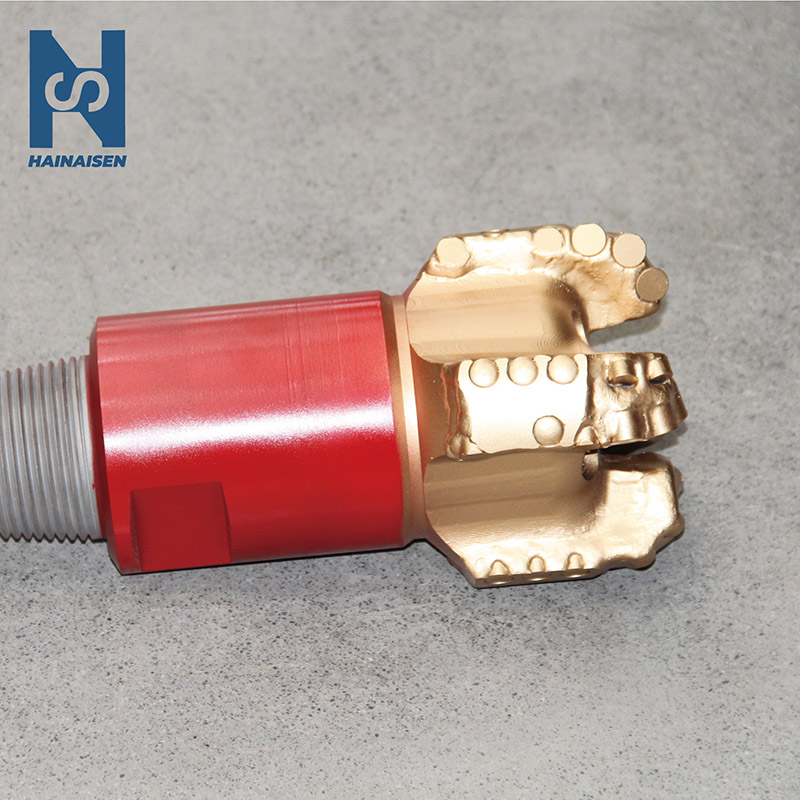 VIEW MOREPetroleum PDC Oil Drill Bit
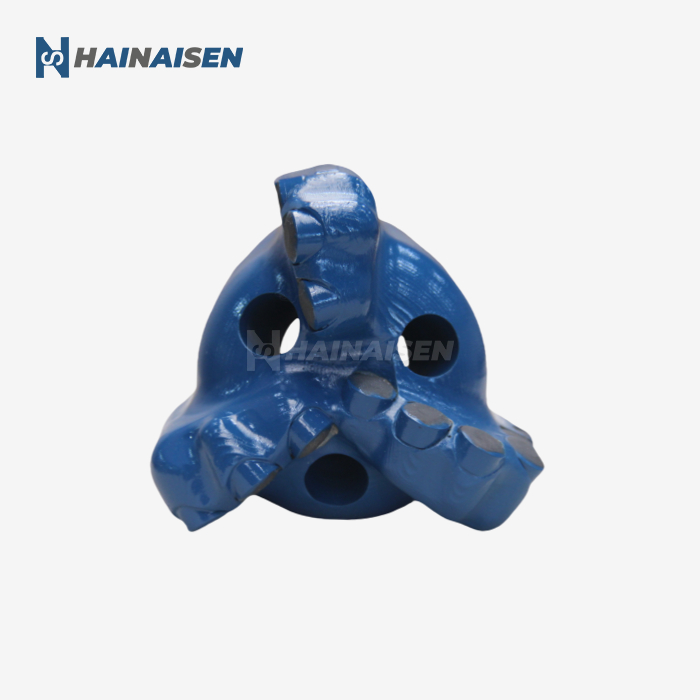 VIEW MORE3 Blade PDC Arc Angle Drill Bit
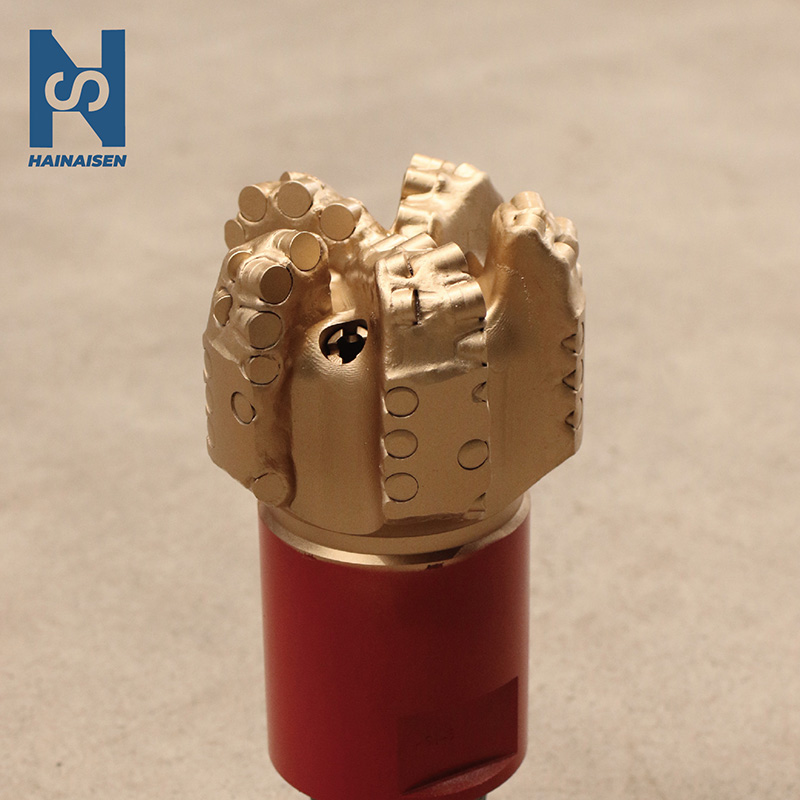 VIEW MOREPDC Petroleum Drill Bit
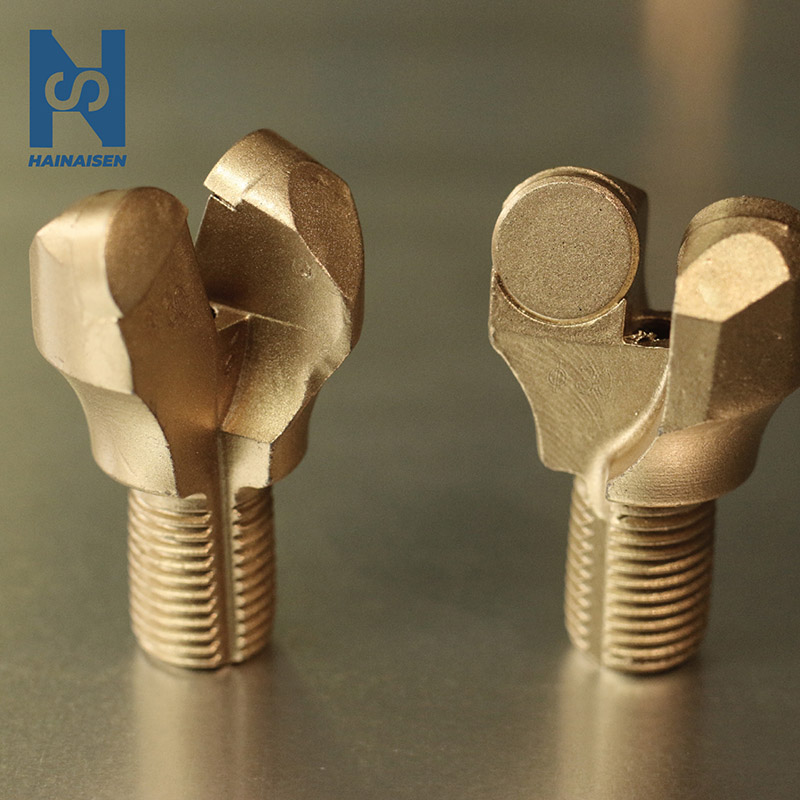 VIEW MORE30mm Half Blade Anchor Bit For Mine Coal Fields
