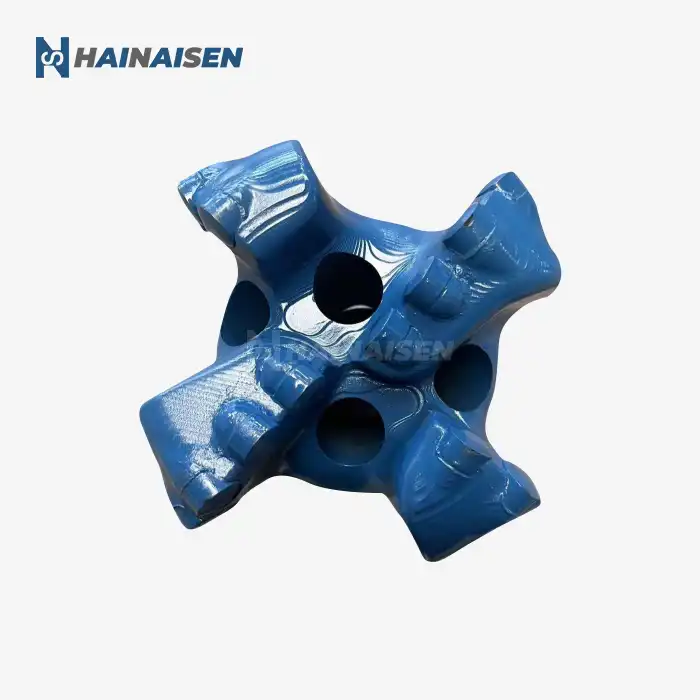
Six Blade Wing Petroleum Drill Bit Stability and Balance Guide
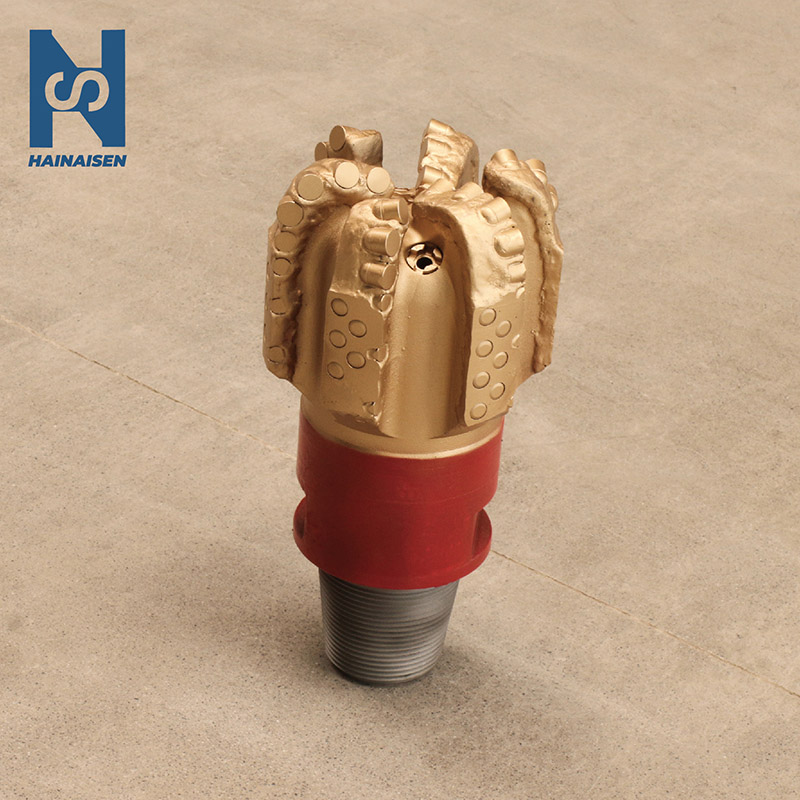
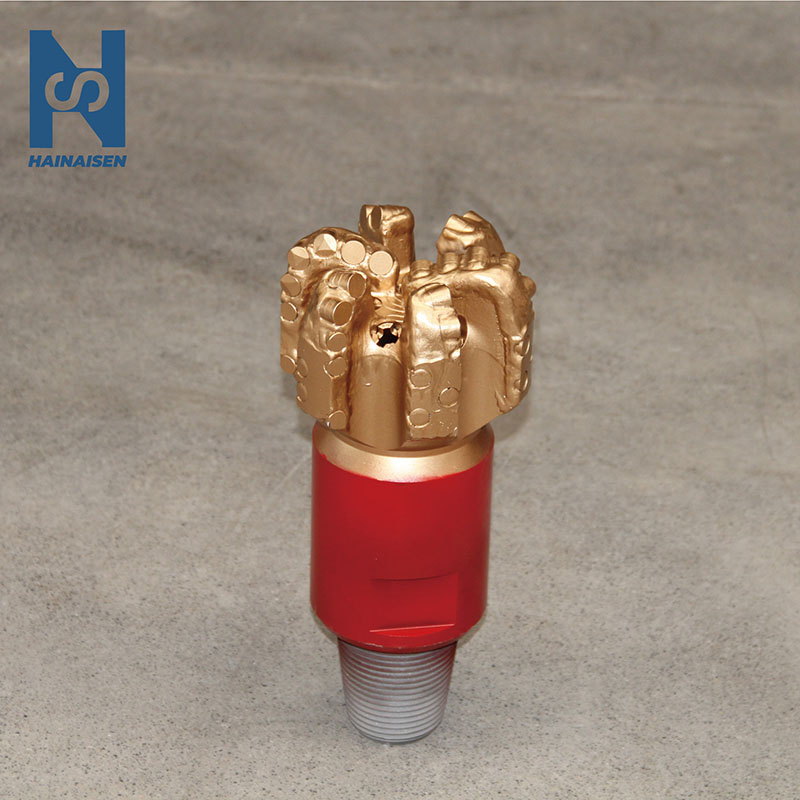
To get the best stability and balance from a six-blade wing petroleum drill bit, you need to know about blade shape, how to change parameters correctly, and how to do preventative maintenance. These PDC drill bits have six blades that are all placed in the same way. This makes the cutting forces spread out evenly and reduces horizontal vibrations while the bit is turning. The balanced blade design stays in contact with the rock as long as the drilling pressure stays between 20 and 110 KN and the rotational speed stays between 60 and 250 RPM. This balance keeps cuts from wearing out too quickly while increasing entry rates in medium-hard rock types like shale, limestone, and sandstone.
Understanding Six Blade Wing Petroleum Drill Bit Stability and Balance
When it comes to drilling tools, stability means that the bit can stay in the same direction without moving too much side to side, and balance means that the weight is evenly distributed so that eccentric spinning doesn't happen. The link between these two factors affects how well drilling works and how long the equipment lasts.
How Does Blade Configuration Affect Stability?
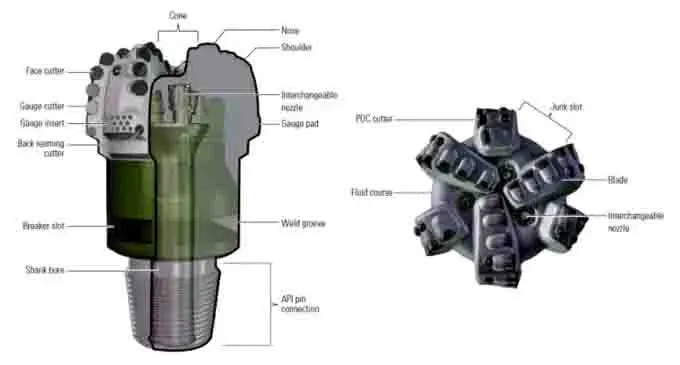
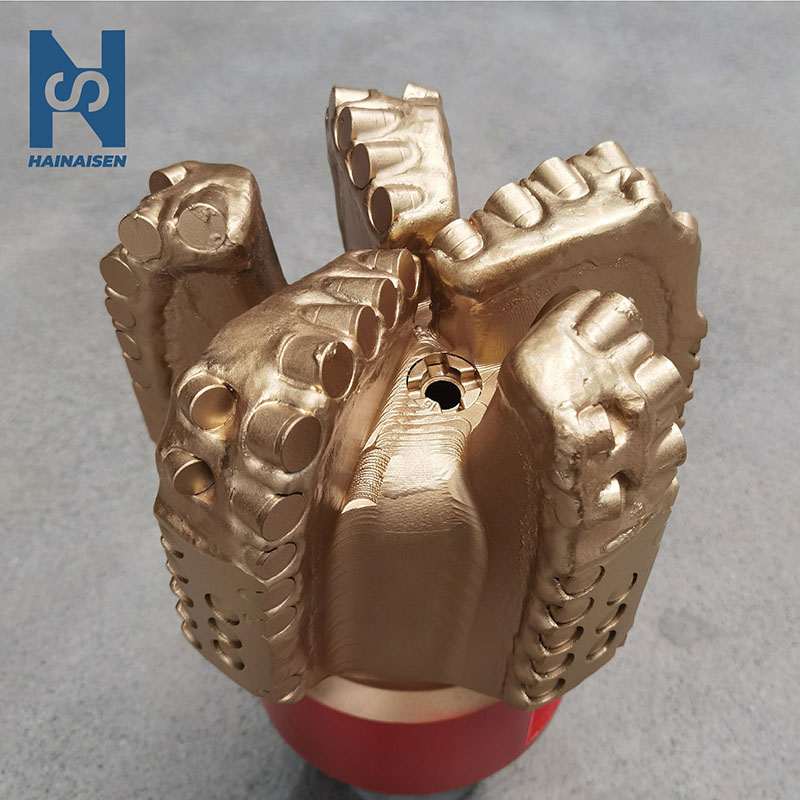
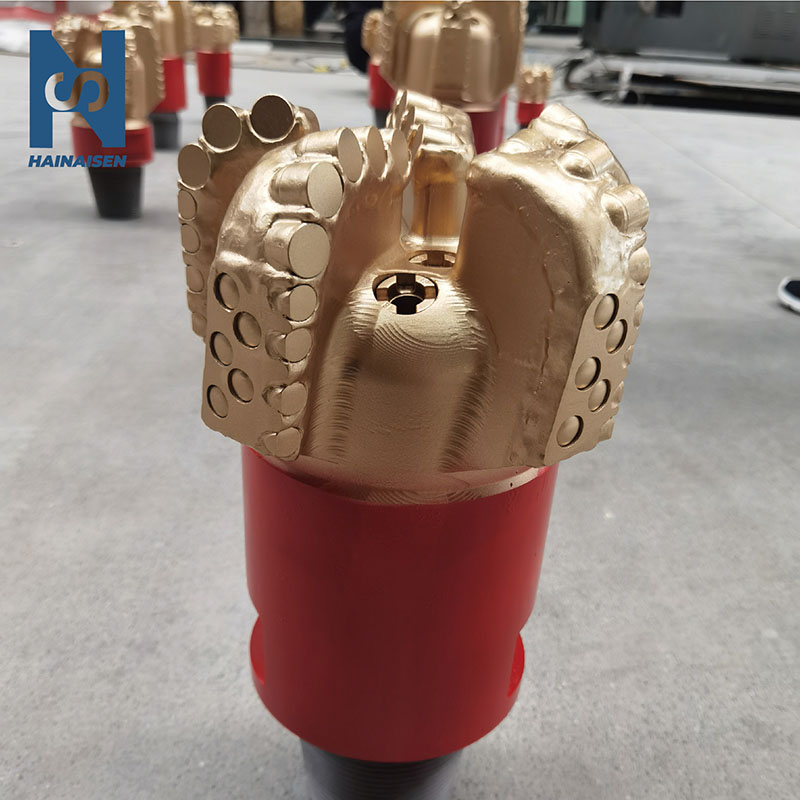
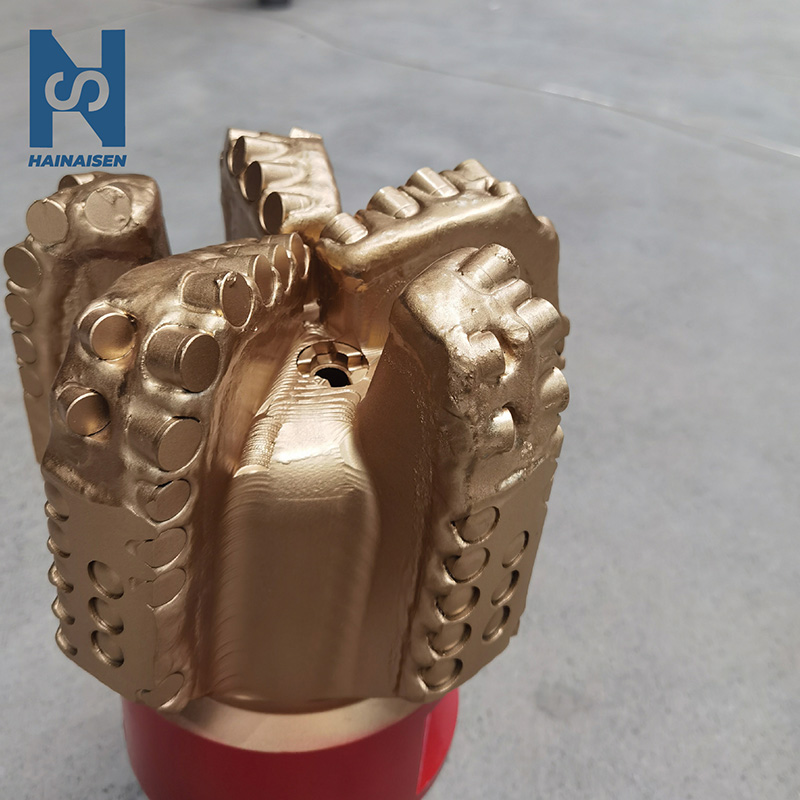
The placement of the six blades in a smart way makes them better than the six-blade wing petroleum drill bit or standard designs. Each blade places PDC cutters at precise intervals around the bit body. This makes multiple cutting zones that work on the formation at the same time. When one blade hits sections of harder rock, the other blade balances it out and keeps the bit from moving off course. This even setup gets rid of the "whipping" effect that happens with designs with fewer blades, where uneven cutting forces make the drill string shake.
The wing-shaped design of the blade is useful in two ways. The aerodynamic shapes make the hydraulic resistance lower as the drilling fluid runs past the blades, and the longer wing sections give them more support against the walls of the hole when they are drilling in a specific direction. The mixture makes a self-stabilizing system that works better as the entry depth goes up.
Material Selection and Structural Integrity
Stable drill bit performance starts with cores made of high-strength steel. When we make our goods, we use high-quality alloys that don't change shape even when temperatures hit 150°C and pressures go over 15,000 PSI. The tungsten carbide matrix built into the blade structure reduces impact loads that would otherwise travel through the bit body and cause small cracks that lead to failure.
Each blade has polycrystalline diamond compact cuts on it that keep its sharp tips even after drilling thousands of feet. PDC blades split rock by continuously scraping it, while real diamond bits break when they hit crystalline structures. Specialized thermal coats keep these cutters from breaking down because of heat over long drilling campaigns. This keeps the bit's cutting efficiency throughout its life.
The Role of Hydraulics in Maintaining Balance
Proper fluid dynamics affects the steadiness of the drill bit directly. The space between the six blades makes junk holes that are wider. These are paths that rock chips use to move up from the cutting face. When flow rates stay between 30 and 40 liters per second, these pathways move waste out of the way before it can build up under the bit. The increase of cuttings under the cutting structure works like ball bearings, stopping the effective weight transfer to the formation and making the bit behave in a strange way.
The way the blades are set up also creates swirling patterns that are good. As the drilling mud comes out of tubes placed between the blades, whirling currents clean each PDC cutter and keep the cutting surface cool. This cooling effect keeps the rock from cracking during the cutting process by stopping thermal cracks in both the blades and the formation.
Common Challenges and Solutions in Maintaining Drill Bit Stability and Balance
There are things that happen in operations that can damage even the best-designed drill bits. When drilling teams see danger signs early, they can take steps to fix problems before they get worse and cost a lot to fix.
Imbalance-Induced Vibration Issues
During drilling activities, vibration can show up in three different ways. The bit bounces up and down because of axial shaking, which makes the weight-on-bit situation unstable. Whipping from side to side is caused by lateral vibration, and it speeds up the wear on bearings in rotor systems. Torsional shaking causes stick-slip behavior, in which the bit stops and then speeds up quickly, shocking the whole drill string.
Because they are symmetrical, six-blade wing petroleum drill bits automatically reduce these vibration types. When buying, managers look at the specs of drill bits, knowing that a balanced blade count directly leads to smoother operation, helps them see why they should spend money on good tools. When cheaper three-blade options are chosen for purchase, repair intervals are often shortened, and nonproductive time rises.
Preventive Maintenance Protocols
Routine inspections find problems as they start to appear before they affect the performance of the drills. Technical experts should look at the blade surfaces for strange wear patterns every time they run a bit. Asymmetric wear on one side means that there are problems with steering or with the rock that need to be fixed by changing the drilling parameters on the next run. If your PDC cutters are broken or missing, it means that the impact force is too high. This means that less drilling pressure or slower spinning speeds would be better for future operations.
How bits are stored and handled has a big effect on their balance. When drill bits are kept horizontally on racks, they keep their shape better than when they are stacked vertically, where gravity can cause small changes over time. Transporting drilling equipment to remote places needs protective casings that keep cutting structures from getting damaged by impacts. For large orders, we offer custom shipping crates that keep tools safe during foreign shipping.
When to Repair Versus Replace?
Cost research helps people decide what to replace. When water well drilling teams are on a tight budget, they often ask for repaired bits, which have worn-out cutters changed and blade surfaces cleaned up. This method works as long as the steel body stays structurally sound and the blade shape stays within the acceptable range. Large and medium-sized oil service companies, on the other hand, usually order new bits for each well section because the consistent performance makes up for the extra cost.
Finding the cost per foot drilled gives you a way to compare things that is based on facts. A high-end six-blade wing petroleum drill bit that costs 40% more but goes 70% farther is a better deal than changing cheaper ones over and over again. When purchasing managers ask for capital expenditures, it's helpful to put these measures together for multiple wells to show the benefits in the total cost of ownership.
Optimizing Performance: Practical Strategies to Enhance Stability and Balance
When parameters are optimized, good drilling results turn into amazing output. The Six Blade Wing Petroleum Drill Bit works best in a certain performance range that is set by the relationship between rotational speed, applied weight, and formation traits.
Adjusting Parameters for Formation Types
Higher rotational speeds and a modest amount of weight on the bit work well on shale layers. When PDC cutters are running at 180–220 RPM and 60–80 KN drilling pressure, they can easily cut through the layered structure without applying too much force. Because the blades are balanced, the bit can't follow bedding lines, which would cause the direction to change.
Different methods are needed for limestone and dolomite rocks. These carbonate rocks work better when the weight on the bit is raised until it gets close to 110 KN, but the spinning speed stays between 120 and 150 RPM. The harder formation calls for aggressive cutter contact, which is possible with the Six Blade Wing Petroleum Drill Bit because it better distributes power. Each blade does one-sixth of the total cutting work, while three-blade versions have each blade do one-third of the work.
Moderate conditions, such as 140–170 RPM and 70–90 KN pressure, are best for sandstone drilling. Because sand grains are rough, they speed up the wear on cutters. This is why having a six-blade wing petroleum drill bit is so useful. When working with sandstone, the flow rate is very important. Keeping the full 40 liters per second guarantees that cuts are always removed, which stops damage from sand buildup.
Drill String Configuration Considerations
How well the bit stays stable depends on how the bottomhole system is designed. If you put stabilizers within 30 feet of the bit, it won't buckle, which would make the bit behave badly. The heavy drill pipe right above the stabilizer section acts as a swinging weight to keep the bit in the right place in wellbores that aren't straight.
Six Blade Wing Petroleum Drill Bits are good for directional drilling because they can keep themselves stable. When making an angle or keeping a horizontal path, the balanced cutting forces mean that steerable motors or rotating steerable systems don't have to make as many corrections. When bit design and steering technology work together, the wellbore profiles are better, and there are fewer micro-doglegs that make installing the casing more difficult.
Documented Performance Improvements
When owners in Wyoming moved to Six Blade Wing Petroleum Drill Bits for drilling bit oil and coal bed methane extraction projects, they saw real benefits. In similar patterns, the average entry rate went up from 18 feet per hour to 26 feet per hour. Because of the better stability, drilling could go longer between machine checks, which cut down on downtime by about 15 hours per well. When drilling 40 wells a year, these efficiency gains meant that three more wells could be finished on the same plan.
Extreme temperatures make it hard for tools to last during geothermal digging. A Nevadan who works on renewable energy said that six-blade wing petroleum drill bits worked consistently through granite rocks at 180°C bottomhole temperatures, while three-blade bits had cutter failures very quickly. The balanced design better spreads the heat over the bigger blade surface area, which increases the bit's life from 400 feet of entry to 680 feet.
Comparing Six Blade Wing Petroleum Drill Bits with Other Drill Bit Types
Figuring out the relative benefits helps you choose the right bits for each application. There isn't a single design that works best for all drilling situations, but knowing where Six Blade Wing Petroleum Drill Bits shine helps procurement pros make smart decisions.
Structural Differences and Performance Implications
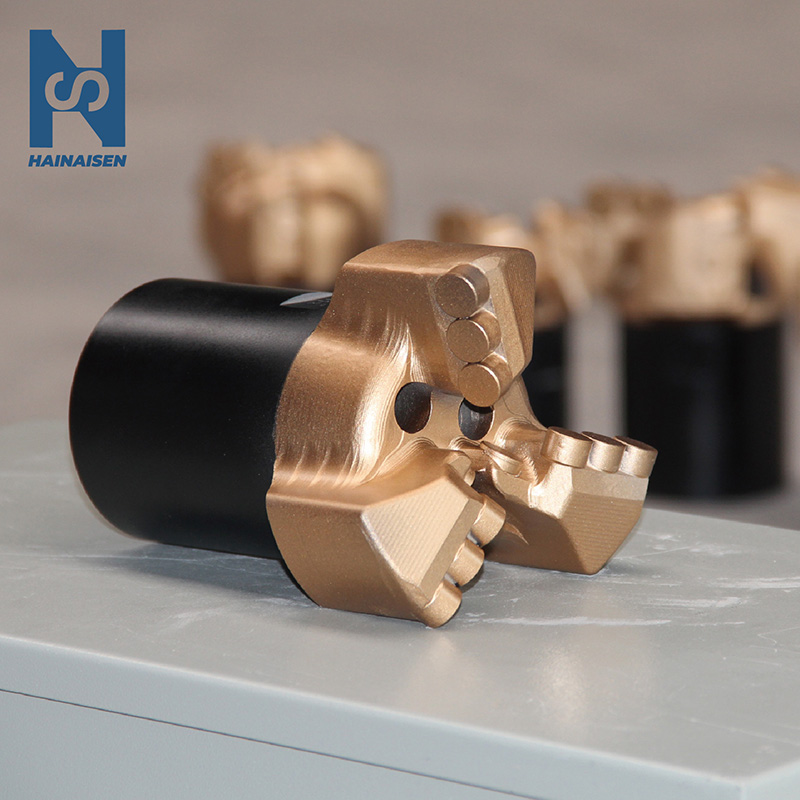
Three-blade PDC Bits are most common in soft to medium rocks, where fast penetration rates are more important than long life. Because there are fewer blades, the individual cutting structures are bigger, which removes material faster but puts more stress on the PDC cutters that are there. This design theory works well for water well teams that drill at shallow depths through stable rocks and decide what bits to buy based on how much they cost and how fast they dig.
Roller cone bits are still used in places where the material is too hard or too rough for PDC technology to work. The spinning cones break the rock instead of cutting it, which is better in chert layers or formations with flint nodules embedded in them. But roller cones need more upkeep than PDC designs because their mechanics are more complicated, and in some formations, their penetration rates are lower than those of six-blade wing petroleum drill bits.
When compared to steel body forms, matrix body PDC bits are more durable, but they give up some support. The powdered tungsten carbide matrix doesn't wear away in rough conditions, but it does add weight that changes the balance of the bit in a way that isn't the same as steel construction. We make both matrix and steel body six-blade wing petroleum drill bits, and we help customers choose the right ones based on their physical conditions and practical needs.
Cost-Benefit Analysis for Procurement Decisions
When oil service companies are looking at their supplier choices, they should compare the cost of acquisition to the expected area per bit. It costs $4.25 per foot to drill 2,000 feet with a Six Blade Wing Petroleum Drill Bit. Another version with three blades costs $6,200 and costs $5.64 per foot to drill 1,100 feet. The Six Blade Wing Petroleum Drill Bit is more stable and balanced, which directly leads to longer service life, which lowers the cost of the project.
Buying bulk drilling bit oil can help you get more for your money. When coal mining companies buy 20 bits or more every three months, we set the prices so that they represent the most efficient way to make the bits and the best way to handle logistics. When technical engineers define standard bit designs for various drilling rigs, it makes inventory management easier and makes sure that performance data is uniform for analyzing how to make things better all the time.
Conclusion
To get better drilling results, you need to know how Six Blade Wing Petroleum Drill Bits keep their balance and stability through physical design, material choice, and optimizing operating parameters. The symmetrical blade design spreads the cutting forces out evenly, which lowers shaking and increases equipment life in a wide range of natural conditions. When purchasing drilling equipment, procurement workers should look at the total cost of ownership instead of just the original purchase price. This is because balanced bit designs increase productivity in a way that can be measured. Strategic relationships with suppliers that include the ability to customize and offer technical support make operations more efficient during drilling missions.
FAQ
1. What operational parameters optimize Six Blade Wing Petroleum Drill Bit performance?
The best balance for most medium-hardness rocks is to keep the spinning speed between 60 and 250 RPM and the drilling pressure between 20 and 110 KN. Flow rates of 30 to 40 liters per second are needed to get rid of leaves effectively. Changing certain parameters depends on the properties of the rock. For example, shale works best with higher speeds and modest weight, while limestone works best with higher pressure at lower RPM.
2. How does the number of blades change the security of drilling?
Six-blade wing petroleum drill bits spread the cutting forces over more contact points than three-blade designs, which lowers sound and stops the bit from moving laterally. The symmetrical layout of the blades creates a balanced force that keeps the direction consistent. This is especially helpful during horizontal and directional drilling, where steadiness directly affects the quality of the wellbore.
3. What kind of upkeep makes bits last longer?
Regular inspections after each run find wear patterns that need to be fixed by changing the parameters. Keeping things in the right way on horizontal racks keeps them from deforming, and transporting them in protective cases keeps cutting structures safe. By keeping an eye on sound signs while the machine is running, imbalances can be found early on, before they lead to a catastrophic failure.
Partner with HNS for Reliable Six Blade Wing Petroleum Drill Bit Solutions
At Shaanxi Hainaisen Petroleum Technology Co., Ltd., we offer drilling solutions that are tailored to your unique business needs by combining cutting-edge manufacturing skills with deep industry knowledge. Our Six Blade Wing Petroleum Drill Bits are made to be very stable and balanced, and they are subject to strict quality control throughout the entire production process. Our team can help you with unique designs and quick expert support for any type of drilling project, from oil and gas research wells to coal bed methane extraction projects and water wells in tough formations. Get in touch with our skilled engineers at hainaisen@hnsdrillbit.com to talk about your drilling needs and find out why top operators choose HNS as their chosen Six Blade Wing Petroleum Drill Bit provider.
References
1. Smith, J.D., "Advanced PDC Bit Design for Enhanced Stability in Directional Drilling Applications," Journal of Petroleum Technology, Vol. 68, No. 4, 2019.
2. Robertson, M.L. and Chen, P., "Comparative Analysis of Multi-Blade Drill Bit Performance in Sedimentary Formations," SPE Drilling & Completion Journal, March 2020.
3. Anderson, K.R., "Hydraulic Optimization Strategies for PDC Bit Cuttings Transport," International Journal of Rock Mechanics and Mining Sciences, Vol. 142, 2021.
4. Williams, T.A., "Vibration Mitigation Through Geometric Blade Configuration in Rotary Drill Bits," ASME Journal of Energy Resources Technology, Vol. 143, No. 2, 2021.
5. Martinez, C.E. and Thompson, R.J., "Material Selection Criteria for High-Temperature Drilling Applications," Geothermal Energy Journal, Vol. 9, Issue 3, 2018.
6. Patterson, L.S., "Cost-Benefit Analysis of Premium Drill Bit Technologies in Unconventional Reservoir Development," Energy Economics Research Quarterly, Vol. 15, 2022.
logo 1_1777361785830.jpg)